
Tabelog 100 #9
Our verdict
Kitchen Cho places Nagoya’s yoshoku tradition in a compact Chikusa Ward room where counter seats and table seating keep the format closer to a neighbourhood dining room than a formal Western restaurant. Its Tabelog 100 Yoshoku EAST 2025 selection and hamburger-steak category point to a Japanese-Western genre judged on consistency, sauce work, and everyday appeal rather than ceremony.

Pearl is the En Primeur Club membership app, where members save venues, book tables and use the concierge.
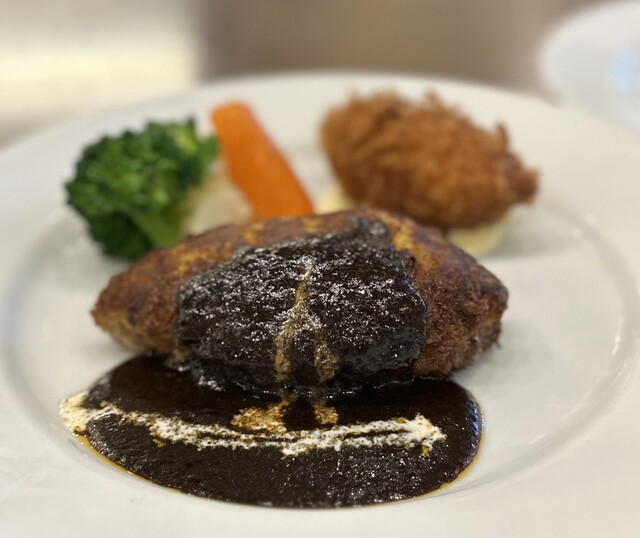
Approach the restaurant as yoshoku asks to be understood: not imported Western dining, but a Japanese urban habit of quick visual cues and dishes carrying memories of department-store dining rooms, family restaurants, and everyday local meals. At Kitchen Cho, category matters. The meal belongs to Nagoya’s practical dining register: modest in tone, familiar in format, and shaped by expectations before the menu does.
Yoshoku is cuisine in translation. Hamburger steak and other Western-outlined Japanese plates are shaped by rice, set-meal logic, sauce texture, lunch traffic, and multi-generational comfort. In Nagoya, better known outside Japan for local specialties and coffee-shop morning sets, yoshoku occupies a quieter lane: less spectacle than regularity, portion logic, and balance between family use, solo dining, and repeat local habits.
A yoshoku room where category defines the meal
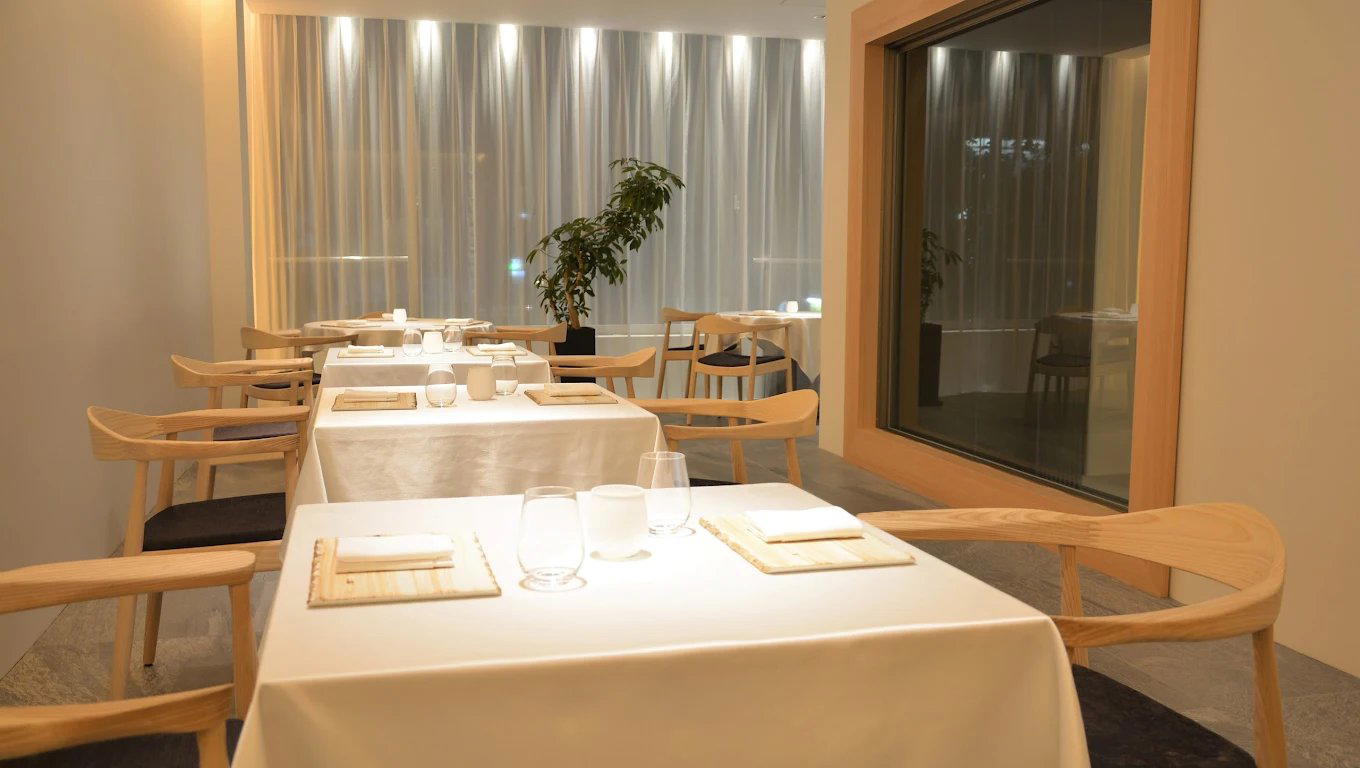
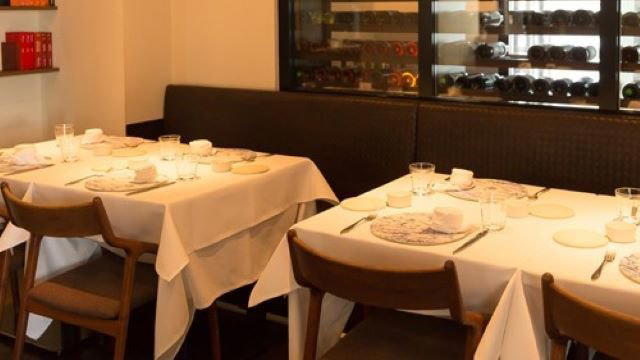
The design cue is not grand architecture but the everyday grammar of the genre. Yoshoku works best when the setting keeps attention on the plate rather than on ceremony. The format signals the split personality of serious neighborhood-style dining: couples and families can dine without formality, while solo diners can still feel naturally accommodated. In a genre built on timing and consistency rather than a tasting-menu arc, that matters.
The room also explains yoshoku’s status in Japan. Unlike counters associated with ceremony and chef performance, a yoshoku setting often reads as access and efficiency. It accommodates everyday use without making the restaurant feel casual in the careless sense, and keeps the food tied to working origins. Kitchen Cho’s Tabelog Hyakumeiten 2025 recognition gives this modest format a credential without changing its category. This is not luxury dining disguised as comfort food; it is comfort food judged seriously by its own rules.
That separates it from higher-pressure Nagoya dining rooms such as Yama no I and Japanese cuisine Kashizuki, which sit in another register of occasion. Bistro Den Den points toward a different mood. Kitchen Cho belongs to the lower-pressure category where recognition comes from doing familiar forms with discipline rather than turning dinner into ceremony.
Hamburger steak as a serious Nagoya comfort format
The category, yoshoku and hamburger steak, says more than a long menu description. Hamburger steak in Japan is not simply a bunless burger; it is a plated main built around sauce, rice compatibility, and minced-meat texture. Because the dish is common, the standard is unforgiving. Diners know weak versions. A recognized yoshoku kitchen must justify itself through execution, not novelty.
Tabelog’s Hyakumeiten lists are useful because they bring attention to categories visitors often overlook while chasing sushi, ramen, or kaiseki. A 2025 Hyakumeiten selection places Kitchen Cho in a field of Japanese-Western specialists. The listed Tabelog score of 3.68 also matters: on Japanese review platforms, that range can signal strong local confidence, especially for restaurants outside Tokyo’s international dining circuit.
Nagoya rewards this food because the city’s eating culture is practical. Its canon includes dishes with strong sauce identities and clear meal structures, not only delicate seasonal minimalism. Yoshoku fits that appetite, giving office workers, families, and repeat locals a Western-shaped plate that still behaves like a Japanese meal. The category is built to be used, not only admired.
For short stays, the choice is less trophy booking than register balance: coffee-shop morning culture, miso-driven local specialties, then yoshoku for a lower-key dinner with technical seriousness. For the broader city map, Our full Nagoya restaurants guide is the better start; planning sleep, drinks, wine, and activities belongs with Our full Nagoya hotels guide, Our full Nagoya bars guide, Our full Nagoya wineries guide, and Our full Nagoya experiences guide.
Where it sits among Nagoya's dining choices
Kitchen Cho matters because it sits between everyday utility and category recognition. Nagoya has restaurants built on ceremony, seasonality, private rooms, or high-ticket counters. Yoshoku asks another question: can a familiar plate stay compelling without destination-dining theatrics? The answer depends on speed, repeatability, and whether a common format is worth making time for in the city.
Comparisons should stay within format and intent. Kishiya, another Nagoya listing in a casual register, shows meaningful dining beyond the visitor checklist. Bistro Den Den points to another mode. ラ・ドゥ―ル, Yama no I, and Japanese cuisine Kashizuki occupy other parts of Nagoya’s map. They are not interchangeable; they show that Nagoya’s serious dining culture is not confined to one luxury lane.
For Japan itineraries built around category depth, Kitchen Cho shows how Tabelog recognition can surface restaurants with local gravity rather than international polish. For contrast across the EP Club restaurant map, look at other dining in Nagoya and beyond as context rather than direct comparison. Wider Japan and overseas examples can sharpen the point generically: casual Japanese forms travel, specialize, and change meaning by city, while Kitchen Cho remains rooted in Nagoya’s own everyday dining rhythm.
The verdict is practical but not plain: Kitchen Cho is for diners who understand that a yoshoku restaurant can be as revealing as a formal counter. Its value lies in category clarity, not theatrical ambition. The Tabelog Hyakumeiten selection in 2025 supplies the trust signal; the Nagoya setting explains why the experience remains grounded. In Nagoya, that combination is where much of the city’s eating intelligence lives.
Frequently asked questions
What time does Kitchen Cho open and close?
Current opening hours for Kitchen Cho are not provided here; check directly before visiting.
Where exactly is Kitchen Cho?
Nagoya.
Is Kitchen Cho expensive?
Pricing at Kitchen Cho is listed as Dinner: JPY 3,000 - JPY 3,999; Lunch: JPY 1,000 - JPY 1,999.
What is Kitchen Cho known for?
Kitchen Cho is known for yoshoku, Japanese-style Western cuisine, and hamburger steak in Nagoya.
Similar Picks
Side-by-side context: comparable cuisine and price.
| Venue | Cuisine | Price | Awards | Notes |
|---|---|---|---|---|
| Kitchen ChoThis venue (the venue you are viewing) | Japanized western restaurant | Not listed | Tabelog 100 #9 | Not listed |
| Kishiya | Nagoya kishimen & ramen | $10–20 | Tabelog 100 #32 | JPY 1,000 - JPY 1,999 JPY 1,000 - JPY 1,999 |
| Bistro Den Den | Spanish Bistro & Tapas | $30–50 | Tabelog 100 #70 | JPY 5,000 - JPY 5,999 JPY 2,000 - JPY 2,999 |
| Yama no I | Sushi Omakase / Japanese Cuisine | $150–200 | Tabelog 100 #30 | JPY 20,000 - JPY 29,999 |
| Japanese cuisine Kashizuki | Seasonal Japanese Kaiseki | Not listed | Tabelog 100 #42 | JPY 15,000 - JPY 19,999 JPY 8,000 - JPY 9,999 |
Recognition history
Dated appearances from independent guides and award organizations, with the underlying list record or original source where available.
Tabelog 100 #9 · No. 9
Tabelog · Tabelog 100 - Yoshoku - EAST - 2025
Continue exploring
More in Nagoya
Restaurants in Nagoya
All restaurants in Nagoya →
Details
- Standalone
Current opening hours
- Monday
- Closed
- Tuesday
- Closed
- Wednesday
- 11 AM–2 PM, 5:30–8:30 PM
- Thursday
- 11 AM–2 PM, 5:30–8:30 PM
- Friday
- 11 AM–2 PM, 5:30–8:30 PM
- Saturday
- 11 AM–2 PM, 5:30–8:30 PM
- Sunday
- 11 AM–2 PM, 5:30–8:30 PM
Hours can change for holidays and private events. Hours as of .