
Tabelog 100 #70
Our verdict
Bistro Den Den is a 24-seat Spanish bistro in Nagoya’s Chikusa Ward, selected for Tabelog 100 Spanish Cuisine in 2024 and 2026. Expect a compact, reservation-led format with fish, wine, cocktails, charcoal grilling, and a mid-range spend that sits above casual Nagoya lunch counters but below the city’s formal tasting-menu tier.

Pearl is the En Primeur Club membership app, where members save venues, book tables and use the concierge.
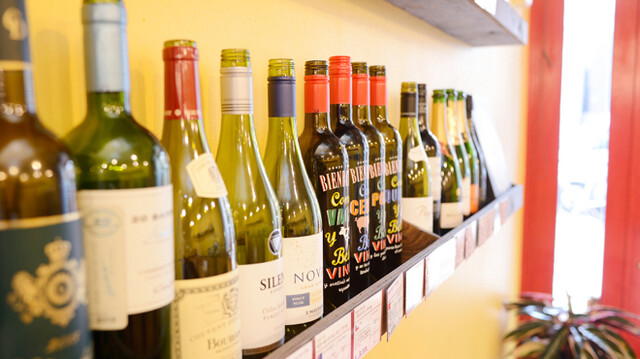
Approaching Nagoya’s Spanish bistro tier is unlike entering the city’s grand hotel dining rooms or kappo counters. The mood is smaller, warmer, and more tactical: counter seats, charcoal smoke, wine on the table, and a meal built around appetite rather than ceremony. Bistro Den Den belongs to this compact category, where reputation comes less from spectacle than consistency, local repeat business, and recognition that matters to Japanese diners who treat reservation discipline as a filter.
Nagoya’s dining identity is often reduced to miso katsu, tebasaki, kishimen, and coffee-shop breakfast culture. That shorthand misses a quieter pattern: serious small, genre-specific restaurants run with Tokyo-level precision but less access theatre. Spanish cooking suits that pattern: casual without looseness, wine-driven without luxury signals, ingredient-led without the long choreography of kaiseki or sushi.
Spanish bistro cooking, judged by Japanese regulars rather than hotel polish
The meaningful signal is not a chef biography or dramatic opening story. It is selection for Tabelog 100 Spanish Cuisine in both 2024 and 2026, with a listed score of 3.59. In Japan, that places a restaurant inside a national conversation shaped by repeat diners, obsessive categorization, and narrow-lane comparisons. It is authority different from Michelin: less ceremonial, more granular, and often sharper at identifying small rooms outside capital-city hype.
The category matters. Spanish restaurants in Japan often split between paella-forward casual dining, tapas bars built for drinking, and more serious bistro formats using Spanish technique for seafood, grill work, and wine. The signals point to the latter: Spanish and bistro classification, a focus on fish, wine and cocktails, and charcoal grilling. That suggests a room closer to the modern Iberian bistro model than a tourist-friendly tapas checklist.
Price positioning reinforces this. Against Nagoya comparisons, Bistro Den Den sits above everyday local staples such as Kishiya and Yaki Tonkatsu Taira, both in a lower casual bracket, and above Kitchen Cho’s mid-casual dinner range. It sits far below the city’s formal Japanese dining tier represented by Japanese cuisine Kashizuki and Yama no I. That middle band is often where Nagoya rewards diners most: enough spend for wine, charcoal, and seafood sourcing, not so much ceremony that dinner becomes a special-occasion production.
The 24-seat scale also changes the award’s meaning. Recognition in a small room usually implies a narrow format, controlled pacing, and a restaurant not trying to be everything at once. For travelers, that is useful intelligence. This is not for a sprawling group dinner or leisurely hotel-style evening; it is a focused compact-room meal where value lies in the cooking category and discipline around it.
Where it fits in Nagoya's under-discussed European dining scene
Nagoya’s European restaurants rarely get the international attention of Tokyo’s French counters or Osaka’s wine bars, but the city has the economics for serious neighborhood dining. Chikusa and Imaike add another layer: neither polished tourist districts in the Kyoto sense nor business-district rooms built only for expense accounts. The area supports local-first restaurants with enough rail access for visitors who plan properly.
That local-first character explains why practical rules carry editorial meaning. Time limits, small-party controls, adult ordering expectations for older children, and no-credit-card payment are not quirks; they protect pacing and economics. In a larger city, those constraints might feel severe. In Nagoya, they are part of the compact-restaurant bargain: fewer seats, tighter service rhythm, and a meal for diners who understand the house format before arriving.
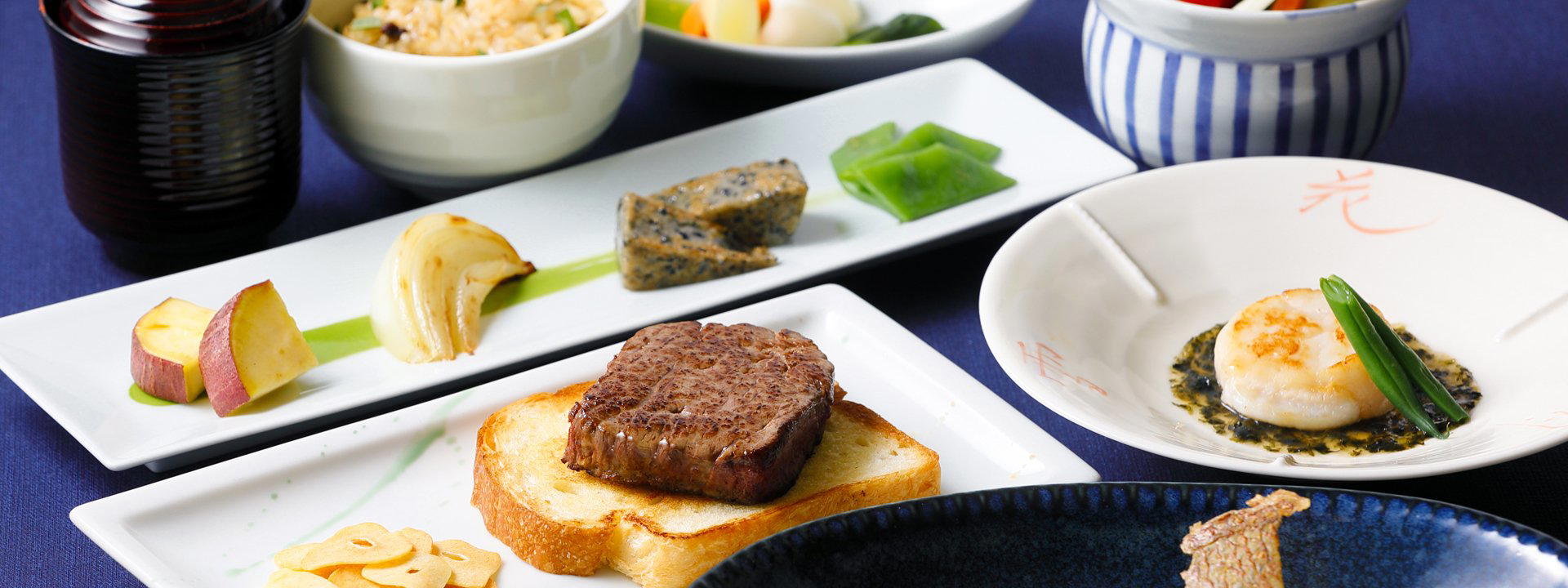
The Spanish label should be read through Japan’s seafood culture. Spanish cooking offers vocabulary for fish, shellfish, rice, peppers, garlic, oil, and fire, while Japanese sourcing and portion logic keep the meal cleaner and more measured than a heavy European bistro template. Charcoal grilling brings smoke into the experience, a detail the restaurant flags; it signals the grill is central enough to affect the room.
For city comparison, Nagoya’s dining spectrum is unusually compressed. A traveler can move from low-cost local staples to serious Japanese cuisine within a short rail map, and this Spanish bistro tier fills the gap. Readers mapping a broader itinerary should use Our full Nagoya restaurants guide for dining context, then pair it with Our full Nagoya hotels guide, Our full Nagoya bars guide, Our full Nagoya wineries guide, and Our full Nagoya experiences guide to understand the city beyond one meal.
How to read the recognition before choosing a table
A Tabelog 100 selection for Spanish cuisine is not a luxury guarantee. It signals category strength. That distinction matters because Bistro Den Den is not priced or formatted like Nagoya’s upper-end Japanese rooms. The draw is small-room constraint, seafood orientation, wine interest, and national recognition within a specific cuisine category. Diners wanting grand service rituals may be better served elsewhere; those tracking Japan’s specialist bistros will see why it belongs on the map.
The 2019 opening date gives the recognition weight. By 2026, selection is not launch-period novelty but evidence that the format has settled into local dining habits. In Japan’s city-by-city restaurant culture, surviving that early period matters, especially for a small restaurant outside Tokyo’s media gravity.
For related dining research, the internal Nagoya cluster includes 1022, 451, Aaron, Alan., and All Day Dining Montmartre. Wider Japan and overseas comparisons can be built through -Grilled beef Sukiyaki- KAMAKURA TANUKIAN 鎌倉 たぬき庵 in Kamakura. 鮪と炭火焼き うお炭 秋葉原店 in Tokyo.cafe in Osaka.know in Kumamoto, (Shoku) Vietnam in Kawasaki, [Curry Senmon Ten] Maruyama Kyoju. in Sapporo, Jōdo Saké Bar in Los Angeles, and Onigiri Time in Pasadena.
The critical case is clear: Bistro Den Den shows a side of Nagoya visitors often miss, the small specialist restaurant between casual local food and formal fine dining. Its recognition gives credibility; its format keeps expectations grounded. Treat it as a focused Spanish bistro with Japanese small-restaurant rules, not a broad survey of Spanish cuisine or a luxury dining performance.
Frequently asked questions
Is Bistro Den Den a family-friendly restaurant?
It works for older children rather than casual drop-ins: elementary school-age guests must order the same menu as adults. The 24-seat room is small, lunch runs 1 hour, and dinner runs 2 hours, with cash or PayPay accepted.
What's the vibe at Bistro Den Den?
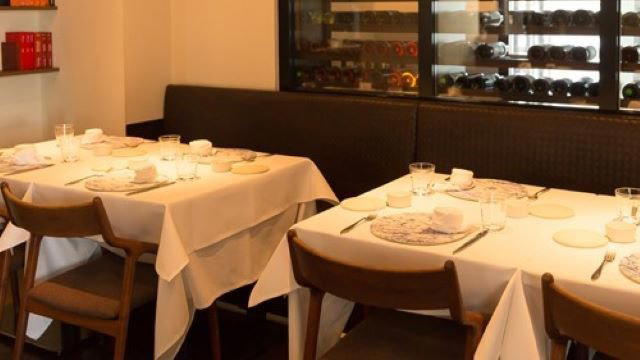
The room is compact, with counter seating, a relaxed feel, and a charcoal-grilling setup that can leave smoke in the dining area. In Nagoya’s Imaike area, it reads as a focused Spanish bistro rather than a polished formal dining room.
What should I budget for a meal at Bistro Den Den?
Pricing at Bistro Den Den is listed as JPY 5,000 - JPY 5,999 JPY 2,000 - JPY 2,999.
What are the opening hours for Bistro Den Den?
Hours at Bistro Den Den: Mon: 12–2 PM, 6–11 PM; Tue: 12–2 PM, 6–11 PM; Wed: Closed; Thu: 12–2 PM, 6–11 PM; Fri: 12–2 PM, 6–11 PM; Sat: 12–2 PM, 6–11 PM; Sun: 12–2 PM, 6–10 PM.
Cost Snapshot
Comparable venues at the same tier for side-by-side context.
| Venue | Cuisine | Price | Awards | Notes |
|---|---|---|---|---|
| Bistro Den DenThis venue (the venue you are viewing) | Spanish Bistro & Tapas | $30–50 | Tabelog 100 #70 | Not listed |
| ComedorKito- | Omakase-style Modern Spanish Bistro | $50–100 | Tabelog 100 #53 | Nishi, Omakase-style Modern Spanish Bistro |
| Hikobae | Modern Spanish | $100–150 | Tabelog 100 #35 | Higashi, Modern Spanish |
| Yagumo | Traditional Nagoya Shabu-shabu & Sukiyaki (Mingei Kappo) | $50–100 | Tabelog 100 #38 | Higashi, Traditional Nagoya Shabu-shabu & Sukiyaki (Mingei Kappo) |
| Restaurant Loire French | Classic French Fine Dining | $50–100 | Tabelog 100 #36 | Naka, Classic French Fine Dining |
| Reconnaissance | Natural French, fully customized course dining | Not listed | Tabelog 100 #100 | Naka, Natural French, fully customized course dining |
Recognition history
Dated appearances from independent guides and award organizations, with the underlying list record or original source where available.
Tabelog 100 #70 · No. 70
Tabelog · Tabelog 100 - Spanish cuisine - 2026
Continue exploring
More in Nagoya
Restaurants in Nagoya
All restaurants in Nagoya →





Details
- Cozy
- Lively
- Intimate
- Date Night
- Casual Hangout
- After Work
- Group Dining
- Celebration
- Standalone
- Extensive Wine List
- A La Carte
- Small Plates
- Wine
Current opening hours
- Monday
- 12–2 PM, 6–11 PM
- Tuesday
- 12–2 PM, 6–11 PM
- Wednesday
- Closed
- Thursday
- 12–2 PM, 6–11 PM
- Friday
- 12–2 PM, 6–11 PM
- Saturday
- 12–2 PM, 6–11 PM
- Sunday
- 12–2 PM, 6–10 PM
Hours can change for holidays and private events. Hours as of .
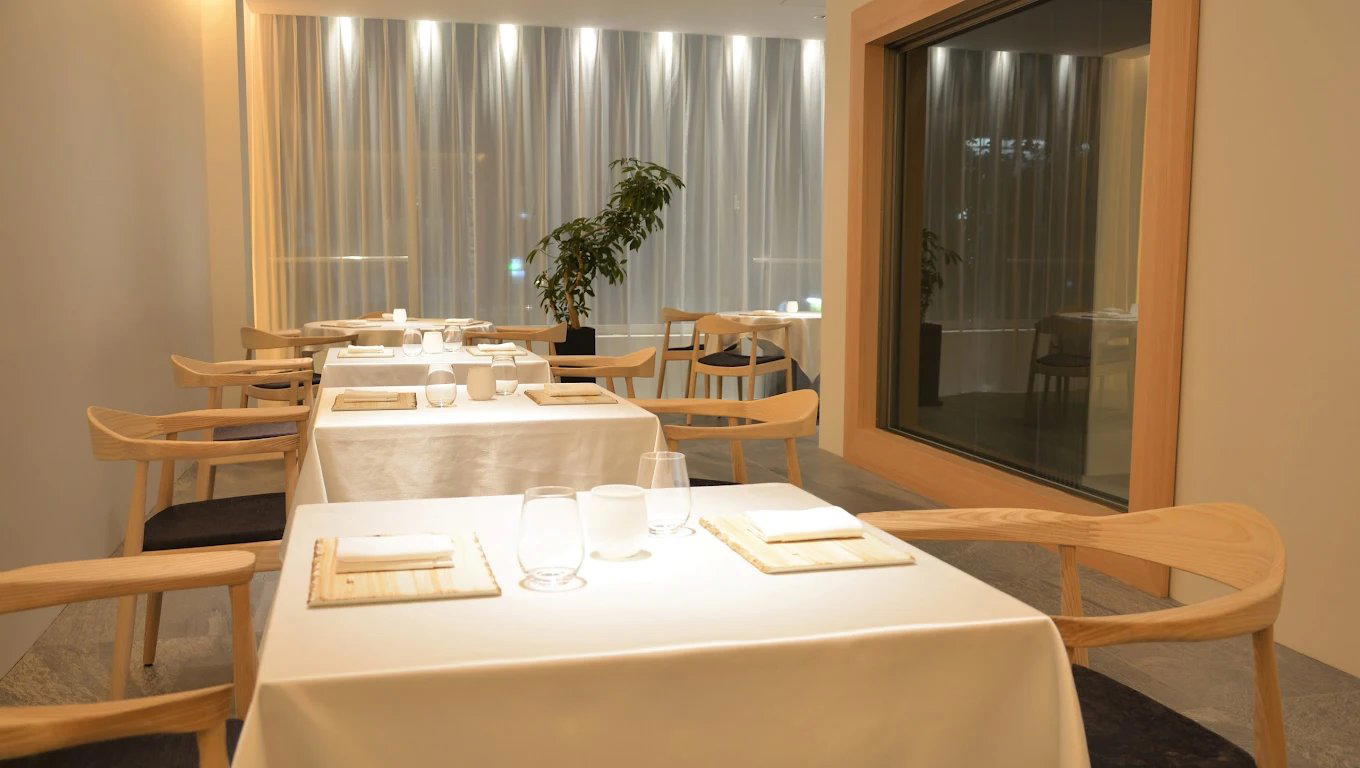
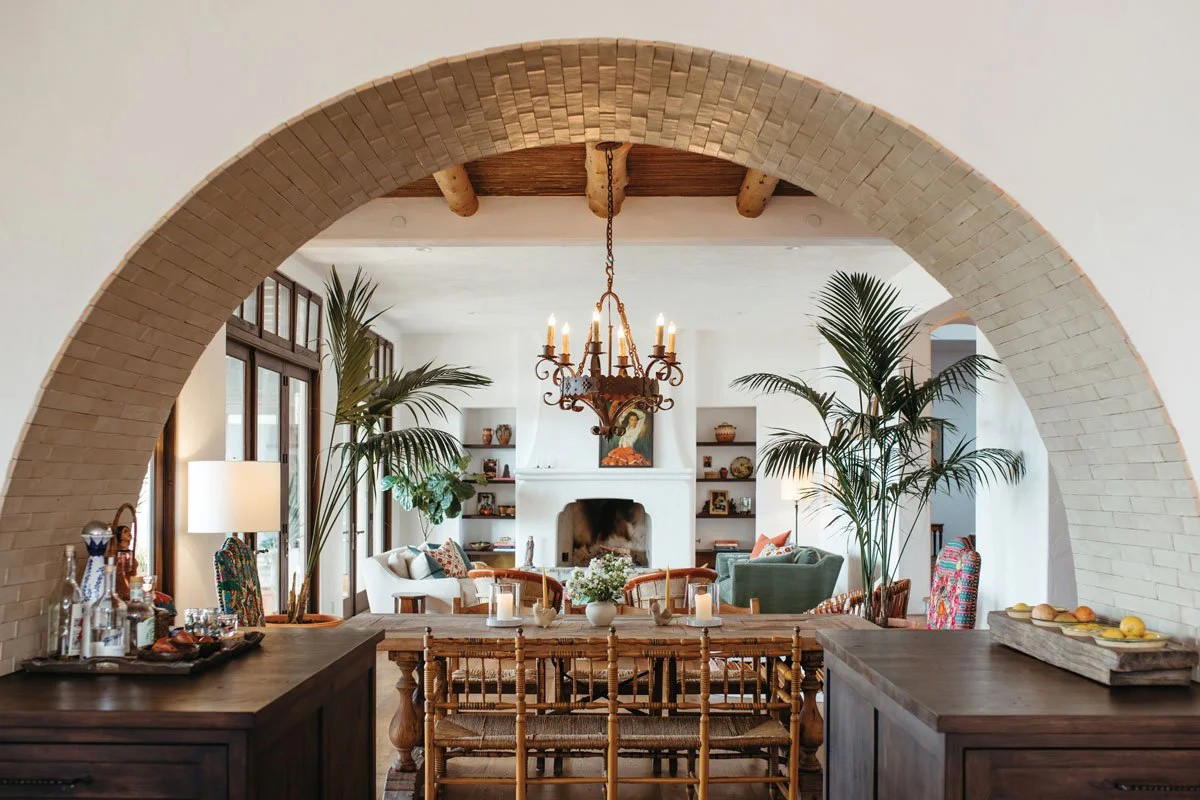
A small, cozy neighborhood bistro with warm indoor lighting, counter and table seating, and a casual but lively atmosphere typical of a popular Spanish bar-style spot in Nagoya.