
Tabelog 100 #32
Our verdict
Kishiya places Nagoya’s everyday noodle culture in a smaller, more focused frame: udon, kishimen, ramen and curry udon served from a 20-seat room in Chikusa Ward’s Ikeshita area. Its Tabelog Udon EAST 100 selections in 2020, 2022 and 2024 put it in a serious regional noodle bracket without pushing the meal into luxury territory.

Pearl is the En Primeur Club membership app, where members save venues, book tables and use the concierge.
The menu
What to order
- Curry kishimen noodles
- Beef tendon rice bowl
- Kake kishimen (red / tamari soy & bonito dashi)
Nagoya is not only station-hotel dining rooms or department-store food floors. Away from the most obvious visitor circuits, the city feels local and practical, with office workers, families and students using compact restaurants for repeat meals rather than occasion dining. Kishiya belongs to that Nagoya: a noodle shop whose public listing places it in udon, ramen and curry udon, with lunch and dinner both sitting in the accessible JPY 1,000 - JPY 1,999 range.
That matters because Nagoya’s noodle identity is not one dish. The city has room for wheat-noodle traditions, curry udon, ramen-adjacent bowls and dashi-led variations between quick meal and regional comfort. Here, the useful distinction is not glamour but whether a shop makes a daily category feel deliberate. Kishiya’s 2024 Tabelog Hyakumeiten recognition gives it a measurable place in the udon conversation, especially in a city where many stronger meals sit far from the international hotel circuit.
Nagoya noodle culture, not station-district spectacle
Nagoya rewards diners who leave the obvious central corridors. The city centre is efficient and broad, while other parts of Nagoya often have a different register: smaller rooms, narrower menus, less ceremony. Kishiya’s Nagoya setting gives the experience that shape, closer to a specialist local address than to the polished, reservation-led restaurants defining higher-budget dining elsewhere in the city.
The comparison helps. In Nagoya, Bistro Den Den and Kitchen Cho sit in accessible restaurant territory, while Yama no I and Japanese cuisine Kashizuki occupy much higher spend categories. Kishiya works in another lane: a noodle house whose award signal comes from consistency within a humble category rather than luxury cues. That is why the 2024 Tabelog Hyakumeiten recognition matters. It places a modestly priced Nagoya shop within documented udon coverage, not just casual neighbourhood lunch-counter territory.
For travellers building a Nagoya food itinerary, this address fills the gap between marquee meals and gives a cleaner read on local dining habits than another formal dinner might. Pair it with broader city research: Our full Nagoya restaurants guide gives the restaurant context, while Our full Nagoya hotels guide, Our full Nagoya bars guide, Our full Nagoya wineries guide and Our full Nagoya experiences guide place the meal inside a wider stay rather than as an isolated stop.
Dashi, wheat noodles and the Nagoya comfort register
The menu categories tell the story: udon, ramen and curry udon, with wheat noodles central to the listing. Their appeal is partly textural. Different noodle shapes change how broth clings and cools, making Nagoya’s noodle culture a local counterpoint to other Japanese styles. In Nagoya, it also carries civic meaning. Noodle bowls appear in quick-service settings and long-running local shops, but stronger versions depend on broth discipline and noodle timing rather than nostalgia alone.
Kishiya’s documented appeal should be read through its category rather than through unverified flourishes. The grounded facts are clear enough: it is listed for udon, ramen and curry udon, and it appears in the 2024 Tabelog Hyakumeiten recognition with a 3.63 score. Those signals point to a shop taken seriously within an everyday format, without needing to invent chef biographies, rare ingredients or a more elaborate dining-room story.
Curry udon broadens the read. Nagoya has space for assertive, sauce-rich comfort food, but curry noodles can become heavy or sweet without structure. In a dashi-led noodle context, curry should bring warmth and body, not mask weak broth. The point is not that Kishiya is a tasting-menu alternative; it is that a modestly priced bowl can carry local specificity when the category is handled with care.
This Japanese regional specificity is easy to miss when itineraries chase the same omakase and beef counters. Across EP Club’s wider Japan and Japanese-influenced coverage, readers will find many different expressions of casual precision in other Japanese dining rooms and in Japanese formats abroad. Kishiya should be read in that same broad context: not as a luxury stop, but as a Nagoya noodle address whose documented recognition comes from a practical, everyday category.
How to read the room
The price range changes expectations. With dinner and lunch both listed at JPY 1,000 - JPY 1,999, Kishiya sits in a bracket suited to solo diners, pairs and small groups looking for a compact meal rather than a long-form event. Those details point to a restaurant embedded in local routine rather than engineered for destination dining performance.
That is the editorial case for Kishiya. It is not trying to compete with Nagoya’s high-budget Japanese rooms or French-influenced dining addresses. It competes in a narrower, more revealing category: the specialist noodle shop with enough technical seriousness to earn regional recognition. For travellers, the appeal is proportion. The meal is compact, the category is local, and the setting keeps attention on Nagoya beyond the usual visitor orbit.
Within EP Club’s Nagoya map, it sits well beside more formal or genre-crossing research. Other city entries show how broad the city’s restaurant spread becomes once the search moves beyond one cuisine or price tier. Kishiya’s value is more specific: a direct encounter with Nagoya’s noodle grammar in the city where that grammar feels lived-in.
Frequently asked questions
What days is Kishiya closed?
Current opening days and hours should be confirmed directly with Kishiya before visiting, as the verified venue facts here do not provide a weekly closure schedule.
Is Kishiya more mid-range or high-end?
Pricing at Kishiya is listed as JPY 1,000 - JPY 1,999 JPY 1,000 - JPY 1,999.
What's the address for Kishiya?
Nagoya.
What's the signature at Kishiya?
Kishiya is listed for udon, ramen and curry udon. It also appears in the 2024 Tabelog Hyakumeiten recognition, which places its udon in a documented category context.
What if I have allergies at Kishiya?
Kishiya serves udon, ramen and curry udon, so ingredients commonly associated with wheat noodles and broth-based dishes may be central to the menu. The safest route is to confirm any specific allergens with the restaurant before ordering.
At a Glance
Comparable venues in the metro at similar price points.
| Venue | Cuisine | Price | Awards | Notes |
|---|---|---|---|---|
| KishiyaThis venue (the venue you are viewing) | Nagoya kishimen & ramen | $10–20 | Tabelog 100 #32 | Not listed |
| Bistro Den Den | Spanish Bistro & Tapas | $30–50 | Tabelog 100 #70 | JPY 5,000 - JPY 5,999 JPY 2,000 - JPY 2,999 |
| Kitchen Cho | Japanized western restaurant | Not listed | Tabelog 100 #9 | JPY 3,000 - JPY 3,999 JPY 1,000 - JPY 1,999 |
| Yama no I | Sushi Omakase / Japanese Cuisine | $150–200 | Tabelog 100 #30 | JPY 20,000 - JPY 29,999 |
| Japanese cuisine Kashizuki | Seasonal Japanese Kaiseki | Not listed | Tabelog 100 #42 | JPY 15,000 - JPY 19,999 JPY 8,000 - JPY 9,999 |
| GapricE | Italian Omakase with Seasonal Japanese Ingredients | $100–150 | Tabelog Bronze #81 | Not listed |
Recognition history
Dated appearances from independent guides and award organizations, with the underlying list record or original source where available.
Tabelog 100 #32 · No. 32
Tabelog · Tabelog 100 - Udon - EAST - 2024
Continue exploring
More in Nagoya
Restaurants in Nagoya
All restaurants in Nagoya →





Details
- Cozy
- Solo
- Casual Hangout
- Group Dining
- After Work
- Late Night
- Standalone
- A La Carte
- Soft Drinks
- Beer
Current opening hours
- Monday
- 11 AM–2 PM, 5:30–9 PM
- Tuesday
- 11 AM–2 PM, 5:30–9 PM
- Wednesday
- Closed
- Thursday
- 11 AM–2 PM, 5:30–9 PM
- Friday
- 11 AM–2 PM, 5:30–9 PM
- Saturday
- 11 AM–2 PM, 5:30–9 PM
- Sunday
- 11 AM–2 PM, 5:30–9 PM
Hours can change for holidays and private events. Hours as of .
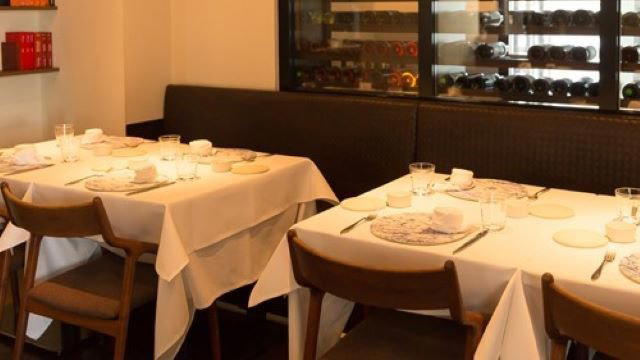
Reviews describe a compact, Japanese-style space with a warm, relaxed atmosphere, counter and small tables, and a low-key local feel suited to casual meals rather than formal dining.