Our verdict
Wassertor occupies a medieval address at Burggraben 2 in Schärding, a Baroque river town on the Austrian-Bavarian border where the Inn separates two countries and two culinary traditions. The setting alone positions it within a dining scene defined by proximity to both Bavarian produce networks and the Austrian inn-keeping tradition. It warrants attention from anyone passing through the Inn Valley corridor.
The menu
What to order
- Liver with mashed potatoes, wild broccoli and chestnuts
- Porcini mushroom consommé
- Veal steak
- Spinach salad with smoked trout
- Panna cotta
Where the Inn Divides the Plate
Schärding sits on a limestone bluff above the Inn River, its pastel Baroque facades facing Bavaria across the water. The border here is not merely political: it marks a genuine fault line between two cooking cultures, the hearty Bavarian larder to the west and the Austrian tradition of finessed inn cooking to the east. Restaurants in this town operate in that tension, drawing on produce flows from both sides of the river and answering to a clientele that moves fluidly between the two countries. Wassertor, addressed at Burggraben 2 along the old moat line of the medieval fortifications, sits physically inside that history. The Burggraben was the defensive ditch that once ringed the town walls; today that same geography forms one of Schärding's quieter pedestrian corridors, away from the main Stadtplatz bustle.
The Ingredient Geography of the Inn Valley
Austrian dining at this price tier and in this geography is almost always an argument about provenance. The Inn Valley and its surrounding Upper Austrian hinterland supply dairy from alpine summer pastures, freshwater fish from the Inn and its tributaries, and a grain belt that supports everything from rye-based breads to the malted inputs for local brewing. The region's cooking tradition has historically been shaped by what the river and its surrounding hills could yield within a day's transport, a logic that predates any contemporary farm-to-table framing by several centuries.
Towns like Schärding, Braunau, and Ried im Innkreis form a loose triangle of Upper Austrian market culture where weekly producers' markets remain functional rather than performative. What reaches kitchen doors in Schärding in autumn, for instance, reflects a harvest corridor that runs from the Mühlviertel highlands down to the valley floor: game, root vegetables, cider apples, and late-season mushrooms from the mixed forests above the river. That supply context is the correct frame for reading any restaurant operating in Burggraben addresses, where the medieval street plan itself implies continuity with the provisioning patterns of the old walled town.
For reference points at the higher end of Austrian regional cooking, the benchmark kitchens are well documented: Steirereck im Stadtpark in Vienna and Landhaus Bacher in Mautern an der Donau have each built reputations on deep regional sourcing articulated through technically accomplished cooking. Further west, Obauer in Werfen and Döllerer in Golling an der Salzach anchor the Salzburg corridor with similar logic. Wassertor operates in a different tier of recognition, but the regional sourcing argument is structurally the same across all these addresses.
Schärding's Dining Scene in Context
Schärding punches above its population weight in dining terms, partly because it draws weekend visitors from Passau and Linz and partly because its Austrian-Bavarian crossover position creates a genuine hospitality culture rather than a purely transient one. The town's most documented dining presence is the Lukas group, which operates several distinct formats in close proximity: Lukas Restaurant (Creative) at the four-price-band tier, alongside the more casual Lukas Izakaya, Lukas.steak, and the wine-focused Lachinger's Kitchen and Wine. That cluster signals a town with enough consistent demand to support format differentiation, which is the precondition for any mid-tier restaurant to find its own footing.
Wassertor's position in that local hierarchy is leading understood not in competition with the Lukas group but as occupying a different access point: the Burggraben address suggests a neighbourhood-rooted format rather than a destination-first proposition. Visitors arriving specifically for the cooking would do well to read our full Schärding restaurants guide for a comparative map of the town's options.
Across Austria's smaller cities and market towns, the most durable restaurant formats have tended to be those that anchor themselves to a local supply chain and serve a mixed clientele of regulars and informed visitors, rather than calibrating exclusively to tourism traffic. The Mühlviertel and Inn Valley corridor has produced several kitchens with that profile. Ois in Neufelden, northeast of Schärding in the Mühlviertel, represents one version of that model at a higher recognition level. At the alpine end of the Austrian spectrum, Kräuterreich by Vitus Winkler in Sankt Veit im Pongau and Gourmetrestaurant Tannenhof in Sankt Anton am Arlberg demonstrate how ingredient sourcing from defined alpine territories can structure an entire kitchen philosophy. Griggeler Stuba in Lech, Ikarus in Salzburg, Schwarzer Adler in Hall in Tirol, and Restaurant 141 by Joachim Jaud in Mieming extend that picture across the Tirol and Salzburg regions.
Planning Your Visit
Wassertor is located at Burggraben 2, 4780 Schärding, directly along the old moat corridor below the town walls. Schärding is accessible by rail from Linz (approximately one hour on the Passau-bound service) and by road from Passau across the Inn bridge in under ten minutes. The town is compact enough that the Burggraben address is walkable from the Stadtplatz and the main car park near the river. Schärding's dining addresses reward early planning in the summer and autumn seasons, when regional produce is at its most varied and visitor numbers from the Danube cycling routes add pressure to covers across the town.
Frequently asked questions
Is Wassertor good for families?
Schärding's Burggraben corridor is pedestrian-only, which makes arriving with children considerably less stressful than typical town-centre dining. The wider Upper Austrian inn tradition this part of the Inn Valley draws on tends toward generous portions and unfussy service formats. No specific children's menu data is confirmed for Wassertor, so contacting the venue ahead of time is advisable for groups with young children.
What's the overall feel of Wassertor?
The Burggraben 2 address places Wassertor directly along Schärding's old moat corridor, below the town's pastel Baroque facades and within walking distance of the Inn River border with Bavaria. That geography carries its own atmosphere: a market-town inn culture shaped by centuries of cross-border trade rather than any single national dining identity. Expect a setting that reads as historically grounded rather than designed or staged.
Where exactly is Wassertor located in Schärding, and how do you get there?
Wassertor sits at Burggraben 2, 4780 Schärding, the old moat street running below the town walls on the Austrian side of the Inn River. Schärding is reachable by rail from both Linz and Passau, making it a practical stop for visitors travelling between Upper Austria and Bavaria. The Burggraben itself is pedestrian-accessed from the town centre, a short walk from the main Stadtplatz.
What's the must-try dish at Wassertor?
Upper Austrian cooking in the Inn Valley typically foregrounds regional produce, river fish, pork, root vegetables, with Bavarian larder influence appearing on many menus in this corridor. Asking staff at the time of visit what is sourced locally that week is the most reliable approach.
Where do I go for Wassertor?
Wassertor is located at Burggraben 2, 4780 Schärding, Austria, Scharding.
Comparison Snapshot
| Venue | Cuisine | Awards | Notes |
|---|---|---|---|
| WassertorThis venue (the venue you are viewing) | Regional Austrian Fine Dining | Not listed | Not listed |
| Lukas Restaurant | Modern French-Japanese Fusion Fine Dining | 1 Michelin Star · Star Wine List | Creative |
| Lukas.steak | Premium Steakhouse | Not listed | Not listed |
| Lukas Izakaya | Japanese Izakaya | Michelin Plate · Falstaff Restaurant - 93 Falstaff Points | Not listed |
| Lachinger's Kitchen & Wine | Austrian Fusion Steakhouse | Not listed | Not listed |
Continue exploring
More in Scharding
Wassertor
The wine
- Wine program
- Deep wine list
- Extensive wine list
- Sommelier-led
Details
- Cozy
- Rustic
- Elegant
- Romantic
- Date Night
- Business Dinner
- Special Occasion
- Celebration
- Terrace
- Waterfront
- Historic Building
- Standalone
- Extensive Wine List
- Sommelier Led
- Farm To Table
- Local Sourcing
- Organic
- Waterfront
- A La Carte
- Set Menu
- Austrian Wine
- International Wine
- Vegetarian Friendly
- Organic Focus
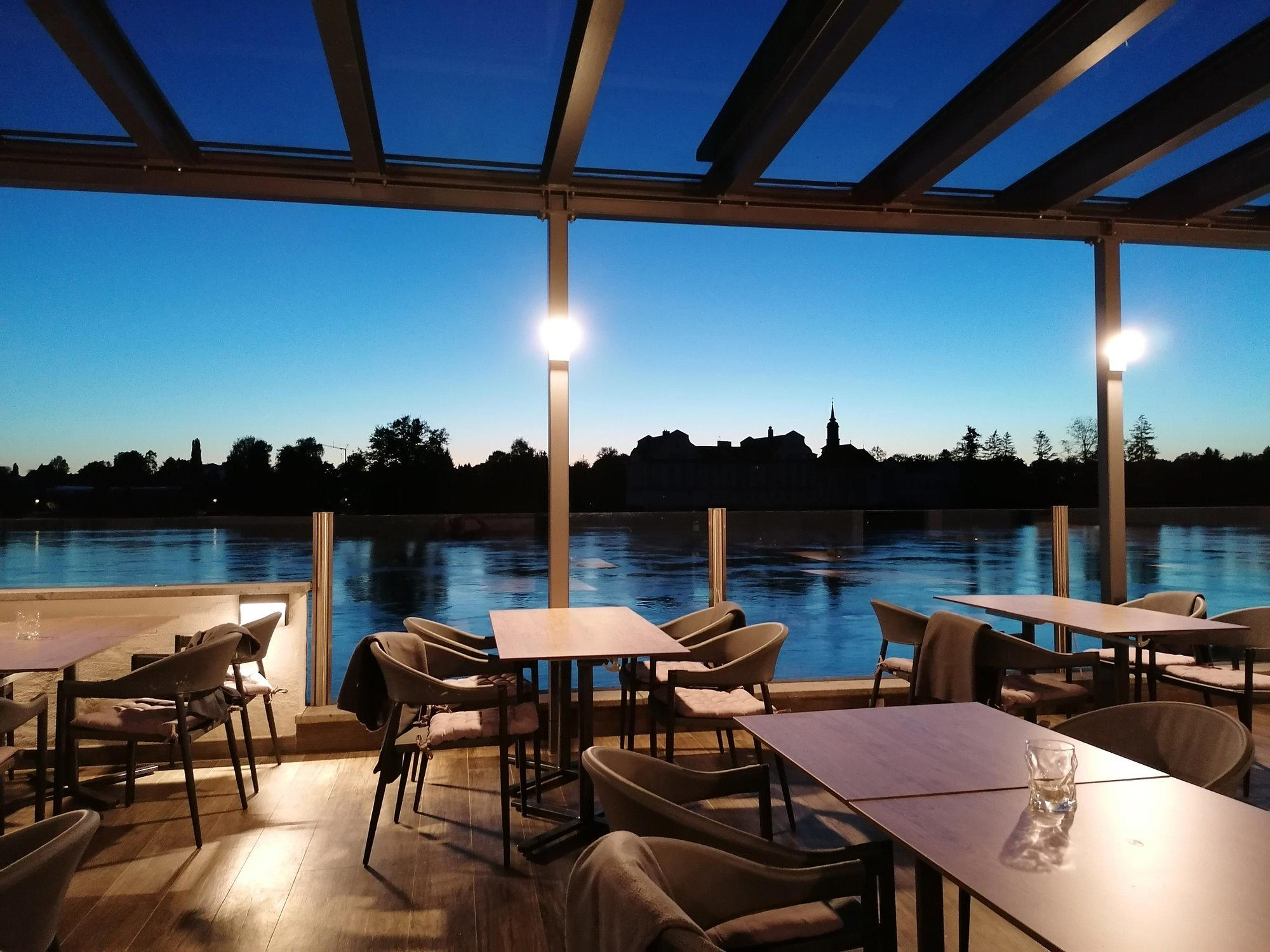
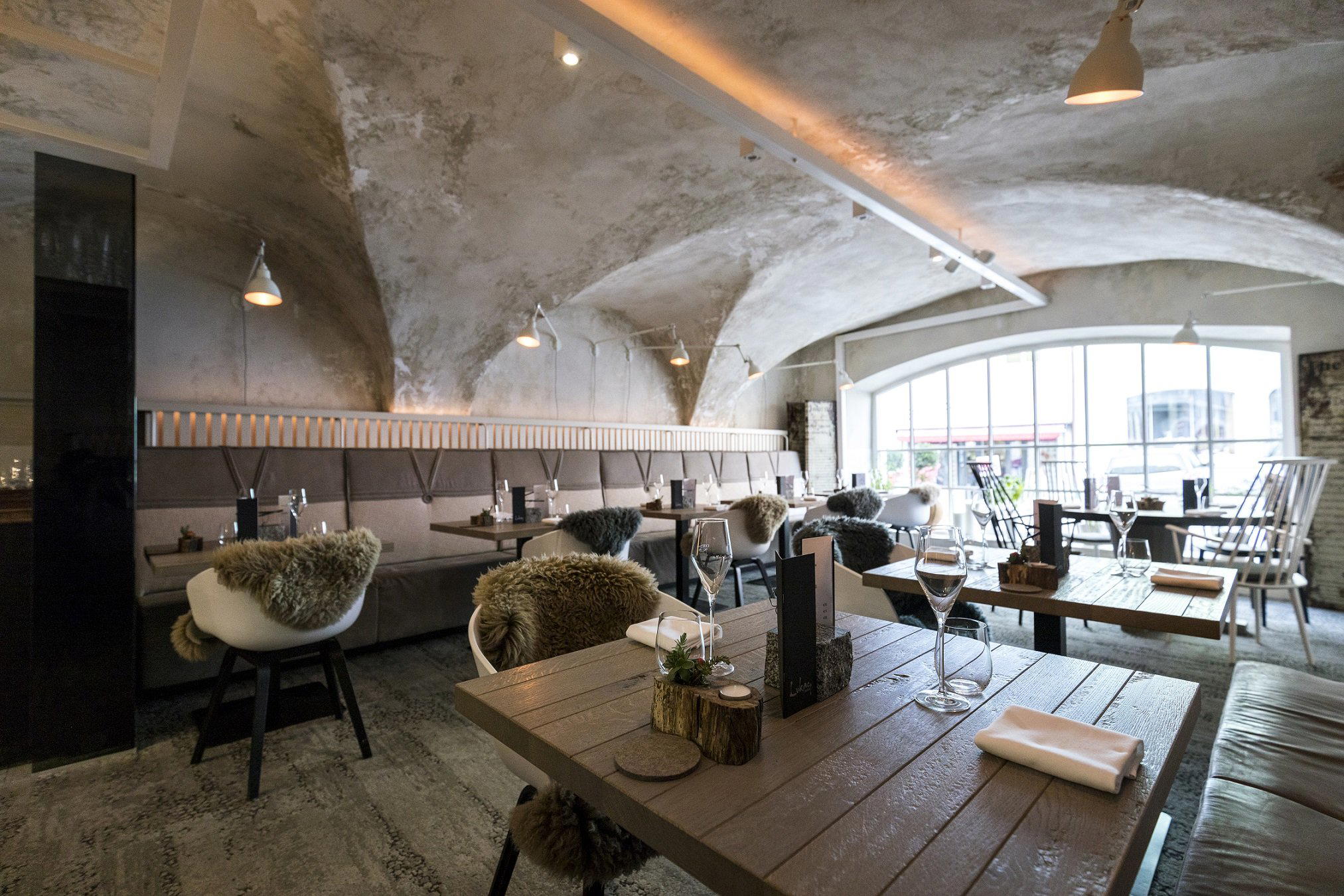
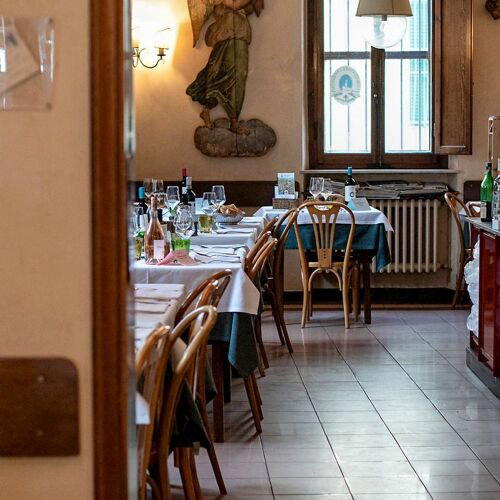
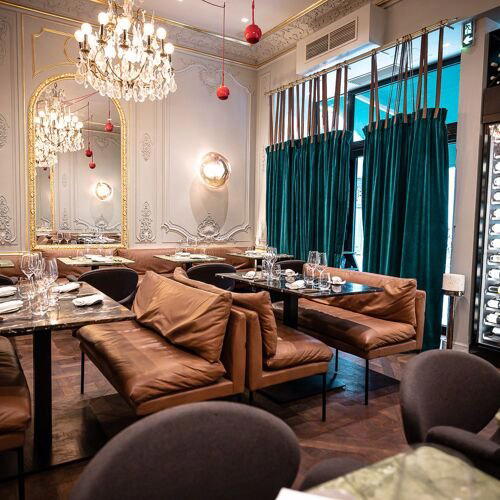
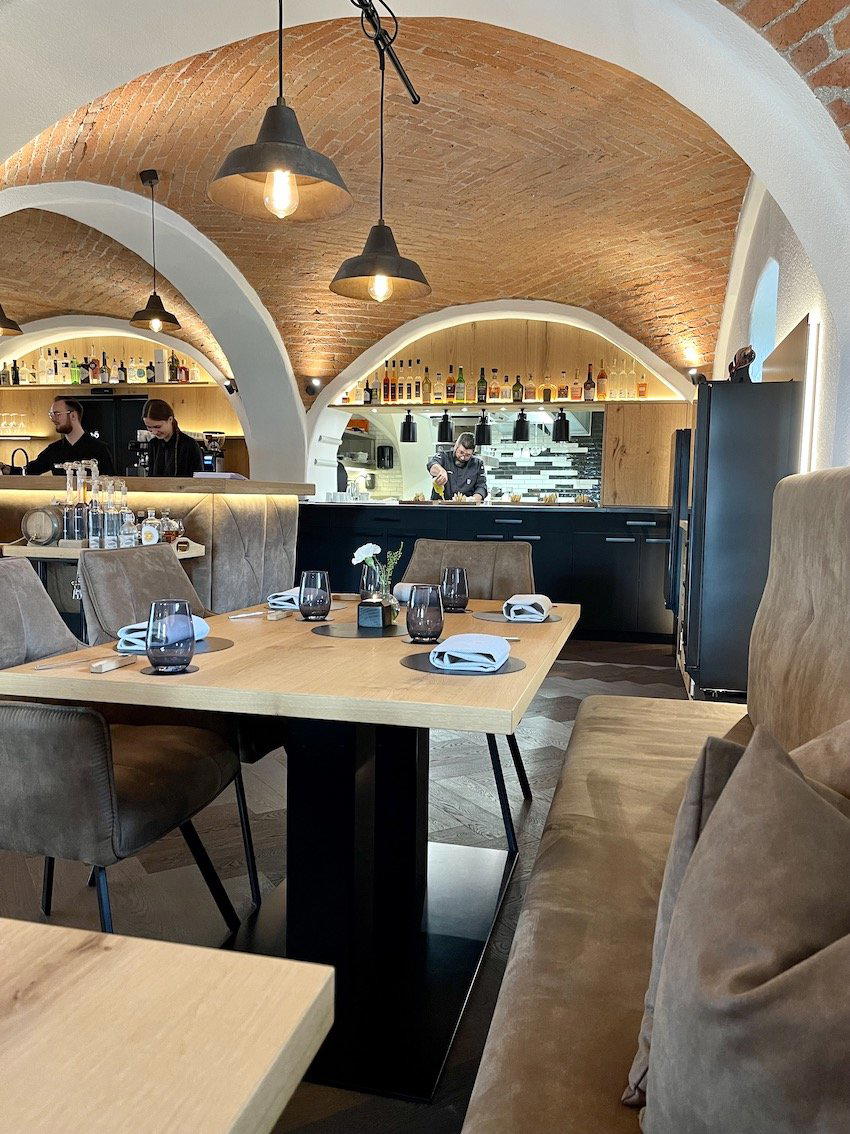
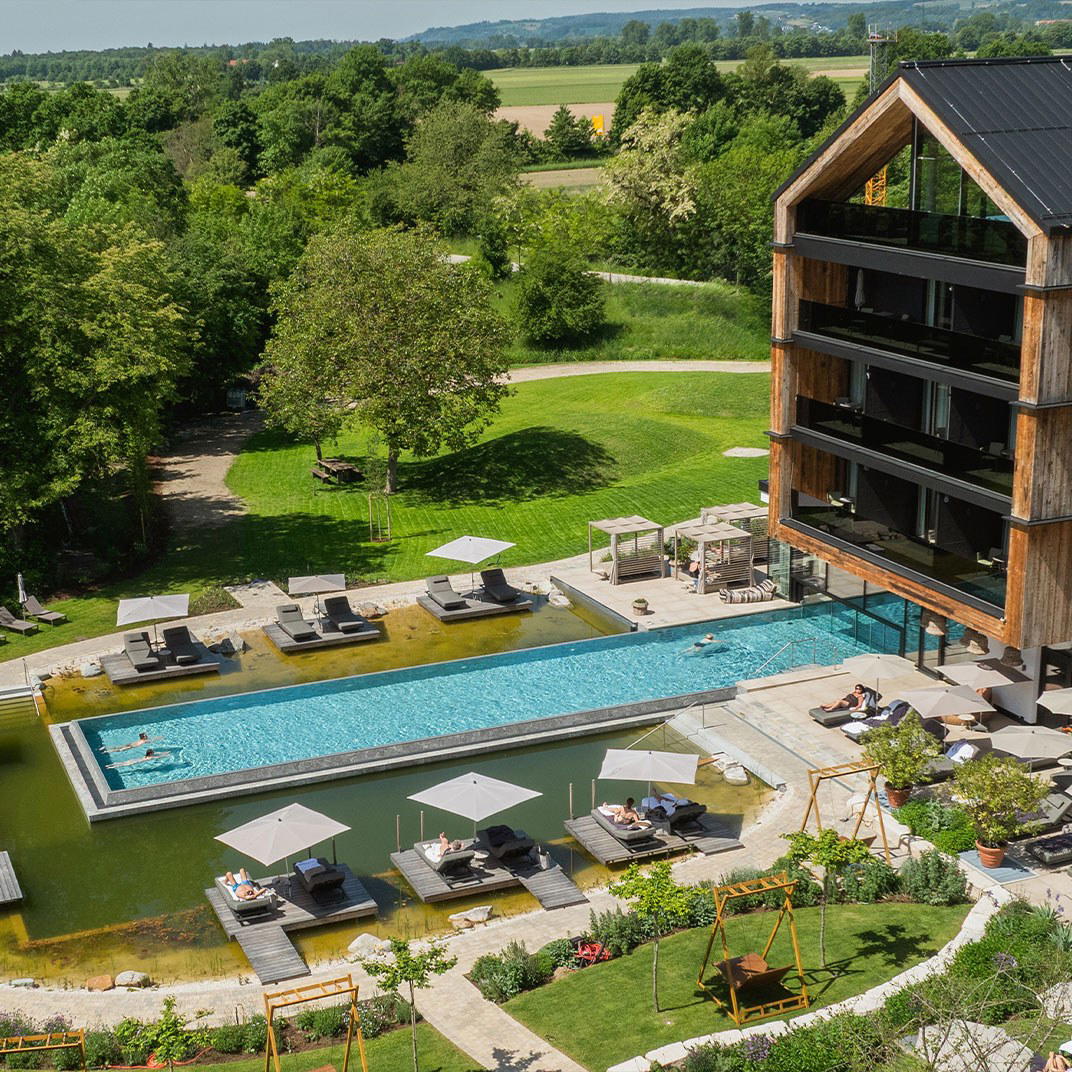
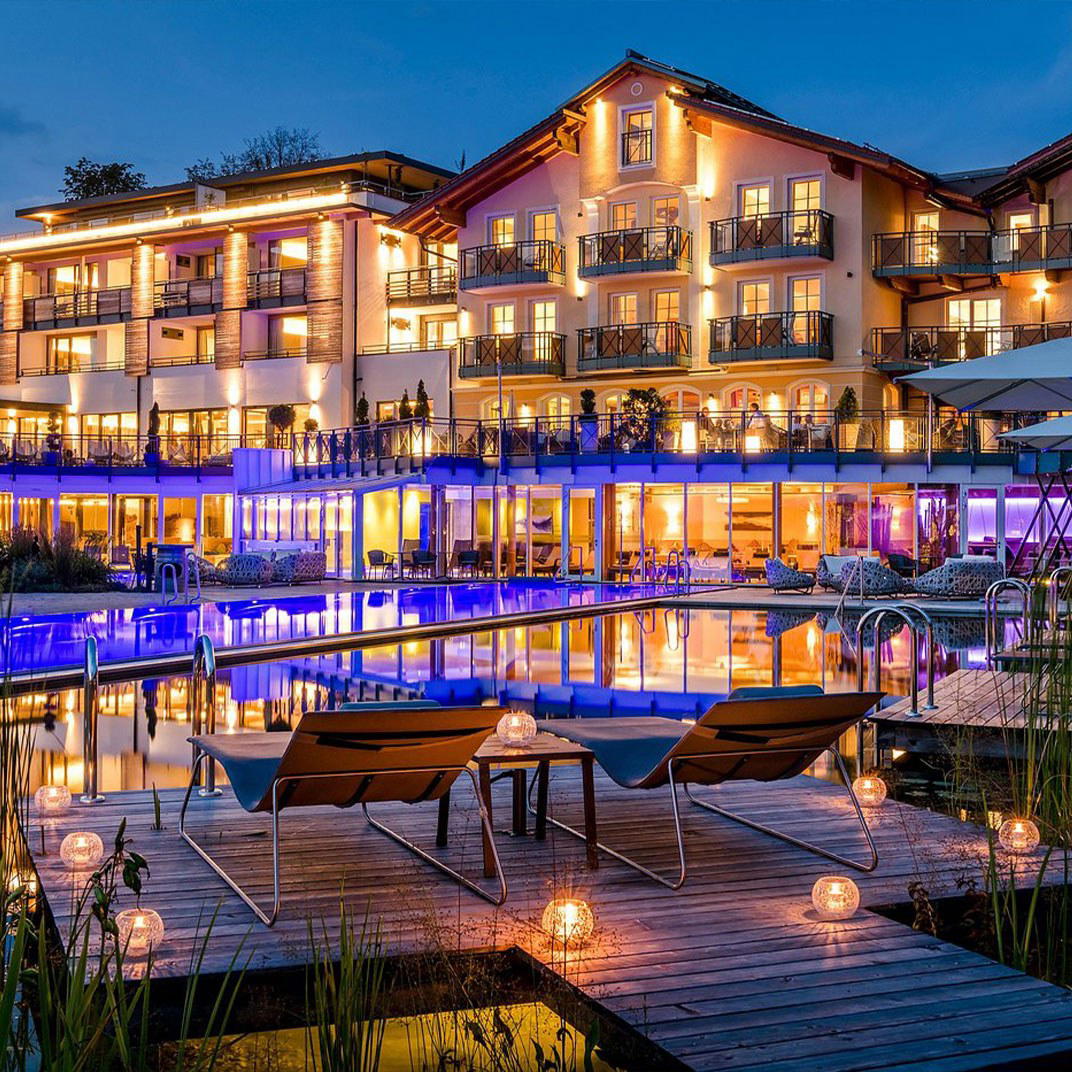
Rustic dining room with warm, inviting atmosphere; picturesque terrace overlooking the historic town and river with natural lighting.