Kiosko La Mulata operates in Cartagena's San Diego neighbourhood, representing the kiosko tradition that has anchored coastal Colombian street dining for generations. Informal in format and deeply rooted in Caribbean culinary culture, it draws both locals and visitors seeking the kind of seafood and fried staples that define the city's everyday food identity rather than its fine-dining ambition.
- Address
- San Diego, Cartagena, Bolivar, Colombia
- Phone
- +57 56754090
- Directions
- Get directions
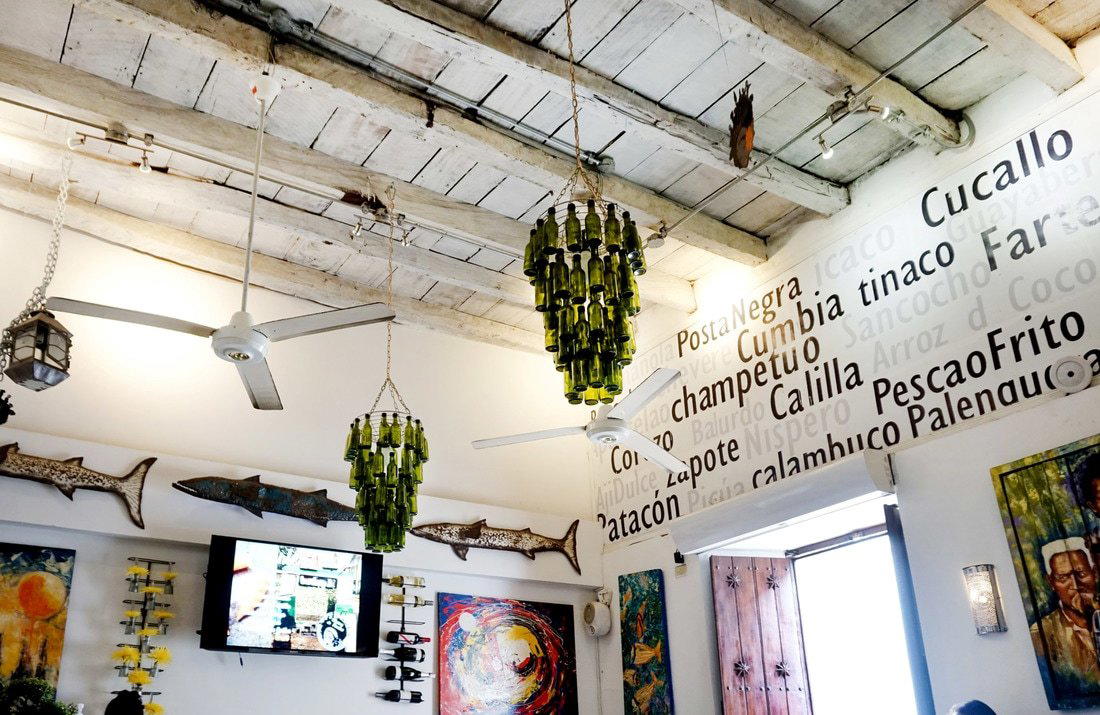
San Diego and the Street-Food Architecture of Cartagena
Cartagena's dining identity has always run on two parallel tracks. One follows the walled city's upscale restaurants, where Colombian fusion menus and international wine lists now compete for the same traveller attention as 1621 The Restaurant and AniMare. The other track is older, less curated, and considerably more honest: the kiosko circuit, where plastic chairs, open grills, and the smell of achiote-fried fish define the afternoon. Kiosko La Mulata is a casual Caribbean Coastal Cuisine restaurant in San Diego, Cartagena, Colombia, with a walk-in-friendly format and a price tier of about $12 per person.
San Diego occupies the northeastern corner of Cartagena's walled centre, bordered by the city walls on one side and a residential texture that resists the boutique-hotel saturation of Getsemaní and the commercial weight of the Centro. Kioskos here operate as neighbourhood infrastructure rather than dining destinations, serving the kind of food that Caribbean coastal Colombia has eaten for centuries: fried fish, plantain in multiple forms, coconut rice, and seafood stews built on traditions that predate any restaurant classification system.
The Kiosko as a Culinary Form
To understand Kiosko La Mulata, it helps to understand what a kiosko actually represents in Colombian coastal culture. These are not food stalls in the temporary, market-day sense. The kiosko format along Colombia's Caribbean coast, from Cartagena to Barranquilla and beyond, functions as a semi-permanent, open-air dining structure, often family-run across generations, where the menu is short, the sourcing is daily, and the cooking technique owes nothing to culinary school curricula.
The cooking tradition at the heart of these spots draws from Afro-Colombian, Indigenous, and Spanish colonial influences across several centuries. Fried fish preparations in particular carry that layered history: the spice profiles, the use of coconut, the accompaniment of patacones (twice-fried green plantain), and the casual communal format all trace lines back through the region's complicated social history. Venues like Andres Carne de Res work within a Colombian festive register that scales up that communal energy; the kiosko format keeps it compressed and immediate.
This is exactly where the broader Colombian dining conversation gets interesting. Bogotá's serious restaurant scene, represented by addresses like Harry Sasson and Debora Restaurante, increasingly references and reinterprets coastal tradition from a highland distance. The kiosko, by contrast, is the source material itself, unreconstructed and unmediated.
What the San Diego Location Signals
The placement of Kiosko La Mulata in San Diego rather than on the more trafficked plazas of Centro or Getsemaní tells you something about its position in the local dining ecology. Cartagena's most-visited eating spots cluster around Plaza de la Trinidad and the Calle de la Factoria corridor, where foot traffic from cruise passengers and hotel guests sustains a different kind of operation. San Diego draws a quieter crowd: residents, longer-stay visitors, and the category of traveller who has already done the walled city's obvious circuit and is looking for something with less performance involved.
The neighbourhood's dining character shares something with Barranquilla's more casual end, where spots like Donde Mama keep the focus on home-style coastal cooking over presentation. In both cases, the signal to read is informality as a deliberate condition rather than a shortcoming. The Caribbean coast's food culture does not require a designed room to make its point.
Coastal Colombian Seafood: The Category Context
Colombia's Caribbean coast produces some of the country's most distinctive seafood cooking, and it operates almost entirely outside the fine-dining recognition systems that have driven attention toward Medellín and Bogotá. Cali's Sevichería Guapi represents one node in the Pacific coastal tradition; the Caribbean side, where Cartagena sits, works with different ingredients and different preparation logic. The Gulf of Morrosquillo and the waters off the Rosario Islands supply the city's kitchens, and the daily catch determines what gets cooked rather than the other way around.
At the kiosko level, that supply chain is most directly expressed. There is no elaborate cold chain, no menu engineering to maintain a consistent dish across seasons. What arrives that morning gets cooked that day. It is a purchasing and cooking discipline that formal restaurants spend considerable effort and marketing language trying to claim proximity to. At the restaurant, it is simply operational reality.
For a broader picture of where this fits within Cartagena's full dining range, from casual coastal spots through to the city's more formal tables, the Cartagena restaurants guide maps the options across neighbourhood and format. Further along the Caribbean coast, BK - BURUKUKA in Santa Marta offers a point of comparison for how the coastal casual format scales differently in a smaller city.
Planning a Visit
The restaurant operates within the informal conventions of the kiosko format: expect cash transactions, limited advance booking infrastructure, and hours that follow the rhythm of the neighbourhood. The San Diego address is walkable from most of the walled city's accommodation, and the area rewards the kind of unhurried afternoon that allows for a meal without a fixed end time. Pair the visit with a walk along the city walls in the late afternoon, when the light on the Caribbean side of the fortifications makes the approach to San Diego particularly worth taking on foot. Cartagena's other more structured options, including Canales 5 or Café Rialto, offer contrast for a longer day that moves between the city's different dining registers.
A Pricing-First Comparison
Comparable venues nearby, for context on price, style, and recognition.
| Venue | Cuisine | Price | Notes |
|---|---|---|---|
| Kiosko La MulataThis venue — the venue you are viewing | San Diego, Caribbean Coastal Cuisine | $ | Not listed |
| San Valentín Restaurante Bar | Centro, Caribbean Seafood & Local Fare | $$ | Not listed |
| Andres Carne de Res | Not listed | $$ | La Serrezuela, Colombian Grill & Caribbean |
| El Rincon | El Laguito, Colombian Caribbean Seafood | $$ | Not listed |
| La Cevicheria | San Diego, Caribbean Ceviche | $$ | Not listed |
| AniMare | Not listed | $$$$ | Centro Histórico, Ancestral Caribbean Fine Dining |
Continue exploring
More in Cartagena
Restaurants in Cartagena
Browse all →
Bars in Cartagena
Browse all →
At a Glance
- Cozy
- Rustic
- Trendy
- Casual Hangout
- Group Dining
- Standalone
- Local Sourcing