Kint & Co
Our verdict
Kint & Co occupies a quiet address on Havenstraat in Graauw, a village in the Zeelandic Flanders that sits closer to Antwerp than to Amsterdam. The surrounding polderland and tidal estuaries shape what ends up on the plate here, placing this address within a broader Dutch tradition of terroir-conscious cooking that the region's proximity to the North Sea and the Westerschelde has always encouraged.

Pearl is the En Primeur Club membership app — saves, bookings, and concierge access live there. Same editors, same standards.
- Address
- Havenstraat 9, 4569 TK Graauw, Netherlands
- Phone
- +31114635642
- Hours
- Mon–Thu ClosedFri–Sat 7 PM–12 AMSun 1–6 PM
- Website
- kint-en-co.nl
- Directions
- Get directions
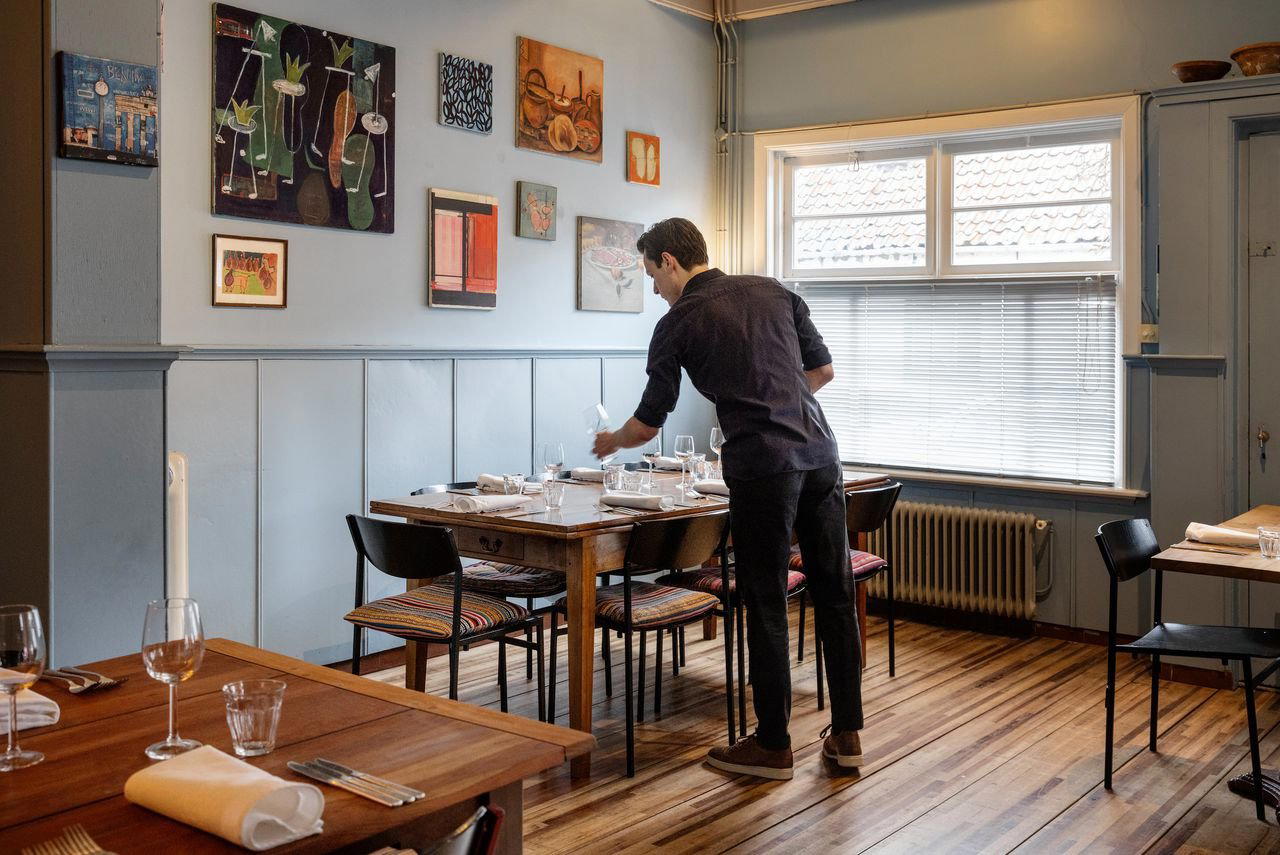
A Village Table in Zeelandic Flanders
Graauw is not a place most Dutch restaurant-goers think to put on their itinerary. The village sits in the far southwestern corner of Zeeland, below the Westerschelde and within easy reach of the Belgian border, tucked into a range of flat polders and tidal creeks that have defined the agricultural and maritime character of Zeelandic Flanders for centuries. Havenstraat itself is a short, unpretentious street, and arriving at number 9 carries none of the anticipatory theatre you get approaching a glass-fronted city restaurant. What the address offers instead is context: you are in working agricultural and estuarine country, and that geography has a direct bearing on what serious kitchens in this corner of the Netherlands choose to cook.
The village setting places Kint & Co within a category of destination dining that the Netherlands has developed with some consistency over recent decades. Like De Groene Lantaarn in Staphorst or De Lindenhof in Giethoorn, this is a table you travel to deliberately rather than stumble across during a city afternoon. That intentionality tends to define the guest profile and, often, the cooking ambition. Destination kitchens in small Dutch towns have repeatedly proven that geography away from Amsterdam or Rotterdam does not mean ambition away from it, as venues like Brut172 in Reijmerstok and De Lindehof in Nuenen demonstrate.
Zeelandic Flanders and the Sourcing Argument
The case for eating in Zeelandic Flanders is, at its core, a sourcing argument. The Westerschelde estuary, which forms the northern boundary of this corner of the Netherlands, produces some of the country's most cited shellfish, including the Zeeland flat oyster and various mussel harvests that have supplied Dutch and Belgian kitchens for generations. The surrounding polderland, reclaimed from the sea over several centuries, carries a distinct salinity in its soils that influences the character of lamb, vegetables, and arable crops grown here. Coastal kitchens that take this geography seriously do not need to reach far for ingredient narratives; the terroir writes itself.
This positions Graauw within a broader Dutch conversation about ingredient provenance that has intensified across the country's serious restaurant tier over the past fifteen years. At the far end of that spectrum, kitchens like De Nieuwe Winkel in Nijmegen, which operates on an organic and plant-centred sourcing framework, or De Librije in Zwolle, which has built a decades-long identity around regional Dutch products, demonstrate what sustained sourcing commitment looks like in practice. Zeelandic Flanders offers a version of that same raw material argument but in a tighter, more contained geography: sea, estuary, polder, and border with Belgium, all within a short radius.
That Belgian proximity matters more than it might seem. The Antwerp restaurant scene, accessible within roughly 30 minutes from Graauw, has long operated at a high level of culinary ambition, and the cross-border movement of ingredients, techniques, and dining culture between Zeelandic Flanders and Flanders proper is a real dynamic rather than a geographic coincidence. Kitchens in this corridor exist in dialogue with both Dutch and Belgian culinary traditions, a positioning that does not apply to most addresses north of the great rivers.
Where Kint & Co Sits in the Dutch Restaurant Picture
The Netherlands has built a credible fine dining infrastructure across its provincial cities and rural destinations, with Michelin recognition extending well beyond Amsterdam. Inter Scaldes in Kruiningen, also in Zeeland and also a destination address rather than a city-centre table, has held two Michelin stars and represents the highest formal recognition this province has achieved. Its existence confirms that Zeeland is taken seriously by the guide's inspectors and that the region's produce-led cooking registers as more than provincial novelty.
Within Zeeland itself, the contrast between a formally awarded address like Inter Scaldes and the relative profile of Graauw is instructive. Kint & Co operates in a village with almost no wider food-media footprint, which places it in the category of addresses that function primarily through local and regional reputation rather than national editorial attention. That dynamic is not uncommon in Dutch provincial cooking: De Treeswijkhoeve in Waalre or Tribeca in Heeze occupy similar positions in North Brabant, where sustained local following and regional identity carry more weight than Amsterdam coverage.
For comparison, the level of cooking at city-based Dutch addresses like Aan de Poel in Amstelveen, Ciel Bleu in Amsterdam, or FG - François Geurds in Rotterdam involves a different competitive calculus: higher infrastructure cost, greater diner volume, and more direct exposure to international critical attention. A village address like Kint & Co operates on a different scale, which does not preclude serious cooking but does change what success looks like and how it registers externally.
Planning the Visit
Getting to Graauw requires a car or a deliberate routing decision. The village is not served by direct rail, and the nearest significant town, Hulst, lies a short drive away. From Antwerp, the crossing into Zeelandic Flanders via the Westerschelde tunnel or the Perkpolder ferry route is direct and takes under an hour for most departures. From Amsterdam or Rotterdam, the drive runs to between two and three hours depending on route and traffic through the delta region. This is, in other words, a full-day commitment from the Dutch Randstad, which places it in the same travel-planning category as a visit to 't Nonnetje in Harderwijk or 't Amsterdammertje in Loenen aan de Vecht: worth the road time if the specific address warrants it.
Visiting the address directly or checking current local listings before planning a journey is the practical approach. For a broader picture of what Graauw and its surrounding area offer, our full Graauw restaurants guide maps the current dining situation in the village and the Zeelandic Flanders corridor more thoroughly.
Frequently asked questions
Is Kint & Co child-friendly?
Graauw itself is a quiet village in Zeelandic Flanders, and restaurants in this setting tend to operate at a relaxed pace suited to families. Contacting the venue directly via their address at Havenstraat 9 is the practical step before planning a family visit.
Is Kint & Co formal or casual?
Kint & Co is located in Graauw, a small agricultural and estuarine village far removed from the urban fine dining circuit of Rotterdam or Amsterdam. Restaurants in this provincial Zeelandic context typically operate with a grounded, unfussy register rather than a formal one.
Why do diners travel specifically to Graauw to eat at Kint & Co?
Kint & Co sits in one of the most geographically distinct corners of the Netherlands: Zeelandic Flanders, a polder region below the Westerschelde estuary with direct access to some of the country's most prized estuarine produce. For Dutch diners, the draw is the sourcing argument the region makes — ingredients that rarely reach urban tables. Graauw's remove from the main restaurant circuit is precisely the point, not an obstacle.
What dish is Kint & Co famous for?
The kitchen operates in Zeelandic Flanders, a region defined by Westerschelde estuary produce, which positions seafood and local estuarine ingredients as the logical backbone of any menu here. For current offerings, check the venue's official channels at Havenstraat 9, 4569 TK Graauw.
A Quick Peer Check
Comparable venues nearby, for context on price, style, and recognition.
| Venue | Cuisine | Price | Awards | Notes |
|---|---|---|---|---|
| Kint & CoThis venue — the venue you are viewing | Modern Dutch Fine Dining | Not listed | Not listed | Not listed |
| Brass118 | Modern Dutch Shared Dining | Not listed | Not listed | Kerkstraat |
| Weeshuis Gouda | Modern Dutch Fine Dining | $50–100 | Relais Chateaux Award | historic centre |
| Mathenesserweg 21b | Dutch Stroopwafel Cafe | $10–20 | Not listed | Spangen |
| FortVier | Modern Dutch Seafood | $30–50 | Not listed | Schuytgraaf |
| GOUD | Modern Dutch Fusion | $50–100 | Not listed | Schiemond |


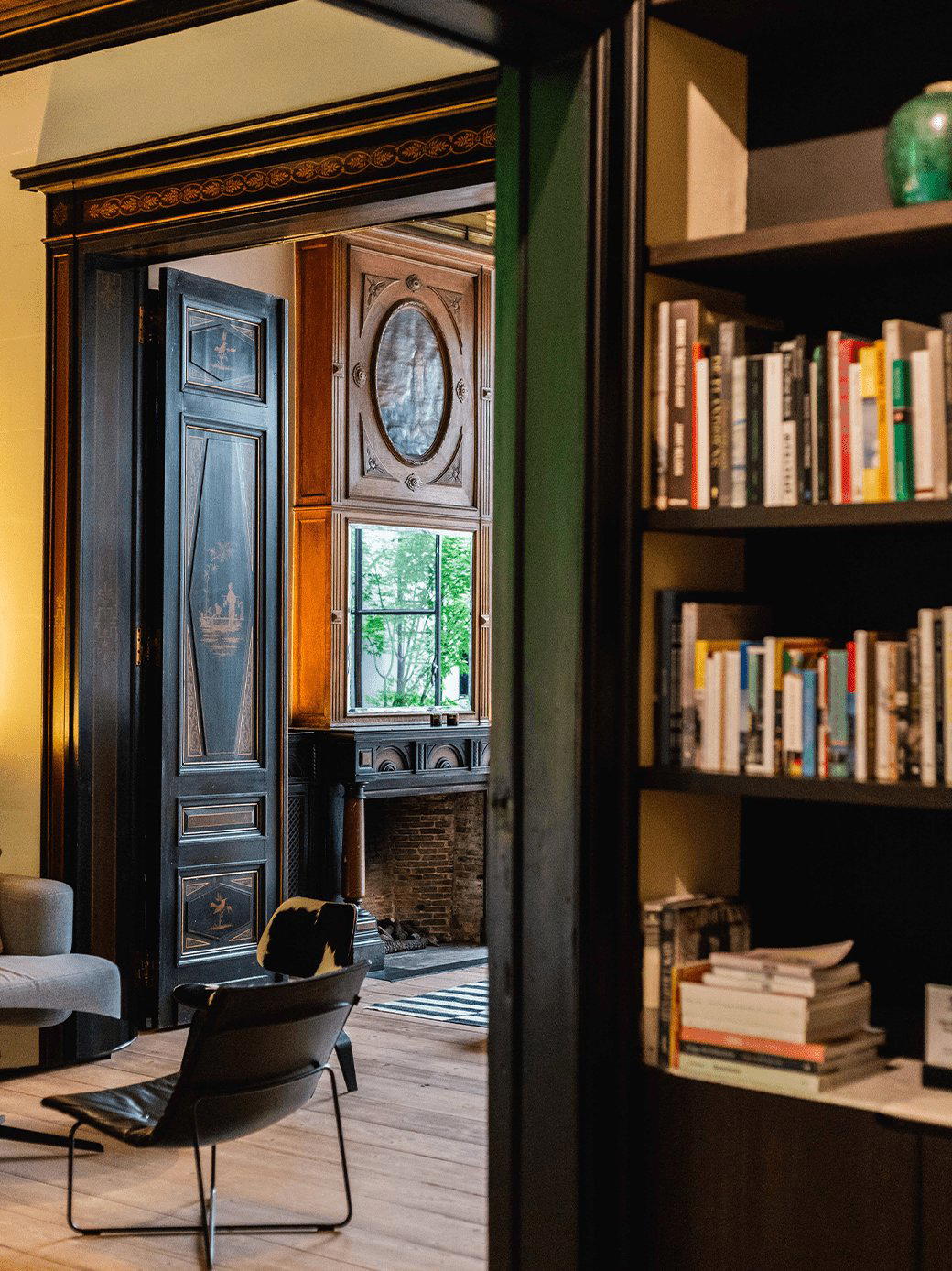
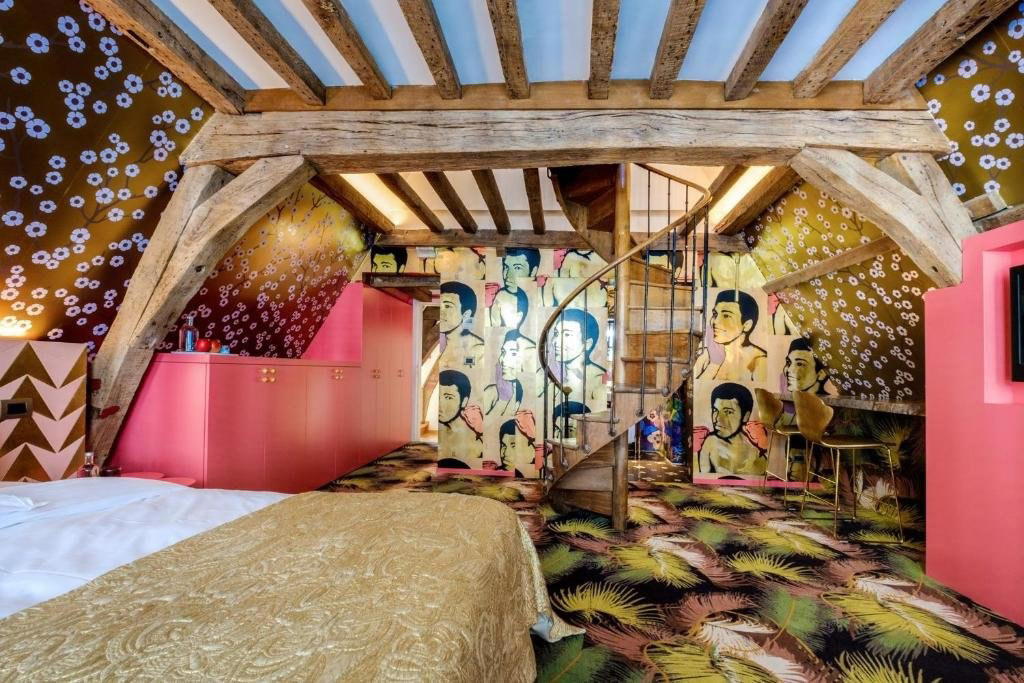
Details
- Intimate
- Cozy
- Special Occasion
- Tasting Menu
Current opening hours
- Monday
- Closed
- Tuesday
- Closed
- Wednesday
- Closed
- Thursday
- Closed
- Friday
- 7 PM–12 AM
- Saturday
- 7 PM–12 AM
- Sunday
- 1–6 PM
Hours can change for holidays and private events. Last verified .
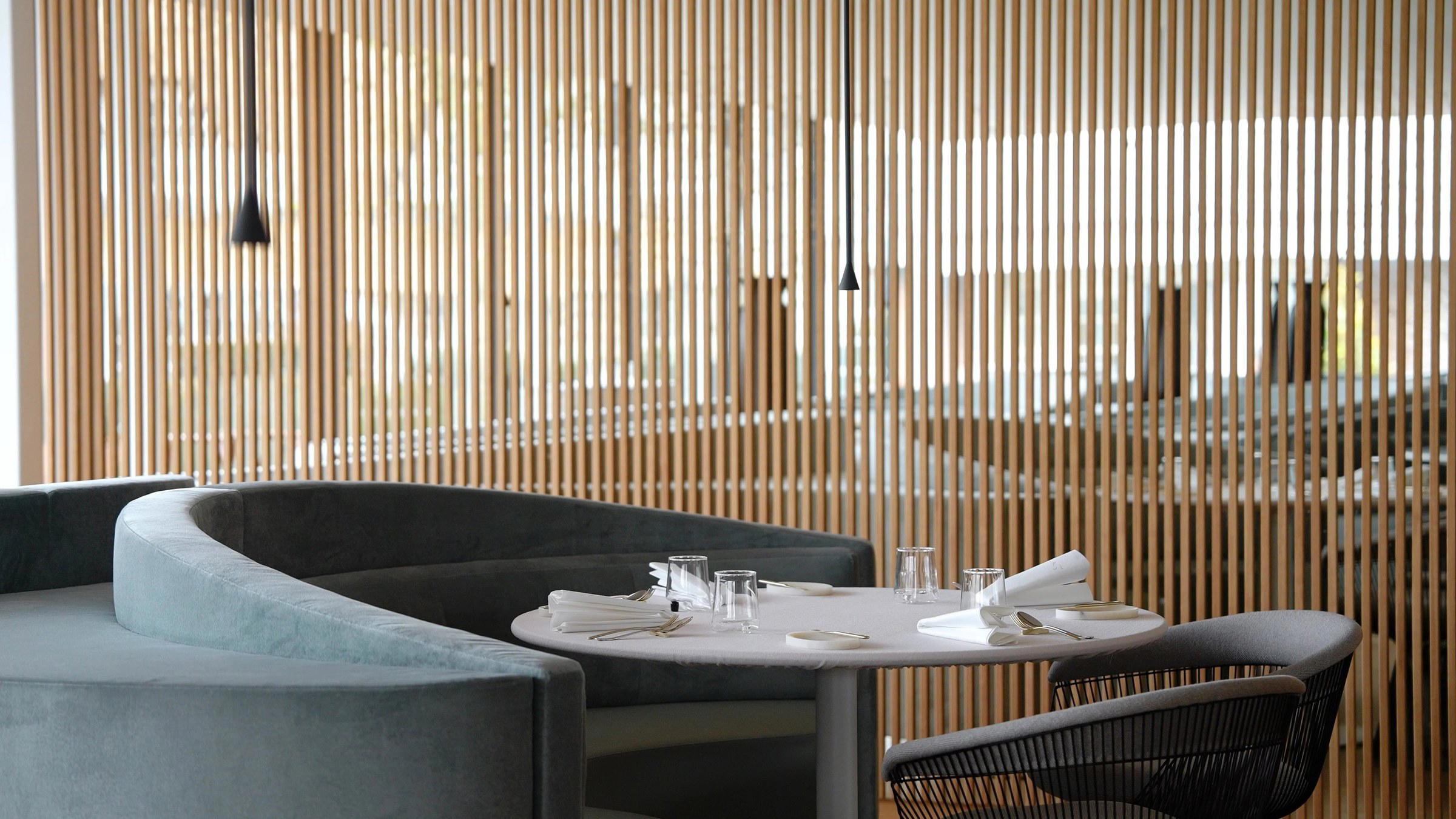
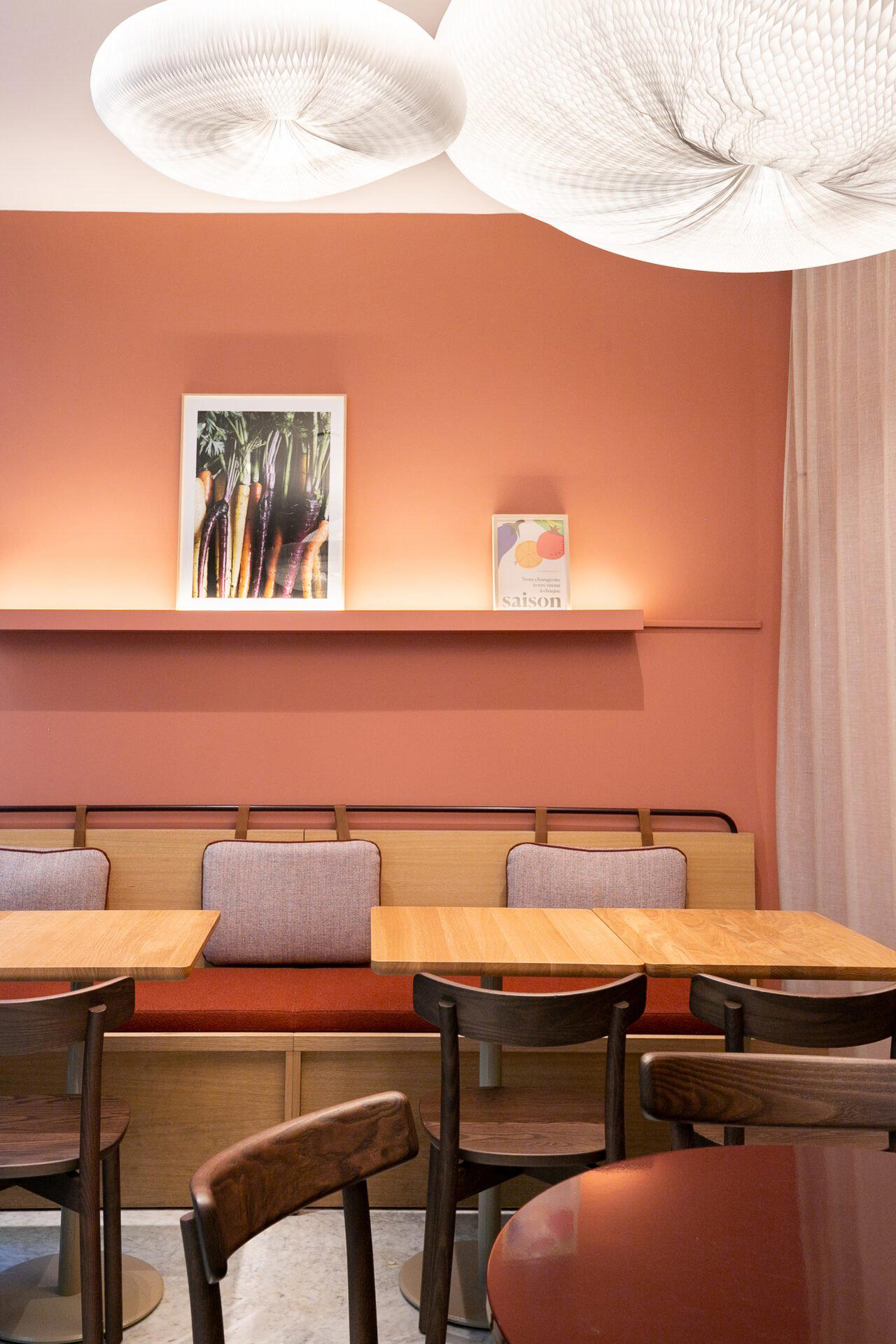
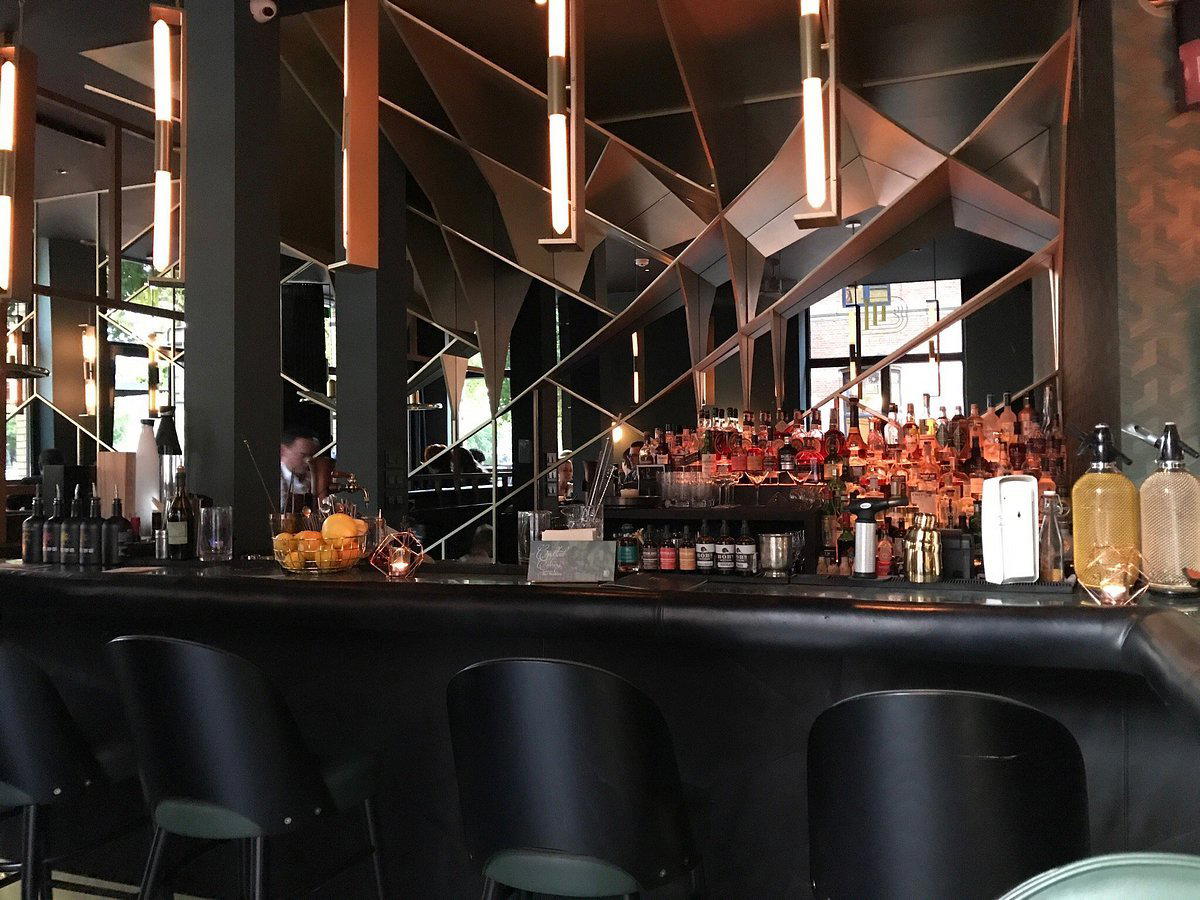
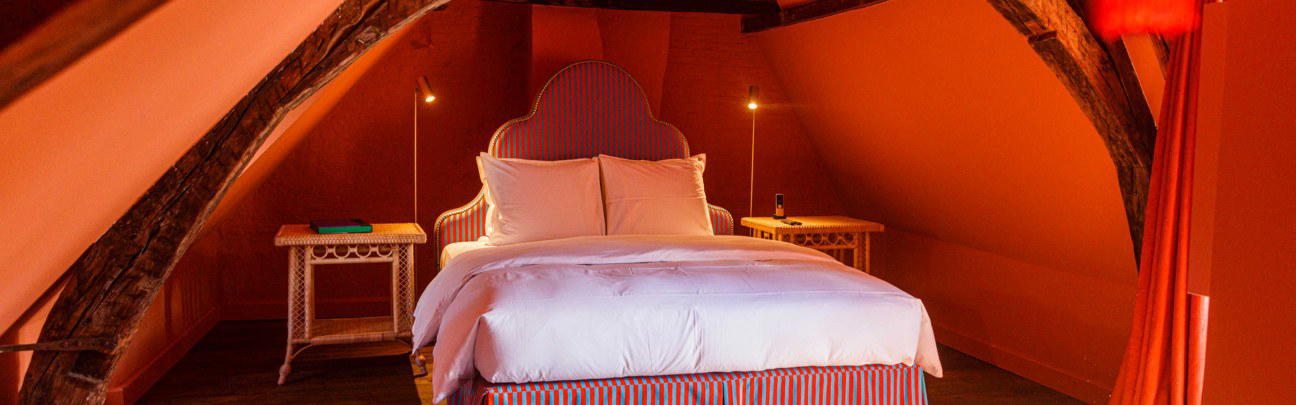
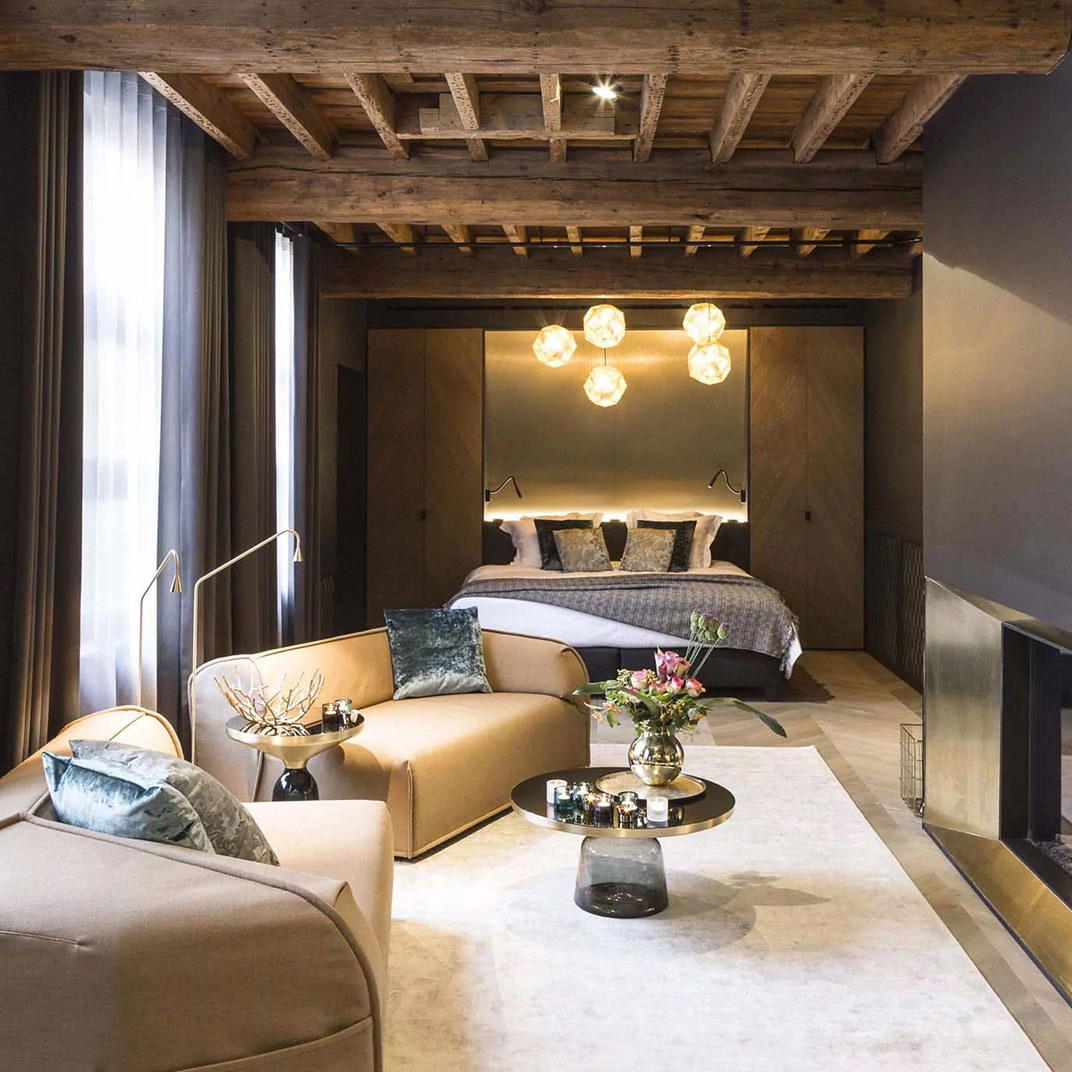
Cozy and intimate setting.