Kings Co Imperial LES
Kings Co Imperial LES occupies a sliver of Delancey Street in Manhattan's Lower East Side, operating in a neighbourhood that has cycled through immigrant kitchens, dive bars, and speculative dining concepts for decades. The address places it squarely in a corridor where Chinese-American culinary traditions and contemporary LES energy converge, making it a reference point for how the area's restaurant culture continues to shift.
Pearl is the En Primeur Club membership app — saves, bookings, and concierge access live there. Same editors, same standards.
- Address
- 168 1/2 Delancey St, New York, NY 10002
- Phone
- +1 212 475 0244
- Website
- kingscoimperial.com
- Directions
- Get directions
 Saves & bookings on Pearl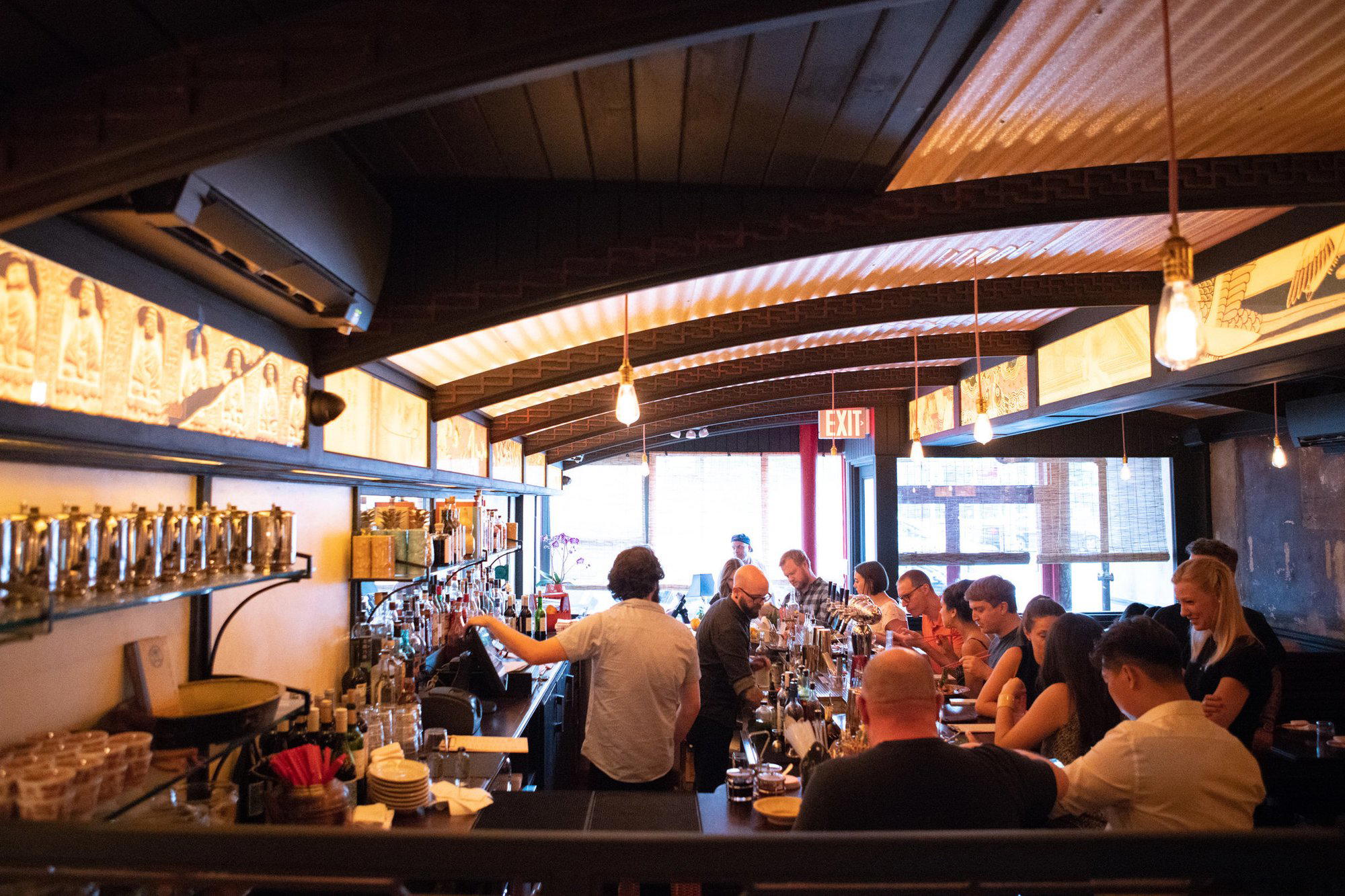
Delancey Street and the Dining Geography of the Lower East Side
Kings Co Imperial LES is a restaurant on Delancey Street in New York City, serving modern Chinese with Sichuan and Cantonese influences at a casual, recommended-reservation price point. The stretch of Delancey Street between the Williamsburg Bridge and Essex Market has never been a stable address for restaurants. It has functioned at various points as a transit corridor, a wholesale district, and more recently as an overflow zone for the dining density that built up around Orchard and Ludlow Streets to the north. Kings Co Imperial LES sits at 168½ Delancey, a half-address that signals the kind of found space the Lower East Side specialises in: tucked, narrow, operating slightly outside the main pedestrian sightlines. That positioning is not incidental to the experience. The LES has always rewarded the diner willing to move half a block off the obvious path.
The neighbourhood itself has spent the past two decades in a sustained negotiation between its tenement-era Chinese and Jewish food legacies, the wave of cocktail bars and small-plates restaurants that arrived in the 2000s, and the more recent pressure from rising rents pushing operators toward higher price points or faster concepts. Chinese-American cooking, in particular, has undergone a visible reassessment across New York during this period, with a generation of restaurants choosing to reframe what had been treated as casual or budget-tier cuisine within more considered dining formats. Kings Co Imperial belongs to that broader movement, applying the LES address to a Chinese-American framework that sits at some distance from the steamtable or dim sum hall traditions the neighbourhood once centred on.
How the LES Chinese-American Dining Frame Has Shifted
To understand where Kings Co Imperial LES sits in 2024, it helps to trace the arc of Chinese-American dining in New York over the past fifteen years. The dominant mode for much of the twentieth century was volume and value: large tables, lazy Susans, dishes calibrated for groups and familiarity. Chinatown and Flushing anchored that tradition with scale and authenticity markers that the LES never fully replicated. What the LES offered instead was adjacency to a dining culture that prized neighbourhood discovery and a willingness to spend more per head in smaller spaces.
The reinvention that restaurants in this category have pursued generally runs in one of two directions: a precision-focused update of specific regional Chinese cooking (Sichuan, Cantonese, Shanghainese) applied to a tasting-menu or omakase-adjacent format, or a frank embrace of Chinese-American as a cuisine with its own history worth treating seriously rather than apologising for. The latter is the more interesting editorial position, and it has found traction in cities from New York to San Francisco, where operators have stopped treating Americanised Chinese cooking as a deficit and started treating it as a genre with genuine depth. Kings Co Imperial, as a concept, operates in that second register.
Kings Co Imperial occupies a different register entirely: the LES address, the Chinese-American framing, and the half-number on Delancey all signal a more informal contract with the diner, even if the cooking ambition runs high.
The Evolution of the Concept
The Kings Co Imperial name carries a specific Brooklyn history. The original Kings County Imperial in Williamsburg established a reputation for General Tso's chicken and Chinese-American classics served in a setting that treated the format with genuine affection rather than irony. That Williamsburg footprint gave the concept its identity: Chinese-American not as throwback or novelty but as a coherent culinary tradition with its own pleasures. The LES outpost represents the next phase of that thinking, transplanting the concept into a Manhattan neighbourhood with its own complicated food history and testing whether the approach travels.
What changes when a concept moves from Brooklyn to the Lower East Side is partly demographic and partly competitive. The LES diner is drawing from a different pool of reference points, one shaped by the neighbourhood's long run as a destination for independent restaurants, late-night eating, and the particular atmosphere that comes from a block where a dive bar, a ramen shop, and a natural wine room might share the same twenty metres of frontage. Adapting to that environment without losing the original concept's clarity is the challenge every multi-location operator faces, and it is what makes the LES version of Kings Co Imperial a more complicated editorial subject than a direct expansion.
Across the United States, the restaurants most successfully threading a similar needle include Lazy Bear in San Francisco, Smyth in Chicago, and Blue Hill at Stone Barns in Tarrytown, all of which have managed concept evolution without diluting what made the original iteration worth tracking. Further afield, properties like The French Laundry in Napa, Single Thread Farm in Healdsburg, Providence in Los Angeles, Addison in San Diego, Emeril's in New Orleans, The Inn at Little Washington, Frasca Food and Wine in Boulder, Atelier Moessmer Norbert Niederkofler in Brunico, and Dal Pescatore in Runate represent the international tier of restaurants where concept identity and location specificity reinforce each other over decades. The restaurant is at an earlier and more contingent stage of that story.
Planning Your Visit
| Venue | Neighbourhood | Price Tier | Format | Booking Lead Time |
|---|---|---|---|---|
| The restaurant | Lower East Side | $$-$$$ | Chinese-American, walk-in friendly | Same-week or walk-in typical for casual formats |
| Atomix | Flatiron | $$$$ | Modern Korean tasting menu | Several weeks to months in advance |
| Eleven Madison Park | Flatiron | $$$$ | Vegan tasting menu | One to two months in advance |
| Masa | Midtown | $$$$ | Omakase sushi | Several months in advance |
- Mock Eel
- Wok-Seared Long Dumplings
- Soup Dumplings
- Mapo Dofu
- Lion's Head Meatball
- Dry Fried Long Beans
Cuisine and Recognition
Comparable venues nearby, for context on price, style, and recognition.
| Venue | Cuisine | Price | Notes |
|---|---|---|---|
| Kings Co Imperial LESThis venue — the venue you are viewing | Modern Chinese with Sichuan & Cantonese influences | $$ | Not listed |
| Dimsum Garden | Hong Kong-Style Dim Sum | $$ | Murray Hill-Kips Bay |
| Noodle Village | Cantonese Noodle Shop | $$ | Chinatown-Two Bridges |
| Nom Wah Tea Parlor | Hong Kong-Style Dim Sum | $$ | Chinatown-Two Bridges |
| Nin Hao | Modern Fujianese | $$ | Prospect Heights |
| Rice Bird NYC | Cantonese Claypot | $$ | East Village |
Continue exploring
More in New York City
Restaurants in New York City
Browse all →
Bars in New York City
Browse all →
Hotels in New York City
Browse all →




At a Glance
- Lively
- Trendy
- Modern
- Group Dining
- Casual Hangout
- Celebration
- Brunch
- Open Kitchen
- Private Dining
- Terrace
- Craft Cocktails
- Local Sourcing
Current opening hours
- Monday
- 5:30–10 PM
- Tuesday
- 5:30–10 PM
- Wednesday
- 5:30–10 PM
- Thursday
- 5:30–10 PM
- Friday
- 5:30–10 PM
- Saturday
- 5:30–10 PM
- Sunday
- 5:30–10 PM
Hours can change for holidays and private events. Last verified .
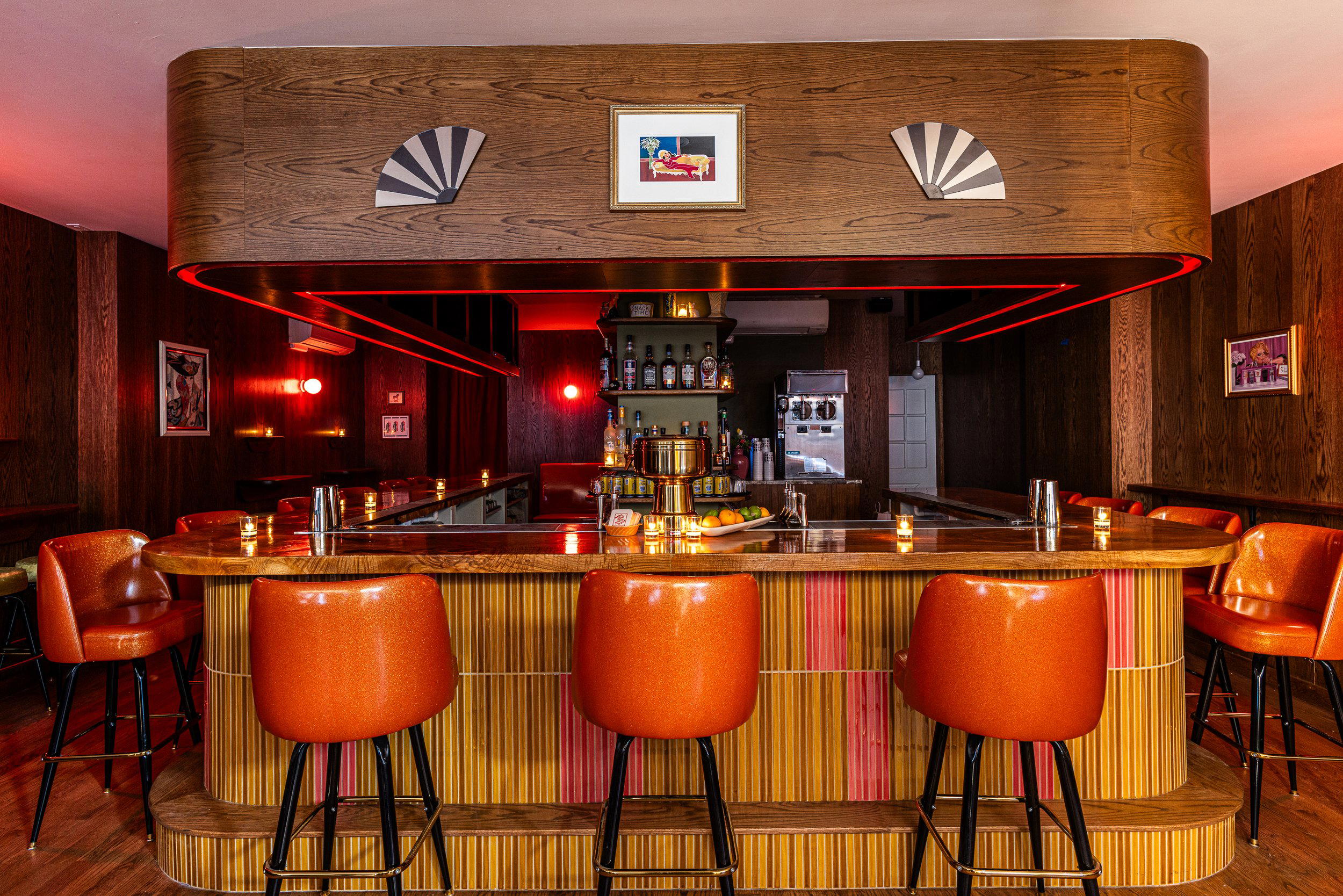
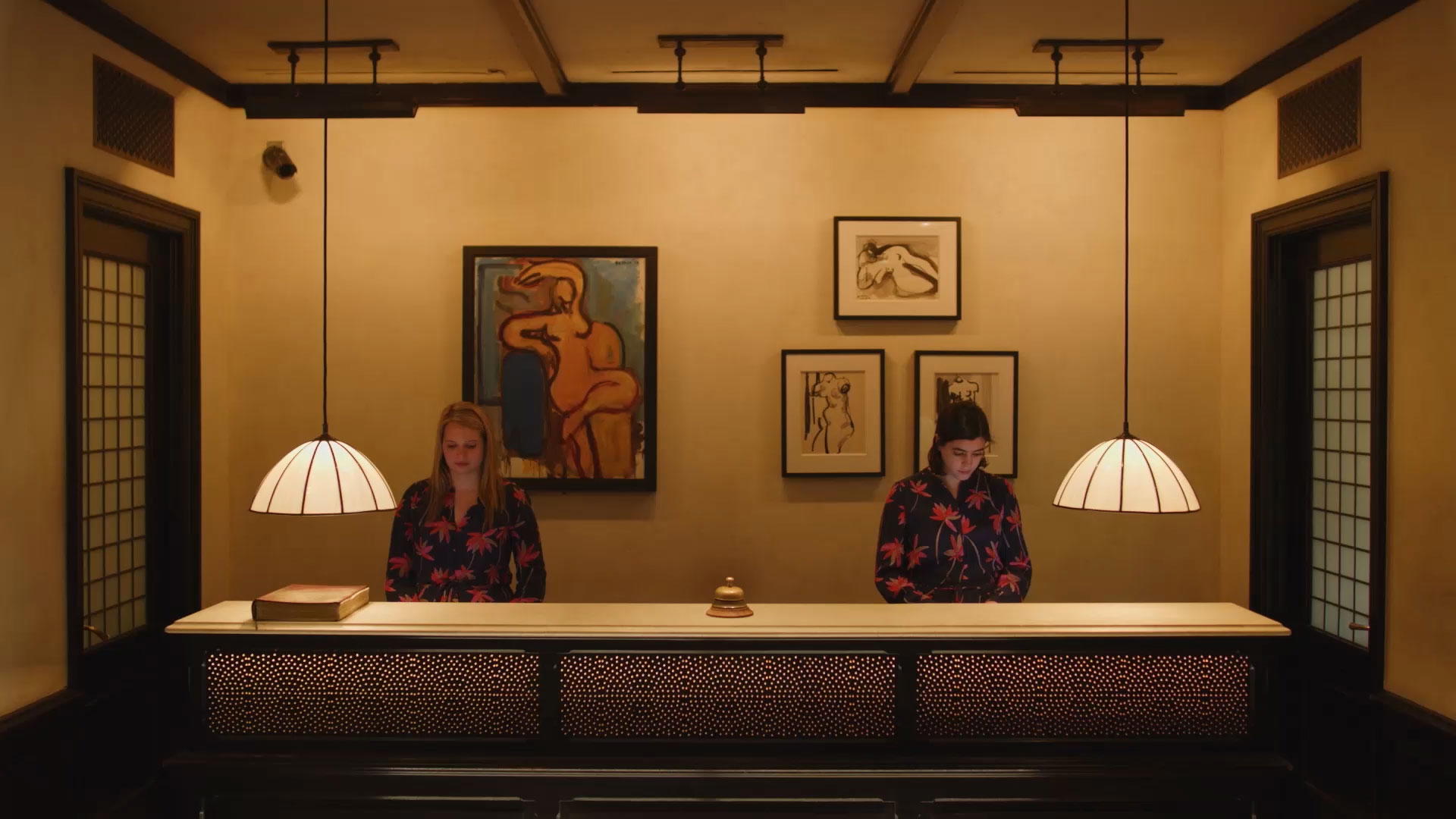
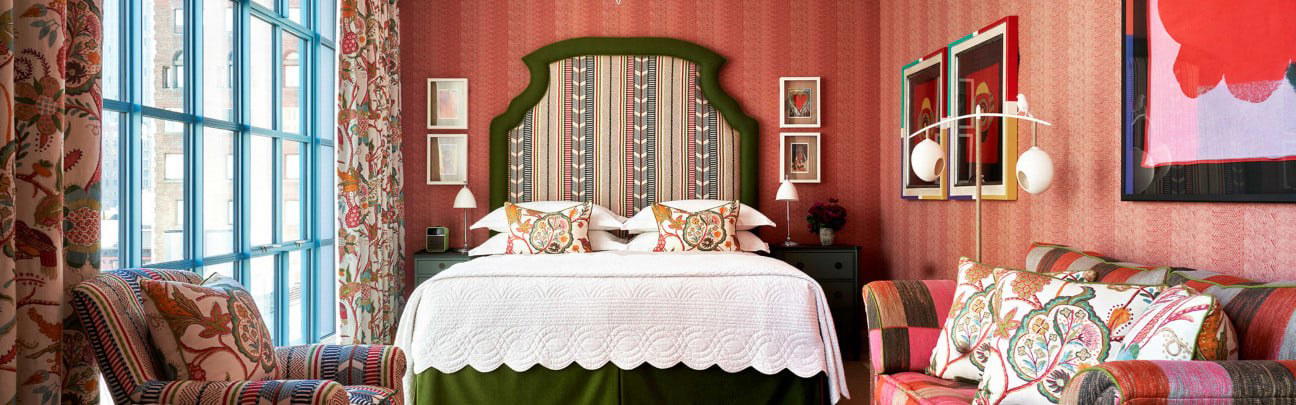
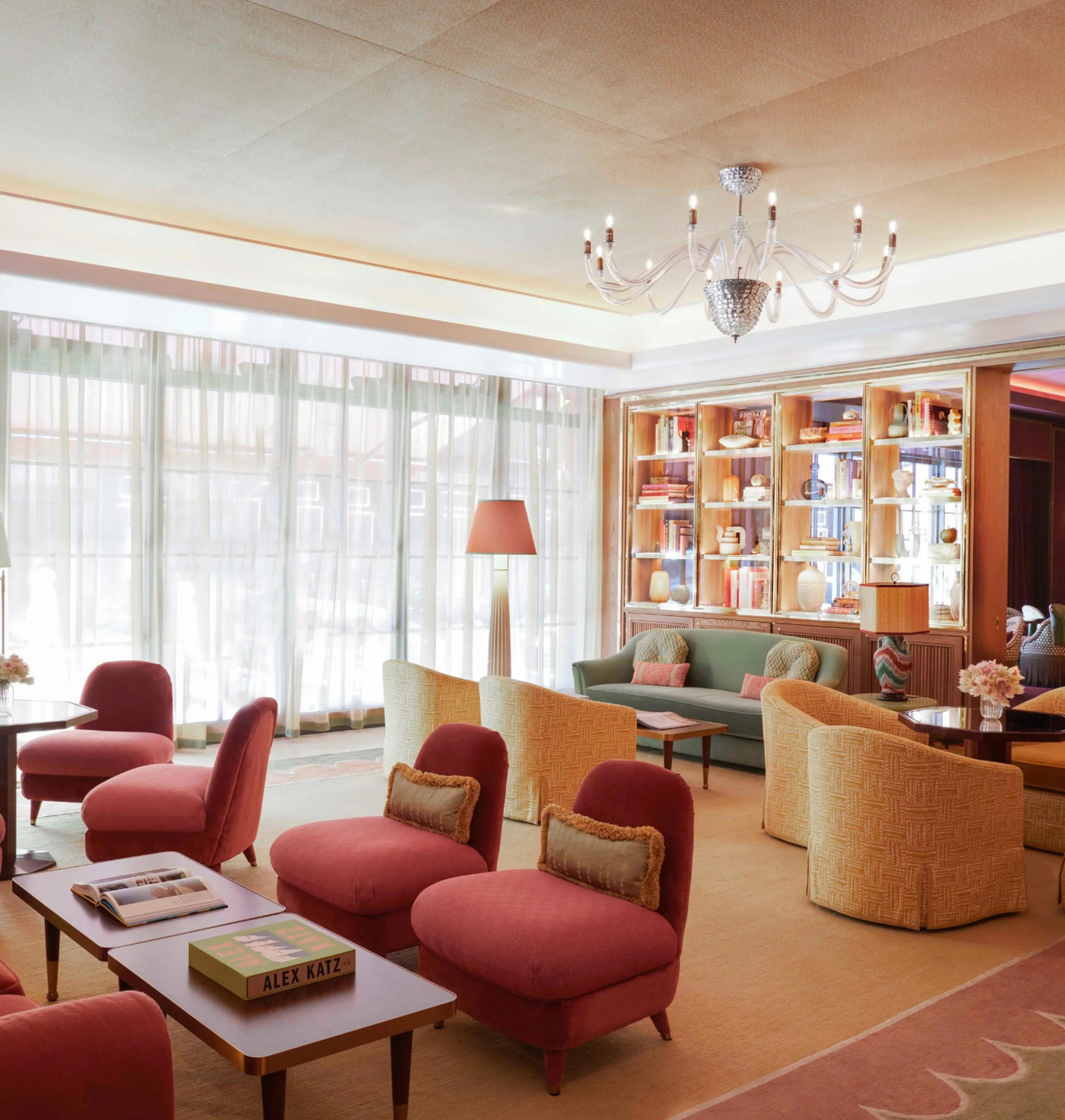
Inviting and accommodating with cushy circular red booths, lazy susans, and a fun, hip atmosphere ideal for group dining with a lively energy.