
Tabelog 100 #35
Our verdict
Kin Fuku Hong Kong Bishoku brings Hong Kong cooking into Kudankita’s quieter dining grid, with wine treated as part of the format rather than an afterthought. Its Tabelog 100 selection for Chinese cuisine in Tokyo in 2026, 40-seat scale, and mid-range dinner bracket place it in a useful tier for travellers who want serious Chinese food without the ceremony of a long tasting counter.

Pearl is the En Primeur Club membership app, where members save venues, book tables and use the concierge.
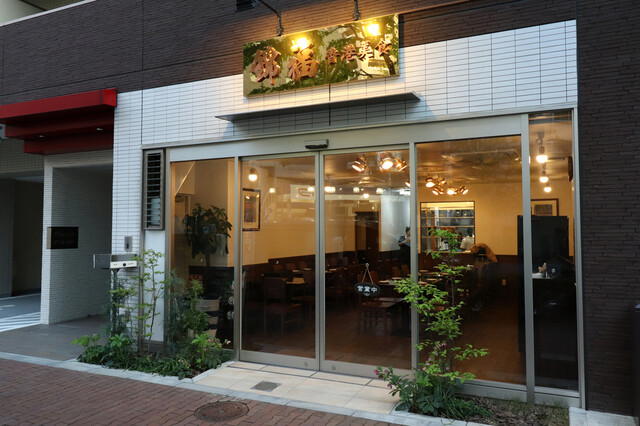
Tokyo is not only loud dining theatre. The approach to many of its strongest meals can be office blocks, station exits, and a calmer evening rhythm rather than obvious spectacle. That context matters: Chinese dining here often feels less like destination performance than after-work ritual, where tables, bottles, and repeat customers carry the room. Kin Fuku Hong Kong Bishoku fits that register: a Chinese restaurant with wine built into its identity and enough critical traction to sit inside Tabelog’s Chinese cuisine TOKYO 100 selection for 2026.
Tokyo’s Chinese scene is unusually stratified, from formal dining rooms and tasting formats to specialist shops built on narrow focus. Kin Fuku Hong Kong Bishoku occupies a middle lane: a restaurant whose listing shares Chinese and wine bar categories. That pairing is the editorial point. In a city where sake, shochu, and beer often frame casual meals, a wine-forward Chinese room signals a slower evening, matching Chinese cooking to bottles over several courses.
Chinese cooking, Tokyo pacing, and a wine-first reading of the meal
The restaurant’s public identity is straightforward: Chinese cooking in Tokyo, with wine treated as part of the experience rather than an afterthought. That detail matters less as biography than context. Tokyo’s better Chinese restaurants often prize technique, restraint, and product handling over high-volume banquet style. In this register, a multi-course Chinese dinner can move across textures, temperatures, and sauces, giving wine more room than a single-dish specialist would.
The wine emphasis is not decorative. The restaurant is categorized as both Chinese and wine bar, which changes the decision for travellers. This is not primarily for a quick bowl before a train transfer; read it as a Chinese dinner where bottle selection is part of the architecture. The price band helps define the tier: JPY 6,000 to JPY 7,999 at dinner, above everyday neighbourhood Chinese dining but below Tokyo’s most elaborate special-occasion rooms. That gap is where strong local restaurants often live: less scripted, more flexible, and reliant on regulars who know how to order.
Tabelog’s 2026 Chinese cuisine TOKYO 100 selection is a meaningful trust signal in a crowded category. It is not Michelin shorthand and should not be read as such; it is Tokyo-specific recognition for sustained diner attention within a genre. The listed score of 3.70 and dinner budget of JPY 6,000 to JPY 7,999 further place the restaurant as a credible, moderately priced choice for a fuller evening rather than a quick casual stop.
Tokyo rewards diners who understand the city map
Tokyo’s dining geography explains part of the appeal. A Chinese restaurant with wine here need not perform luxury in the usual manner; it can work as a grown-up local address, where table choice, bottle choice, and pacing matter more than decorative drama. The setting is best understood simply as Tokyo: useful for travellers who want a serious dinner without turning the meal into a formal hotel-style occasion.
Comparison clarifies the lane. TOKYO BHAVAN, Jimbocho Gokita, Gokita, Kanda Coffee, and Yu all point to other ways Tokyo diners build an evening or a day around food and drink. Kin Fuku Hong Kong Bishoku sits apart: Chinese, wine-oriented, dinner-led, and priced for a fuller evening. It is useful for visitors staying in Tokyo who want something more specific than generic casual dining but less formal than the city’s most elaborate special-occasion rooms.
The format has practical implications for groups. Because the identity is dinner-led and wine-oriented, it rewards diners who are ready to settle in rather than rush. For planning purposes, treat it as a restaurant to book with conversation, pacing, and shared ordering in mind. Specific seating, private-room, smoking, and family-policy details should be checked directly with the restaurant before committing, especially for larger parties or travellers with access needs.
How to place it in a Tokyo dining itinerary
The cleanest use case is a weekday Chinese dinner with wine, especially for travellers whose plans already include time in Tokyo. It suits an itinerary that treats the city as a set of specialist dining choices rather than one restaurant checklist. For broader planning, use Our full Tokyo restaurants guide, then triangulate nearby and category-adjacent options such as other Tokyo dining rooms, curry counters, casual restaurants, seafood spots, and daytime cafes.
Travellers building a fuller Japan route can compare the Tokyo choice with dining stops outside the capital in general terms, but the core decision here remains local: whether a Chinese restaurant with a wine bar identity fits the evening. For a wider city plan, the relevant companion rails are Tokyo hotel, bar, winery, and experience guides. Cross-Pacific readers tracking Japanese drinking and casual-food culture can file overseas references separately, though this Tokyo meal belongs to a different, wine-led Chinese tradition.
The editorial read is clear: choose this address for Chinese cooking in a Tokyo setting where wine has a defined role. The value is the combination of category recognition, moderate dinner pricing, a Tabelog 100 selection for 2026, and a room concept that reads as built for conversation rather than performance.
Frequently asked questions
Is Kin Fuku Hong Kong Bishoku more mid-range or high-end?
Pricing at Kin Fuku Hong Kong Bishoku is listed as JPY 6,000 - JPY 7,999.
Is Kin Fuku Hong Kong Bishoku open every day?
Specific opening hours should be checked directly with Kin Fuku Hong Kong Bishoku before visiting.
Where is Kin Fuku Hong Kong Bishoku located?
Tokyo.
What's the defining dish or idea at Kin Fuku Hong Kong Bishoku?
The defining idea is Chinese dining in Tokyo, framed by a wine bar lens and a Tabelog 100 Chinese selection for 2026.
Similar Picks
Comparable venues for context, by category and price tier.
| Venue | Cuisine | Price | Awards | Notes |
|---|---|---|---|---|
| Kin Fuku Hong Kong BishokuThis venue (the venue you are viewing) | Hong Kong / Cantonese Chinese | $50–100 | Tabelog 100 #35 | Not listed |
| TOKYO BHAVAN | Authentic South Indian restaurant | $10–20 | Tabelog 100 #50 | JPY 2,000 - JPY 2,999 JPY 1,000 - JPY 1,999 |
| Yu | Vegan Gyoza Cafe | $10–20 | Tabelog Bronze | Not listed |
| Jimbocho Gokita | Yakitori with French Sauces | $200–300 | Michelin Plate | Yakitori |
| Kanda Coffee | Not listed | $1–10 | Tabelog 100 #42 | JPY 999 - JPY 999 |
Recognition history
Dated appearances from independent guides and award organizations, with the underlying list record or original source where available.
Tabelog 100 #35 · No. 35
Tabelog · Tabelog 100 - Chinese cuisine - TOKYO - 2026
Continue exploring
More in Tokyo
Restaurants in Tokyo
All restaurants in Tokyo →



Bars in Tokyo
All bars in Tokyo →





Details
- Sophisticated
- Cozy
- Intimate
- Date Night
- Business Dinner
- Group Dining
- Special Occasion
- Standalone
- Beer Program
- A La Carte
- Wine
Current opening hours
- Monday
- 5:30–8:45 PM
- Tuesday
- 5:30–8:45 PM
- Wednesday
- 5:30–8:45 PM
- Thursday
- 5:30–8:45 PM
- Friday
- 5:30–8:45 PM
- Saturday
- Closed
- Sunday
- Closed
Hours can change for holidays and private events. Hours as of .
A discreet, house-style setting with a refined, intimate feel that reads as a sophisticated low-profile address rather than a casual neighborhood eatery.