Kimukatsu brings its distinctive layered pork katsu format to Palembang Indah Mall's ground floor, operating in a casual, family-oriented register that fits the city's mall-anchored dining culture. The chain's core product, thin-sliced pork layered before breading and frying, relies on sourcing discipline that travels with the brand across Indonesian locations. A practical, accessible option within the Bukit Kecil district.
Pearl is the En Primeur Club membership app — saves, bookings, and concierge access live there. Same editors, same standards.
- Address
- Jl. Letkol Iskandar No 18, 24 Hilir Kec. Bukit Kecil, Palembang, Sumsel 30134 Palembang Indah Mall, Ground Flour unit 36-38, Sumatera Selatan 30134, Indonesia
- Phone
- +627115731082
- Website
- book.chope.co
- Directions
- Get directions
 Saves & bookings on Pearl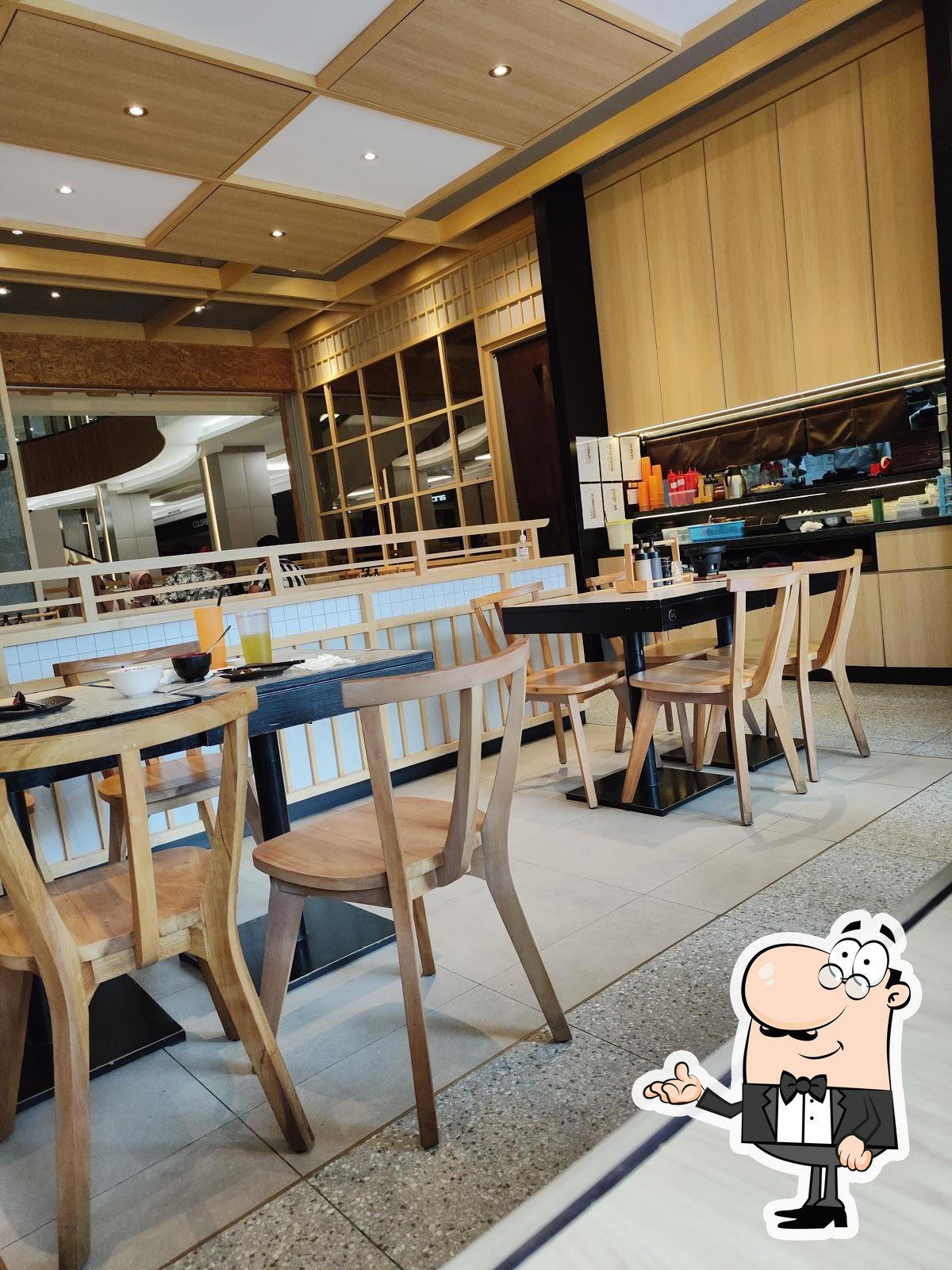
Japanese Katsu in the Heart of Palembang's Mall Culture
Mall dining in Palembang operates differently from Jakarta or Surabaya. The city's commercial centres function less as transient food courts and more as genuine neighbourhood anchors, where families return weekly and restaurant choices carry real local weight. Palembang Indah Mall, positioned along Jl. Letkol Iskandar in the Bukit Kecil district, sits within that civic rhythm. The ground floor units that house Kimukatsu place it at street-level accessibility, drawing foot traffic from across the city.
Kimukatsu is a Japanese chain built around a single, specific premise: layered pork katsu. Where most tonkatsu operations in Southeast Asia work with a single thick cut, Kimukatsu's format stacks thin slices of pork before breading and frying, producing a texture and cross-section that behaves differently from the standard preparation. That structural distinction is not cosmetic. The layering changes how heat moves through the cut during frying and how fat renders, which affects both moisture retention and the ratio of crust to interior. It is a method that requires controlled sourcing of pork with consistent fat distribution across each thin layer.
The Sourcing Logic Behind Layered Katsu
The ingredient argument for layered katsu centres on consistency. A single thick cut of pork tolerates more variation in the source animal because the cook has margin to adjust. Layered preparation does not allow that flexibility: uniform slicing demands uniform fat content across the whole piece, which pushes sourcing toward controlled supply chains rather than open-market purchasing. Japanese katsu chains that operate internationally have generally resolved this by maintaining supplier specifications that travel with the brand, ensuring that what arrives in a Palembang kitchen meets the same thickness and fat-to-lean ratio as what arrives in Tokyo or Singapore.
That sourcing discipline is one reason Japanese chain restaurants in this category hold comparative consistency across markets. Diners familiar with Kimukatsu from other Indonesian cities or from Japan will find the core product recognisable. For Palembang specifically, that kind of supply-chain reliability is notable. The city's Japanese dining options have historically skewed toward local adaptations rather than format-faithful imports, making a chain that maintains its production standards a different kind of offering in the local mix. For broader context on Indonesia's dining scene, Palembang's restaurants range from street-level local to imported formats.
How This Format Sits in the Indonesian Japanese Dining Tier
Indonesian cities have absorbed Japanese food formats in layers. Sushi and ramen arrived earliest and are now widely commoditised. Katsu, particularly in its premium-chain form, represents a more recent consolidation. In Jakarta, the competition among Japanese tonkatsu and katsu formats is dense enough that price and format differentiation drive consumer choice. In a secondary city like Palembang, the competitive set is thinner, which means a format-specific chain occupies its niche with less direct pressure.
The comparison worth making is not to Palembang's local alternatives but to how similar Japanese chain formats perform in comparable Indonesian cities. Gindaco in Kecamatan Menteng represents the takoyaki end of Japanese street-food chains operating in mall contexts across Indonesia, while Chongqing Liuyishou Hotpot in South Jakarta shows how Asian chain formats with strong sourcing identities can anchor in shopping mall environments. Kimukatsu sits in that broader imported-format tier, where brand recognition and production consistency carry more weight than local chef identity.
For those comparing across Indonesian dining formats more broadly, August in Jakarta and Locavore NXT in Ubud represent the opposite end of the spectrum: chef-led, sourcing-obsessed restaurants where provenance is articulated explicitly on the menu. That contrast is useful context. Kimukatsu's sourcing discipline is structural rather than narrative, built into the format rather than communicated as a story, which is typical of how Japanese chain restaurants handle ingredient standards.
The Palembang Indah Mall Setting
Ground floor positioning in a mall like Palembang Indah carries specific traffic dynamics. Early evening, when families move through the centre after school and work, is typically when family-style Japanese restaurants in this format see their highest covers. The unit configuration at numbers 36-38 suggests a combined footprint large enough for table dining rather than counter-only service, which aligns with how Kimukatsu operates in its other Indonesian locations.
The atmosphere follows the logic of the format: brighter than a standalone restaurant, calibrated for visibility and throughput, with the kitchen's frying operations providing an olfactory signal that does its own marketing work. Mall Japanese dining in Indonesia has moved away from the generic food-court aesthetic at this price tier, and Kimukatsu's brand standards typically include defined interior elements that distinguish it from surrounding units. Anyone expecting the focused quiet of an omakase counter or the editorial design of a boutique dining room will be misreading the setting. This is casual, family-oriented, efficient dining with a specific technical product at its centre.
Palembang's own food identity runs deep in other directions, particularly in its fish-based preparations rooted in the Musi River tradition. Places like FOW Coffee and R&B Grill Palembang represent local directions worth exploring alongside any imported format dining. For Indonesian diners and visitors alike, moving between Palembang's local food traditions and its imported chain offering is part of how the city's dining culture actually functions rather than an either/or choice.
Across Indonesia: Where Kimukatsu Sits
For travellers who have eaten at Bikini Restaurant Bali in Badung or Jungle Fish Bali in Gianyar, the difference between Bali's tourist-facing dining economy and Palembang's resident-facing one is significant. Kimukatsu in Palembang is not positioned for international visitors. It is a local family restaurant operating inside a local shopping centre, and it functions most comfortably understood on those terms. The katsu format itself has wide appeal across age groups, which is part of why Japanese chain concepts in this category have expanded steadily through Indonesian secondary cities over the past decade.
Other Indonesian chain formats worth cross-referencing include Deem Saam in Tangerang, Cutt & Grill Flavor Bliss in South Tangerang, and Bonfire Roast & Grill in Bandung, all of which occupy the same casual, mall-anchored, family-dining tier across different Indonesian cities. For those curious how Palembang's dining scene compares to internationally recognised fine dining, Le Bernardin in New York City and Atomix in New York City offer the reference point for what sourcing-led, technically precise restaurant cooking looks like at the highest tier of the global market.
Planning Your Visit
Palembang Indah Mall is accessible from central Palembang by standard ride-hailing services. The mall's ground floor location makes Kimukatsu direct to find without navigating multiple levels. Given the family-dining orientation of the format and the mall's local traffic patterns, early evening on weekends tends to be the busiest period. Walk-in is the standard mode of operation for this category of restaurant in Indonesian mall settings, though the combined unit footprint suggests reasonable capacity. For visitors combining the meal with other Palembang dining, Agreya Coffee Bogor and CARANO Masakan Padang in Bekasi offer useful reference points for how Indonesian coffee and Padang-style food operate in mall contexts across the region. Double Decker Casual Dining in Sukoharjo and Banyan Tree Café in Lombok round out the picture of casual dining formats operating across Indonesia's secondary cities at a similar price and format tier.
In Context: Similar Options
Comparable venues nearby, for context on price, style, and recognition.
| Venue | Cuisine | Price | Notes |
|---|---|---|---|
| Kimukatsu Palembang Indah MallThis venue — the venue you are viewing | Japanese Katsu Specialist | $$ | Not listed |
| FOW Coffee | Modern Coffee Cafe | $$ | Ki Ronggo Wirosantiko |
| R&B Grill Palembang | Steakhouse & Grill | $$ | Bukit Kecil |
| Imperial Kitchen & Dimsum | Chinese Dim Sum | $$ | Tangerang |
| Furusato Izakaya | Traditional Japanese Izakaya | $$ | Karet Teng Sien |
| Hanamasa Margonda Depok | Japanese All-You-Can-Eat Yakiniku & Shabu-Shabu | $$ | Beji |
Continue exploring
More in Palembang
Restaurants in Palembang
Browse all →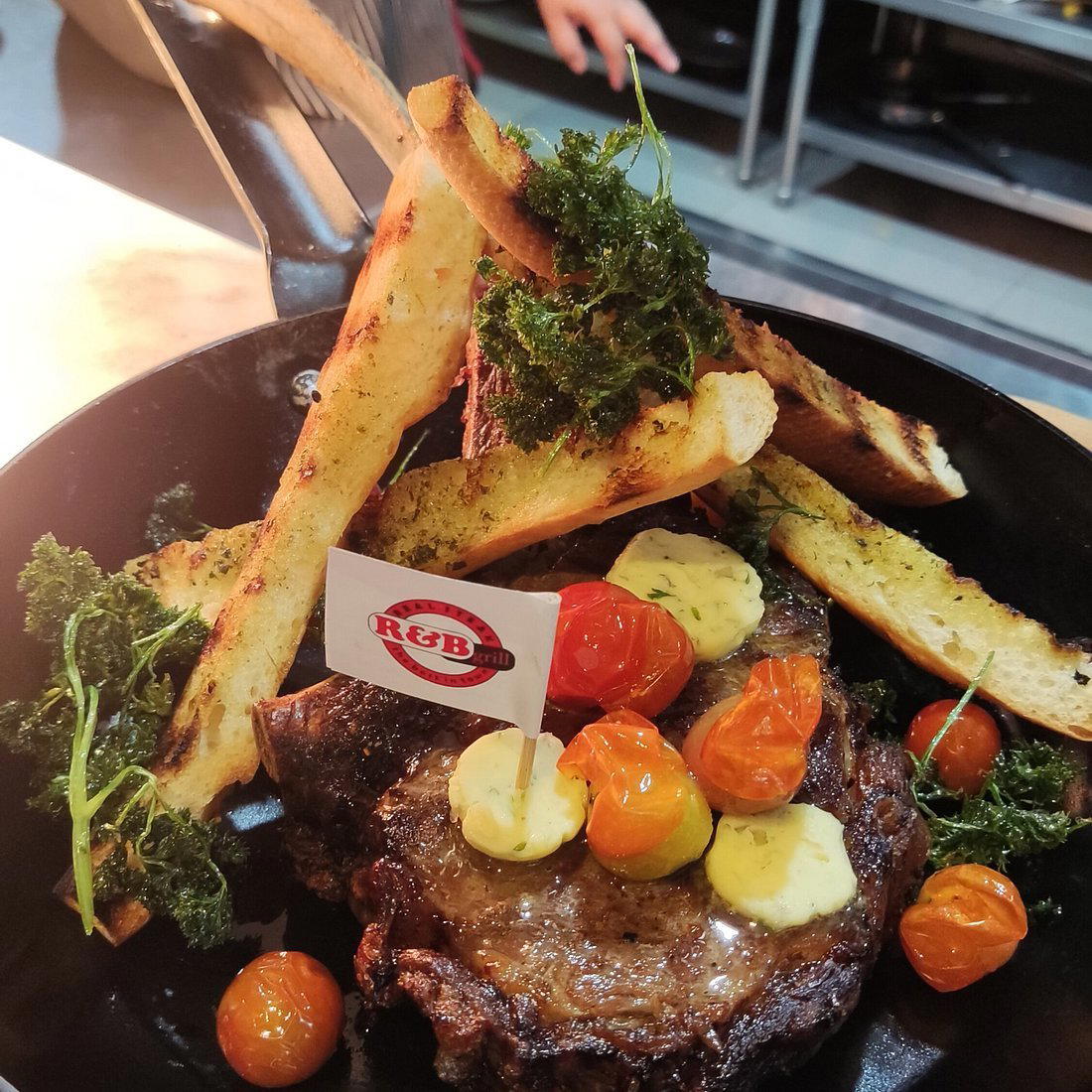
At a Glance
- Modern
- Trendy
- Casual Hangout
- Family
- Open Kitchen
- Sake Program
Current opening hours
- Monday
- 10 AM–10 PM
- Tuesday
- 10 AM–10 PM
- Wednesday
- 10 AM–10 PM
- Thursday
- 10 AM–10 PM
- Friday
- 10 AM–10 PM
- Saturday
- 10 AM–10 PM
- Sunday
- 10 AM–10 PM
Hours can change for holidays and private events. Last verified .
Comfortable and modern Japanese interior with a welcoming atmosphere.