
Kikyo En Honten gives Gifu a serious yakiniku address with repeated Tabelog 100 recognition and a format built around Japanese barbecue, tripe, and Korean-leaning accompaniments. The appeal is sourcing-led rather than theatrical: beef is the point, with private rooms, group capacity, sake, shochu, wine, and cocktails supporting a broad dinner audience.
Pearl is the En Primeur Club membership app — saves, bookings, and concierge access live there. Same editors, same standards.
- Address
- Japan, 〒500-8273 Gifu, Kanoyabacho, 2 Chome−29−29
- Phone
- +81 58-272-1881
- Website
- kikyoen.co.jp
 Saves & bookings on Pearl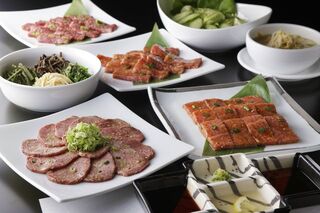
Approach in residential Gifu and the tone is not downtown spectacle. The yakiniku room here belongs to a Japanese tradition where the table does part of the work, smoke and heat shape the tempo, and the quality of the beef has nowhere to hide. In a city better known to many travellers for river cormorant fishing, castle views, and access to mountain country, serious grilled meat has its own grammar: cuts, marinades, offal, rice, condiments, and drinks that keep pace with fat.
Gifu is also beef country in the broader cultural sense. Hida beef gives the prefecture a name that diners recognise beyond the region, and yakiniku is one of the clearest ways to understand why provenance matters. The format is direct. Rather than folding beef into a long kaiseki sequence or a chef-controlled steakhouse ritual, the meal keeps the ingredient close to the diner. Kikyo En Honten sits inside that sourcing-first lane, with Japanese barbecue, tripe, and Korean categories defining the kitchen’s centre of gravity.
Gifu yakiniku judged by beef, offal, and repeat recognition
The useful way to read this restaurant is not as a novelty stop, but as a mature local answer to a national yakiniku hierarchy. Tabelog selected Kikyo En Honten for its Yakiniku EAST 100 list in 2025, with earlier selections across the same yakiniku and grill field in 2018 and from 2020 through 2024. That pattern matters more than a single badge. Yakiniku ranking culture in Japan rewards consistency across meat quality, grill management, side dishes, room comfort, and value perception, because diners return in groups and compare meals cut by cut.
Within Gifu, the category spans everyday barbecue, family tables, and premium beef rooms. Yakiniku Shun Yasai Fanbogi operates at a higher published dinner spend, while Tejaku Kappou Terada points toward a different Japanese dining register altogether. Kikyo En Honten occupies a middle-premium position for the city: serious enough for award attention, approachable enough for dinners that are not built around a chef’s counter or ceremonial tasting menu. That is a useful bracket for travellers who want regional meat culture without turning dinner into a formal performance.
Tripe on the category line is a signal, not an afterthought. In Japanese yakiniku, offal separates restaurants that merely sell marbled beef from rooms that understand the wider barbecue repertoire. Korean influence is part of the same story, visible across the genre in marinades, kimchi-adjacent sides, dipping sauces, rice dishes, and the rhythm of shared eating. The kitchen’s identity reads through that wider format: beef as anchor, variety cuts as depth, and drinks chosen to manage richness.
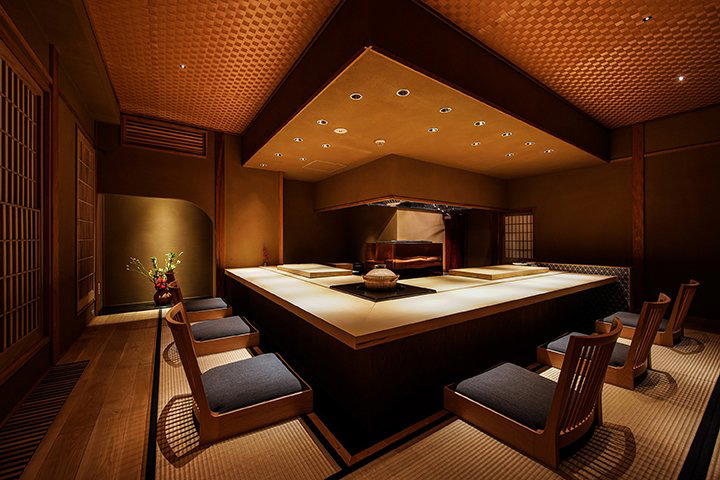
The room is built for groups, not counter theatre
Gifu’s restaurant scene rewards practical comfort. This is not Tokyo’s eight-seat reservation anxiety transplanted inland. The format supports families, friends, celebrations, and larger parties, which changes how the meal works. Yakiniku depends on pacing: grills need space, plates arrive in waves, and tables carry conversations that would feel cramped in a tiny room. Private rooms and larger seating capacity make sense for this style because the meal is social by design.
That scale also places the restaurant in a different travel decision from bars such as BAR-BAROSSA, BAROSSA cocktailier, or Mikazuki Bar, where the evening turns on drinks, counter proximity, and a narrower late-night brief. Here, the stronger play is dinner before a quieter drink elsewhere, not a grazing stop between venues. For a broader city plan, pair the restaurant research with Our full Gifu restaurants guide, Our full Gifu bars guide, and Our full Gifu hotels guide.
The drinks list is another clue to positioning. Sake and shochu keep the meal anchored in Japan, while wine and cocktails widen the table for mixed groups. That matters with beef. High-fat cuts can make a meal feel heavy if the drinks are too sweet or too soft; sharper sake, structured wine, or a clean highball-style cocktail can reset the palate between grill rounds. No single pairing needs to dominate, because yakiniku is a sequence of small decisions rather than a fixed menu script.
How to place it in a Gifu eating itinerary
The sharper itinerary question is whether dinner should express Gifu through meat, French technique, casual local staples, or drinks. Belle Equipe (French) gives the city a European reference point, while Aka Renga and Akane Ya belong to a separate local shortlist. The restaurant is the beef-led choice in that mix, the one to prioritise when the point of dinner is regional ingredient culture rather than a tasting format.
Travellers continuing through Japan can use it as a comparison point rather than a standalone trophy. Beef culture shifts sharply by region: sukiyaki in Kamakura at -Grilled beef Sukiyaki- KAMAKURA TANUKIAN 鎌倉 たぬき庵 in Kamakura frames meat through broth, sugar, soy, and egg; charcoal formats such as. 鮪と炭火焼き うお炭 秋葉原店 in Tokyo read through grill and seafood culture instead. Casual entries such as.cafe in Osaka.know in Kumamoto, (Shoku) Vietnam in Kawasaki, [Curry Senmon Ten] Maruyama Kyoju. in Sapporo, Jōdo Saké Bar in Los Angeles, and Onigiri Time in Pasadena show how far the Japanese dining map stretches once the category changes.
For Gifu specifically, the smarter plan is to treat this as a dinner anchor. The restaurant’s repeated Tabelog 100 presence supplies the trust signal; the category supplies the reason to go. It is not trying to mimic a metropolitan chef’s counter. Its value is more grounded: a large-format yakiniku house in a prefecture where beef sourcing carries cultural weight, with enough recognition to place it above routine barbecue and enough practicality to make sense for a group meal. For broader planning beyond restaurants, keep Our full Gifu wineries guide and Our full Gifu experiences guide nearby when building the rest of the trip.
At-a-Glance Comparison
Comparable venues by cuisine and price in the same metro.
| Venue | Cuisine | Price | Notes |
|---|---|---|---|
| Kikyo En HontenThis venue — the venue you are viewing | Traditional Yakiniku & Wagyu Grill | $$$ | Not listed |
| Tejaku Kappou Terada | Seasonal Japanese Kappo & Izakaya | $$$ | Gifu Station area |
| Akane Ya | Yakiniku & Chinese Grill | $$$ | Mitonocho |
| Hida Gyu Ittouya Bakuro Ichidai Gifu kanda | Hida beef yakiniku, sukiyaki & shabu-shabu | $$$ | Kanda-cho |
| Mizuki | Yakitori | $$$ | Yanagase |
| Tsubaki | Yoshoku (Japanese Western) | $$$ | Uchikoshi |
Recognition history
Dated appearances from independent guides and award organizations, with the underlying list record or original source where available.
Tabelog 100 #87 · No. 87
Tabelog · Tabelog 100 - Yakiniku - EAST - 2025
Continue exploring
More in Gifu
Restaurants in Gifu
Browse all →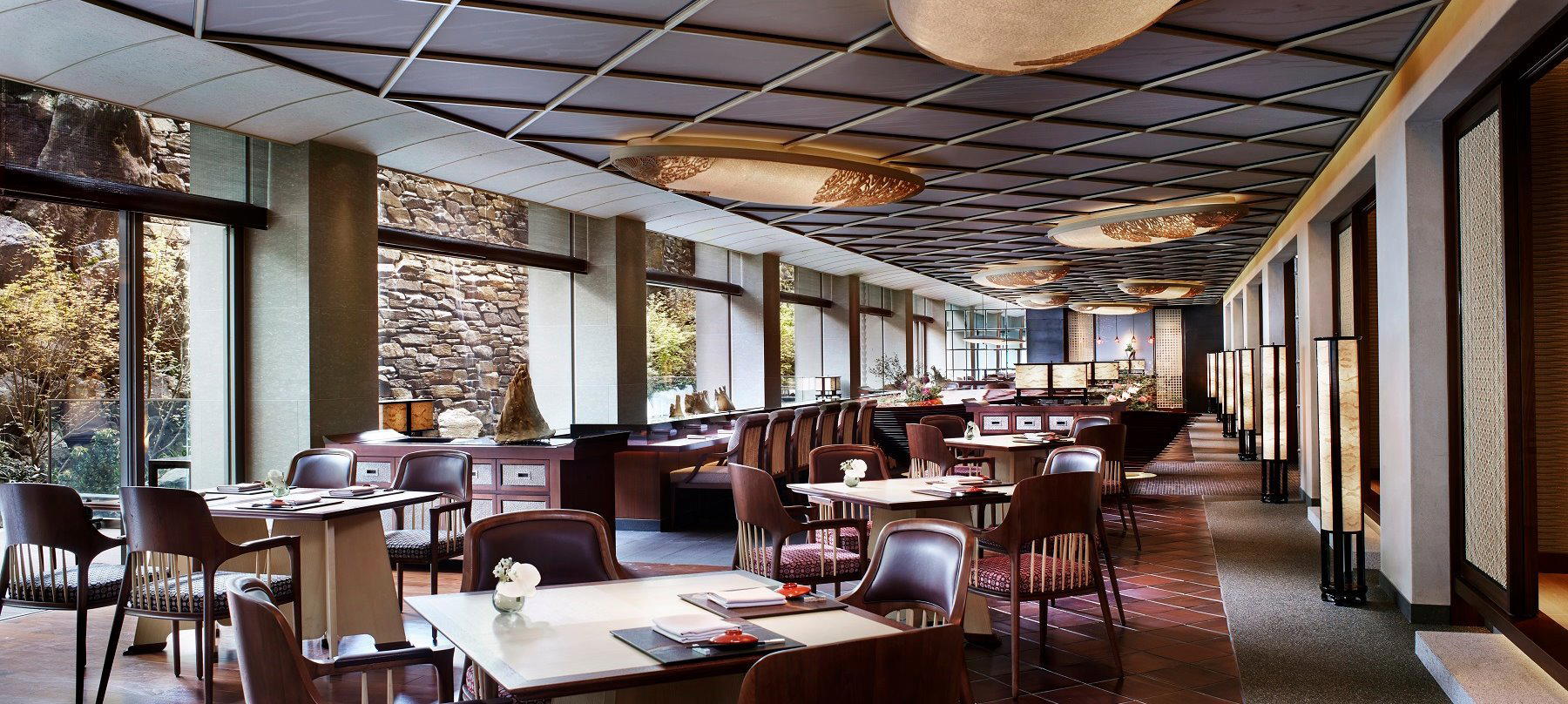
At a Glance
- Elegant
- Classic
- Cozy
- Romantic
- Well Known
- Celebration
- Family
- Group Dining
- Date Night
- Business Dinner
- Special Occasion
- Private Dining
- Standalone
- Design Destination
- Local Sourcing
Current opening hours
- Monday
- 5–10:30 PM
- Tuesday
- 5–10:30 PM
- Wednesday
- 5–10:30 PM
- Thursday
- 5–10:30 PM
- Friday
- 5–10:30 PM
- Saturday
- 4–10:30 PM
- Sunday
- 4–10:30 PM
Hours can change for holidays and private events. Last verified .
Refined, classic Japanese yakiniku house with stylish yet relaxed rooms, including tatami and sunken seating, creating a comfortable setting for birthdays, anniversaries, and family gatherings rather than a rowdy BBQ hall.