
Kikkou En belongs to the rural Aichi side of Toyota, where chicken cookery and grill culture read differently from station-front dining. Its selection for Tabelog 100 Chicken Cuisine 2025 gives it a clear credential, while the format sits closer to regional ingredient-led Japanese cooking than urban tasting-menu theatre.
Pearl is the En Primeur Club membership app — saves, bookings, and concierge access live there. Same editors, same standards.
- Address
- 愛知県豊田市大野瀬町池ヶ平1-1
- Phone
- +81565841150
- Website
- ikewon.com
 Saves & bookings on Pearl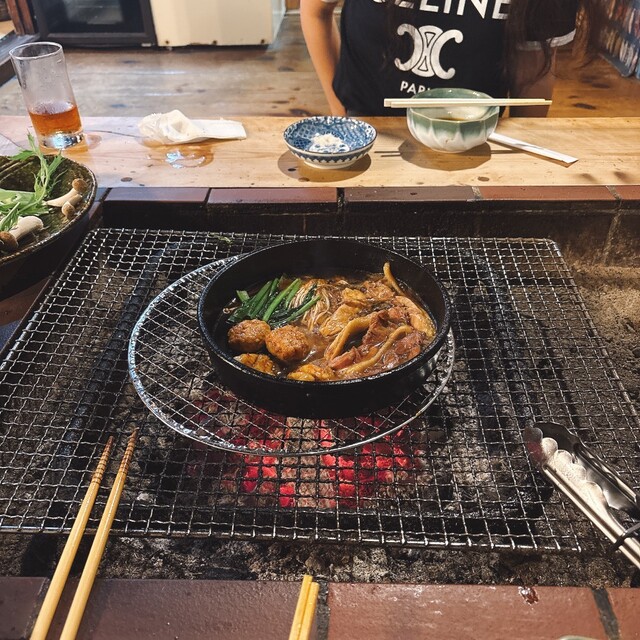
The approach to Toyota’s outer districts changes the frame before the meal begins: fewer department-store dining floors, more roads that push toward mountain settlements and agricultural edges. That setting matters for chicken cuisine. In Japan, serious toriryori is not only about seasoning or grill marks; it is about proximity, handling, heat control, and the confidence to let a familiar bird carry the table. Kikkou En sits in that rural register, where the point is less metropolitan polish than a direct conversation between ingredient and fire.
Toyota is better known internationally for industry than lunch-led destination dining, but Aichi’s food culture has always had a practical streak: miso, grilling, freshwater fish, noodles, and poultry dishes that make sense outside the capital-city circuit. Chicken restaurants in this bracket tend to reward diners who understand format rather than spectacle. The meal is not trying to imitate Ginza counter dining or Kyoto kaiseki sequencing. It belongs to a different grammar, one shaped by regional access, smoke, shared plates, and a tighter focus on the animal itself.
Chicken cookery here belongs to rural Aichi, not the urban tasting-menu circuit
The useful comparison is not with luxury poultry counters in Tokyo, but with regional Japanese restaurants where the ingredient has to justify the trip. Tabelog’s 2025 Chicken Cuisine 100 selection places Kikkou En inside a national conversation around toriryori, a category that ranges from yakitori specialists to local chicken restaurants and grill-led dining rooms. That credential is meaningful because it recognizes a genre often judged by repeat local custom as much as by destination travelers.
Ingredient sourcing is the lens that makes this kind of restaurant interesting. Chicken cuisine has a narrower margin for error than many diners assume: texture, fat, skin, and cooking temperature all register quickly. A restaurant built around chicken dishes and Japanese barbecue asks a different question from a broad izakaya menu. Instead of variety as abundance, the focus becomes how many ways one ingredient can hold attention under heat. Sake, shochu, and wine sit naturally beside that format, not as luxury signalling, but as practical companions to smoke, fat, salt, and sauce.
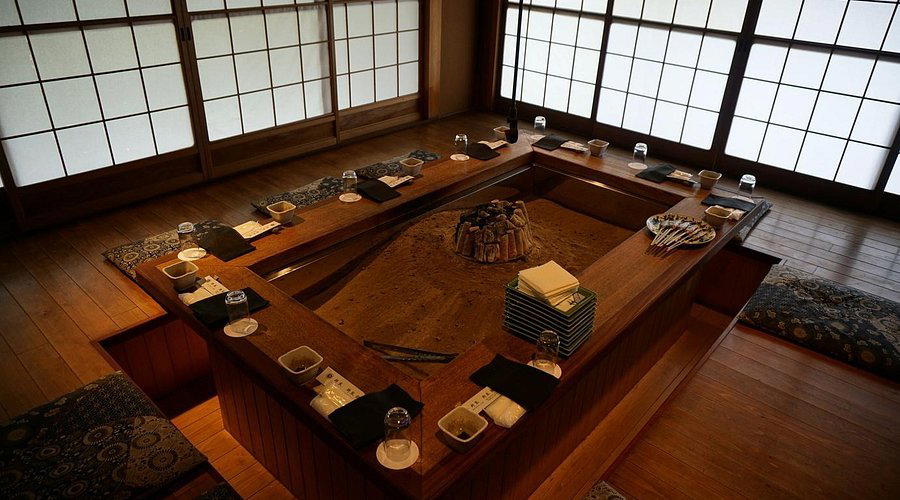
There is also a cultural distinction worth drawing. In cities, chicken often appears as yakitori countercraft, each skewer paced by the grill master. In more rural formats, the table can feel more communal, with grilling and poultry treated as a meal structure rather than a chef-led performance. That distinction gives Kikkou En its place in Toyota: it reads as a regional food stop with national recognition, not a transplant of urban restaurant language.
What the recognition says about the meal
Tabelog 100 lists are useful when they identify depth in categories that rarely attract international award attention. Chicken cuisine is one of those fields. The 2025 selection does not turn a restaurant into a luxury address by itself; it signals that enough Japanese diners and editors see the kitchen as part of a serious category. For travelers, that matters because local reputation often travels badly across language barriers, especially outside Tokyo, Osaka, and Kyoto.
The price tier also clarifies the proposition. This is not positioned like a grand omakase counter or a hotel dining room. It occupies the more grounded end of destination eating: worth planning around if Toyota or eastern Aichi is already in the itinerary, and more compelling for diners interested in regional Japanese foodways than for those chasing linen, ceremony, or a long wine-pairing arc. Compared with out-of-metro regional names such as Yanagiya, the point is not a direct hierarchy, but a shared lesson: some of Japan’s more interesting grill traditions live well away from dense urban restaurant clusters.
The surrounding competitive set reinforces that point. Nearby regional food names such as Shichifuku, Kawakamiya Honten, and Suya Nishiki sit in lower everyday price bands, which makes the chicken-focused meal here feel more intentional than casual. It is not a snack stop. It is a planned lunch built around poultry and grill culture, with recognition that gives the detour a firmer rationale.
How to place it in a Toyota itinerary
For a city guide, the restaurant belongs in the same mental file as specialist rural restaurants rather than central Toyota convenience picks. Diners building a broader trip should pair it with a clear sense of geography: Toyota sprawls, and its outer areas do not behave like a compact dining district. The better editorial move is to treat the meal as a reason to structure part of the day around the countryside side of Aichi, then use the city’s broader listings for sleep, drinking, and onward planning.
That is where Toyota’s category guides become useful. Start with Our full Toyota restaurants guide for nearby dining context, then cross-check Our full Toyota hotels guide, Our full Toyota bars guide, Our full Toyota wineries guide, and Our full Toyota experiences guide if the stop is part of a longer Aichi route. For contrast across Japan’s specialist dining map, compare how narrow formats work at -Grilled beef Sukiyaki- KAMAKURA TANUKIAN 鎌倉 たぬき庵 in Kamakura, . 鮪と炭火焼き うお炭 秋葉原店 in Tokyo, .cafe in Osaka, .know in Kumamoto, (Shoku) Vietnam in Kawasaki, [Curry Senmon Ten] Maruyama Kyoju. in Sapporo, [ki:] in Kyoto, #肉といえば松田 奈良本店 in Kashihara, 1/3 HAMBURGER FACTORY in Kanazawa, 1000 in Yokohama, 1000mヒュッテ 1000m Hut in Kutchan, Jōdo Saké Bar in Los Angeles, and Onigiri Time in Pasadena.
The editorial call is simple: this is a stronger choice for travelers who care about where Japanese comfort categories become serious than for those who measure a meal by ceremony alone. The reward is contextual. Chicken, grill, rural Aichi, and national category recognition line up in a way that gives the stop purpose.
Fast Comparison
Comparable venues by cuisine and price in the same metro.
| Venue | Cuisine | Price | Notes |
|---|---|---|---|
| Kikkou EnThis venue — the venue you are viewing | Ranch-to-table Japanese chicken restaurant with irori hearth | $$ | Not listed |
| 蕎麦処 そばの実 | Togakushi Handmade Soba | $$ | Togakushi |
| Sonmin Shokudo (村民食堂) | Shinshu Regional Japanese | $$ | Hoshino Area |
| 餃子歩兵 | Kyoto-style Gyoza | $$ | Ginza |
| Tantantei | Old-School Chuka Soba | $$ | Hamadayama |
| 竹そば 八百孝 | Traditional Japanese Soba | $$ | 修善寺 |
Recognition history
Dated appearances from independent guides and award organizations, with the underlying list record or original source where available.
Tabelog 100 #66 · No. 66
Tabelog · Tabelog 100 - Chicken cuisine - 2025


At a Glance
- Rustic
- Scenic
- Cozy
- Family
- Group Dining
- Casual Hangout
- Celebration
- Garden
- Panoramic View
- Historic Building
- Design Destination
- Standalone
- Farm To Table
- Local Sourcing
- Mountain
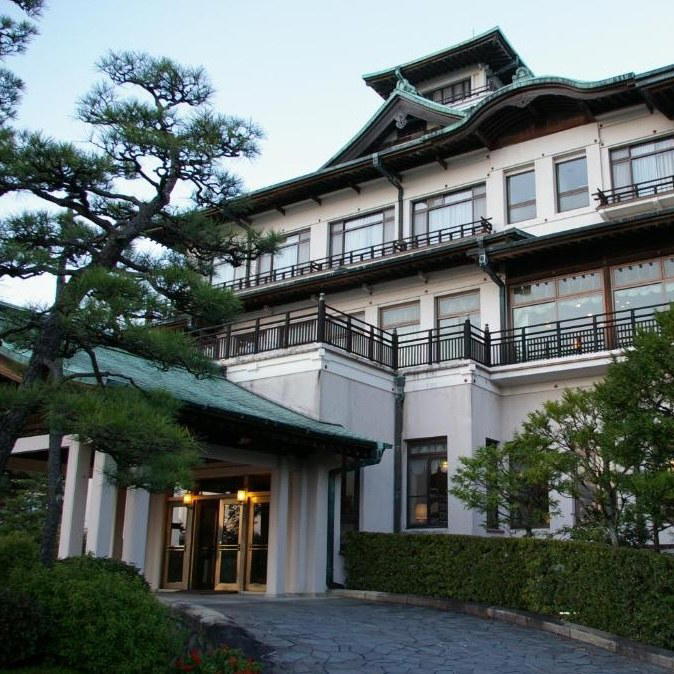
Set in a renovated kominka farmhouse with an irori hearth, the atmosphere is rustic and homey, surrounded by expansive highland nature and clear starry skies.