Kawakamiya Honten

Nakatsugawa’s wagashi culture is tied to chestnut country, where small sweets shops carry more local meaning than their modest scale suggests. Kawakamiya Honten belongs to that tradition: a Japanese traditional sweets specialist selected for Tabelog 100 in the East category, with take-out at the centre of the experience and prices kept in the everyday-sweets bracket.
Pearl is the En Primeur Club membership app — saves, bookings, and concierge access live there. Same editors, same standards.
- Address
- 3 Chome-1-8 Honmachi, Nakatsugawa, Gifu 508-0041, Japan
- Phone
- +81 573-65-2072
- Website
- kawakamiya.co.jp
 Saves & bookings on Pearl
Honmachi’s old-town rhythm suits wagashi better than spectacle. The approach is shopfront, counter, parcel, departure: a format built around gifting, train snacks, and sweets taken home rather than a long restaurant performance. In Nakatsugawa, that matters. This Gifu city is strongly associated with chestnut confectionery, and the serious shops here operate less like dessert counters than seasonal produce interpreters, turning regional ingredients into compact, repeatable forms.
Kawakamiya Honten sits inside that lineage rather than outside it. Its recognition by Tabelog 100 for Japanese traditional sweets and Japanese sweets cafes in the East category in 2023 places it among a mapped group of wagashi addresses that visitors use as reference points, not merely casual snack stops. Earlier Tabelog 100 selections in sweets categories in 2019, 2020, and 2022 add continuity, which is often more telling in wagashi than a single-year flash of attention.
Chestnut country gives Nakatsugawa wagashi its point of view
Japanese sweets are often discussed through form: yokan, manju, mochi, pressed sweets, bean-paste work. In Nakatsugawa, ingredient identity carries equal weight. The city’s association with chestnuts gives its wagashi scene a narrower and more legible focus than the broader sweet-shop culture of Kyoto, Tokyo, or Kanazawa. The appeal is not maximal variety; it is how a small number of regional materials are handled with restraint.
That makes the local comparison useful. Kurinton Honke Suya Honten, Shichifuku, Shogetsu Do, and Suya Nishiki all help define the city’s sweets circuit, but they do not make Nakatsugawa feel like a generic dessert town. The category is compact, price-sensitive, and tradition-heavy. Kawakamiya Honten’s sub-JPY 1,000 spending bracket keeps it close to everyday wagashi culture, while its Tabelog 100 selection signals a level of recognition beyond a convenience purchase.
The ingredient angle also explains why this kind of stop belongs in a serious food itinerary. Fine dining often turns rural sourcing into a narrated menu. Wagashi does something quieter: the season and region are compressed into a small purchase, with technique hidden inside texture, sweetness level, and shelf-stable presentation. For travellers moving through Gifu, that can say as much about place as a longer meal.
A take-out sweet shop, not a tea-room performance
The format is direct. Service is listed as take-out, with chairs inside for eating, but no tea or other drinks served. That distinction is useful because it sets expectations correctly. This is not the kind of Japanese sweets cafe where the room, ceramics, tea pairing, and pacing become the subject. The rhythm is closer to choosing, packing, and carrying sweets into the rest of the day.
That puts the shop in a different lane from Nakatsugawa’s meal stops. Teuchi Soba Wakuri, priced in the JPY 2,000 to JPY 2,999 range, occupies a fuller dining category; the sweets houses sit lower on cost and higher on portability. Within that bracket, Shichifuku shares the sub-JPY 1,000 range, while several peers land around JPY 1,000 to JPY 1,999. The decision is less about splurge versus saving and more about route design: wagashi before a train, after lunch, or as a boxed gift makes more sense than treating it like dessert after a formal dinner.
Kawakamiya Honten also fits the practical character of regional Japan travel. It is listed as non-smoking, parking is available, and reservations are available, though the take-out format means the main editorial question is timing rather than securing a table. The shop runs six days a week and closes on Wednesday, a pattern worth respecting in smaller cities where a single closed day can reshape a food walk.
How to place it in a Nakatsugawa itinerary
Nakatsugawa rewards travellers who think in clusters. A sweets stop in Honmachi can sit alongside a soba lunch, a walk through the older commercial streets, or a rail-day pause. The value is not duration; it is specificity. A short visit can still anchor the city’s food identity because wagashi here is tied to local produce and to the custom of bringing something carefully made onward.
For a tighter food map, use our full Nakatsugawa restaurants guide alongside the city’s broader travel rails: our full Nakatsugawa hotels guide, our full Nakatsugawa bars guide, our full Nakatsugawa wineries guide, and our full Nakatsugawa experiences guide. Travellers extending the same Japan food thread beyond Gifu can compare how tightly focused regional sweets differ from urban specialists such as -Grilled beef Sukiyaki- KAMAKURA TANUKIAN 鎌倉 たぬき庵 in Kamakura. 鮪と炭火焼き うお炭 秋葉原店 in Tokyo.cafe in Osaka.know in Kumamoto, (Shoku) Vietnam in Kawasaki, and [Curry Senmon Ten] Maruyama Kyoju. in Sapporo. For Japanese drinking and rice-based comfort abroad, Jōdo Saké Bar in Los Angeles and Onigiri Time in Pasadena show how portable Japanese formats change when removed from their home context.
The editorial case for the restaurant is clear: it gives Nakatsugawa’s chestnut-linked wagashi culture a concise, low-friction expression, backed by repeated Tabelog 100 recognition and a format that suits travellers who want local specificity without committing to another full meal.
Comparison Snapshot
Comparable venues by cuisine and price in the same metro.
| Venue | Cuisine | Price | Notes |
|---|---|---|---|
| Kawakamiya HontenThis venue — the venue you are viewing | Traditional Japanese wagashi & chestnut sweets | $ | Not listed |
| Suya Nishiki | Traditional Japanese wagashi & tea cafe | $ | / Nakatsugawa bypass area |
| Shogetsu Do | Japanese Wagashi & Chestnut Sweets | $ | . Nakatsugawa |
| Kurinton Honke Suya Honten | Japanese Traditional Sweets | $ | Shinmachi, Nakatsugawa |
| Shichifuku | Traditional Japanese Wagashi & Chestnut Sweets | $ | Nakatsugawa |
| Teuchi Soba Wakuri | Handmade Soba (Buckwheat Noodles) | $$ | Nakatsugawa |
Recognition history
Dated appearances from independent guides and award organizations, with the underlying list record or original source where available.
Tabelog 100 #62 · No. 62
Tabelog · Tabelog 100 - Japanese traditional sweets / Japanese sweets cafe - EAST - 2023
Continue exploring
More in Nakatsugawa
Restaurants in Nakatsugawa
Browse all →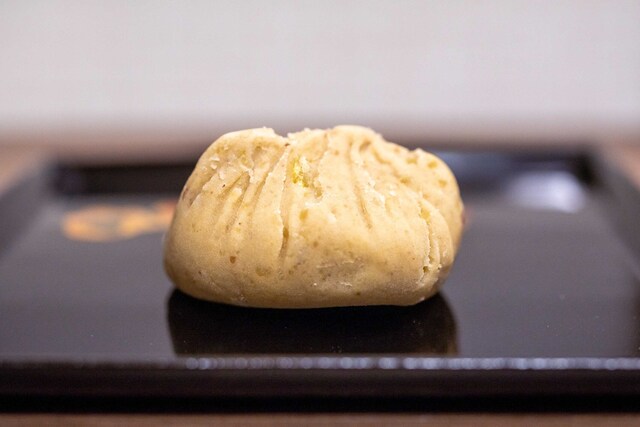
Hotels in Nakatsugawa
Browse all →
At a Glance
- Classic
- Well Known
- Quiet
- Solo
- Family
- Casual Hangout
- After Work
- Historic Building
- Standalone
- Local Sourcing
Current opening hours
- Monday
- 8 AM–7:30 PM
- Tuesday
- 8 AM–7:30 PM
- Wednesday
- Closed
- Thursday
- 8 AM–7:30 PM
- Friday
- 8 AM–7:30 PM
- Saturday
- 8 AM–7:30 PM
- Sunday
- 8 AM–7:30 PM
Hours can change for holidays and private events. Last verified .
Traditional Japanese wagashi shop atmosphere with a classic storefront, bright retail counters displaying seasonal chestnut sweets, and a calm, low-key environment focused on takeaway rather than long dine-in stays.