Kenichi
Our verdict
Kenichi has held a consistent place in Aspen's dining scene at 533 E Hopkins Ave, operating in a market where altitude, seasonal visitor patterns, and resort-town pricing create a distinct competitive environment. The restaurant draws a crowd that moves between ski season and summer festival circuits, and its position on Hopkins Ave places it within walking distance of the core commercial strip.

Pearl is the En Primeur Club membership app — saves, bookings, and concierge access live there. Same editors, same standards.
- Address
- 533 E Hopkins Ave #2, Aspen, CO 81611
- Phone
- (970) 920-2212
- Hours
- Mon–Thu 5–9 PMFri–Sat 5–9:30 PMSun Closed
- Website
- kenichiaspen.com
- Directions
- Get directions
- Booking
- Book on OpenTable
The menu
What to order
- Yellowtail and Otoro Serrano
- Dynamite Lobster
- Dynamo Roll
- Greentail Roll
The Room Before the Menu
Aspen's dining scene sorts itself along a clear axis: the grand hotel dining rooms that anchor the mountain resorts on one end, and the independently operated neighbourhood spots that line Hopkins Avenue and Hyman Mall on the other. Kenichi at 533 E Hopkins Ave occupies that second tier, in a building that sits a floor above street level, which already signals something about how it positions itself relative to walk-in foot traffic. In a resort town where visibility and tourist volume drive many decisions, operating just off the ground floor is a deliberate choice to weight the experience over the impulse visit.
The broader context matters here. Aspen's restaurant market is compressed into a short strip of altitude and ambition. Properties like Cache Cache have held territory for decades, while newer arrivals such as Bosq have redefined what contemporary cooking means at this altitude. Kenichi has occupied its own corner of the market in a town where the dining public shifts dramatically between ski season, the Food and Wine Classic in June, and the slower shoulder months of late spring and early autumn.
What the Room Communicates
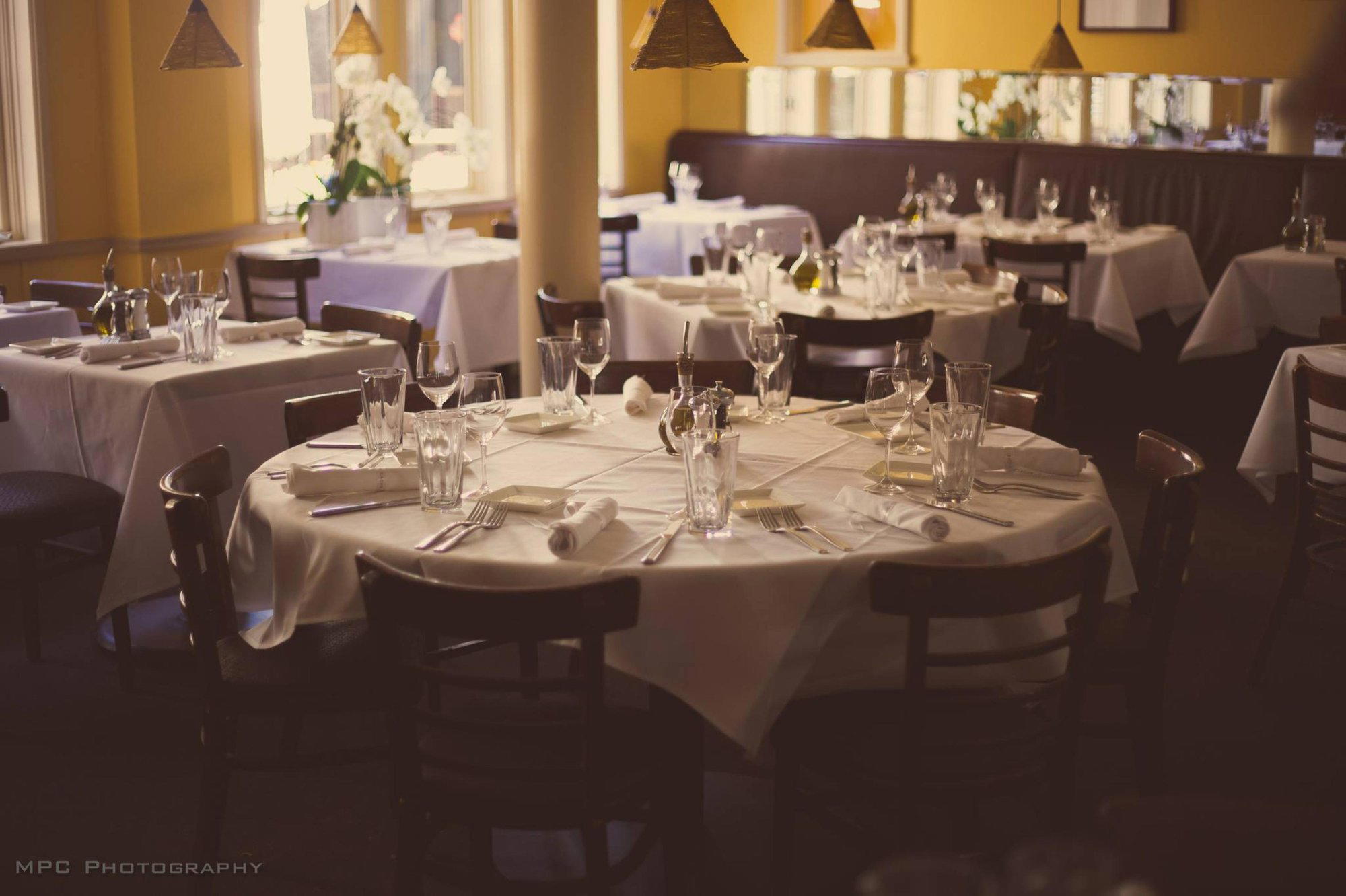
In a resort market, the sensory architecture of a dining room does significant communicative work. Aspen visitors tend to arrive with reference points from other premium dining circuits: New York, Los Angeles, Miami, Chicago. A room that reads as considered rather than flashy signals a specific kind of confidence. Kenichi's Hopkins Avenue address places it among a cluster of independent operators rather than inside a hotel property, which shapes the atmosphere from the moment you approach. Hotel dining in Aspen, represented at the higher end by operations like Element 47 at the Little Nell, tends toward formality and broad menu range designed to serve a captive guest base. An independent on Hopkins is making a different contract with its audience.
For a point of reference on what independent Asian-inflected dining looks like at the top of the American market, the range runs from Atomix in New York City, which operates a 10-course Korean tasting format with Michelin recognition, through to more casual izakaya-adjacent formats. Where Kenichi sits on that spectrum within its own category is leading understood by visiting rather than described from the outside, given the absence of documented menu specifics in the public record.
Aspen's Asian Dining Tier
The clearest peer reference for Kenichi in Aspen is Matsuhisa Aspen, the Nobu Matsuhisa outpost that has operated in town for years and established a baseline expectation for Japanese and Japanese-fusion dining among the resort's regular visitors. When a market already has a well-known anchor in a particular cuisine category, the independent operators in that space are implicitly positioned against it, whether they seek that comparison or not. Matsuhisa draws on global brand recognition and a loyal return clientele that follows Matsuhisa properties across ski towns and coastal markets.
Kenichi operates without that inherited recognition, which in resort-town dining cuts both ways. It lacks the reassurance signal that a known name provides, but it also operates without the expectation management problems that come with a famous parent. Guests arriving at an independent spot arrive with less fixed expectations, which creates more room for the actual experience to define their response. In that sense, Kenichi's position in Aspen's market has more in common with how Aosta Aspen or Belly Up Aspen function as independent anchors in their respective categories than it does with the hotel dining model.
Seasonal Patterns and When to Go
Winter remains the primary season for Aspen's restaurant trade. The period from mid-December through March brings the highest visitor density, and with it the most competitive reservation environment across the town's leading independents. Ski season in Aspen also tends to attract a clientele with a specific spending profile, and restaurants that have built a loyal following among return visitors benefit most from that concentration. Summer represents a different kind of demand, anchored around the Food and Wine Classic and the Aspen Music Festival, which draws a more culturally oriented crowd.
The shoulder periods, October through November and April through May, represent Aspen's quietest dining windows and correspondingly the most accessible booking windows across most independent restaurants. For visitors whose primary interest is the restaurant rather than the mountain, those months offer a different, quieter version of the town. The comparable dynamic plays out at premium dining destinations across the US mountain resort circuit, from Park City to Telluride, where the same calendar logic applies.
For a sense of what American dining at the highest end looks like across different formats and cities, useful reference points include The French Laundry in Napa, Le Bernardin in New York City, Alinea in Chicago, Single Thread Farm in Healdsburg, Blue Hill at Stone Barns in Tarrytown, Providence in Los Angeles, Lazy Bear in San Francisco, Addison in San Diego, The Inn at Little Washington, and Emeril's in New Orleans. For premium Asian dining with international scope, 8 1/2 Otto e Mezzo Bombana in Hong Kong offers a useful contrast in how Western-trained technique applies to Asian-market contexts.
Planning Your Visit
Kenichi is located at 533 E Hopkins Ave, Suite 2, in central Aspen, within walking distance of the main commercial core. The Hopkins Avenue address puts it in a cluster of independent restaurants and away from the resort hotel circuit. Advance booking is advisable during ski season and the June festival period, where demand across all of Aspen's strong independents compresses significantly. The shoulder months offer more flexibility. For a broader map of where Kenichi sits within Aspen's full dining picture, see our full Aspen restaurants guide. Additional context on the independent end of the Aspen market is available through profiles of 300 Puppy Smith St #202 and Bosq.
Frequently asked questions
What's Kenichi's location?
Kenichi is located at 533 E Hopkins Ave #2, Aspen, CO 81611, Aspen.
How does Kenichi fit into Aspen's dining scene compared to the resort hotel restaurants?
Kenichi sits on the independent side of Aspen's dining axis, at 533 E Hopkins Ave in the commercial core, rather than inside a ski resort property. That address matters: it draws a local and repeat-visitor clientele alongside hotel guests, which tends to produce a different room dynamic than the grand hotel dining rooms anchoring the mountain resorts. For visitors looking to eat outside the resort orbit, Kenichi represents one of the longer-standing Asian options in town.
What's the signature dish at Kenichi?
Kenichi's menu documentation is not comprehensively catalogued in published critical sources, which is itself telling: the restaurant operates as a local institution rather than a press-driven concept. Its cuisine positioning in Aspen's Asian dining tier suggests a menu built around Japanese-influenced preparations, but specific dishes should be confirmed directly with the restaurant at 533 E Hopkins Ave before visiting.
Do they take walk-ins at Kenichi?
Walk-in availability at Kenichi follows the rhythm of Aspen's resort calendar. During peak ski season, mid-December through March, and again in the summer festival weeks, independent restaurants on Hopkins Avenue run at capacity most evenings, and walk-ins face real competition for tables. Shoulder months — October, November, and April — are where spontaneous visits become genuinely viable.
Peers Worth Knowing
Comparable venues nearby, for context on price, style, and recognition.
| Venue | Cuisine | Price | Awards | Notes |
|---|---|---|---|---|
| KenichiThis venue — the venue you are viewing | Contemporary Japanese Sushi and Steakhouse | Not listed | Not listed | Not listed |
| Cloud Nine Alpine Bistro Aspen Highlands | Alpine European Bistro | Not listed | Wine Spectator Award of Excellence | Aspen Flyover 1/4 Section Grid |
| Meat & Cheese Restaurant and Farm Shop | World Farmhouse | $50–100 | Not listed | Aspen Flyover 1/4 Section Grid |
| Grey Lady | Nantucket-Inspired Seafood | Not listed | Not listed | Aspen Flyover 1/4 Section Grid |
| Sushi Nakazawa | Modern Japanese Omakase | Not listed | Not listed | downtown |
| The Snow Lodge | Coastal Italian | Not listed | Not listed | Aspen Flyover 1/4 Section Grid |

Details
- Lively
- Trendy
- Modern
- Energetic
- Sophisticated
- Date Night
- Special Occasion
- Late Night
- Open Kitchen
- Sake Program
- A La Carte
- Small Plates
- Sake Program
- Vegetarian Friendly
- Vegan Options
- Gluten Free Options
Current opening hours
- Monday
- 5–9 PM
- Tuesday
- 5–9 PM
- Wednesday
- 5–9 PM
- Thursday
- 5–9 PM
- Friday
- 5–9:30 PM
- Saturday
- 5–9:30 PM
- Sunday
- Closed
Hours can change for holidays and private events. Last verified .
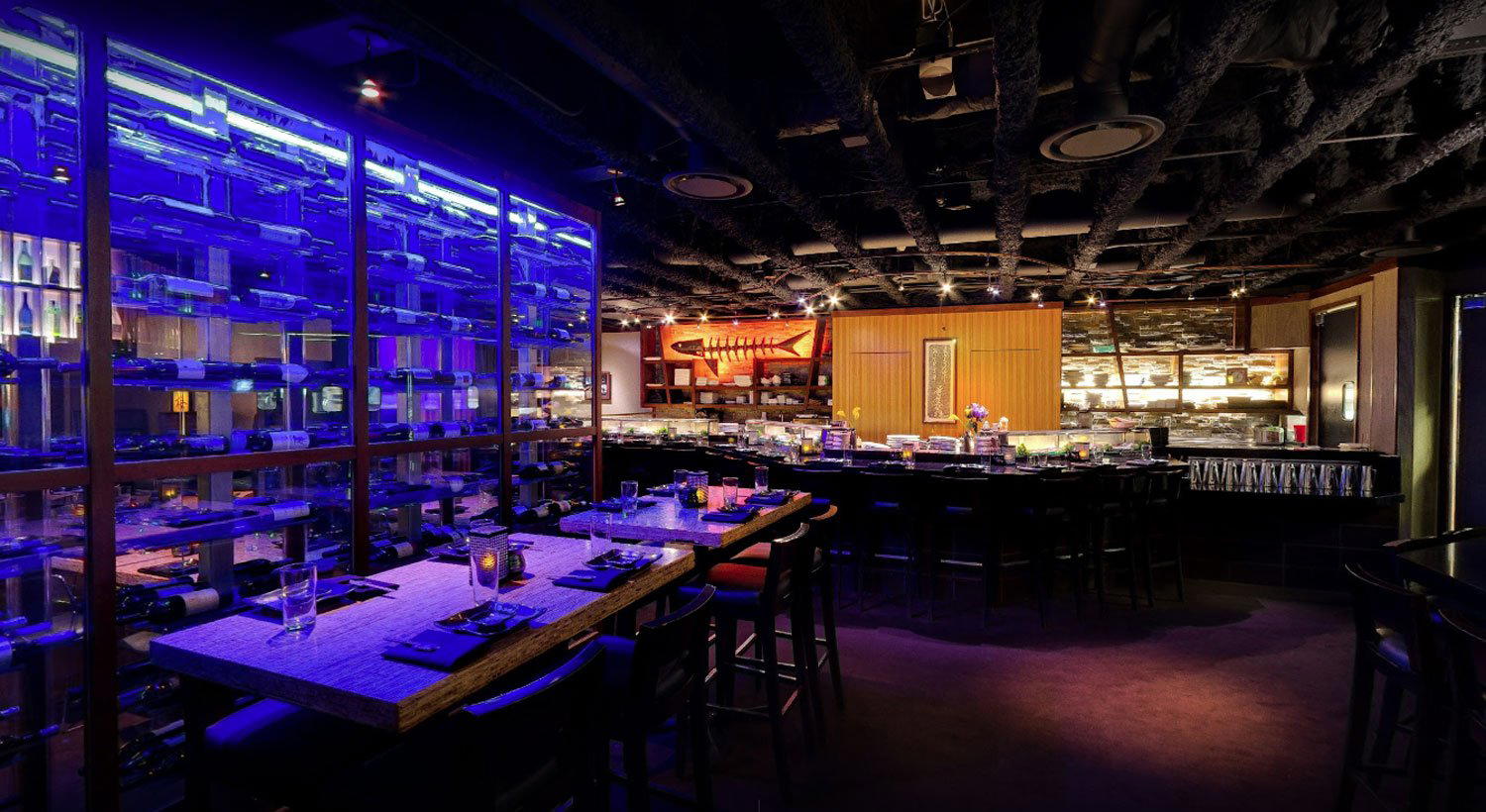
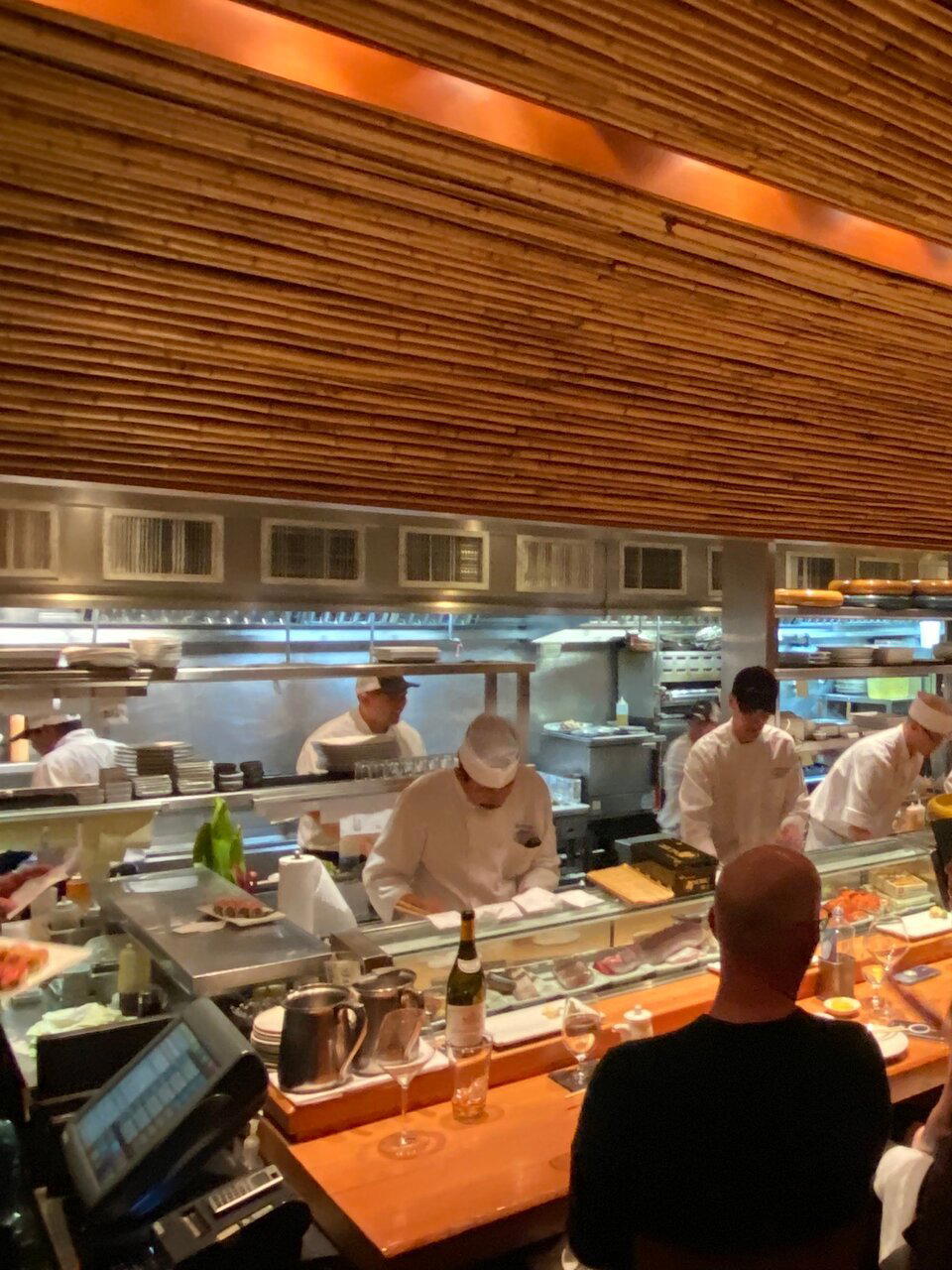
Lively, modern, and sexy with a fun, hip vibe featuring a bustling dining room and lively sushi bar.