Meat & Cheese Restaurant and Farm Shop
Our verdict
At 301 E Hopkins Ave, Meat & Cheese Restaurant and Farm Shop occupies a dual role that is relatively rare in Aspen's dining scene: a working farm shop and a sit-down restaurant under one roof. The format puts sourcing front and centre, positioning the venue in a tier of produce-led, counter-culture dining that sits apart from the resort town's white-tablecloth majority.

Pearl is the En Primeur Club membership app — saves, bookings, and concierge access live there. Same editors, same standards.
- Address
- 301 E Hopkins Ave #103, Aspen, CO 81611
- Phone
- (970) 710-7120
- Hours
- Mon ClosedTue–Sat 12–6 PMSun Closed
- Website
- meatandcheeseaspen.com
- Directions
- Get directions
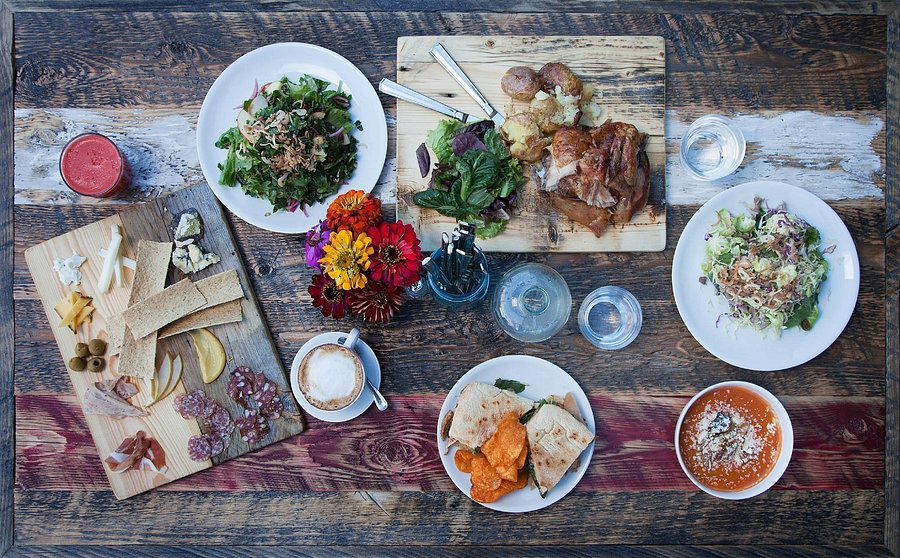
The menu
What to order
- Meat & cheese board
- Chicken
- Steak
Where the Farm Shop Meets the Table
Aspen's dining scene divides fairly cleanly into two camps: the white-tablecloth resort rooms that have defined the town's food reputation for decades, and a smaller, more deliberate tier of producer-led spaces that treat sourcing as the primary editorial statement. Meat & Cheese Restaurant and Farm Shop at 301 E Hopkins Ave sits firmly in the second camp. The physical setup makes the argument before a dish arrives: a working farm shop occupies the same footprint as the restaurant, so the charcuterie board on your table and the cured cuts behind the glass counter are drawing from the same supply chain. That kind of transparency is common enough in farm-to-table marketing copy, but considerably rarer as an architectural fact.
Walk in during ski season and the sensory register is immediate: the cool, faintly mineral smell of aged meat mingles with the warmer notes of melted cheese and fresh bread. Display cases line part of the room, stocked with house-cured meats, artisan cheeses, and provisions that a customer can buy to take home. The duality is the point. You are simultaneously in a retail food shop and a casual restaurant, and the format forces a kind of honesty that more conventional dining rooms can sidestep. For context on how this producer-first format plays out at higher price points and larger scale, the farm-to-table model at Single Thread Farm in Healdsburg and the agricultural integration at Blue Hill at Stone Barns in Tarrytown represent the format's ceiling. Meat & Cheese operates at a more accessible, less ceremonial register — which in Aspen's context is itself a meaningful editorial choice.
The Producer-Led Format in an Alpine Resort Town
Resort towns create specific distortions in local food culture. High seasonality, wealthy transient visitors, and enormous operating costs push most serious restaurants toward prix-fixe formats and premium price points. Aspen is no exception: the constellation of rooms around town, from The Little Nell to 7908 Aspen, skews heavily toward the formal and expensive. Against that backdrop, a charcuterie-and-cheese format built around retail provisions reads as a deliberate counterpoint. It is not the only one: Bosq (Contemporary) also occupies a more chef-driven, less ceremonial register, while Aosta Aspen imports an Alpine Italian framework that sits outside the standard American resort playbook.
The broader American dining conversation around meat-centric, produce-led formats has matured considerably over the past decade. What was once a niche occupied by whole-animal butcher restaurants in Brooklyn or the Mission District has spread into resort markets, ski towns, and secondary cities. The logic travels well to mountain locations, where proximity to ranching country and a culture of outdoor physicality makes a meat-forward, provisions-driven format feel locally coherent rather than imported.
Reading the Room: Atmosphere and Format
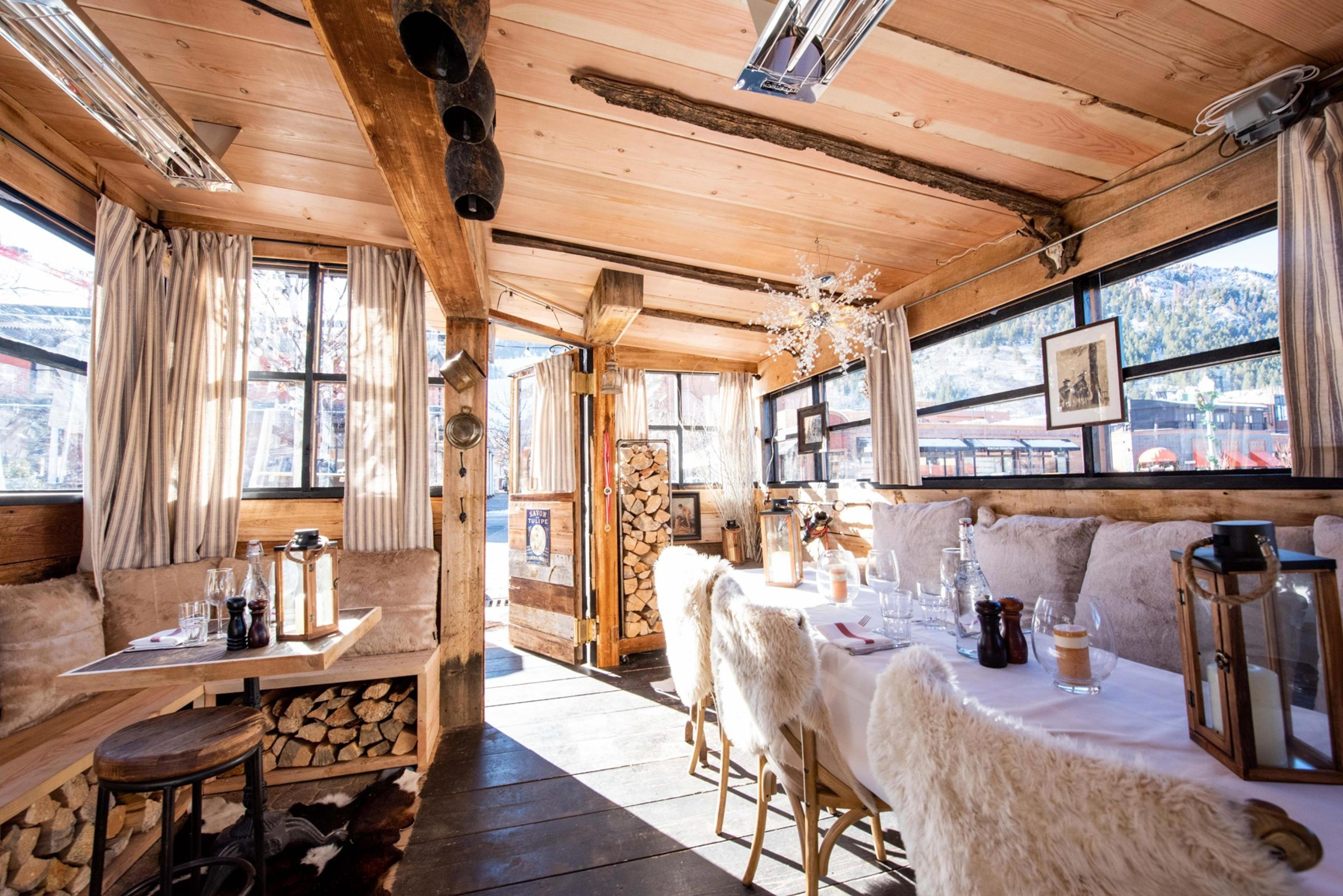
The atmosphere at Meat & Cheese lands closer to a well-stocked European delicatessen than to a conventional American restaurant. The retail element — cheeses, cured meats, pantry provisions available for purchase, shapes the social temperature of the room. It is a place where you can linger over a charcuterie selection and a glass of wine without the implicit pressure of a multi-course progression. That informality has a specific appeal in Aspen, where the town's other serious dining options tend to demand more of the evening. Comparable informal-but-serious formats in the American West include the market-style dining at Lazy Bear in San Francisco, though Lazy Bear operates at a considerably higher level of formality and price than the farm shop model here.
For visitors calibrating where Meat & Cheese fits relative to the full Aspen dining map, the Hopkins Ave address places it in a walkable stretch of downtown, accessible from most accommodation without a car. Aspen's compact grid means it sits within easy range of the base of Ajax Mountain and the town's main retail core. That central position matters for a venue that functions partly as a provisions shop: the retail element makes most sense when customers can browse before or after other errands in town.
The Farm Shop as a Distinct Hospitality Category
The hybrid farm shop and restaurant model has its own internal logic that differs from both pure restaurants and pure retail. The shop component creates a daypart flexibility that restaurants alone cannot achieve: a customer can arrive mid-morning for provisions, return for lunch, and pick up charcuterie on the way home from an afternoon on the mountain. This flexibility is commercially useful in a resort town where visitors' schedules are governed by lift times, trail conditions, and daylight. It also reinforces the sourcing narrative in a way that menu copy alone cannot: buying the same cured meats to cook at home that you ate on a board at lunch is a more direct form of producer endorsement than any written description.
Across American dining, the venues that have most successfully integrated retail and restaurant functions tend to share a commitment to a defined product category. Broad charcuterie and cheese is a coherent category with enough depth to sustain both retail and menu functions without the product story becoming thin. Contrast that with the more ambitious multi-discipline integrations at places like Smyth in Chicago or Providence in Los Angeles, where the farm relationship is expressed entirely through the menu rather than through a parallel retail offering. The farm shop format is a different bet: it trades depth of cooking for breadth of access, and in the right context that trade is worth making.
Aspen's other non-traditional venues, including Belly Up Aspen and the more experimental rooms covered in our full Aspen restaurants guide, suggest a town with more range than its resort-luxury reputation implies. Meat & Cheese is part of that wider range. For visitors whose reference points run to the formal American dining tier, from Le Bernardin in New York City to The French Laundry in Napa or Addison in San Diego, the format here is a deliberate step sideways: less technically ambitious, but differently honest about what it is and where its food comes from.
The Hopkins Ave location also puts it in proximity to 300 Puppy Smith St #202, which rounds out a cluster of alternatives to Aspen's main resort-dining axis. For visitors who want the charcuterie and cheese register but with greater formal ambition, the Alpine-rooted approach at Atelier Moessmer Norbert Niederkofler in Brunico or the craft-integrated format at Emeril's in New Orleans and The Inn at Little Washington illustrate how the producer-led narrative scales up. Meat & Cheese keeps the register lower and the barrier to entry lighter, which is precisely the function it serves in Aspen's otherwise demanding dining calendar. Finally, for a different kind of sourcing-led precision in the American scene, Atomix in New York City shows how ingredient transparency operates at the tasting-menu level, useful comparison for understanding what makes the farm shop format a distinct choice rather than a simplified version of the same idea.
Planning Your Visit
Meat & Cheese operates at 301 E Hopkins Ave, Suite 103, in downtown Aspen. The dual restaurant and retail function means the space is useful across multiple points in the day, not just at conventional meal times. Given the seasonal rhythm of Aspen, ski season running roughly December through March, with a summer activity season peaking July and August, the farm shop component is practical year-round, while the restaurant floor is likely busiest during those two primary windows.
Frequently asked questions
Does Meat & Cheese Restaurant and Farm Shop work for a family meal?
By Aspen standards, the farm shop format is considerably more relaxed than the town's white-tablecloth resort rooms. A menu built around shareable charcuterie and cheese boards suits mixed groups without the formality or price pressure of a tasting-menu dinner. The retail floor at 301 E Hopkins Ave also gives restless kids something to look at while adults linger over provisions.
What's the vibe at Meat & Cheese Restaurant and Farm Shop?
The atmosphere sits closer to a well-stocked European delicatessen than an alpine resort dining room. Provisions cases, cured meats, and artisan cheeses visible from the dining area set a utilitarian, produce-led tone that reads as deliberate counter-programming to Aspen's more theatrical restaurant circuit. The pace is unhurried and the format encourages grazing rather than a structured three-course progression.
Is Meat & Cheese Restaurant and Farm Shop a good spot for buying provisions to take home from Aspen?
The retail farm shop component at 301 E Hopkins Ave functions as a standalone destination, not merely an add-on to the dining room. Cured meats, artisan cheeses, and pantry items drawn from the same supply lines as the kitchen make it a practical stop for self-catering in Aspen, where grocery options at this quality tier are limited. It occupies a hospitality category — hybrid farm shop and restaurant — that remains rare in Colorado's mountain resort towns.
What's the must-try dish at Meat & Cheese Restaurant and Farm Shop?
Any visit should prioritize whatever the provisions counter is featuring at the time, since those selections reflect the supply relationships the restaurant is built around.
Where is Meat & Cheese Restaurant and Farm Shop in Aspen?
Meat & Cheese Restaurant and Farm Shop is located at 301 E Hopkins Ave #103, Aspen, CO 81611, Aspen.
Comparable Options
Comparable options at a glance, pulled from our tracked venues.
| Venue | Cuisine | Price | Awards | Notes |
|---|---|---|---|---|
| Meat & Cheese Restaurant and Farm ShopThis venue — the venue you are viewing | World Farmhouse | $50–100 | Not listed | Not listed |
| Prospect | Seasonal American Bistro | Not listed | Michelin Plate · Wine Spectator Best of Award of Excellence | Contemporary |
| Matsuhisa Aspen | Modern Japanese-Peruvian Fusion | $150–200 | Star Wine List | Sushi - Japanese |
| Hotel Jerome Century Room | Regional American Fine Dining | Not listed | Not listed | American |
| French Alpine Bistro | French Alpine Bistro | Not listed | Star Wine List · Wine Spectator Best of Award of Excellence | French Alpine |
Details
- Cozy
- Rustic
- Sophisticated
- Casual Hangout
- Brunch
- Group Dining
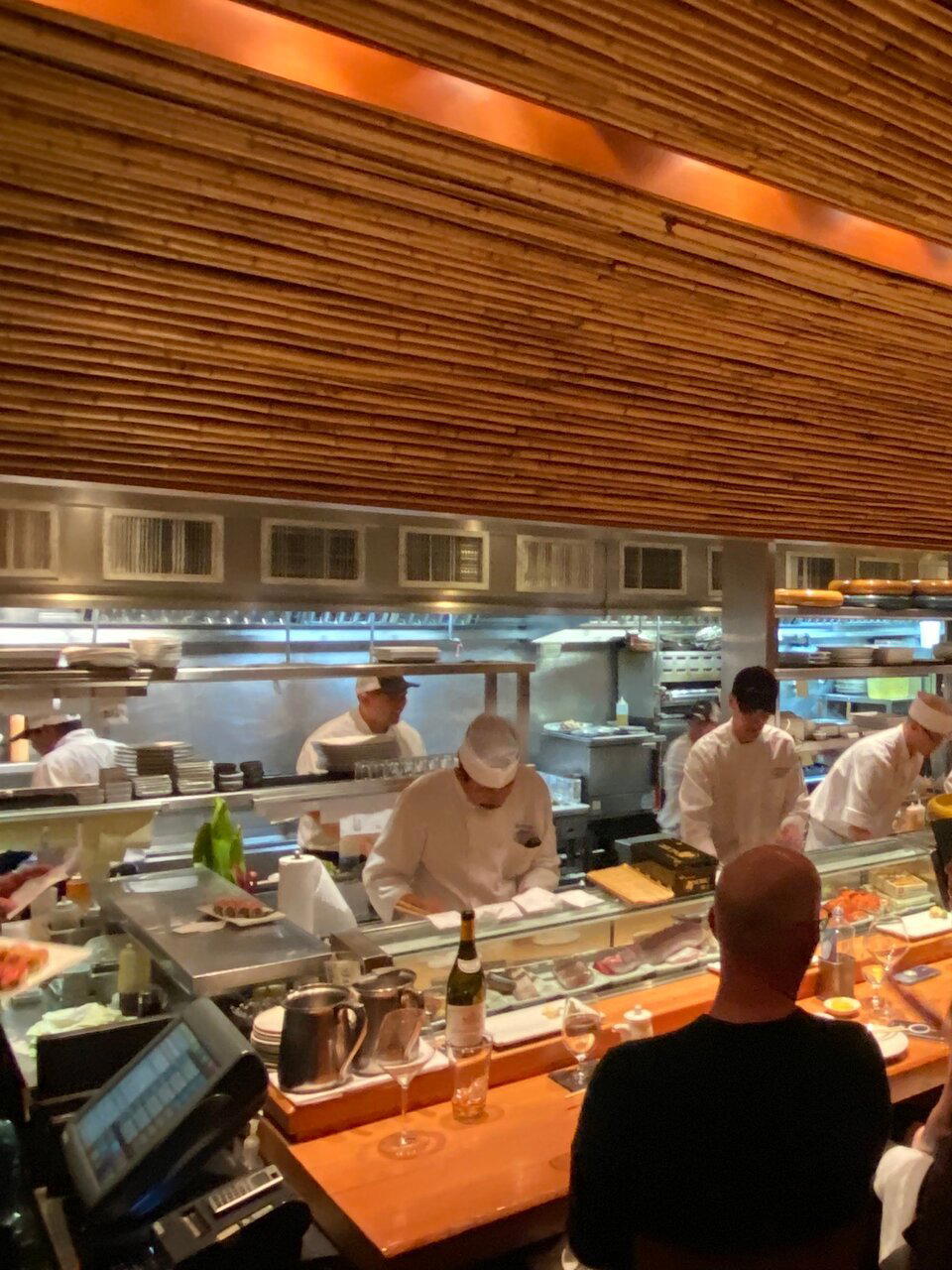
- Open Kitchen
- Craft Cocktails
- Farm To Table
- Local Sourcing
- Small Plates
- A La Carte
- Vegetarian Friendly
- Vegan Options
- Gluten Free Options
Current opening hours
- Monday
- Closed
- Tuesday
- 12–6 PM
- Wednesday
- 12–6 PM
- Thursday
- 12–6 PM
- Friday
- 12–6 PM
- Saturday
- 12–6 PM
- Sunday
- Closed
Hours can change for holidays and private events. Last verified .
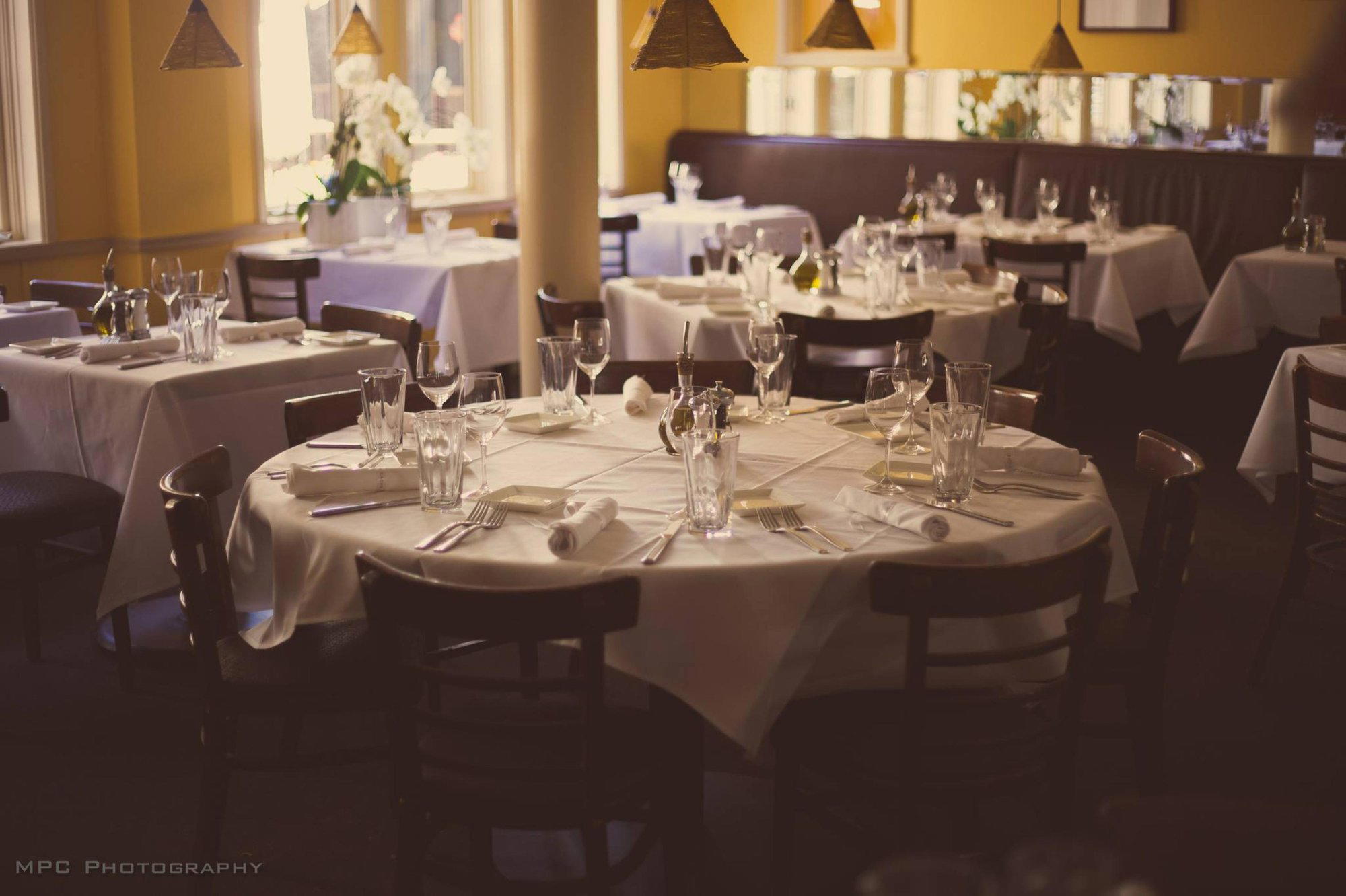
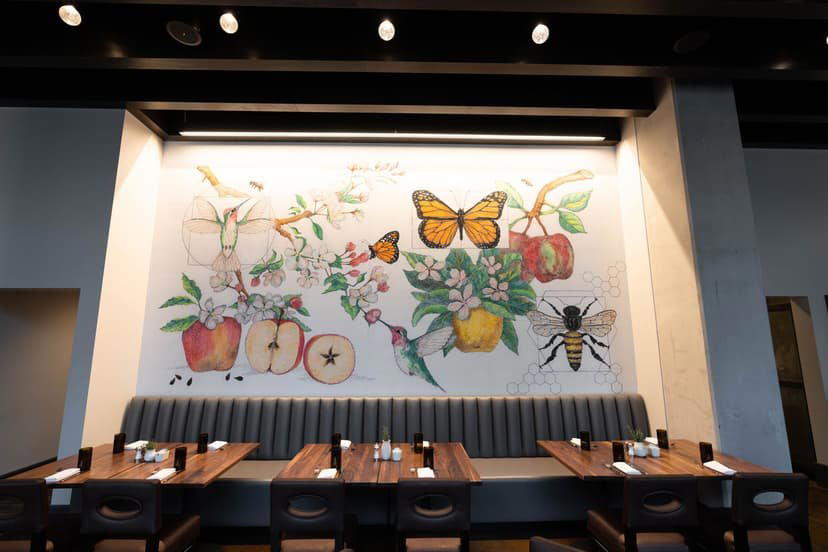
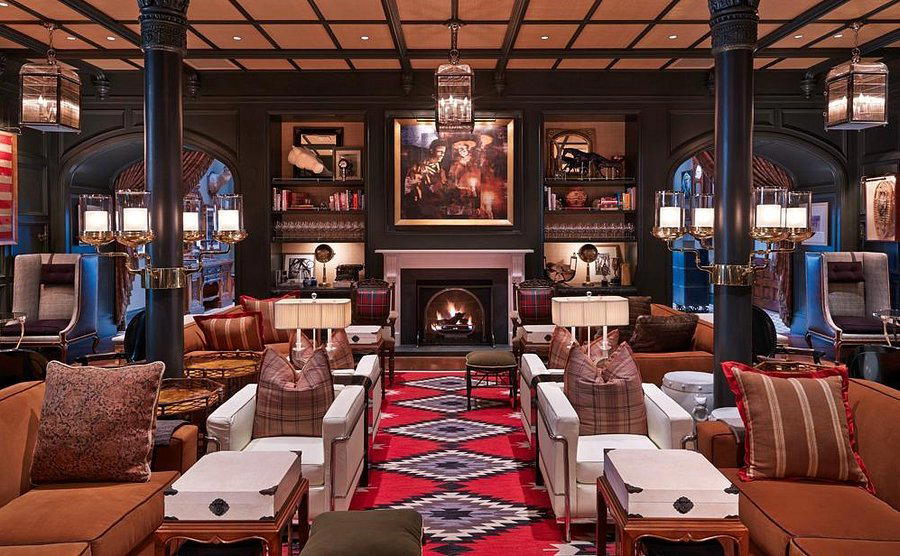
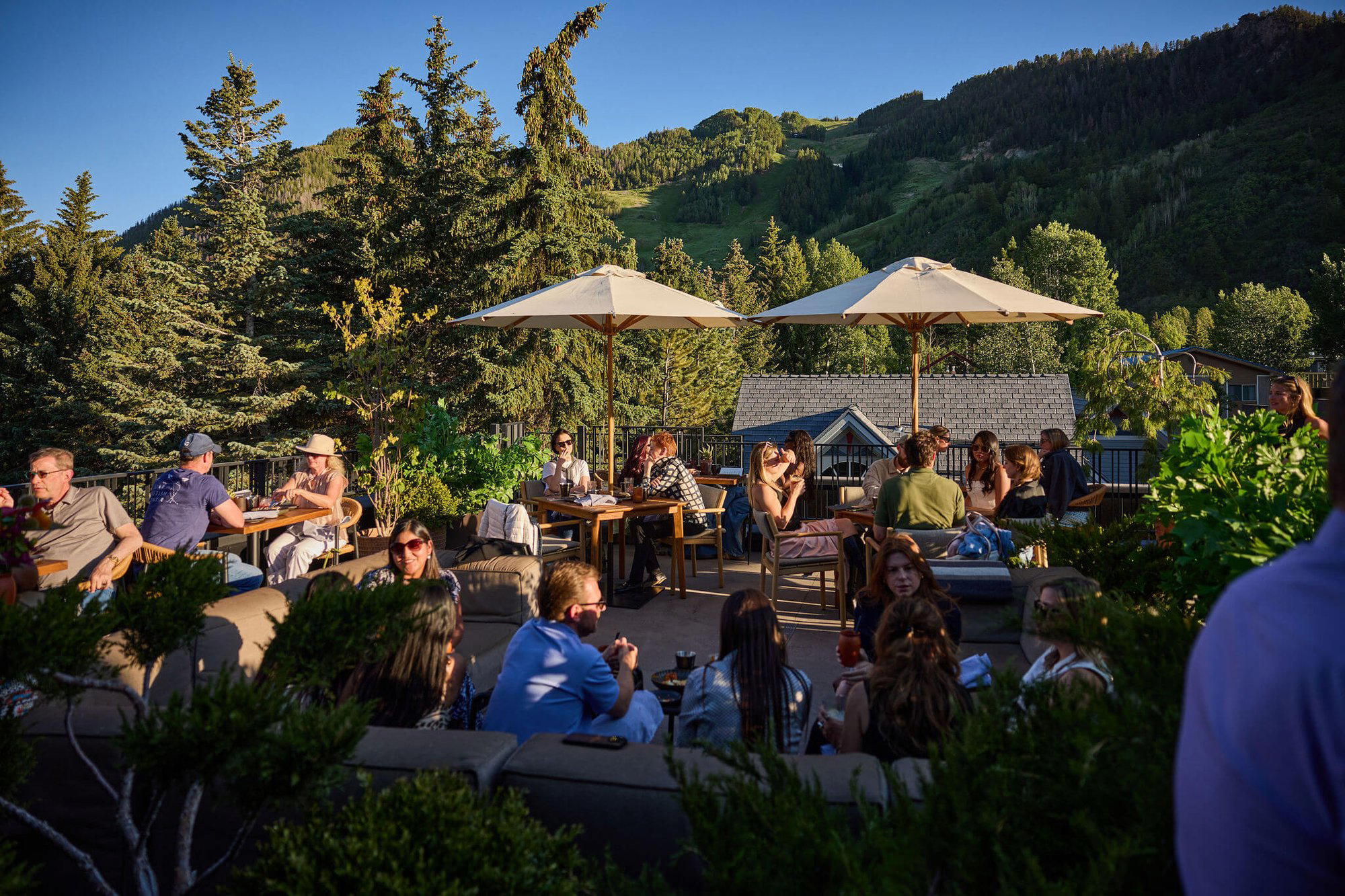
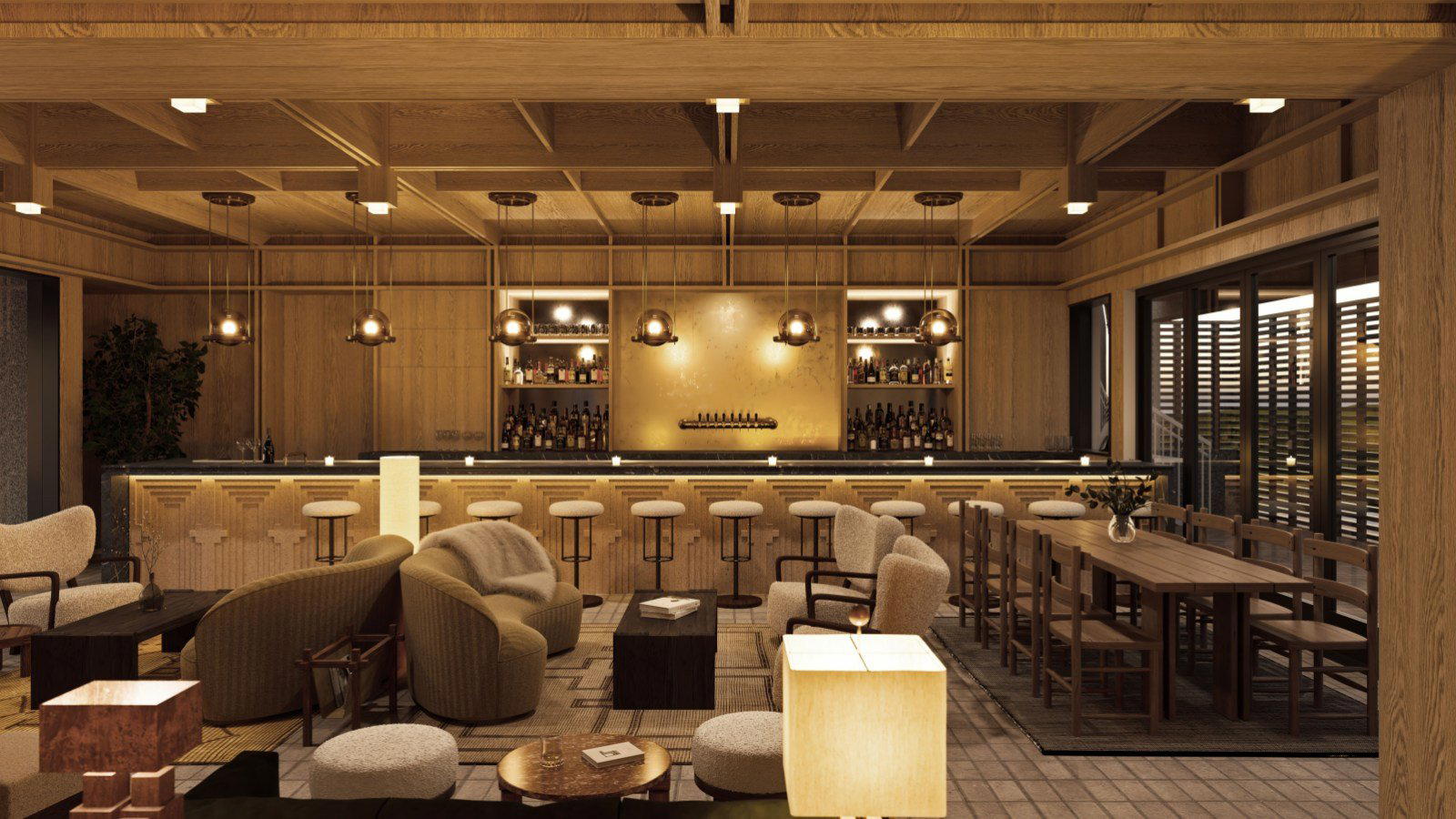
Grounded sophistication with wood, stone, soft golden light through wide windows, and aromas of freshly baked bread and roasted herbs.