Cloud Nine Alpine Bistro Aspen Highlands

At the summit of the Cloud Nine lift in Aspen Highlands, this mountain bistro occupies among the more singular dining positions in Colorado skiing: a mid-mountain lunch destination where the altitude and the après culture converge. The format rewards those who plan ahead, particularly during peak ski season, when tables at elevation carry a different set of expectations than anything in town.
Pearl is the En Primeur Club membership app — saves, bookings, and concierge access live there. Same editors, same standards.
- Address
- Top of the Cloud Nine Lift, 76 Boomerang Rd, Aspen, CO 81611
- Phone
- +1 970 923 8715
- Website
- aspensnowmass.com
- Directions
- Get directions
 Saves & bookings on Pearl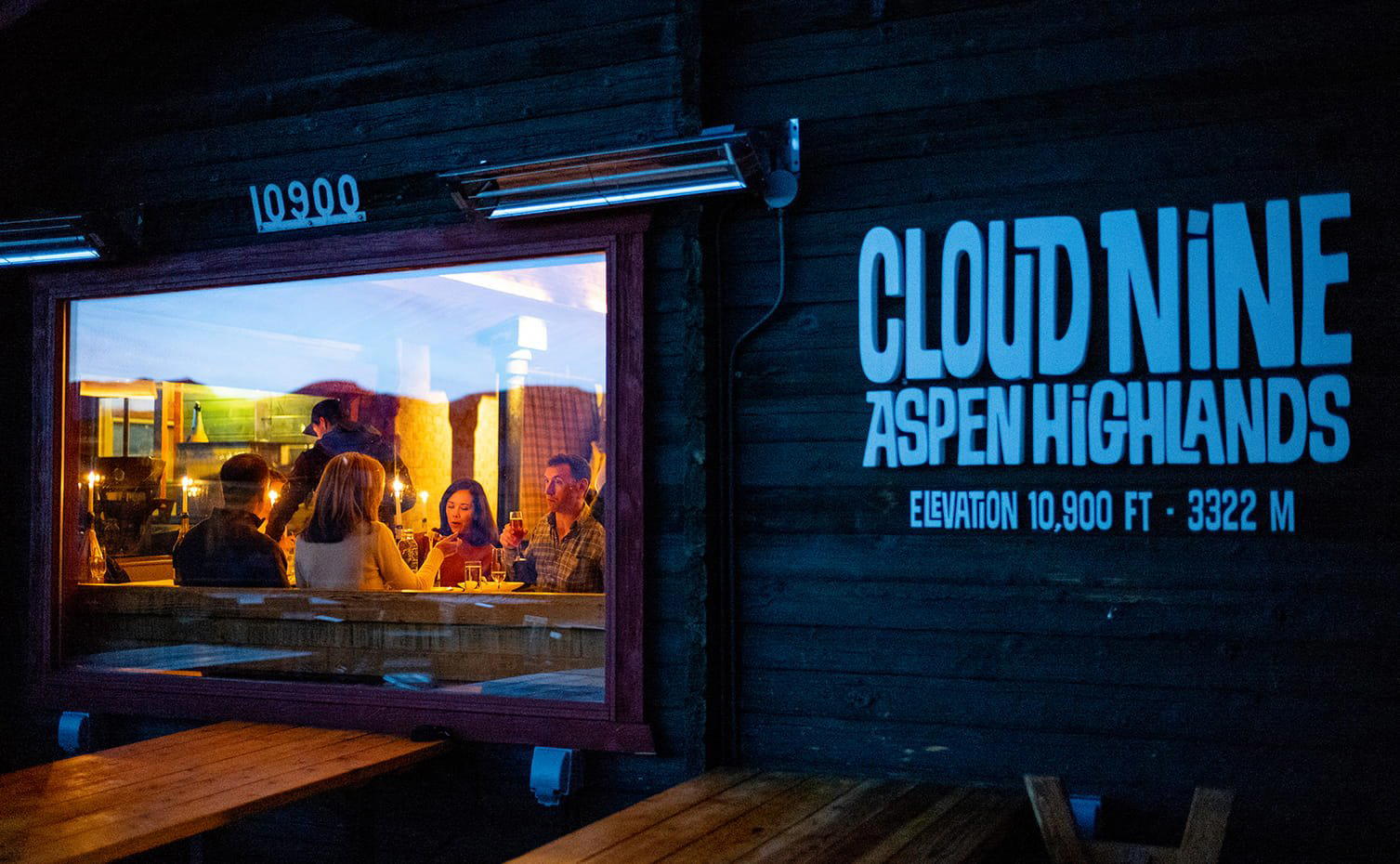
Dining at Elevation: The Mountain Bistro Tradition in the Rockies
Across the Alps, the concept of the mountain restaurant long predated the ski resort as a commercial institution. Huts in the Dolomites, chalets above Verbier, and converted bergerie above Val d'Isère each developed a version of the same idea: that a meal taken at altitude, after physical exertion, in cold air and bright light, is a categorically different experience from one eaten at sea level. The food served in these places follows its own logic, heavy on raclette, fondue, and braised mountain proteins, calibrated for appetite and warmth rather than innovation. When that tradition crossed the Atlantic into the Colorado Rockies, it arrived at resorts that were already developing their own luxury register, and the fusion produced something slightly distinct from its European counterpart.
Cloud Nine Alpine Bistro at Aspen Highlands is an Alpine European Bistro in Aspen, Colorado, at the summit of the Cloud Nine Lift. Positioned at the summit of the Cloud Nine lift on Boomerang Road, it operates as a mid-mountain destination rather than a base-area restaurant, which means access is conditional on being on the mountain. That detail is not incidental. It defines the entire dining proposition: the clientele are skiers and snowboarders who have earned their lunch through vertical feet, and the atmosphere carries the particular energy of people who are still wearing helmets and goggles and have powder on their shoulders. Few dining formats in the American West produce that specific social texture, and Cloud Nine has been one of the addresses that defines it in Aspen.
What the Aspen Highlands Setting Produces
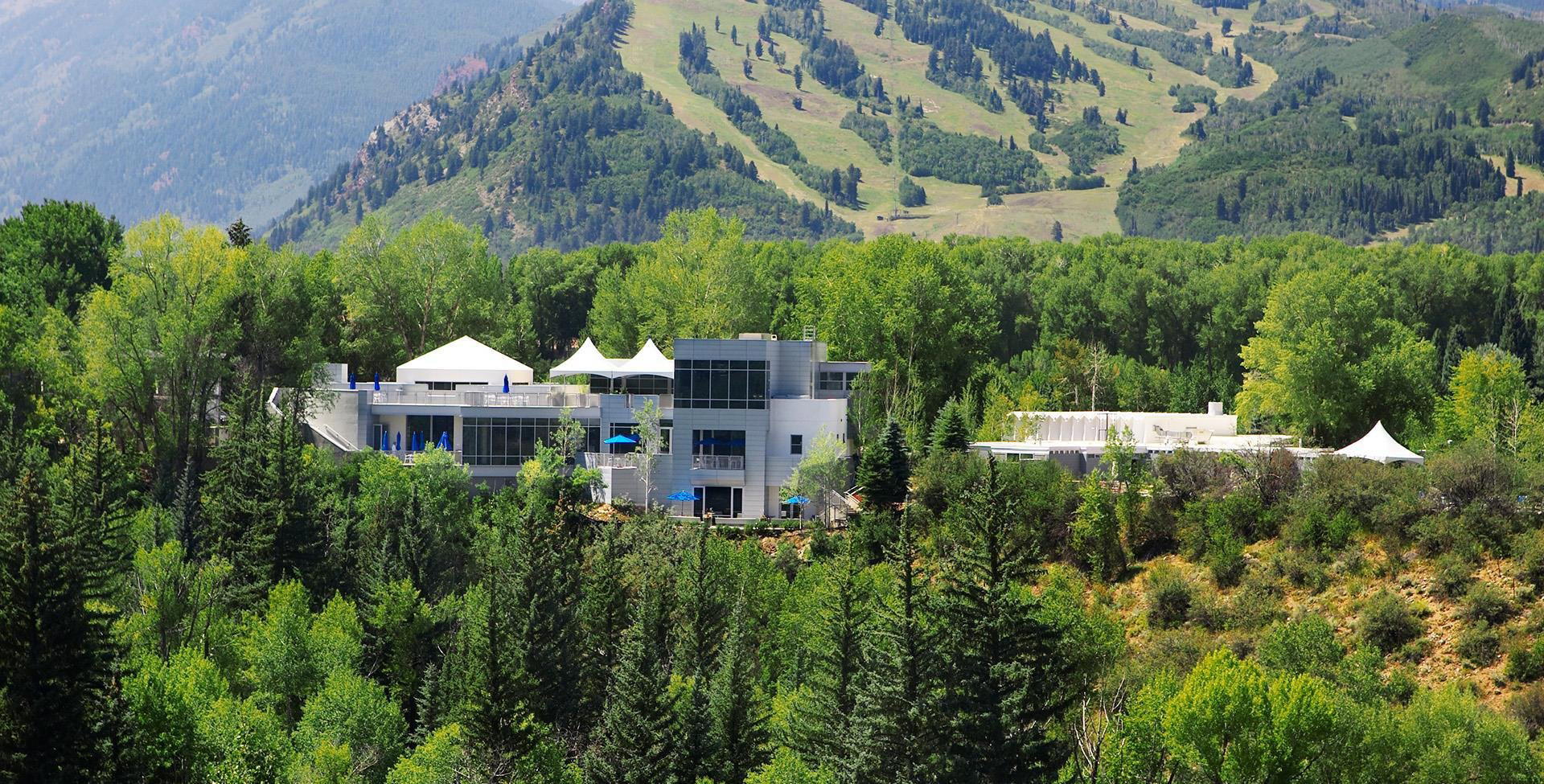
Aspen Highlands is particularly terrain-focused of the four mountains in the Aspen Snowmass ski area. Unlike Aspen Mountain, which sits directly above the town and draws a broad mix of skiers, Highlands is where the more committed skiers tend to gravitate, particularly those targeting Highland Bowl. That clientele shapes the room at Cloud Nine in ways that go beyond the obvious. A mountain bistro whose guests have spent the morning in challenging terrain operates differently from one positioned above a beginner run. The appetite is different, the mood is different, and the expectations for what constitutes a satisfying midday pause are calibrated accordingly.
The broader Aspen dining scene, down in town, includes a range of serious addresses. Bosq works in a contemporary format with locally sourced produce, while Aosta Aspen approaches the Italian Alpine tradition from a different angle. 7908 Aspen and 300 Puppy Smith St represent distinct points in Aspen's broader food culture. What none of those town addresses can replicate is the physical context of eating at altitude, mid-run, with skis stacked outside. That is Cloud Nine's specific territory, and the comparison venue most directly in its comparable set is the French Alpine Bistro, which brings a related but more formal European framing to the same mountain-meal concept.
The Cultural Roots of Alpine Dining
The alpine bistro format carries specific cultural weight that distinguishes it from ordinary resort food service. In its European origins, the mountain meal was a working institution: shepherds, hunters, and later climbers required food that could sustain effort at altitude, be produced with limited equipment, and be served quickly enough that cold air did not chill the plate before the first bite. The cheese-heavy, fat-rich, wine-and-schnapps tradition of Alpine Europe was built around those constraints. When the ski industry turned mountain food into a hospitality category, those same structural requirements persisted, which is why fondue and raclette remain central to the genre across continents and decades. They are well-adapted to altitude and cold in ways that, say, a delicate broth or a raw-fish preparation simply is not.
At elevation in Colorado, where the altitude already suppresses appetite in new arrivals and the UV index demands more caloric fuel, those same principles apply. The mountain bistro that tries to import the full formality of a town restaurant will generally lose, because the format is wrong for the context. What succeeds is food that acknowledges where it is being served, calibrated to the body's actual state after three hours on the mountain. Restaurants that have understood this, from the great hüttes of the Austrian Tirol to the better mountain addresses in Verbier and Zermatt, tend to build their reputations less on individual dishes and more on total rightness for the occasion.
For those exploring Colorado's broader mountain dining culture, it is worth knowing that the ambition of resort food in the United States has evolved considerably. The fine-dining register represented nationally by places like The French Laundry in Napa, Le Bernardin in New York City, and Blue Hill at Stone Barns in Tarrytown has created a market expectation in high-income resort towns for serious food even in casual formats. Aspen is one of the few ski destinations where those expectations have materially shaped what mountain restaurants attempt. Elsewhere in the national landscape, addresses like Smyth in Chicago, Single Thread Farm in Healdsburg, Providence in Los Angeles, Lazy Bear in San Francisco, Addison in San Diego, The Inn at Little Washington, Atomix in New York City, Emeril's in New Orleans, and Atelier Moessmer Norbert Niederkofler in Brunico each represent the refined ambitions of destination dining in their respective contexts. Cloud Nine operates in a different register, but within Aspen's mountain dining tier, it holds a position shaped by those same cultural pressures.
Planning Your Visit
For those staying in town, Belly Up Aspen offers an evening counterpoint to the mountain's daytime energy.
Booking and Cost Snapshot
Comparable venues nearby, for context on price, style, and recognition.
| Venue | Price | Notes |
|---|---|---|
| Cloud Nine Alpine Bistro Aspen HighlandsThis venue — the venue you are viewing | $$$$ | Not listed |
| Steakhouse 316 Aspen | $$$$ | Aspen Flyover 1/4 Section Grid, Classic American Steakhouse |
| Aosta | $$$ | Downtown Aspen, Alpine Italian Ristorante |
| Meat & Cheese Restaurant and Farm Shop | $$$ | Aspen Flyover 1/4 Section Grid, World Farmhouse |
| Grey Lady | $$$ | Aspen Flyover 1/4 Section Grid, Nantucket-Inspired Seafood |
| The Snow Lodge | $$$$ | Aspen Flyover 1/4 Section Grid, Coastal Italian |
Recognition history
Dated appearances from independent guides and award organizations, with the underlying list record or original source where available.
Wine Spectator Award of Excellence
Wine Spectator
At a Glance
- Lively
- Cozy
- Rustic
- Scenic
- Elegant
- Celebration
- Special Occasion
- Group Dining
- Terrace
- Panoramic View
- Open Kitchen
- Extensive Wine List
- Mountain
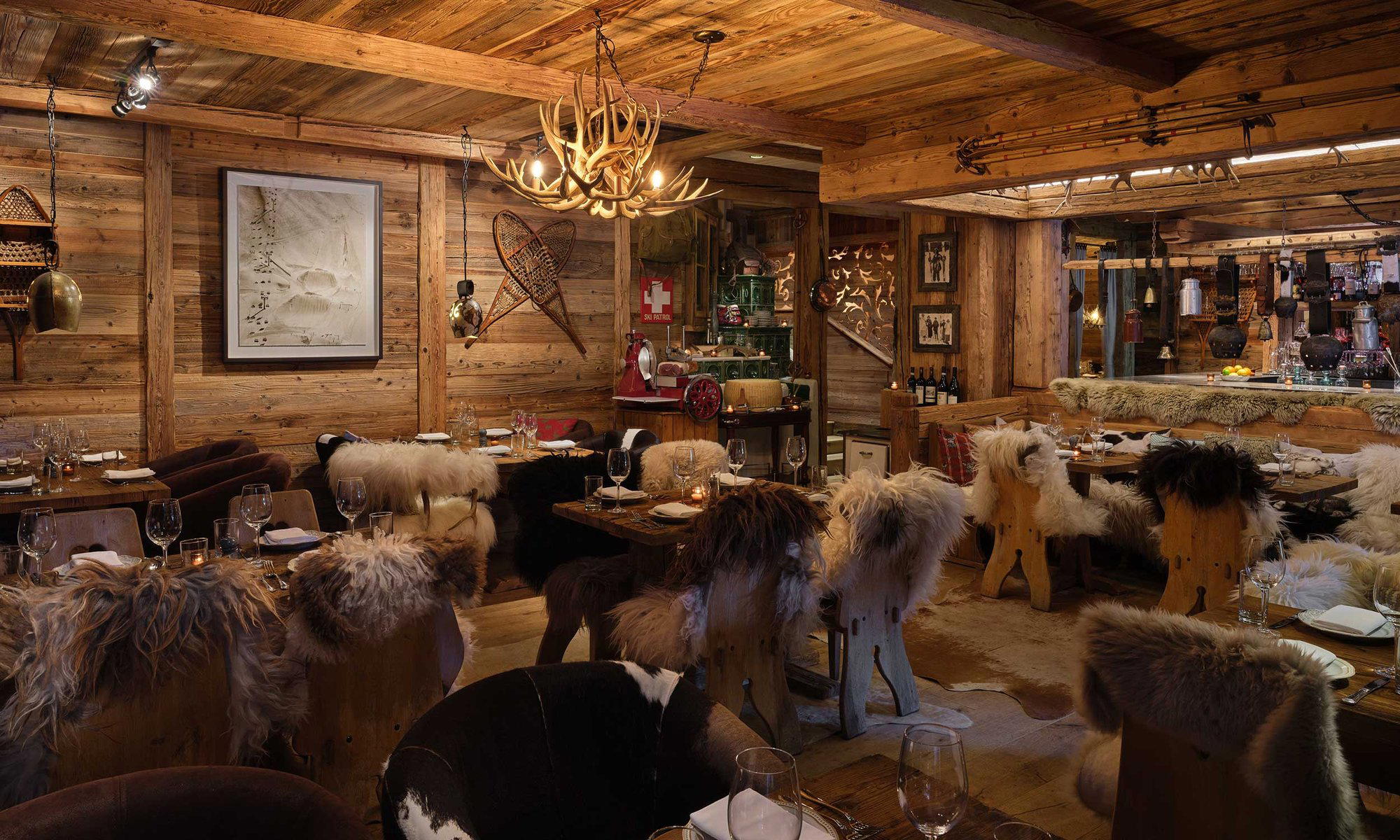
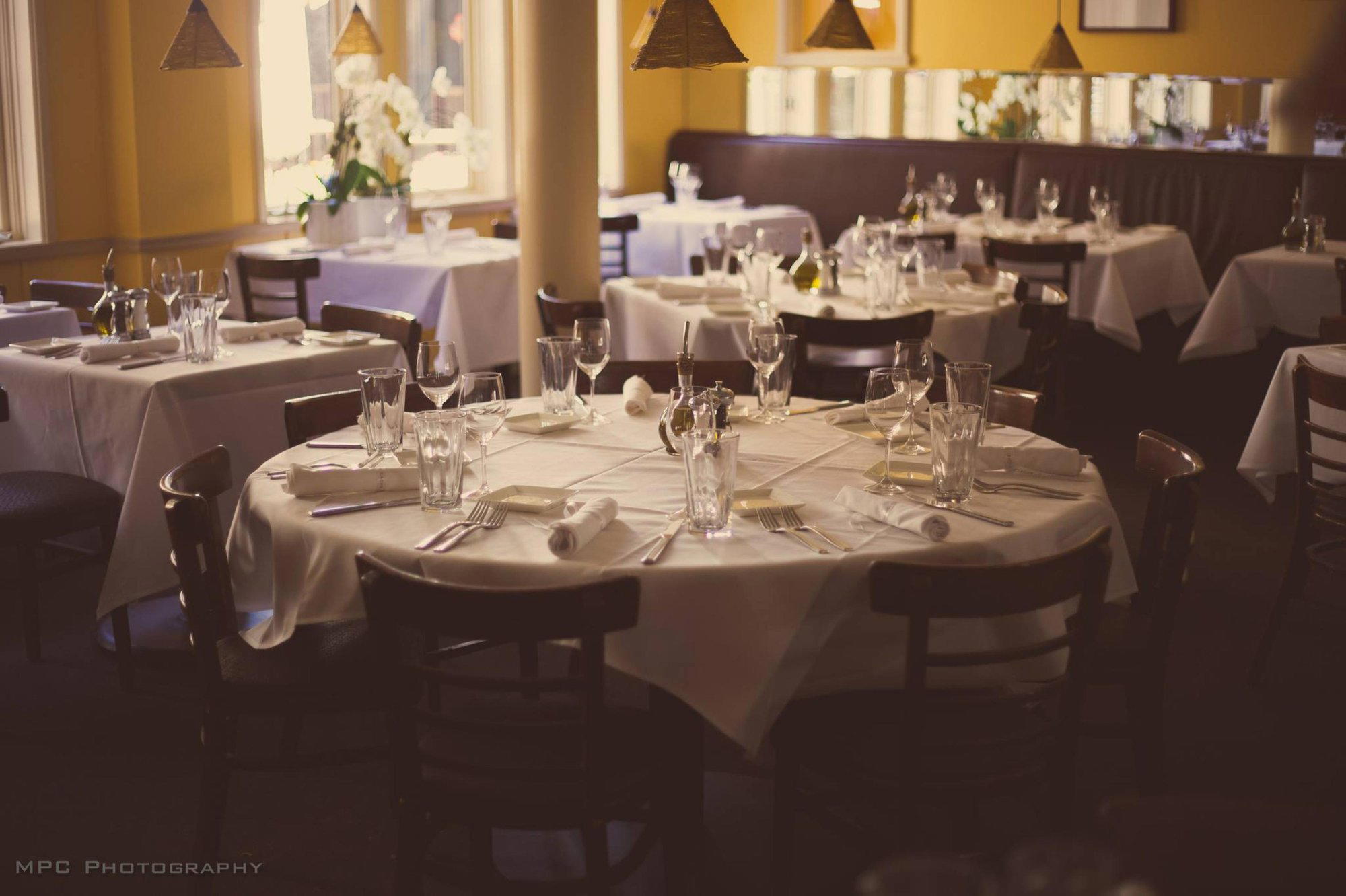
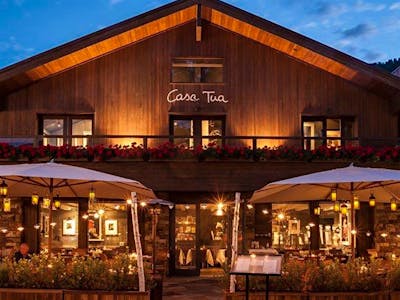
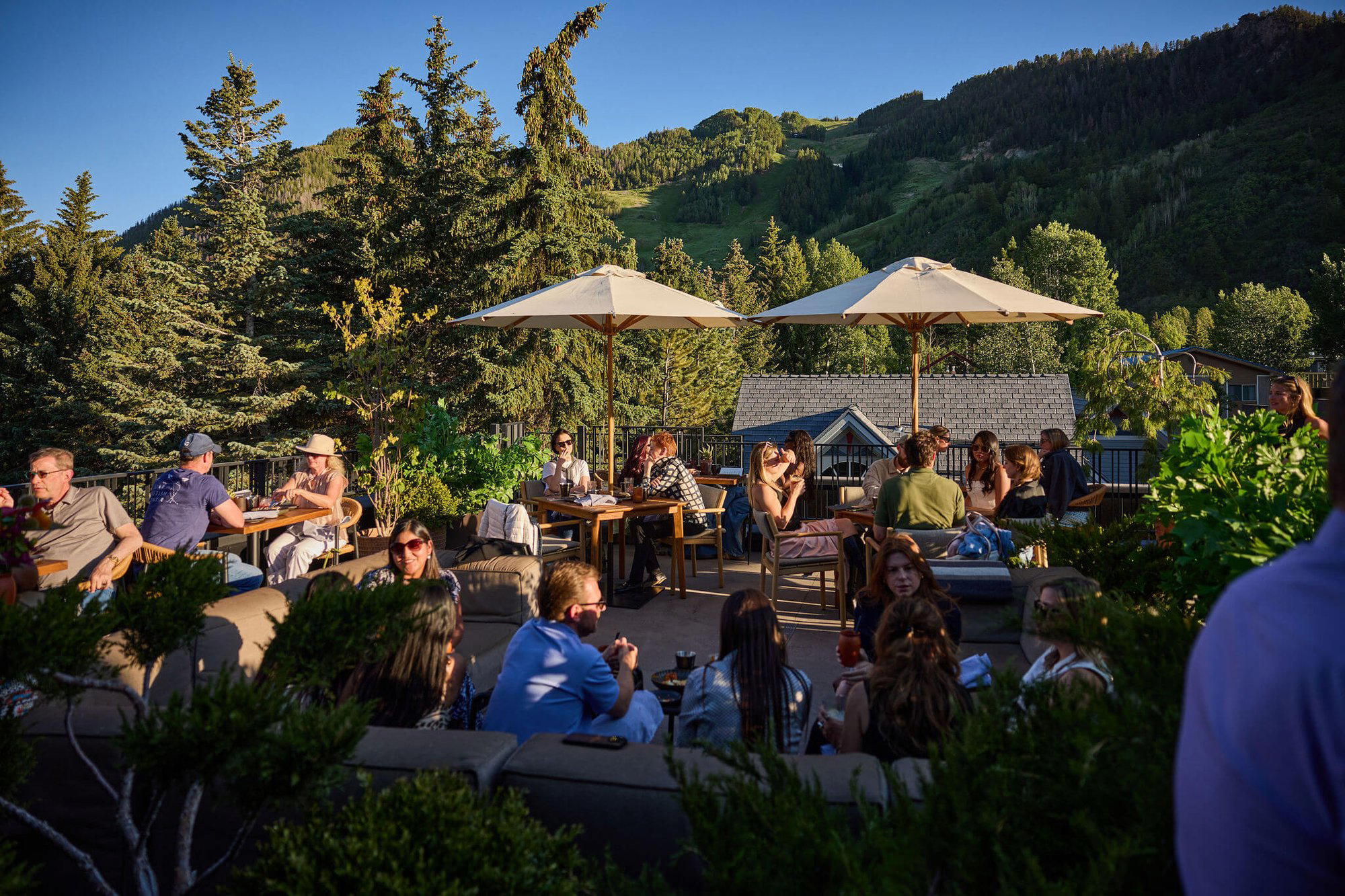
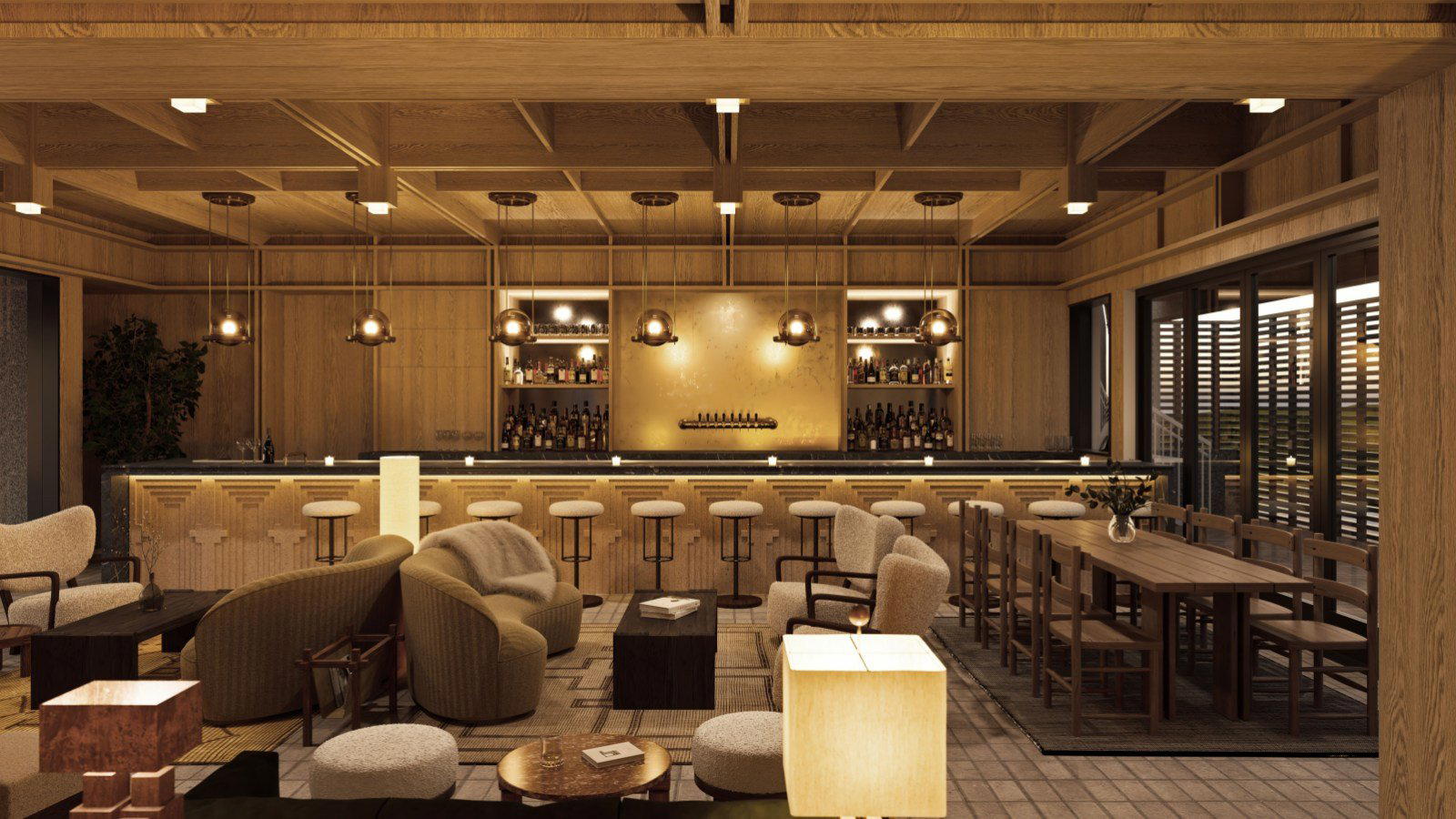
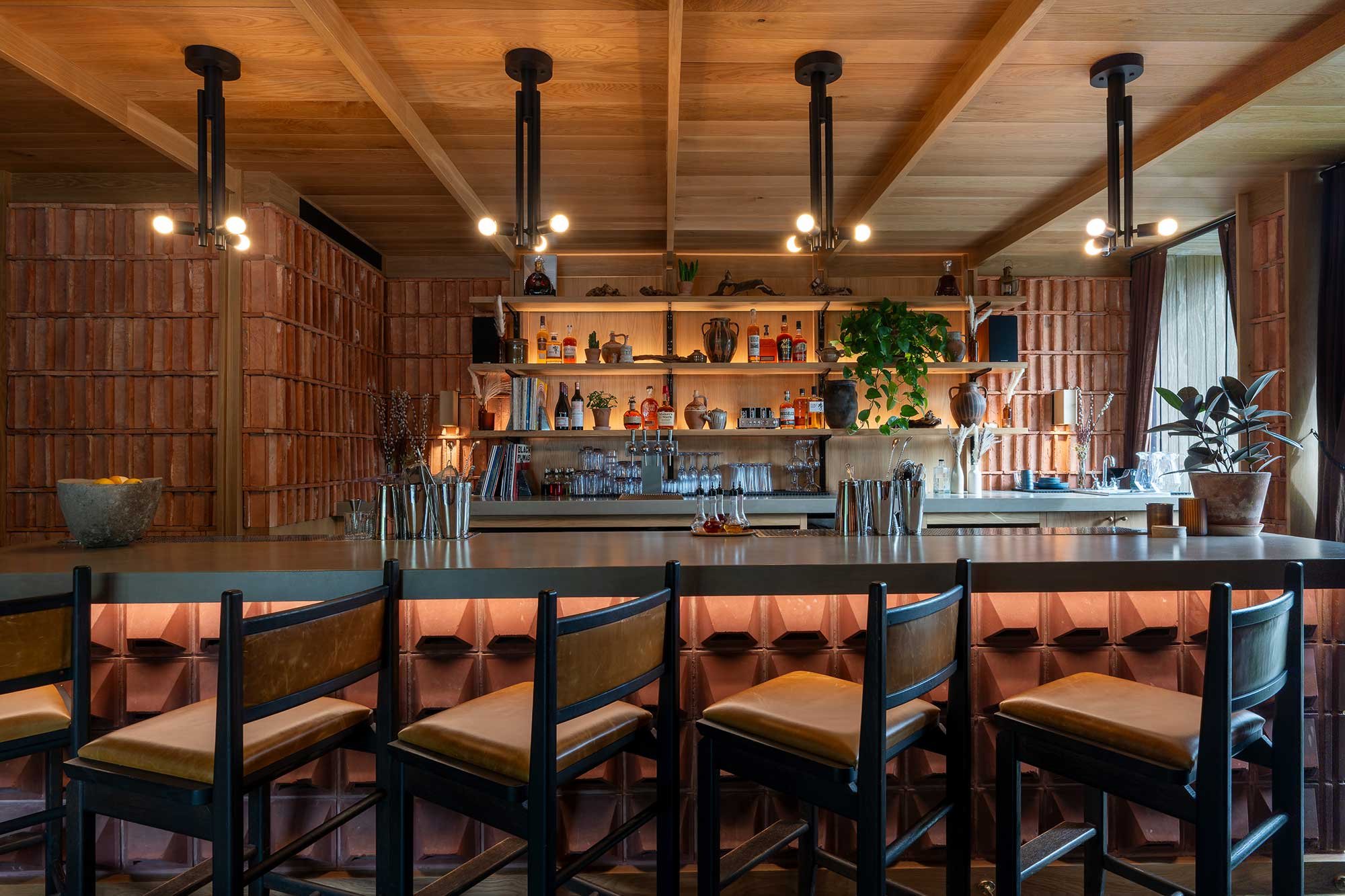
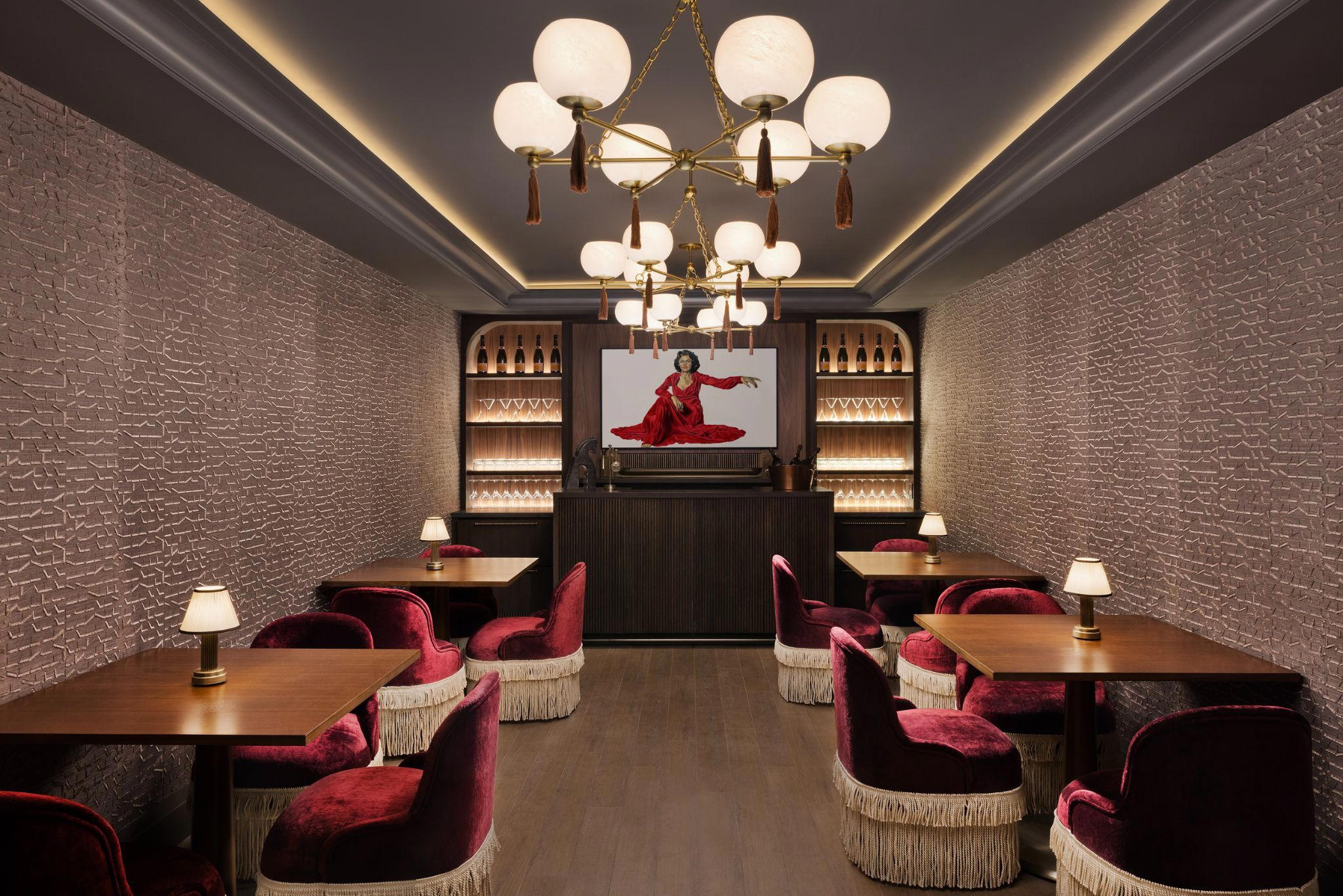
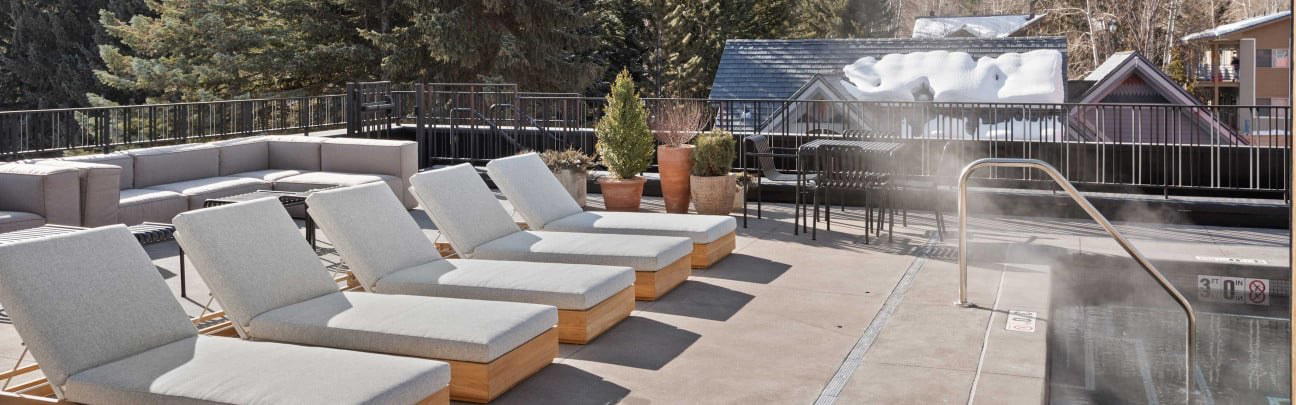
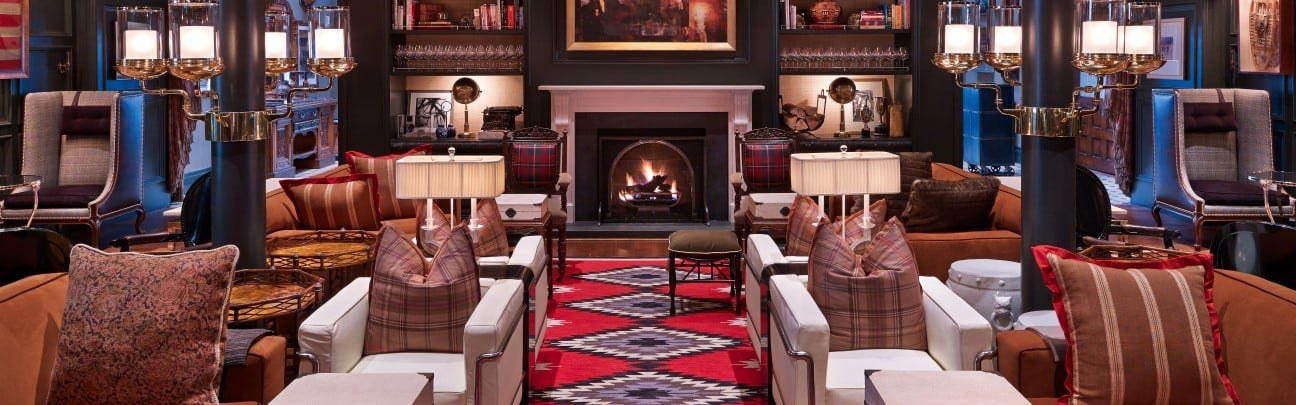
Cozy European-style alpine cabin with warm welcoming atmosphere, wood paneling, and lively party energy on the south-facing deck during après.