Hotel Jerome, Auberge Resorts Collection




1 Michelin Key · Mr & Mrs Smith Seal of Approval · Forbes Recommended
Built in 1889 during Aspen's silver boom, Hotel Jerome is the town's oldest surviving hotel and its most historically grounded luxury address. A 2024 Michelin Key recipient and part of the Auberge Resorts Collection, it occupies the corner of Main Street with 93 rooms starting at 525 square feet, a spa drawing on Ute healing traditions, and a social identity that predates the ski resort by decades.

Pearl is the En Primeur Club membership app — saves, bookings, and concierge access live there. Same editors, same standards.
- Address
- 330 E Main St, Aspen, CO 81611
- Phone
- (855) 331-7213
- Website
- auberge.com
- Directions
- Get directions
The Weight of the Building Before You Enter It
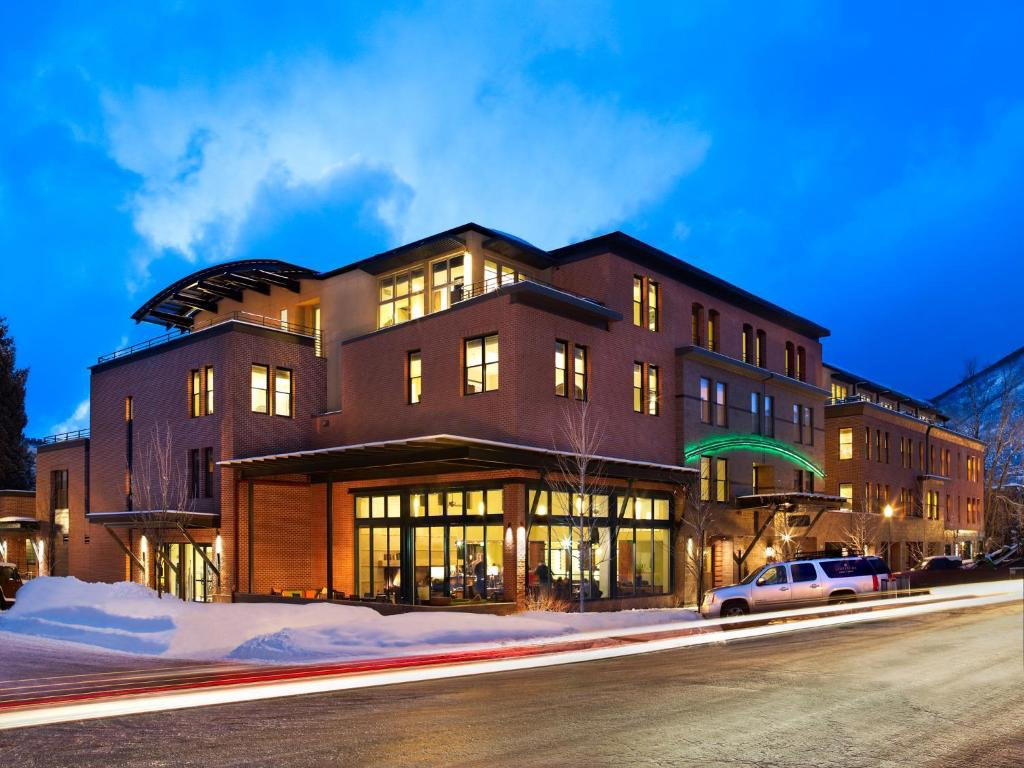
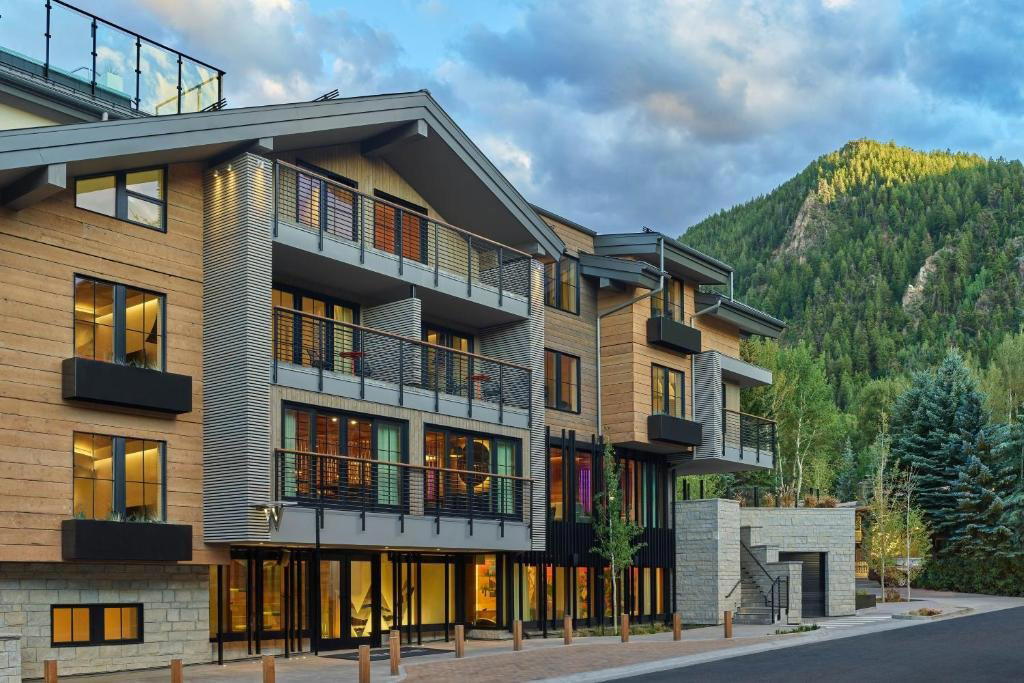
Walking east along Main Street in Aspen, the three-story brick facade of Hotel Jerome arrives before anything else does. It was built in 1889, at the height of Colorado's silver boom, and its proportions belong to a different era of civic ambition: wide enough to anchor a block, solid enough to survive what came after. What came after, in this case, was the silver crash of 1893, the long pre-ski winters of the early twentieth century, the Depression, and the slow reinvention of Aspen from a near-ghost town into the resort it became. The Jerome survived all of it. No other hotel in Aspen can say the same.
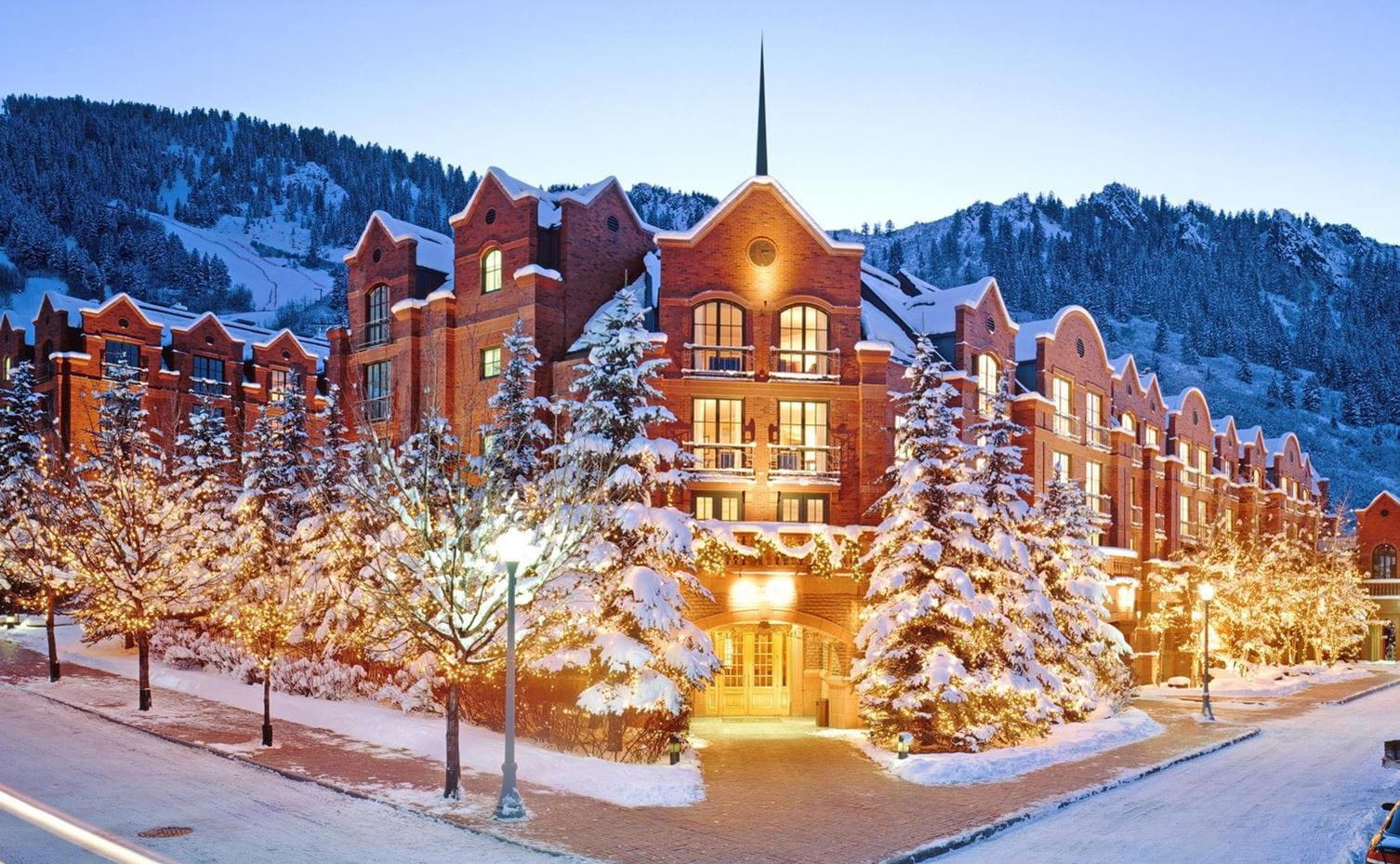
That survival is not incidental to how the property functions today. Aspen's luxury hotel market has expanded considerably, with purpose-built properties like The St. Regis Aspen Resort and design-forward arrivals like Mollie Aspen competing on contemporary amenities and modern scale. The Jerome's position in that market is distinct: it is the only property in town where the building itself carries documented social history, and the Auberge Resorts Collection has built its programming around that fact rather than around erasing it.
How the Property Reads Now
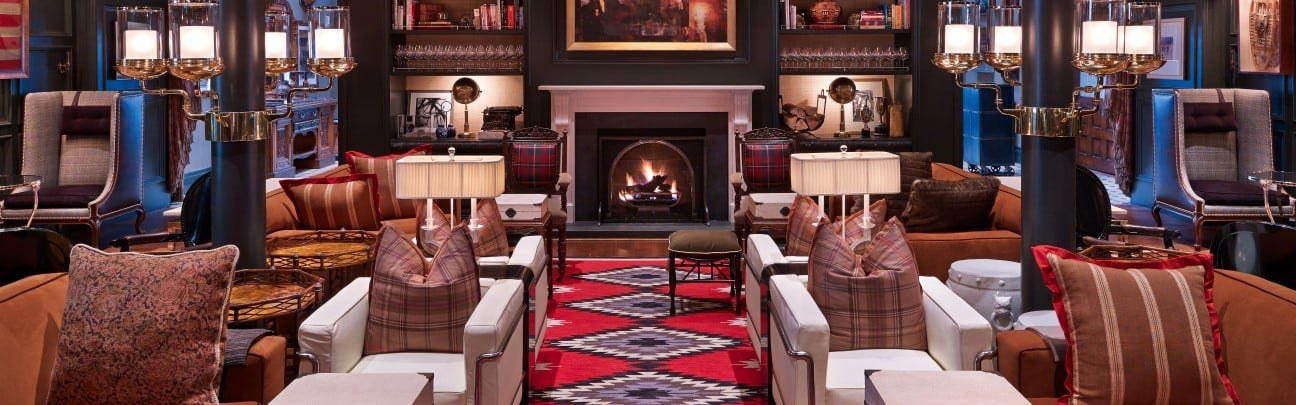
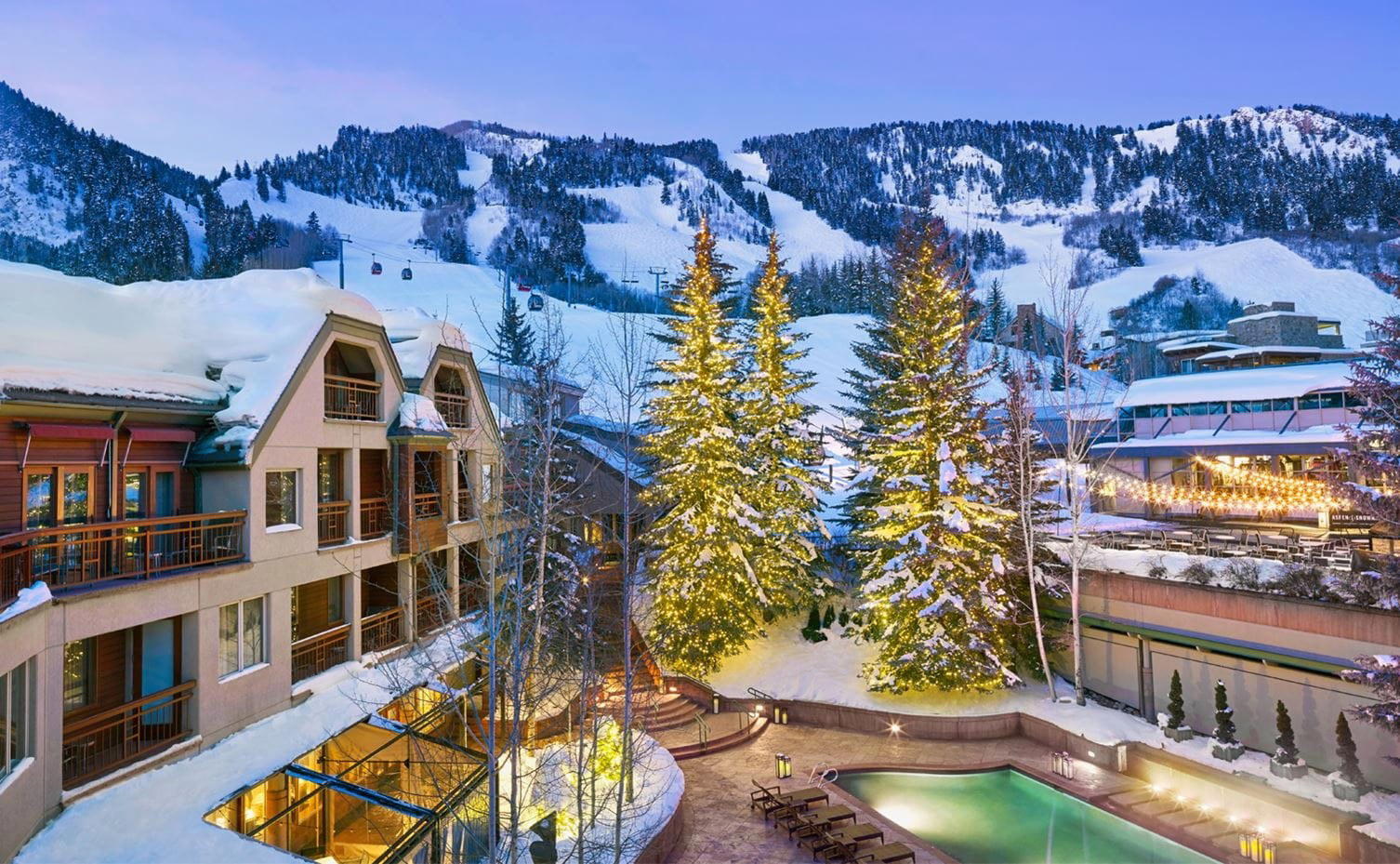
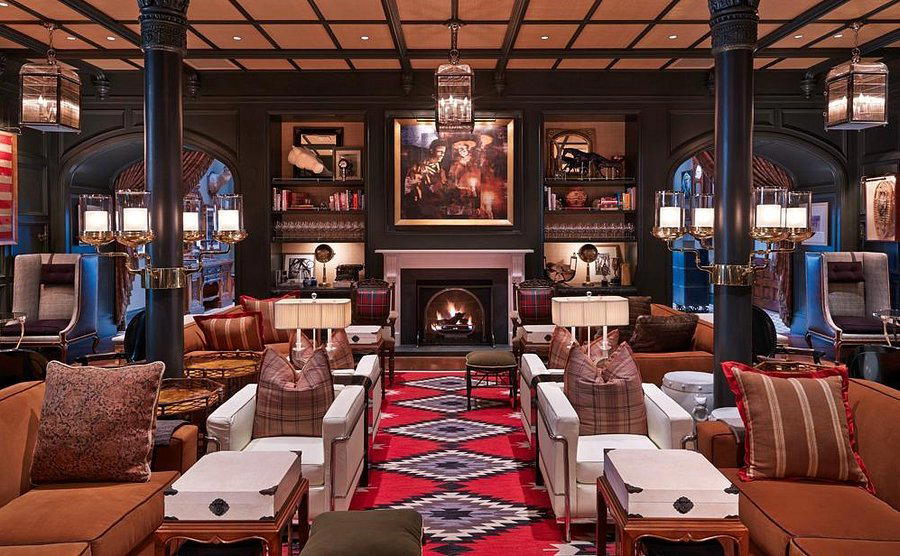
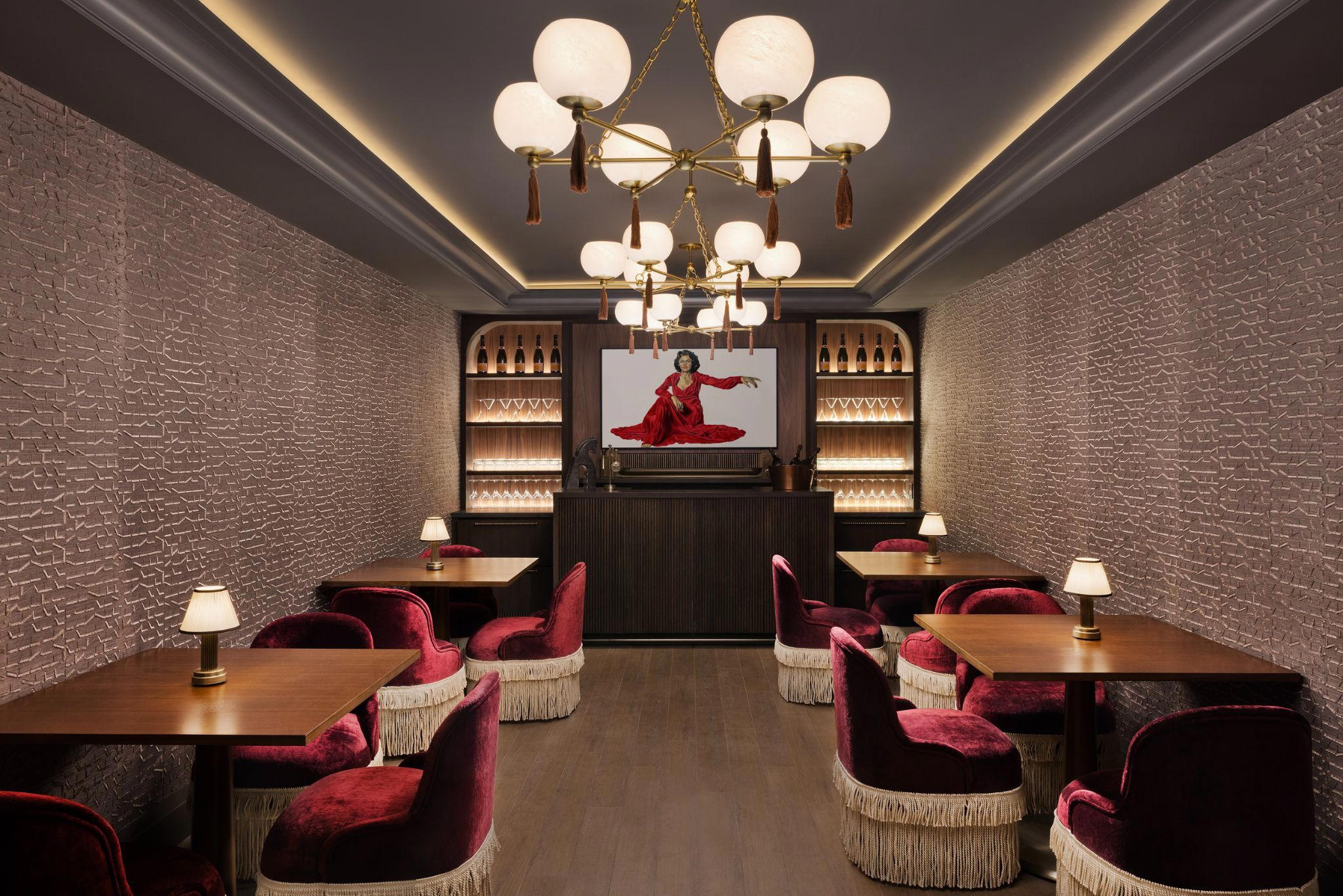
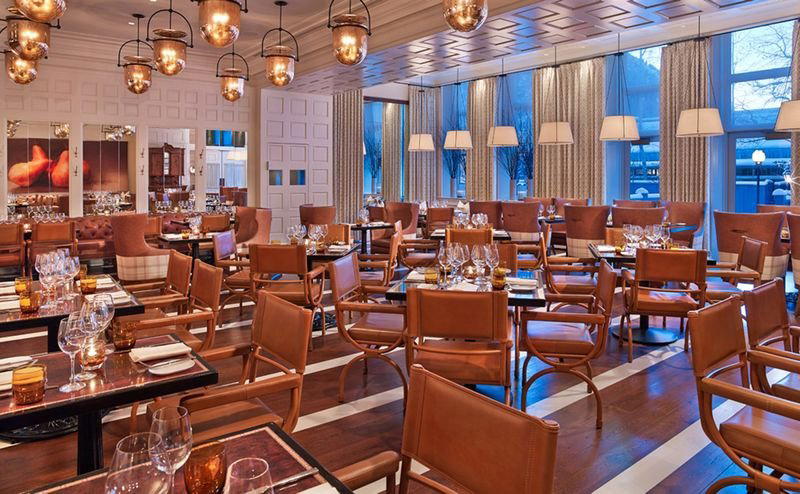
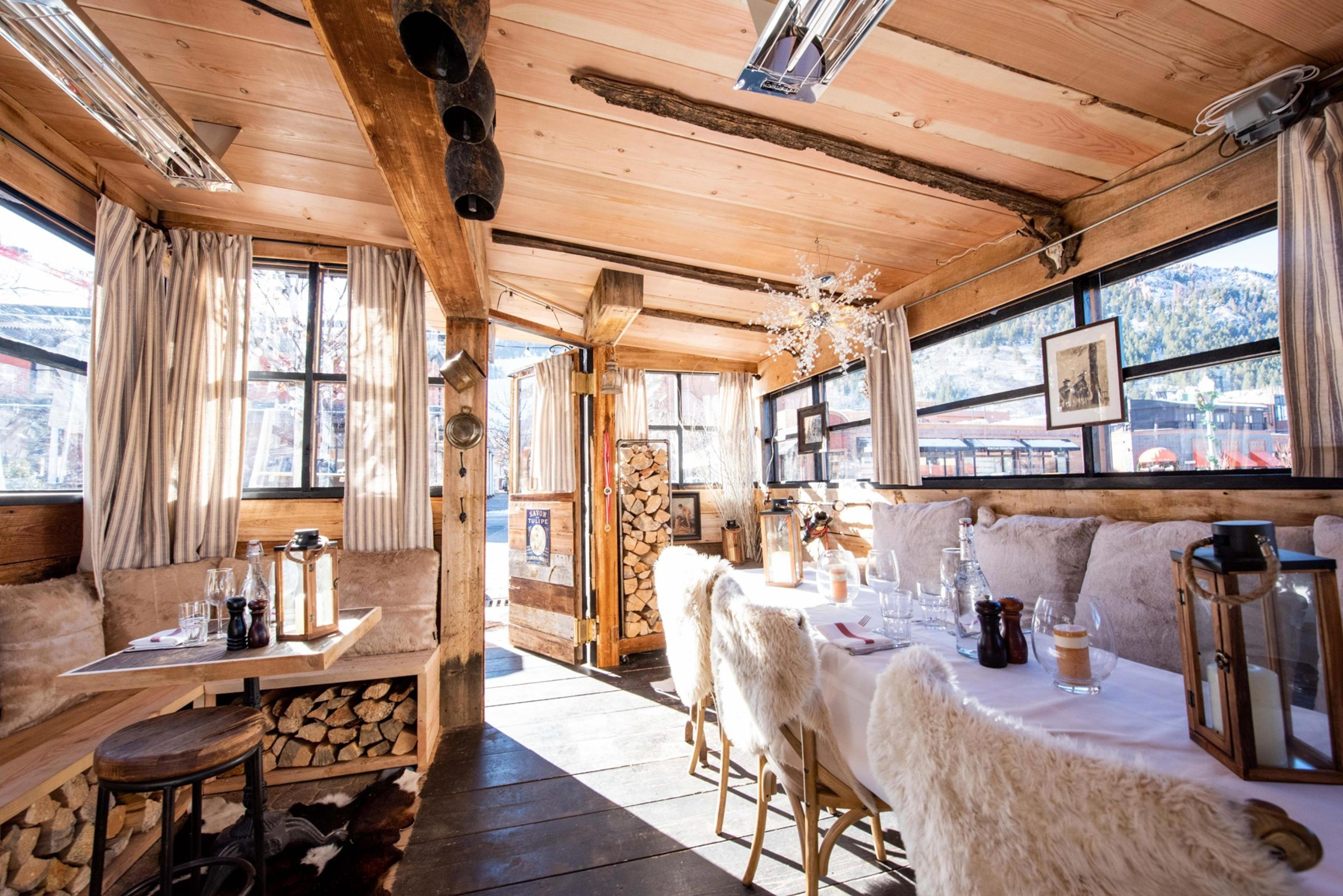
The interiors were most recently reimagined in 2012 by designer Todd-Avery Lenahan, and the brief appears to have been calibration rather than reinvention. Cashmere curtains, burnished-leather bed frames, mounted wooden deer heads, tree-stump lamps, and cowhide chairs sit alongside archival photographs of the Ute Indians who used the Roaring Fork Valley as summer hunting grounds long before Jerome Wheeler arrived. Floor-to-ceiling windows pull in the Elk Mountain Range from most orientations. The hallways are kept perpetually dim, a deliberate nod to the mining-era atmosphere; guests who find this atmospheric will find the Jerome rewarding, while those with specific lighting needs should factor it into their decision.
Room sizes run from 525 to 1,265 square feet across 93 keys, which places them among the largest footprints in Aspen's hotel market. Two three-bedroom residences in the adjacent building, formerly occupied by The Aspen Times, extend that offer into a private residential format with full access to hotel amenities. The property earned a Michelin One Key designation in 2024, placing it within the Michelin Key framework introduced that year to recognise hotels alongside the guide's existing restaurant work.
Service Architecture and the Auberge Standard
Within the Auberge Resorts Collection portfolio, the brand's operating model consistently prioritises anticipatory, low-friction service over transactional efficiency. At the Jerome, this means that a property with significant historic character is also expected to function with the logistical fluency of a contemporary luxury hotel. The combination is harder to execute than either one alone, and it is where the Auberge framework does its clearest work.
The social fabric of the Jerome has always been connected to this idea of hospitality as a gathering function rather than a room-rental function. The property's record includes 10th Mountain Division soldiers using it as a gathering point during wartime training on the slopes above town, and Hunter S. Thompson holding court here during his 1970 sheriff's campaign. These are not invented anecdotes: they are part of the documented public record of the building, and they reflect a consistent pattern of the hotel operating as Aspen's social nerve centre across different eras. The Auberge framework inherits that role and codifies it through staff culture and programming rather than leaving it to chance.
For guests comparing this to other Auberge properties, the Jerome sits in different territory than, for instance, Auberge du Soleil in Napa, which leads with vineyard setting and culinary identity. The Jerome leads with civic history and mountain character. Both express the collection's service philosophy, but through different physical and narrative materials.
Dining and the Roaring Fork Approach
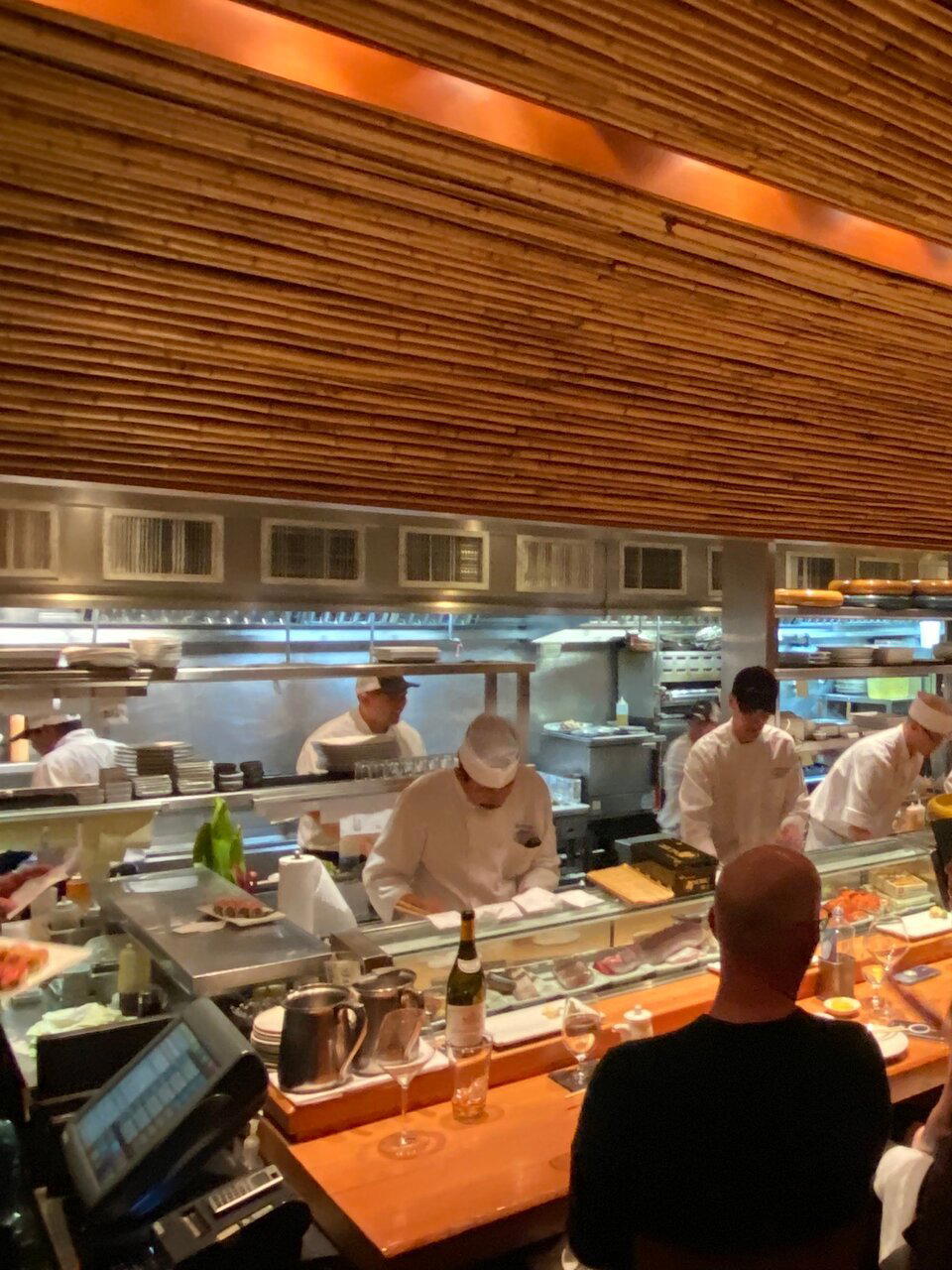
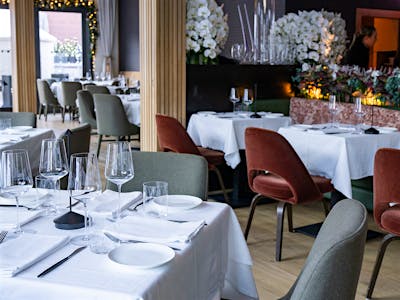
The hotel's dining program operates under Auberge's culinary framework, which across the collection emphasises organic, natural, and seasonal sourcing as a baseline rather than a differentiator. In Aspen's context, that means menus built around local ingredients from the Roaring Fork Valley, with the full seasonal range that a mountain address at this elevation produces. The Jerome's restaurant has historically been regarded as one of the stronger dining addresses in Aspen, a market where culinary expectations have risen sharply over the past two decades. For the broader dining context across the city, our full Aspen restaurants guide maps the current scene in more detail.
Spa, Pool, and Recovery Logic
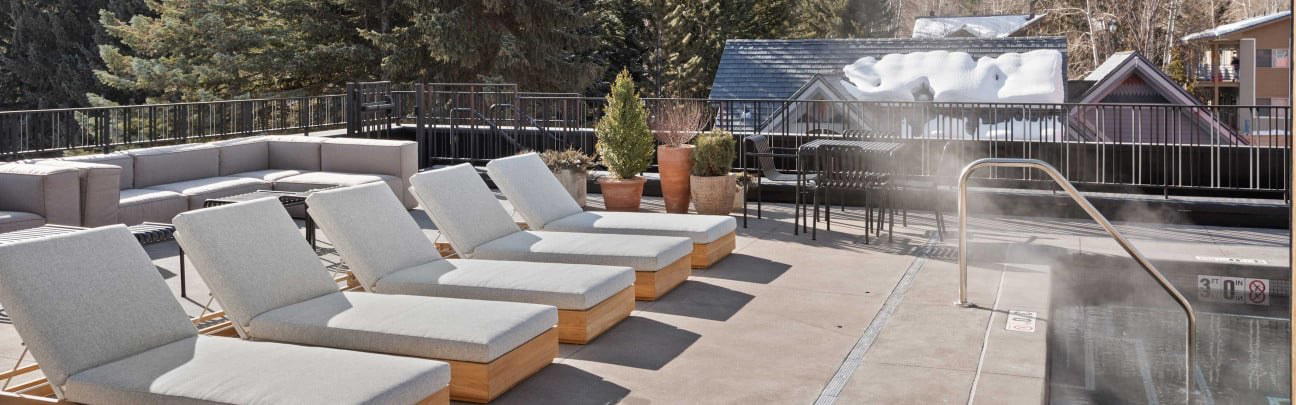
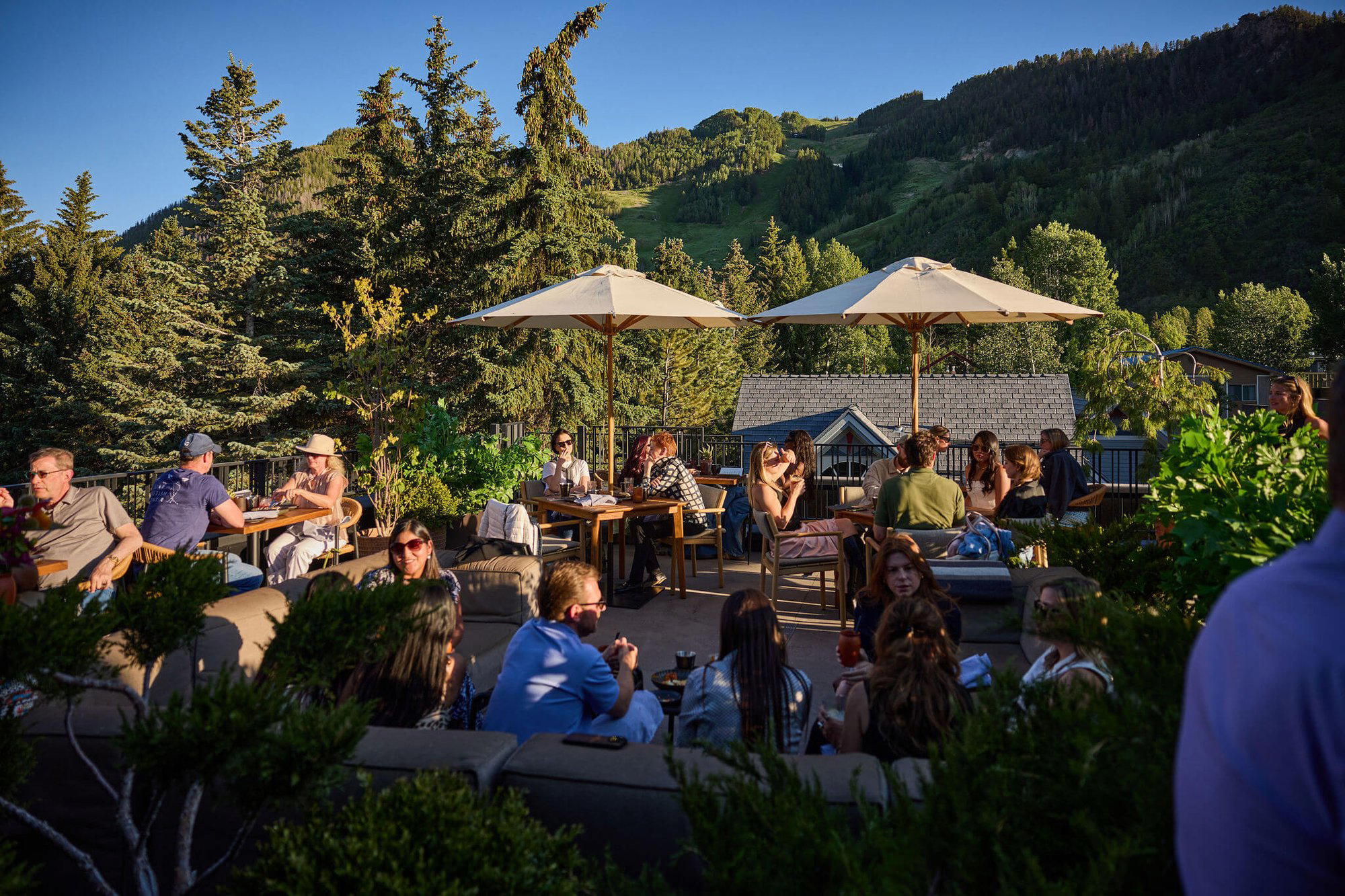
The Auberge Spa, named Yarrow, occupies the hotel's basement and draws its treatment framework from the natural healing traditions of the Roaring Fork Valley, specifically the botanical and mineral knowledge developed over centuries by the Ute people. Local minerals and medicinal plants inform the treatment protocols, with particular attention to the physical demands of Aspen's outdoor activity calendar: skiing in winter, hiking, fly fishing, cycling, and hot-air ballooning in summer. A redesigned pool and terrace courtyard adds two hot tubs and cabana seating, with pool-adjacent room categories available for guests who want direct access.
This recovery-focused infrastructure is consistent with what Aspen's higher-end properties offer as a category, but the Jerome's spa is smaller and more specialist in its positioning than the full-service wellness centres at properties like Aspen Meadows Resort. The trade-off is intentionality over breadth.
Positioning Against Aspen's Current Market
Aspen's hotel market in 2024 covers a wide range of formats. The Little Nell leads on ski-in/ski-out access and wine programming. Limelight Aspen operates in a more accessible price tier with a community-oriented format. W Aspen addresses a younger luxury demographic with a contemporary design language. Hotel Aspen and The Gant serve mid-market and extended-stay needs respectively.
Its direct competitors are properties where historical or site-specific identity forms a core part of the value proposition, a grouping that includes addresses like Troutbeck in Amenia, Badrutt's Palace Hotel in St. Moritz, or Hotel Bel-Air in Los Angeles, rather than the purpose-built mountain resorts that define most luxury ski destinations. These are hotels where the building's story is part of what you are paying for, and where no amount of contemporary renovation fully separates the product from its origin.
For travellers whose primary driver is the newest or most technically sophisticated luxury infrastructure, properties like Amangiri in Canyon Point or Post Ranch Inn in Big Sur represent a different design-led tradition. The Jerome makes a different argument: that place has memory, and that memory is itself a form of service.
Planning Your Stay
The 101-room property books to capacity around Christmas, New Year's, and Fourth of July, with demand at those periods requiring advance planning well beyond the norm. The shoulder seasons, specifically Aspen's fall (September through October) and spring (April through May), offer lower occupancy and access to the hotel's amenities without the peak-season pressure. Rates begin at approximately CAD 578 per night. Reservations at the Jerome require coordination through a customer service team rather than a direct online booking channel, so build that step into your planning timeline. The 330 East Main Street address places it at the geographic and social centre of Aspen, within walking distance of restaurants, galleries, and the base of Aspen Mountain.
For guests comparing historic luxury hotel formats across the American West and beyond, the Auberge portfolio also includes properties that operate in similarly site-specific modes, among them SingleThread Farm Inn in Healdsburg and Sage Lodge in Pray, both of which anchor their identity in landscape and agricultural context rather than urban history. The Jerome's particular proposition, a Victorian-era survivor at the centre of one of North America's most scrutinised resort towns, remains without direct comparison in the Colorado market.
Cuisine and Recognition
Comparable venues nearby, for context on price, style, and recognition.
| Venue | Cuisine | Price | Awards | Notes |
|---|---|---|---|---|
| Hotel Jerome, Auberge Resorts CollectionThis venue — the venue you are viewing | Historic luxury resort with modern renovations | Not listed | 1 Michelin Key · Mr & Mrs Smith Seal of Approval | Not listed |
| W Aspen | modern Swiss chalet with playful Aspen history influences | $300–500 | Michelin Selected | Aspen Village |
| The Gant | contemporary condominium resort | $300–500 | Not listed | Aspen Flyover 1/4 Section Grid |
| Hotel Jerome, Auberge Collection | Historic luxury landmark with relaxed elegance | Not listed | 5-Star | Aspen Flyover 1/4 Section Grid |
| Hotel Aspen | luxury mountain resort | Not listed | Not listed | Aspen Flyover 1/4 Section Grid |
| White Elephant Aspen | Contemporary alpine boutique with warm, destination-led design blending traditional mountain character with modern luxury. | Not listed | Star Wine List | Aspen Flyover 1/4 Section Grid |
Recognition history
Dated appearances from independent guides and award organizations, with the underlying list record or original source where available.
Michelin 1 Key
Michelin
Forbes Recommended
Forbes
Mr & Mrs Smith Seal of Approval
Mr & Mrs Smith
Virtuoso Luxury Hotel Partner
Virtuoso
Full recognition history (6 entries)
Forbes Recommended
Forbes
Michelin 1 Key
Michelin

Details
- Classic
- Elegant
- Well Known
- Historic
- Cozy
- Romantic Getaway
- Family Vacation
- Weekend Escape
- Celebration
- Ski In Ski Out
- Historic Building
- Panoramic View
- Pool
- Spa
- Fitness Center
- Room Service
- Concierge
- Valet Parking
- Wi Fi
- Hot Tub
- Mountain
- Wheelchair Accessible
- Elevator
- Step Free Entrance
- Accessible Parking
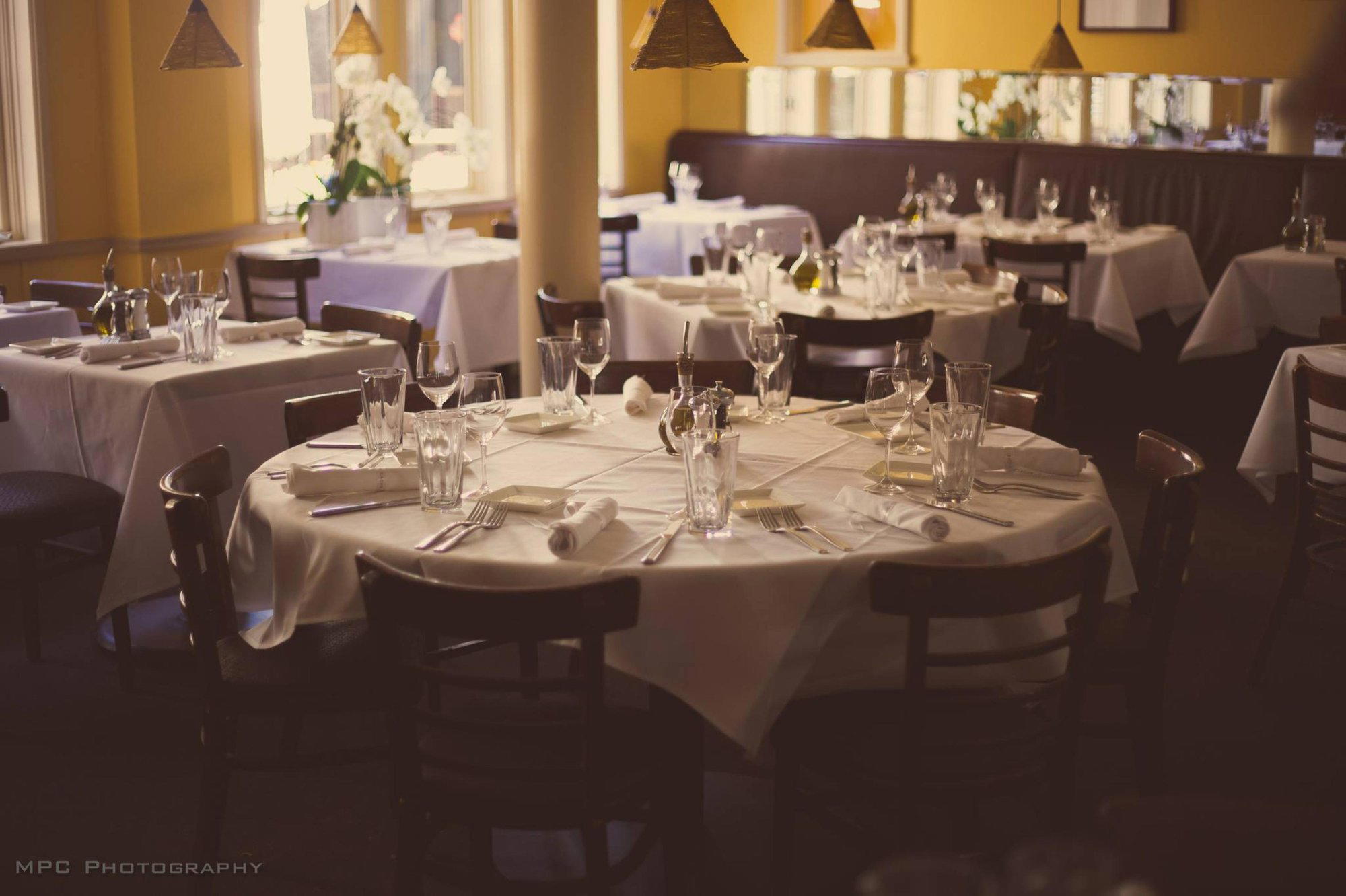
Warm, elegant atmosphere with historic Art Deco details, plush linens, lobby fireplace, and sophisticated lighting evoking old Aspen character.