300 Puppy Smith St #202
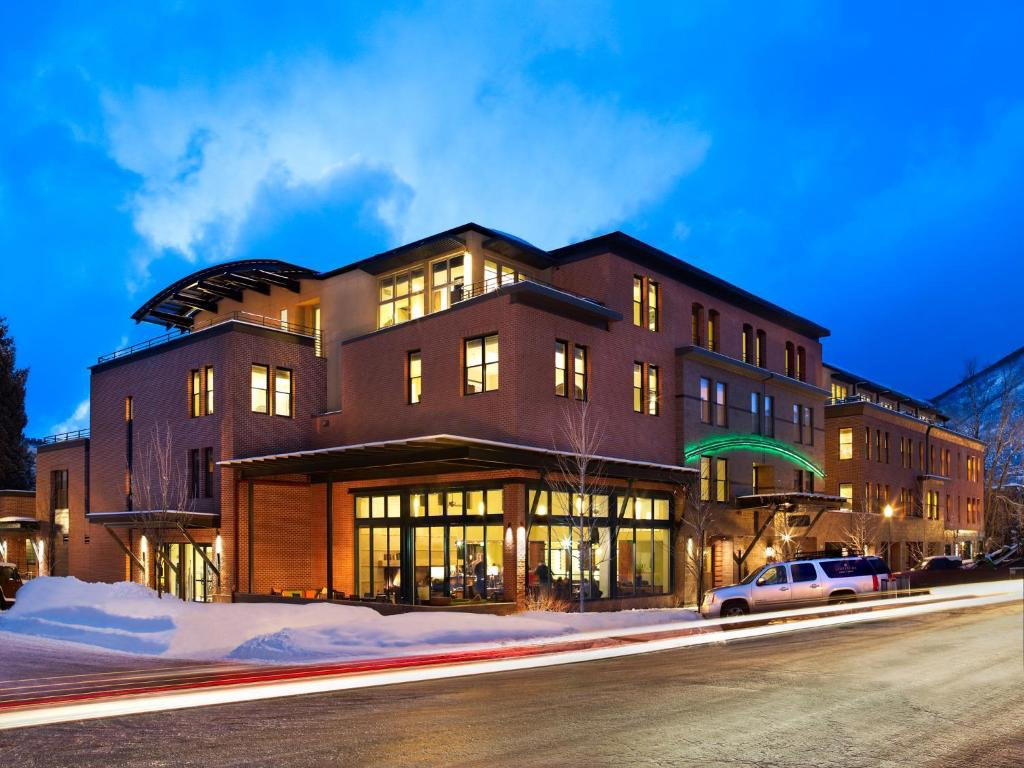
Located at 300 Puppy Smith Street in Aspen's mid-town corridor, this address sits within one of Colorado's most competitive dining and hospitality markets. Aspen's restaurant scene spans everything from high-altitude tasting menus to neighbourhood bistros, and this address places visitors within reach of that full range. Check our full Aspen guide for current programming and booking details.
Pearl is the En Primeur Club membership app — saves, bookings, and concierge access live there. Same editors, same standards.
- Address
- 300 Puppy Smith St, Aspen, CO 81611
- Phone
- +1 970 925 2527
- Website
- ordering.chownow.com
- Directions
- Get directions
 Saves & bookings on Pearl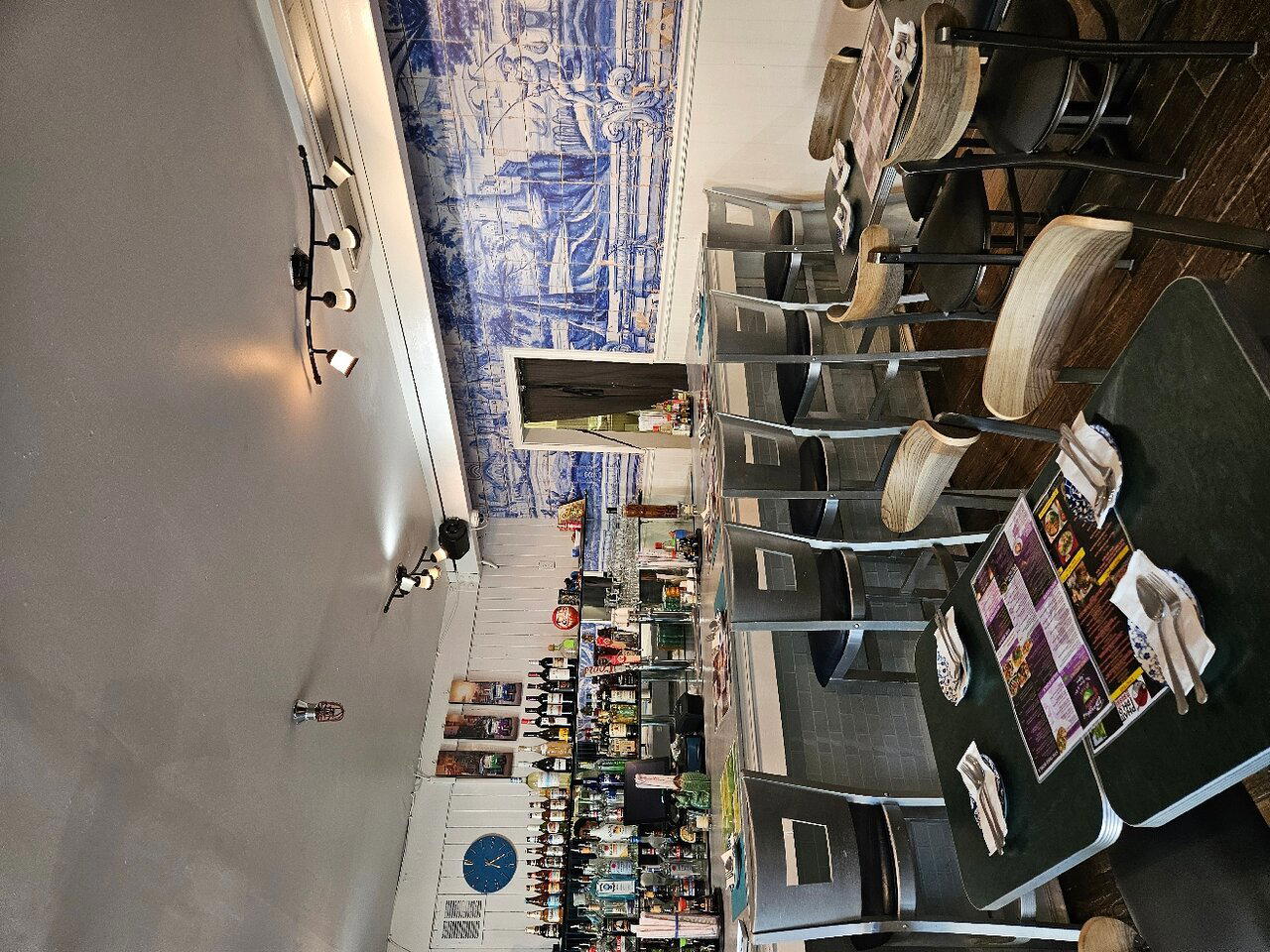
Aspen occupies a specific position in American fine dining that few mountain resort towns can match. The city draws a year-round rotation of well-travelled visitors who arrive having eaten at Le Bernardin in New York City, The French Laundry in Napa, or Alinea in Chicago, and the local restaurant community has calibrated itself accordingly. The result is a dining market where the price-to-quality expectation is set by a highly mobile, comparison-rich clientele rather than a stable local population. That context shapes every address in this city, including the corridor around Puppy Smith Street.
300 Puppy Smith Street, Suite 202 sits in Aspen's mid-town zone, away from the higher-density restaurant cluster around the Hotel Jerome and the Gondola Plaza. Mid-town Aspen tends to house a mix of professional services, arts organisations, and food-and-beverage operations that serve both the visitor economy and the year-round residential community. The positioning matters because it signals a different rhythm than the downtown core, where foot traffic peaks sharply during ski season and festival weeks.
Aspen's Dining Tradition and What It Demands
Colorado's mountain dining culture has shifted considerably over the past two decades. Where resorts once defaulted to steakhouses and après-ski comfort food as their primary registers, cities like Aspen have developed a more layered offer. Contemporary American cooking with regional sourcing now runs alongside French-inflected bistro formats, Japanese counter dining, and chef-driven tasting menus. Venues like Bosq and Aosta Aspen represent the more considered end of that evolution, while Cache Cache and Campo De Fiori anchor the French and Italian traditions that gave Aspen dining much of its early character.
This layering reflects a broader national pattern. Resort towns with sustained high-income visitor flows tend to develop dining ecosystems that compress what would normally be geographically spread competition into a small walkable area. The effect in Aspen is that a single evening out involves implicit comparison across a set of restaurants that, in another city, might be separated by neighbourhoods or even districts. Any address here enters that comparison whether it intends to or not.
The cultural weight of mountain dining in Colorado also carries specific expectations around seasonality. The high-altitude environment, the proximity to ranching and agricultural production in the Roaring Fork Valley, and the dual-season tourist calendar (ski season and summer festival season, anchored by Food & Wine Classic in June) all push operators toward menus that acknowledge the local environment rather than ignoring it. Restaurants in peer cities like Single Thread Farm in Healdsburg or Blue Hill at Stone Barns in Tarrytown have built entire identities around that farm-to-table discipline, and Aspen visitors often arrive primed by those reference points.
How Aspen's Competitive Set Maps Across Price and Format
At the summit of the market, Aspen's tasting-menu tier competes directly with properties like Providence in Los Angeles, Addison in San Diego, and The Inn at Little Washington. These are restaurants where the guest arrives with formed expectations about format, pacing, and the intellectual weight of the menu. Aspen venues in the Element 47 tier (contemporary, at the $$$$ price point) sit within that competitive conversation. Below that, the mid-range contemporary tier, represented locally by Mawa's Kitchen at $$$, serves a slightly different function: it accommodates the visitor who wants considered cooking without the commitment of a full tasting-menu evening.
The Japanese counter tradition also has a foothold in Aspen through Matsuhisa, which connects the local market to a dining format whose reference points run through cities like Atomix in New York City and 8 1/2 Otto e Mezzo Bombana in Hong Kong. That cross-referencing is characteristic of how Aspen's dining scene self-positions: it is not insular, and its regular guests are not insular either.
For entertainment and live programming, Belly Up Aspen occupies a distinct category, anchoring the city's live music offer in a way that complements rather than competes with the dining tier. A full evening in Aspen often sequences dinner and live programming in combination, and the proximity of venues in the Puppy Smith Street corridor to both the downtown core and the arts district makes that sequencing practical.
Cuisine, Cultural Roots, and What the Address Implies
The Puppy Smith Street address is best understood through its urban context. The building sits within a city where cuisine choices carry cultural signals. French Alpine cooking, as offered at French Alpine Bistro, invokes the ski-resort heritage of mountain Europe and the Savoyard traditions that informed early American ski culture. Contemporary American formats invoke a different lineage, one that runs through the American culinary renaissance of the 1980s and 1990s, connecting to chefs who trained in European kitchens before returning to build something distinctly American. Aspen was part of that story, particularly through the Food & Wine Classic, which has operated as a networking and platform event for American chefs since 1983.
That historical depth means Aspen is not simply a resort that happens to have good restaurants. It is a city with a documented relationship to American culinary culture, and addresses within it carry that association. Venues that have come through Aspen's market and maintained standing over multiple seasons have done so in front of an audience that includes food professionals, critics, and experienced private diners. Reference points like Emeril's in New Orleans or Lazy Bear in San Francisco illustrate the range of American culinary formats that Aspen visitors bring as comparison material.
Planning Your Visit to This Address
Price and Positioning
Comparable venues nearby, for context on price, style, and recognition.
| Venue | Price | Notes |
|---|---|---|
| 300 Puppy Smith St #202This venue — the venue you are viewing | $$ | Not listed |
| Cliffhouse | $$ | Buttermilk Mountain, American with Mongolian Grill |
| Catch Steak | $$$$ | Aspen Flyover 1/4 Section Grid, Modern Steakhouse with Japanese Wagyu |
| Belly Up Aspen | $$ | Aspen Flyover 1/4 Section Grid, American Bar Food |
| French Alpine Bistro | $$$ | Aspen Flyover 1/4 Section Grid, French Alpine Bistro |
| Campo De Fiori | $$$ | Aspen Flyover 1/4 Section Grid, Authentic Italian Trattoria |
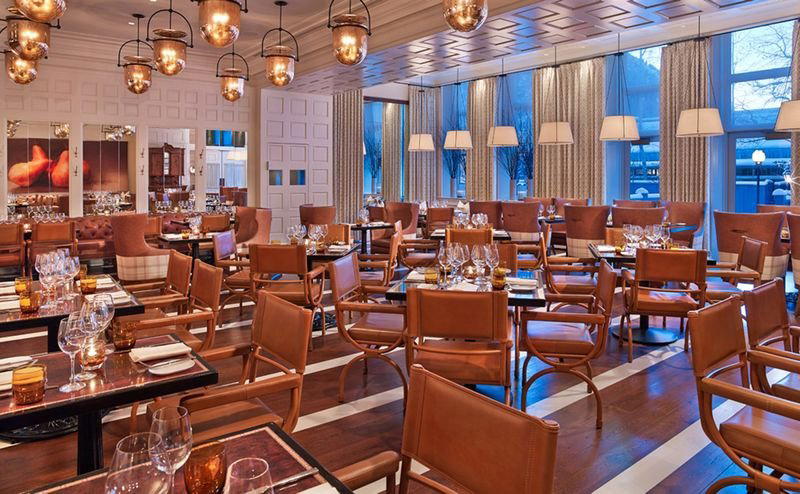
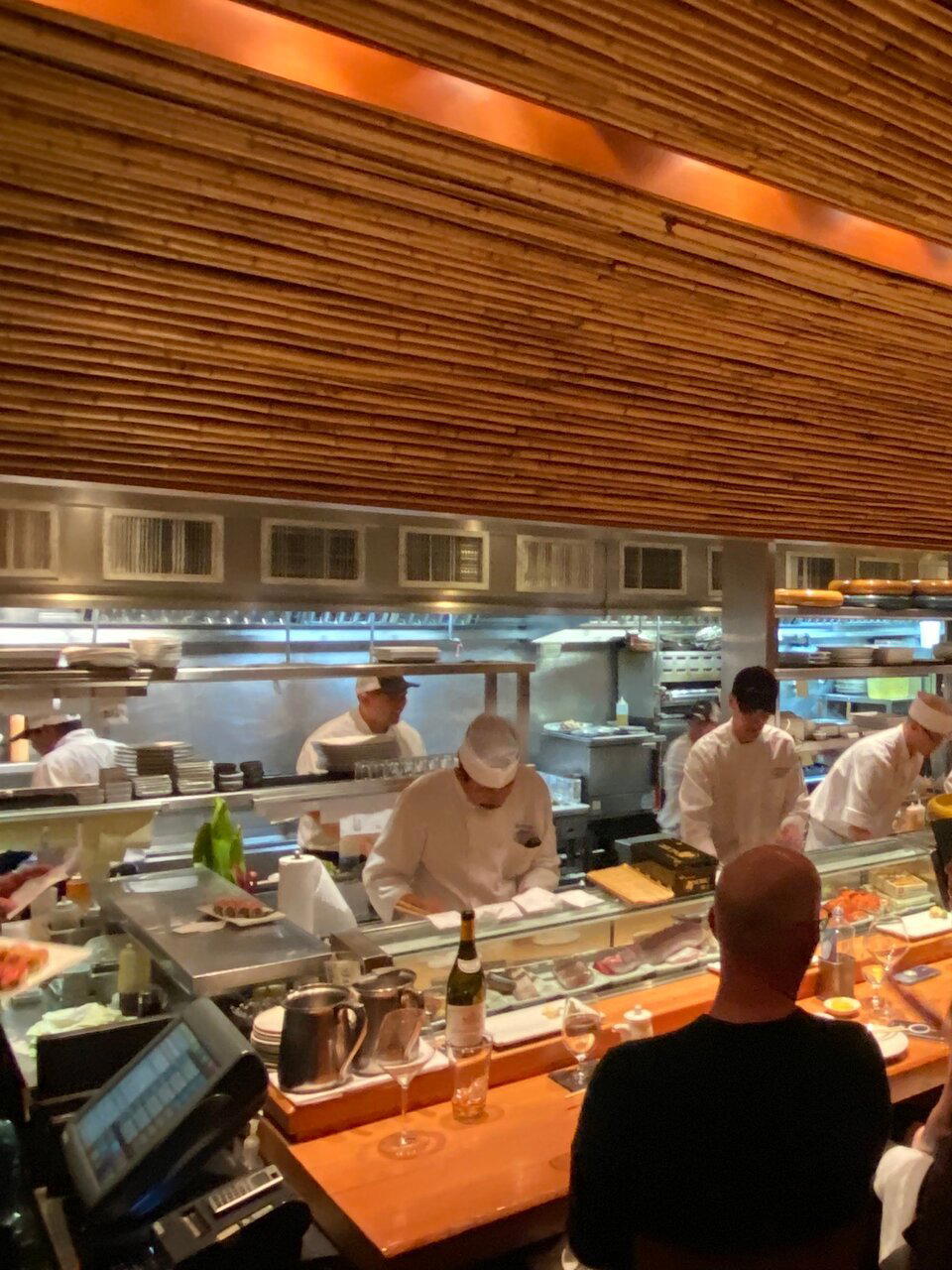

At a Glance
- Cozy
- Casual
- Casual Hangout
- Family
- Craft Cocktails
Current opening hours
- Monday
- 11 AM–9 PM
- Tuesday
- 11 AM–9 PM
- Wednesday
- 11 AM–9 PM
- Thursday
- 11 AM–9 PM
- Friday
- 11 AM–9 PM
- Saturday
- 11 AM–9 PM
- Sunday
- 11 AM–9 PM
Hours can change for holidays and private events. Last verified .
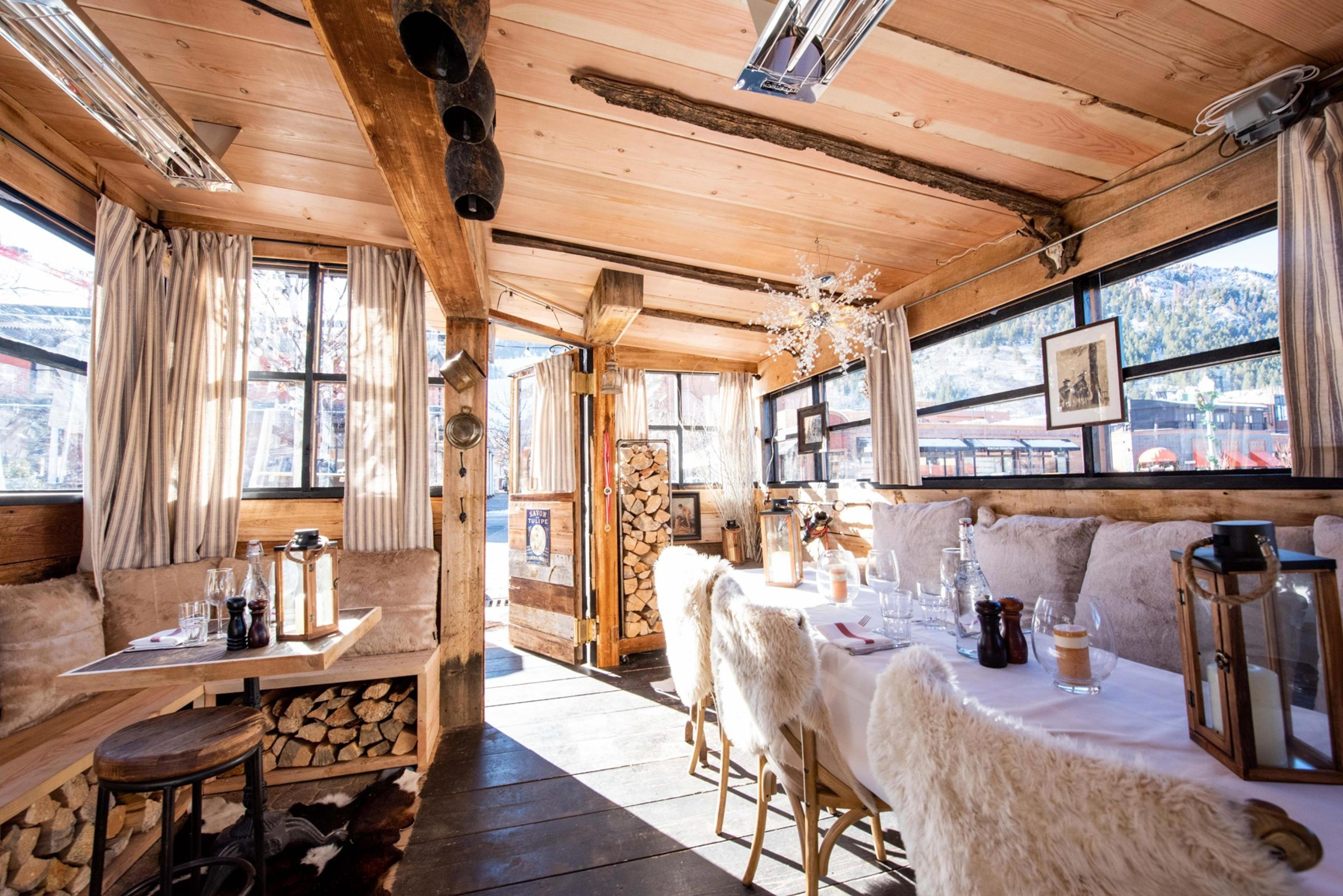
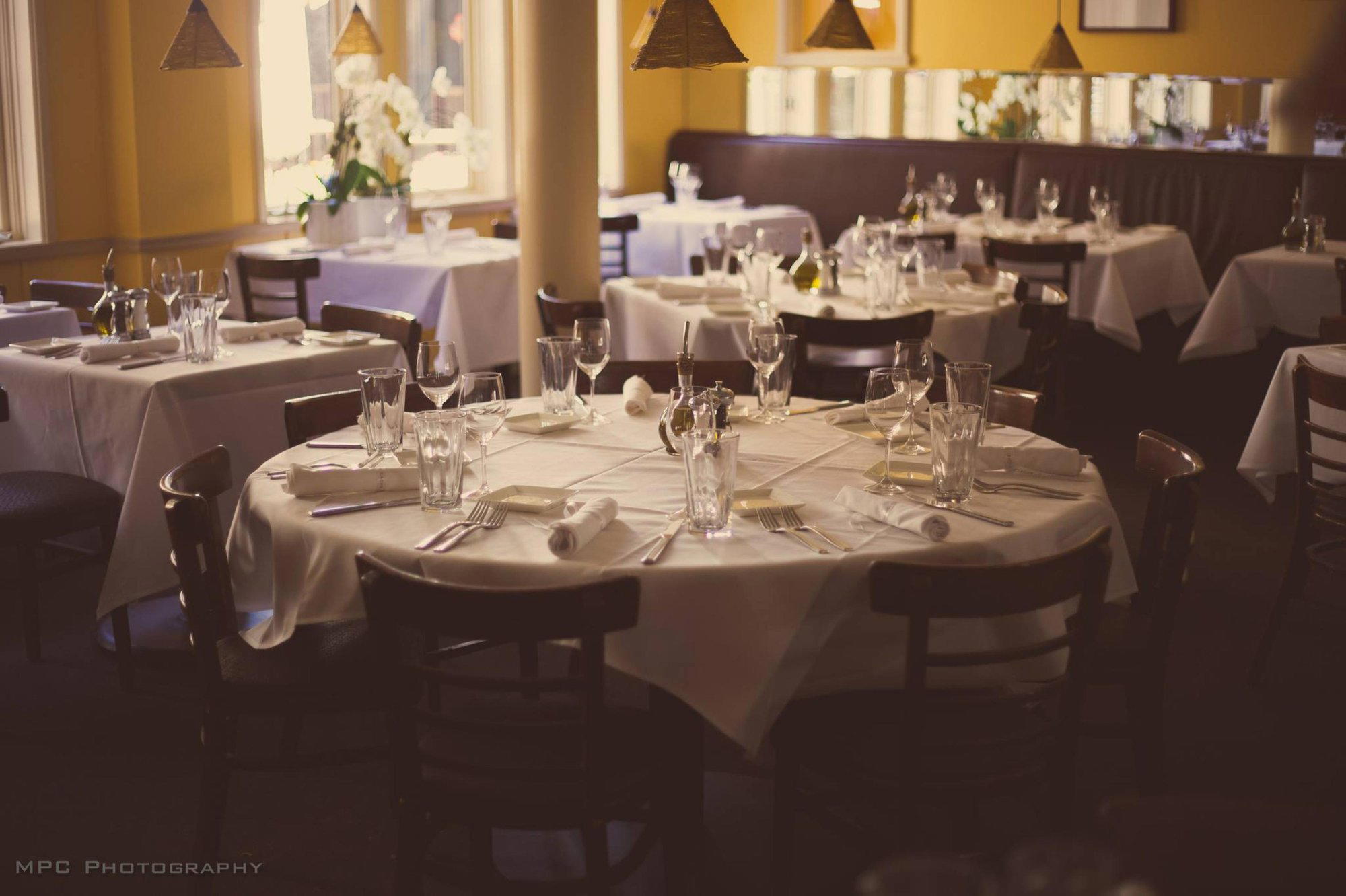
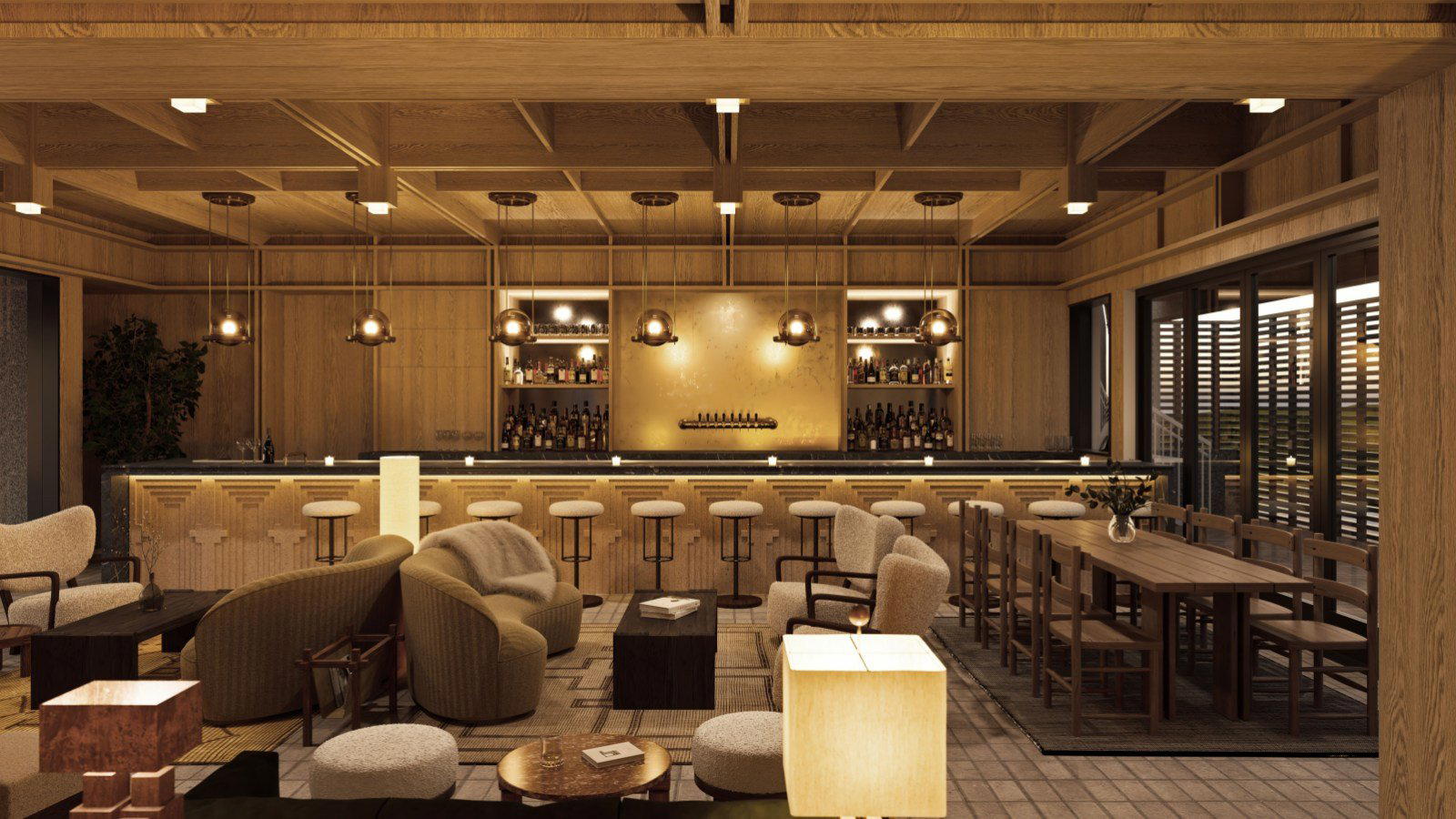
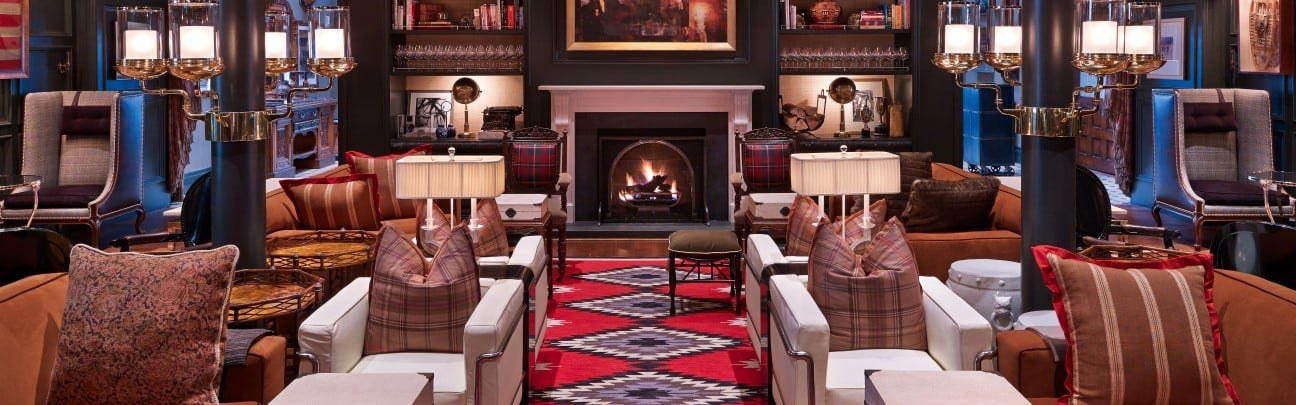
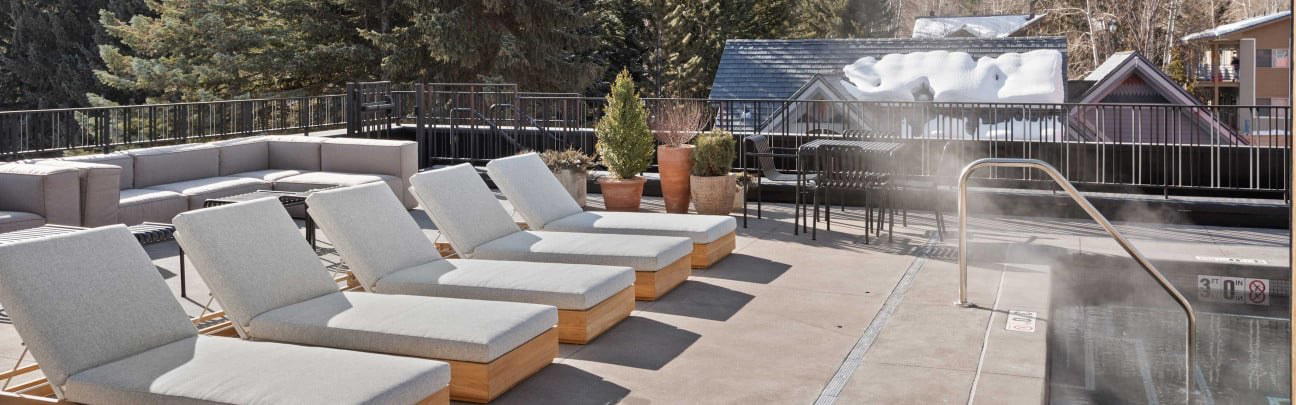
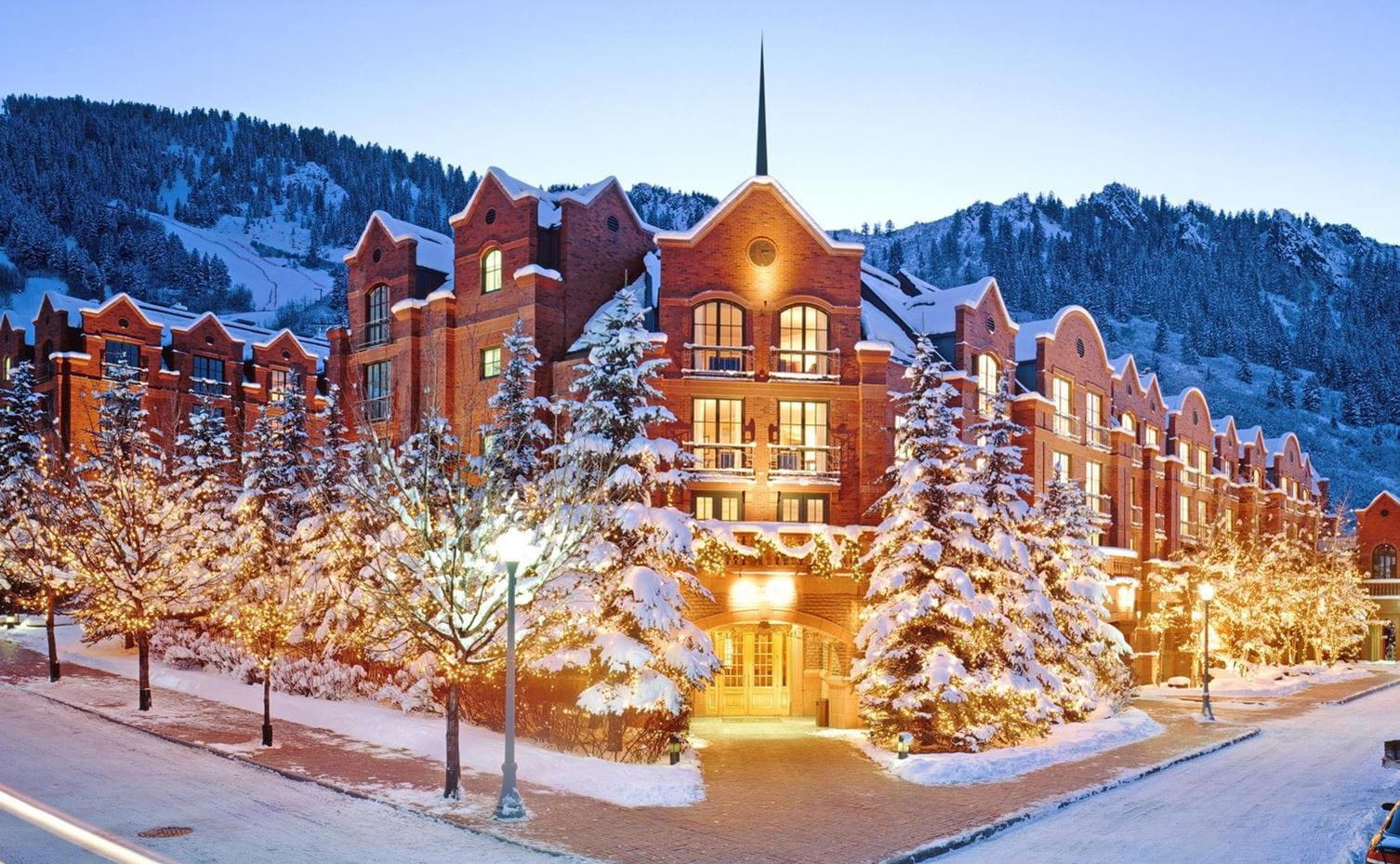
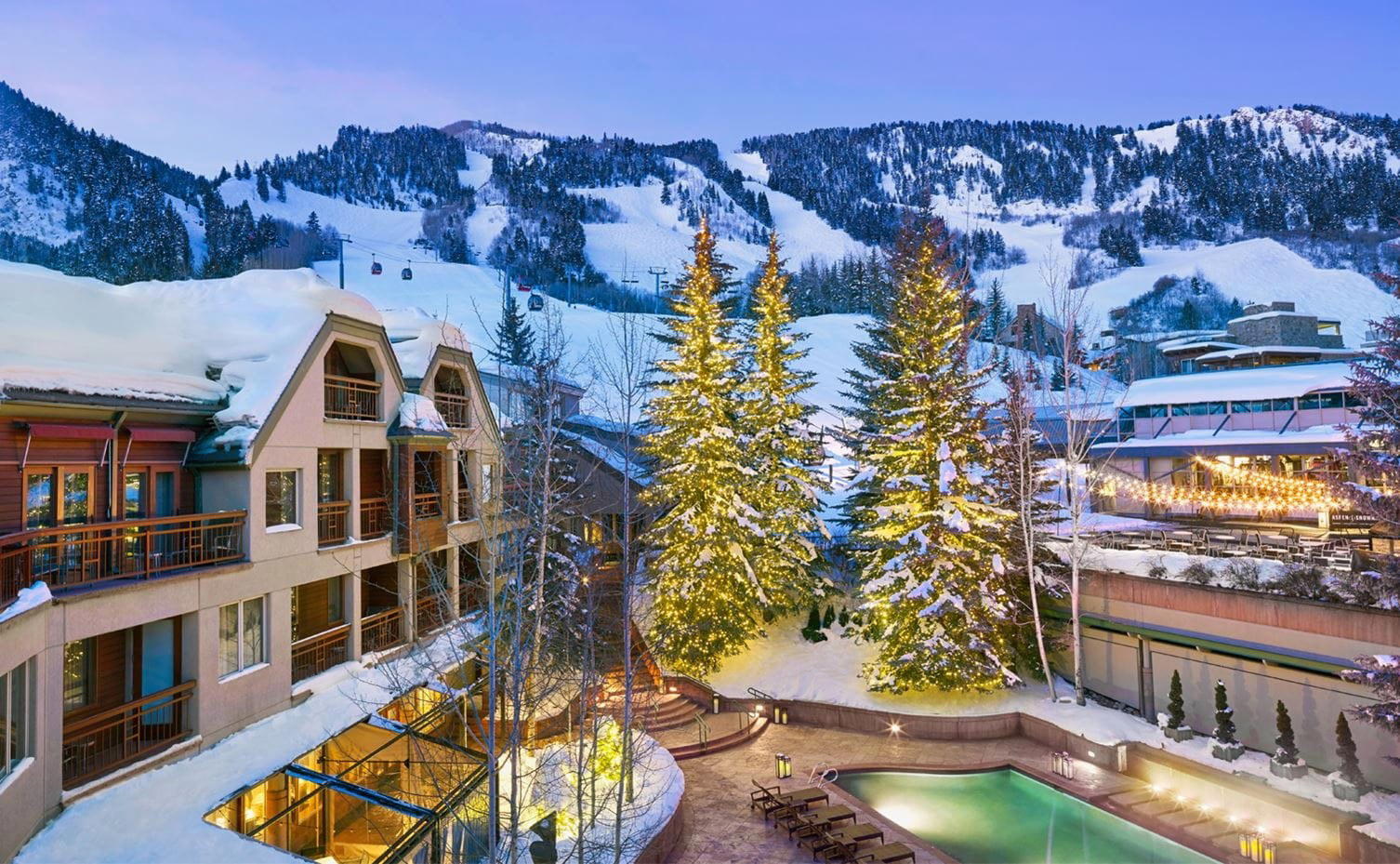
Relaxed and unassuming with limited indoor seating and a pleasant patio.