Bosq

Bosq holds a Michelin star on Aspen's restaurant circuit, where Chef Barclay Dodge builds tasting menus around foraged ingredients, fermentation, and local farms. The format lets diners configure their own four-plus course progression, and the dimly lit Mill Street room rewards those who lean into the sourcing story behind each plate. Book ahead; it fills consistently.
Pearl is the En Primeur Club membership app — saves, bookings, and concierge access live there. Same editors, same standards.
- Address
- 312 S Mill St, Aspen, CO 81611
- Phone
- (970) 710-7299
- Website
- bosqaspen.com
- Directions
- Get directions
 Saves & bookings on Pearl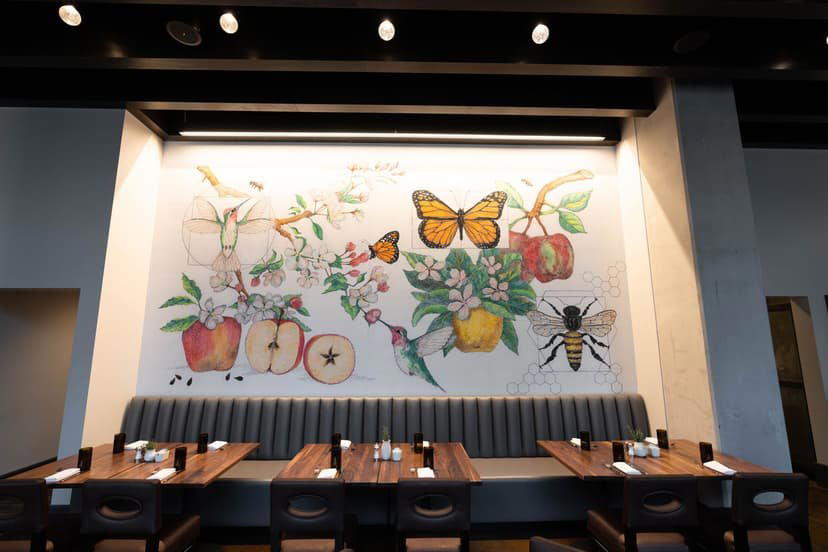
Where Aspen's Altitude Meets Serious Sourcing
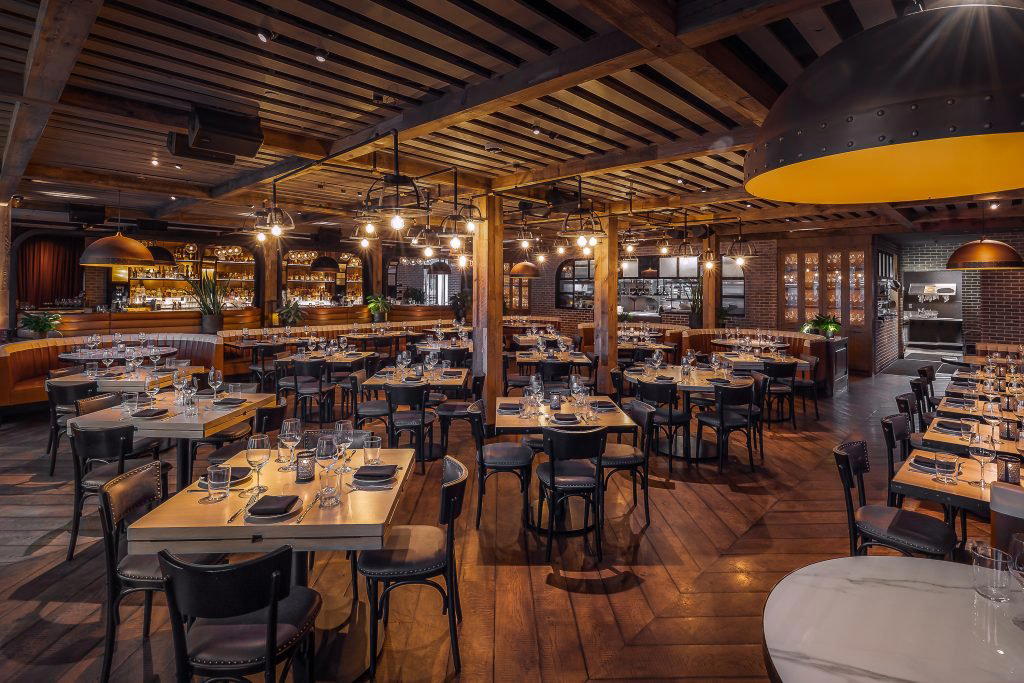
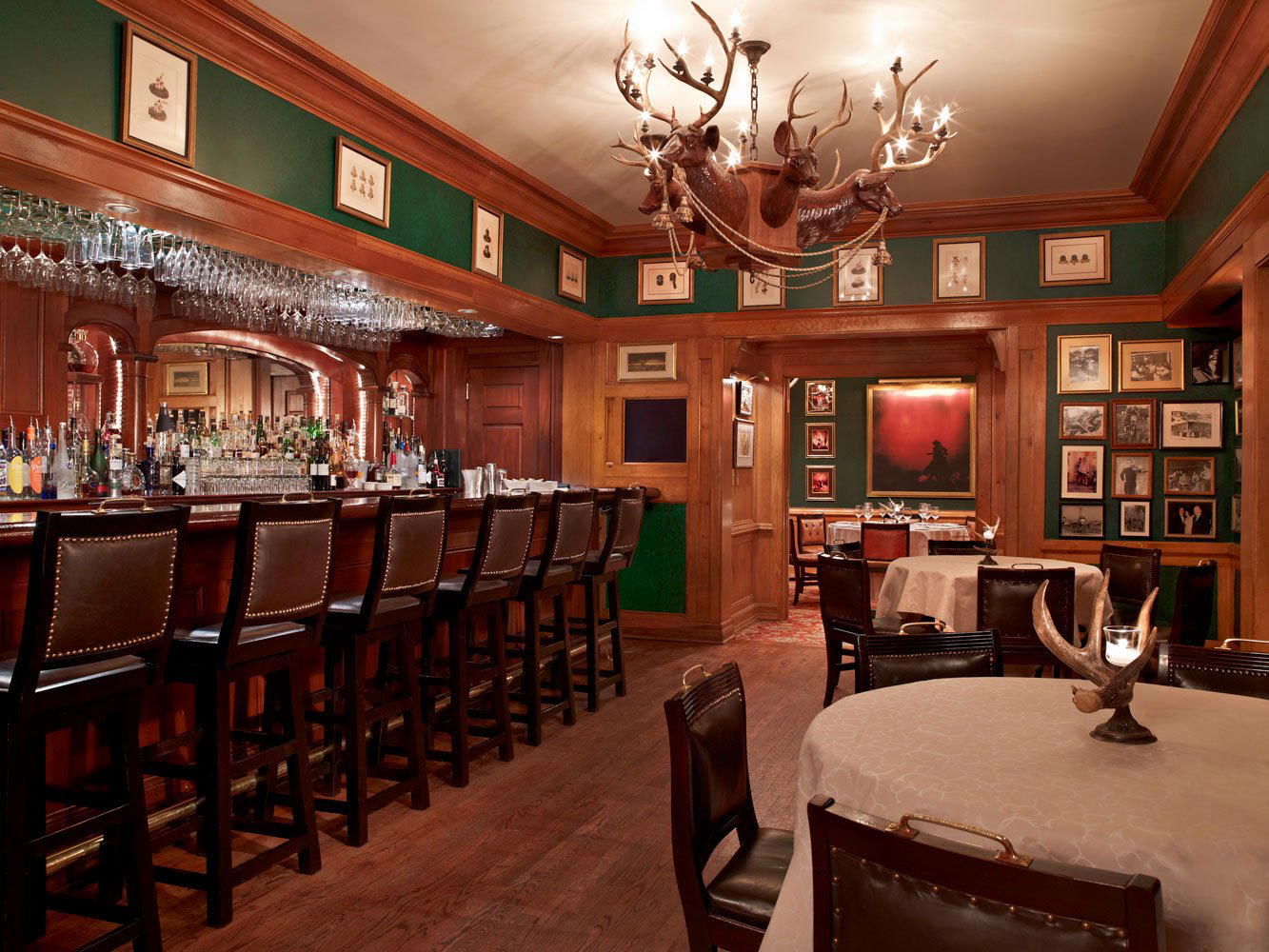
Mill Street in Aspen sits a short walk from the gondola base, flanked by the kind of restaurants that price against ski-resort demand rather than culinary ambition. Bosq, on the south end of that strip, operates on different logic. The interior is dim and close, the kind of room that reads as theatrical until the staff opens up about what's on the plate, at which point the atmosphere starts to feel earned rather than performed. A Michelin star awarded in 2024 confirmed what Aspen's dining circuit had already absorbed: this is one of the valley's most discipline-driven kitchens, and it belongs in a conversation with tasting-format restaurants beyond Colorado.
The city's top tier now includes a handful of rooms operating at national level alongside the more tourist-facing fare, and Bosq anchors the serious end of that range.
The Sourcing Framework Behind the Menu
Contemporary tasting menus at this price point tend to fall into two camps: those that gesture at local provenance as branding, and those where sourcing visibly drives culinary decisions. Bosq sits in the second category. The kitchen's identity centers on foraging, fermentation, and direct farm relationships, and the menu reads as a record of what that network produces rather than a fixed set of dishes dressed in seasonal language.
Spruce tips, hand-picked from the surrounding landscape, appear as an ingredient rather than a garnish. Butter comes from cooperative dairy cows sourced locally. Even when ingredients travel, lobster from New England, for instance, the kitchen anchors them to place by grilling over juniper wood, a detail that says something about how the team thinks about geography as a flavour variable rather than a marketing claim.
This approach puts Bosq in a peer group with ingredient-obsessed tasting rooms like Single Thread Farm in Healdsburg and, in its farm-to-counter discipline, shares a philosophical register with Lazy Bear in San Francisco. Both operate at the intersection of fine-dining structure and deep sourcing specificity. What distinguishes Bosq is the particular ecology it draws from: the high-altitude forests and ranches of the Roaring Fork Valley are a materially different larder than the Central Valley or Northern California coast, and the kitchen appears to use that difference deliberately.
Fermentation adds a second layer to the sourcing story. Preserving, pickling, and fermenting are not novelty techniques here; they extend the seasonality of ingredients that a mountain growing season cuts short. A kitchen that ferments is necessarily working with time as a variable, which shifts how dishes land texturally and flavourally in ways that straight sourcing alone doesn't achieve.
How the Format Works
The menu structure at Bosq is customisable, with diners selecting four or more courses from the available options. This sits between the rigidity of a fixed omakase and the informality of à la carte, and it works well for tables where one person wants to push further into the tasting format while another prefers a shorter progression. The staff are described as charmingly conversational rather than scripted, which matters in this kind of format: a flexible menu only functions if the front-of-house can articulate the sourcing context clearly enough for diners to make meaningful choices.
The wine list draws further praise in the Michelin citation, and at a room in Aspen, a list that earns independent mention is worth noting. Aspen's wine culture skews towards trophy Napa Cabernet and familiar Burgundy; a list that merits specific editorial notice in the same sentence as fermentation-driven food is likely ranging into less obvious territory. For those planning an evening around wine as much as food, that combination of flexibility and list depth is part of the calculus.
Where Bosq Sits in Aspen's Restaurant Tier
Aspen's $$$$ restaurant tier clusters around a handful of distinct formats. Element 47 at The Little Nell operates as the city's flagship wine-focused contemporary room. Hotel Jerome Century Room anchors the historic American dining tradition. French Alpine Bistro occupies the European mountain-lodge register. Mawa's Kitchen, a tier below at $$$, represents the city's more accessible contemporary offer.
Bosq sits in a different lane from all of them: it's the room most explicitly built around a sourcing philosophy rather than a cuisine tradition or hotel identity. That positioning makes it the directly comparable to ingredient-forward tasting rooms in other cities: Le Bernardin in New York City for sourcing precision, Alinea in Chicago for tasting-format commitment, or The French Laundry in Napa for the intersection of local agriculture and structured fine dining. The Michelin star places it in that national conversation rather than merely in Aspen's local hierarchy. Among contemporary tasting rooms beyond the US, it shares structural DNA with places like Jungsik in Seoul and César in New York City, where the format is flexible and the sourcing is the narrative spine.
For those also considering Emeril's in New Orleans or Prospect in Aspen, the comparison is useful: Bosq is the room for diners who want the sourcing story to drive the experience, not merely support it.
Planning Your Visit
Bosq holds. Given the Michelin recognition and the format's appeal to the high-spending visitor bracket Aspen attracts in both winter and summer seasons, the room fills reliably. Booking ahead is essential. The address is 312 S Mill St, reachable on foot from most central Aspen accommodation.
Comparison Snapshot
Comparable venues nearby, for context on price, style, and recognition.
| Venue | Cuisine | Price | Awards | Notes |
|---|---|---|---|---|
| BosqThis venue — the venue you are viewing | Modern Foraged Contemporary | $$$$ | Michelin 1 Star | Not listed |
| The Little Nell | Colorado Contemporary Fine Dining | $$$$ | Not listed | Aspen Flyover 1/4 Section Grid |
| Element 47 | Colorado Contemporary Fine Dining | $$$$ | Michelin Plate | Aspen Flyover 1/4 Section Grid |
| Prospect | Seasonal American Bistro | $$$$ | Michelin Plate | Aspen Flyover 1/4 Section Grid |
| Cloud Nine Alpine Bistro Aspen Highlands | Alpine European Bistro | $$$$ | Not listed | Aspen Flyover 1/4 Section Grid |
| Kenichi | Contemporary Japanese Sushi and Steakhouse | $$$$ | Not listed | Aspen Flyover 1/4 Section Grid |
Recognition history
Dated appearances from independent guides and award organizations, with the underlying list record or original source where available.
Michelin 1 Star
Michelin
Michelin 1 Star
Michelin
At a Glance
- Intimate
- Elegant
- Sophisticated
- Special Occasion
- Date Night
- Celebration
- Open Kitchen
- Extensive Wine List
- Sommelier Led
- Farm To Table
- Local Sourcing
Current opening hours
- Monday
- Closed
- Tuesday
- 5:30–10:30 PM
- Wednesday
- 5:30–10:30 PM
- Thursday
- 5:30–10:30 PM
- Friday
- 5:30–10:30 PM
- Saturday
- 5:30–10:30 PM
- Sunday
- 5:30–10:30 PM
Hours can change for holidays and private events. Last verified .
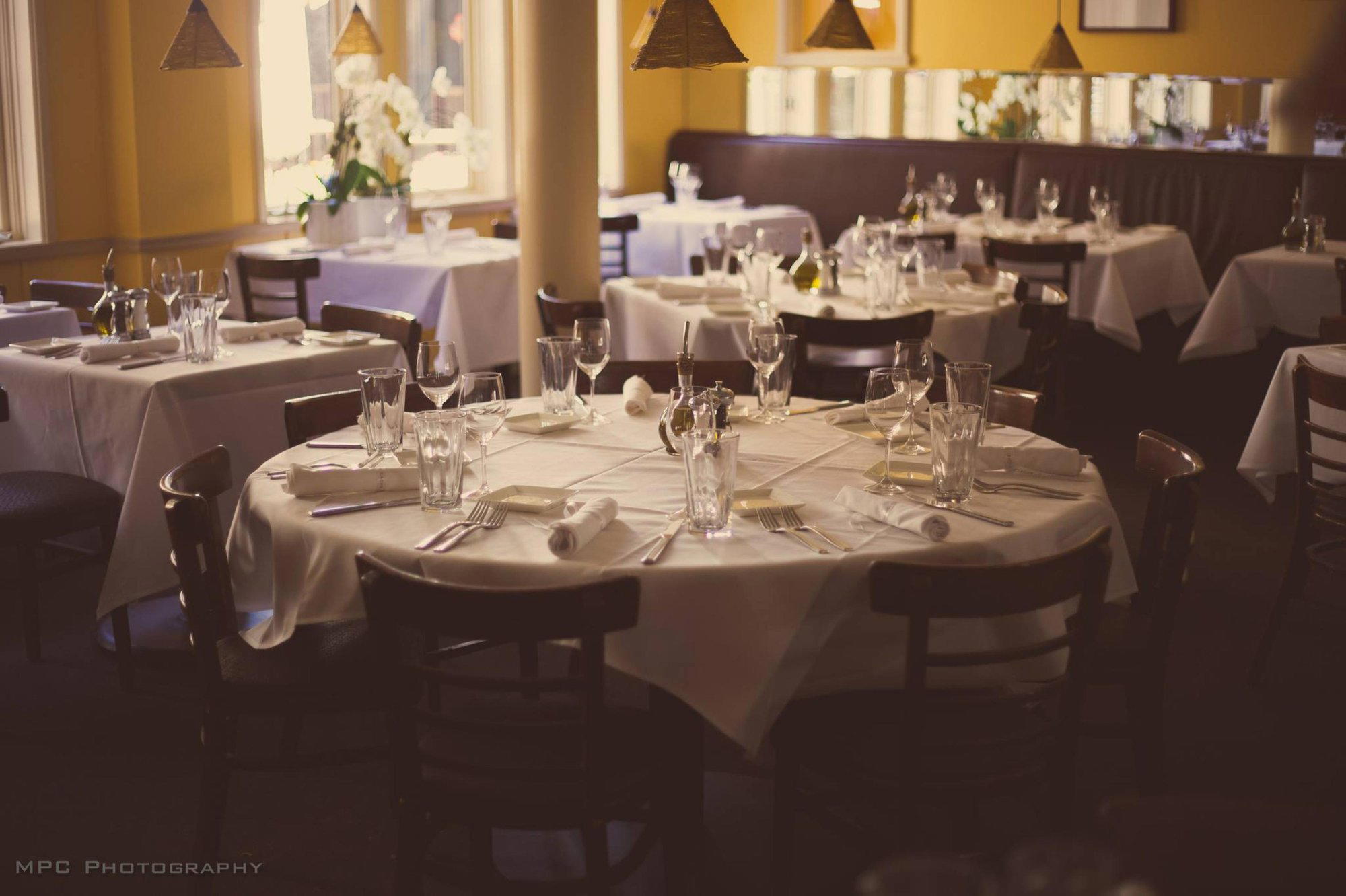
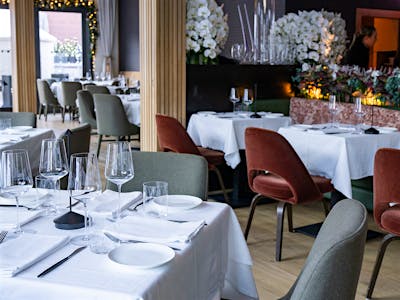
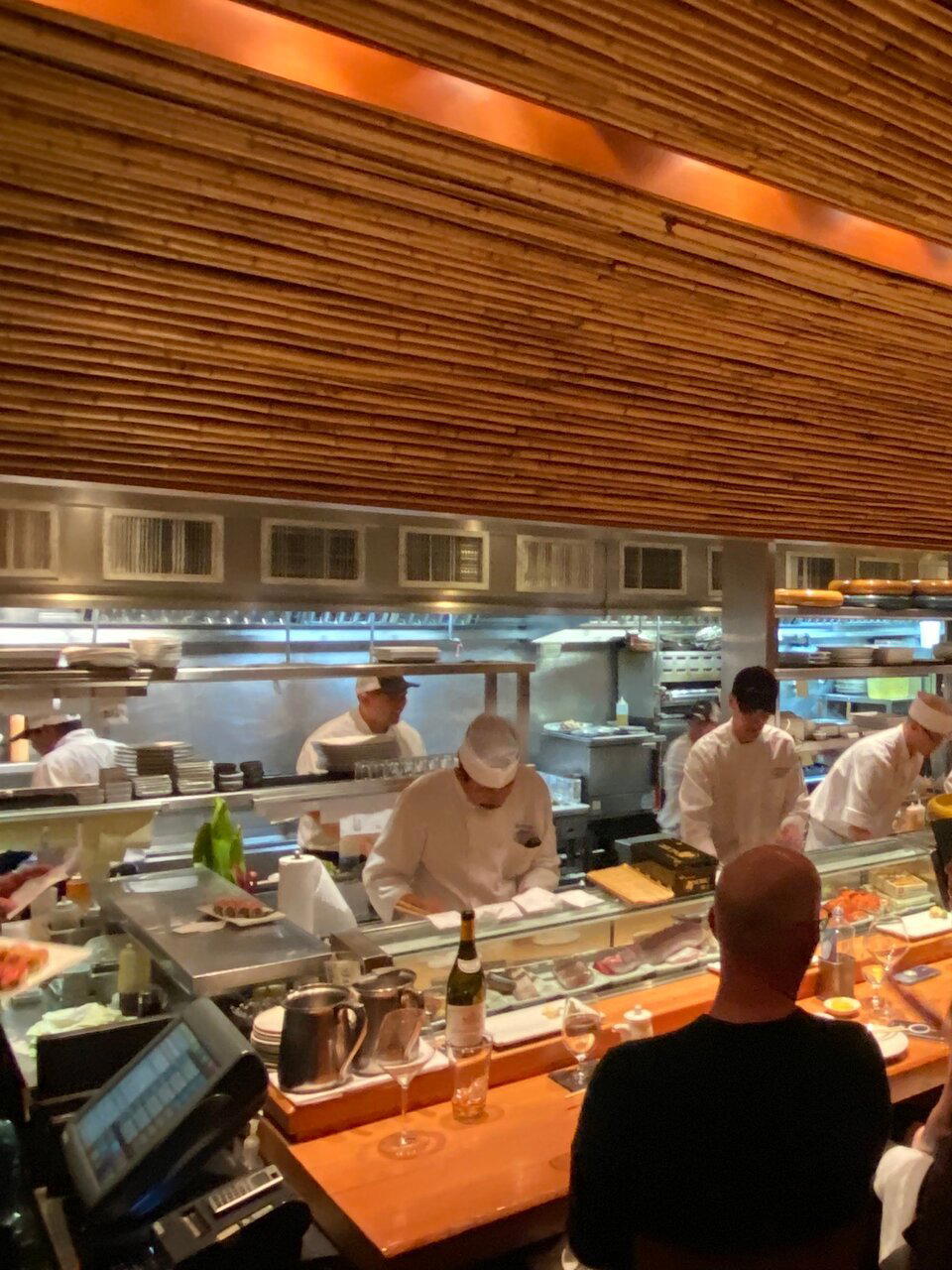
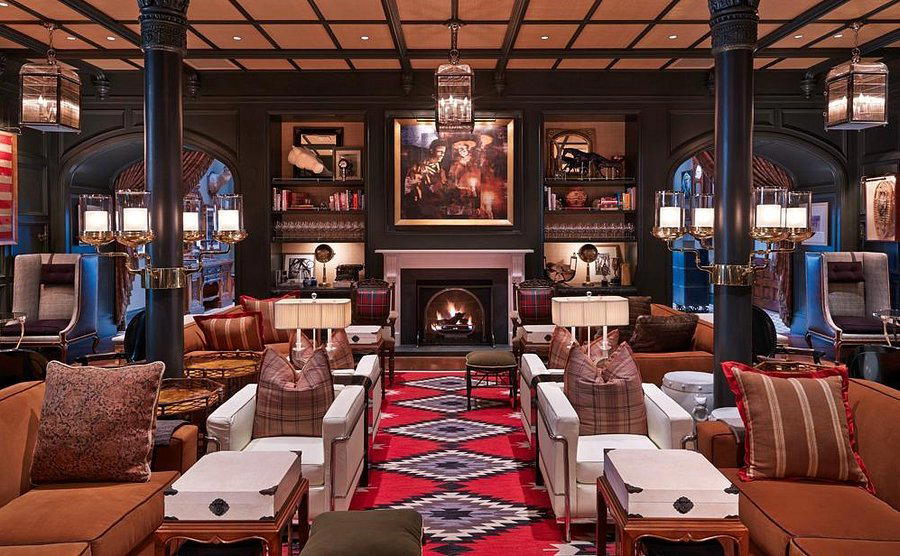
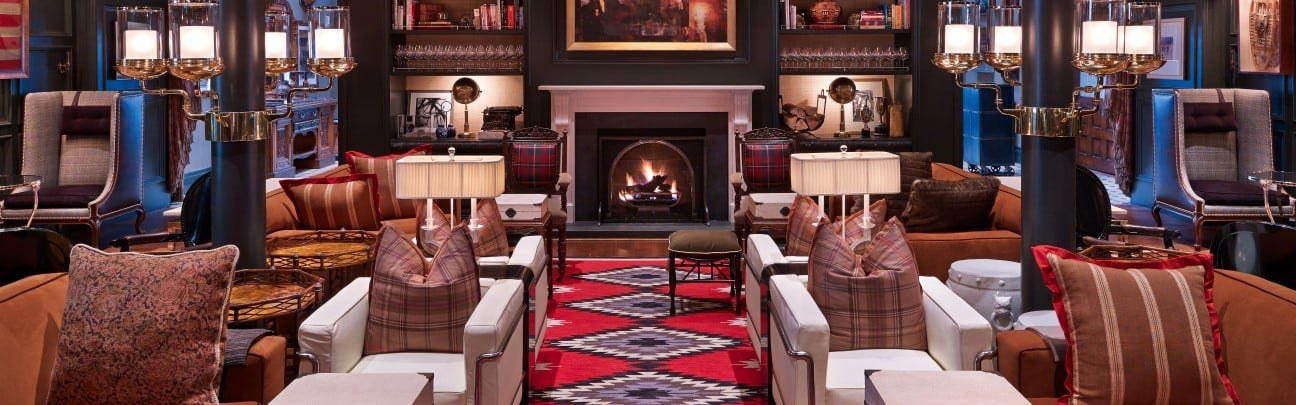
Intimate, dimly lit interior that reads moody and mysterious with a cozy, down-to-earth vibe.