Aosta Ristorante


Aosta Aspen earned a White Star recognition from Star Wine List in March 2025, placing it among Aspen's most seriously curated dining addresses for wine-forward guests. Located on East Durant Avenue, it operates in a town where ingredient provenance and cellar depth carry real weight. For visitors building a high-end Aspen itinerary, it belongs on the shortlist alongside the mountain resort's most considered rooms.
Pearl is the En Primeur Club membership app — saves, bookings, and concierge access live there. Same editors, same standards.
- Address
- 219 E Durant Ave, Aspen, CO 81611
- Phone
- (970) 429-6599
- Website
- aostaaspen.com
- Directions
- Get directions
 Saves & bookings on Pearl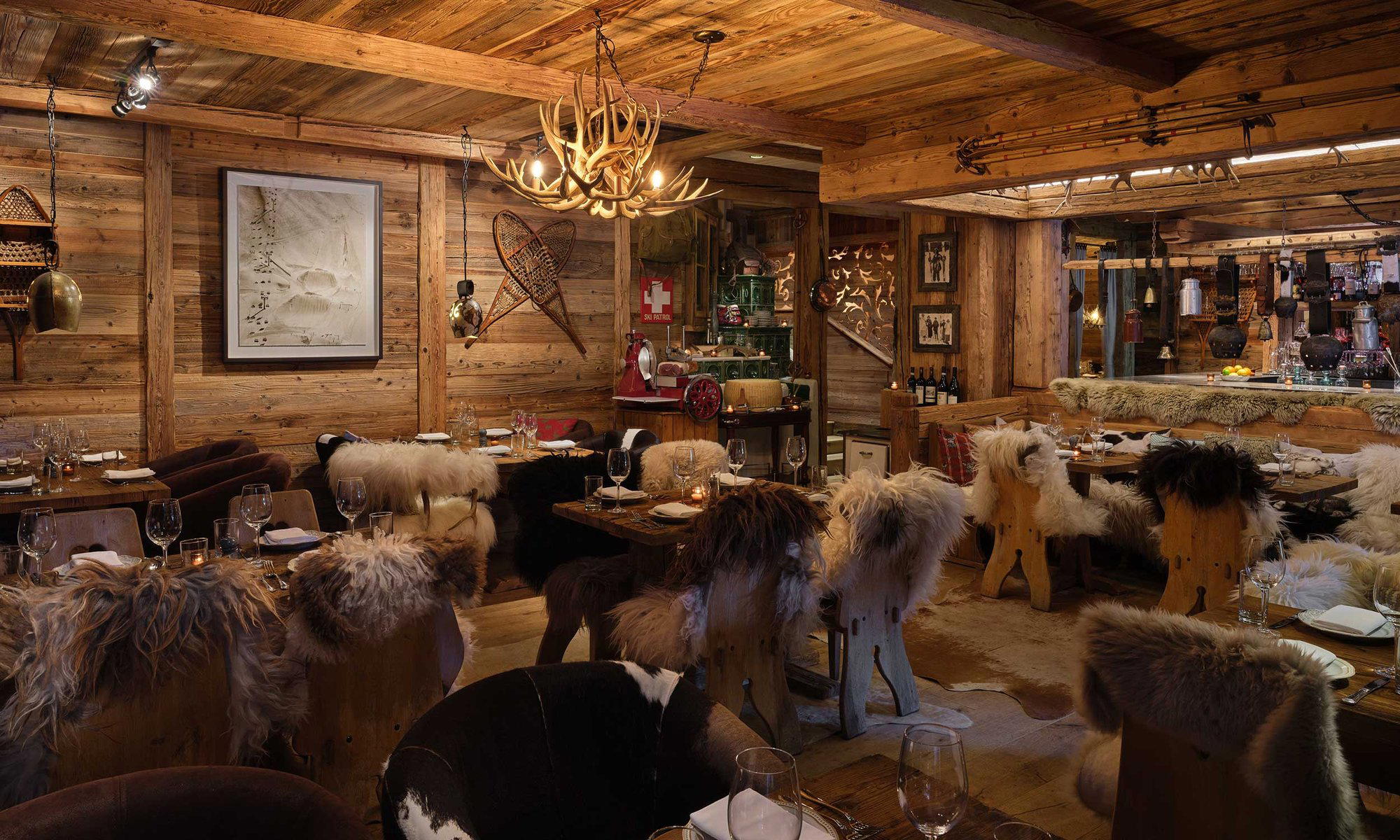
Where Aspen's Dining Ambitions Meet Alpine Sourcing
East Durant Avenue sits one block south of Aspen Mountain's gondola base, which means the restaurants here compete for a specific kind of guest: someone who has just spent a serious day on the mountain and now expects the evening to match it. The street carries a residential quietness that the main commercial drag on Galena lacks, and venues here tend to lean into that register, pitching atmosphere toward considered rather than conspicuous. Aosta Aspen is a restaurant at 219 E Durant Ave in Aspen, Colorado. Aosta is the Italian alpine region that borders France and Switzerland, a territory defined by valley farming, high-altitude viticulture, and a larder shaped by both Mediterranean and Central European traditions. The name positions the kitchen conceptually inside that tradition from the outset.
The Star Wine List Recognition and What It Signals
In March 2025, Star Wine List awarded Aosta Aspen a White Star. Star Wine List is a Scandinavian-founded global platform that evaluates wine programs independently of food criticism; a White Star designation indicates that the sommelier program or wine list meets a documented standard of depth, sourcing diversity, or structural coherence. For a restaurant operating in a ski town, where wine lists often function as revenue tools rather than curation exercises, that recognition carries comparative weight. It puts Aosta alongside a small number of Aspen addresses where the glass in front of you has been selected with the same attention as the plate.
Aspen's dining tier has historically been anchored by properties like Element 47 at the Little Nell, which holds its own James Beard-nominated wine program, and the more casual but deeply local register of Bosq, where foraged ingredients drive a tasting menu format. Aosta's White Star places it in conversation with the former tier: wine programs serious enough to be evaluated on their own terms, independent of the food they accompany.
Alpine Sourcing as a Culinary Framework
The Italian alpine tradition that the name invokes is not a decorative reference. The Aosta Valley has among the more distinctive larders in Italy: fontina DOP from cattle grazed above 1,000 meters, cured meats shaped by both Italian and French charcuterie methods, and wines produced from indigenous varieties like Petit Rouge and Fumin on steep terraced slopes that most winemakers elsewhere would decline to farm. Kitchens that draw on this tradition are making a statement about restraint and specificity over abundance, because the alpine growing season is short and the available ingredients are defined by altitude and cold.
In a resort town like Aspen, where guest expectations run toward volume and luxury signaling, a kitchen aligned with an alpine sourcing philosophy positions itself differently from steakhouse-scale indulgence or Pacific Rim eclecticism. The comparison point internationally would be somewhere like Alain Ducasse's Louis XV in Monte Carlo, which made a foundational argument decades ago that alpine and Mediterranean product, not Parisian technique for its own sake, should define a serious kitchen's ambitions. Aosta Aspen operates on a much smaller canvas, but the sourcing logic points in a similar direction.
Aspen's own ingredient geography makes this framework coherent rather than arbitrary. Colorado's front range and Western Slope farms produce lamb, heritage grains, and stone fruit with genuine seasonal specificity. The high-altitude growing conditions across the region create shorter seasons and more concentrated flavors in produce, which maps naturally onto an alpine cooking sensibility. Restaurants in Aspen that commit seriously to local and regional sourcing, such as French Alpine Bistro, which has maintained a mountain-European culinary identity for years, are operating inside a tradition that Aosta's name places it within.
The Aspen Context: What the Room Is Competing Against
Aspen supports a restaurant scene disproportionate to its permanent population of roughly 7,500 people. Seasonal visitor volumes, a high concentration of second-home owners with serious dining habits, and the proximity of other resort towns drive a market that can sustain price points and format ambitions closer to major metro markets than most Colorado towns. The result is a genuine competitive field. Matsuhisa Aspen brings a globally credentialed Japanese kitchen to town; Hotel Jerome's Century Room anchors the American fine dining tradition at one of the Rockies' most historically significant hotel addresses.
Within that field, a wine-program distinction from Star Wine List gives Aosta a specific competitive position: it is a room where the cellar, not just the kitchen, is a reason to book. That is a defensible niche in a market where food quality is the assumed baseline and the differentiators tend to be format, atmosphere, or program depth. For comparison, wine-forward restaurants in other American markets that have built reputations primarily through program rigor, rather than solely through star-driven kitchens, have often shown longer durability than peers relying on a single chef's profile. Single Thread Farm in Healdsburg and Lazy Bear in San Francisco both demonstrate that format coherence and sourcing commitment create an identity that outlasts any individual menu cycle.
Planning a Visit
Aosta Aspen is located at 219 E Durant Ave, a short walk from the Aspen Mountain gondola base and within easy reach of the town's main hotel corridor.
For guests who move between destination dining rooms across the country, the broader reference set for this category of wine-serious, sourcing-committed alpine-inflected dining includes kitchens like Le Bernardin in New York City, Alinea in Chicago, The French Laundry in Napa, and Emeril's in New Orleans, each of which has built a durable identity around a specific set of commitments rather than a single season's menu. Aosta operates at a different scale, but the underlying logic of identity-through-sourcing is the same.
Quick Comparison
Comparable venues nearby, for context on price, style, and recognition.
| Venue | Cuisine | Price | Notes |
|---|---|---|---|
| Aosta AspenThis venue — the venue you are viewing | Alpine Italian | $$$ | Not listed |
| The Snow Lodge | Coastal Italian | $$$$ | Aspen Flyover 1/4 Section Grid |
| CHICA Aspen | Modern Latin American | $$$ | Aspen Flyover 1/4 Section Grid |
| West End Social | Farm-to-Table Contemporary American | $$$ | Aspen Flyover 1/4 Section Grid |
| Grey Lady | Nantucket-Inspired Seafood | $$$ | Aspen Flyover 1/4 Section Grid |
| Sushi Nakazawa | Modern Japanese Omakase | $$$$ | downtown |
Recognition history
Dated appearances from independent guides and award organizations, with the underlying list record or original source where available.
Star Wine List
Star Wine List
Wine Spectator Best of Award of Excellence
Wine Spectator

At a Glance
- Cozy
- Rustic
- Elegant
- Romantic
- Sophisticated
- Date Night
- Special Occasion
- Open Kitchen
- Craft Cocktails
Current opening hours
- Monday
- Closed
- Tuesday
- Closed
- Wednesday
- Closed
- Thursday
- Closed
- Friday
- Closed
- Saturday
- Closed
- Sunday
- Closed
Hours can change for holidays and private events. Last verified .
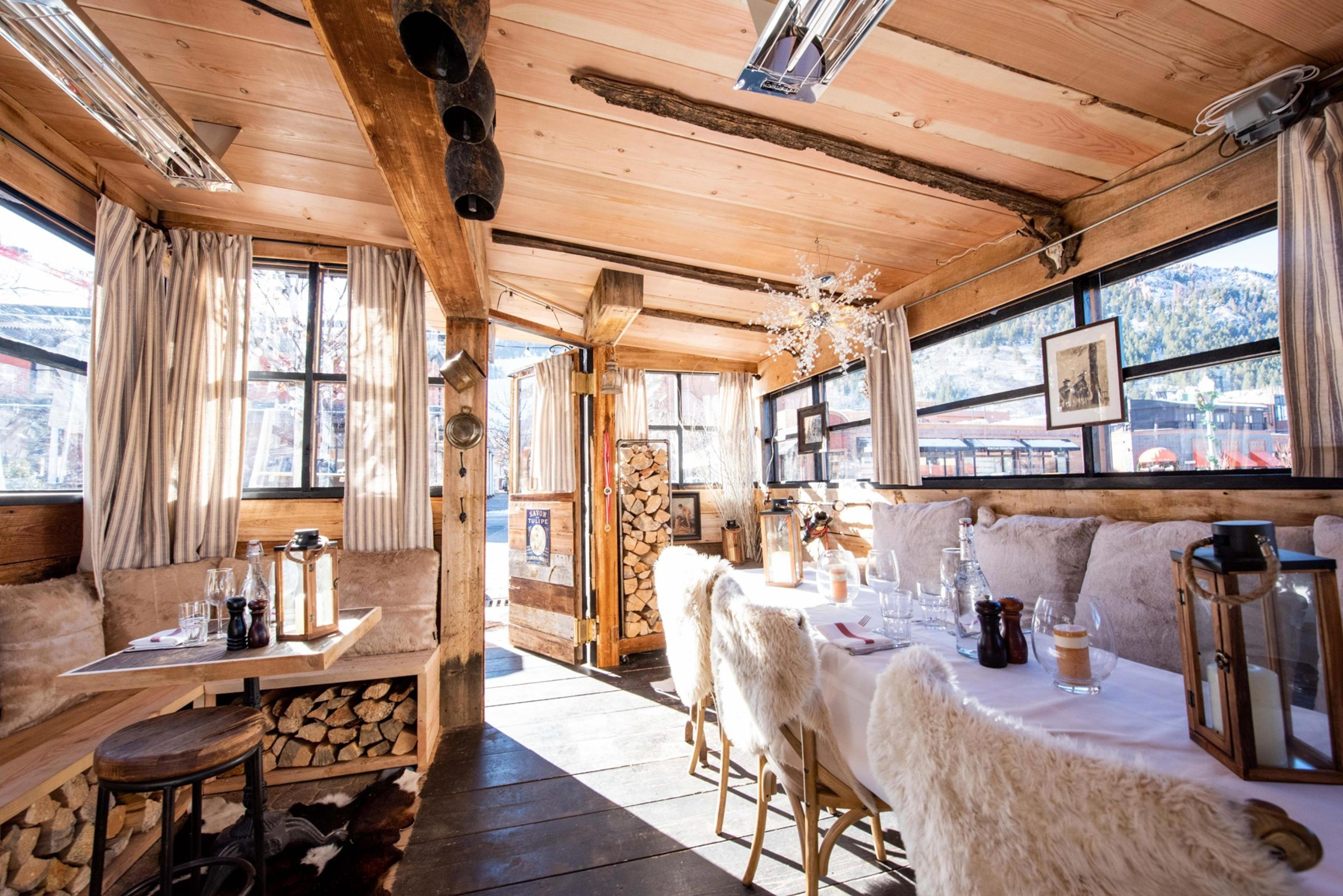
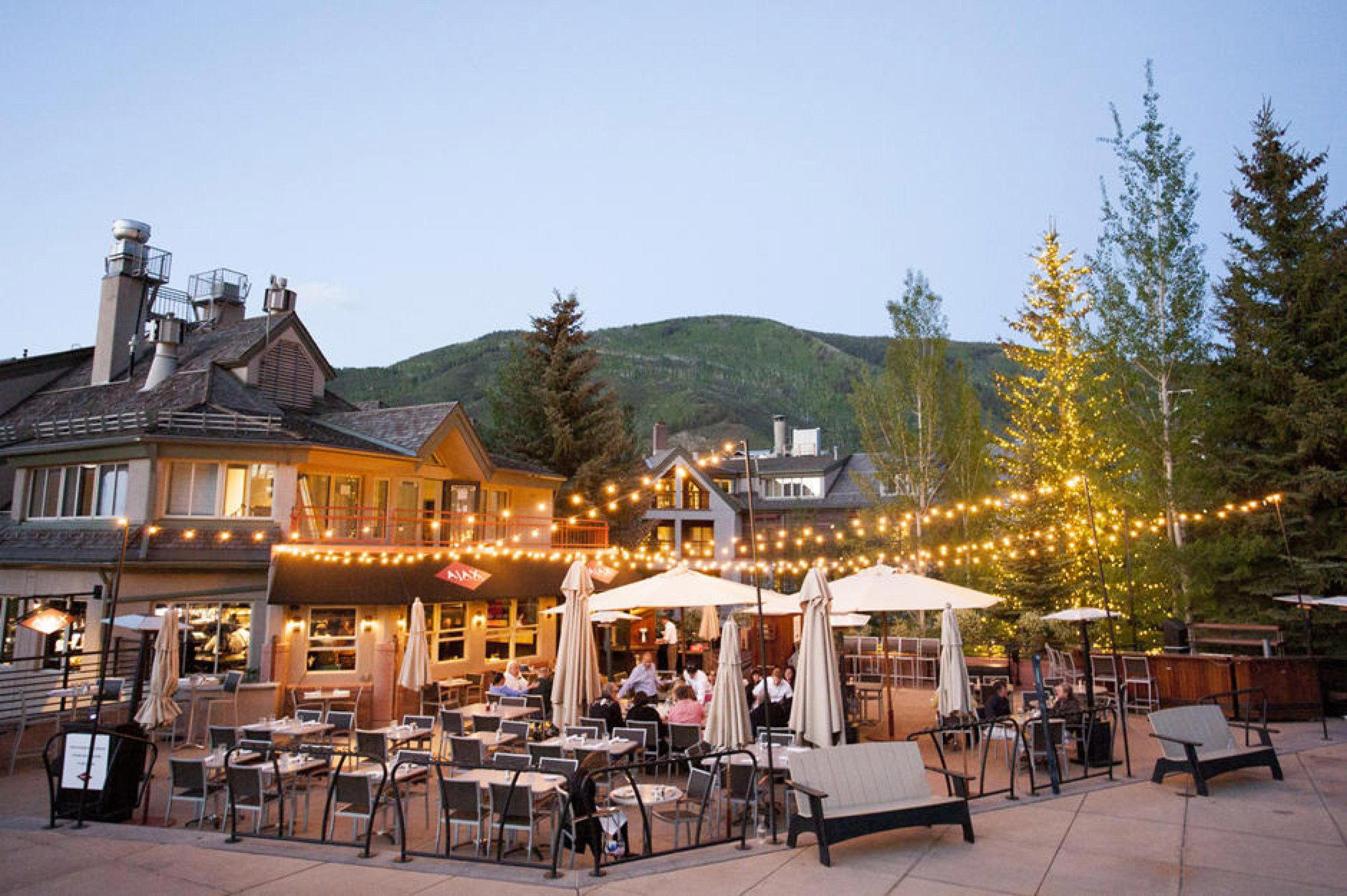
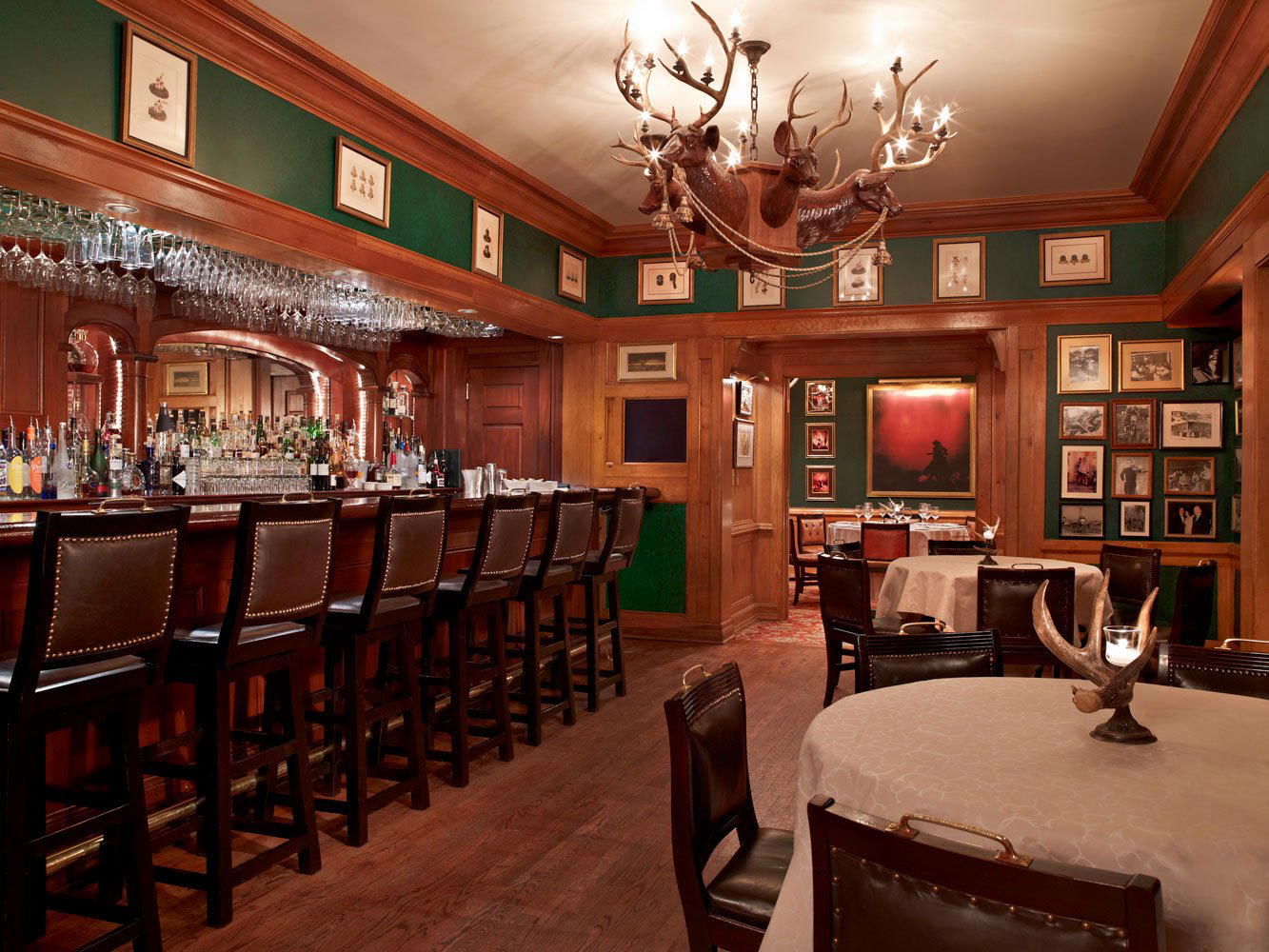
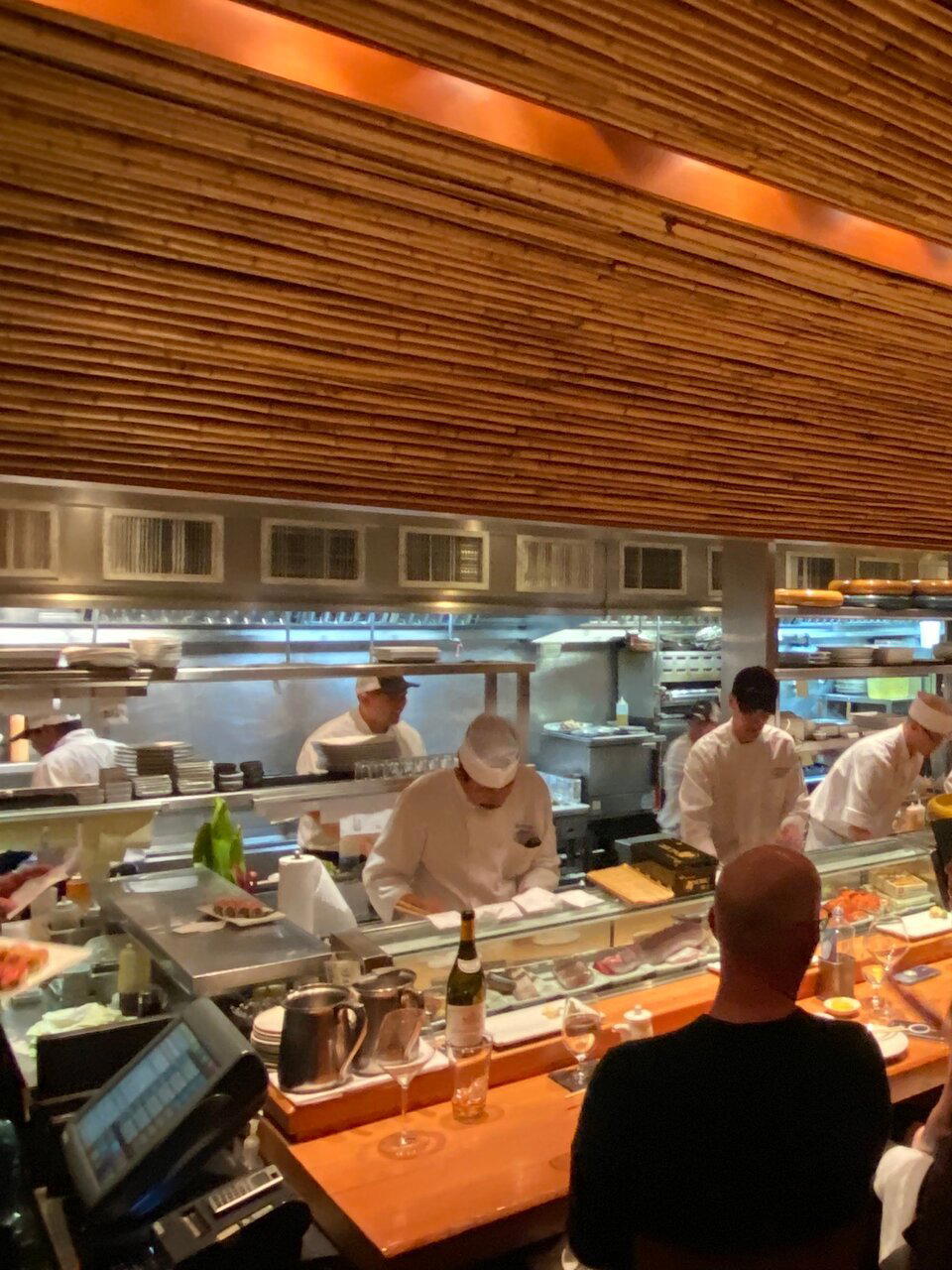
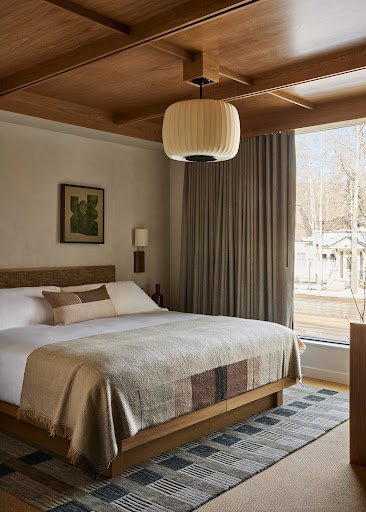
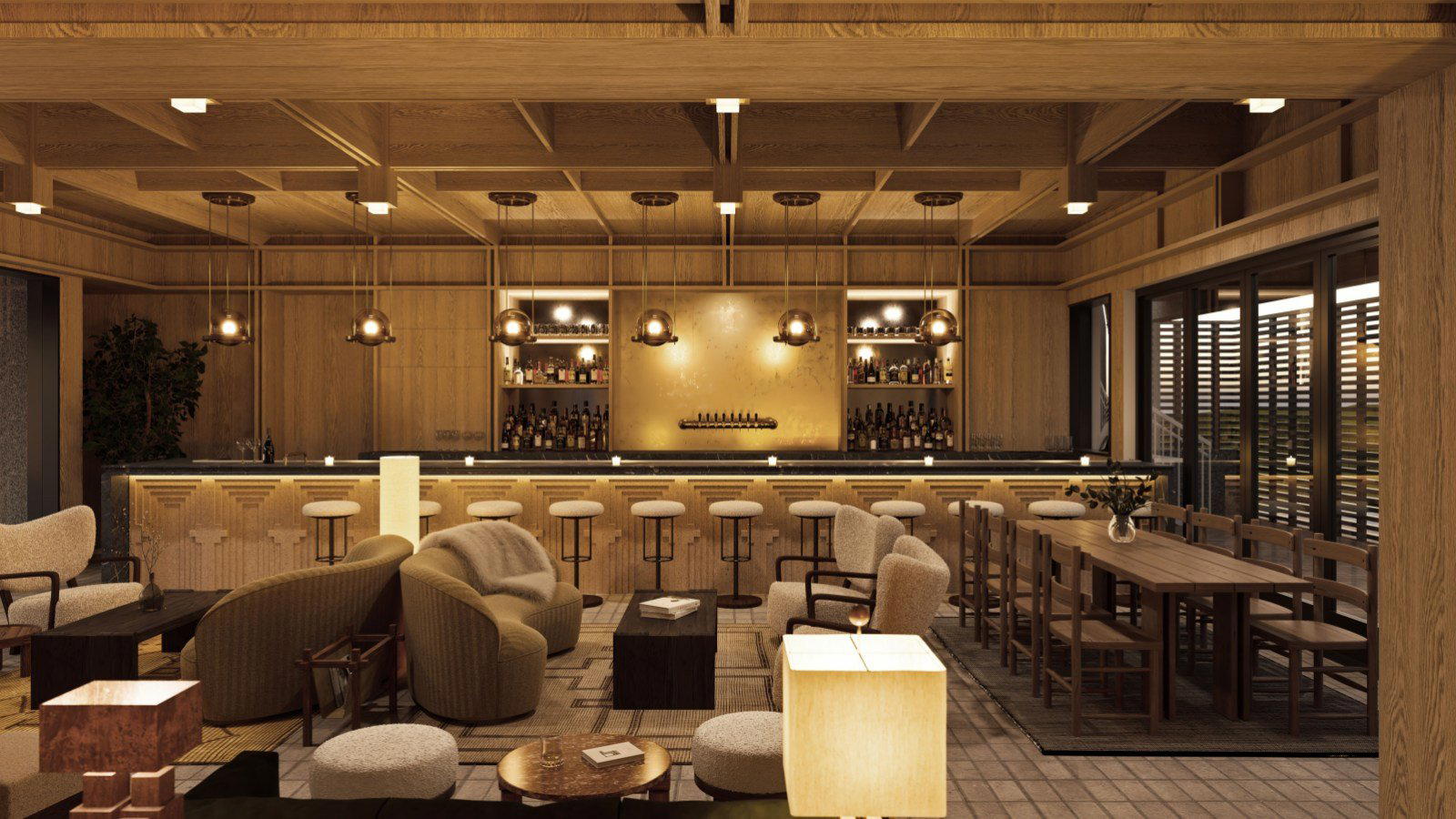
Warm and rustic elegance with Alpine wood-paneled walls, cozy fur pelts on chairs, hide rugs, and soft antler chandelier lighting creating an inviting, transportive mountain atmosphere.