Kellari Taverna
Our verdict
Kellari Taverna on West 44th Street occupies the Midtown Greek dining tier that sits between casual souvlaki counters and the rarefied tasting-menu circuit. The room draws a mix of theatre-district regulars and business lunchers who want seafood-led Mediterranean cooking without the ceremony of a multi-course format. Its address in the Bryant Park corridor puts it within the city's densest concentration of expense-account restaurants.

Pearl is the En Primeur Club membership app, where members save venues, book tables and use the concierge.

The menu
What to order
- Grilled whole fish
- Grilled octopus
- Lamb chops
Midtown's Greek Dining Tier and Where Kellari Sits
New York's Greek restaurant scene has always operated on two distinct tracks. The first runs through Astoria, where generations of Greek-American families built a neighbourhood dining culture around whole fish, horiatiki, and communal tables. The second track runs through Midtown Manhattan, where a smaller cluster of taverna-style restaurants has spent decades serving the business lunch and pre-theatre crowd that moves through the Bryant Park and Times Square corridor daily. Kellari Taverna, at 19 West 44th Street, belongs firmly to the second track, and understanding that position clarifies what the restaurant is designed to do.
The address itself carries context. West 44th Street sits between Fifth Avenue and Sixth Avenue, one block south of Bryant Park, in a stretch that also contains a concentration of private clubs, law firms, and publishing offices. The dining room is closer in character to the expense-account Mediterranean restaurants of Midtown than to the fish tavernas of the Aegean, which is neither a criticism nor an apology, simply the operating reality of feeding a lunch crowd that measures a meal partly by how little time it wastes.
The Room: What You Notice First
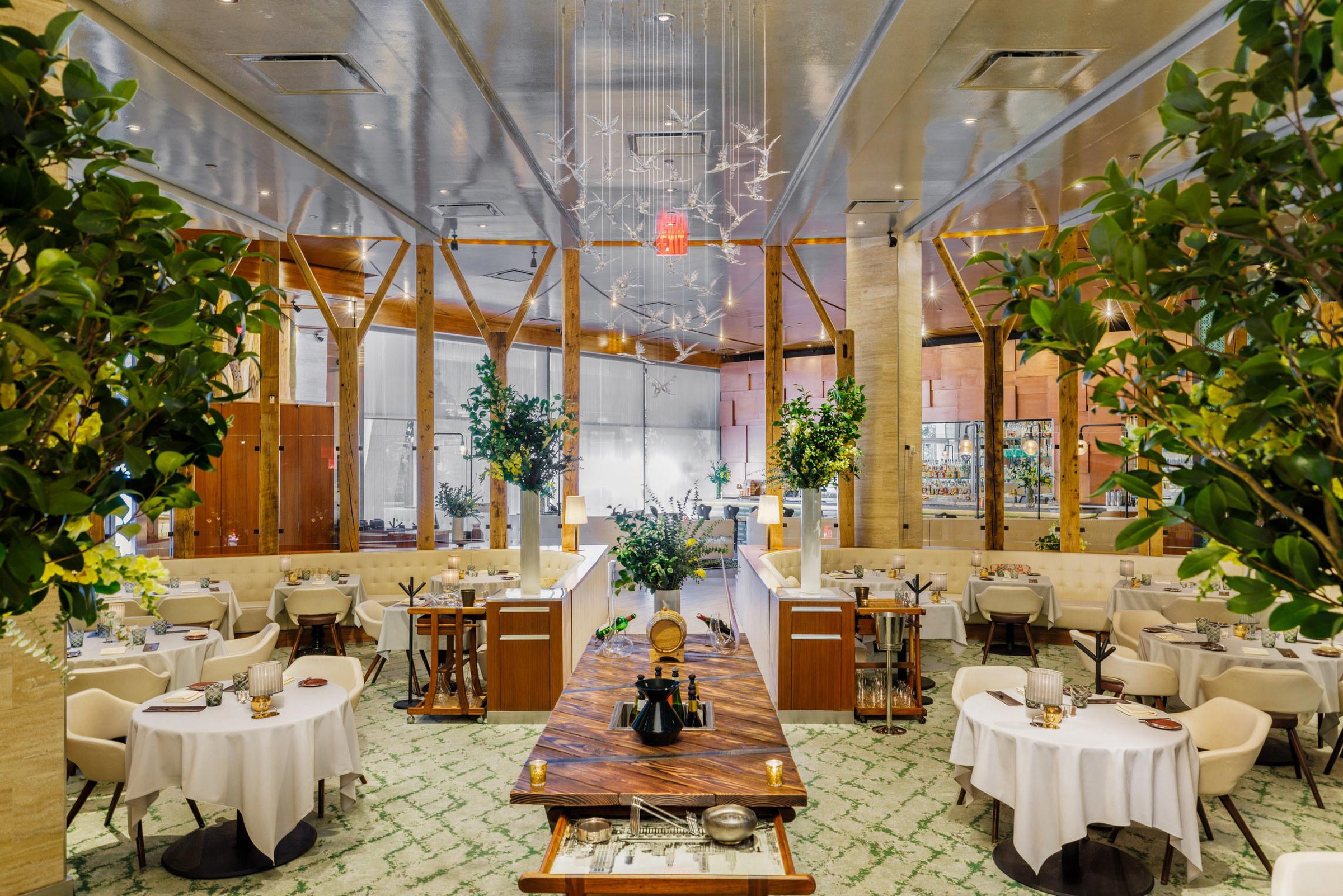
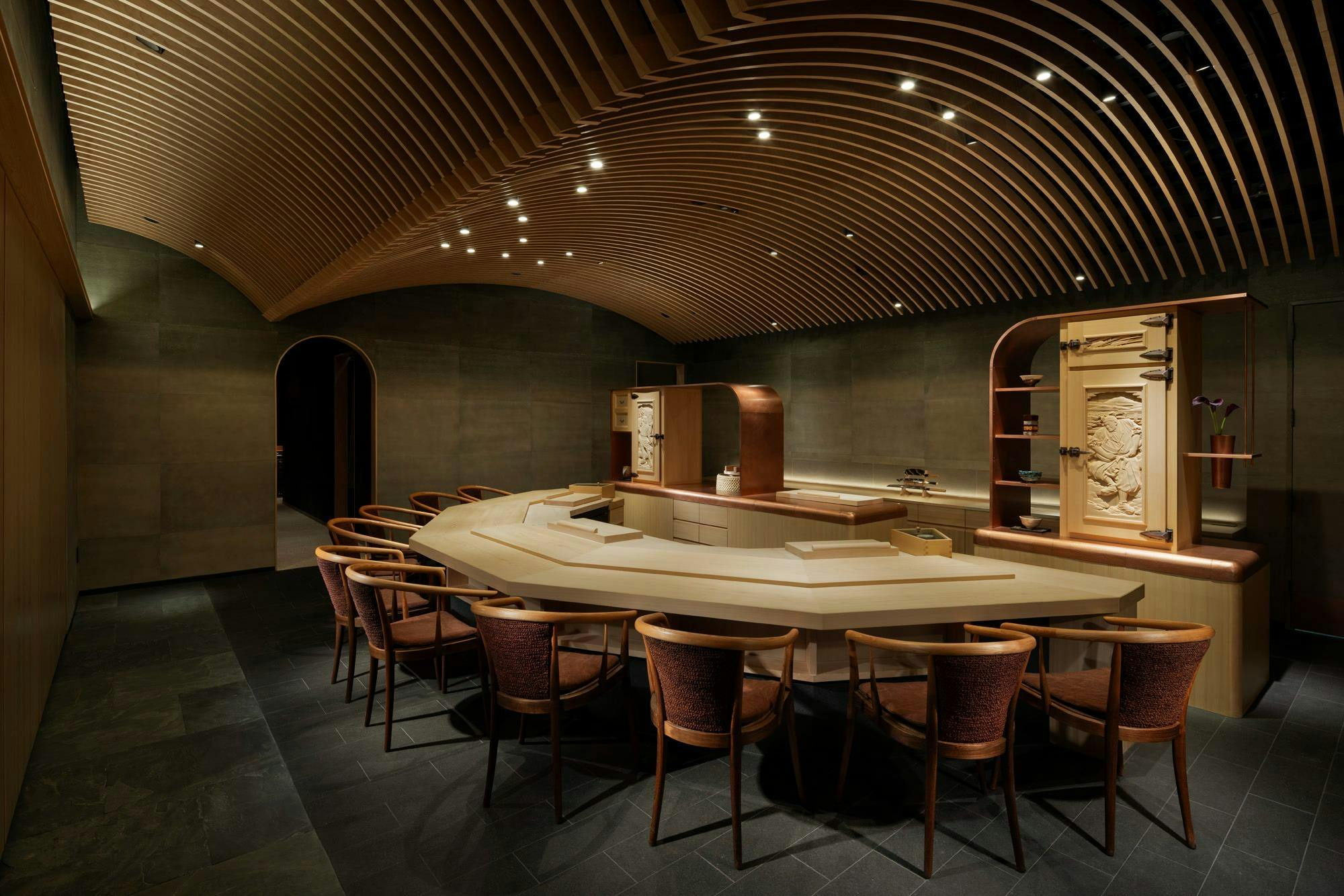
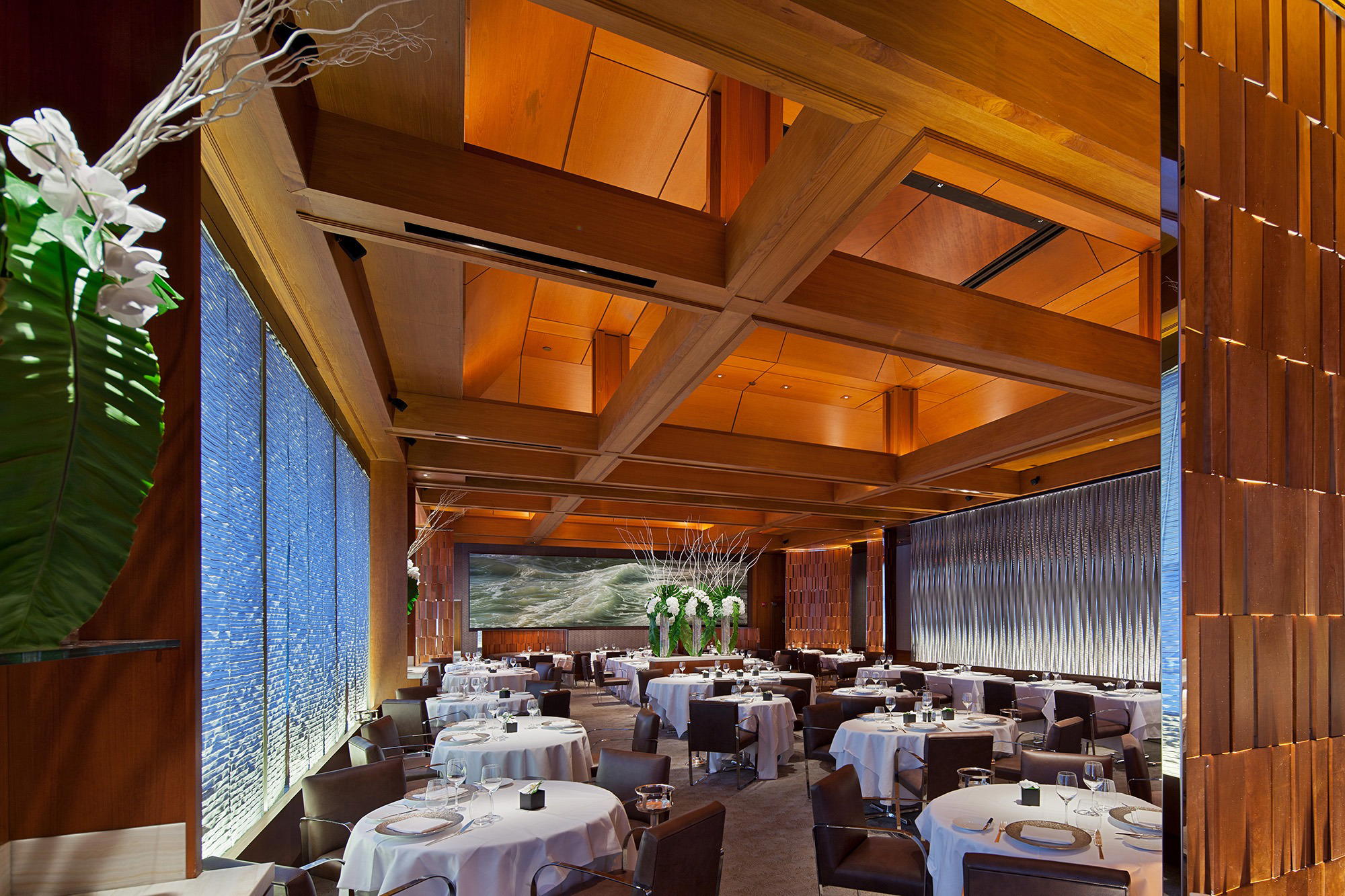
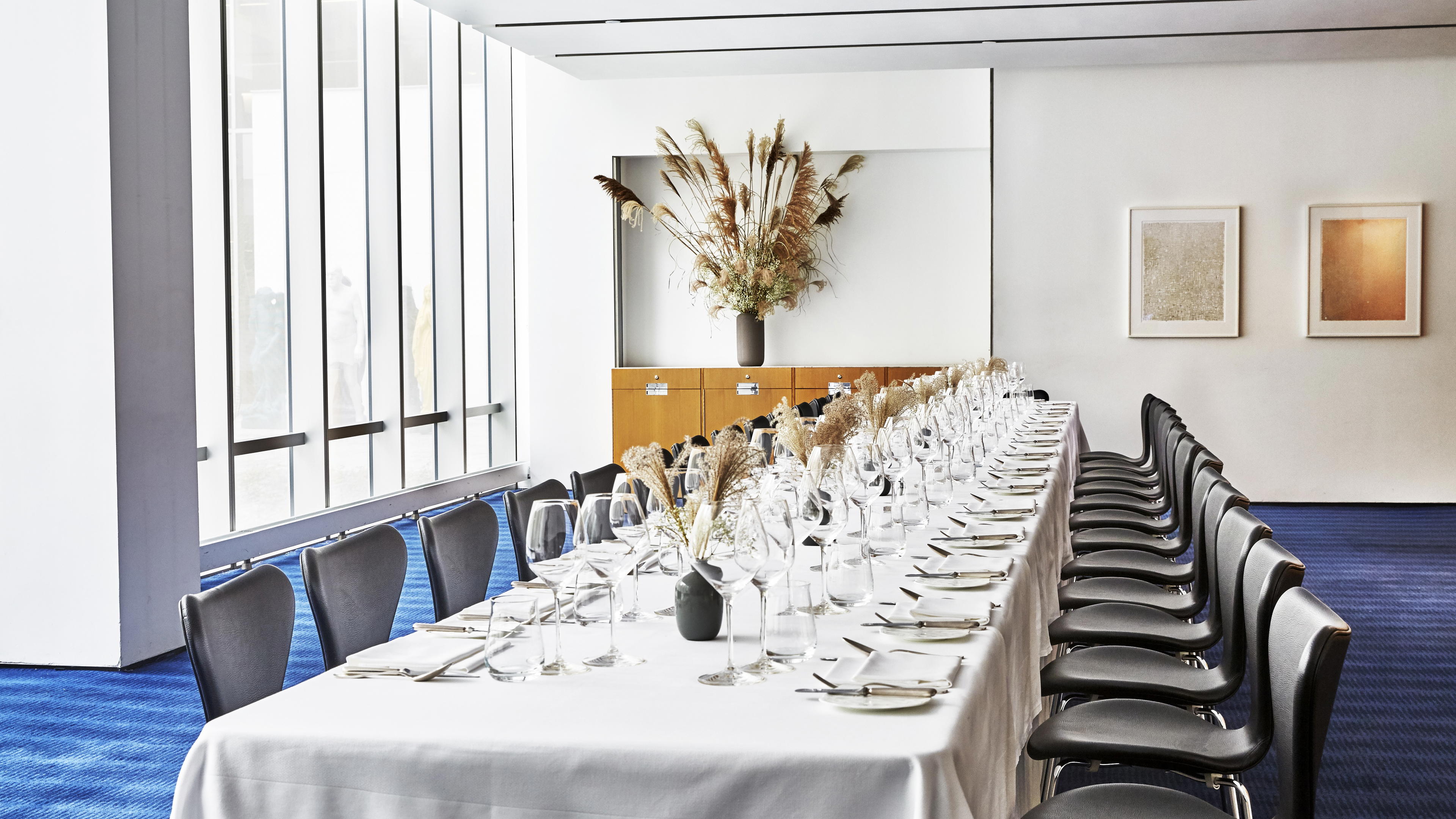
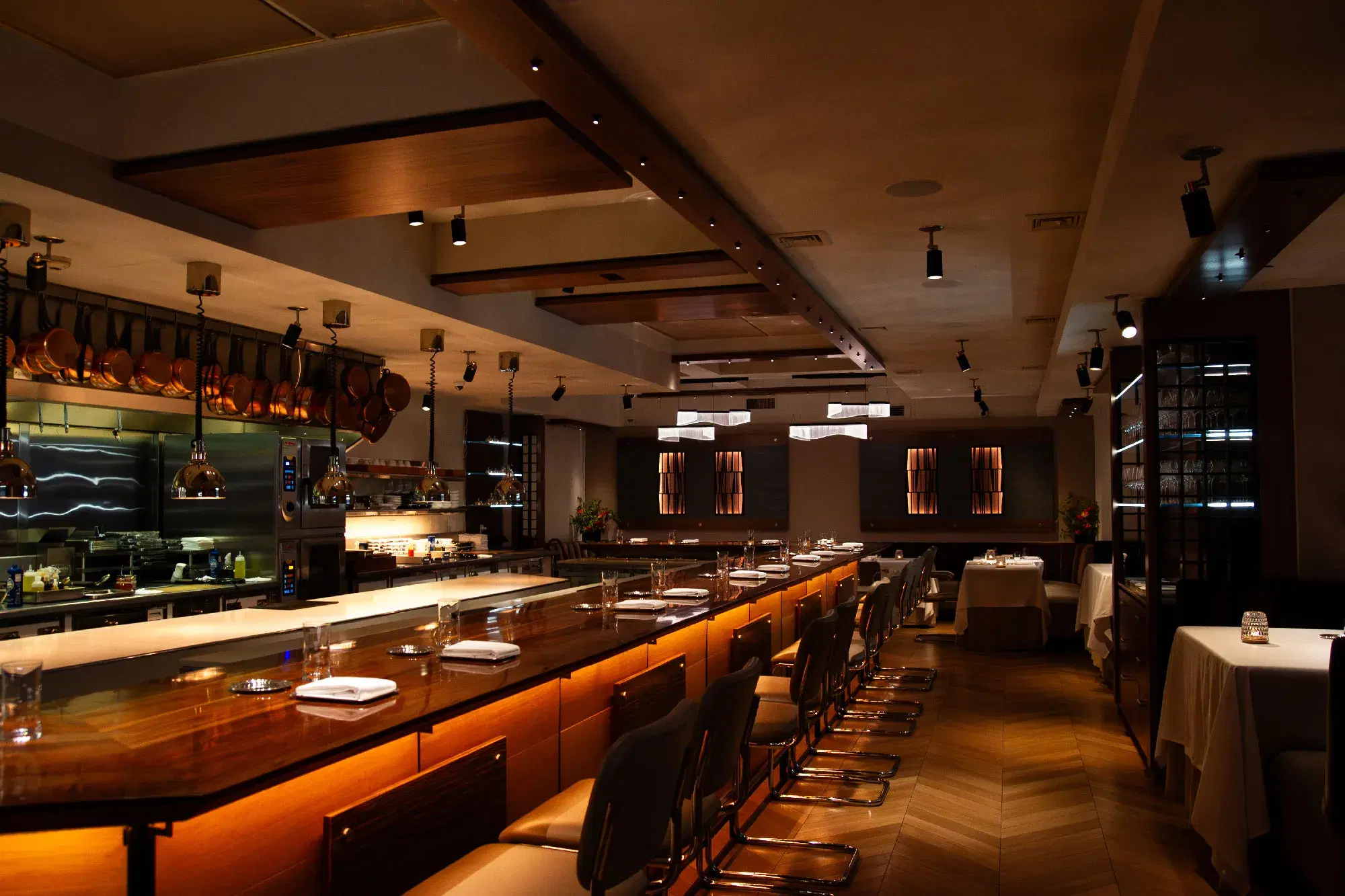
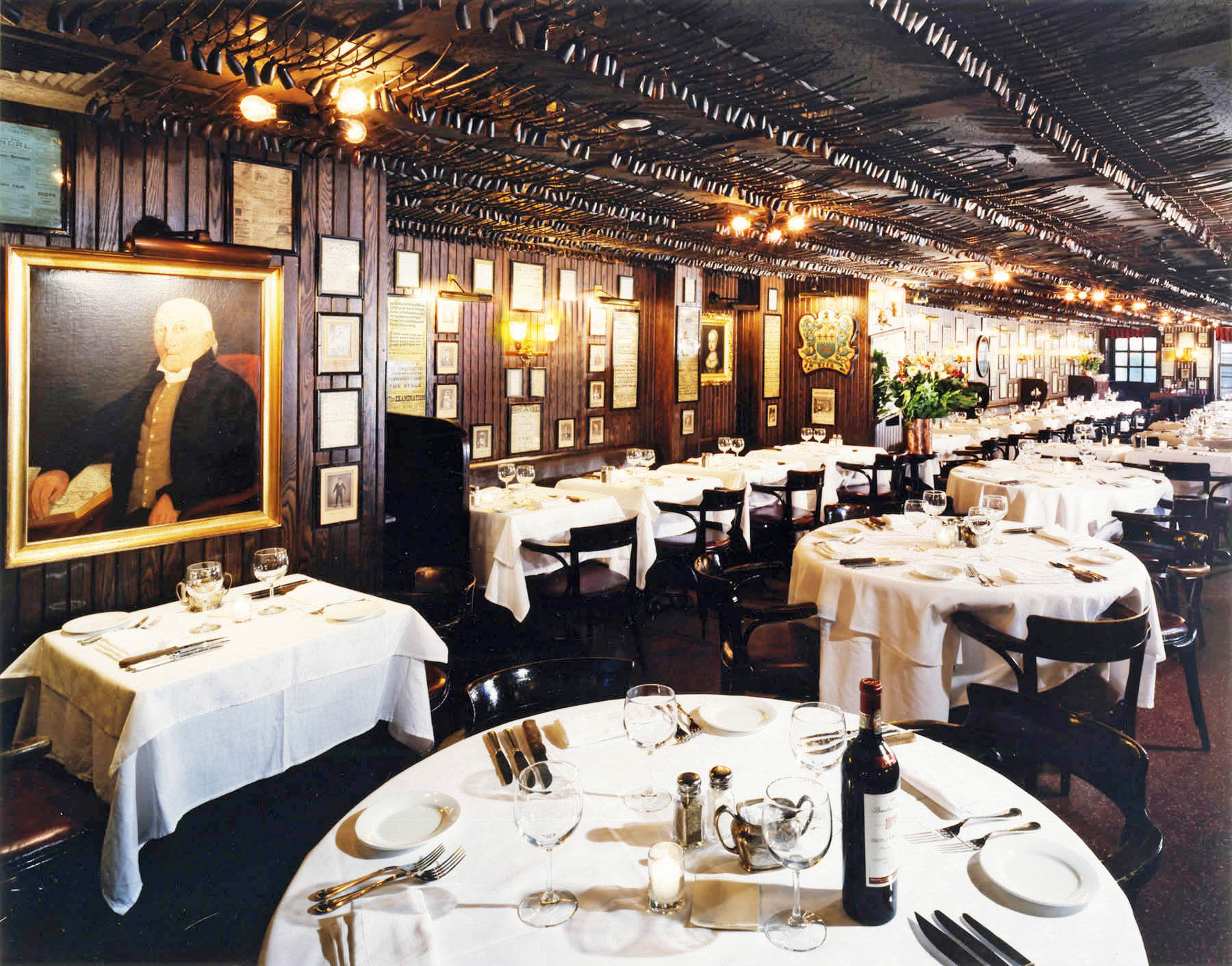
Greek taverna architecture in the Aegean tradition tends toward whitewashed walls, exposed stone, and fishing nets that have never seen salt water. Kellari's Midtown interpretation of that vocabulary is more restrained: a dining room that reads as warm rather than rustic, with the kind of lighting calibrated to make a business lunch feel convivial without tipping into the casual. The room functions as a backdrop rather than a statement, which suits its neighbourhood and its clientele. You are not here to photograph the ceiling.
The proximity to Bryant Park means the restaurant benefits from foot traffic that shifts across the day, the park draws office workers at lunch and theatre-goers and hotel guests in the evening. This dual-peak rhythm is common to most successful Midtown restaurants, and Kellari's format appears structured to accommodate it: a menu broad enough to serve both the twelve-minute-decision business luncher and the leisure diner who wants to move slowly through a meal.
The Meal as a Sequence: How Greek Taverna Eating Translates to Midtown
The logic of a Greek taverna meal has a particular architecture that does not map neatly onto the French progression of amuse, starter, main, dessert. The traditional sequence is additive and social: mezedes arrive first as a collective opening, shared across the table, often requiring several rounds before a main protein appears. That rhythm works well in Astoria, where a table might hold the same seats for two hours. In Midtown, the taverna sequence gets compressed, and Kellari operates in that compressed format.
Opening register in a meal here would typically run through the cold mezedes that anchor Greek taverna cooking: spreads, cured olives, perhaps tarama or melitzanosalata. These are the courses where the kitchen's confidence in sourcing shows most clearly, because there is no technique to hide behind. A good tarama should be pale pink, not the lurid magenta of commercial versions, and the bread it arrives with matters almost as much. This early part of the meal establishes whether the kitchen is working from genuine Greek pantry logic or simply producing Mediterranean-inflected restaurant food.
Warm mezedes and grilled seafood courses represent the structural middle of the meal and the category where Greek taverna cooking makes its strongest argument in New York. Whole fish grilled over charcoal is the reference point against which everything else at a Greek restaurant is measured. The leading versions arrive at the table with the char still active on the skin, dressed simply with lemon and olive oil, requiring nothing more. In the context of Midtown dining, where Le Bernardin sets the standard for seafood at the top of the market and a broader field of Italian and French restaurants occupies the middle tier, a well-executed whole grilled fish at a Greek taverna makes a distinct case for a different kind of precision: one rooted in restraint rather than elaboration.
Later courses in a taverna meal are where the format most often loses coherence in American interpretations. Greek desserts do not perform the way French patisserie does, and a meal that ends with a competent but unremarkable baklava or galaktoboureko leaves less of an impression than the grilled fish that preceded it. This is a structural feature of the cuisine rather than a failure of any individual restaurant, and it shapes how the meal should be approached: invest attention and appetite in the middle courses rather than pacing toward a dessert climax.
Kellari in the Context of New York Midtown Dining
Midtown dining market is segmented more precisely than it appears from the outside. At the leading, a small cluster of tasting-menu restaurants, Per Se, Masa, operate at price points and formats that place them in a different category entirely. Below that, the expense-account tier runs through French, Italian, Japanese, and Korean formats, with Atomix and Jungsik New York representing the Korean end of that tier's current momentum. Greek sits in a niche within this structure: it lacks the trophy-restaurant status of French haute cuisine, but it offers something those formats don't, which is a meal format that is inherently social, moderately priced relative to the neighbourhood, and built around grilled protein and shared plates rather than composed individual courses.
For the reader comparing options across the city's full dining range, Kellari represents a specific value proposition: Mediterranean seafood cooking in a sit-down taverna format, within walking distance of Bryant Park and the theatre district. It is not competing with Blue Hill at Stone Barns on the farm-to-table axis or with Alinea on the modernist axis. That is a harder category to execute well than it appears.
Planning a Visit
West 44th Street between Fifth and Sixth Avenues is accessible from Bryant Park station on the B, D, F, and M lines, or from 42nd Street Grand Central on the 4, 5, 6, 7, and S lines. The lunch window on weekdays draws heavily from the surrounding office buildings, making early or late seating preferable for a more unhurried meal. The pre-theatre window from around 5:30 to 7:00 pm similarly compresses demand, so a reservation for 7:30 or later on an evening visit gives the meal more room. Whether a reservation is strictly required depends on the day and the party size, but for groups of three or more, booking ahead removes risk. For the full range of New York City dining options at every tier, the EP Club New York City restaurants guide covers the market from neighbourhood spots to the best of the tasting-menu circuit.
Frequently asked questions
What part of town is Kellari Taverna in?
Kellari Taverna is located at 19 W 44th St, New York, NY 10036, New York City.
Is Kellari Taverna a good option for a business lunch near Bryant Park?
Kellari Taverna is located at 19 W 44th Street, one block from Bryant Park and accessible from the B, D, F, and M lines at 42nd Street. The taverna format, structured around shared plates and a clear seafood focus, gives a business lunch more flexibility than a tasting-menu setting, with the room providing enough separation from the Times Square tourist corridor to read as a considered choice. For groups wanting Greek seafood in central Manhattan without a long commute from Midtown offices, the address is well-positioned.
What do regulars order at Kellari Taverna?
Greek taverna eating at Kellari follows a communal logic: the table builds a meal from shared plates rather than individual mains. Whole fish, grilled simply with olive oil and lemon, is the anchor of that format here, as it is across the Aegean tradition. Meze plates ordered in sequence, spreads, small vegetables, seafood starters, form the backbone before any larger dish arrives.
Do I need a reservation for Kellari Taverna?
Kellari Taverna sits on West 44th Street in Midtown Manhattan, a block-set that pulls heavy lunch traffic from the surrounding office towers and theater district. For dinner, particularly mid-week when Midtown dining demand concentrates, a reservation is the safer approach. Walk-ins are more viable at lunch on the edges of the service window.
What's Kellari Taverna best at?
Kellari holds a position in New York City's Greek dining tier that separates it from the diner-Greek establishments of the outer boroughs and from the purely tourist-facing options near Times Square. The kitchen's focus is on fish and seafood prepared with Aegean restraint, grill heat, good oil, acid, rather than the heavy saucing common in Greek-American cooking. That positioning makes it a reliable option for business lunches that want something other than the standard Midtown steakhouse format.
At a Glance
Comparable venues nearby, for context on price, style, and recognition.
| Venue | Cuisine | Price | Notes |
|---|---|---|---|
| Kellari TavernaThis venue (the venue you are viewing) | Authentic Greek Seafood Taverna | $50–100 | Not listed |
| Nostos | Modern Greek | Not listed | East Midtown-Turtle Bay, Modern Greek |
| Korali | Authentic Greek Seafood | $50–100 | Upper East Side-Carnegie Hill, Authentic Greek Seafood |
| Loi Estiatorio | Authentic Greek | $50–100 | Central Park, Authentic Greek |
| Molyvos | Modern Greek with Mediterranean Influences | $50–100 | Hell's Kitchen, Modern Greek with Mediterranean Influences |
| Kefi | Rustic Greek | Not listed | Upper West Side (Central), Rustic Greek |