Kedai Makan Capitol Hill
"Kedai Makan, Capitol Hill by Hum Creative. Tasty Malaysian food located right next to among the stronger bars on the Hill. Always a line and always worth it. Must tries: Nasi Goreng (Malaysian fried rice, kecap manis, tofu, sprouts, chili, runny egg, cucumber) and the Ramly Burger!"
Pearl is the En Primeur Club membership app — saves, bookings, and concierge access live there. Same editors, same standards.
- Address
- 1449 E Pine St, Seattle, WA 98122
- Phone
- +1 206 535 3562
- Website
- kedaimakansea.com
- Directions
- Get directions
 Saves & bookings on Pearl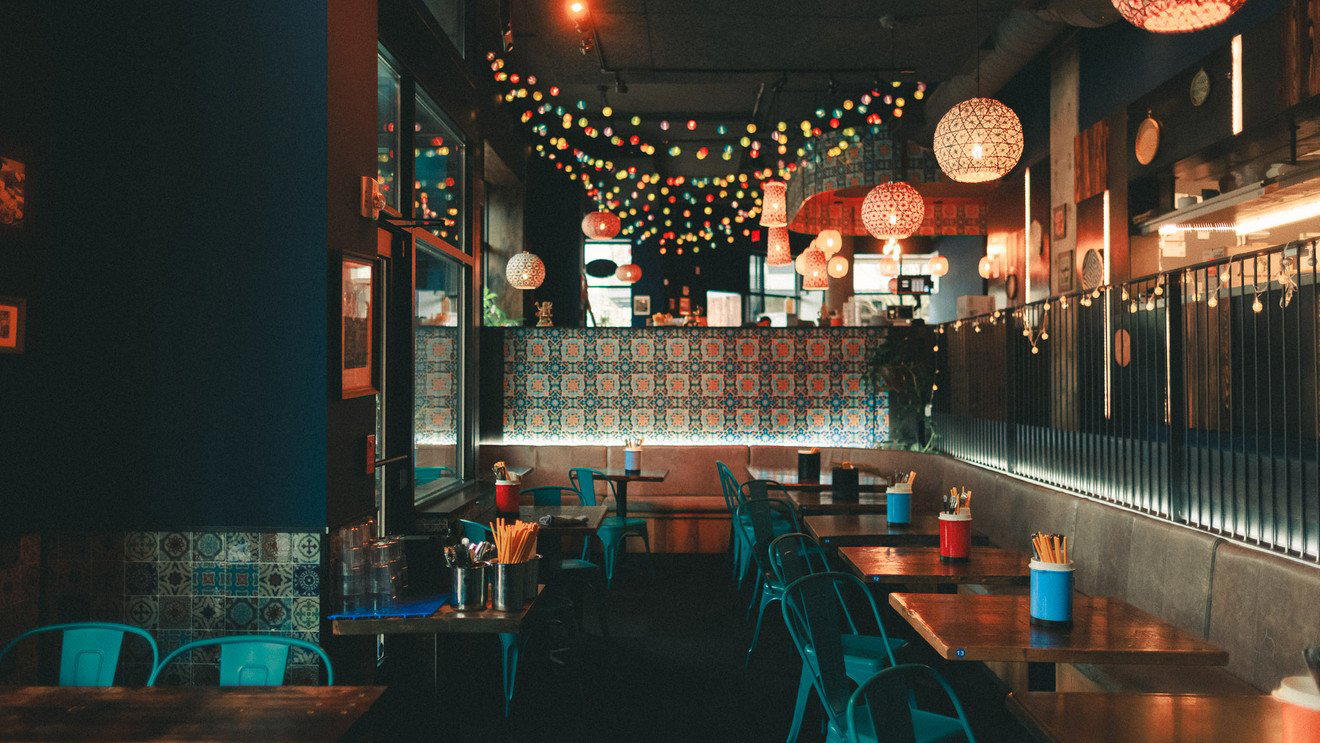
Capitol Hill's Southeast Asian Counter, in Context
East Pine Street between 14th and 15th runs through one of Seattle's most restaurant-dense corridors, where the neighbourhood's older bohemian character has been layered over by a decade of development without being entirely replaced. The block operates at a particular pitch: busy enough to feel alive on a Tuesday, compressed enough that a small room with deliberate cooking registers immediately. Kedai Makan Capitol Hill sits at 1449 E Pine St, Seattle, and serves Malaysian street food in a casual setting. In a neighbourhood where Joule has long demonstrated that New Asian cooking can carry serious critical weight, Southeast Asian formats have found a receptive audience among diners already accustomed to precision and intent.
The Seattle Southeast Asian Moment
Seattle's relationship with Southeast Asian cooking has deepened considerably over the past decade. What was once concentrated in the International District has spread uphill and across neighbourhoods, driven by a generation of cooks who trained in fine-dining contexts before choosing to express regional cuisines on their own terms. The term "kedai makan" translates loosely from Malay as "eating shop" or "food stall", a deliberate signal that the format is rooted in something more functional and direct than the tasting-menu formalism that defines venues like Canlis. Where Canlis operates as an institution of occasion dining, the kedai format proposes the opposite: frequency, familiarity, and the kind of food that rewards repeat visits rather than single pilgrimages.
That distinction matters in a city where the premium tier is well-represented. Seattle diners who want ceremony have options, from the white-tablecloth continuity of the Lake Union room at Canlis to the ambitious tasting menus that have proliferated downtown. The appetite for something more grounded but no less considered has created space for operators willing to commit to a regional tradition without softening it for a broader audience. In that sense, Kedai Makan Capitol Hill participates in a national conversation that venues like Atomix in New York City and Providence in Los Angeles represent on the formal end: the argument that non-European culinary traditions carry as much depth and authority as the French-lineage restaurants that have historically claimed the top tier.
Drinks, Curation, and the Capitol Hill Bar Standard
Capitol Hill sets a demanding standard for beverage programs. The neighbourhood has produced serious cocktail bars and wine-led rooms, and diners arriving from that context arrive with calibrated expectations. For a Southeast Asian operator, the wine question is particularly interesting: the aromatic intensity of sambal, tamarind, lemongrass, and coconut-based curries creates pairing challenges that a conventional Eurocentric cellar handles poorly. Particularly thoughtful responses to this problem tend toward high-acid, low-tannin whites, Alsatian Riesling, German Spätburgunder, orange wines with enough texture to hold against fermented shrimp paste, and toward a cocktail list that treats house spirits and regional ingredients as primary materials rather than garnish.
The broader Pacific Northwest context adds another dimension. Washington State wine production has matured into a category that belongs in serious cellar conversations, with Columbia Valley Syrah and Walla Walla reds capable of standing against comparisons from the Rhône. For diners accustomed to the wine depth at operations like Single Thread Farm in Healdsburg or Smyth in Chicago, the curation question is a meaningful one: how does a Southeast Asian room on Capitol Hill articulate its own cellar logic?
Where This Sits in the Seattle Dining Map
Seattle's independent restaurant scene is smaller than its population might suggest, and Capitol Hill functions as its most active node. The neighbourhood is where Seattle tests ideas before they become consensus. The venues that have lasted on or near East Pine tend to have either strong neighbourhood identity or a clear category claim, often both. In the Southeast Asian category specifically, the Capitol Hill version of this format competes less with the International District's legacy operators and more with the new wave of serious independent restaurants that have chosen neighbourhood dining over downtown prestige.
For visitors mapping a Seattle itinerary, East Pine is a logical anchor. The concentration of food and drink options within a few blocks means that dinner at Kedai Makan can be built around the neighbourhood rather than requiring a separate plan.
Placing Kedai Makan Against the Wider Field
The restaurants that occupy the serious end of American dining, Le Bernardin in New York City, The French Laundry in Napa, Blue Hill at Stone Barns in Tarrytown, define one end of the spectrum: tasting menus, wine pairings with dedicated sommeliers, and a formalism that places the guest in a structured experience. Kedai Makan proposes something different and harder to sustain: regional specificity at a neighbourhood scale, without the scaffolding of occasion dining to justify the price or the detail.
For reference points further afield, Lazy Bear in San Francisco, Addison in San Diego, Emeril's in New Orleans, and The Inn at Little Washington all represent the formal American dining tradition in different registers. Atelier Moessmer Norbert Niederkofler in Brunico represents the European version of hyperlocal sourcing taken to its logical extreme. Kedai Makan is not in that tier and does not appear to aim for it. Its comparable set is the growing category of neighbourhood-anchored restaurants across American cities that treat a specific regional cuisine as sufficient grounds for serious cooking, without needing the validation of a tasting-menu format or a major award to make the case.
Additional Seattle context, including nearby operators at 1415 1st Ave, 1744 NW Market St, and 2963 4th Ave S, is available through EP Club's Seattle coverage.
Planning Your Visit
Kedai Makan Capitol Hill is located at 1449 E Pine St, Seattle, WA 98122, on a block that is accessible by foot from most Capitol Hill accommodations and by streetcar or bus from downtown. Given the neighbourhood's density, the practical approach is to arrive without fixed expectations about pacing: Capitol Hill restaurants at this scale tend to turn tables at a rhythm that rewards relaxed arrivals over tightly scheduled ones. Current hours are Mon to Thu and Sun, 11 AM to 9 PM, and Fri to Sat, 11 AM to 10 PM. Reservations are recommended, and the price tier is 2, about $20 per person.
Same-City Peers
Comparable venues nearby, for context on price, style, and recognition.
| Venue | Cuisine | Price | Notes |
|---|---|---|---|
| Kedai Makan Capitol HillThis venue — the venue you are viewing | Malaysian Street Food | $$ | Not listed |
| Musang | Modern Filipino | $$ | North Beacon Hill |
| Hugo House | Event Catering | Not listed | Broadway |
| Sophon | Modern Cambodian Khmer | $$$ | Greenwood |
| Taurus Ox | Lao | $$ | Stevens |
| Kilig | Modern Filipino | $$ | International District |
Continue exploring
More in Seattle
Restaurants in Seattle
Browse all →
Bars in Seattle
Browse all →
Hotels in Seattle
Browse all →

At a Glance
- Cozy
- Trendy
- Casual Hangout
- Group Dining
- Standalone
Current opening hours
- Monday
- 11 AM–9 PM
- Tuesday
- 11 AM–9 PM
- Wednesday
- 11 AM–9 PM
- Thursday
- 11 AM–9 PM
- Friday
- 11 AM–10 PM
- Saturday
- 11 AM–10 PM
- Sunday
- 11 AM–9 PM
Hours can change for holidays and private events. Last verified .
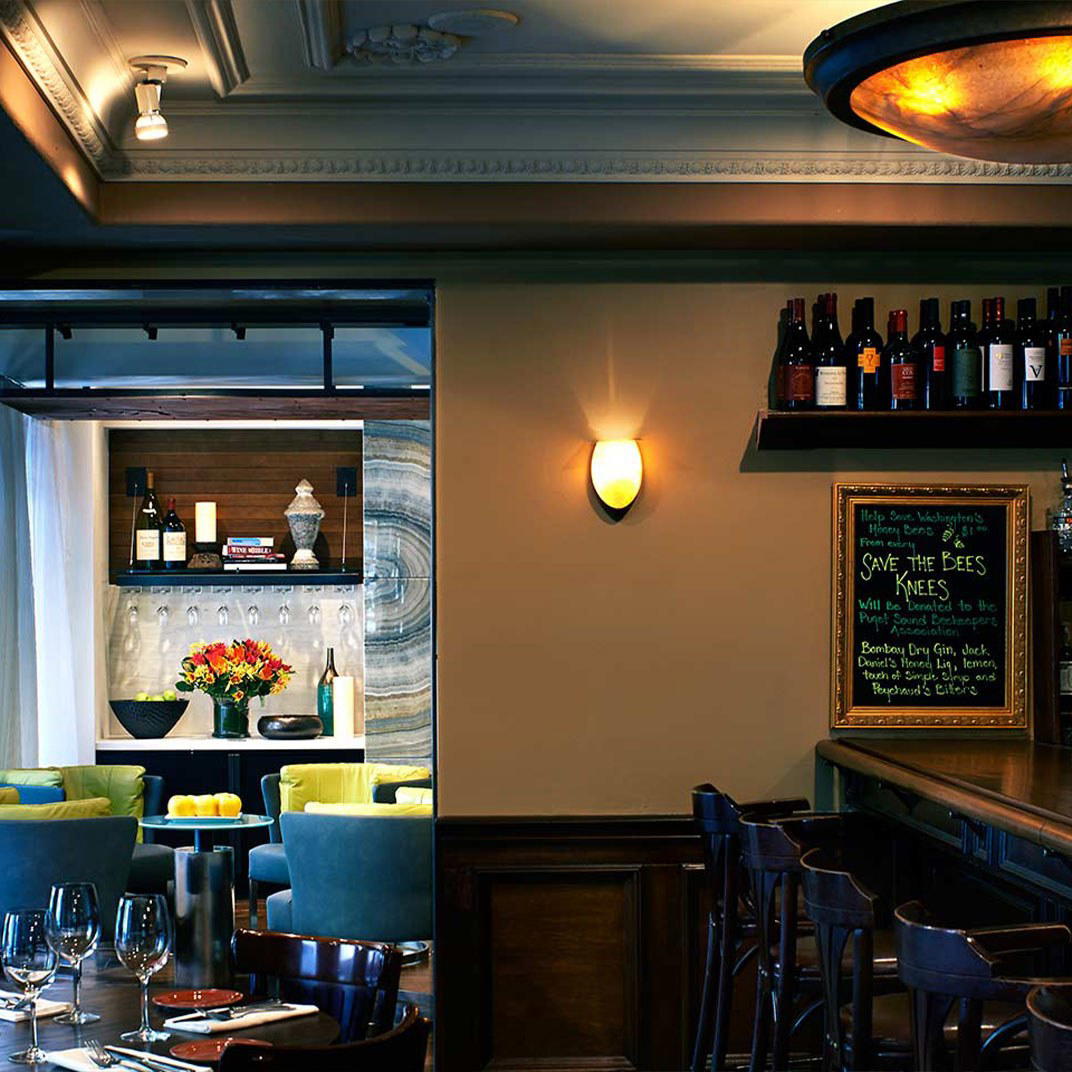
Cozy and steam-filled atmosphere with a casual, welcoming vibe.