
Tabelog 100 #98
Our verdict
Kawamura places Nagoya’s creative cooking in a small-room format, drawing on Italian framing, fish-led detail, sake and wine service, and a 2025 Tabelog 100 selection for Innovative / Creative cuisine. It suits diners looking beyond station-area convenience toward a more deliberate Chikusa Ward meal with counter intimacy and a compact table setup.

Pearl is the En Primeur Club membership app, where members save venues, book tables and use the concierge.
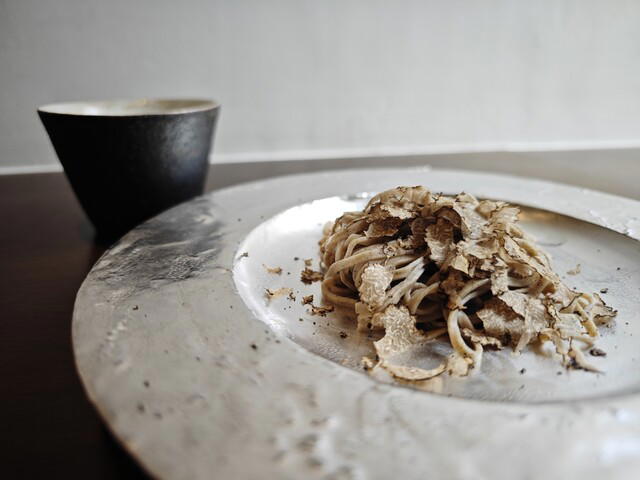
Approaching Nagoya shifts the register of dining in the city. Nagoya is often read through miso katsu, kishimen, tebasaki and the practical appetite of a manufacturing capital, but its serious contemporary restaurants usually work at lower volume: focused rooms, tight pacing, and menus that can borrow from Italian and Japanese technique without turning dinner into theatre. Kawamura sits in that more considered category, where the restaurant’s positioning matters because the format leaves little distance between the kitchen’s decisions and the diner’s table.
Nagoya’s creative-cuisine scene lacks the international shorthand of Tokyo’s most famous counters or Kyoto’s kaiseki houses, which makes its signals more useful. A 2025 selection in Tabelog 100 for Innovative / Creative cuisine places Kawamura in a national conversation rather than a local comfort bracket. The category matters: it is neither merely conventional Italian nor a purely Japanese format with Italian flourishes. It occupies the hybrid space Japanese dining has refined especially well, using Western structure while letting seasonality and pacing carry much of the identity.
Creative Italian in Nagoya, read through restraint
Italian cooking in Japan has long been translation more than replication. Pasta, olive oil and wine culture entered the mainstream decades ago, but the more interesting restaurants now use Italian grammar as a frame rather than a costume. At this level, the question is not whether a dish looks Italian enough; it is whether the kitchen can handle acidity, stock, fat and pacing with the clarity Japanese diners expect from a serious meal.
Kawamura’s listed categories, Innovative and Italian, point to that tension. That combination is concrete enough to set expectations without reducing the meal to a single borrowed label. In Nagoya, where local dining often rewards directness and value, this measured format reads closer to a destination dinner than a casual neighbourhood Italian.
The restaurant reinforces the point in a broader sense. Kawamura is best understood through its focused listing and price bands rather than as a large-format occasion by default, the kind of place where expectations should be set by booking details and the restaurant’s current guidance. In Japan’s serious-restaurant culture, the difference between a quiet meal and a louder group setting can change the evening’s rhythm.
Within Nagoya, comparison is more useful by category than fame. Baika Do, Hachisen, Pizzeria Vacanze Nagone, Wagashi Karyo ocobo and patisserie gramme can serve as other local reference points for planning, while unnamed Nagoya dining rooms fill out the city’s wider range. Kawamura occupies a more specific dinner tier, where creative cooking and Italian positioning do the heavy lifting.
The cultural value is in the hybrid, not the label
Japanese innovative cuisine is often misread by visitors as fusion, a word that flattens the discipline. The stronger version is less about mixing references than sequencing them. A Japanese kitchen can apply Italian structure, draw on local expectations for restraint, and remain contemporary without imitating Kyoto. In Nagoya, that hybridity has weight because local food identity is strongly tied to hearty, sauce-led dishes and everyday regional staples.
That is why Kawamura’s Tabelog 100 selection is more than a badge. It identifies the restaurant within a Japanese dining movement in which regional cities are not merely following Tokyo, but developing technically literate rooms for locals and travelling diners who know novelty from control. The Tabelog score of 3.77 adds a practical signal in a market where small numerical differences carry real weight among Japanese diners, especially in specialised categories.
The Italian reference point also changes how to think about the meal. Italian-leaning cooking in Japan is rarely a simple copy of Europe; it is filtered through Japanese habits of seasonality, balance and pacing. For diners used to European tasting-menu conventions, the useful adjustment is that contemporary dining in Japan often follows ingredient logic rather than national borders.
Planning a Nagoya food itinerary around this meal works better when the city is treated as distinct dining modes, not a checklist. For the broader map, see Our full Nagoya restaurants guide, then separate dinner ambitions from lodging, drinking and daytime planning through Our full Nagoya hotels guide, Our full Nagoya bars guide, Our full Nagoya wineries guide and Our full Nagoya experiences guide. Avoid stacking too many formal meals into one short stay; Nagoya rewards contrast, from regional comfort food to creative rooms.
How it fits into a Japan dining itinerary
For travellers moving across Japan, Kawamura makes sense as a Nagoya anchor rather than a side note between Tokyo and Kyoto. Its appeal is not spectacle, but the chance to see how a regional Japanese city interprets contemporary Italian technique through local expectations: clear positioning, a serious sense of pacing, and a dining identity distinct from a hotel-restaurant template.
Readers comparing broader Japan options can use EP Club’s restaurant pages as reference points across categories and cities. Wider Japan and overseas listings, including unnamed dining rooms, casual counters, specialist bars and small-format restaurants, help place Nagoya’s quieter creative dining in a larger travel pattern without making Kawamura feel like an outlier.
The reader decision is simple: choose this for a focused meal reflecting contemporary Japanese confidence with Italian form. Choose elsewhere for a louder regional-specialty crawl, a casual pizzeria, or a more traditional frame. In Nagoya, that distinction matters because the city’s dining strength lies in range, not forcing every serious meal into the same mould.
Frequently asked questions
Does Kawamura work for a family meal?
Kawamura is better framed as a serious restaurant in Nagoya; small groups should confirm suitability directly when booking.
What's the overall feel of Kawamura?
The feel is contemporary and focused, with Innovative and Italian categories placing it among Nagoya’s more serious creative dining options.
What price level is Kawamura?
Kawamura is listed at Dinner: JPY 15,000 - JPY 19,999; Lunch: JPY 8,000 - JPY 9,999.
What are Kawamura's hours?
Current hours should be confirmed directly with Kawamura before visiting.
Where is Kawamura located?
Nagoya.
What is Kawamura known for?
Kawamura is selected for Tabelog 100 in 2025 under Innovative / Creative cuisine. Its listing places it in the Innovative and Italian categories, with lunch and dinner price bands in Nagoya.
Price and Recognition
Nearby venues at a similar price tier for orientation.
| Venue | Cuisine | Price | Awards | Notes |
|---|---|---|---|---|
| KawamuraThis venue (the venue you are viewing) | Creative Japanese seafood with Italian and French influences | $50–100 | Tabelog 100 #98 | Not listed |
| Mone | A5 Wagyu Yakiniku & Wine | $50–100 | Tabelog 100 #23 | Chikusa, A5 Wagyu Yakiniku & Wine |
| toraneko | Cantonese-inspired Creative Chinese | $100–150 | Tabelog 100 #41 | Higashi, Cantonese-inspired Creative Chinese |
| Atsuta Houraiken Matsuzakaya ten | Traditional Nagoya eel (hitsumabushi) restaurant | $30–50 | Tabelog 100 #72 | Naka, Traditional Nagoya eel (hitsumabushi) restaurant |
| 451 | Stylish Sichuan Chinese with Natural Wines | Not listed | Tabelog 100 #56 | Nakamura, Stylish Sichuan Chinese with Natural Wines |
| シケミチレストラン マツウラ | French with Local Nagoya Ingredients | $50–100 | Tabelog 100 #50 | Nishi, French with Local Nagoya Ingredients |
Recognition history
Dated appearances from independent guides and award organizations, with the underlying list record or original source where available.
Tabelog 100 #98 · No. 98
Tabelog · Tabelog 100 - Innovative / Creative cuisine - 2025
Continue exploring
More in Nagoya
Restaurants in Nagoya
All restaurants in Nagoya →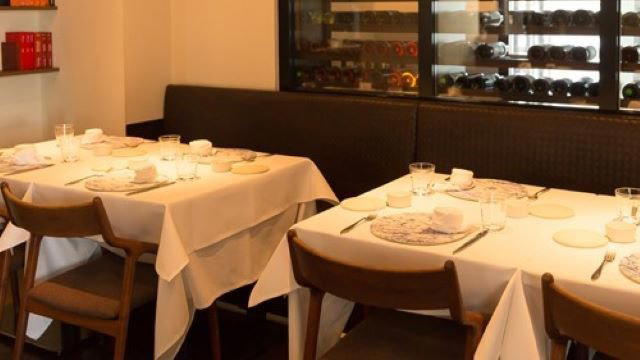






Details
- Cozy
- Intimate
- Romantic
- Elegant
- Date Night
- Special Occasion
- Celebration
- Business Dinner
- Solo
- Chefs Counter
- Private Dining
- Standalone
- Local Sourcing
- Sustainable Seafood
- Tasting Menu
- Set Menu
- Counter Dining
- Pescatarian Friendly
Current opening hours
- Monday
- 11:30 AM–2:30 PM, 6–9:30 PM
- Tuesday
- 11:30 AM–2:30 PM, 6–9:30 PM
- Wednesday
- Closed
- Thursday
- 11:30 AM–2:30 PM, 6–9:30 PM
- Friday
- 11:30 AM–2:30 PM, 6–9:30 PM
- Saturday
- 12–2:30 PM, 6–9:30 PM
- Sunday
- 12–2:30 PM, 6–9:30 PM
Hours can change for holidays and private events. Hours as of .
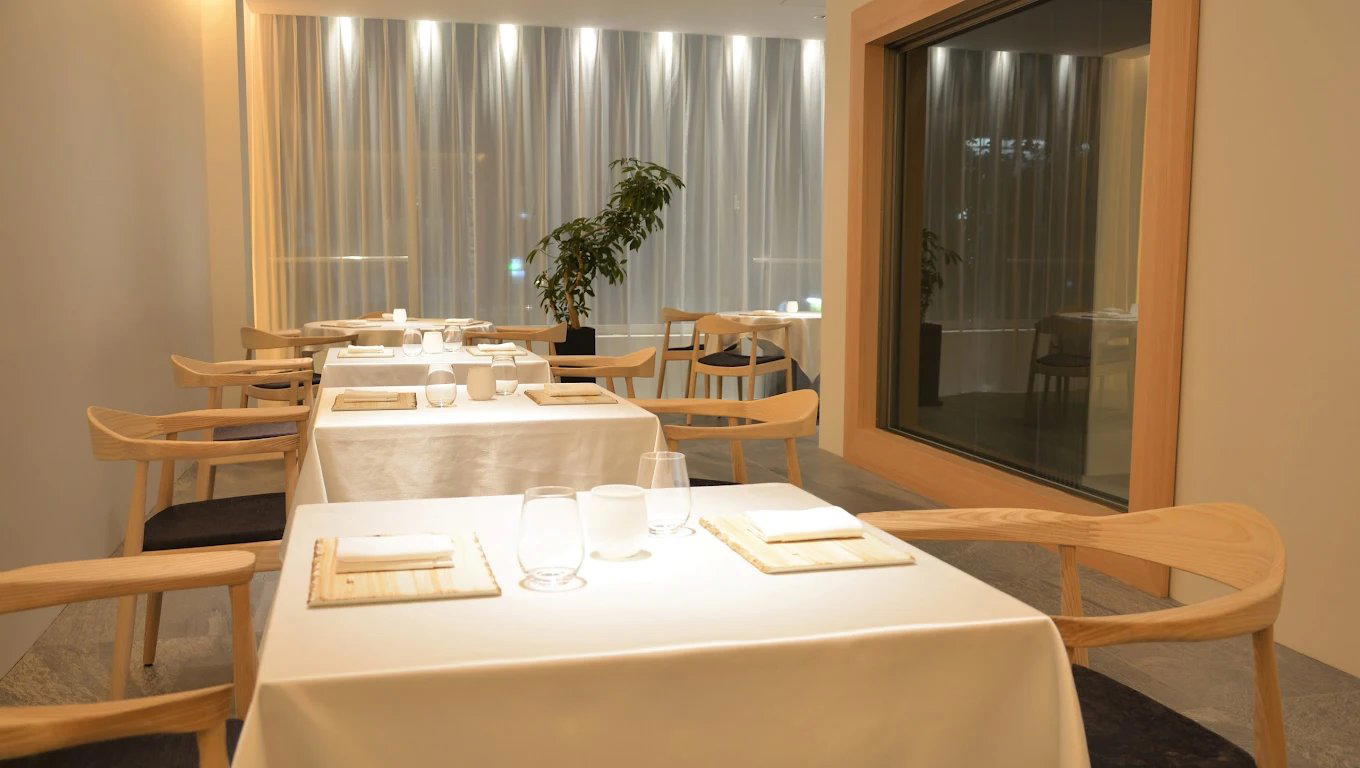
A calm, low-key private space with only nine seats, counter-focused, where guests can watch the chef cook; lighting and decor emphasize a relaxed, intimate atmosphere suited to special occasions rather than casual crowds.