
Tabelog 100 #23
Our verdict
Mone puts Nagoya yakiniku into a compact, counter-led format rather than a large-table barbecue night. The Chikusa Ward restaurant has Tabelog 100 Yakiniku EAST recognition for 2025, a 12-seat setup, and a wine-leaning drinks profile, which places it in the city’s more planning-sensitive grilled-beef tier.

Pearl is the En Primeur Club membership app, where members save venues, book tables and use the concierge.
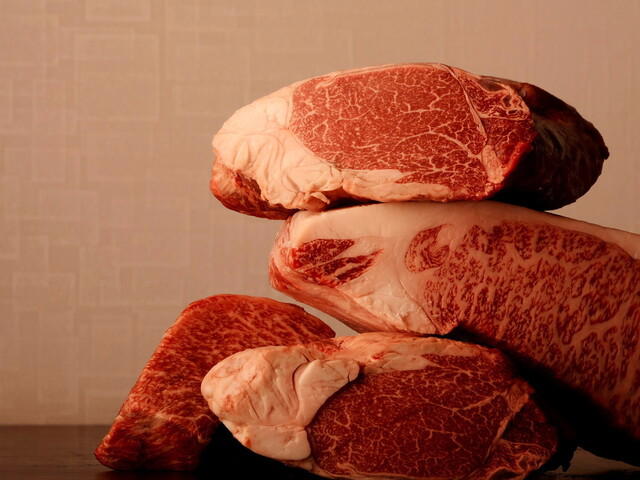
The menu
What to order
- ヒレ (tenderloin)
- 魔のひとくち
- 本日の赤身 (today’s lean cut)
Approach Nagoya yakiniku expecting smoke, heat, and a meal transformed once grills are lit. The appeal is not kaiseki ceremony or casual-chain speed, but controlled abundance: beef cuts, offal, rice, sauce, smoke management, and pacing all shaping the night. Mone sits at the focused end of the category in spirit: a meal that reads as a specialist format rather than a sprawling, all-purpose dinner.
Nagoya’s dining identity is often reduced to miso katsu, hitsumabushi, kishimen, and other civic staples, but its serious eating culture is broader and less theatrical than Tokyo’s. Good restaurants here tend to be practical, category-driven, and regular-minded. Yakiniku suits that temperament, rewarding diners who know how to order, distinguish lean from fattier cuts, and treat offal as grammar, not a side note. A yakiniku address with national-list recognition signals that Nagoya’s grill culture is not only volume and value, but also has a selective, planning-worthy tier.
Small-room yakiniku in a city that rewards planning
The useful signal is format. A focused restaurant changes the economics of a yakiniku night. Large parties and casual last-minute plans may not be the best way to approach a specialist meal. This is not the same as a conventional barbecue outing where flexibility is the main virtue. Planning shapes the experience before the first order.
That planning is not luxury theatre. This is still yakiniku, built around grilling and repetition rather than a scripted tasting menu. The difference is focus. The meal depends less on spectacle than on confident movement between beef, tripe, sides, and drinks. The stated categories, yakiniku and tripe, place it in a tradition where offal helps measure the house.
Tabelog selected Mone for its Tabelog Hyakumeiten recognition in 2025. For overseas diners, that matters because Tabelog’s Hyakumeiten lists are often more useful for Japan-specific categories than generic international rankings. Michelin has its own language, but yakiniku in Japan is often judged through domestic platforms where repeat local use, category depth, and neighborhood credibility count. Mone’s Tabelog score of 3.65 also indicates serious local approval rather than casual popularity.
The comparison inside Nagoya is instructive. Japanese cuisine Kashizuki operates with expectations around composed Japanese dining. Yama no I sits in another serious dining lane. TSUMUGI Kitchen, Kishiya, and FORTISSIMO H occupy different categories and uses. Mone is not competing on ceremony or breadth; it is for diners who want a grilled-beef meal with enough recognition to justify advance planning and enough focus to avoid the generic barbecue trap.
Wine, offal, and the shift away from beer-only barbecue
Yakiniku has long suited beer, highballs, and shochu, and higher-budget grill meals can invite more deliberate drinking choices. That changes the meal’s feel. Beef fat, smoke, tare, salt, and organ meats make different demands, and a careful approach to drinks can encourage guests to sequence the meal rather than eat fast and leave. Mone belongs to a yakiniku lane where the grilling itself remains the main event.
The offal component matters as much. Tripe and other internal cuts separate confident yakiniku restaurants from beef-only addresses built for hesitant diners. Nagoya has the appetite for this specificity: its food culture is comfortable with strong flavors, texture, and local habits that need no translation. Naming tripe alongside Japanese barbecue is a category statement. It asks diners to think beyond marbling and price, toward texture, grill timing, and the pleasure of alternating richer cuts with leaner or chewier ones.
For travelers building a Nagoya dining sequence, Mone works better as a focused evening than an add-on after a heavy lunch. The format favors diners who arrive with a plan and understand that yakiniku at this level is about rhythm as much as appetite. The better comparison is not a hotel dining room or broad Japanese tasting counter, but the specialist restaurant where category depth outweighs décor language.
How to place it in a Nagoya itinerary
Mone is in Nagoya rather than being a restaurant to treat as an incidental stop. That geography matters in practical terms: for many visitors, this is a planned dining choice, not something to fold casually between sightseeing stops. Restaurants like this draw locals and purposeful diners rather than relying only on walk-in tourism.
The practical reading is simple: prioritize it when yakiniku is the evening’s point. Nagoya has plenty of quick regional eating, from eel to noodle shops, but focused grill meals run on a different tempo. The payoff is not breadth of city sampling, but category concentration. A diner with one dinner in Nagoya may prefer a broader expression of local cuisine; with two or three nights, Mone can be the beef-focused counterpoint to the city’s miso-rich and eel-led staples.
For wider planning, the restaurant fits naturally into Our full Nagoya restaurants guide, especially for readers comparing specialist dining with broader city options and other Nagoya dining rooms. Travelers building the rest of the trip can pair the dining research with Our full Nagoya hotels guide, Our full Nagoya bars guide, Our full Nagoya wineries guide, and Our full Nagoya experiences guide.
National context helps. Japan’s grill and casual-specialist categories stretch far beyond Nagoya, with dining rooms across major cities and regional destinations showing how narrow formats can build loyal audiences. Abroad, Japanese drinking and comfort-food formats take different shapes as well. The common thread is specialization: narrow formats succeed when category, recognition, and planning demands point the same way.
Frequently asked questions
What price level is Mone?
Pricing at Mone is listed as dinner: JPY 10,000 - JPY 14,999; lunch: JPY 2,000 - JPY 2,999.
What are the operating hours at Mone?
Check directly with Mone for current operating hours before visiting.
How do I find Mone?
Nagoya.
What is Mone known for?
Mone is known for yakiniku and tripe in Nagoya.
Cuisine Context
Comparable venues by cuisine and category.
| Venue | Cuisine | Price | Awards | Notes |
|---|---|---|---|---|
| MoneThis venue (the venue you are viewing) | A5 Wagyu Yakiniku & Wine | $50–100 | Tabelog 100 #23 | Not listed |
| Kamisono | Japanese Kaiseki Omakase | $50–100 | Tabelog 100 #29 | Higashi |
| Sumiyaki Chicken Kababu | Nagoya Cochin Yakitori Omakase Counter | $50–100 | Tabelog 100 #57 | Naka |
| Meshiya Ukiyo Banare | Modern Japanese Izakaya | $50–100 | Tabelog 100 #97 | Naka |
| Sugimoto Honten | Traditional Japanese Sukiyaki & Shabu-Shabu | $50–100 | Tabelog 100 #34 | Naka |
| Yakitori Kissho | High-end Yakitori (Nagoya Cochin) | $50–100 | Tabelog 100 #56 | Higashi |
Recognition history
Dated appearances from independent guides and award organizations, with the underlying list record or original source where available.
Tabelog 100 #23 · No. 23
Tabelog · Tabelog 100 - Yakiniku - EAST - 2025
Continue exploring
More in Nagoya
Restaurants in Nagoya
All restaurants in Nagoya →
Details
- Cozy
- Intimate
- Modern
- Date Night
- Solo
- Casual Hangout
- After Work
- Special Occasion
- Chefs Counter
- Standalone
- Extensive Wine List
- Local Sourcing
- A La Carte
- Counter Dining
- Wine
Current opening hours
- Monday
- 11:30 AM–2 PM, 4–10:30 PM
- Tuesday
- Closed
- Wednesday
- 11:30 AM–2 PM, 4–10:30 PM
- Thursday
- 11:30 AM–2 PM, 4–10:30 PM
- Friday
- 11:30 AM–2 PM, 4–10:30 PM
- Saturday
- 11:30 AM–2 PM, 4–10:30 PM
- Sunday
- 11:30 AM–2 PM, 4–10:30 PM
Hours can change for holidays and private events. Hours as of .
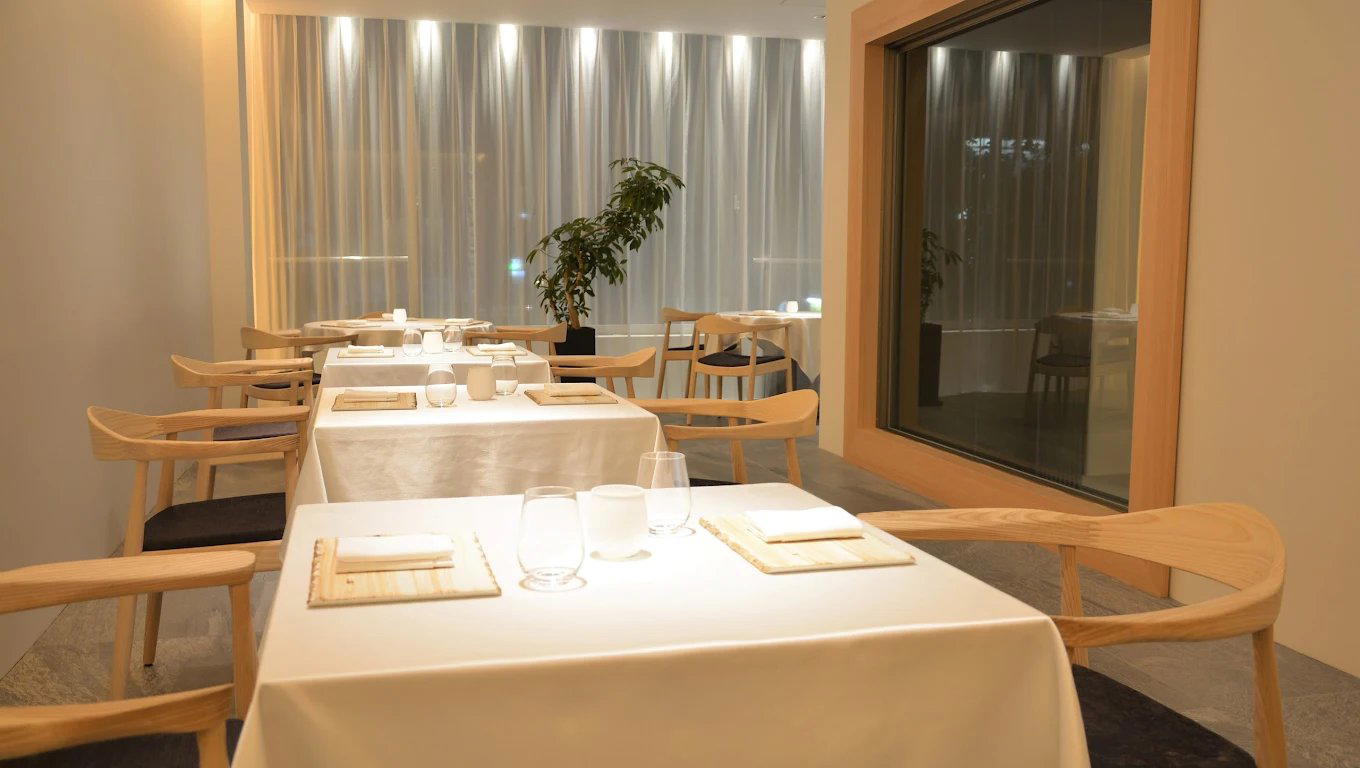
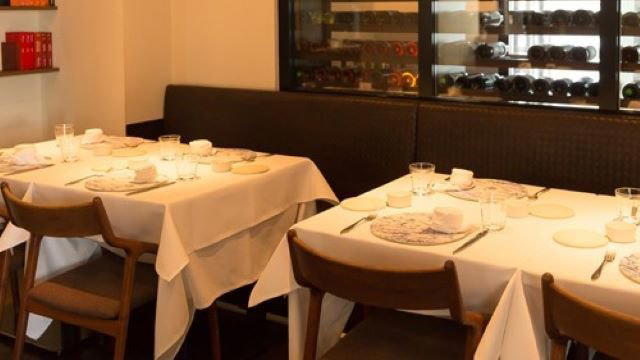
Compact, warmly lit space with just a counter and one table, creating an at-home, relaxed feel where guests can chat directly with the owner-chef while enjoying premium Wagyu and wine.