Karma Food
Karma Food sits on the Am Campus address in Klosterneuburg, a town on the Danube just north of Vienna that is better known for its Augustinian monastery and wine-growing slopes than for destination dining. The restaurant operates within a campus setting that positions it at some remove from the city-centre noise, drawing a crowd that travels with purpose rather than stumbling in. Its name signals an orientation toward conscious sourcing that places it in a growing Austrian tradition of ingredient-led cooking.
Pearl is the En Primeur Club membership app — saves, bookings, and concierge access live there. Same editors, same standards.
- Address
- Am Campus 1, 3400 Klosterneuburg, Austria
- Website
- karmafood.at
- Directions
- Get directions
 Saves & bookings on Pearl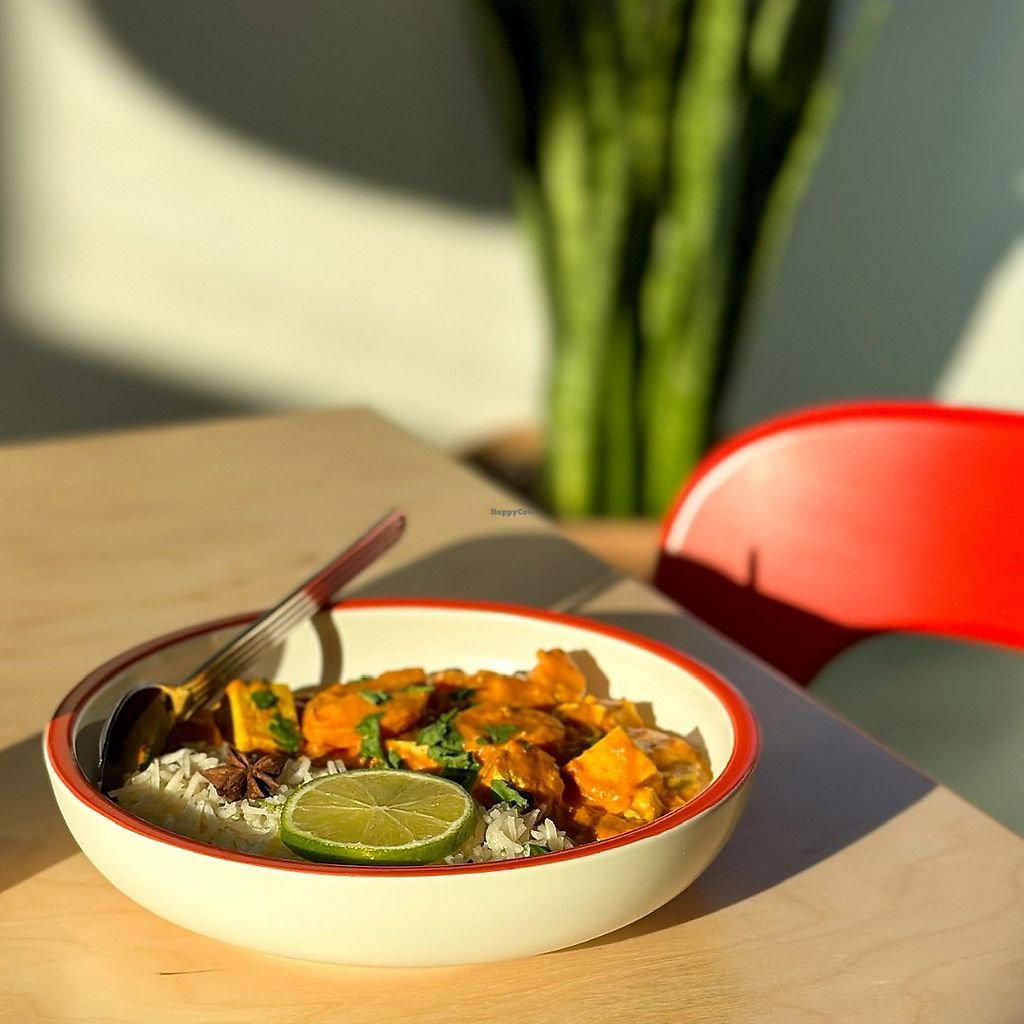
Klosterneuburg and the Case for Eating Outside Vienna
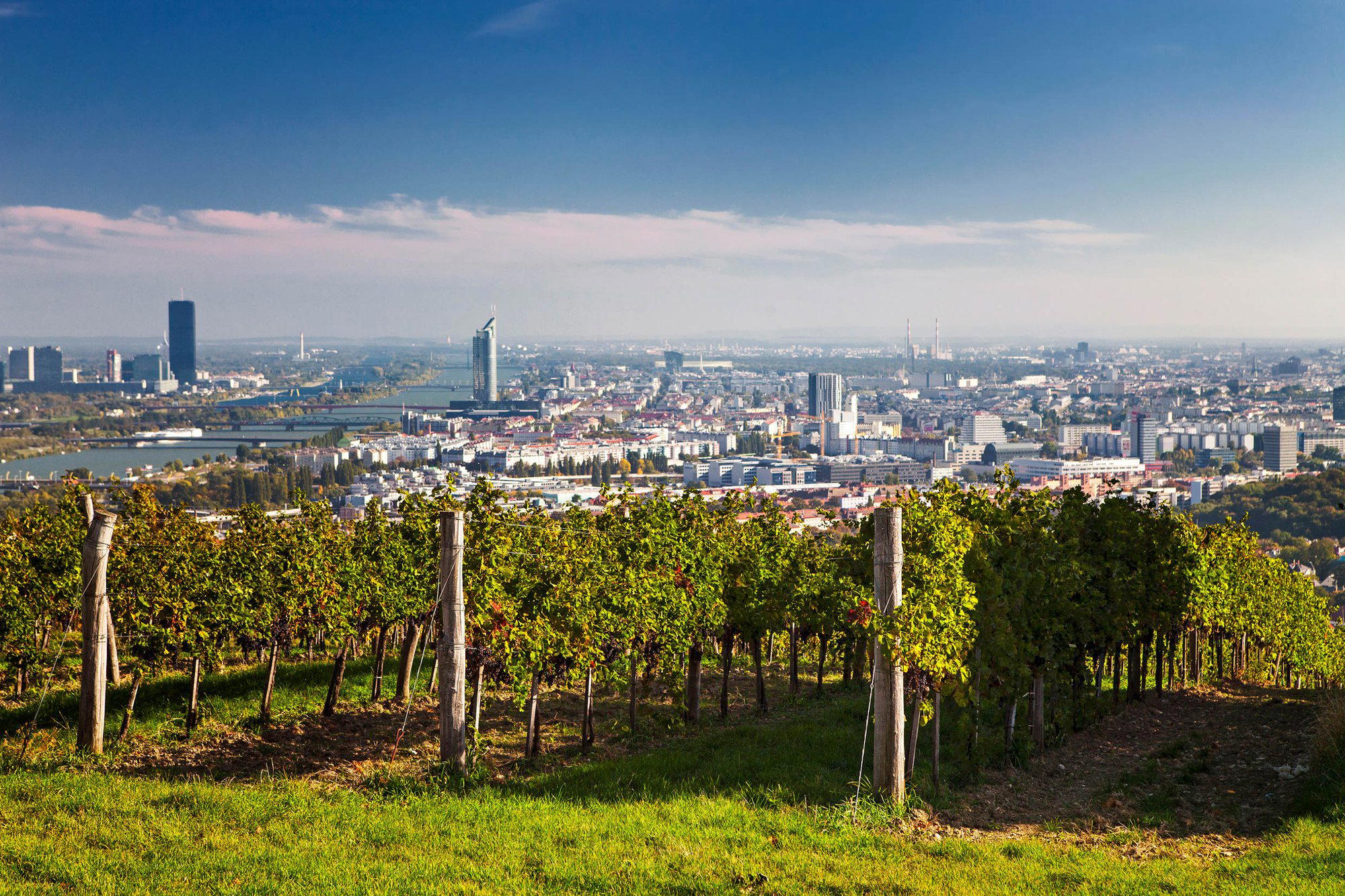
Austria's restaurant conversation defaults to Vienna, and understandably so. The capital holds the prestige addresses, and the decades of accumulated reputation. Steirereck im Stadtpark and a handful of peers define what the country's upper tier looks like to outside observers. But the smarter pattern among Austrian food travelers in recent years has been to follow the sourcing logic outward: to the Wachau for Riesling-country cooking at Landhaus Bacher, to the Alpine south at Döllerer, and now to the Danube's northern bank, where Klosterneuburg sits between the vineyards of the Wagram and Nussberg slopes and the edge of Vienna's nineteenth district.
Karma Food occupies an address at Am Campus 1, a detail that immediately distinguishes it from the town's older, more conventional offerings. A campus setting in a smaller Austrian town typically signals institutional proximity, the kind of location that feeds a lunchtime crowd rather than builds a destination reputation. What is more interesting is when a kitchen in such a setting chooses to work against that gravity, foregrounding sourcing and intention rather than convenience and volume.
Ingredient Logic and the Austrian Countryside
The name Karma Food carries a clear orientation: this is a kitchen whose identity is built around what comes in through the back door. That framing places it inside a recognizable current in Austrian cooking, one that has been gathering force since the mid-2000s and is now central to how the country's more serious restaurants differentiate themselves internationally. At Kräuterreich by Vitus Winkler in the Pongau, the sourcing logic runs through Alpine herb cultivation. At Obauer in Werfen, decades of regional supplier relationships have become the kitchen's primary credential. The pattern is consistent: Austria's ingredient-forward restaurants treat provenance as argument, not decoration.
Klosterneuburg's geography supports this approach more readily than many Austrian towns. The surrounding Weinviertel and the Wagram wine district produce not just grapes but the market-garden culture that tends to develop alongside viticulture. The Danube corridor between Klosterneuburg and the Wachau has historically been one of Lower Austria's most productive agricultural belts. A kitchen at Am Campus 1 sits within reach of that supply network in a way that urban Vienna, despite its proximity, cannot replicate with the same directness.
Positioning Within the Regional Tier
Austria's serious restaurant tier outside Vienna has become increasingly coherent over the past decade. Kitchens in smaller towns now compete for recognition on culinary terms rather than location terms. Places like Taubenkobel in Schützen am Gebirge and Ois in Neufelden have demonstrated that the travel-worthy regional restaurant is now a functional category in Austria, not an exception.
Klosterneuburg occupies an unusual position in that map. It is close enough to Vienna that a meal here does not require an overnight stay, yet far enough removed to have its own civic identity, shaped by the Augustinian Klosterneuburg Monastery, the town's wine estates, and a population that includes both commuters and long-established local families. That dual character tends to support restaurants that can hold two audiences simultaneously: the local regular and the Vienna visitor who has made a conscious trip. Alpine counterparts to this model exist at Schwarzer Adler in Hall in Tirol and Gourmetrestaurant Tannenhof in Sankt Anton, both of which serve a local-and-visitor mix without compromising their culinary register.
Internationally, the ingredient-sourcing frame that Karma Food suggests connects to a broader shift in how serious restaurants are evaluated. Institutions like Le Bernardin in New York have long made sourcing a central public argument, and more recently, restaurants like Atomix have shown that provenance storytelling can operate at the highest tier of fine dining without becoming didactic. The Austrian version of this argument is more grounded in geography and less in narrative performance, which suits the country's culinary temperament.
What to Expect From the Room and the Experience
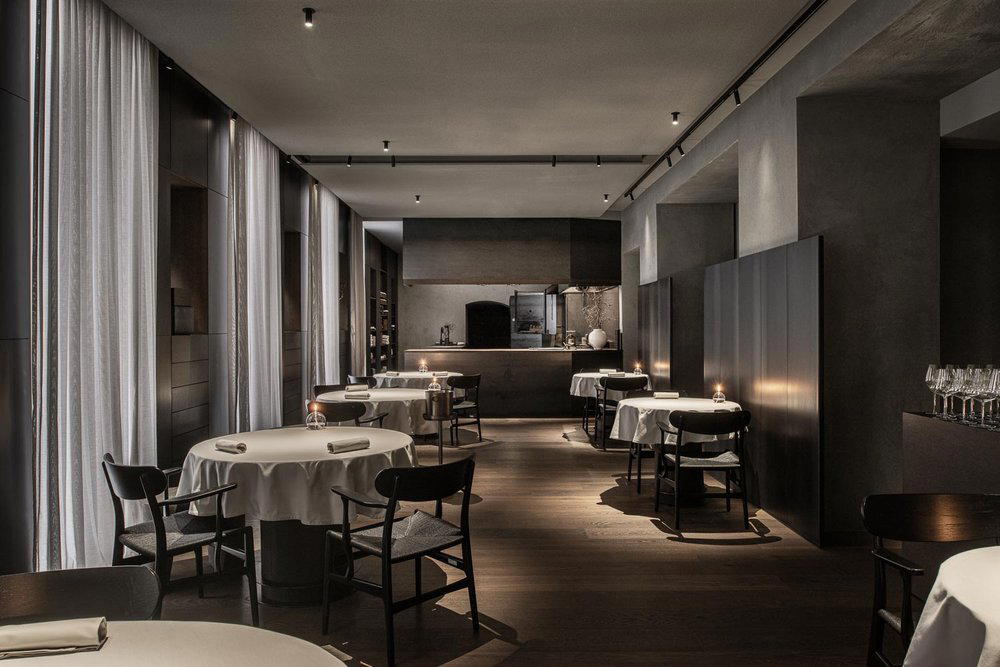
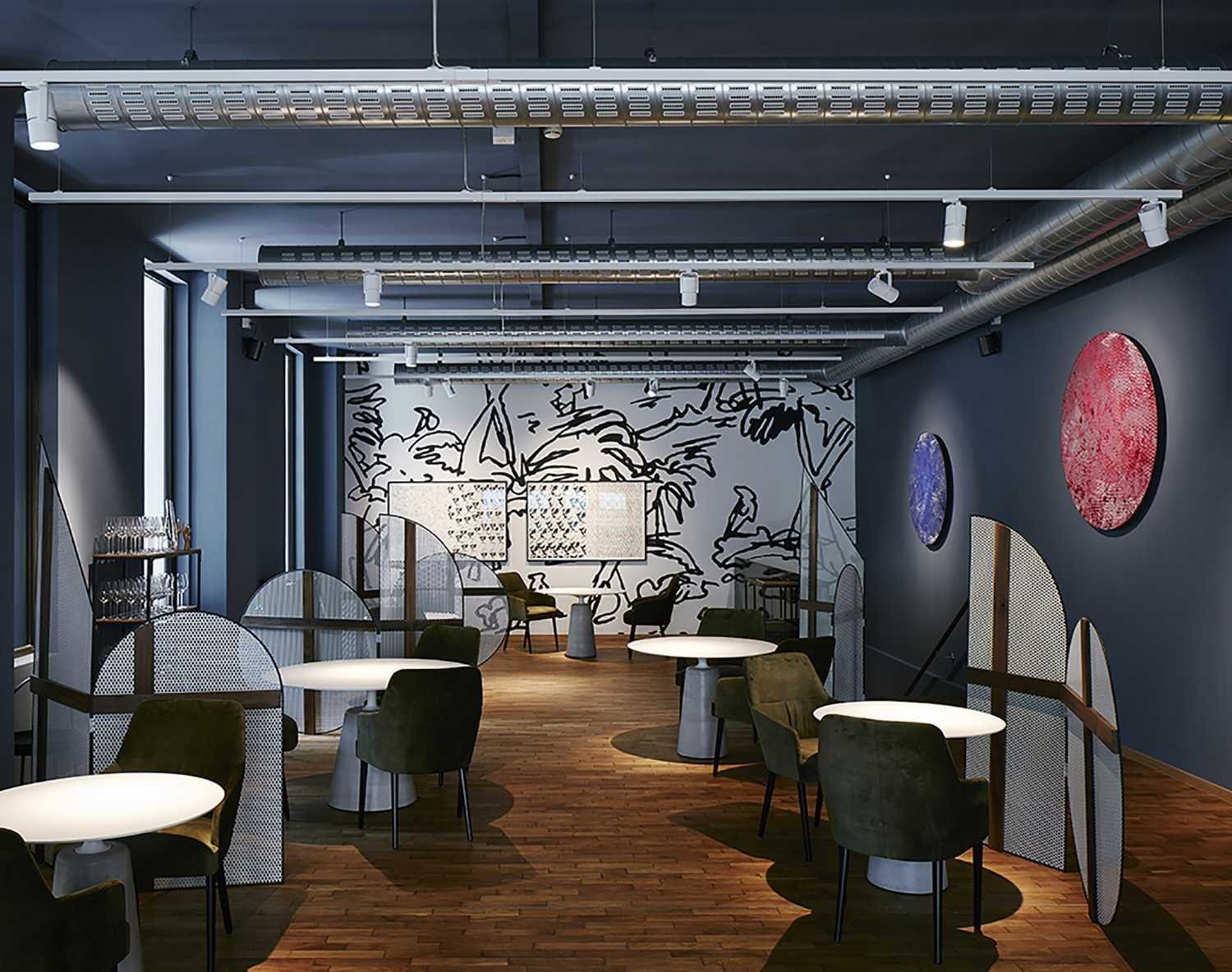
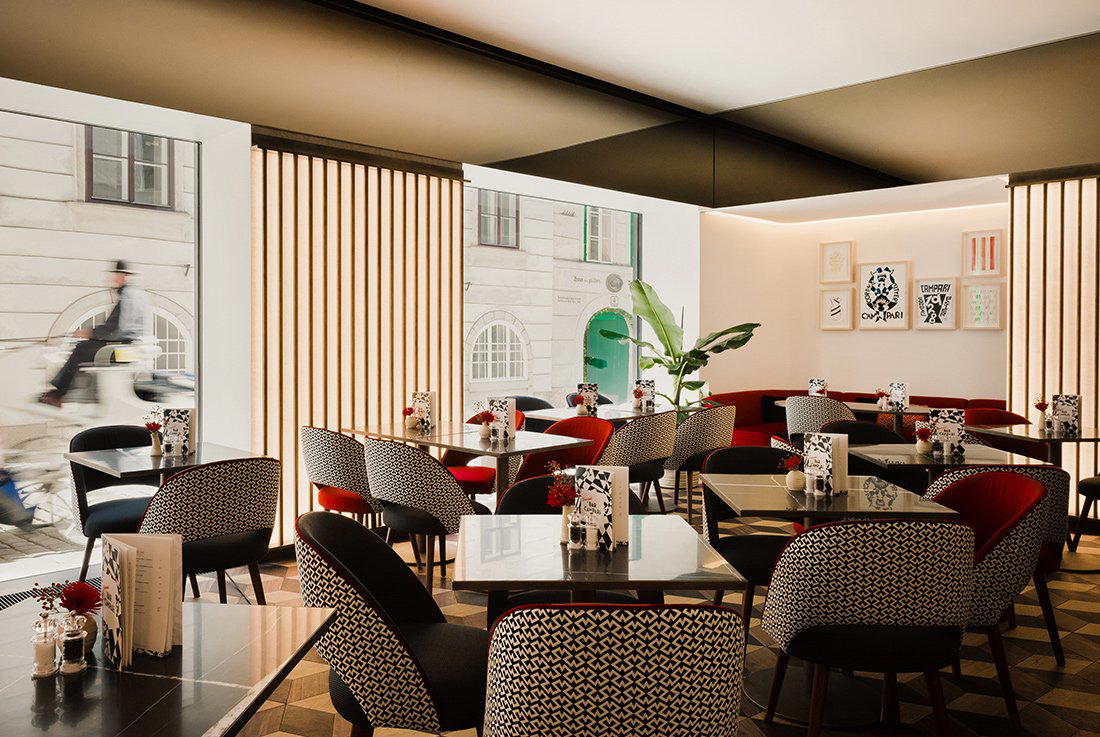
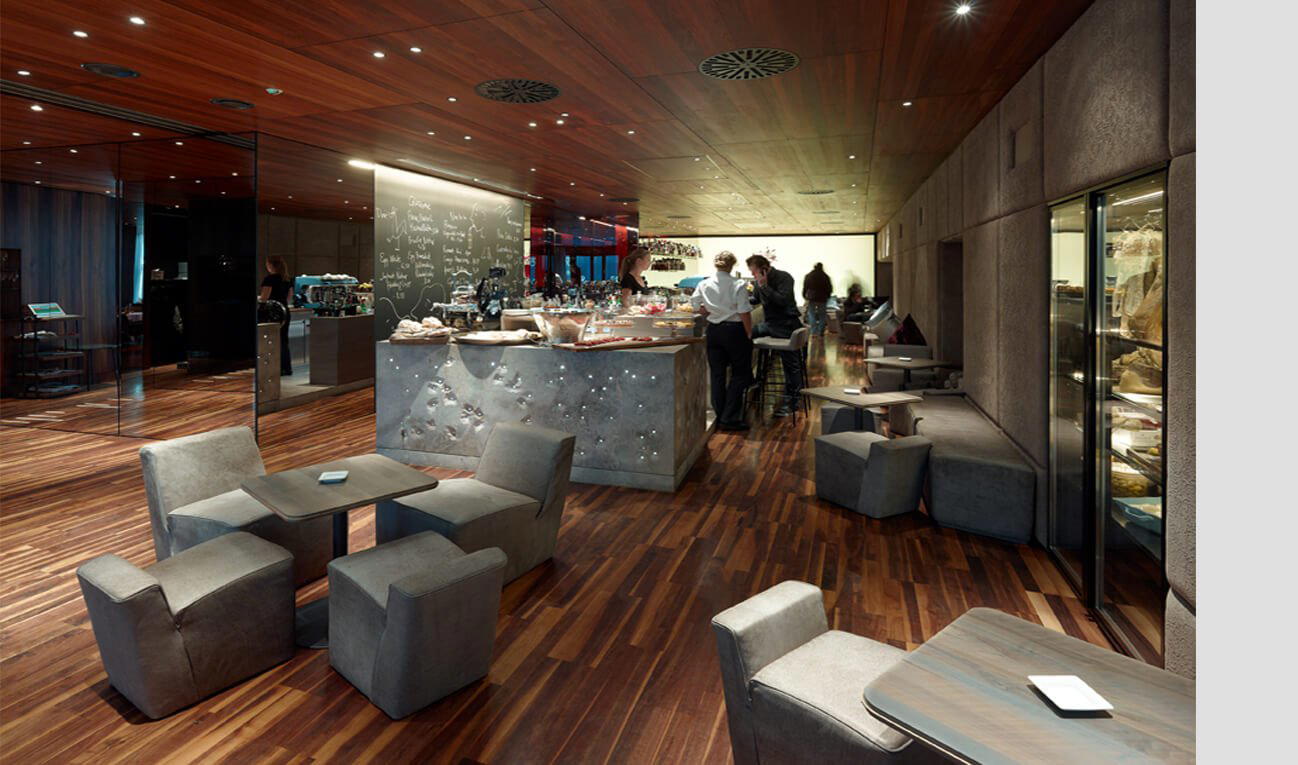
A campus address in Klosterneuburg produces a particular kind of physical approach. The setting is unlikely to involve the cobblestoned lanes and baroque facades that frame much of Austria's established dining. Instead, the experience tends to be more contemporary in its surroundings, which in Austria often means cleaner architecture, more open sightlines, and an atmosphere that reads as deliberate rather than inherited. This is a different register from the wine-village inns along the Danube or the Alpine Stuben of Stüva in Ischgl or Griggeler Stuba in Lech, where centuries of regional hospitality have accumulated in the woodwork. The trade-off is a room that does not impose a specific historical mood, which can work in favor of kitchens that want the food itself to carry the conversation.
The restaurant's campus location also means that the logistics of a visit differ from the usual Austrian restaurant trip. Rather than arriving in a historic market square or along a wine-route lane, the diner arrives at an institutional address that requires more deliberate navigation. That kind of friction, minor as it is, tends to self-select for the guest who has come specifically for the food rather than the backdrop.
Planning Your Visit
Klosterneuburg is accessible from Vienna in under 30 minutes by suburban rail, with S-Bahn services running from Franz-Josefs-Bahnhof. The town is also reachable by car via the B14, which runs along the Danube's northern bank. Am Campus 1 is on the eastern edge of Klosterneuburg's developed area, making public transport the more direct approach for visitors coming from the city. Given the campus setting, arriving by foot from the station is worth considering over a taxi drop-off, as the approach through the town gives useful orientation to Klosterneuburg's character before the meal. For those pairing a visit with a wider Lower Austria itinerary, Ikarus in Salzburg and Atelier Fischer in Sankt Gilgen are logical extensions westward, while Artis in Graz anchors the southern route. Walk-ins are welcome, and the restaurant is open Monday, Tuesday, and Thursday from 11:30 AM to 1:30 PM.
Fast Comparison
Comparable venues nearby, for context on price, style, and recognition.
| Venue | Cuisine | Price | Notes |
|---|---|---|---|
| Karma FoodThis venue — the venue you are viewing | Ayurvedic Indian Vegetarian & Vegan | $ | Not listed |
| Bombay Express | North Indian Fast Food | $ | Donaustadt |
| Daily Spice | Indian & Bangladeshi Street Food | $$ | Rudolfsheim |
| Fladerei Salzgries | Traditional German Flatbread (Fladen) | $ | Stephansdom |
| Petra's Würstelstand | Traditional Austrian Sausages | $ | Siebenhirten |
| Heisse am Gürtel | Viennese Sausage Stand | $ | Josefstadt |
Continue exploring
More in Klosterneuburg
Restaurants in Klosterneuburg
Browse all →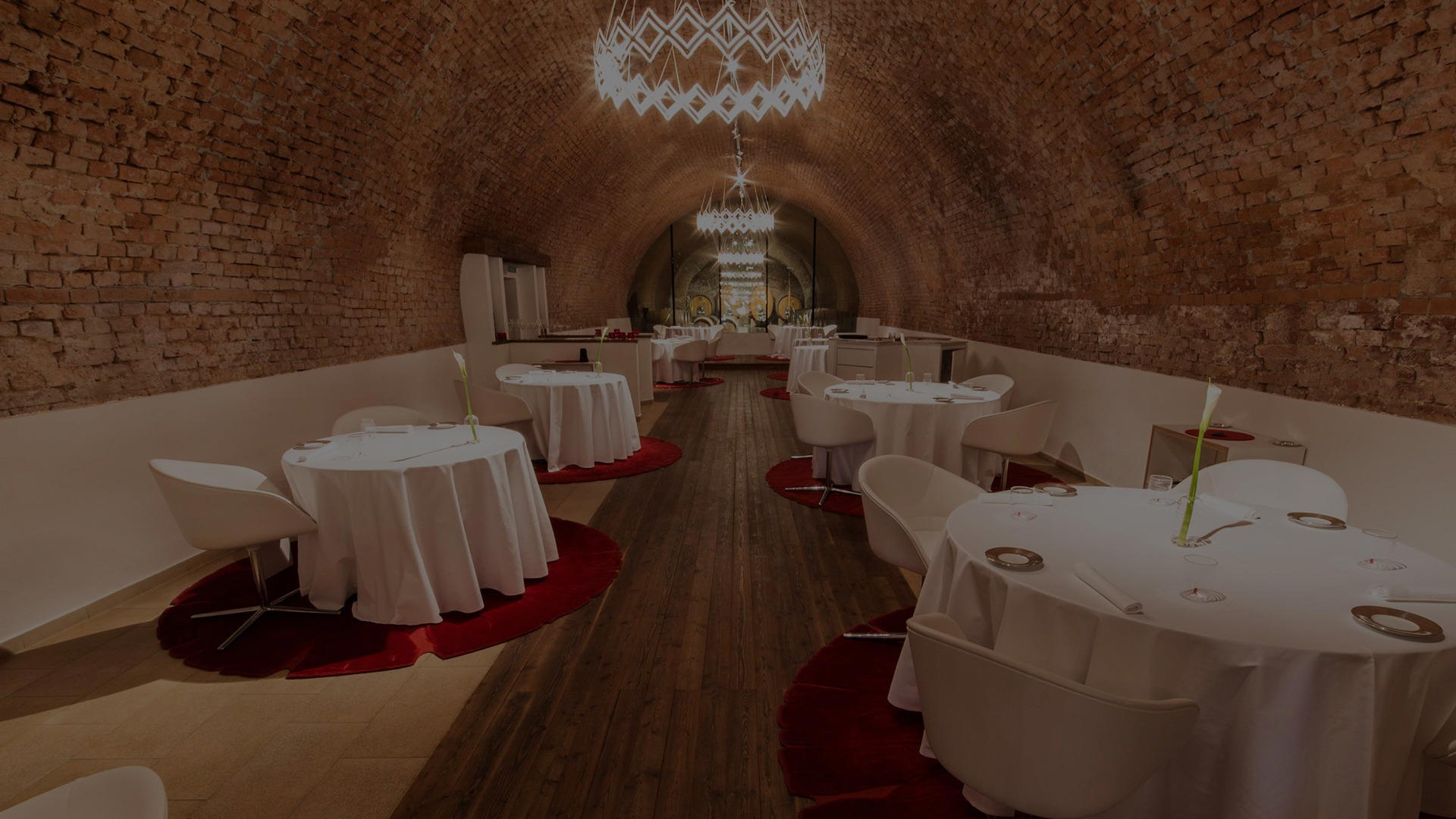
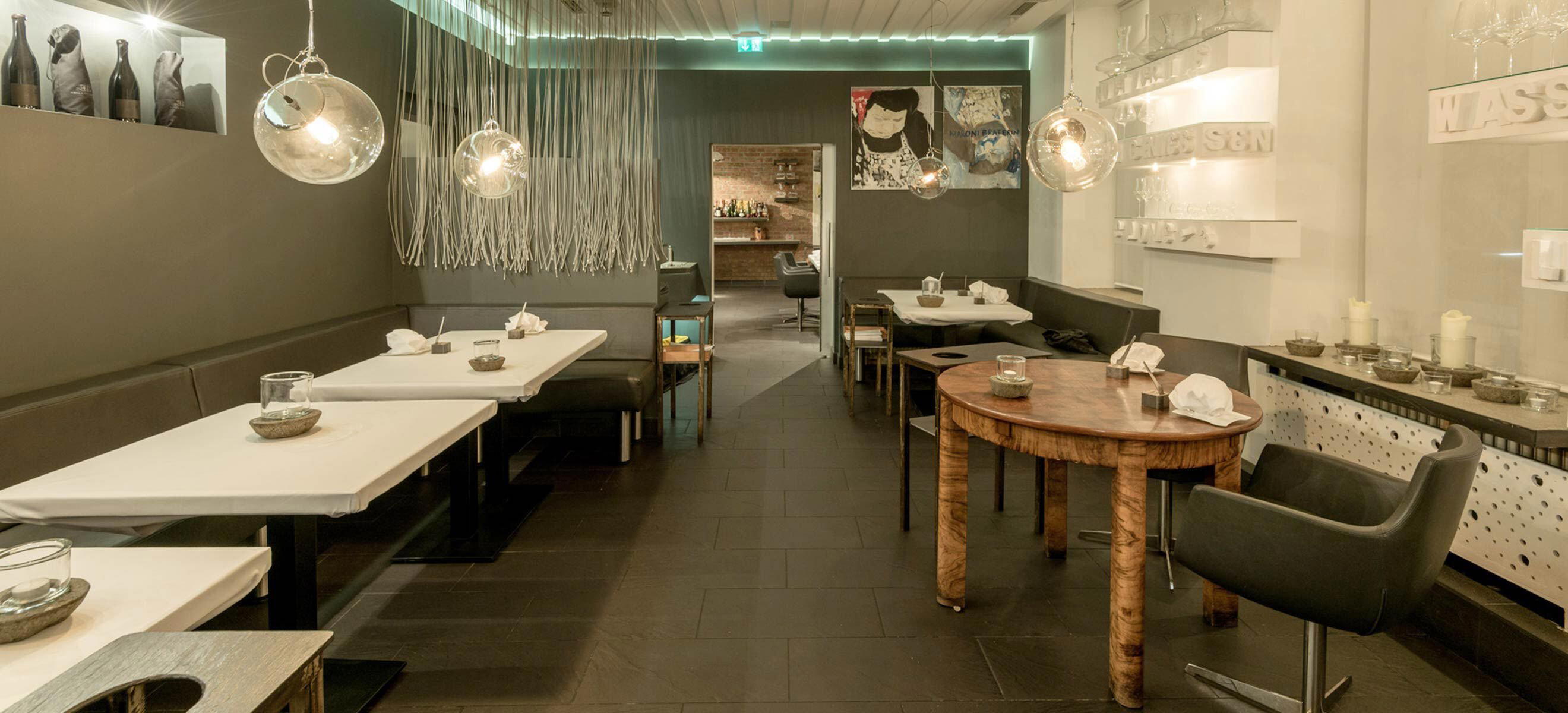
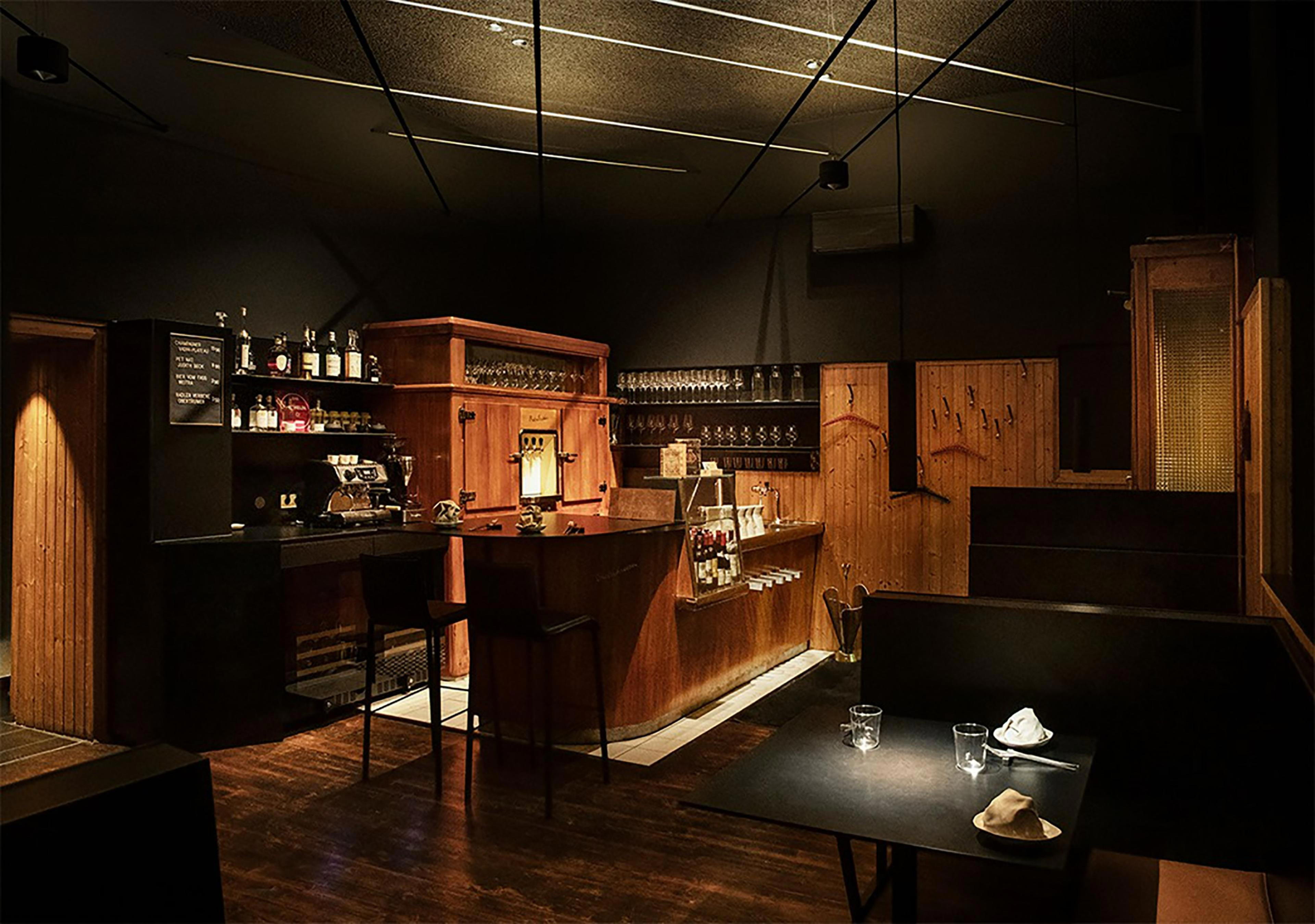
Bars in Klosterneuburg
Browse all →

Hotels in Klosterneuburg
Browse all →
At a Glance
- Casual
- Cozy
- Trendy
- Casual Hangout
- After Work
- Open Kitchen
- Zero Proof
- Organic
- Local Sourcing
Current opening hours
- Monday
- 11:30 AM–1:30 PM
- Tuesday
- 11:30 AM–1:30 PM
- Wednesday
- Closed
- Thursday
- 11:30 AM–1:30 PM
- Friday
- Closed
- Saturday
- Closed
- Sunday
- Closed
Hours can change for holidays and private events. Last verified .
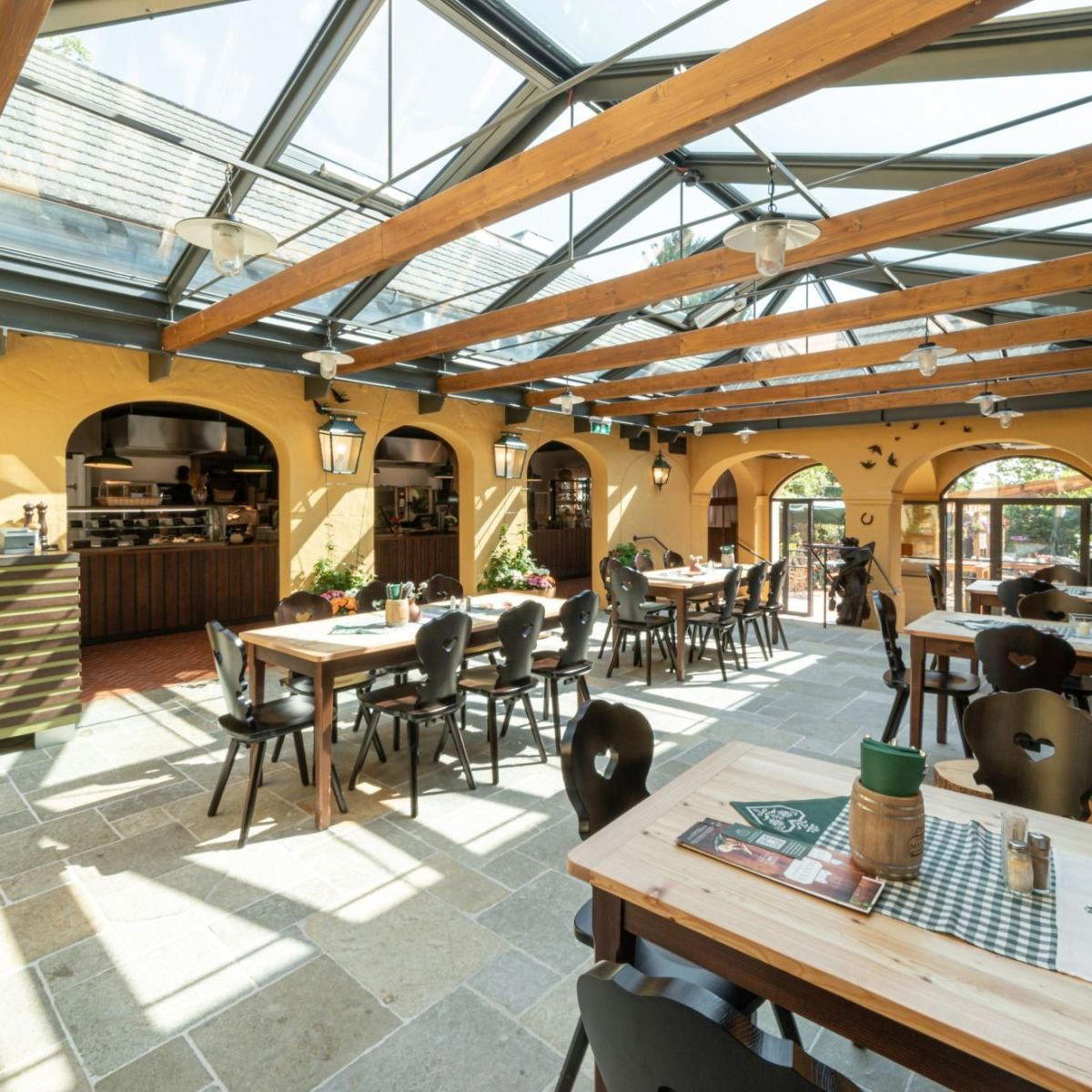
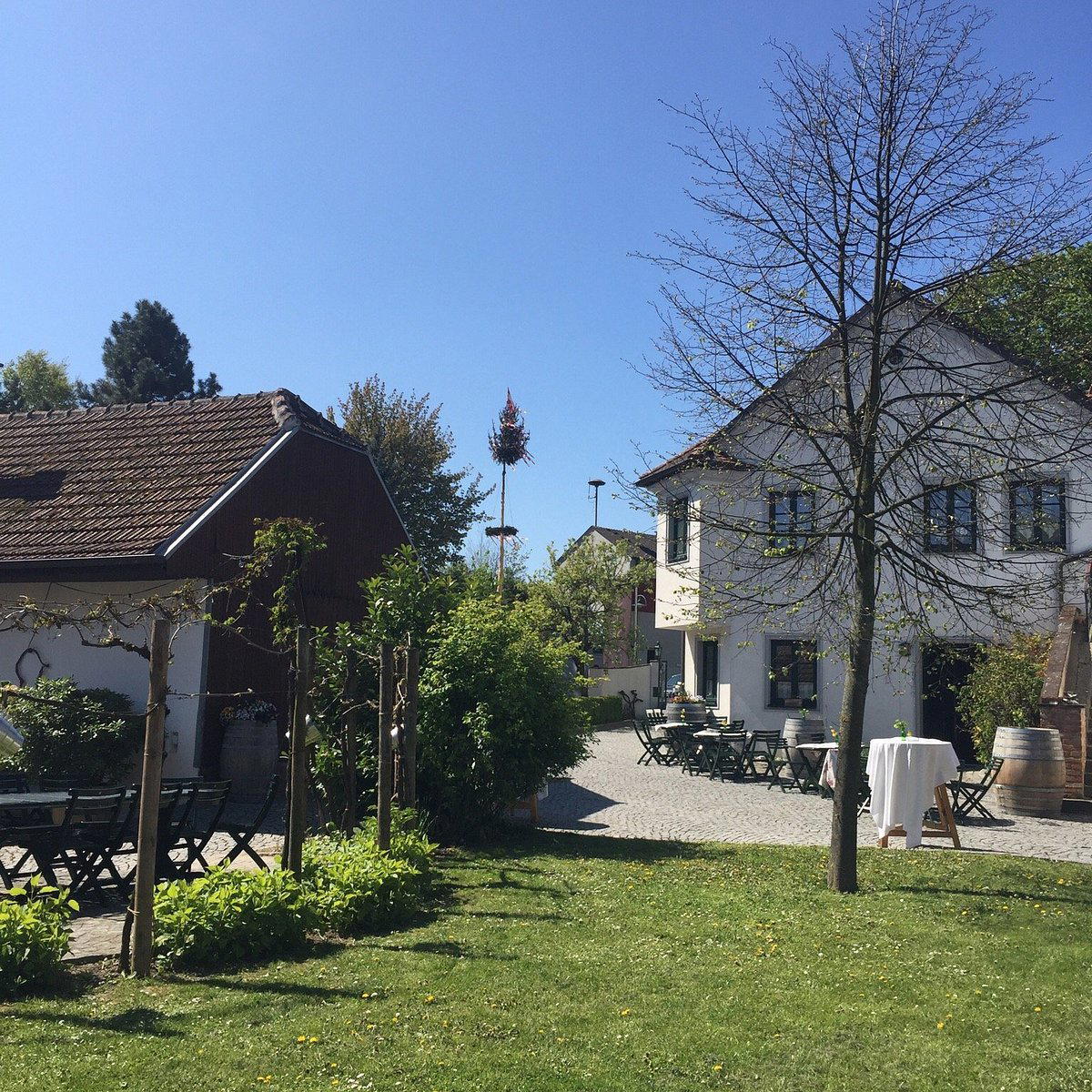
Bright, welcoming lunch environment with a focus on community dining and healthy, feel-good food.