In Šenkovec, a small settlement in Croatia's Međimurje region, rural tourism in the agrotourism tradition means food that begins in the field and ends at a shared table. Stara Preša represents the kind of farmstead hospitality that has shaped this corner of northern Croatia for generations, where what arrives on the plate reflects what was grown, pressed, or preserved on the land around it.
Pearl is the En Primeur Club membership app — saves, bookings, and concierge access live there. Same editors, same standards.
- Address
- Ul. Ivana Turka 50, 10292, Šenkovec, Croatia
- Phone
- +38512062473
- Directions
- Get directions
 Saves & bookings on Pearl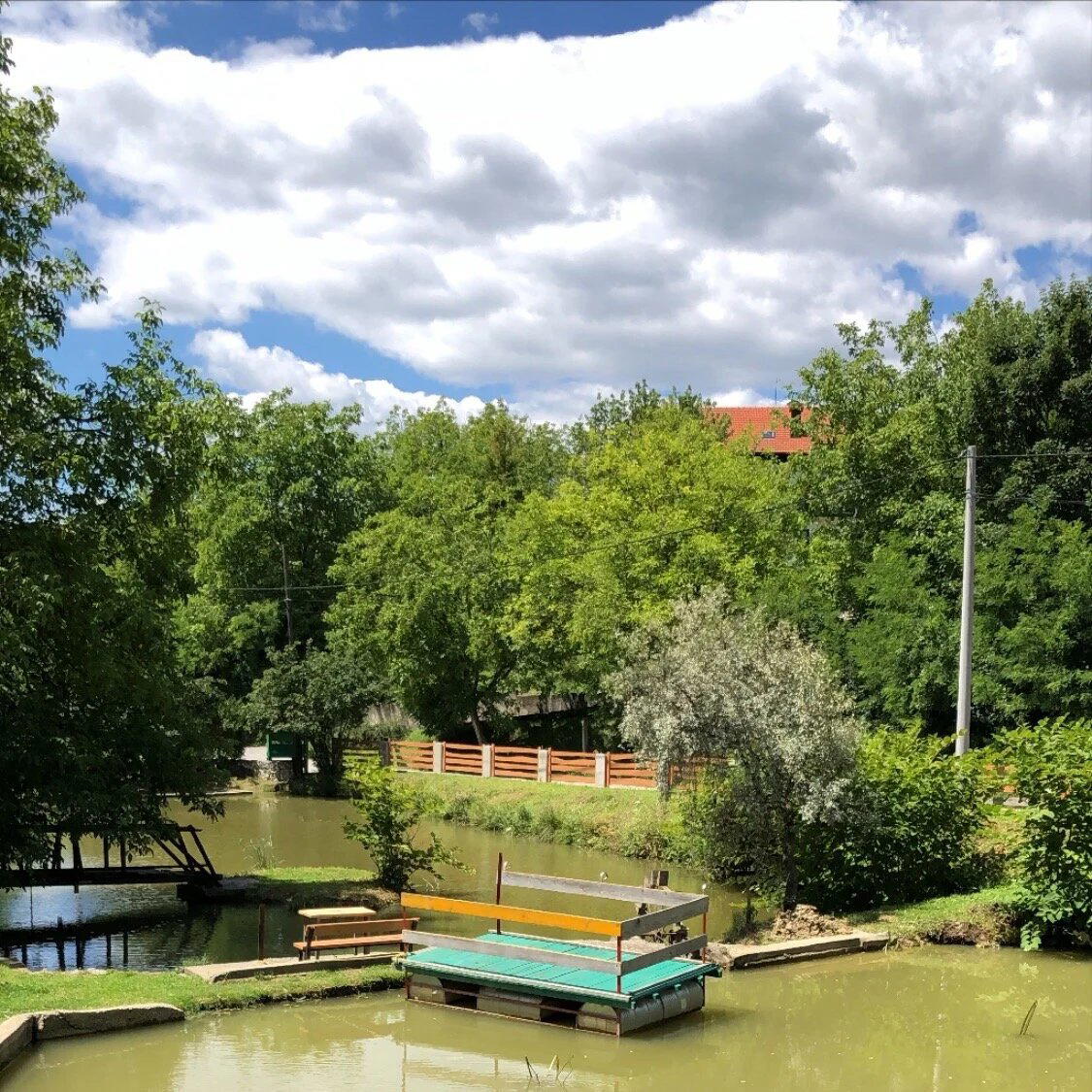
Where the Plate Begins in the Ground
Seoski Turizam Stara Preša is a casual restaurant in Šenkovec, Croatia, with. Down the coast, places like Pelegrini in Sibenik or Restaurant 360 in Dubrovnik anchor their identities in Mediterranean produce and contemporary technique. Up here, the reference points are different: rolling hills, working farms, cold-climate viticulture, and a culinary tradition that treats preservation, cured meats, and garden vegetables as the foundation of a serious table rather than a rustic footnote.
Seoski Turizam Stara Preša sits on Ul. Ivana Turka 50 in Šenkovec, a village close to the Slovenian border, and its name gives away its logic before you arrive. "Stara Preša" translates roughly as "old press", a reference to the winemaking and fruit-pressing equipment that defines agricultural life in this region. The agrotourism model that venues like this inhabit is not a nostalgic performance. It is a specific economic and cultural category in Croatian rural life, where farms open their tables to visitors as an extension of what the land already produces. The ingredients on the plate are not sourced from a supplier network. They come from the surrounding property and the farms of immediate neighbours.
The Agrotourism Tradition in Northern Croatia
The agrotourism format across Međimurje and the broader Zagorje region to the south developed as a way for small family landholdings to remain economically viable. What distinguishes it from rural restaurants elsewhere in Europe is the directness of the supply chain: the same household that tends the orchard, raises the pigs, and ferments the grape juice is the one setting the table. This is not farm-to-table as a marketing concept. It is farm-to-table as an inherited operating model with no intermediary step.
That directness produces food with a specific character. Seasonal availability is not a menu design choice but a hard constraint. What appears at the table in October reflects what was harvested in September. The smoked and cured preparations that appear across northern Croatian agrotourism tables are not there for aesthetic reasons, they reflect preservation methods that predate refrigeration and remain in active use. Korak in Jastrebarsko and Cantilly Garden Restaurant in Samobor work in adjacent territory, though in more formally structured formats. The agrotourism model that Stara Preša inhabits sits at a more intimate, less mediated point on that spectrum.
What Grows Here, What Gets Made Here
Međimurje's agricultural identity centres on a few things: white wine grapes (particularly Graševina and Muškat), orchard fruits used for schnapps and preserves, pumpkin cultivation (the cold-pressed pumpkin seed oil produced in this region is a protected designation product across the broader Pannonian zone), and pig farming that feeds a strong tradition of cured and smoked charcuterie. These are not ingredients imported to create a regional identity. They are what this land reliably produces.
For a venue operating in the agrotourism category, the sourcing structure means the menu reflects these realities directly. The produce calendar, the cellar contents, and the curing room determine what arrives at the table. In contrast to the contemporary Croatian fine dining scene, where venues like Agli Amici Rovinj or Nebo by Deni Srdoč in Rijeka engage in dialogue with international technique, the agrotourism table is defined by what the farm can do, not what the broader culinary world is doing.
That constraint is the point. Visitors arriving at a venue like Stara Preša are not coming for creative reinterpretation. They are coming to eat food produced within a tight geographic radius, prepared according to methods that belong to this specific valley, at a pace that the farm itself dictates.
Positioning Within Croatia's Dining Tiers
Croatia's premium dining tier is coastal and concentrated. LD Restaurant in Korčula, Dubravkin Put in Zagreb, and Boskinac in Novalja represent the formal, award-tracked end of Croatian hospitality, where investment in wine cellars, tasting menus, and trained kitchen brigades places venues in direct comparison with regional European fine dining. That is a different category from agrotourism, and deliberately so.
Agrotourism venues occupy their own pricing and quality framework. The measure of quality is not technique or formal credentials but authenticity of sourcing, consistency of the farm operation, and the integrity of traditional preparation. BioMania Bistro Bol works in a broadly comparable spirit on the island of Brač, prioritising organic and local sourcing in a more structured bistro format. The agrotourism model in Međimurje sits at an even more direct, less produced point on that axis.
For context on what craft-sourcing looks like when applied at higher budgets and more formal structures internationally, Le Bernardin in New York City and Atomix in New York City demonstrate how sourcing precision operates at the summit of global fine dining. The scale and investment are incomparable to a northern Croatian farmstead, but the underlying principle, that ingredient origin determines plate quality, runs through both ends of the spectrum.
Planning a Visit
Šenkovec is accessible by road from Čakovec, the regional capital of Međimurje, roughly ten minutes to the northeast. The venue address is Ul. Ivana Turka 50. Agrotourism venues in Croatia typically require advance contact before arrival, visits are rarely walk-in affairs, and capacity is limited by the nature of the format. Reaching Stara Preša directly to confirm availability and arrange a visit is the appropriate approach. Reservations are recommended.
Comparison Snapshot
Comparable venues nearby, for context on price, style, and recognition.
| Venue | Cuisine | Price | Notes |
|---|---|---|---|
| Seoski Turizam Stara PrešaThis venue — the venue you are viewing | Traditional Croatian Farmhouse Cuisine | $$ | Not listed |
| Kod Pere | Traditional Croatian | $$ | Gornji Grad |
| SOL tapas na hrvatski | Croatian Tapas | $$ | centar |
| Karlo | Traditional Croatian | $$ | Plešivica |
| Bitoraj | Traditional Croatian Game Meat | $$ | Fuzine |
| Amélie | French-Inspired Pastry Shop & Cafe | $$ | Gornji Grad |
Continue exploring
More in Senkovec
Restaurants in Senkovec
Browse all →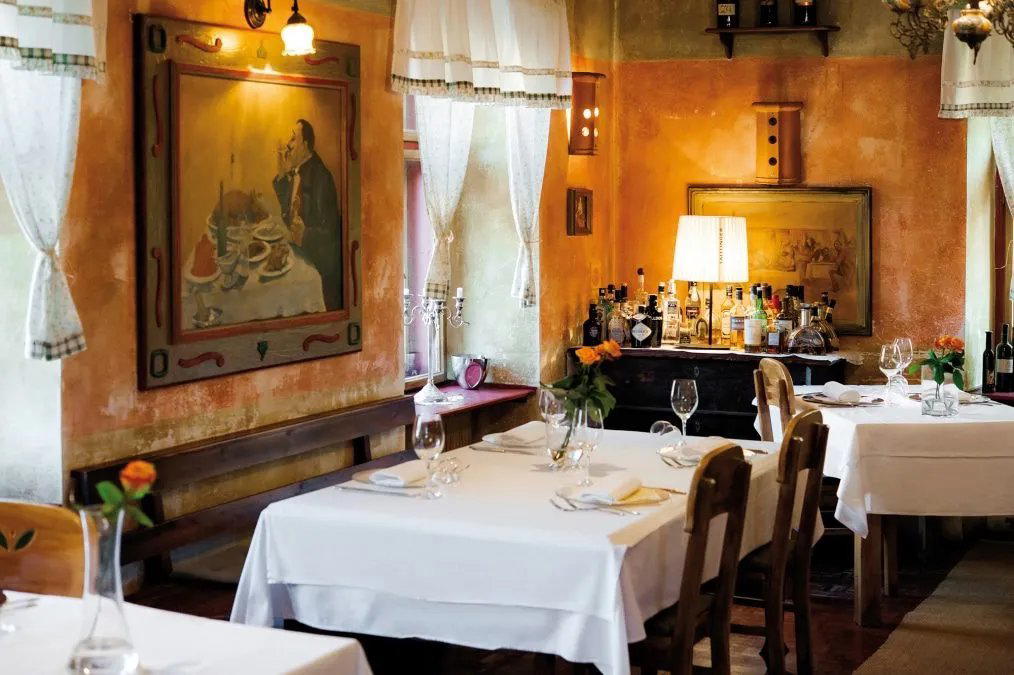
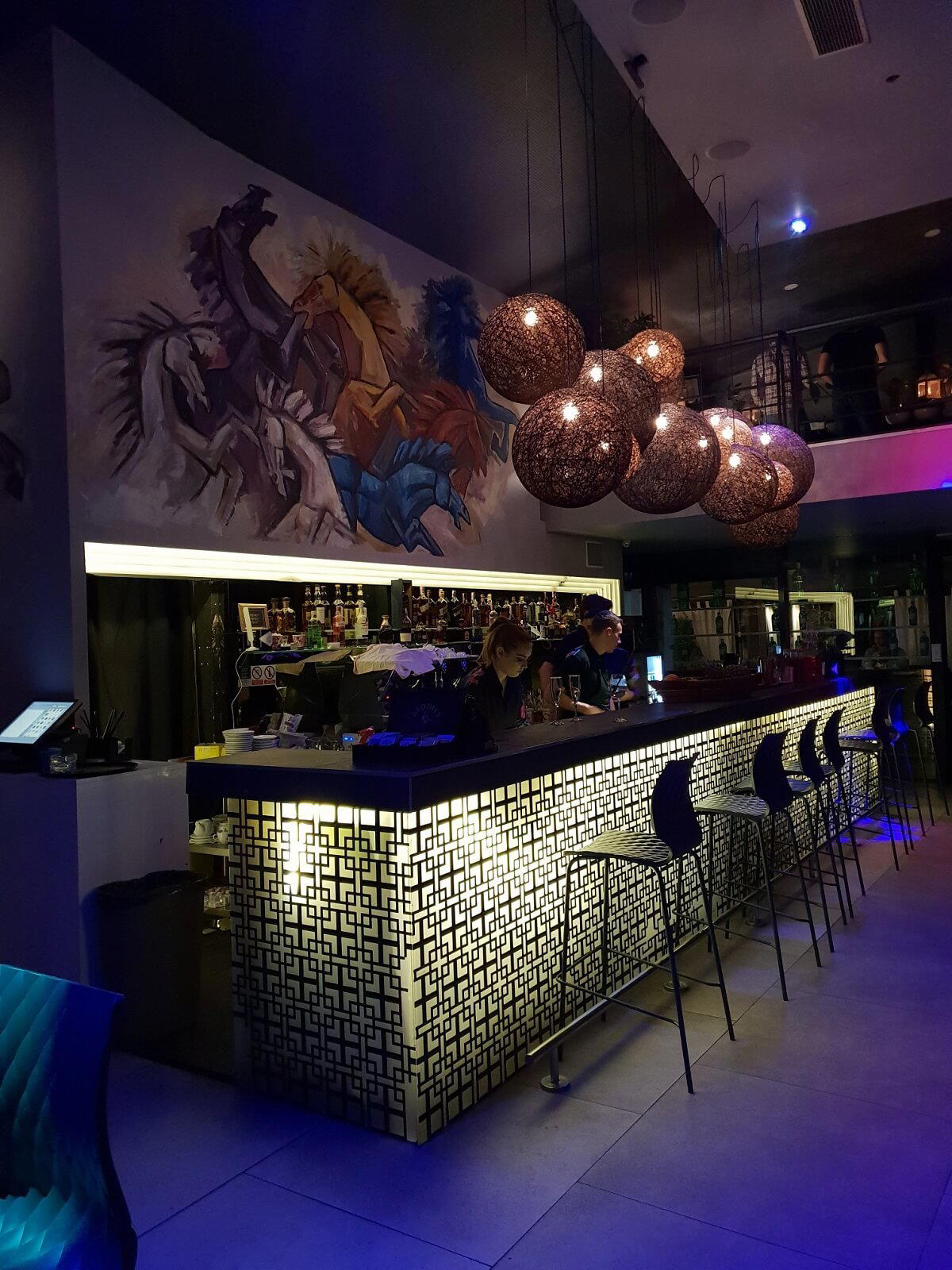
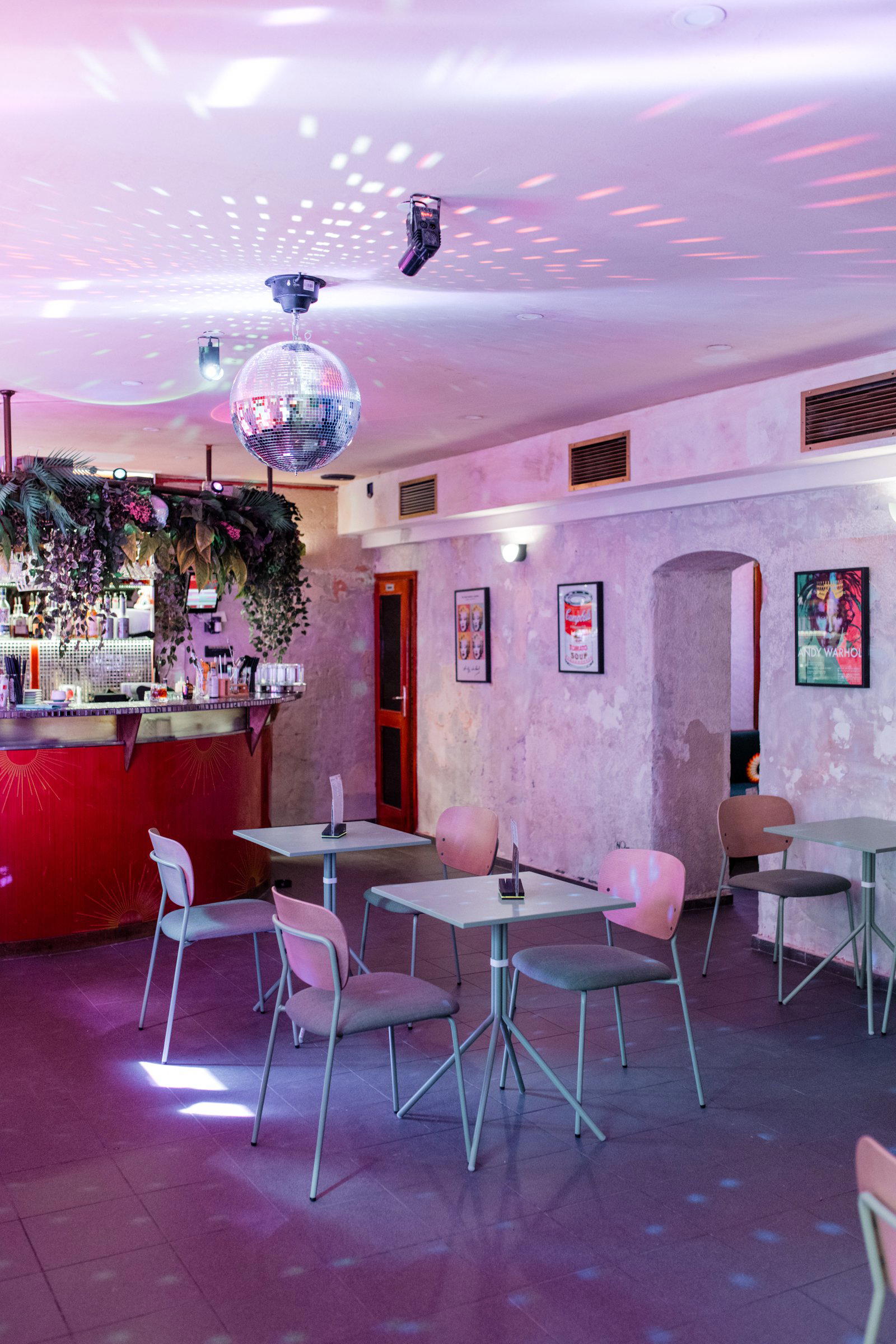
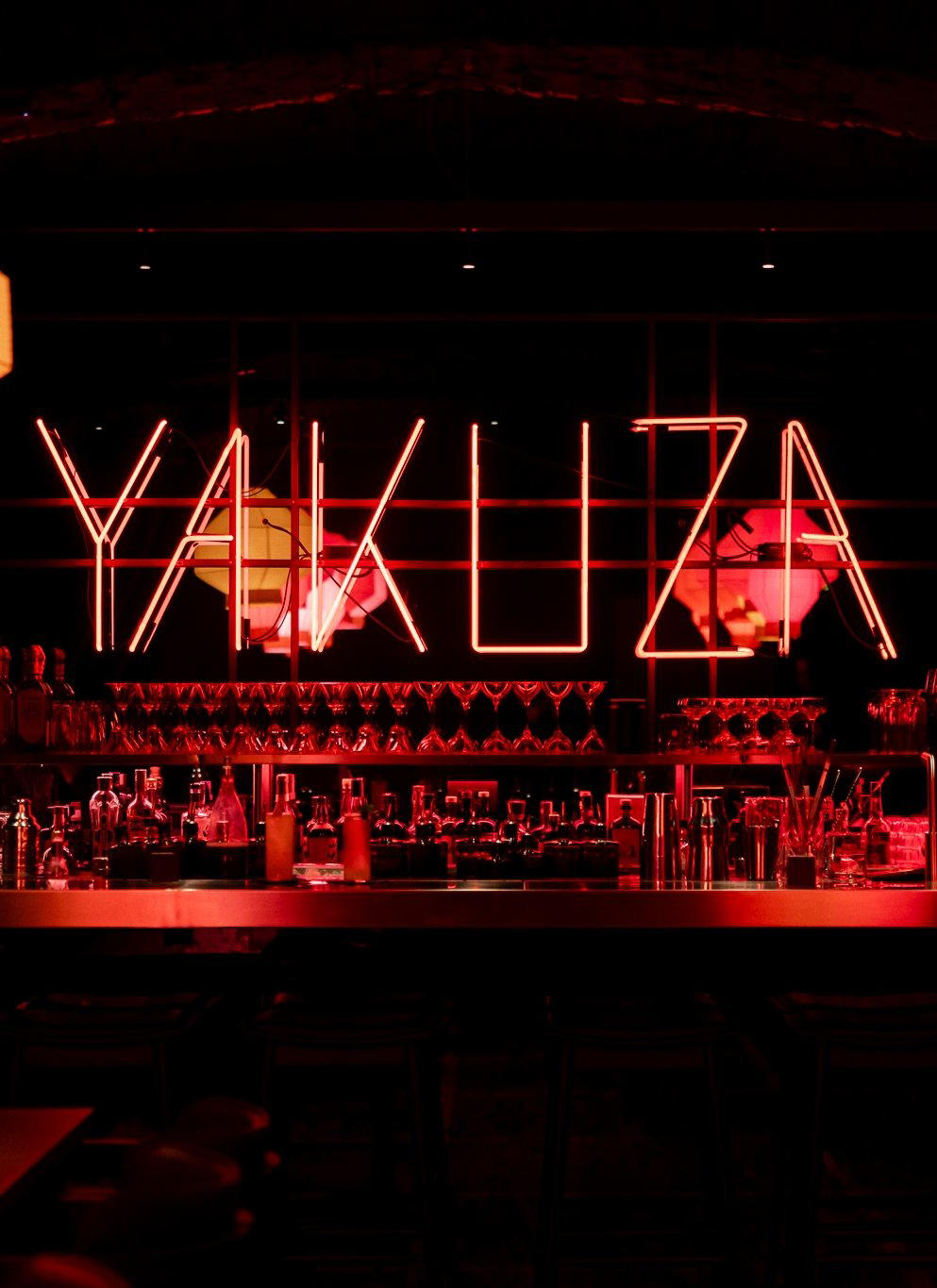
Bars in Senkovec
Browse all →
Hotels in Senkovec
Browse all →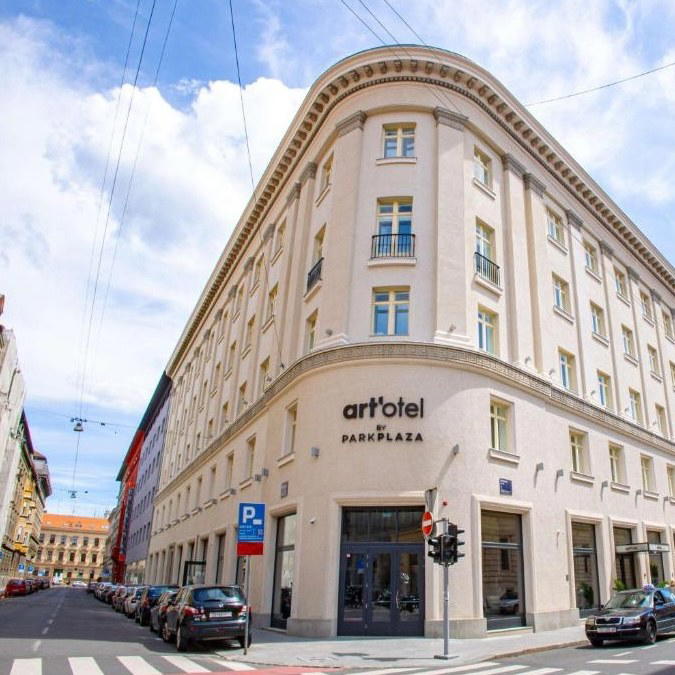

At a Glance
- Rustic
- Cozy
- Scenic
- Classic
- Family
- Group Dining
- Celebration
- Special Occasion
- Garden
- Terrace
- Wine Cellar
- Private Dining
- Panoramic View
- Extensive Wine List
- Local Sourcing
- Farm To Table
- Garden
- Waterfront
Current opening hours
- Monday
- Closed
- Tuesday
- Closed
- Wednesday
- 12–10 PM
- Thursday
- 12–10 PM
- Friday
- 12–11 PM
- Saturday
- 12–11 PM
- Sunday
- 12–8 PM
Hours can change for holidays and private events. Last verified .
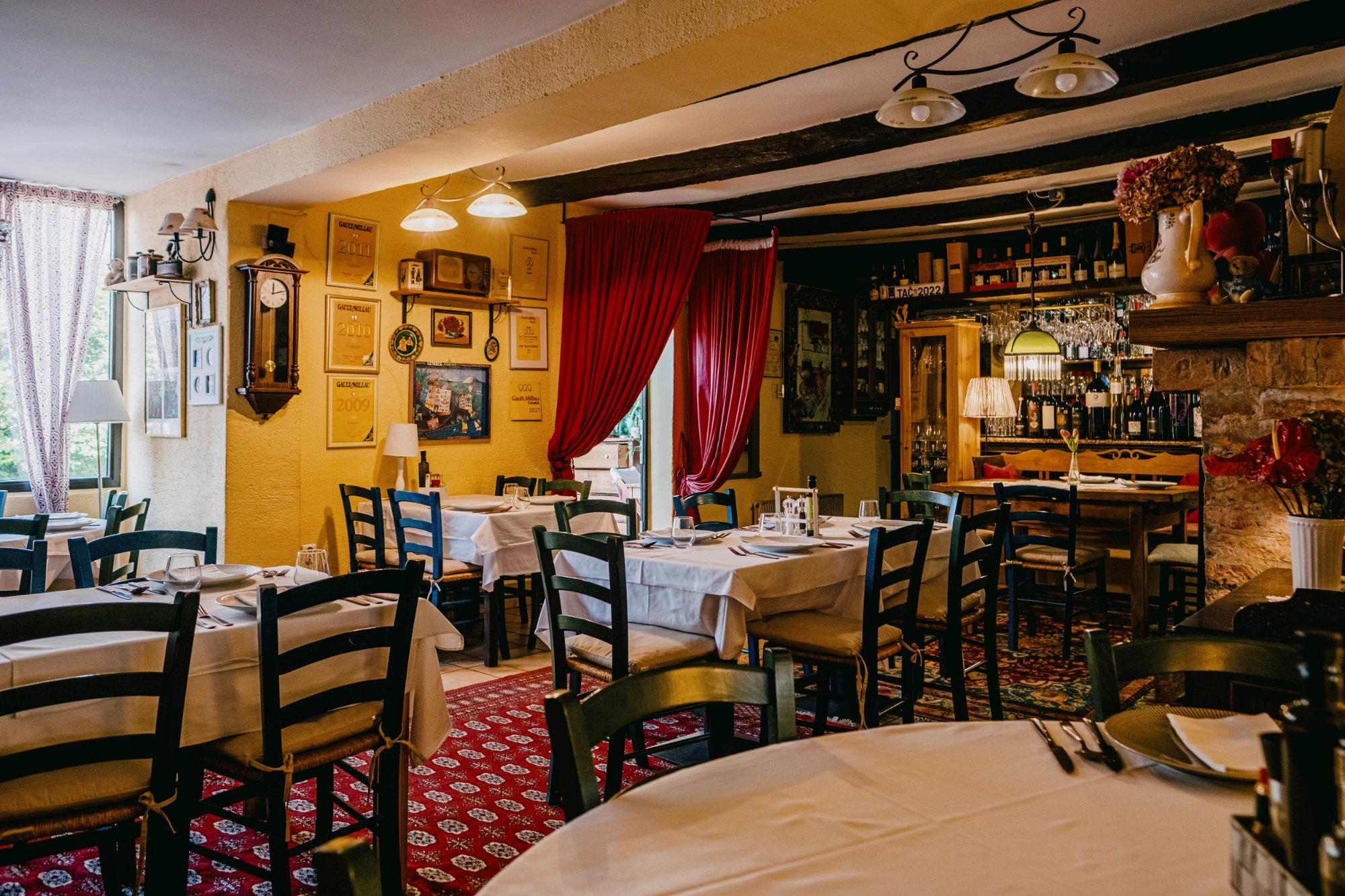
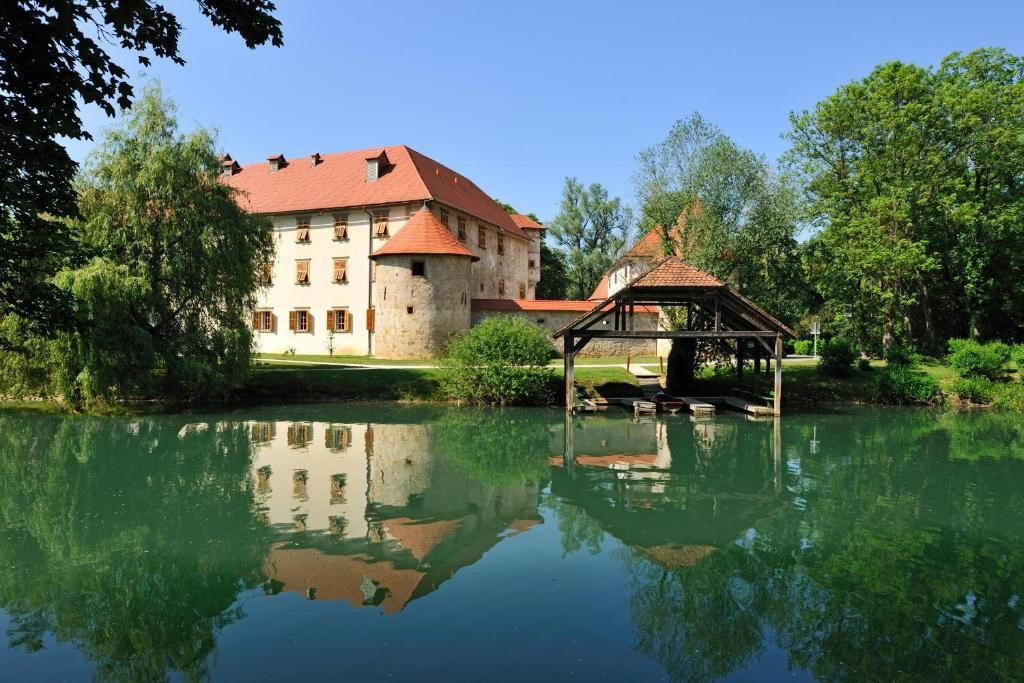
Warm, homelike atmosphere with natural lighting from large windows and terraces overlooking gardens and lakes; rustic interior with traditional decor reflecting Croatian heritage.