
Karaage Waka Tori gives Mishima’s chicken-cuisine tradition a focused, izakaya-scale expression rather than a luxury gloss. Its 2025 Tabelog 100 selection for chicken cuisine places it in a national conversation, while the format remains compact, local, and built around the pleasures of poultry, drink, and a room sized for regulars as much as travelers.
Pearl is the En Primeur Club membership app — saves, bookings, and concierge access live there. Same editors, same standards.
- Address
- 4-1 Honcho, Mishima, Shizuoka 411-0855, Japan
- Phone
- +81 55-975-3261
- Website
- tabelog.com
- Directions
- Get directions
 Saves & bookings on Pearl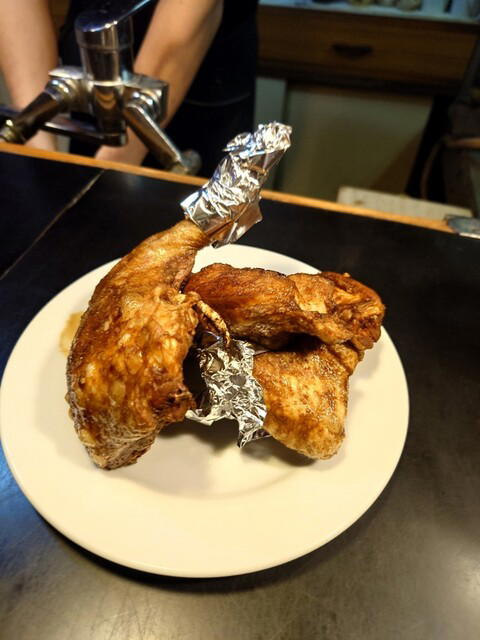
Approach Mishima’s central dining streets after dusk and the city reads less like a destination dining capital than a place where small rooms carry the evening. Counters, table seating, smoke, bottles, and short menus do the work. In that context, Karaage Waka Tori belongs to a Japanese tradition that treats chicken not as a supporting protein but as the point of the meal: cut, fried, grilled, seasoned, and paired with sake, shochu, or wine in a room where scale matters.
Mishima sits between mountain water, rail traffic, and old-route hospitality, which gives its restaurants a different rhythm from Tokyo’s reservation economy. The city’s better-known food identity often turns toward eel, especially for travelers comparing local institutions such as Unagi Sakuraya, but chicken cuisine occupies a more informal register. That informality should not be mistaken for lack of seriousness. Tabelog’s 2025 Chicken Cuisine 100 selection puts this address in a national category built around specialization rather than broad-menu comfort.
Chicken cuisine in Mishima works through sourcing, cut, and repetition
Japanese chicken cooking rewards restaurants that understand repetition. Karaage is not complicated in outline, but the difference between an ordinary plate and a memorable one comes from ingredient handling: the bird itself, the size of the cut, seasoning absorption, frying control, and how quickly the food reaches the table. The same logic applies across yakitori, toriryori, and izakaya chicken formats. Poultry is unforgiving because there is little room to hide behind elaborate plating or luxury ingredients.
The Tabelog recognition matters because it separates a specialist chicken room from a general izakaya that happens to serve fried chicken. The category is national, not city-only, and the 2025 selection signals that the restaurant is being judged against other poultry-focused addresses rather than against Mishima’s broader casual dining field. That distinction is useful for travelers: this is not the same decision as choosing a full seafood dinner, a bar-led evening, or a local sweets stop.
Mishima’s compact dining circuit makes those distinctions visible. Fukutarou Honpo speaks to the city’s lighter snack-and-sweets register, while Tenhou sits closer to everyday meal territory. ROBATA GRILL L'EAU points toward a grill format, and BAR YUMOTO moves the night into drinks. Against that set, Karaage Waka Tori has a narrower job: make chicken the reason to stay for the evening, not just the thing ordered beside beer.
The room favors izakaya timing over destination-restaurant ceremony
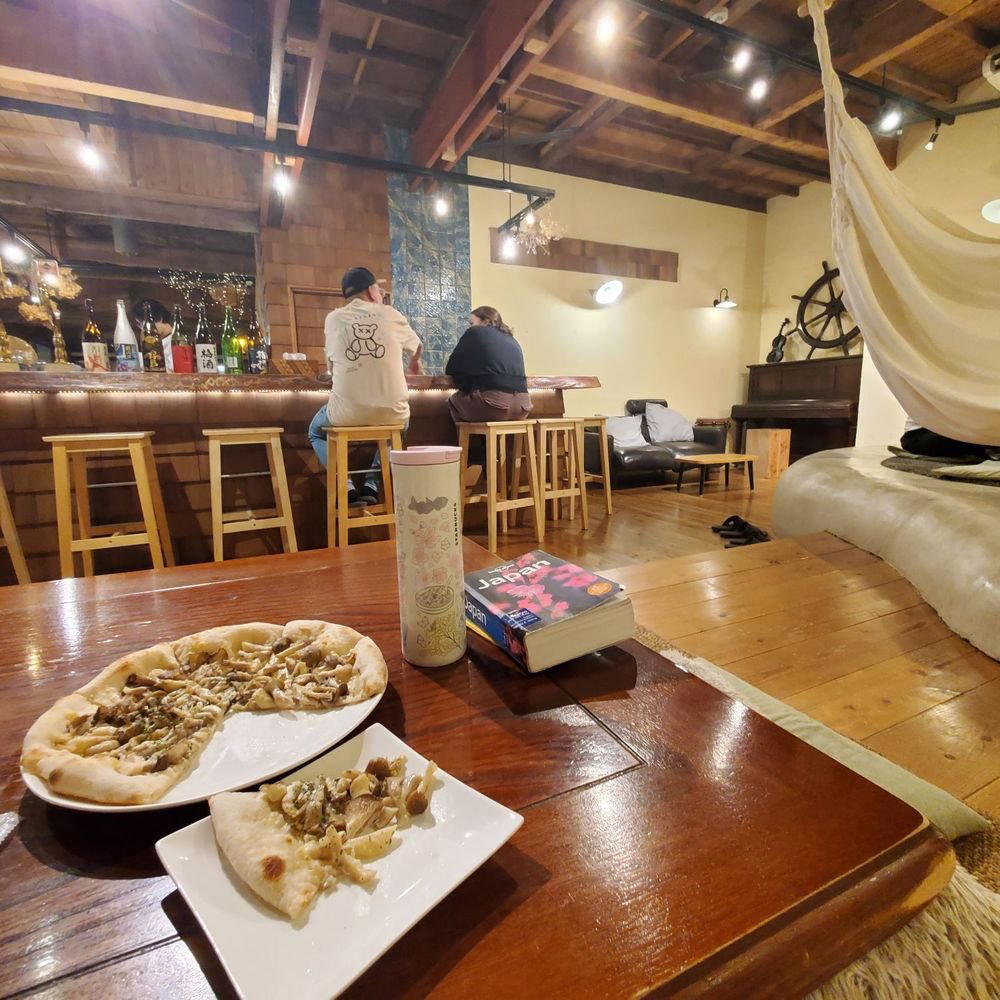
The format is small enough to shape the meal. A counter-and-table room changes how chicken cuisine lands: food comes in sequences, drinks sit within arm’s reach, and the pace belongs to the kitchen rather than to a tasting-menu clock. That is part of the appeal. Serious poultry cooking in Japan often lives in spaces that feel closer to neighborhood habit than grand dining, and Mishima’s version of that genre benefits from not trying to look imported from a larger city.
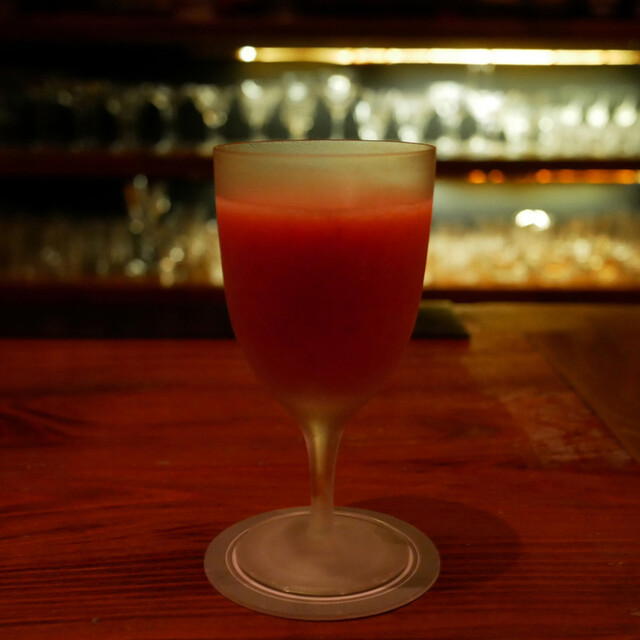
Ingredient sourcing is the editorial hinge here, even when the producer names are not part of the public story. Chicken cuisine depends on a supply chain that can support consistency across ordinary evenings, not only special events. A restaurant working in this category must buy for texture, fat, and reliability, then translate that into dishes that make sense with nihonshu, shochu, and wine. The drink list, framed around those categories, keeps the meal in izakaya territory rather than turning it into a formal pairing exercise.
For travelers building a Mishima evening, the more useful comparison is not with luxury dining but with purpose. Eel answers the question of local culinary inheritance; chicken answers the question of where to eat when the night calls for something direct, salty, and drink-compatible. Visitors plotting a wider stay can cross-reference Our full Mishima restaurants guide, then decide whether the trip needs a food-focused hotel base via Our full Mishima hotels guide, a drinks plan through Our full Mishima bars guide, regional context from Our full Mishima wineries guide, or daytime structure with Our full Mishima experiences guide.
How to place it within a Japan itinerary
Karaage Waka Tori is strongest as a regional counterpoint to the way visitors often eat across Japan: sushi in Tokyo, beef in Kansai, ramen between trains, and carefully booked fine dining in the major cities. Mishima’s appeal is quieter. It rewards a diner who understands that small-city specialization can be as revealing as a famous urban address, particularly when an award category validates a craft that normally stays casual.
That makes it a useful stop for travelers who are already comparing Japan by genre rather than by fame. A sukiyaki-focused meal such as -Grilled beef Sukiyaki- KAMAKURA TANUKIAN 鎌倉 たぬき庵 in Kamakura, a Tokyo grill room like. 鮪と炭火焼き うお炭 秋葉原店 in Tokyo, or a specialist curry stop such as [Curry Senmon Ten] Maruyama Kyoju. in Sapporo each shows how tightly Japanese dining can organize itself around a single craving. The same pattern appears outside Japan, from Jōdo Saké Bar in Los Angeles to Onigiri Time in Pasadena, where format and focus matter more than menu sprawl.
For a broader Asia itinerary, the contrast can be instructive rather than merely geographic..cafe in Osaka.know in Kumamoto, and (Shoku) Vietnam in Kawasaki all sit in different dining registers, but the decision rule is the same: choose the place that does one thing with intent. In Mishima, this chicken specialist earns attention because the category is modest, the room is compact, and the recognition is specific enough to mean something.
How It Stacks Up
Comparable venues by cuisine and price in the same metro.
| Venue | Cuisine | Price | Notes |
|---|---|---|---|
| Karaage Waka Tori | Karaage-focused Japanese izakaya | $$ | Mishima |
| Fukutarou Honpo | Traditional Japanese sweets & tea house | $ | Omiyacho |
| Unagi Sakuraya | Traditional Unagi (Grilled Eel) Specialist | $$$ | .null |
| Tenhou | Sichuan Chinese | $$ | Aoki, Mishima |
| BAR YUMOTO | Classic Japanese cocktail bar | $$$ | Mishima Hirokoji |
| Nonokura (手打式超多加水麺 ののくら) | Handmade Ultra-High Hydration Ramen | $$ | Kameari |
Recognition history
Dated appearances from independent guides and award organizations, with the underlying list record or original source where available.
Tabelog 100 #98 · No. 98
Tabelog · Tabelog 100 - Chicken cuisine - 2025
At a Glance
- Cozy
- Lively
- Classic
- Intimate
- Casual Hangout
- After Work
- Group Dining
- Solo
- Date Night
- Standalone
- Sake Program
- Beer Program
Current opening hours
- Monday
- 5–10 PM
- Tuesday
- Closed
- Wednesday
- 5–10 PM
- Thursday
- 5–10 PM
- Friday
- 5–10 PM
- Saturday
- 5–10 PM
- Sunday
- 5–10 PM
Hours can change for holidays and private events. Last verified .
A small, relaxed neighborhood izakaya with counter seats and a few compact tables, creating a cozy, casual atmosphere that’s often lively in the evenings and suited to friends sharing drinks and plates of fried chicken.