
Tenhou gives Mishima a serious Chinese counterpoint to the city’s better-known eel and casual snack traditions. Its 2026 Tabelog 100 Chinese EAST selection, 30-seat scale, and two-person entry rule make it a planned meal rather than a spontaneous solo stop, with value positioned below many destination dining rooms in larger Japanese cities.
Pearl is the En Primeur Club membership app — saves, bookings, and concierge access live there. Same editors, same standards.
- Address
- 164-1 Aoki, Mishima, Shizuoka 411-0811, Japan
- Phone
- +81 55-943-7563
- Website
- tabelog.com
- Directions
- Get directions
 Saves & bookings on Pearl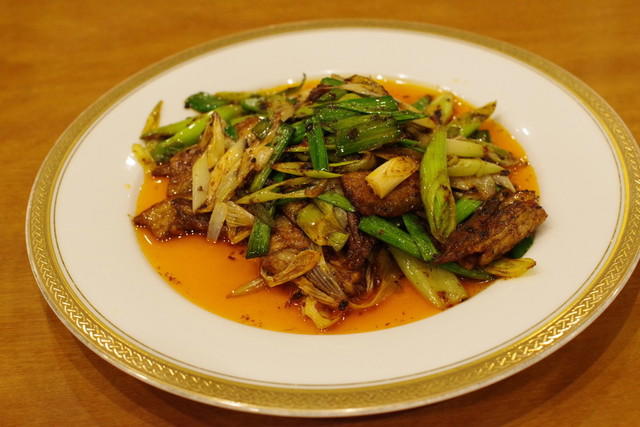
Approaching Aoki from central Mishima, the city’s food culture feels less like a single restaurant district than a chain of local specialisms: eel houses tied to spring-water identity, small sweets shops, fried-chicken counters, bars, and independent dining rooms that serve residents as much as travellers. Tenhou belongs to that quieter Mishima pattern. The room is modest in scale, the category is Chinese, and the recognition is national enough to matter: selection for Tabelog 100 Chinese EAST in 2026 places it inside a competitive eastern Japan field rather than merely a local recommendation.
That matters because Chinese cooking in Japan has two distinct reputations. One is the everyday chuka lineage of ramen, gyoza, fried rice, and set meals, absorbed so thoroughly into Japanese dining that it often reads as neighbourhood food. The other is the specialist Chinese restaurant, where technique, heat control, banquet logic, and ingredient handling are judged against a sharper standard. Tenhou sits closer to the latter conversation, but in a Mishima register: compact, local, and without the theatrical expense of major-city dining rooms.
Chinese cooking in a city better known for water, eel, and rail-stop meals
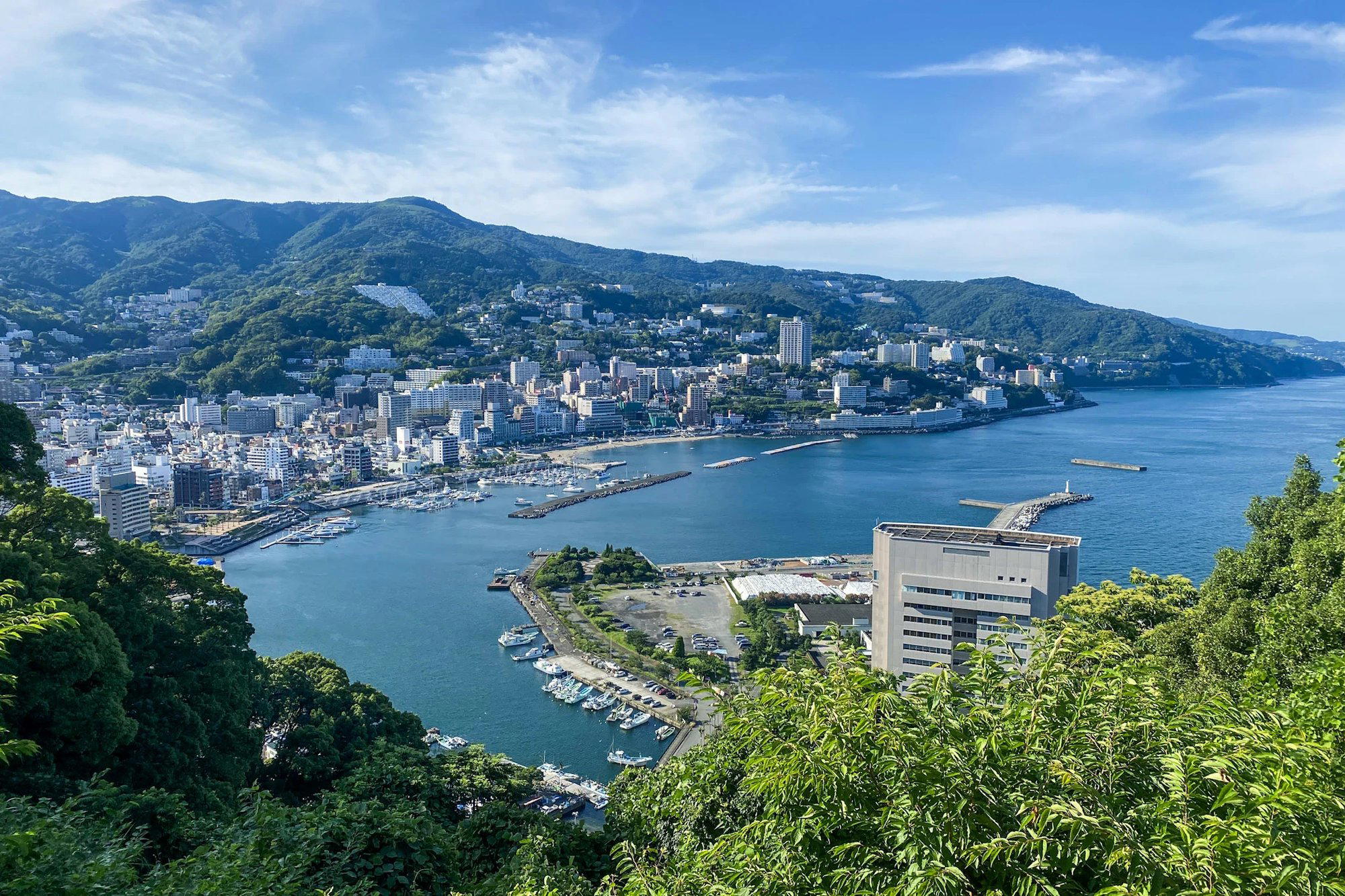
Mishima is not usually framed as a Chinese-dining destination. The city’s culinary identity leans on clear spring water, unagi traditions, and convenient stops for travellers moving between Tokyo, Hakone, and the Izu Peninsula. That makes a Chinese restaurant carrying a Tabelog 100 Chinese EAST 2026 selection more interesting than the award alone suggests. It signals a local room operating at a level visible beyond Shizuoka, in a category where regional restaurants can be overshadowed by Tokyo and Yokohama.
The sourcing angle here is not a list of named farms or luxury ingredients; it is the way Mishima’s dining ecology rewards everyday materials handled with discipline. In Japanese Chinese cooking, the argument is often made through texture, timing, and balance rather than rarity. Vegetables need heat without collapse, sauces need restraint, and starches have to support rather than smother. In a smaller city, that kind of cooking depends less on spectacle than on repeatable execution for regulars who notice when the pan work slips.
The comparison set around town underlines the point. Unagi Sakuraya anchors the historic eel lane of Mishima dining, while Fukutarou Honpo speaks to the city’s lighter snack-and-sweets rhythm. Karaage Waka Tori covers a more casual fried-chicken register, and BAR YUMOTO extends the night beyond dinner. Against those choices, Tenhou’s role is clear: it is the Chinese table in Mishima for diners who want technical cooking without turning the meal into a Tokyo-style production.
The award signal is useful, but the format tells you how to read the room
Tabelog’s Hyakumeiten lists are not decorative badges in Japan; they function as a practical filter for diners sorting serious regional restaurants from merely popular ones. Tenhou’s 2026 Chinese EAST selection gives it a trust signal in a field where Michelin coverage is uneven outside major metros. The Tabelog score of 3.63 also points to a restaurant with a measured following rather than a room living on transient attention.
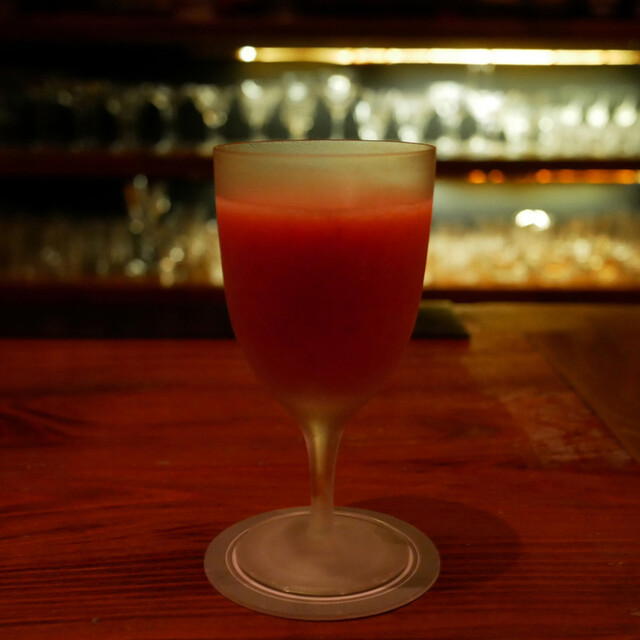
The scale reinforces that reading. A 30-seat room keeps the operation intimate enough for consistency to matter, but not so tiny that the meal becomes a counter-only performance. Private rooms are not part of the setup, while private use is available, which suggests a neighbourhood dining room that can also absorb small-group occasions. The listed drinks are sake, shochu, and wine, a familiar Japanese bridge for Chinese food: not a cellar-led program, but enough range for groups to match richer sauces, fried preparations, or cleaner vegetable courses without defaulting to beer alone.
The practical friction is part of the editorial judgment. Entry requires two or more people, so this is not a solo lunch fallback. Reservations are available, and the restaurant has a no-smoking policy. Payment is cash-led in effect, with credit cards, electronic money, and QR payments not accepted. There is parking, including a gravel lot behind the parking sign, which is more meaningful in Mishima than it would be in central Tokyo. For travellers using rail, the nearest station is Mishima Futsukamachi; the restaurant is not framed as an immediate station-front stop.
For a broader Mishima plan, pair the decision with the city’s other dining categories rather than treating one meal as the whole story. ROBATA GRILL L'EAU gives another angle on fire-led Japanese dining, while the wider city pages help sort the trip by format: Our full Mishima restaurants guide, Our full Mishima hotels guide, Our full Mishima bars guide, Our full Mishima wineries guide, and Our full Mishima experiences guide. Travellers building a Japan itinerary beyond Shizuoka can also compare how local specialism changes by city, from -Grilled beef Sukiyaki- KAMAKURA TANUKIAN 鎌倉 たぬき庵 in Kamakura and. 鮪と炭火焼き うお炭 秋葉原店 in Tokyo to.cafe in Osaka.know in Kumamoto, (Shoku) Vietnam in Kawasaki, and [Curry Senmon Ten] Maruyama Kyoju. in Sapporo. For a transpacific sake-and-snack comparison, Jōdo Saké Bar in Los Angeles and Onigiri Time in Pasadena show how Japanese casual formats read once they leave Japan.
Who should put it on a Mishima itinerary
Tenhou makes the strongest case for travellers who already plan to be in Mishima and want one meal that is not defined by eel, station convenience, or hotel dining. The 2026 Tabelog 100 Chinese EAST selection gives the room external validation, but the better reason to go is category balance: it broadens a Mishima food day with Chinese technique at a price tier that remains accessible by Japanese destination-restaurant standards.
The fit is less persuasive for solo diners because of the two-person entry requirement, and less relevant for anyone seeking a chef-led tasting-menu narrative. There is no public chef story needed to make the case. The stronger editorial read is simpler: in a city where the dining conversation often starts with local water and unagi, this is the Chinese specialist that gives the itinerary another axis.
Comparison Snapshot
Comparable venues by cuisine and price in the same metro.
| Venue | Cuisine | Price | Notes |
|---|---|---|---|
| Tenhou | Sichuan Chinese | $$ | Aoki, Mishima |
| BAR YUMOTO | Classic Japanese cocktail bar | $$$ | Mishima Hirokoji |
| Karaage Waka Tori | Karaage-focused Japanese izakaya | $$ | Mishima |
| Fukutarou Honpo | Traditional Japanese sweets & tea house | $ | Omiyacho |
| Unagi Sakuraya | Traditional Unagi (Grilled Eel) Specialist | $$$ | .null |
| 餃子飯店 | 町中華 餃子専門 | $$ | 大和町 |
Recognition history
Dated appearances from independent guides and award organizations, with the underlying list record or original source where available.
Tabelog 100 #88 · No. 88
Tabelog · Tabelog 100 - Chinese cuisine - EAST - 2026
At a Glance
- Classic
- Cozy
- Group Dining
- Casual Hangout
- Business Dinner
- Standalone
- Sake Program
Current opening hours
- Monday
- Closed
- Tuesday
- 11:30 AM–2 PM, 5:30–10 PM
- Wednesday
- 11:30 AM–2 PM, 5:30–10 PM
- Thursday
- 11:30 AM–2 PM, 5:30–10 PM
- Friday
- 11:30 AM–2 PM, 5:30–10 PM
- Saturday
- 11:30 AM–2 PM, 5:30–10 PM
- Sunday
- 11:30 AM–2 PM, 5:30–10 PM
Hours can change for holidays and private events. Last verified .
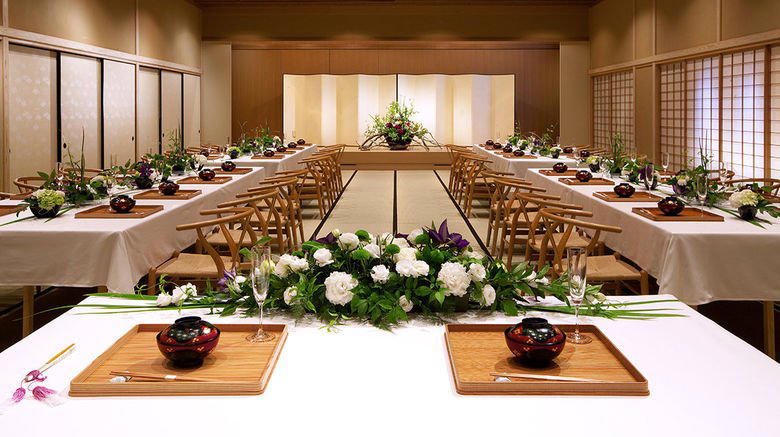
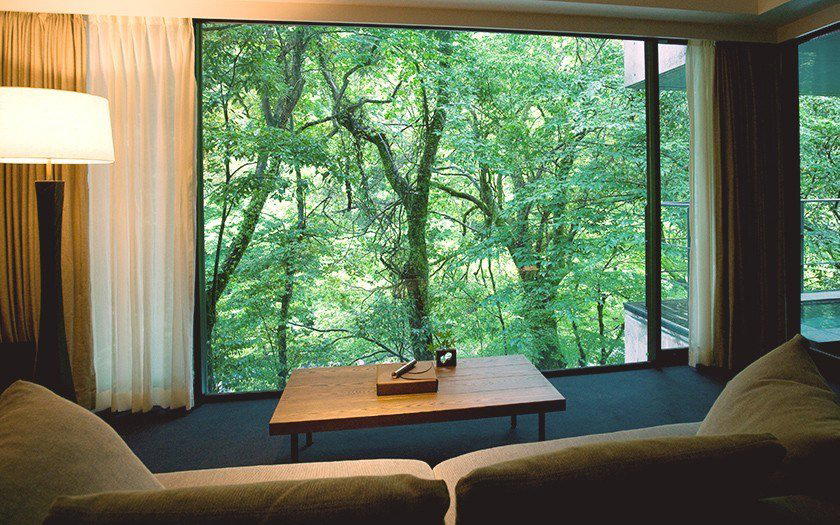
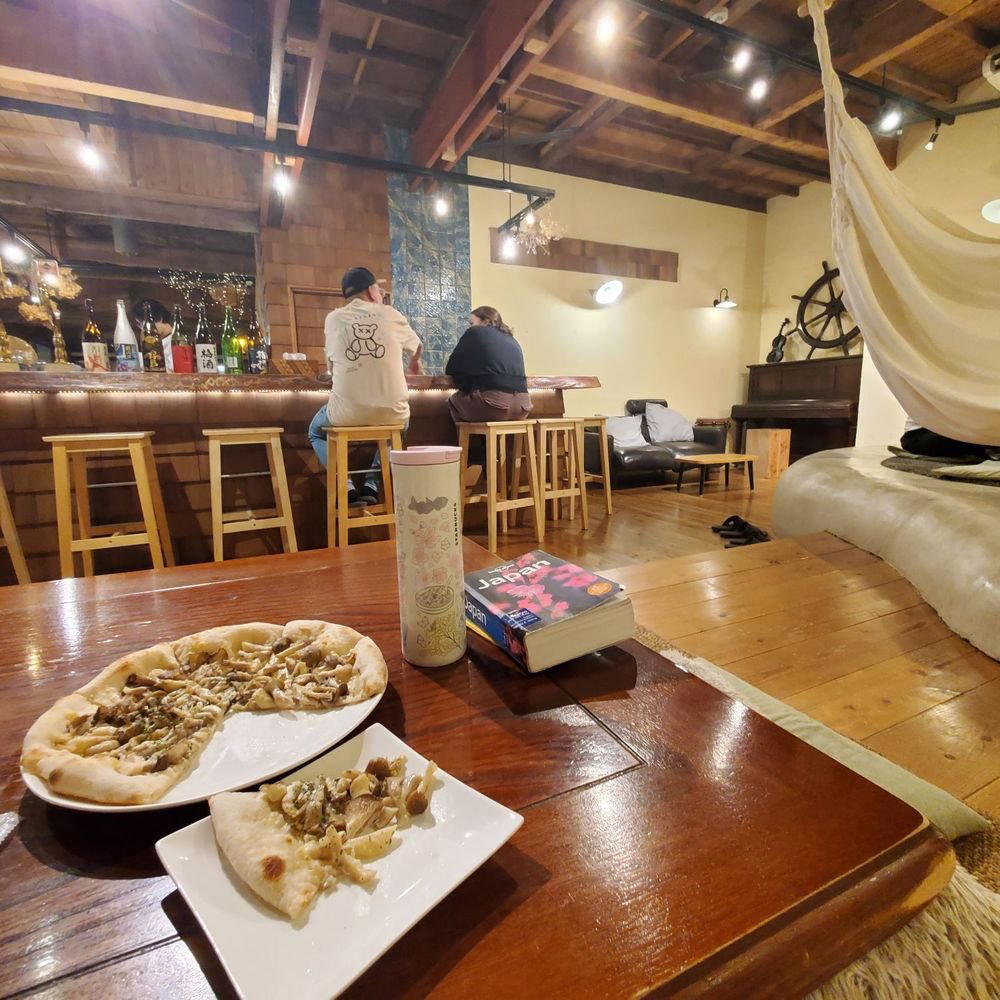
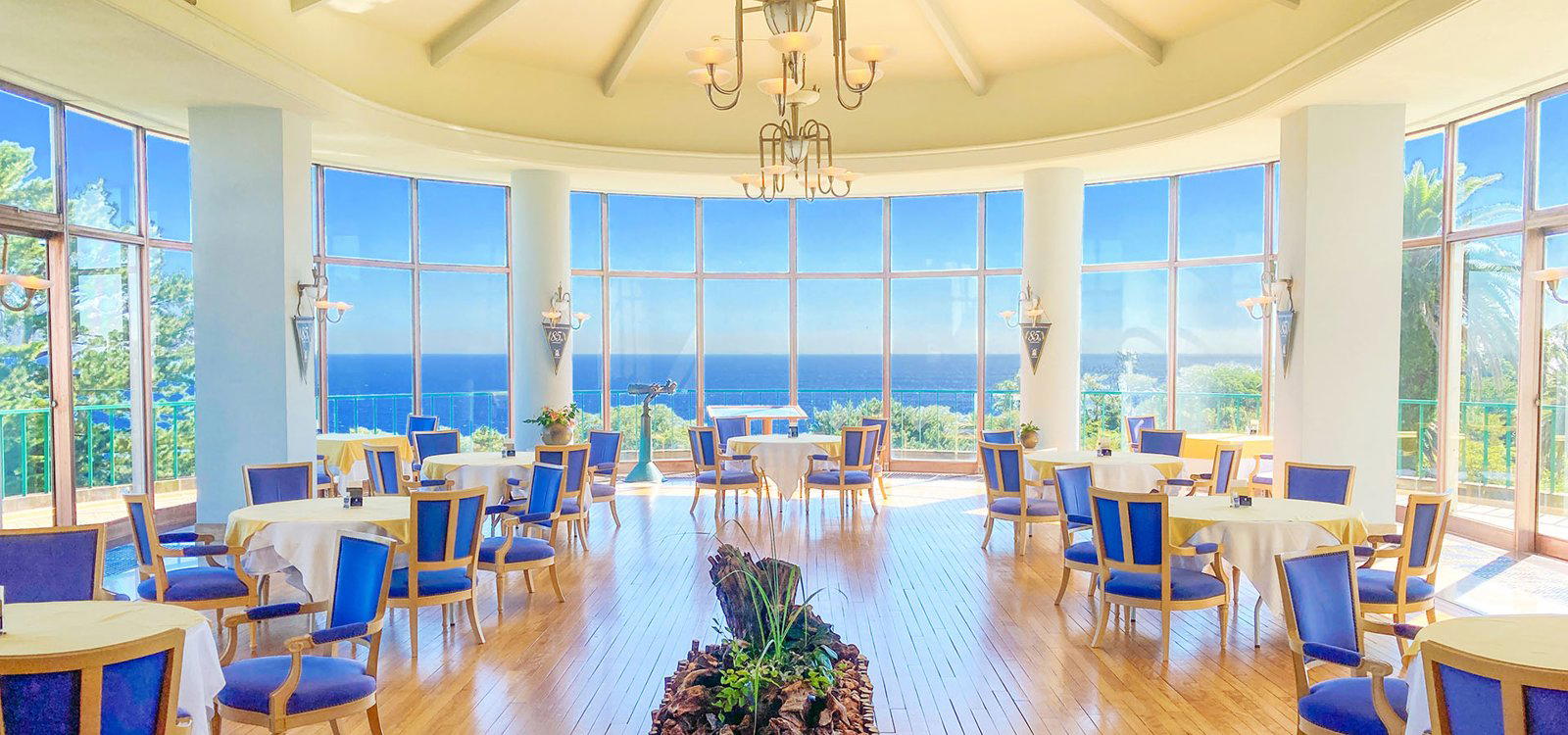
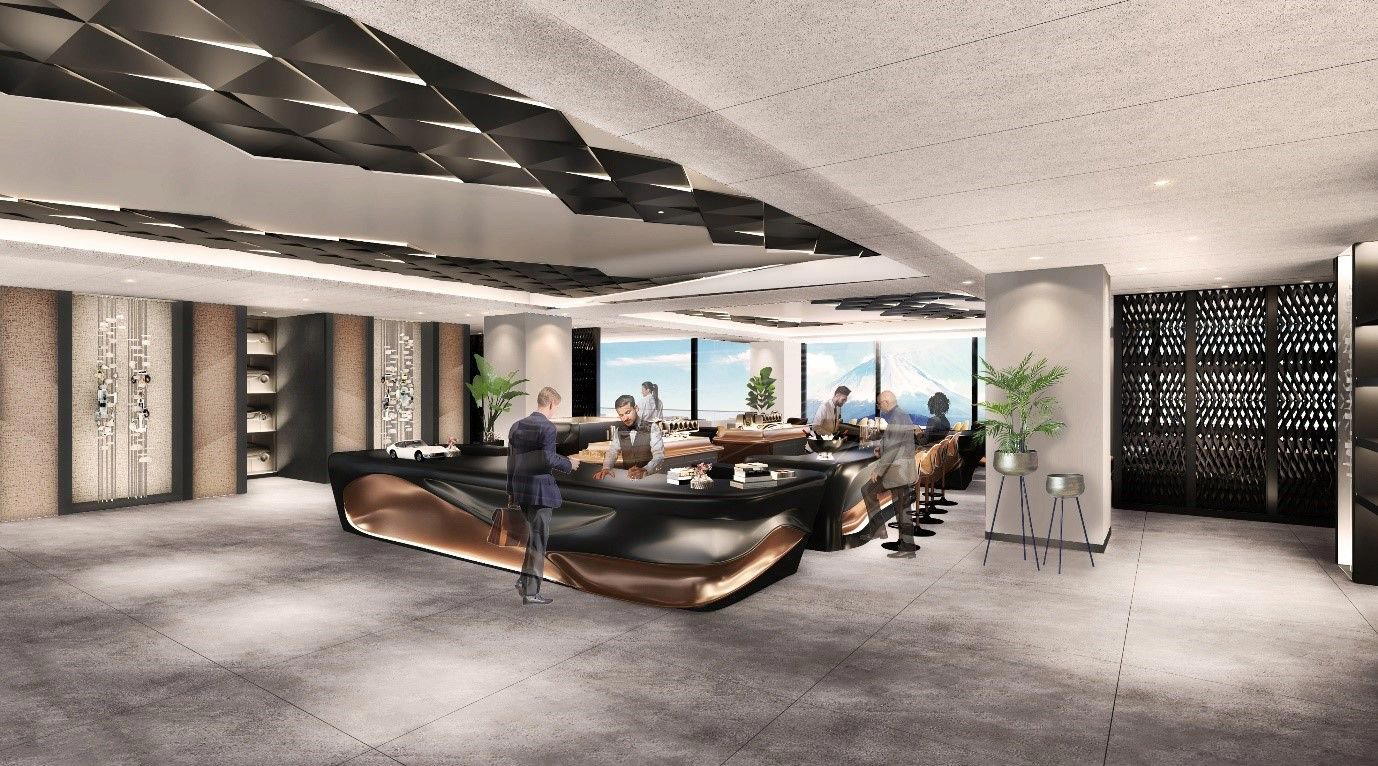
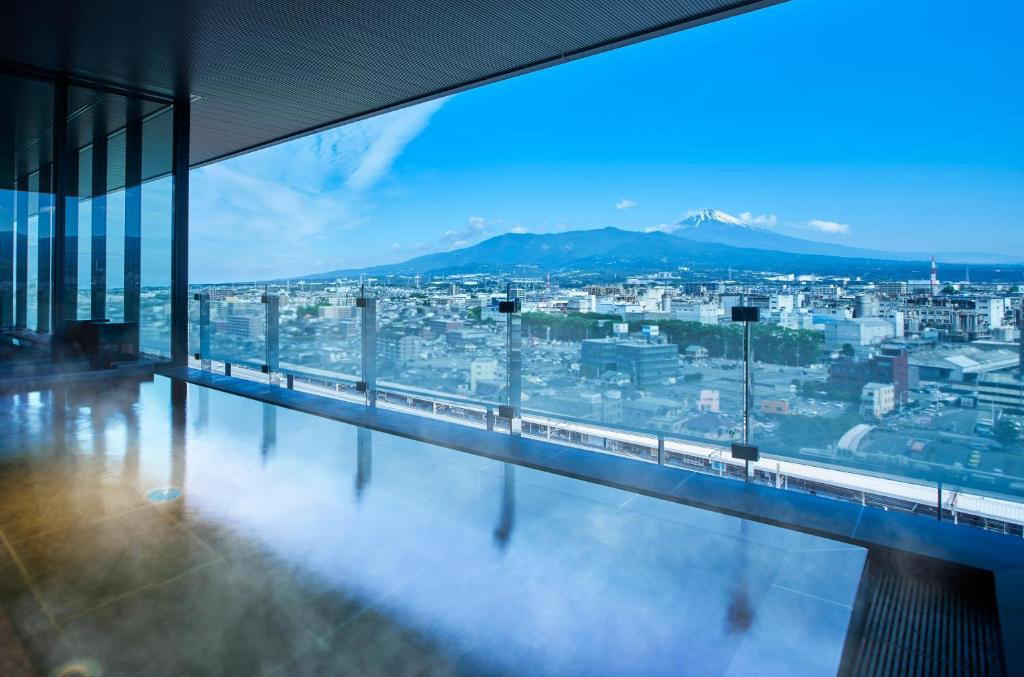
A relaxed, spacious, stylish dining room with sofa seating and a tatami room, suggesting a comfortable classic Chinese restaurant atmosphere.