Kaprica sits on Grattan Street in Carlton, a suburb that has long anchored Melbourne's most intellectually serious dining culture. With ingredient sourcing as its editorial signature, the restaurant operates in a tradition that treats provenance as argument rather than decoration, placing it in conversation with Australia's most produce-driven kitchens. For diners who track where their food comes from, Carlton's proximity to Victoria's farming regions makes Kaprica a considered address.
Pearl is the En Primeur Club membership app — saves, bookings, and concierge access live there. Same editors, same standards.
- Address
- 50 Grattan St, Carlton VIC 3053, Australia
- Phone
- +61 447 043 404
- Website
- kaprica.com.au
- Directions
- Get directions
 Saves & bookings on Pearl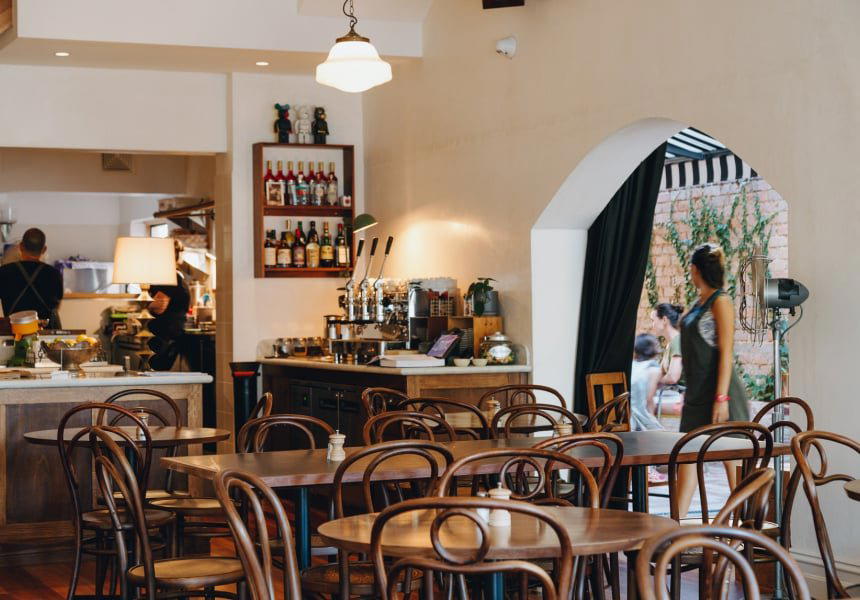
Grattan Street and the Suburb That Earned Its Reputation
Carlton arrives at dining with more accumulated credibility than most Melbourne suburbs can claim. The neighbourhood built its identity on the Italian immigration of the postwar decades, when Lygon Street became a serious destination for pasta and coffee before either was fashionable elsewhere in Australia. That foundation gave Carlton a habit of treating food as something worth arguing about, a habit the suburb has carried forward into the current era of produce-driven, provenance-conscious cooking. Grattan Street, where Kaprica sits at number 50, runs through the academic and residential heart of Carlton, a few minutes from the University of Melbourne and close enough to the CBD to draw a city crowd while retaining a distinctly local character.
The physical approach along Grattan Street is quieter than the Lygon Street strip, fewer tourists, more regulars, the kind of foot traffic that suggests a place chosen deliberately rather than stumbled into. That context matters: Carlton's dining culture has always split between the high-visibility strip and the quieter rooms that the suburb's more serious eaters tend to prefer. Kaprica operates in that second register.
Sourcing as the Central Argument
Across Australia's most ambitious kitchens, the question of where ingredients come from has shifted from marketing footnote to primary editorial statement. Brae in Birregurra grows a significant proportion of its own produce on-site, treating the farm as an extension of the kitchen. Attica in Melbourne built an international reputation in part on its insistence on native and hyper-local ingredients. Hentley Farm in Seppeltsfield situates the dining room inside the agricultural landscape that supplies it. The pattern, repeated across the country's most discussed restaurants, reflects a broader shift: ingredient sourcing is now the primary differentiator in Australian fine and semi-fine dining, not just a talking point.
Carlton is well-positioned for this kind of cooking. Victoria's farming regions are accessible within a few hours in almost every direction, the Yarra Valley, the Mornington Peninsula, Gippsland, and the areas north toward Bendigo all produce ingredients that serious Melbourne kitchens draw on regularly. Laura at Pt Leo Estate in Merricks demonstrates how close that supply chain can get when a restaurant sits near its sources. For a Carlton address like Kaprica, the logistics of sourcing from Victorian producers are among the more favourable in the country.
The sourcing argument also functions as a competitive signal. In the tier of Australian restaurants that treat provenance seriously, the question is not simply whether you source well, but whether sourcing decisions are legible in the food itself, whether the cooking demonstrates understanding of what a particular region's soil, season, or farming method produces, and whether that understanding shapes the menu with any consistency. This is the standard against which kitchens in Carlton's current generation are measured by the suburb's more attentive diners.
Where Kaprica Sits in the Carlton Dining Picture
Carlton's dining offer now spans a range wide enough to require some navigation. At the counter-service end, Garfield Pizzeria represents the suburb's enduring appetite for no-ceremony Italian. At the wine-focused end, Carlton Wine Rooms has established itself as a serious address for both bottle selection and the kind of food that suits it. Kaprica on Grattan Street occupies a position distinct from both, a sit-down address with the kind of specificity of focus that characterises Carlton's more considered rooms.
Nationally, the restaurants that Kaprica invites comparison with operate across different price tiers and formats. Rockpool in Sydney built its reputation on sourcing discipline applied to seafood and premium proteins. Botanic in Adelaide works a tasting format anchored to South Australian produce. Provenance in Beechworth runs a regional Victorian dining room where the local supply chain is the entire premise. Pipit in Pottsville demonstrates that ingredient-led cooking can operate at a high level in locations far removed from capital city infrastructure. These comparisons establish a competitive context: the restaurants that take sourcing seriously in Australia tend to do so consistently, with menus that shift with seasonal availability rather than remaining static for months at a time.
Beyond Australia, the same discipline shows up in rooms like Le Bernardin in New York City, where sourcing specificity is the foundation of a decades-long reputation, or Lazy Bear in San Francisco, which operates with a format designed to make the sourcing logic visible to the diner. Ormeggio at The Spit in Mosman and Salt Water Restaurant in Cairns show how coastal sourcing operates at different scales within Australian dining. Wills Domain in Yallingup and Lizard Island Resort illustrate how geography shapes the sourcing argument when a kitchen operates in direct proximity to a specific ecosystem. Aloft in Hobart positions itself within Tasmania's well-documented premium produce story.
Planning Your Visit
Kaprica's address at 50 Grattan Street places it within easy reach of Melbourne's inner north. Tram routes connecting the CBD to Carlton run frequently, and the walk from the nearest stops is short. Parking on Grattan Street and surrounding residential streets is available, though the approach by public transport is direct for most visitors coming from the city. Carlton's dining rooms in this part of the suburb tend to draw a mix of local regulars and visitors from across Melbourne, with the academic calendar and university events affecting foot traffic at certain times of year. For diners building an evening around the area, the concentration of wine bars, coffee shops, and small restaurants within a few blocks of Grattan Street makes Carlton a neighbourhood worth arriving in early.
Quick Comparison
Comparable venues nearby, for context on price, style, and recognition.
| Venue | Cuisine | Price | Notes |
|---|---|---|---|
| KapricaThis venue — the venue you are viewing | Homestyle Italian Pizza and Pasta | $$ | Not listed |
| Garfield Pizzeria | Italian Pizza | $$ | Carlton |
| Carlton Wine Rooms | Modern European Wine Bar | $$ | Carlton |
| King & Godfree | Italian Deli | $$ | Carlton |
Continue exploring
More in Carlton
Restaurants in Carlton
Browse all →
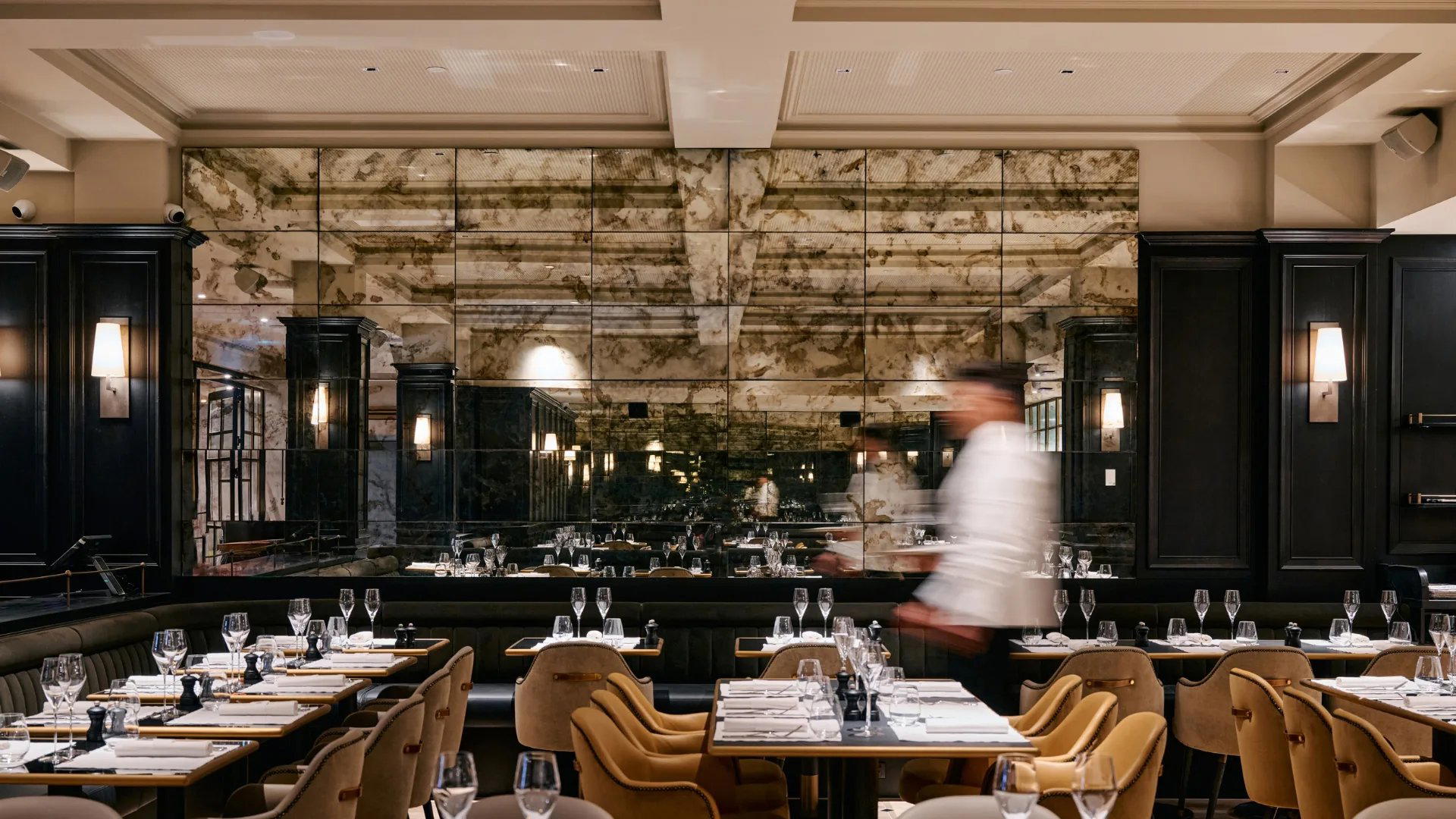
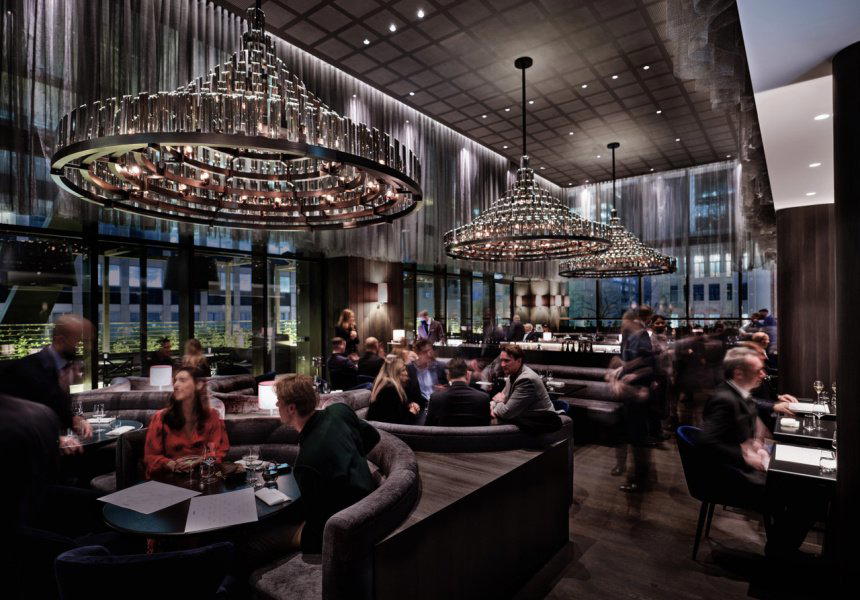
Bars in Carlton
Browse all →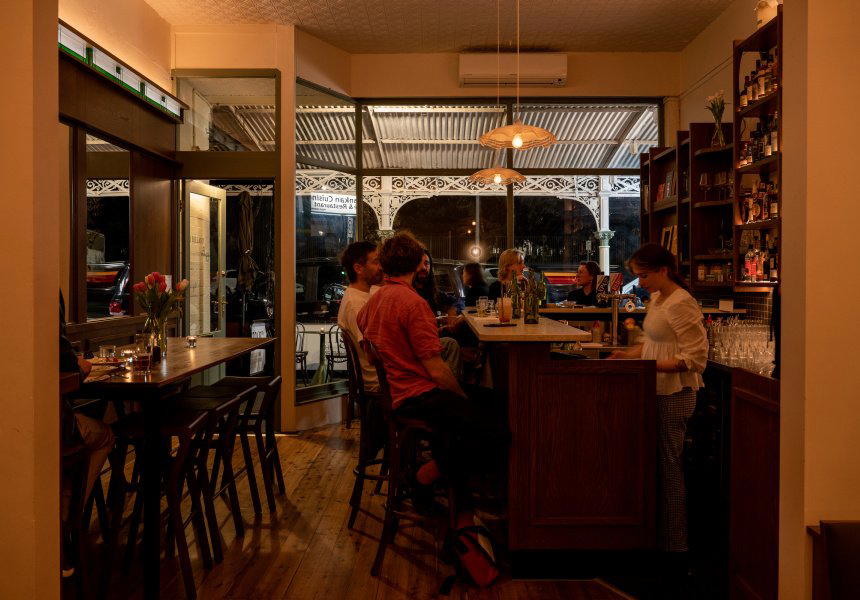
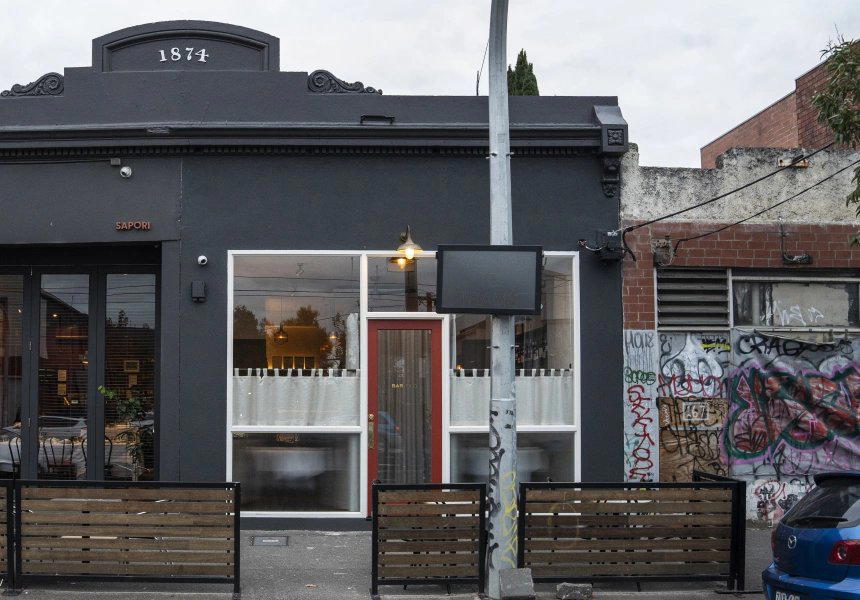

Hotels in Carlton
Browse all →

At a Glance
- Cozy
- Intimate
- Rustic
- Date Night
- Casual Hangout
- Open Kitchen
- Natural Wine
Current opening hours
- Monday
- 5–10 PM
- Tuesday
- 5–10 PM
- Wednesday
- 5–10 PM
- Thursday
- 5–10 PM
- Friday
- 12–10 PM
- Saturday
- 12–10 PM
- Sunday
- 12–9 PM
Hours can change for holidays and private events. Last verified .
Broodingly seductive dining room in an old warehouse with lazy jazz, cozy lighting, and old world charm.