Bar Kaeru occupies a specific niche in Melbourne's bar scene: a sake-led drinking room with Japanese and Chinese-influenced snacks, pitched squarely at those who want depth over spectacle. The format rewards curiosity — sake flights, considered pours, and food that functions as counterpoint rather than afterthought. In a city that takes its bars seriously, Kaeru earns its place at the table.
Pearl is the En Primeur Club membership app — saves, bookings, and concierge access live there. Same editors, same standards.
- Address
- Level G/62-64 Little La Trobe St, Melbourne VIC 3000, Australia
- Phone
- +61 485 666 389
- Website
- barkaeru.com
- Directions
- Get directions
 Saves & bookings on Pearl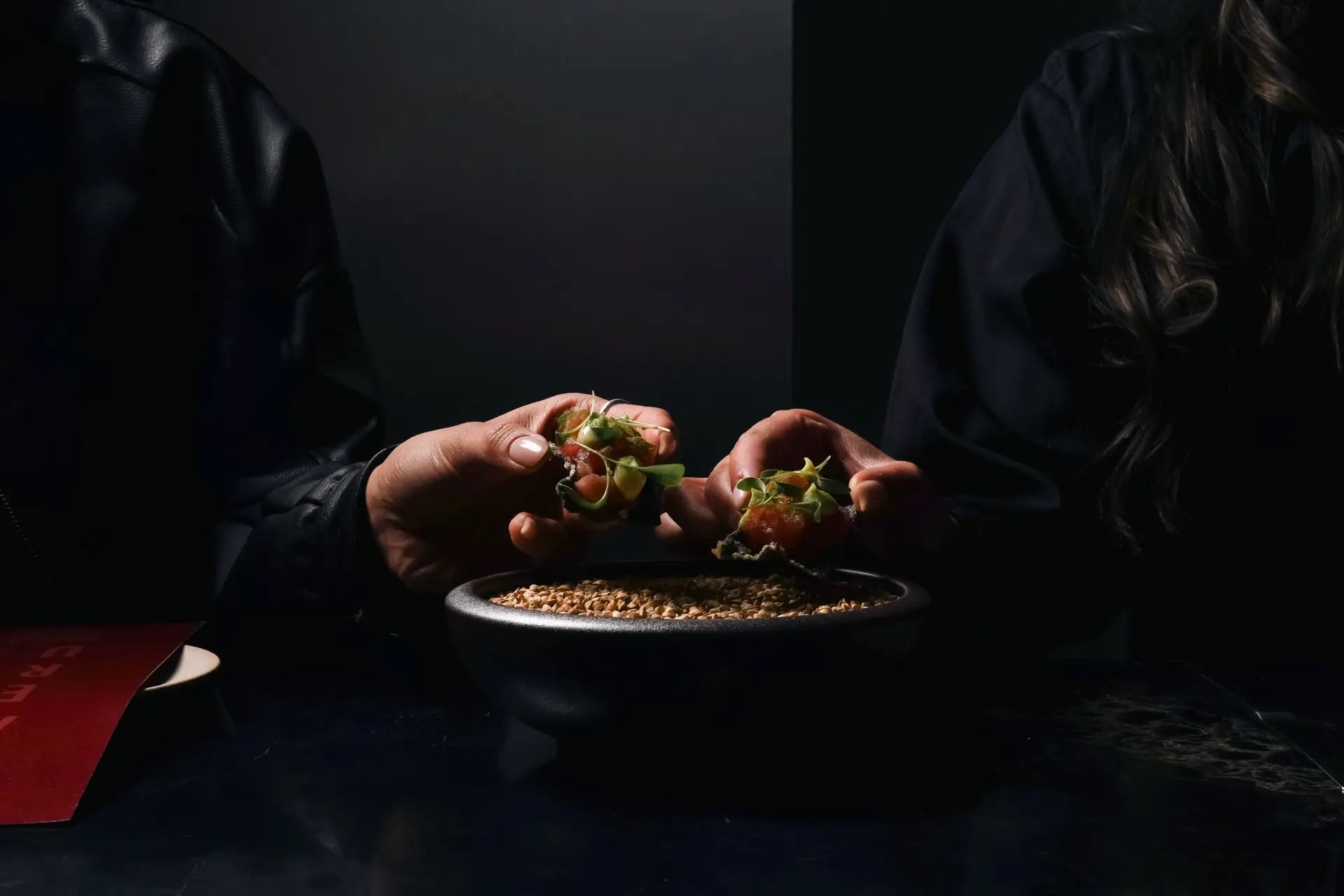
Where Melbourne's Sake Obsession Finds a Home
Melbourne's bar culture has spent the better part of a decade moving away from novelty formats toward something more considered: smaller rooms, tighter menus, and a preference for category depth over breadth. The city's leading bars — Black Pearl, 1806, Above Board, Byrdi — have each built reputations on a clear point of view rather than a sprawling offer. Bar Kaeru fits inside that same logic, but from a direction most of those venues don't occupy: sake as the central organising principle, with a snack menu that draws from Japanese and Chinese culinary traditions.
Sake bars outside Japan remain a genuinely rare format in Australian cities. The category demands a degree of host literacy that cocktail or wine bars can sidestep, a good sake list requires someone who can explain the difference between junmai daiginjo and honjozo without making the conversation feel like a lecture. When that knowledge is present and worn lightly, the format opens up a drinking experience that cocktail-led bars can't replicate: fermented grain complexity, temperature variation, and food pairings that operate on different logic from wine.
The Programme: Sake With Intent
The editorial angle at Bar Kaeru is the drink, and the drink is sake. That focus positions the bar inside a small but growing cohort of Australian venues treating sake as a serious programme rather than a novelty line on an otherwise conventional list. Where most Melbourne bars might carry three or four sake labels as a gesture toward range, a dedicated sake bar is built around selection depth, producer knowledge, and the kind of rotation that gives regulars a reason to return.
Japanese and Chinese-influenced snacks serve as the counterpart to the sake list rather than as a standalone food offer. This is a meaningful distinction. In the better Asian-influenced drinking rooms internationally, food and drink are calibrated together, the salt, fat, and umami load of the snacks is chosen to interact with what's in the glass, not simply to fill the table. The cuisine types listed for Bar Kaeru suggest that same ambition: the pairing isn't accidental, and it's not trying to be a restaurant that also serves sake.
Across the Asia-Pacific region, the most instructive comparison points for this format are bars that have treated a single drink category with the seriousness usually reserved for fine dining wine lists. Cantina OK! in Sydney did it for mezcal; the model transfers. The discipline required to build a credible sake programme, sourcing, storage, staff training, menu rotation, is substantial, and the bars that commit to it tend to attract a clientele that returns for the education as much as the drink.
The Room and What It Signals
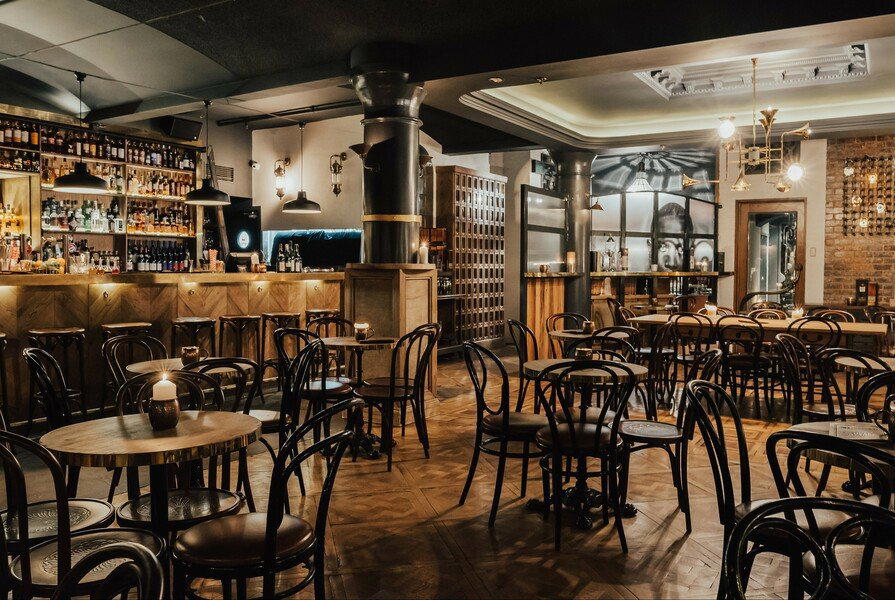
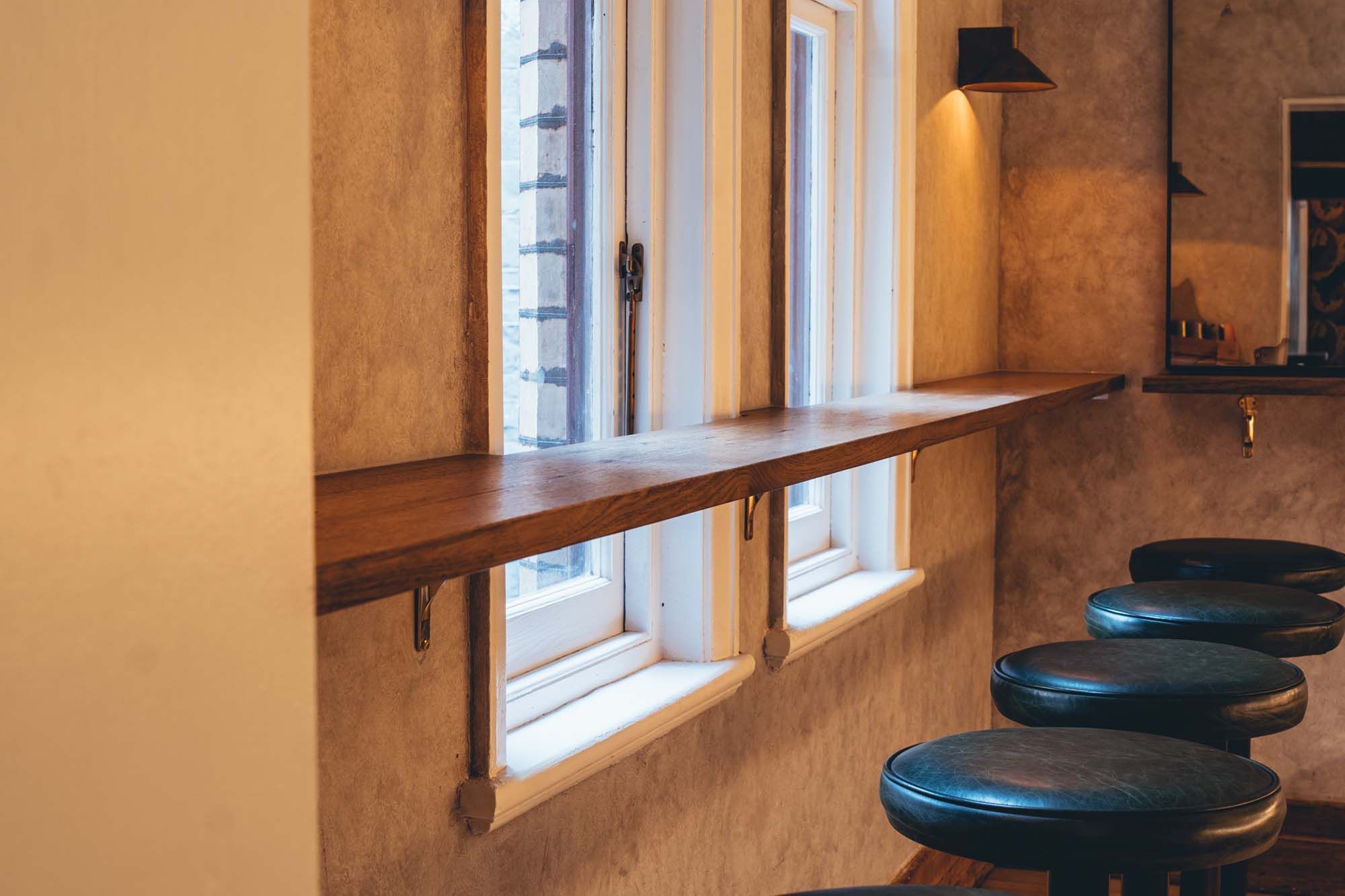
Sake bars, when they work, tend toward restraint in the physical space. High-stimulation interiors compete with the kind of attention a good sake list demands. The format rewards the close conversation, the slow pour, the second glass of something slightly different. Melbourne's better small bars have generally understood this: the rooms are compact, the lighting is considered, and the emphasis is on what's in front of you rather than what's happening around you.
Bar Kaeru operates in that register. The name itself, kaeru, the Japanese word for frog, or alternatively a homophone for "to return", signals a preference for the kind of bar where you come back. That's a different proposition from destination spectacle or one-visit novelty. The repeat-visit bar is built on a rotating offer that reveals itself over time, on staff who recognise you on the second and third visit, and on a programme deep enough that familiarity doesn't exhaust it.
For context on how Melbourne's bar scene is structured relative to other Australian cities, the comparison is useful. Bowery Bar in Brisbane, La Cache à Vín in Spring Hill, and Blu Bar on 36 in The Rocks each occupy distinct niches in their respective cities, but none sits in the sake-specialist tier. Whipper Snapper Distillery in East Perth demonstrates how a category-committed bar can develop genuine authority in a market that didn't know it wanted that thing. Bar Kaeru makes the same argument for sake in Melbourne. Further afield, Bar Leather Apron in Honolulu and Fratelli Paradiso in Potts Point show how a tight format can hold its own against larger, louder competitors when the programme is genuinely deep.
Planning Your Visit
Bar Kaeru does not have widely listed reservation or contact details in the public record, which places it in the walk-in or word-of-mouth tier that Melbourne's smaller bars tend to occupy. For a bar of this format and focus, timing matters: midweek visits typically offer more space to engage with the list, and arriving early enough in the evening to have a proper conversation about the sake programme, rather than simply being handed a menu, tends to produce a better experience. Given the category specificity, it is worth approaching the visit with some baseline curiosity about sake styles. Staff at specialist bars of this type generally respond well to questions, and the return on that engagement is a pour that's actually calibrated to what you'll find interesting rather than what's easiest to explain. See our full Melbourne restaurants guide for broader context on the city's bar and dining scene.
How Bar Kaeru Melbourne compares with similar nearby venues.
| Venue | Cuisine |
|---|---|
| Bar Kaeru | Sake bar; Japanese/Chinese-influenced snacks |
Continue exploring
More in Melbourne
Bars in Melbourne
Browse all →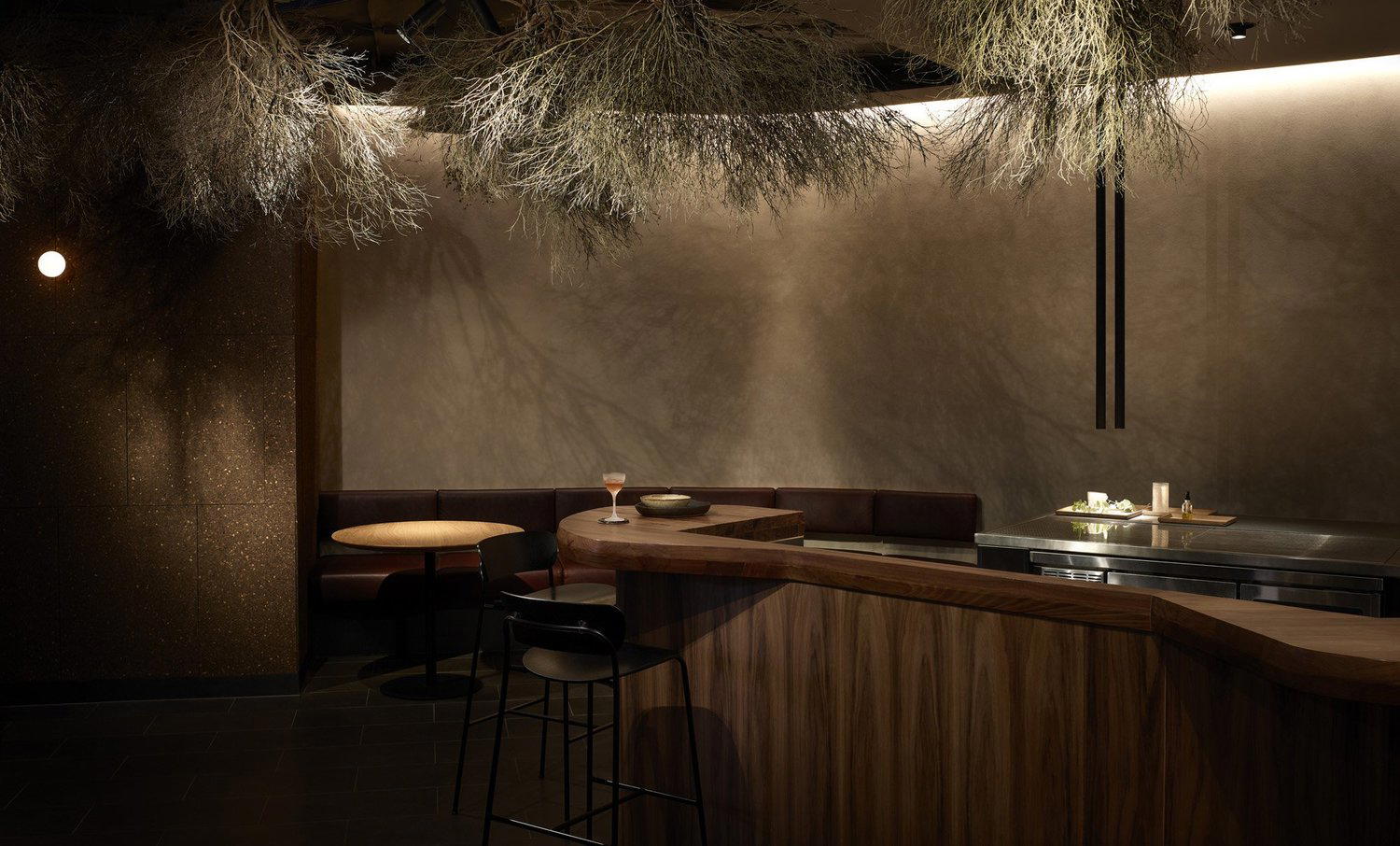
Restaurants in Melbourne
Browse all →
Hotels in Melbourne
Browse all →
At a Glance
- Intimate
- Trendy
- Date Night
- Casual Hangout
- Speakeasy
- Seated Bar
- Sake
- Zero Proof
Current opening hours
- Monday
- 5:30 PM–1 AM
- Tuesday
- 5:30 PM–1 AM
- Wednesday
- 5:30 PM–1 AM
- Thursday
- 5:30 PM–1 AM
- Friday
- 5:30 PM–1 AM
- Saturday
- 5:30 PM–1 AM
- Sunday
- Closed
Hours can change for holidays and private events. Last verified .
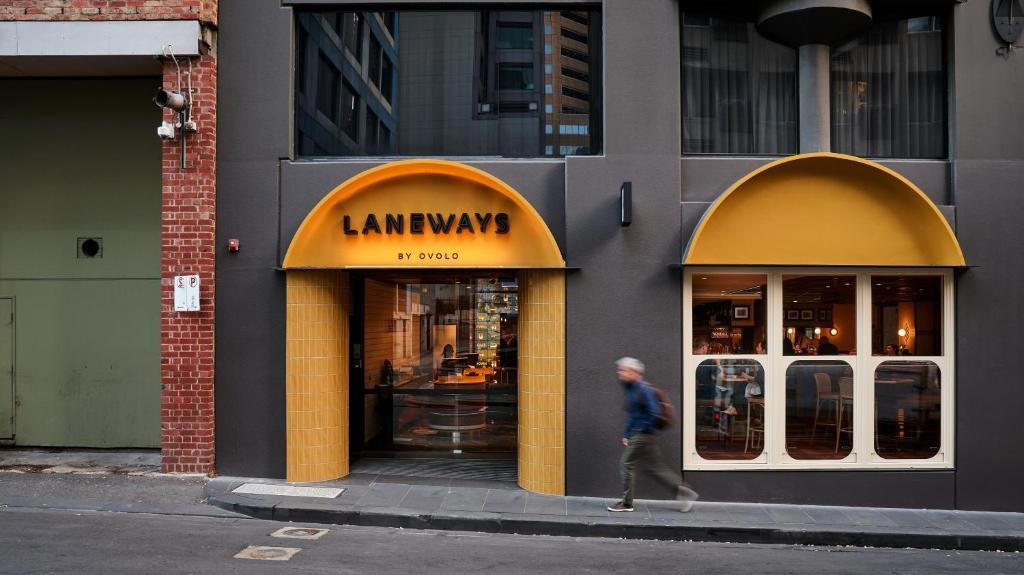
Tucked away in a hidden alley, creating an intimate and trendy atmosphere.
Know Before You Go
- Getting there
- Level G/62-64 Little La Trobe St, Melbourne VIC 3000, Australia