In Mali Ston, where the Pelješac peninsula meets one of Europe's most storied oyster beds, Kapetanova kuća has long anchored the village's reputation as a serious destination for Adriatic shellfish. The setting is the argument: stone walls, still water, and a kitchen whose sourcing radius measures in metres rather than kilometres. Come for the oysters; stay for what the channel does to everything else on the plate.
Pearl is the En Primeur Club membership app — saves, bookings, and concierge access live there. Same editors, same standards.
- Address
- Obala dr. Ante Starčevića 9, 20230, Mali Ston, Croatia
- Phone
- +38520754264
- Website
- ostrea.hr
- Directions
- Get directions
 Saves & bookings on Pearl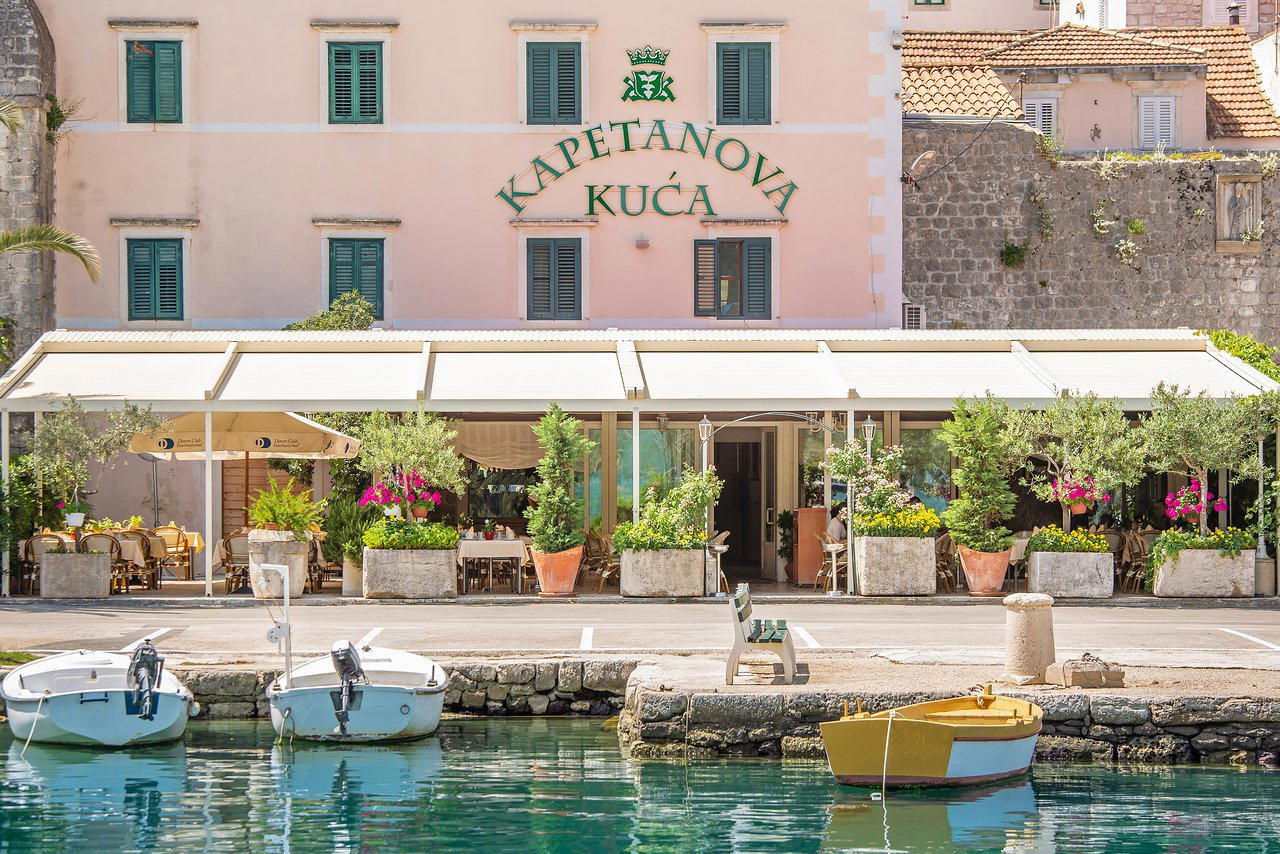
Where the Channel Does the Cooking
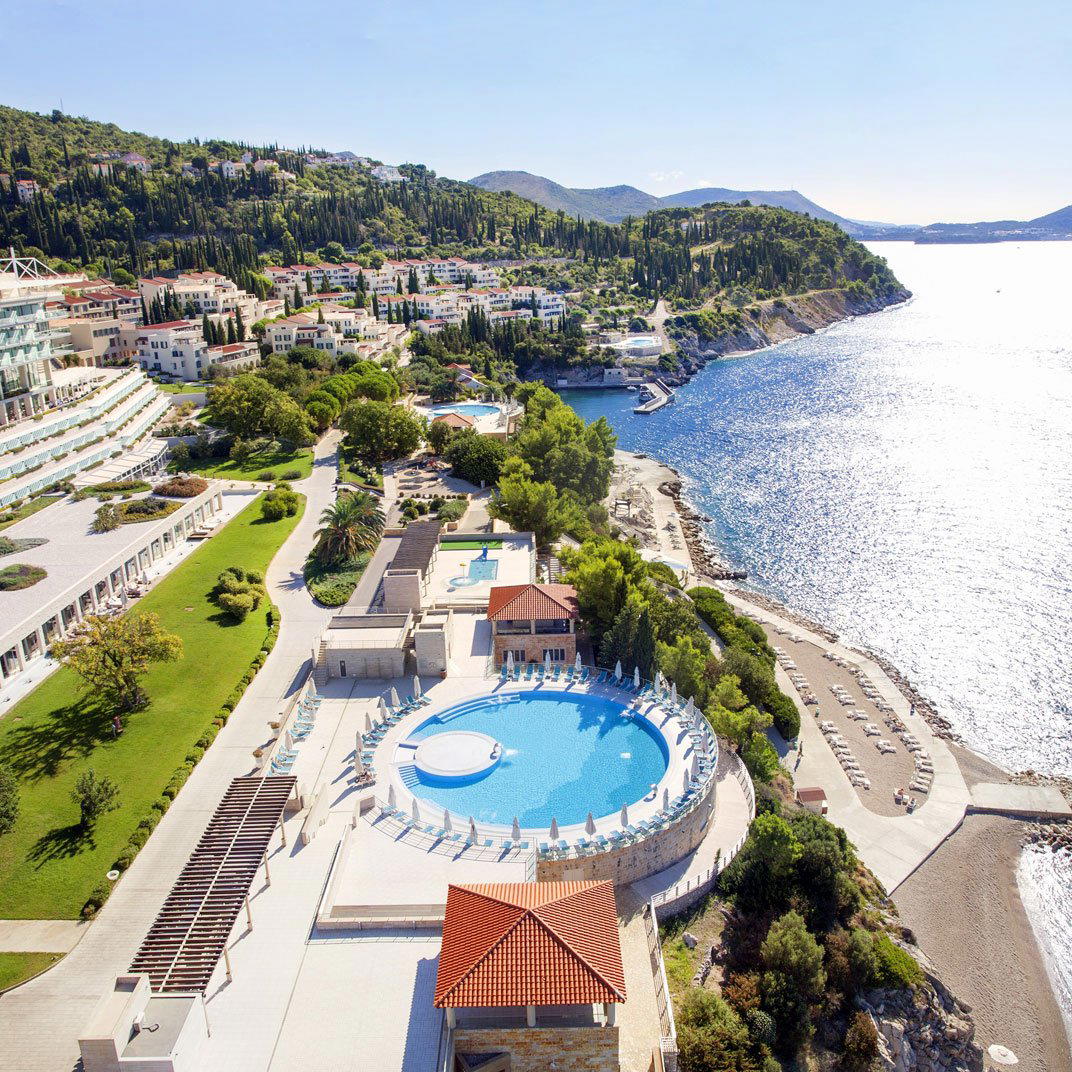
Mali Ston sits at the narrow waist of the Pelješac peninsula, where a medieval wall climbs the hillside and the channel below has been cultivating oysters since at least the fourteenth century. Arriving along the waterfront, the geometry is hard to ignore: the water is close enough to the dining rooms that the boundary between kitchen sourcing and kitchen delivery barely exists. This is not a fishing village that trades on nostalgia. It is a working shellfish environment, and the restaurants along the channel, Kapetanova kuća among them, operate as direct expressions of what that environment produces.
In Croatia's premium dining conversation, the dominant registers tend to be urban. Restaurant 360 in Dubrovnik and Pelegrini in Sibenik represent a strand of modern Adriatic cooking that applies technical ambition to regional ingredients. Mali Ston operates differently. The sourcing here is the argument, not the technique applied to it. Kapetanova kuća belongs to a smaller category of Croatian coastal restaurants where proximity to the raw material defines the offer more than any other variable.
The Mali Ston Oyster and What It Means
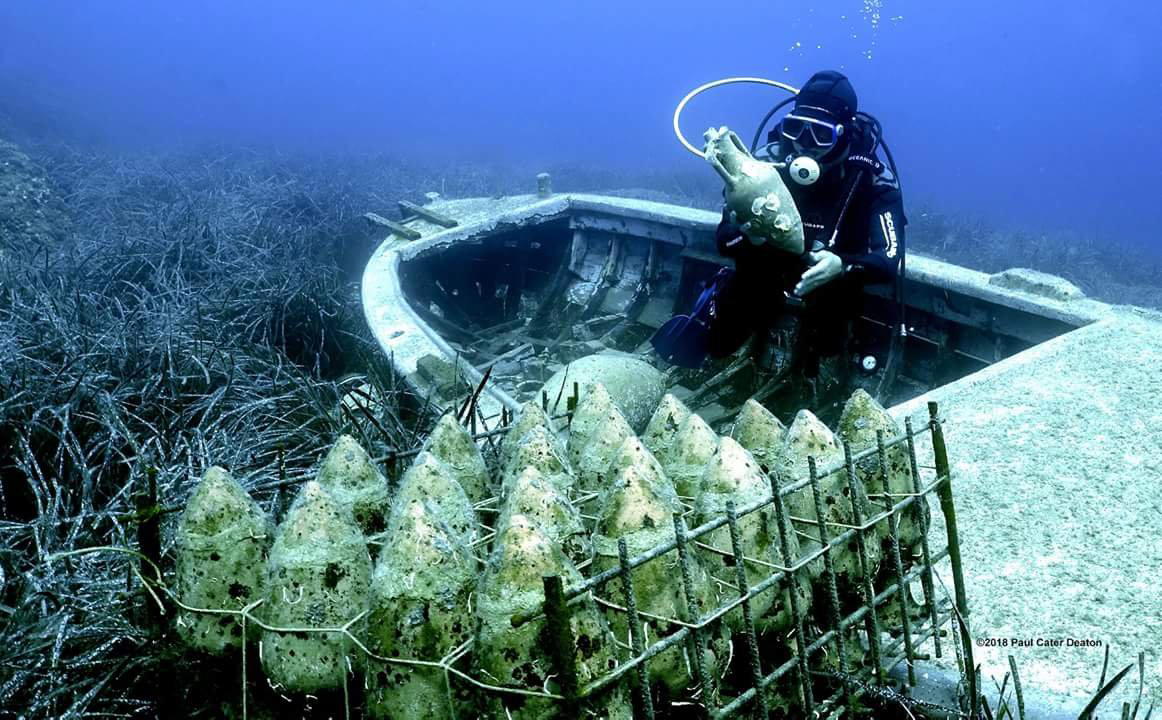
Understanding what arrives on the table at Kapetanova kuća requires understanding what the Malostonski zaljev, the Mali Ston bay, actually is. The bay draws freshwater from karst springs beneath the seabed while taking saltwater from the Adriatic above. That combination produces a bivalve environment with unusually consistent salinity gradients, and the European flat oyster (Ostrea edulis) cultivated here has been documented as a distinct regional product for centuries. These are not transshipped oysters finished locally; the full growth cycle happens in the bay.
For a dining room positioned directly on that bay, the chain from water to plate is as compressed as it gets in European shellfish service. Comparable tightness of sourcing in the oyster world tends to appear at destinations built around a single product: the Belon in Brittany, the native in West Mersea. Mali Ston operates at that register for this part of the Adriatic. The restaurant, as one of the channel's established addresses, sits where that sourcing proposition is at its most literal.
Beyond oysters, the Pelješac peninsula contributes mussels cultivated on the same rope systems, and the broader Dalmatian larder, local fish, regional olive oil, stone-dried herbs from the karst above, feeds into a kitchen working with materials that travel a short distance to reach the pass. That sourcing radius matters when you consider how Croatia's better-resourced coastal restaurants, such as LD Restaurant in Korčula, are making similar claims about local provenance but from towns with more complex supply chains.
The Setting as Context
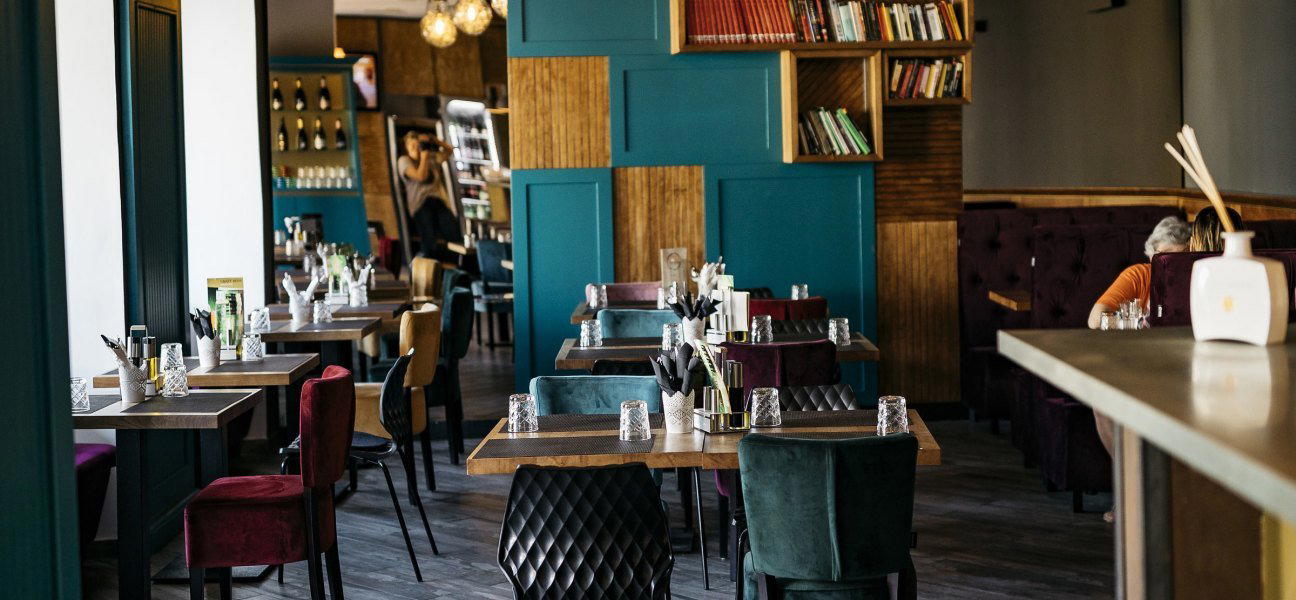
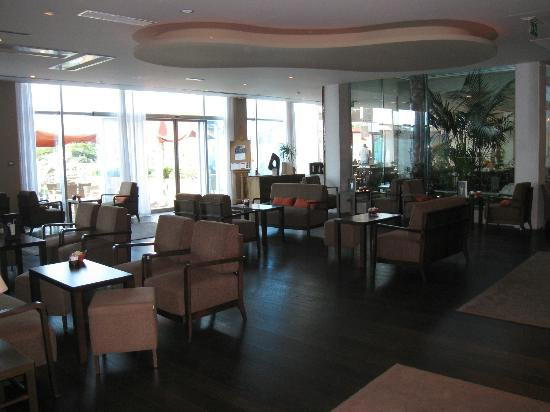
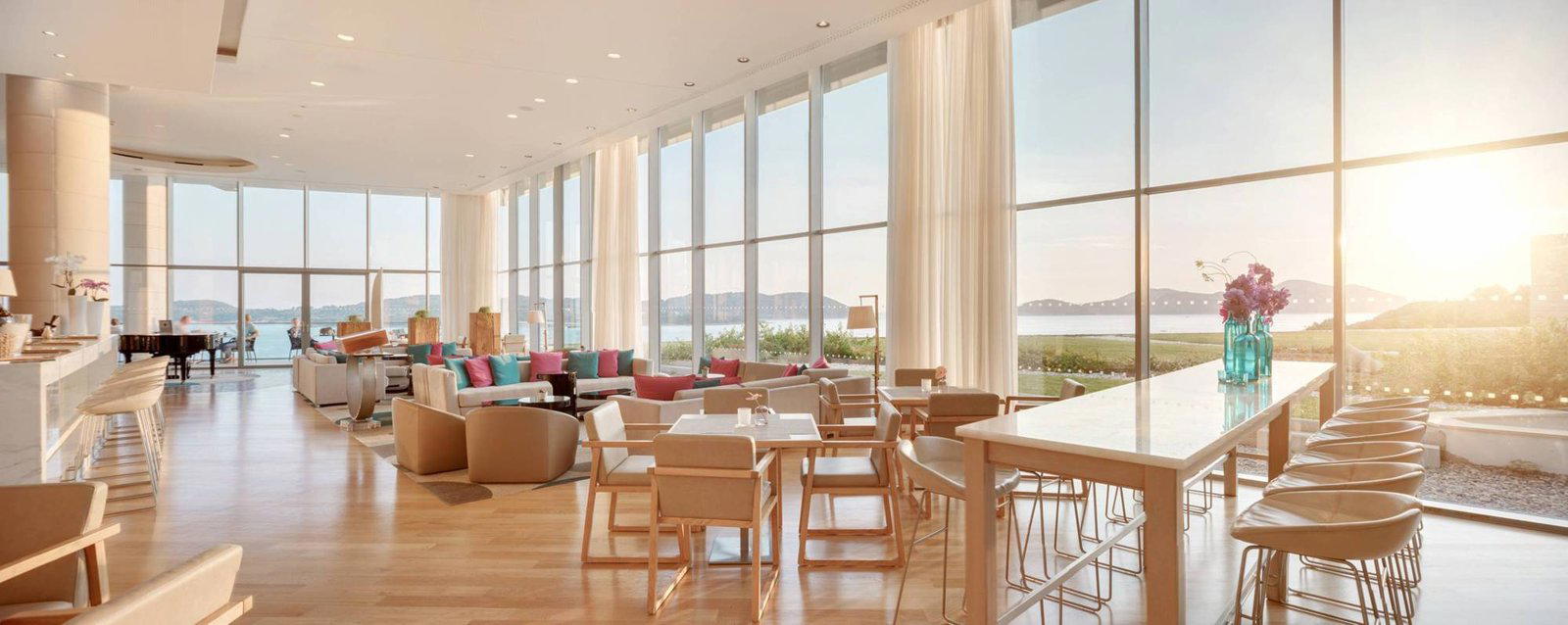
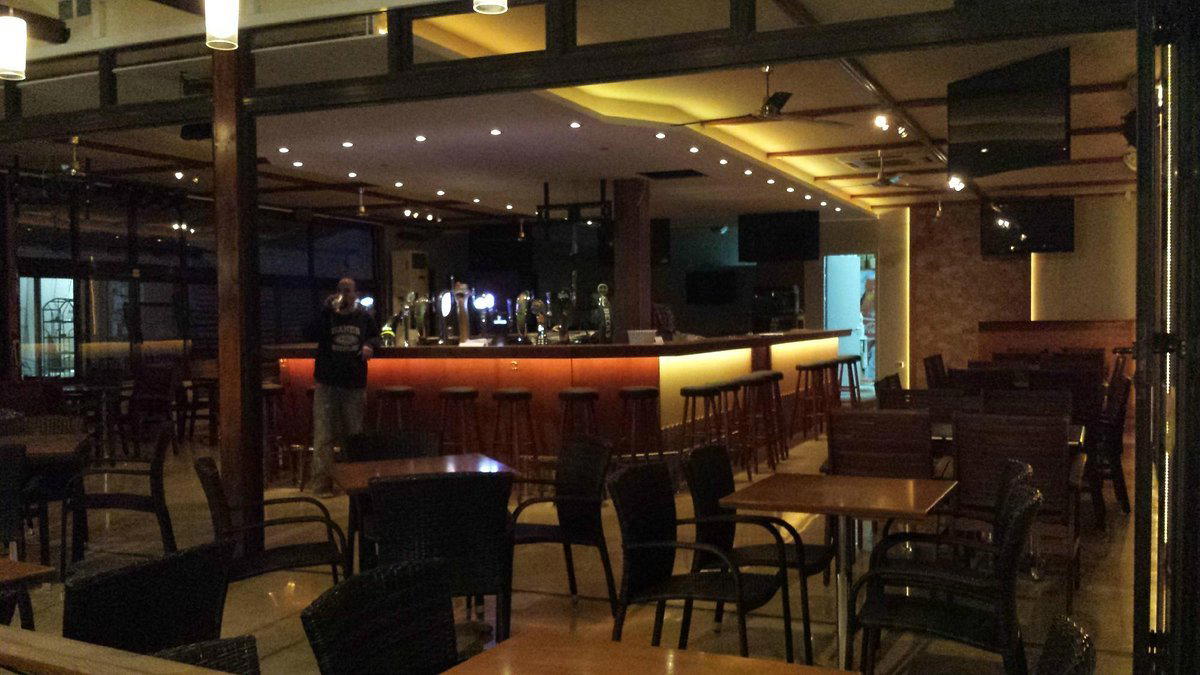
The physical arrangement of Mali Ston rewards attention before you sit down. The village is small enough that orientation happens immediately: the bay on one side, the wall ascending behind, the main cluster of restaurants along the waterfront. The restaurant occupies the kind of stone-built position that the Dalmatian coast produces without effort, thick walls, a terrace that extends toward the water, and an interior that reads as local rather than designed.
This matters editorially because the Croatian Adriatic has developed two distinct registers of coastal dining. One involves the investment in design and tasting-menu architecture visible at places like Nebo by Deni Srdoč in Rijeka or Agli Amici Rovinj. The other is rooted in place-specific product served without theatrical framing, the kind of meal where the argument is entirely made by what is in the water outside. Mali Ston, and the restaurant within it, belongs to the second register. The setting does not compete with the food; it explains it.
Krug in Split to the north and to Dubrovnik's more technically ambitious options to the south. Croatia's interior dining scene, represented by addresses like Dubravkin Put in Zagreb and Korak in Jastrebarsko, operates at a different register entirely, useful context for understanding how distinctly coastal and product-led Mali Ston's proposition is by comparison.Comparison Snapshot
Comparable venues nearby, for context on price, style, and recognition.
| Venue | Cuisine | Price | Notes |
|---|---|---|---|
| Kapetanova kućaThis venue — the venue you are viewing | Dalmatian Seafood | $$$ | Not listed |
| Kod Marka | Traditional Dalmatian Seafood | $$$ | Sipanska Luka |
| Antonio - Patak | Traditional Croatian Seafood | $$$ | Pakleni Islands |
| Orsan Gverović | Traditional Dalmatian Seafood | $$ | Zaton Mali |
| Vitaceae | Fresh Seafood & Grill | $$ | Trstenik |
| Konoba Barsa | Traditional Croatian Seafood Konoba | $$ | Loviste |

At a Glance
- Rustic
- Scenic
- Classic
- Special Occasion
- Date Night
- Waterfront
- Historic Building
- Terrace
- Extensive Wine List
- Local Sourcing
- Sustainable Seafood
- Waterfront
Current opening hours
- Monday
- 11 AM–11 PM
- Tuesday
- 11 AM–11 PM
- Wednesday
- 11 AM–11 PM
- Thursday
- 11 AM–11 PM
- Friday
- 11 AM–11 PM
- Saturday
- 11 AM–11 PM
- Sunday
- 11 AM–11 PM
Hours can change for holidays and private events. Last verified .
Pretty stone cottage right on the waterfront with a visually captivating setting blending nature and culinary artistry, simply furnished but with plenty of flair.