Our verdict
On the island of Langeland, in the small town of Tranekær, KAOS operates in a setting that Denmark's provincial dining scene rarely produces: an address where the surrounding landscape and local sourcing form the argument for every plate. The venue sits at Søndergade 24, tucked into a community shaped more by agriculture and coastline than by restaurant culture, making its presence a study in what serious cooking looks like far outside Copenhagen's orbit.

Pearl is the En Primeur Club membership app, where members save venues, book tables and use the concierge.
Cooking at the Edge of the Map
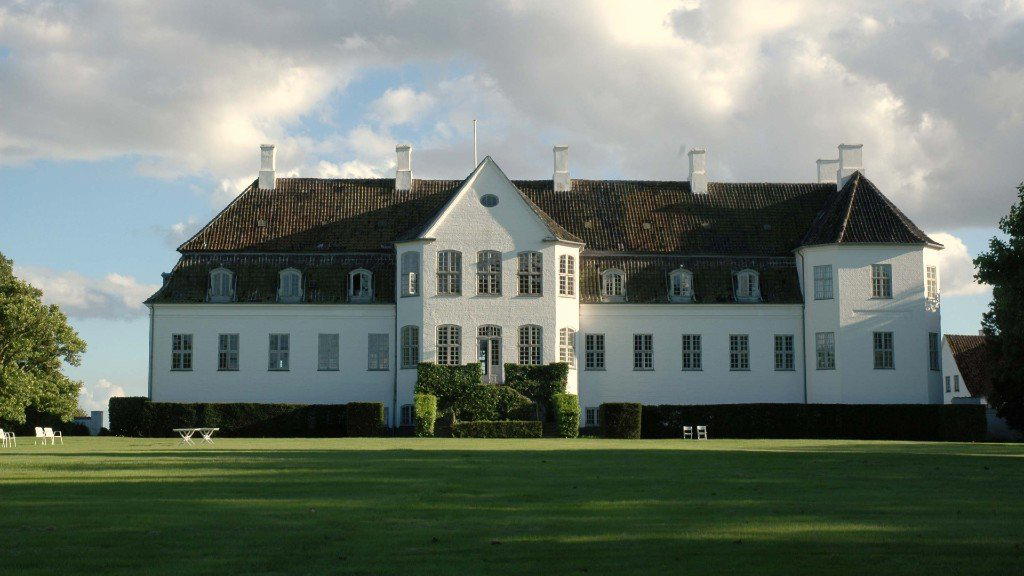
Denmark's serious restaurant culture has long concentrated itself in a handful of cities, with Copenhagen pulling the most weight and Aarhus, Odense, and Aalborg filling out the provincial tier. The island of Langeland sits well outside that circuit. Accessible from the mainland by ferry or a drive across Funen, Tranekær is a small settlement on the island's northern end, better known for its medieval castle and agricultural character than for its dining. That context is the first thing to understand about KAOS at Søndergade 24: it operates in conditions where the surrounding environment is not backdrop but raw material, and where the argument for cooking at all has to begin with what the land and water immediately around it can provide.
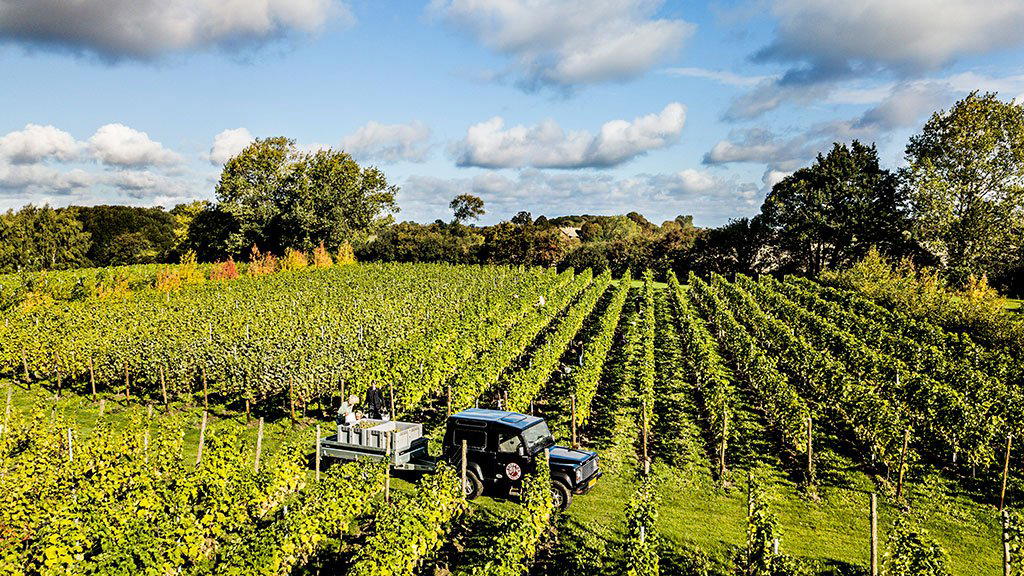
This is not an unusual premise in Scandinavian dining, but it carries different weight when the kitchen sits on a sparsely populated island with limited supply chains. Langeland's coastline offers access to local seafood; the agricultural hinterland supplies vegetables, herbs, and protein with short provenance chains. In a country where the sourcing narrative has sometimes become a marketing formula, geographic isolation gives it a structural basis.
The Ingredient Sourcing Argument
The broader shift in Nordic cooking over the past two decades has moved from foraging as novelty to foraging and hyper-local sourcing as genuine kitchen infrastructure. Restaurants like Geranium in Copenhagen and Henne Kirkeby Kro in Henne have anchored their identities in proximity to specific coastlines, farms, or estates. What distinguishes the island-based model is that sourcing proximity is not a choice layered onto an urban kitchen, it is the operating condition. A restaurant on Langeland cannot rely on daily deliveries from Copenhagen's wholesale markets in the same way a city kitchen can, which reshapes how menus are built and how seasonal rhythm is observed.
Venues like Dragsholm Slot Gourmet in Hørve and Frederiksminde in Præstø have demonstrated that rural Danish addresses with deep local sourcing can attract serious attention from guests willing to make a longer journey. The willingness to travel for a meal, in Nordic dining culture, has become part of the experience itself, the distance acting as a signal that what follows is worth the effort. KAOS sits in a comparable structural position, where the address is the argument before a single dish arrives.
Across the rest of Denmark's provincial dining circuit, the sourcing conversation plays out differently by geography. LYST in Vejle draws from the fjord. Villa Vest in Lønstrup works with the North Sea coastline. MOTA in Nykøbing Sjælland operates in a similarly low-density context. What connects them is the principle that serious provincial cooking in Denmark now makes its case through specificity of place, not through stylistic borrowing from the capital. KAOS, on Langeland, extends that principle to one of the country's more geographically isolated settings.
Provincial Ambition in a Small Town
Small-town Danish venues that occupy the serious end of the dining spectrum tend to build their authority through a combination of sourcing discipline, format clarity, and the kind of word-of-mouth that travels through networks rather than mainstream coverage. Alimentum in Aalborg, ARO in Odense, and Frederikshøj in Aarhus each sit in mid-sized cities with established dining cultures. Tranekær operates at a different scale entirely, where the audience is partly local and partly drawn from travellers who arrive on the island for reasons beyond the restaurant, sailing, cycling, the castle, the landscape, and find that the food warrants the same attention.
That dual audience shapes what provincial restaurants in this tier need to do well. The experience has to hold for a guest who has specifically sought it out and for one who has arrived without deep prior knowledge. Denmark's approach to this challenge, across the venues that have navigated it successfully, tends to involve formats that are readable and generously paced, where the sourcing story is present in the cooking without being narrated at the table in a way that feels like a lecture. Pearl by Paul Proffitt in Kruså and Syttende in Sønderborg both work in southern Danish contexts where the local audience is relatively small and the draw is partly destination-driven.
For context on where serious Nordic cooking has set its international benchmarks, Jordnær in Gentofte holds two Michelin stars and operates within Copenhagen's gravitational pull. Domæne in Herning and Parsley Salon in Hellerup represent different points on the spectrum between formal recognition and quieter, relationship-driven reputation. KAOS sits in a position where formal data, awards, published ratings, capacity figures, is not publicly available, which places it in the category of venues leading approached through direct enquiry rather than advance booking platforms.
Planning a Visit to Tranekær
Reaching Tranekær requires intention. The island of Langeland connects to Funen via the Svendborg-Rudkøbing ferry, and from Rudkøbing the drive north to Tranekær takes roughly 20 minutes. Guests arriving from Copenhagen face a journey of approximately three hours by car, longer by public transport. This is not a detour venue, it works as the anchor of a longer stay on the island, particularly during summer months when Langeland draws visitors for its coastal character and cycling routes.
Venues in this tier and setting in Denmark frequently operate on restricted days or seasonal schedules, and confirming availability in advance is standard practice. For reference on how Denmark's dining scene maps across cities and price points, the comparison set ranges from urban tasting menu formats at €€€€, as with Le Bernardin in New York City or Atomix in New York City at the international end, to more accessible provincial models closer to what a rural Danish island address is likely to support.
Frequently asked questions
Is KAOS a family-friendly restaurant?
KAOS sits at Søndergade 24 in Tranekær, a small town on Langeland island that requires deliberate travel to reach, a detail that signals the venue pitches itself at guests making a specific dining choice rather than a casual family outing.
What is the atmosphere like at KAOS?
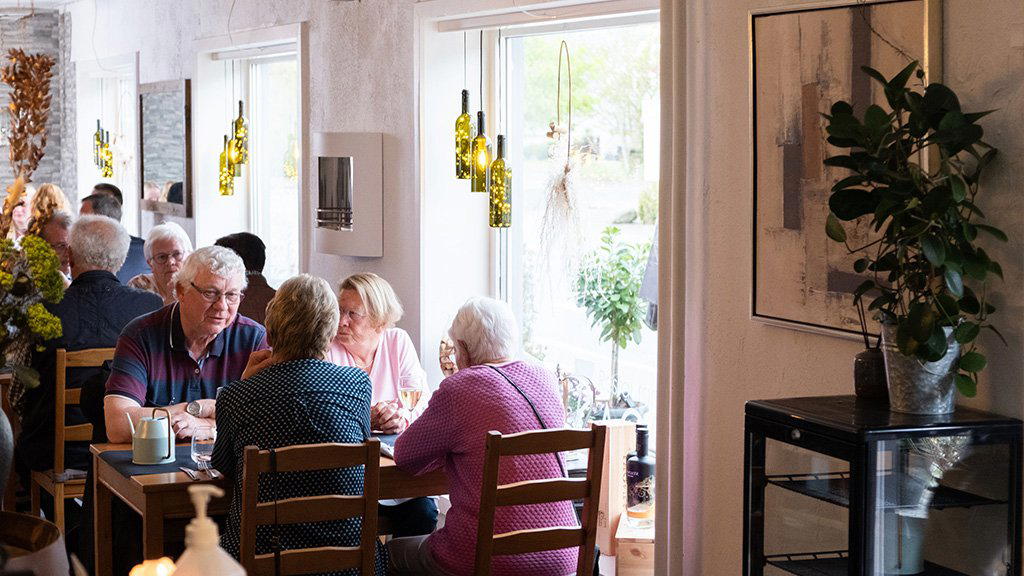
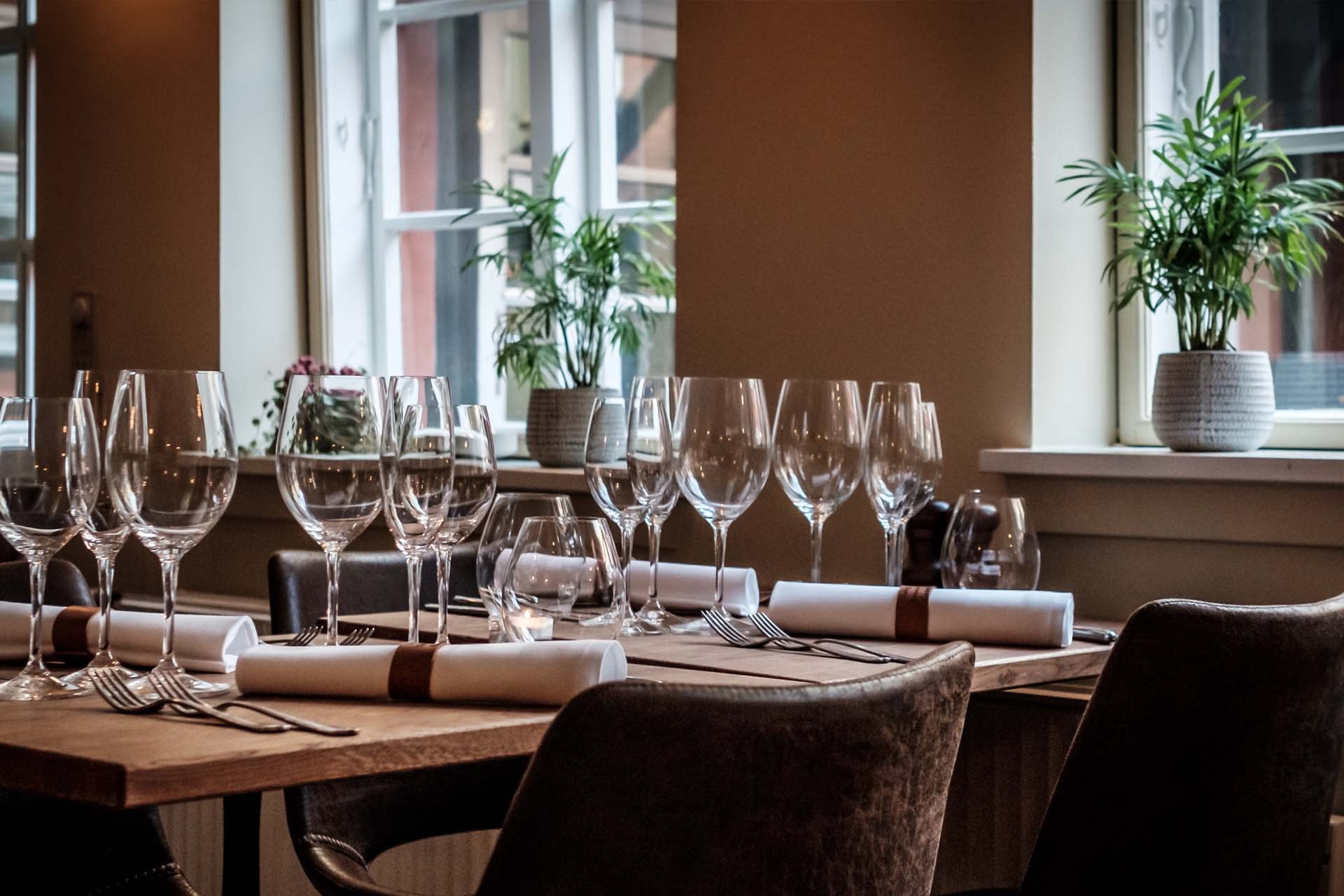
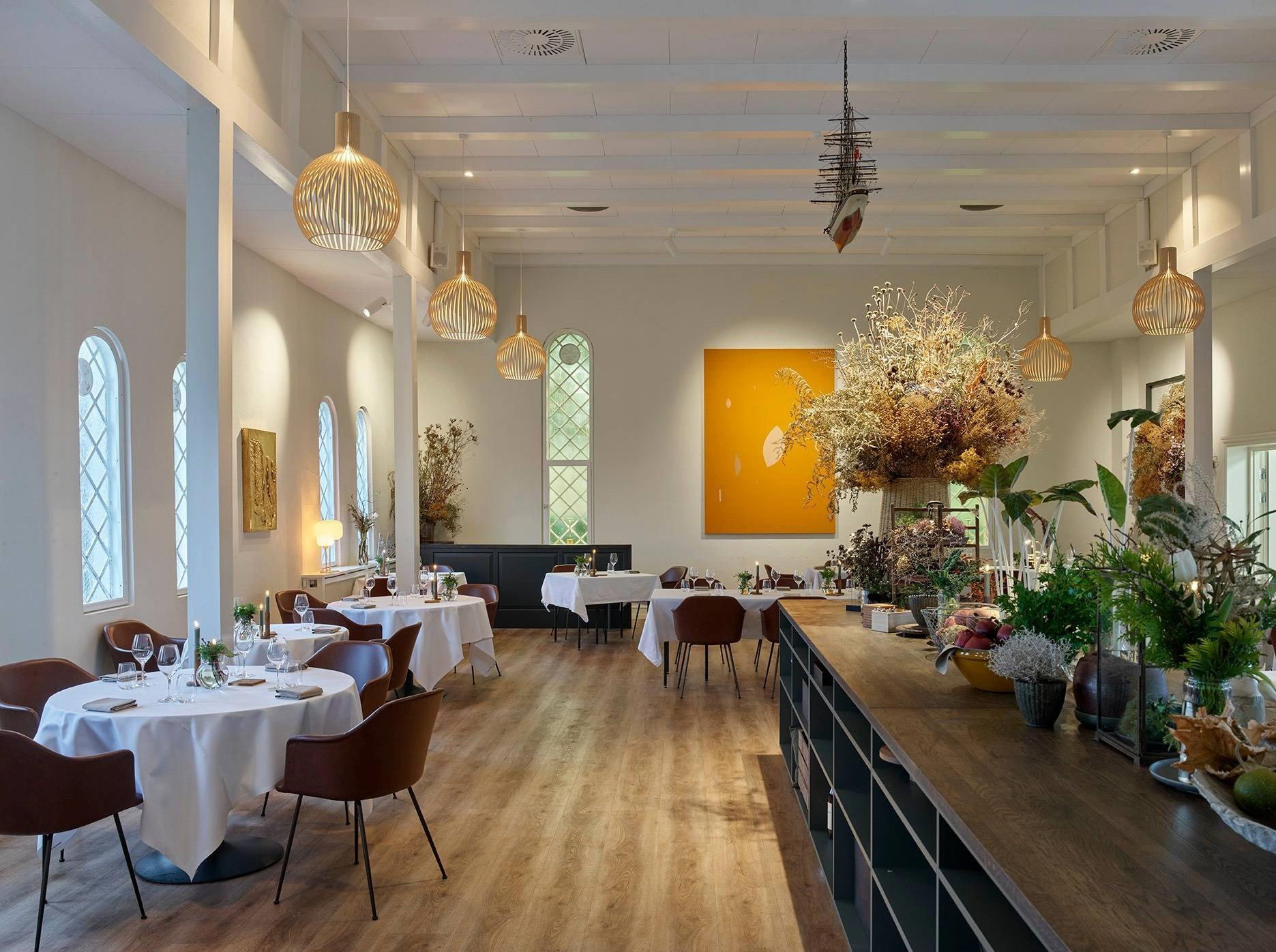
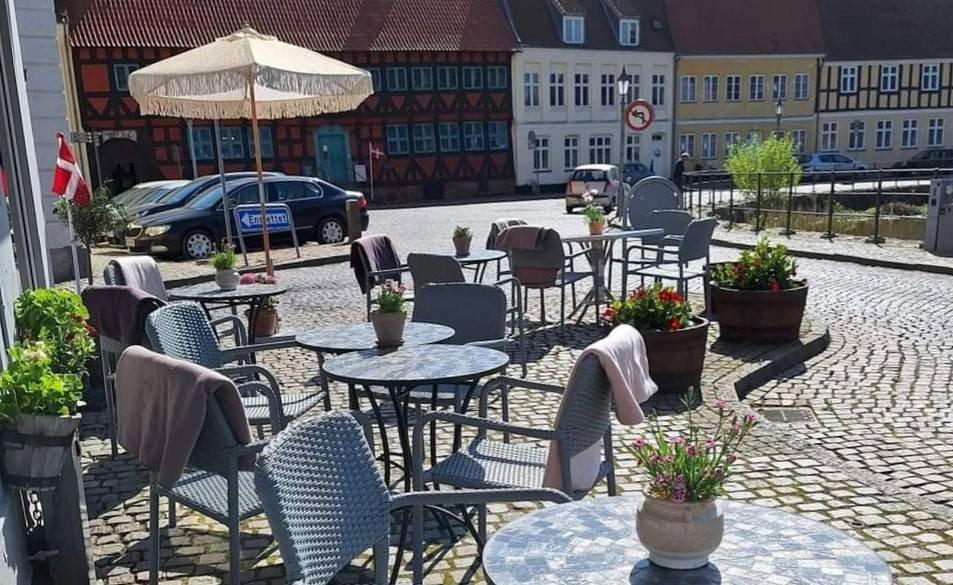
Tranekær's scale, a small island town north of Rudkøbing, shapes what KAOS can be: a venue where the room itself is a quiet counterpoint to the cooking, far from the noise and foot traffic of Copenhagen or Odense. Danish provincial restaurants operating at the serious end of the spectrum tend toward spare, considered interiors that let sourcing discipline carry the room rather than decorative volume.
How far is KAOS from the Svendborg-Rudkøbing ferry, and how do you get there?
KAOS is at Søndergade 24 in Tranekær, on the island of Langeland. The standard approach is the Svendborg-Rudkøbing ferry from Funen, after which Tranekær sits roughly 15 kilometres north of Rudkøbing by road, a drive of around 20 minutes. Langeland has no rail connection, so a car or organised transfer from the ferry terminal is the reliable option.
What should I order at KAOS?
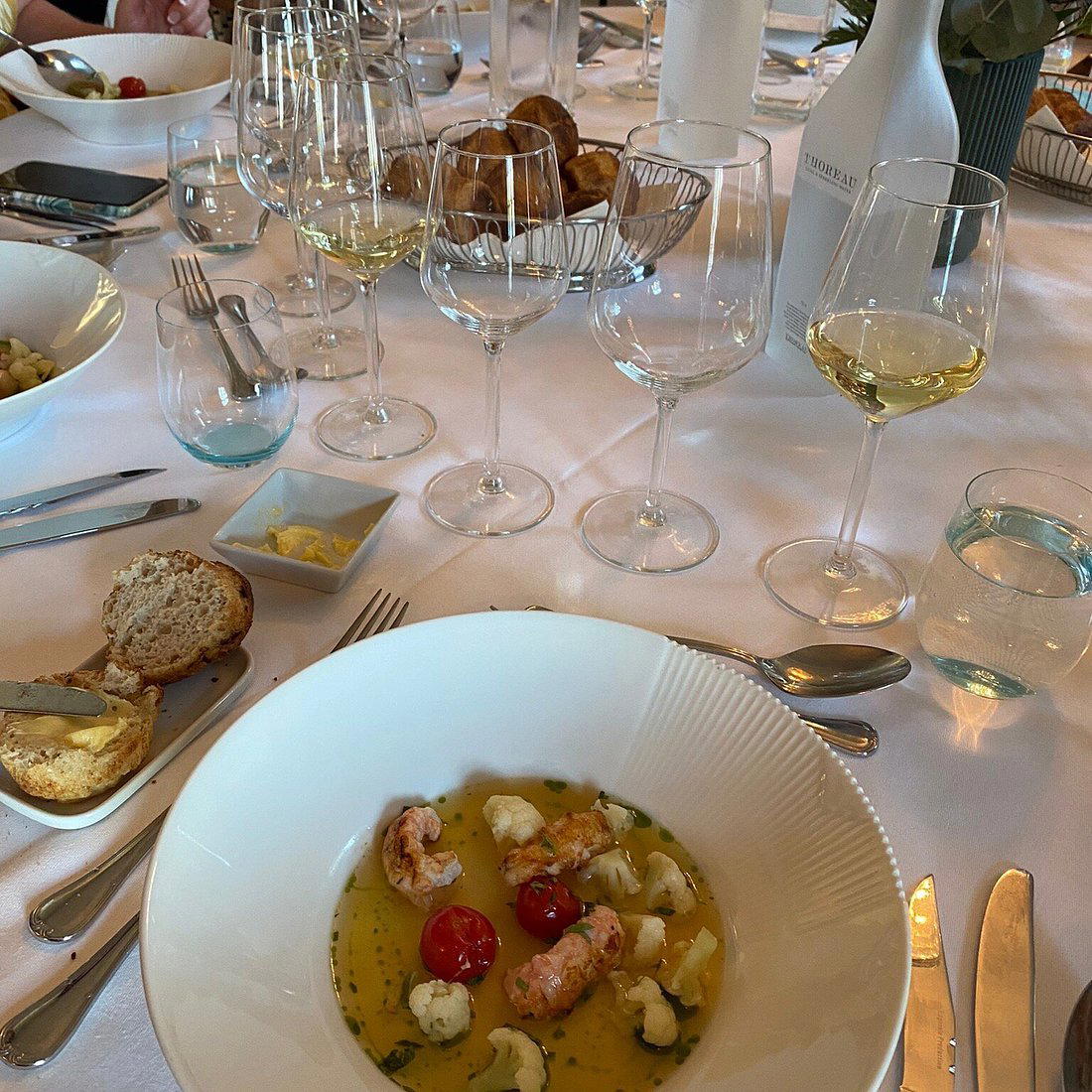
The kitchen's position on Langeland, an island where proximity to local farms, coastal waters, and foraged produce defines what Nordic kitchens at this latitude can do, suggests the menu follows seasonal and hyper-local logic rather than a fixed à la carte structure.
What's the address for KAOS?
KAOS is located at Søndergade 24, 5953 Tranekær, Denmark, Tranek R.
A Quick Peer Check
| Venue | Cuisine | Price | Awards | Notes |
|---|---|---|---|---|
| KAOSThis venue (the venue you are viewing) | Not listed | Not listed | Not listed | Not listed |
| Geranium | Modern New Nordic Pescatarian | $500+ | 3 Michelin Stars · World's 50 Best #1 | New Nordic, Creative |
| Noma | New Nordic Fine Dining | $300–500 | 3 Michelin Stars · World's 50 Best #1 | Creative |
| Alchemist | Avant-Garde Molecular Gastronomy with Social Commentary | $500+ | 2 Michelin Stars · World's 50 Best #5 | Progressive, Creative |
| Koan | Modern Korean-Nordic Fine Dining | $300–500 | 2 Michelin Stars · World's 50 Best #91 | New Nordic, Kaiseki, Creative |
| a|o|c | Modern Scandinavian Fine Dining | $300–500 | 2 Michelin Stars · La Liste Top Restaurants | New Nordic, Mediterranean Small Plates, Creative |
Continue exploring
More in Tranek R
Restaurants in Tranek R
All restaurants in Tranek R →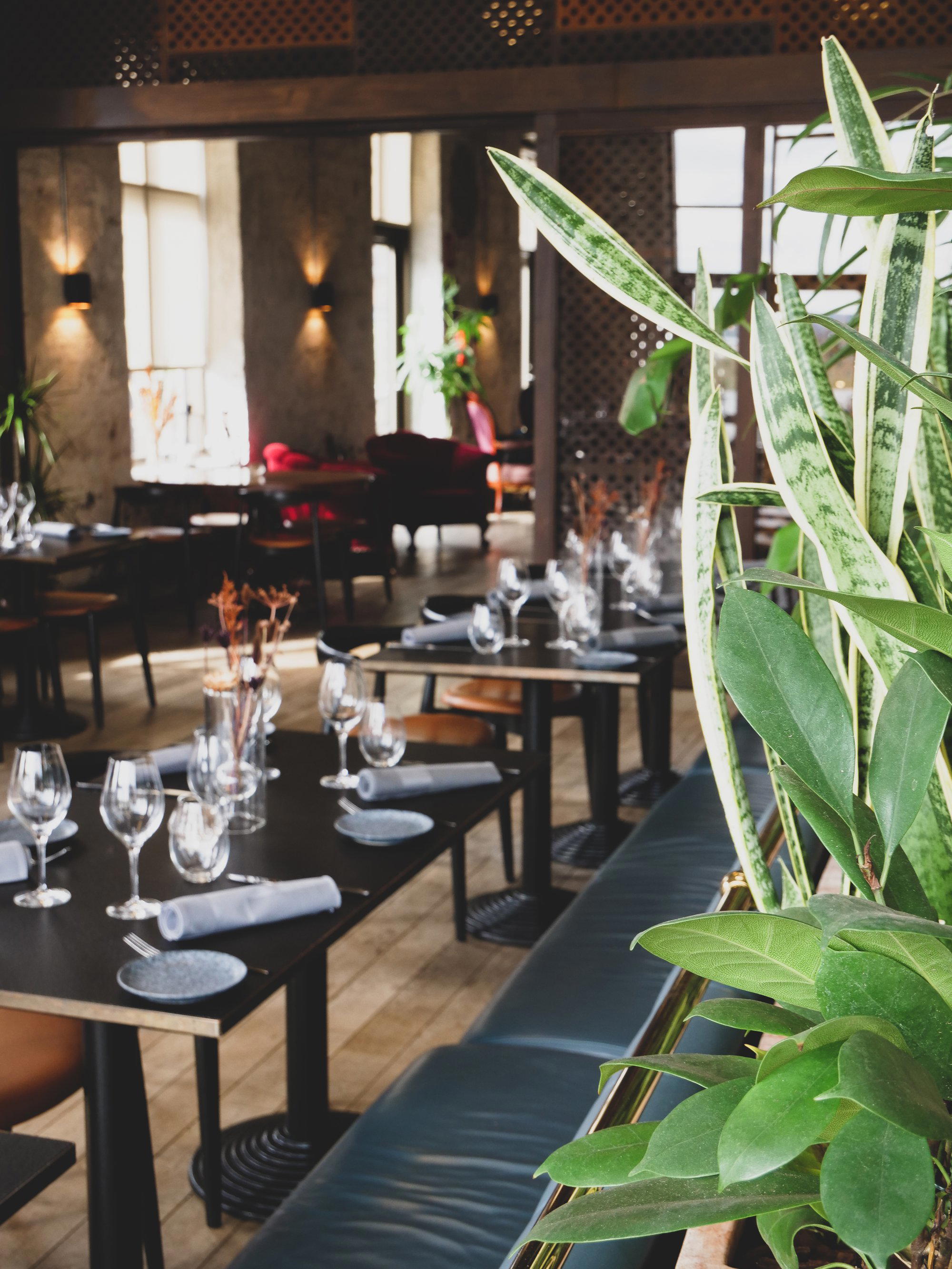

Details
Current opening hours
- Monday
- Closed
- Tuesday
- Closed
- Wednesday
- Closed
- Thursday
- Closed
- Friday
- 5:30–11:30 PM
- Saturday
- 5:30–11:30 PM
- Sunday
- Closed
Hours can change for holidays and private events. Hours as of .