Kanoni
Inside the medieval walled town of Monemvasia, Kanoni occupies a setting that most Greek restaurants can only approximate in decor: actual Byzantine stone, sea light, and the particular stillness of a car-free kastro. The kitchen works within a tradition shaped by Laconian ingredients and Aegean proximity, placing it in a dining category defined more by place than by culinary ambition alone.
Pearl is the En Primeur Club membership app — saves, bookings, and concierge access live there. Same editors, same standards.
- Address
- Κάστρο, Monemvasia 230 70, Greece
- Phone
- +302732061387
- Website
- tokanoni.com
- Directions
- Get directions
 Saves & bookings on Pearl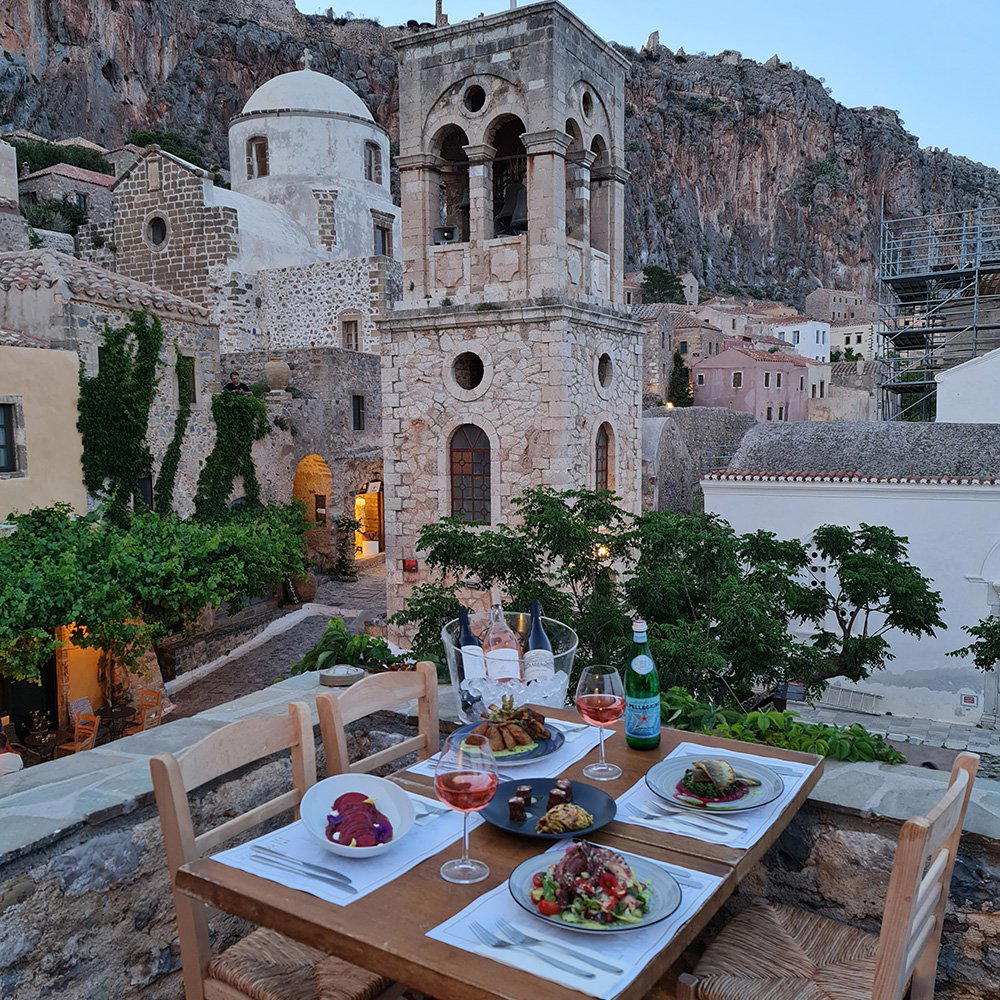
Stone, Sea, and the Logic of Place
Arriving at Monemvasia already does most of the atmospheric work. The single causeway connecting the rock to the Peloponnesian mainland strips away anything that doesn't belong, and by the time you pass through the Byzantine gate into the lower town, the 21st century has largely receded. Restaurants in this setting operate under a different set of pressures than their counterparts in Athens or Thessaloniki: the built environment is the dominant experience, and kitchens here are asked to serve it rather than compete with it. Kanoni, located within the kastro walls at the heart of the lower town, sits squarely inside that logic.
Laconian Ingredients and the Sourcing Logic of the Kastro
The Laconia region surrounding Monemvasia has one of the more coherent ingredient stories in the southern Peloponnese. The olive oil produced around nearby Agios Nikolaos and the broader Laconian coast carries protected designation of origin status, and the region's fishing tradition, shaped by the deep waters of the Myrtoan Sea, produces seafood with a different character than the shallower Aegean. Restaurants operating inside the kastro have a particular relationship with this supply geography: everything arrives on foot or by hand cart through the gate, which naturally limits volume and favors local sourcing over long-haul imports.
This is the structural reality that shapes what ends up on the table at a place like Kanoni. Greek coastal kitchens at this latitude tend to work with whatever the day's catch produces, supplemented by preserved or cured items, legumes, and the hard cheeses characteristic of Laconian pastoral tradition. The cooking that results is less about technical intervention and more about recognizing quality in the primary ingredient. Compared to the architectural complexity of a menu at, say, Delta in Athens, the approach here is deliberately narrower in register, shaped more by geography than by ambition.
That narrowness is not a limitation in the way it might be in a city context. In a walled medieval town with a population measured in hundreds, a kitchen that works closely with local fishermen and Laconian producers is doing something that restaurants in larger settings spend considerable effort trying to simulate. The ingredient story here is real because it has to be.
Where Kanoni Sits in the Greek Dining Conversation
Contemporary Greek fine dining has consolidated around a small number of Athens addresses. Restaurants like Cash in Kifisia, Hytra, and Spondi operate in a tier defined by Michelin attention, wine lists of some depth, and tasting menus that treat Greek culinary heritage as material for reinterpretation. Further along the Aegean, places like Lure Restaurant in Oia, Aktaion in Firostefani, and Bony Fish Santorini in Imerovigli occupy a different niche, where the caldera view and tourist density set the commercial frame. Feredini in Santorini and Cacio e Pepe in Thira Municipality represent yet another register entirely.
Kanoni doesn't compete with any of these tiers in the conventional sense. The kastro setting removes it from the tourist-density coastal model, and the town's scale and protection status make the Michelin-circuit ambitions of Athens irrelevant. The more useful comparison set is places like Beauvoir in Katakolo or Jimy's Fish in Piraeus: restaurants where the setting and the sourcing story carry significant weight alongside the cooking.
For those who want to understand how Greek seafood kitchens vary across the country's coastal geography, Kastella Seafood Restaurant in Heraklion and Knossos Greek Taverna in Gouves offer useful Cretan reference points, while Lake Vouliagmeni in Vouliagmeni and Alykes in Palaio Faliro represent the Attic coastal model. The variation in what reaches the kitchen, and how it's treated, tells you as much about Greek food culture as any single restaurant visit can.
The Room and the Rhythm
Byzantine-era stone construction has a specific quality of light and temperature that modern materials cannot replicate. In summer, the thick walls keep interiors cooler than the midday street; in shoulder season, they hold warmth after dark in a way that feels deliberate rather than accidental. Dining inside the Monemvasia kastro carries these physical facts into the meal itself. The absence of traffic noise, the narrow alleys lit by wall lanterns, and the proximity to the sea on three sides of the rock create a sensory baseline that most restaurants in larger cities spend significant design budgets trying to achieve.
The distance between those approaches and what a kastro kitchen in Monemvasia does is instructive: different pressures, different tools, but a shared understanding that the primary ingredient is the argument.
Practical Notes
Monemvasia's kastro is a protected settlement, and all access within the walls is on foot. Visitors arriving by car park outside the gate on the mainland side and walk across. The town has limited dining options relative to its tourist draw, particularly in the lower town where Kanoni is located, so booking ahead during the May-September season is advisable. The address places it within the kastro proper, and finding it is a matter of following the main lane through the lower town gate and reading the signage as you go: the rock is small enough that navigation rarely becomes complicated.
Comparison Snapshot
Comparable venues nearby, for context on price, style, and recognition.
| Venue | Cuisine | Price | Notes |
|---|---|---|---|
| KanoniThis venue — the venue you are viewing | Traditional Peloponnesian Greek | $$$ | Not listed |
| Restaurant 21 Olive | Traditional Greek | $$ | Kalambaka |
| Amber Cellar | Modern Greek with Seafood | $$$ | Piraeus Port |
| Rizes Gastro Taverna Santorini | Modern Cycladic Greek | $$$ | Fira |
| ΟΙΚΕΙΟ | Authentic Greek Bistro | $$$ | Kolonaki |
| Vassilenas | Modern Creative Greek | $$$ | Pangrati |
Continue exploring
More in Monemvassia
Restaurants in Monemvassia
Browse all →
Hotels in Monemvassia
Browse all →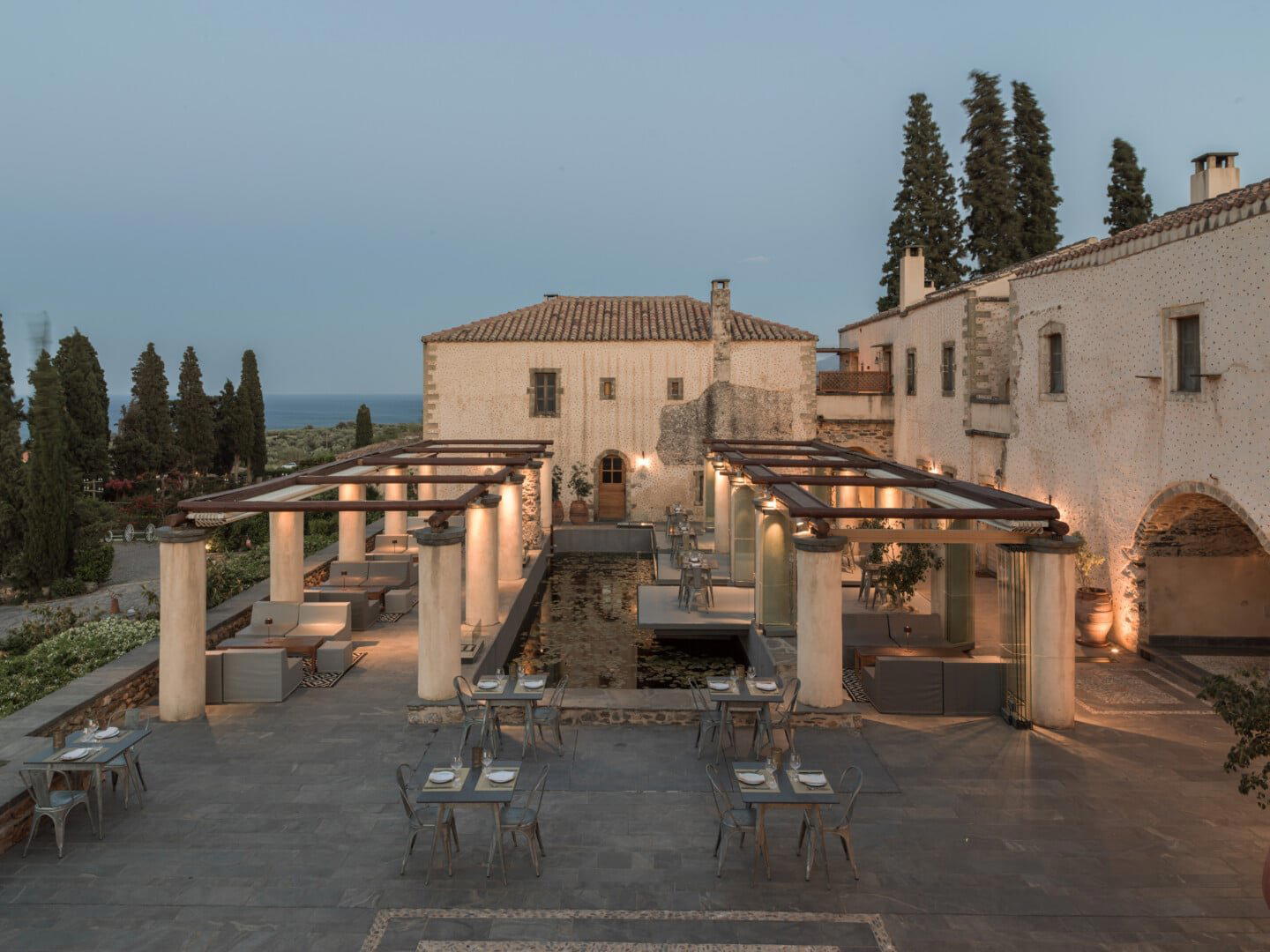
Wineries in Monemvassia
Browse all →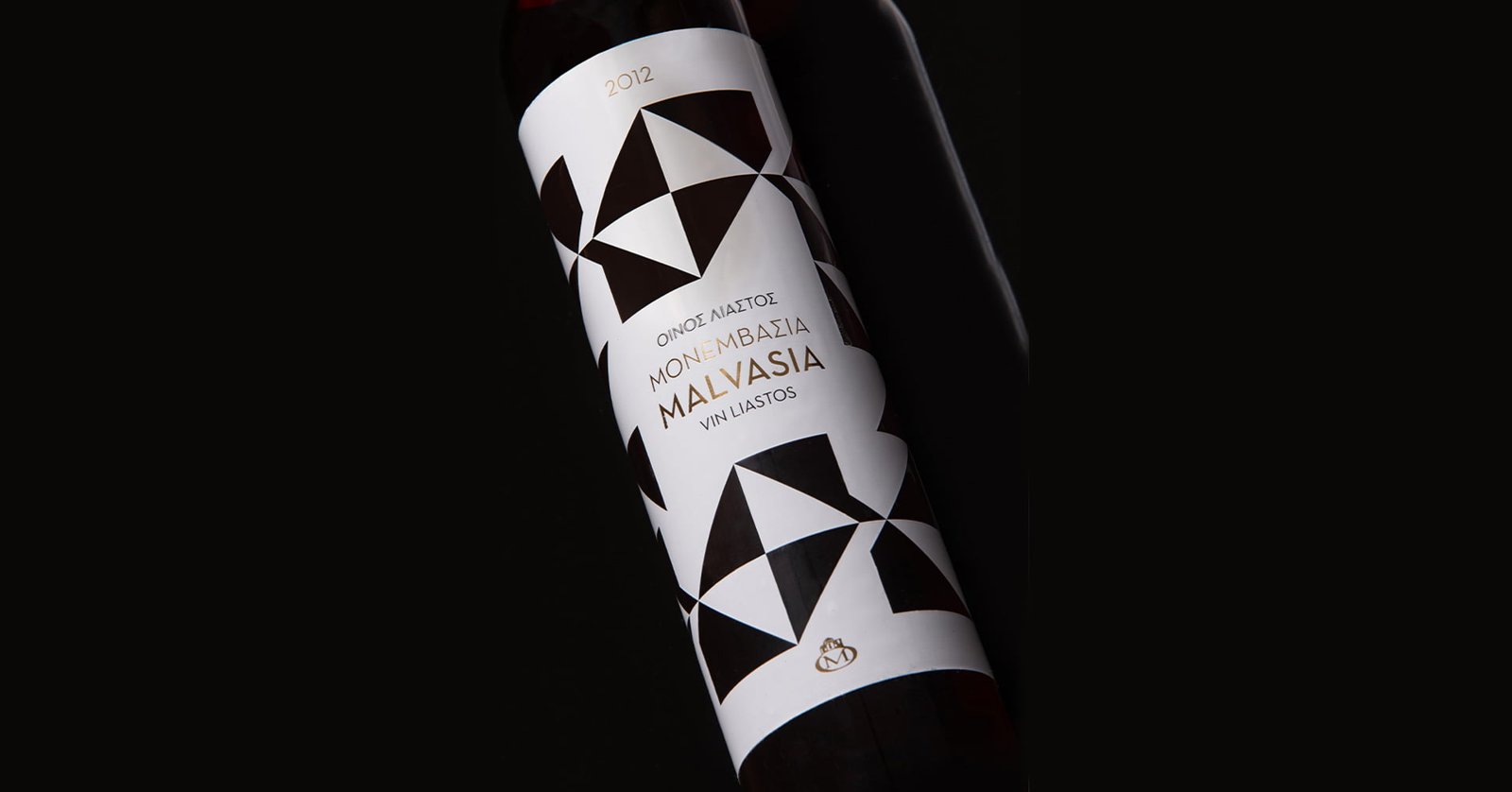
At a Glance
- Classic
- Scenic
- Rustic
- Intimate
- Date Night
- Special Occasion
- Terrace
- Historic Building
- Panoramic View
- Extensive Wine List
- Local Sourcing
- Waterfront
Current opening hours
- Monday
- 12:30–11:30 PM
- Tuesday
- 12:30–11:30 PM
- Wednesday
- 12:30–11:30 PM
- Thursday
- 12:30–11:30 PM
- Friday
- 12:30–11:30 PM
- Saturday
- 12:30–11:30 PM
- Sunday
- 12:30–11:30 PM
Hours can change for holidays and private events. Last verified .
Inviting and traditional atmosphere within medieval walls, enhanced by scenic rooftop terrace seating.