Kinsterna Hotel


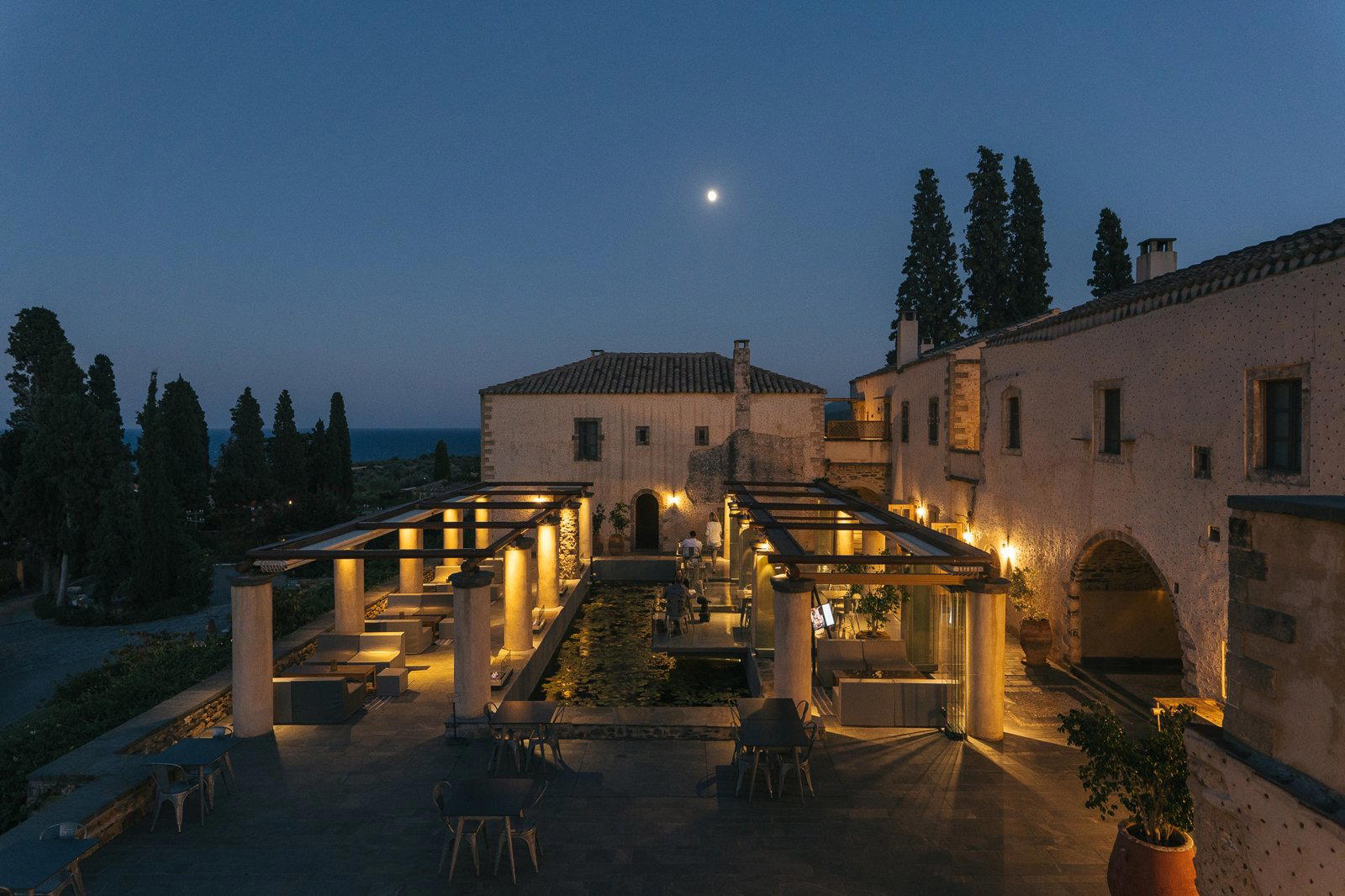
A 13th-century Byzantine mansion restored into a five-star eco boutique hotel on 25 acres of working vineyards and olive groves near Monemvasia, Kinsterna occupies a category of its own among Greek heritage properties. The estate operates as a functioning farm, drawing guests into grape harvests, honey collection, and private wine tastings rather than passive observation. For travellers seeking architectural depth alongside genuine agricultural participation, this is the Peloponnese at its most considered.
Pearl is the En Primeur Club membership app — saves, bookings, and concierge access live there. Same editors, same standards.
- Address
- Agios Stefanos
- Phone
- +30 27320-66300
- Website
- kinsternahotel.gr
- Directions
- Get directions
 Saves & bookings on Pearl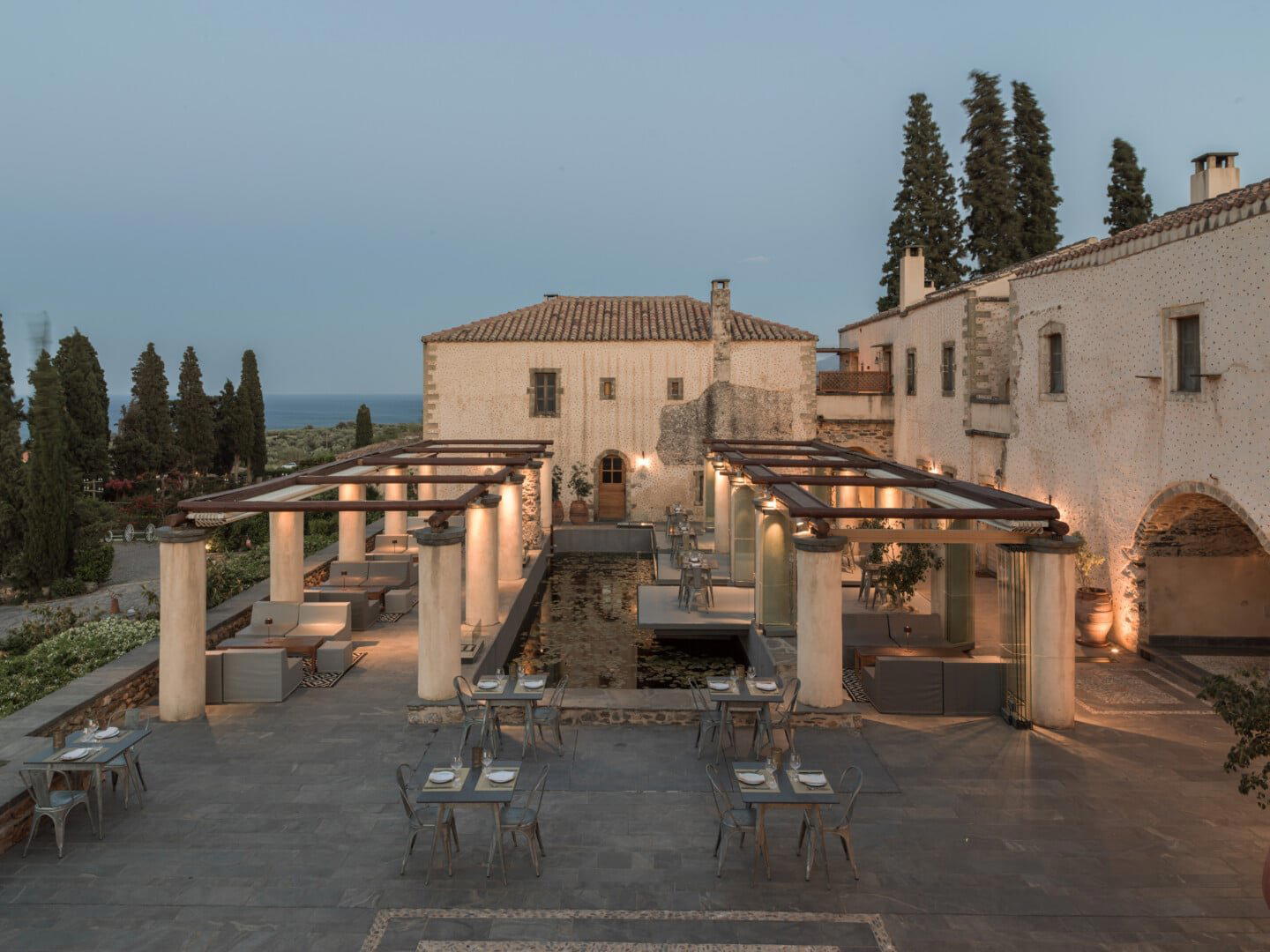
Stone, Time, and the Architecture of a Working Estate
Approaching Kinsterna Hotel from the road outside Agios Stefanos, the property announces itself not through signage or a grand entrance sequence but through the physical weight of the building itself. The mansion's Byzantine stonework, dating to the 13th century, has the density and irregular geometry of a structure that was built to endure rather than to impress. This is the architectural grammar of the medieval Peloponnese: thick walls, vaulted ceilings, materials drawn from the immediate land. The restoration that converted this mansion into a five-star property made a deliberate choice not to erase those centuries but to preserve their evidence, leaving the bones of the original structure legible beneath contemporary hospitality.
That decision places Kinsterna in a distinct tier of Greek heritage accommodation. Where many luxury conversions in the Aegean smooth out historical irregularities in favour of a clean design narrative, heritage properties in the Laconian region tend to carry more archaeological honesty. The Peloponnese has fewer high-volume resort competitors than Santorini or Mykonos, which means properties here compete on depth of character rather than infinity-pool spectacle. For a direct point of comparison, Amanzoe in Porto Heli represents the international design-led end of Peloponnesian luxury; Kinsterna sits at the opposite pole, where authenticity of fabric trumps architectural invention.
Twenty-Five Acres That Are Actually Farmed
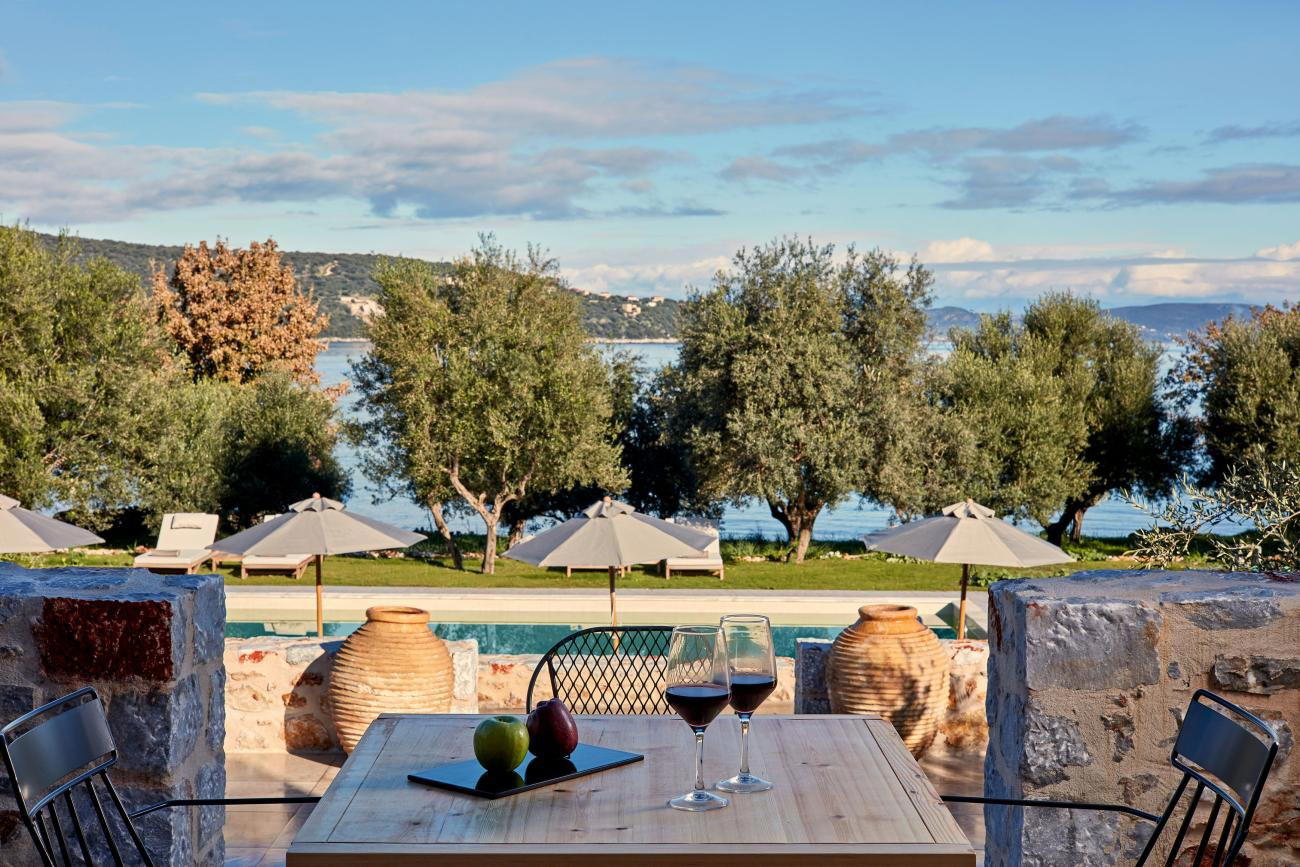
The estate extends across 25 acres of vineyards and ancient olive groves, and unlike many hotels that describe agricultural settings as amenity backdrops, Kinsterna operates these as functioning productive land. Guests can participate in the grape harvest, the olive harvest, bread-making workshops, honey harvesting, and handmade soap production. The estate's wine and oil reach the table directly from this land, which makes the farm-to-table framing here structural rather than decorative.
This positions Kinsterna alongside a small cohort of European estate hotels where seasonal participation is the primary draw rather than an optional add-on. The format suits travellers who find passive resort luxury limiting but who are not interested in agritourism at the cost of physical comfort. The five-star classification holds alongside the working-estate character: this is not a farmhouse with upgraded bedding but a luxury property with a genuine agricultural operation behind it.
Across Greece, this particular combination remains relatively rare. Properties like Eréma in Milos and Gundari in Petousis represent the design-led boutique end of the Greek islands market; Kinsterna's farm-estate format aligns it with a different guest logic entirely, one anchored in seasonality, participation, and a slower metabolic pace.
The Wine Hotel Dimension
The estate's wine production gives Kinsterna a secondary identity as a wine hotel, a category that remains underdeveloped in Greece relative to regions like Burgundy, Tuscany, or the Douro Valley. Private wine tastings are available on-site, drawing directly from the estate's own vineyards. The Laconian region of the Peloponnese has a distinct viticultural identity, producing indigenous varieties in a climate shaped by proximity to the Aegean and the elevation of the surrounding hills. Guests at Kinsterna encounter that identity through the estate's own production rather than through a curated regional wine list alone.
For travellers building a Greek itinerary around wine, this is a meaningful stop. The Peloponnese has been gaining ground as a wine-travel destination over the past decade, with Nemea's Agiorgitiko and the Monemvasia-Malvasia grape carrying international recognition. Kinsterna's estate wines enter that context as a property-specific expression, tasted in the building where the vines are visible from the windows.
Monemvasia as Context
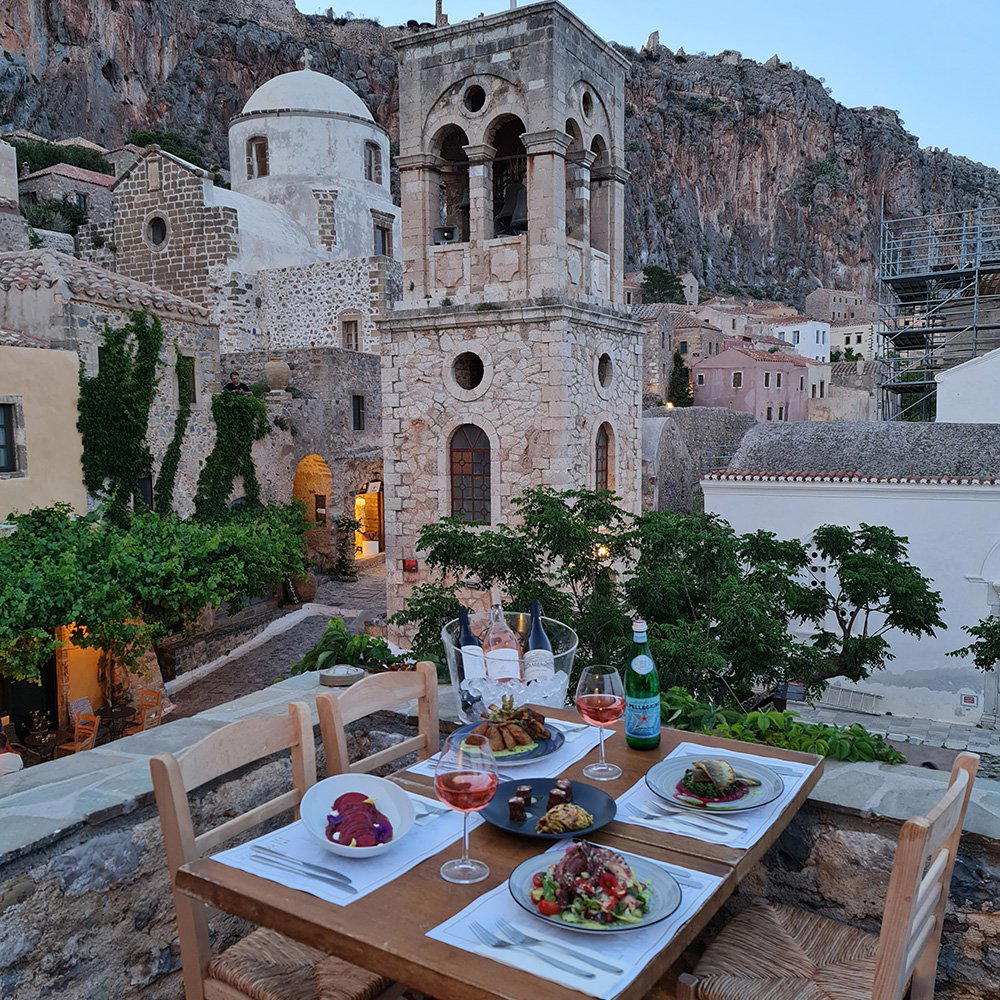
Kinsterna's location outside Monemvasia matters as much as the property itself. Monemvasia is one of the least altered medieval towns in Greece: a fortified rock settlement reached by a single causeway, largely car-free, and operating at a scale and pace that filters out the mass-tourism patterns common to the Cyclades. The town's Byzantine and Venetian layers sit in direct visual dialogue with the Laconian mainland, creating a setting where the architecture of the hotel and the architecture of the destination reinforce each other.
The hotel's own farm products feed its morning offerings, making an early meal here a logical starting point for a day in the town.
Travellers comparing Kinsterna against the wider Greek five-star market should understand the geographic trade-off clearly. Properties like the Four Seasons Astir Palace Hotel Athens or the large-format Cretan resorts such as Abaton Island Resort and Spa in Chersonisos offer beach infrastructure and urban connectivity that Monemvasia does not provide. Kinsterna's trade is in the opposite direction: architectural depth, agricultural participation, and the particular quiet of the southern Peloponnese. Guests choosing this property are, in most cases, choosing it precisely because those other things are not present.
Energy Autonomy and the Eco-Boutique Model
The hotel operates with modern energy autonomy systems alongside its Byzantine shell. The eco-boutique designation carries more operational weight here than in properties that apply the label as positioning. Self-sufficiency in both energy and food production creates a coherent internal logic, drawing from its land and reducing external dependency. That philosophy is not incidental to the experience but structural to it.
Greek island boutique properties that apply sustainability credentials vary considerably in how deeply those commitments run. For comparison, Acro Suites in Agia Pelagia, Andronis Minois in Paros, and Amoudi Villas in Oia each represent high-design Greek boutique accommodation with their own distinct approaches to site and setting. Kinsterna's agricultural self-sufficiency gives its eco credentials an operational dimension that design-focused competitors do not share.
Planning a Stay
Kinsterna sits outside Agios Stefanos, accessible by car from the main Laconian road network. The nearest significant transport hub is Sparta, approximately 90 kilometres to the north; Athens is reachable in around three to four hours by car, making this a viable long-weekend destination from the capital rather than a stopover. The seasonal rhythm of the estate means that visiting during the grape or olive harvest windows, typically autumn, aligns a stay with participatory programming. Spring is quieter and suited to guests prioritising the architectural environment and the surrounding countryside over workshop activity.
Le Méridien Sissi Crete in Sissi, Pegasus Suites in Fira, or Aeifos Boutique Hotel Santorini offer logical bookends that contrast with the Kinsterna format and pace. The Peloponnese leg benefits from being treated as the slower, deeper chapter of a trip, with the island properties handling the lighter social programming on either side.
Comparable Venues
Comparable venues nearby, for context on price, style, and recognition.
| Venue | Cuisine | Price | Awards | Notes |
|---|---|---|---|---|
| Kinsterna HotelThis venue — the venue you are viewing | Restored Byzantine mansion with modern eco-luxury | $$$$ | 5-Star | Not listed |
| Amyth of Mykonos Agios Stefanos | Contemporary Cycladic luxury boutique with bohemian sensibility, designed as a hideaway sanctuary emphasizing intimate hospitality and immersive relaxation. | $$$$ | 5-Star | Agios Stefanos |
| Domes Novos Santorini | Cycladic minimalism with volcanic textures and serene sunlit spaces | $$$$ | 5-Star | Tholos |
| Elix by Mar-Bella Collection | Luxury contemporary design hotel built into sloping mountain terrain, integrating traditional Epirus architecture with modern sensibilities. | $$$$ | 5-Star | Perdika |
| OMEON Mykonos | Boutique design-forward luxury retreat infused with Mykonian flair and contemporary Cycladic living. | $$$$ | 5-Star | Agios Stefanos |
| Domes of Elounda | Hillside luxury resort blending traditional Cretan village architecture with exotic domes and modern Art Deco interiors | $$$$ | 5-Star | Elounda |
Recognition history
Dated appearances from independent guides and award organizations, with the underlying list record or original source where available.
Virtuoso Luxury Hotel Partner
Virtuoso
Michelin 2 Keys
Michelin
Continue exploring
More in Monemvasía
Hotels in Monemvasía
Browse all →
Restaurants in Monemvasía
Browse all →
Wineries in Monemvasía
Browse all →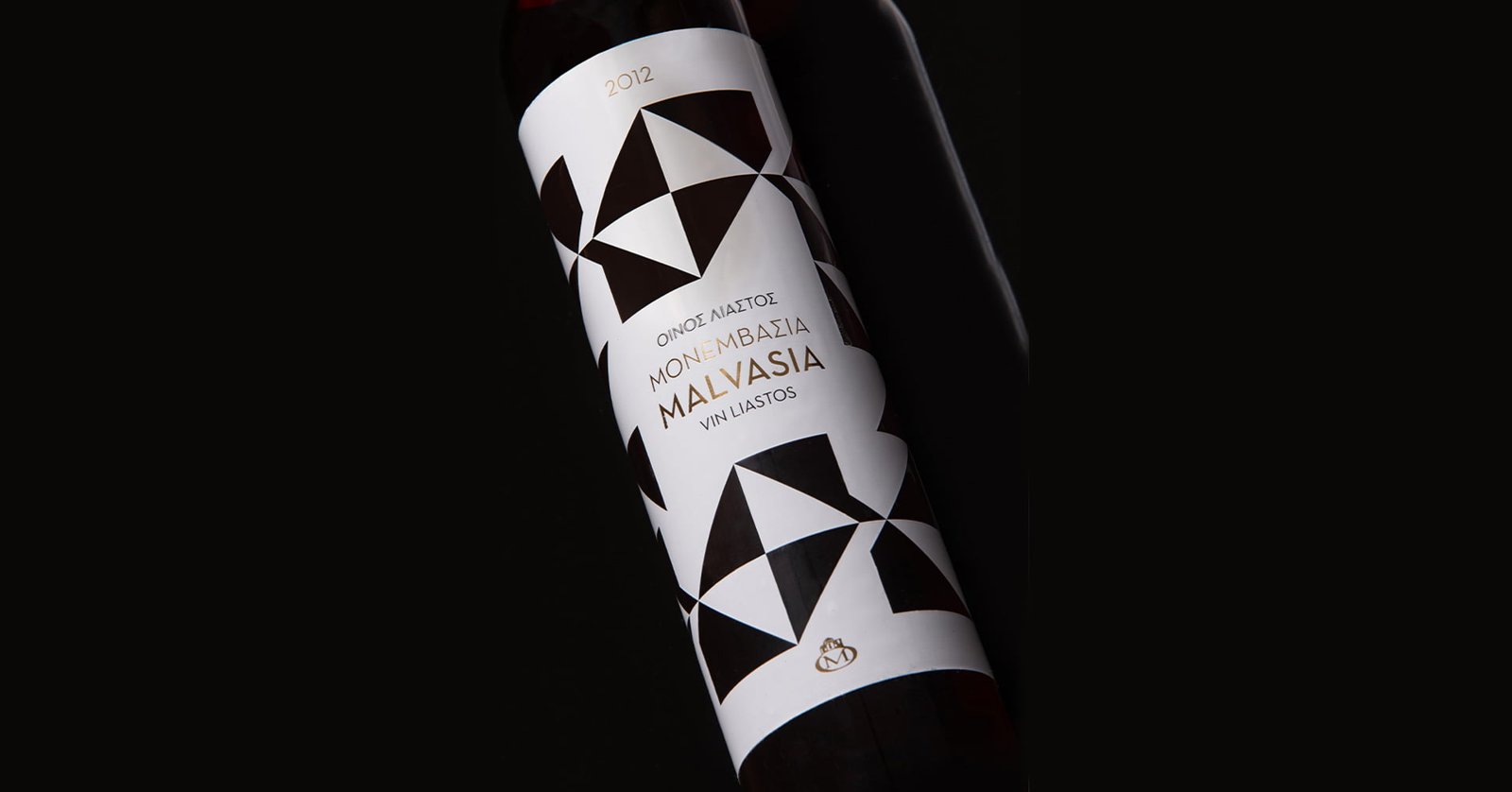
At a Glance
- Romantic
- Quiet
- Elegant
- Scenic
- Sophisticated
- Historic
- Honeymoon
- Romantic Getaway
- Anniversary
- Wellness Retreat
- Wedding
- Infinity Pool
- Historic Building
- Panoramic View
- Wi Fi
- Pool
- Spa
- Fitness Center
- Room Service
- Concierge
- Business Center
- Valet Parking
- EV Charging
- Waterfront
- Mountain
- Wi Fi
- Pool
- Spa
- Fitness Center
- Room Service
- Concierge
- Business Center
- Valet Parking
- EV Charging
Tranquil and elegant with natural lighting, historic stone elements, lush gardens, and a serene atmosphere praised for its peace and sophistication.