On Aristidou street in the working port district of Piraeus, Amber Cellar occupies a address that sits between the city's established fish tavernas and a newer wave of wine-forward venues. The name signals the cellar as protagonist, positioning it within a Piraeus scene where the line between serious wine list and serious kitchen has been narrowing steadily for several years.
Pearl is the En Primeur Club membership app — saves, bookings, and concierge access live there. Same editors, same standards.
- Address
- Aristidou 16-20, Pireas 185 31, Greece
- Phone
- +302144091060
- Website
- mitsis.com
- Directions
- Get directions
 Saves & bookings on Pearl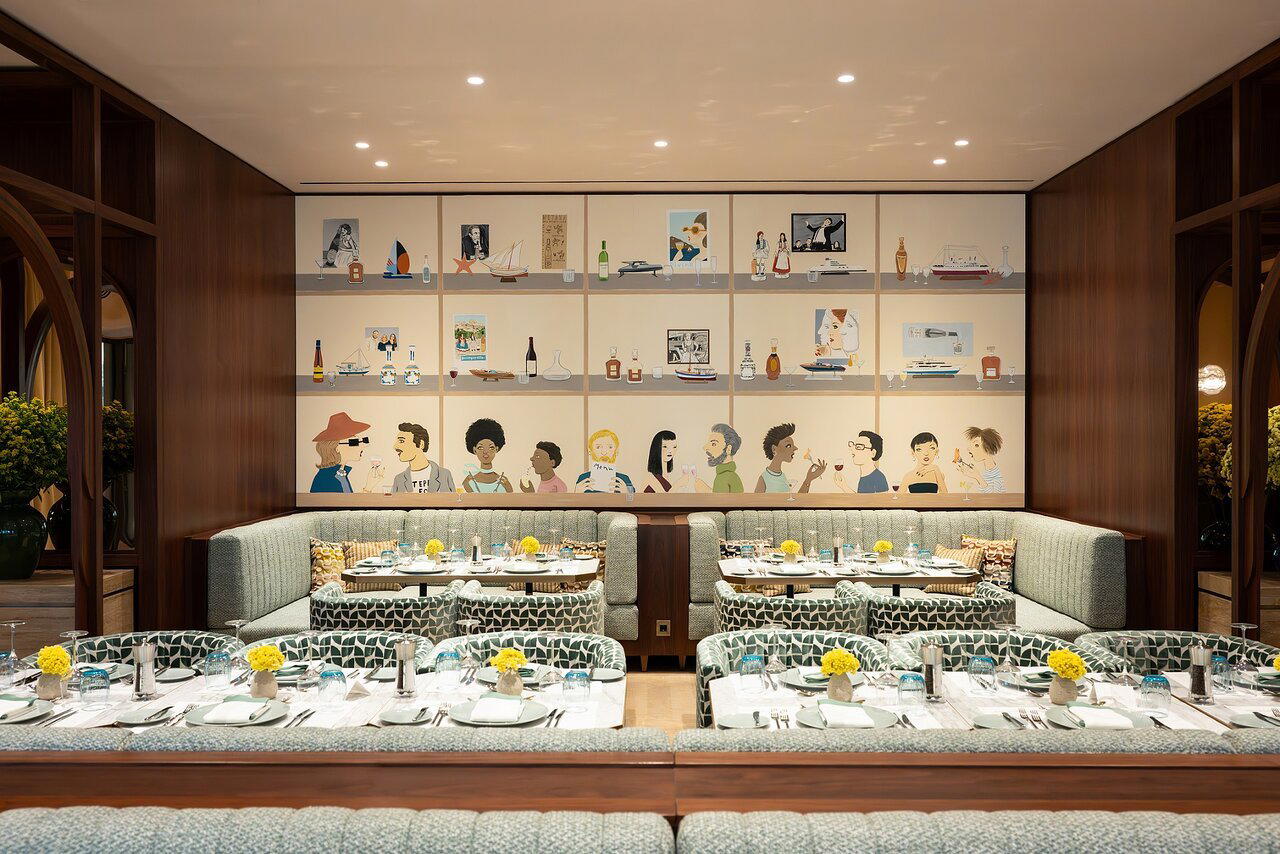
Piraeus and the Cellar Tradition
Port cities develop particular relationships with their cellars. In Piraeus, where merchant shipping and fishing fleets have shaped the economy for centuries, the underground storage space was never purely decorative: it was functional, temperature-stable, and connected directly to the commerce of the harbour. The amber tone that gives this address on Aristidou its name evokes that same amber light of a well-stocked cellar, the glow of resinated wood and aged glass that characterises the older taverna interiors running along the port's back streets. Approaching from the central Piraeus metro station, the street grid tightens and the scale shifts from the broad waterfront esplanade to narrower residential blocks, and it is in this transition zone that Amber Cellar sits, at numbers 16-20 on Aristidou.
The physical address is worth noting because location in Piraeus carries editorial weight. The port has long operated on a two-tier system: the tourist-facing seafront strip, oriented toward cruise arrivals and ferry passengers, and the interior neighbourhoods where Athenians actually eat. Aristidou falls closer to the latter category, a detail that shapes the expected clientele and the register of the room before you have seen a menu.
The Piraeus Dining Scene: Where Amber Cellar Fits
Piraeus is not Athens, and the distinction matters when reading any venue here. Athens has developed a recognisable fine-dining infrastructure over the past decade, with a small cluster of restaurants at the upper end now drawing comparison to European peers. Delta in Athens represents that higher tier. Piraeus, by contrast, has retained a character that is fundamentally port-civic rather than aspirationally cosmopolitan. The city's most consistent dining tradition is seafood: fresh, direct, and priced according to the morning catch rather than any tasting-menu architecture.
Within that tradition, a handful of addresses have built serious reputations over time. Papaioannou and Jimy's Fish operate in the seafood-forward mode that defines Piraeus dining at its most confident. Zarkadoulas and Yperokeanio each represent different points on the spectrum between neighbourhood reliability and destination-grade cooking. Zoodohos Pigi anchors the more traditionally taverna-style end of the offer. Amber Cellar sits in this conversation not as a seafood-specialist but as a venue whose name positions the cellar itself, and by extension the wine program, as the organising principle. That is a distinct editorial category in a city where the kitchen has historically led.
Cultural Roots: The Greek Cellar as Dining Space
Greek wine culture underwent a significant reassessment from the 1990s onward, as a generation of winemakers trained in France, Italy, and California returned to work with native varietals. The result, by the 2010s, was a category of Greek wine that could support serious cellar programming: aged Xinomavro from Naoussa, structured Assyrtiko from Santorini, and lesser-known whites from Crete and the Peloponnese that reward extended bottle age. The cellar-as-dining-room format, where the wine storage is architectural rather than hidden, draws on this maturation. It also draws on an older Greek tradition: the kapilio and the oinopolio, spaces where wine was the primary commodity and food followed as accompaniment.
Amber Cellar's name positions it in that lineage, even if the contemporary execution presumably sits somewhere between historic wine shop and modern wine-bar-restaurant. The Greek islands have developed their own versions of this format, often oriented around local producers. Selene in Santori has long championed Cycladic producers with editorial conviction. Olais in Kefalonia operates within a similar logic of place-based wine identity. On Mykonos, venues like Almiriki and Myconian Utopia Resort in Elia reflect the island's appetite for wine-led programming within a resort context. At the higher end of the Greek hospitality register, properties like Myconian Ambassador Thalasso Spa in Platis Gialos and Avaton Luxury Beach Resort in Halkidiki have incorporated serious cellar thinking into their food and beverage offer. The mainland port city version, as represented by a venue like Amber Cellar, is necessarily different in register: less resort-curated, more embedded in a specific urban neighbourhood logic.
Reading the Address: Aristidou 16-20
Greek restaurant addresses in working-class port neighbourhoods often span multiple street numbers for a reason: the physical footprint is larger than it appears from the exterior. A venue at 16-20 Aristidou likely occupies a converted commercial space, a former warehouse or storage facility, which would be consistent with the cellar framing. Piraeus has seen a wave of such conversions over the past decade as the port city's interior blocks have attracted operators priced out of central Athens. Etrusco in Kato Korakiana demonstrates how a strong culinary identity can anchor a venue in a location that initially reads as peripheral. In Piraeus specifically, the conversion of non-residential stock into dining space has produced some of the city's more interesting room formats.
For visitors arriving from Athens, the journey itself is informative. Piraeus is the end of the Metro Line 1, approximately 40 minutes from Syntagma, and the Aristidou address is walkable from the station. The neighbourhood around the station is functional and un-prettified, which has historically discouraged leisure visitors but also kept it authentic to the working port character that gives Piraeus its culinary credibility. Comparable dynamics play out in port-adjacent dining districts elsewhere in southern Europe, where the distance from tourist circuits is precisely what sustains the quality of the kitchen and the cellar.
Practical Considerations
The restaurant is a restaurant on Aristidou 16-20 in Piraeus, Greece, serving modern Greek with seafood at about $50 per person. At about $50 per person, it sits in a mid-range price band for Piraeus. Reservations at the more popular Piraeus addresses are advisable on weekend evenings, when Athenians travel out to eat in the port district. Walk-in availability varies by format and season. Our full Piraeus restaurants guide covers the wider neighbourhood picture and can assist with sequencing a visit across multiple stops. For those planning a broader Greek itinerary that includes island dining, addresses like Aktaion in Firostefani and Old Mill in Elounda extend the cellar-and-kitchen logic into island contexts. At the international reference level, Le Bernardin in New York City and Lazy Bear in San Francisco illustrate how wine-and-kitchen programs operate at the highest tier of commitment, providing useful calibration for what serious cellar programming can achieve when fully resourced.
A Pricing-First Comparison
Comparable venues nearby, for context on price, style, and recognition.
| Venue | Cuisine | Price | Notes |
|---|---|---|---|
| Amber CellarThis venue — the venue you are viewing | Piraeus Port, Modern Greek with Seafood | $$$ | Not listed |
| Zoodohos Pigi | Not listed | $$ | Kaminia, Piraeus, Traditional Greek Taverna |
| Zarkadoulas | Nikaia, Greek Seafood Taverna | $$ | Not listed |
| Jimy's Fish | Mikrolimano, Greek Seafood Mediterranean | $$ | Not listed |
| Yperokeanio | Piraeus, Traditional Greek Seafood | $$ | Not listed |
| Papaioannou | Mikrolimano, Classic Greek Seafood | $$ | Not listed |
Continue exploring
More in Piraeus
Restaurants in Piraeus
Browse all →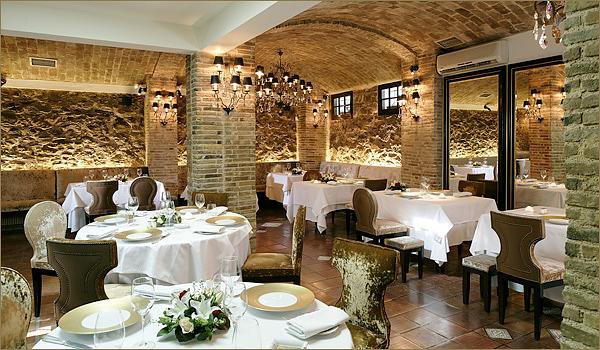
Bars in Piraeus
Browse all →
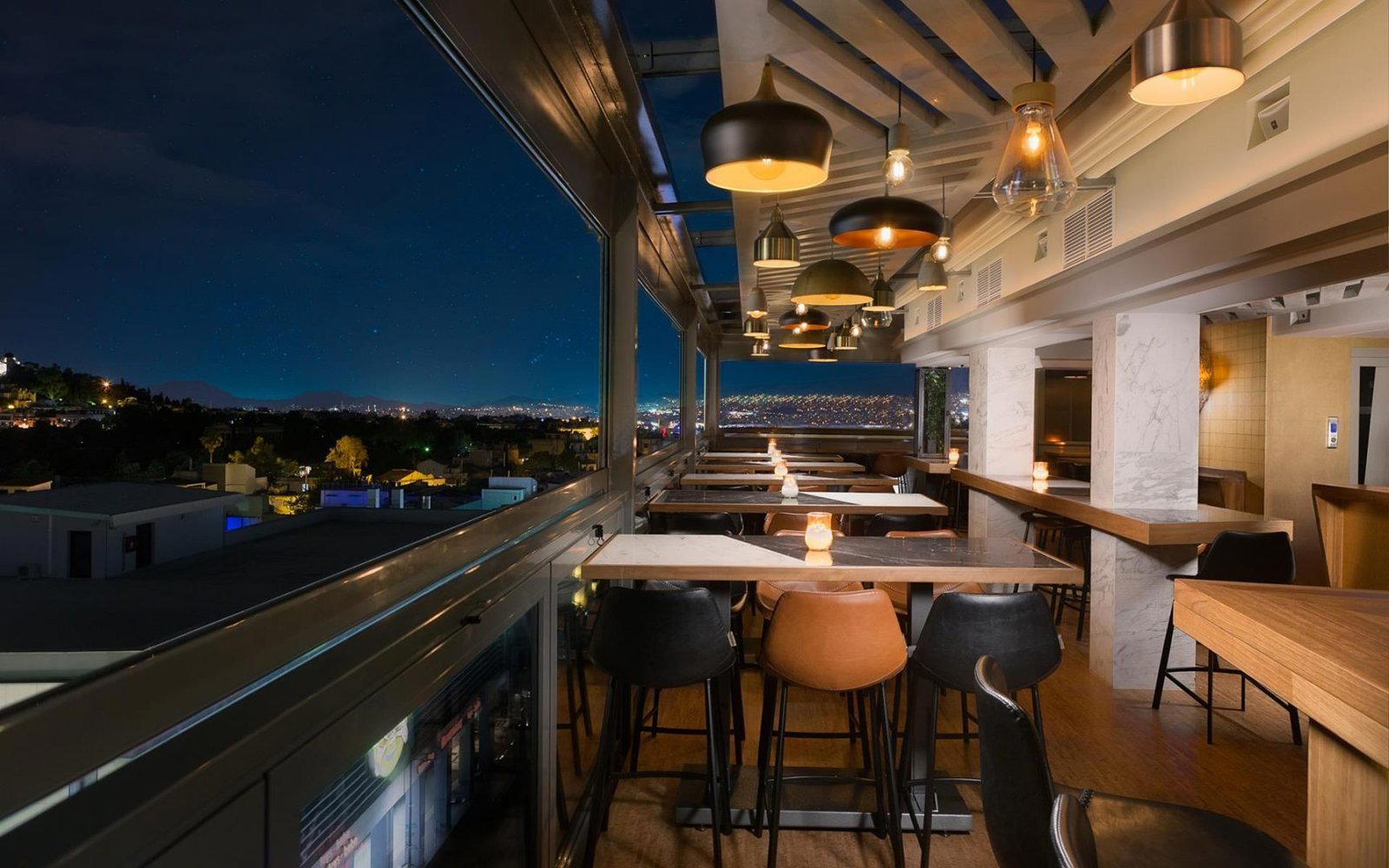
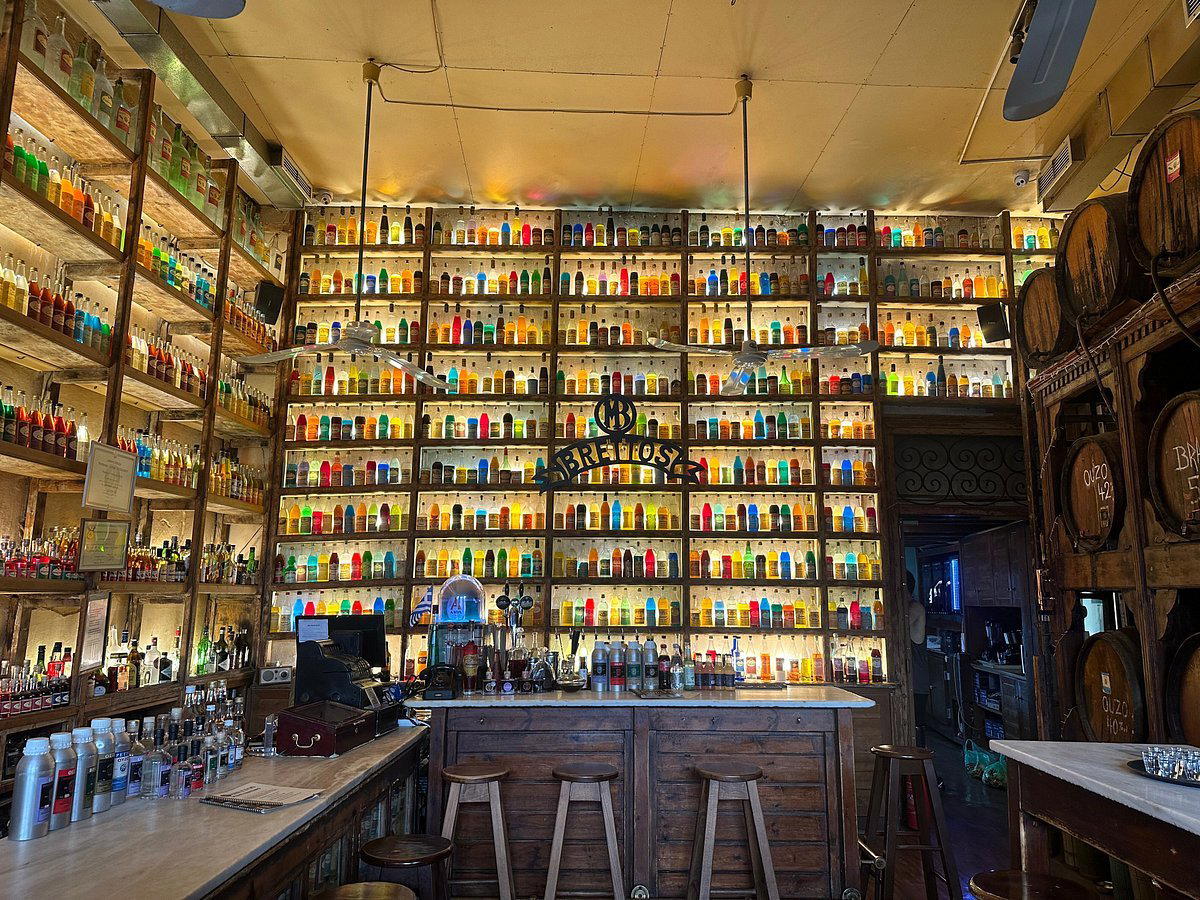
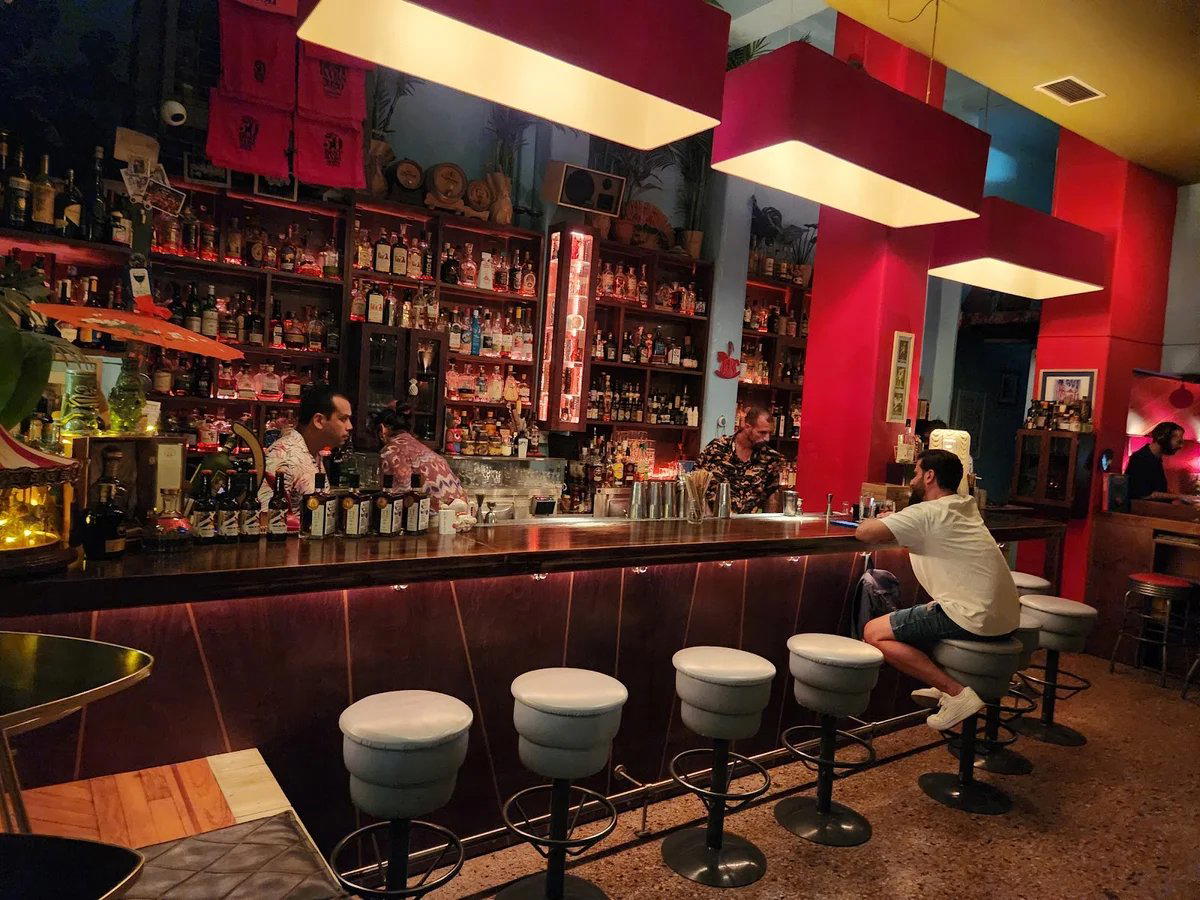
Hotels in Piraeus
Browse all →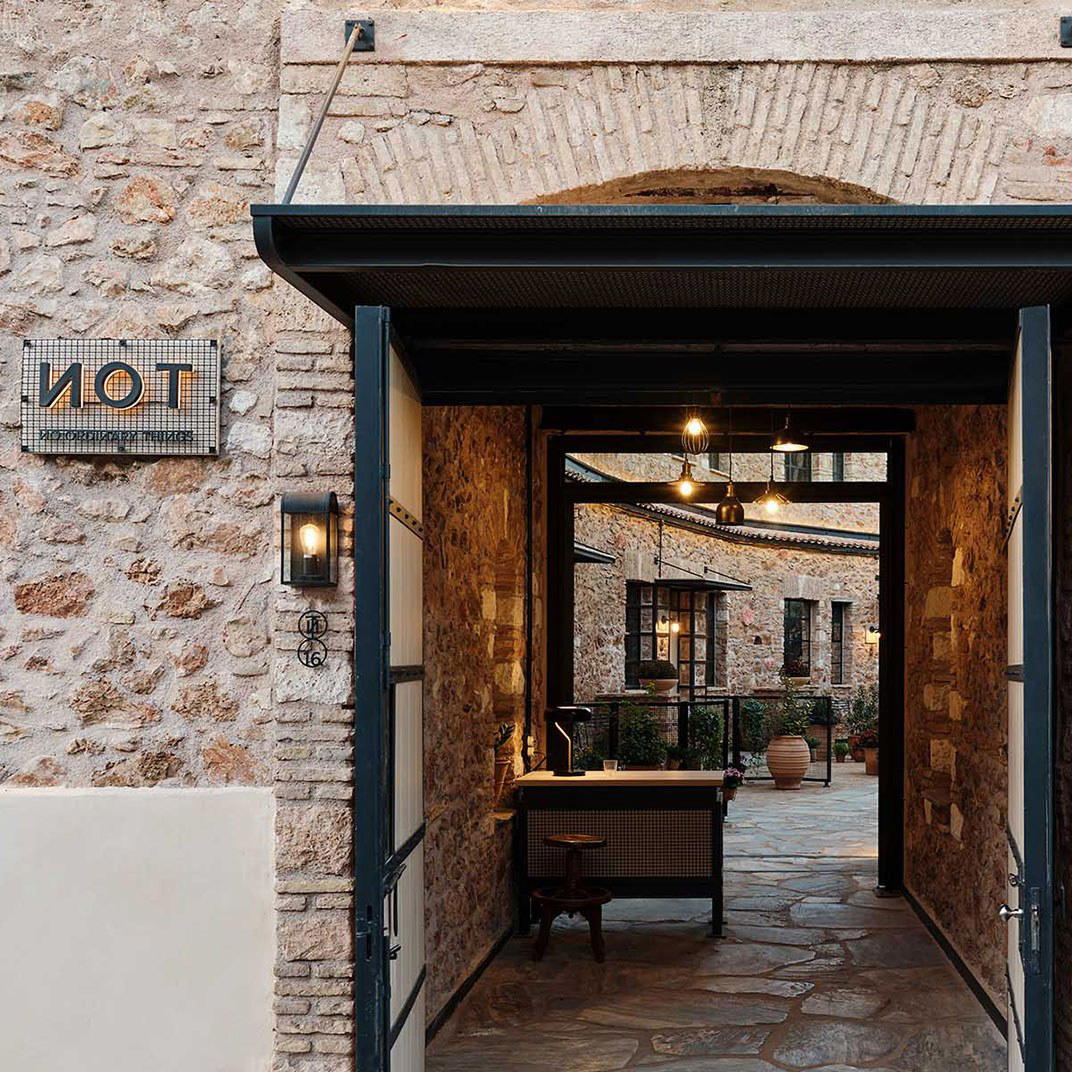
At a Glance
- Elegant
- Sophisticated
- Cozy
- Intimate
- Date Night
- Business Dinner
- Family
- Celebration
- Wine Cellar
- Hotel Restaurant
- Extensive Wine List
- Craft Cocktails
- Local Sourcing
Current opening hours
- Monday
- 11 AM–12 AM
- Tuesday
- 11 AM–12 AM
- Wednesday
- 11 AM–12 AM
- Thursday
- 11 AM–12 AM
- Friday
- 11 AM–12 AM
- Saturday
- 11 AM–12 AM
- Sunday
- 11 AM–12 AM
Hours can change for holidays and private events. Last verified .
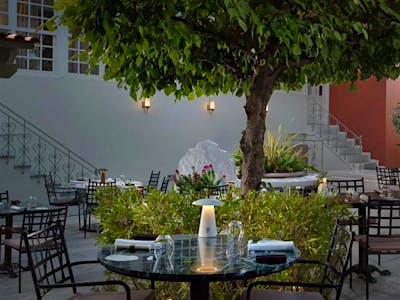
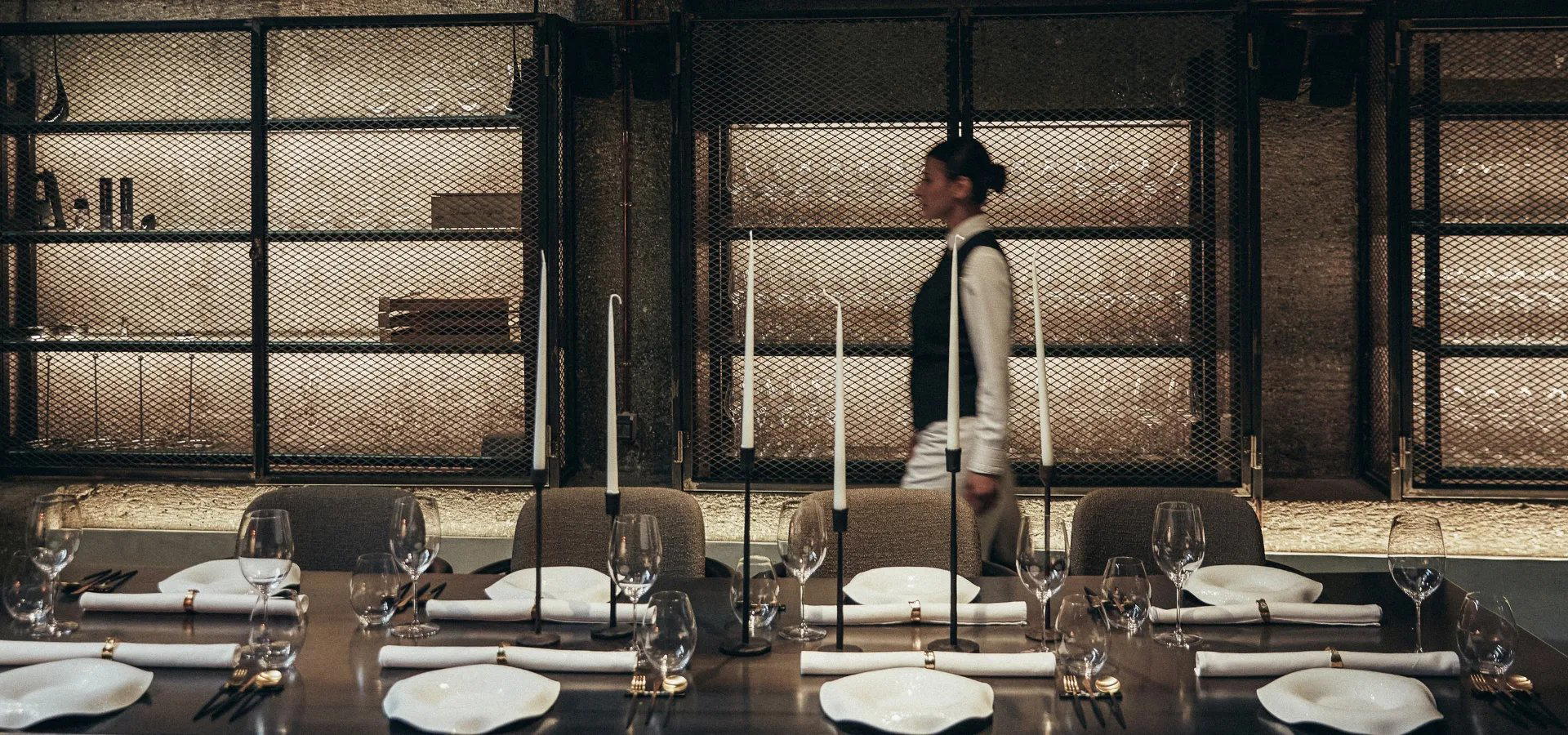
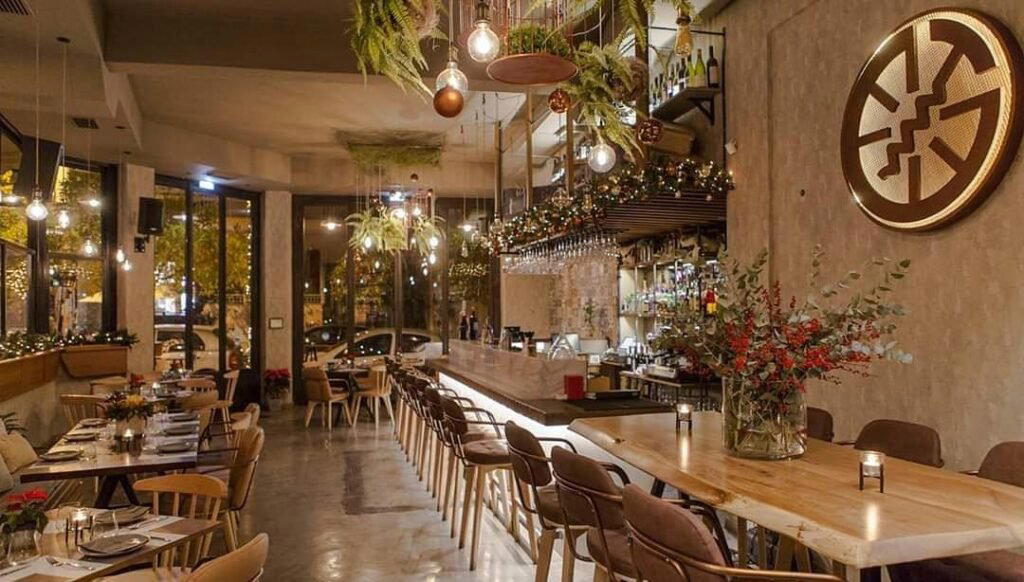
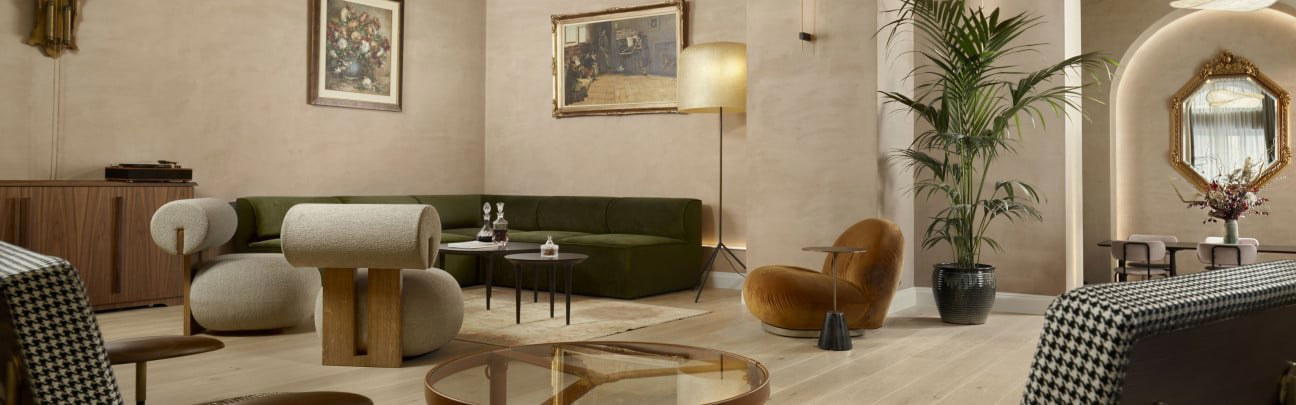
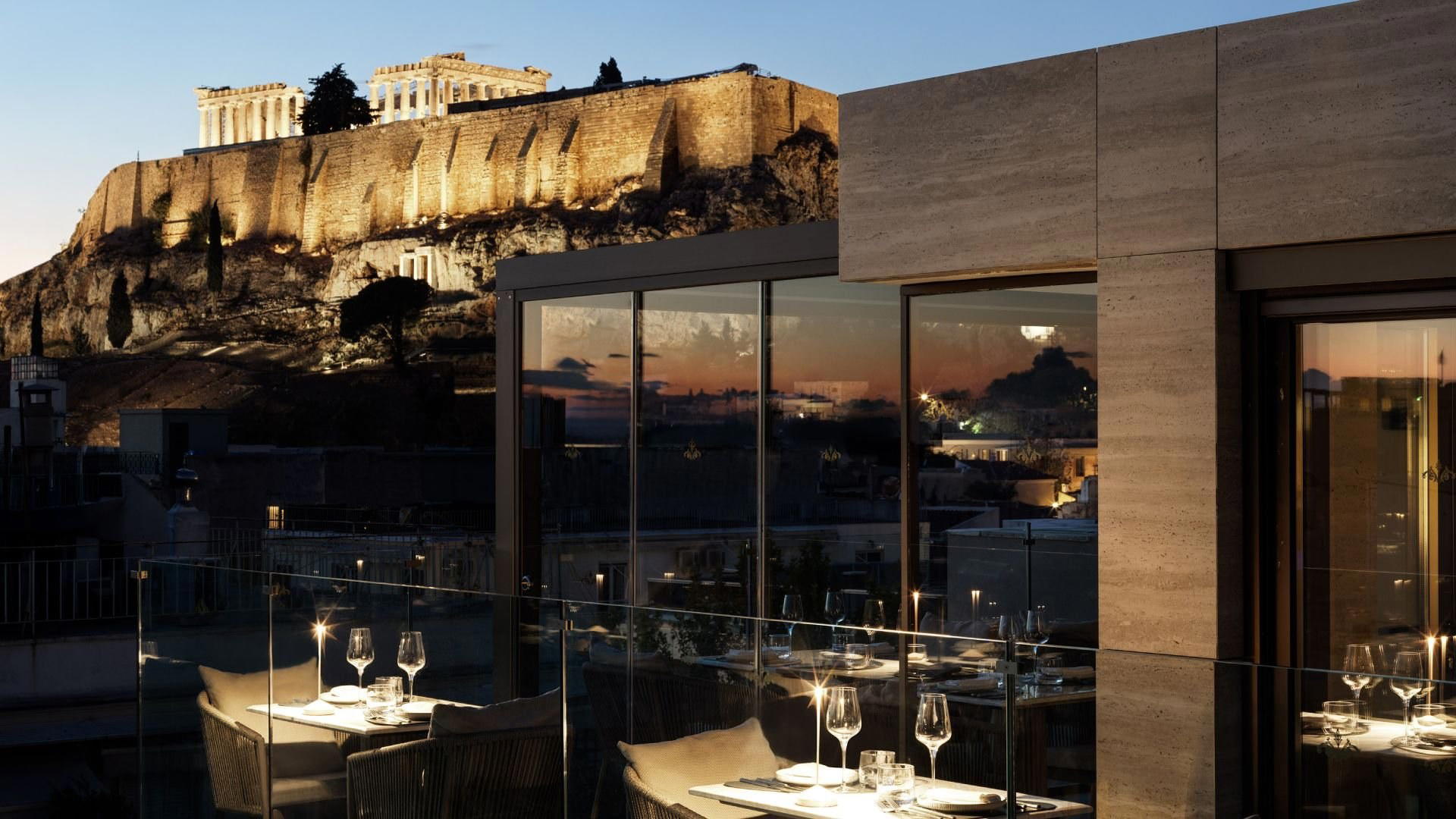
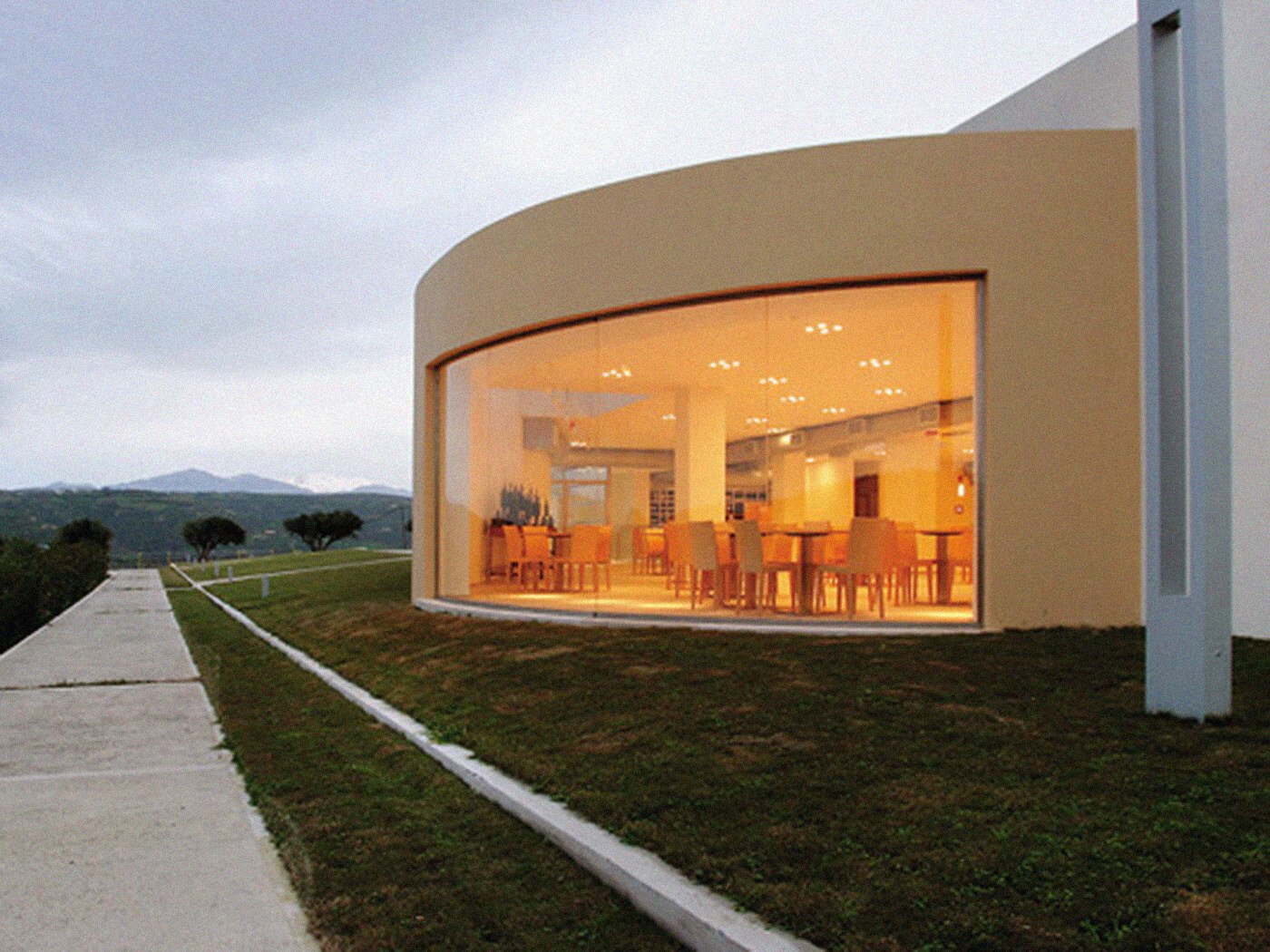
Stylish space with natural materials like wood and stone, creating a relaxed yet sophisticated atmosphere with soft listening music.