Kanki North Market
Our verdict
A long-established Japanese steakhouse and sushi destination in Raleigh, Kanki North Market has anchored North Carolina's hibachi dining scene for decades. The North Market Drive location draws regulars for teppanyaki theatrics alongside an extensive sushi bar, making it a reference point for the city's Japanese dining tradition rather than a newcomer chasing trends.

Pearl is the En Primeur Club membership app — saves, bookings, and concierge access live there. Same editors, same standards.
- Address
- 1603 N Market Dr, Raleigh, NC 27609
- Phone
- (919) 876-4157
- Hours
- Mon–Thu 11:30 AM–2 PM, 4:30–9 PMFri 11:30 AM–2 PM, 4:30–9:30 PMSat 11:30 AM–9:30 PMSun 12–9 PM
- Website
- kanki.com
- Directions
- Get directions
- Booking
- Book on the venue's website
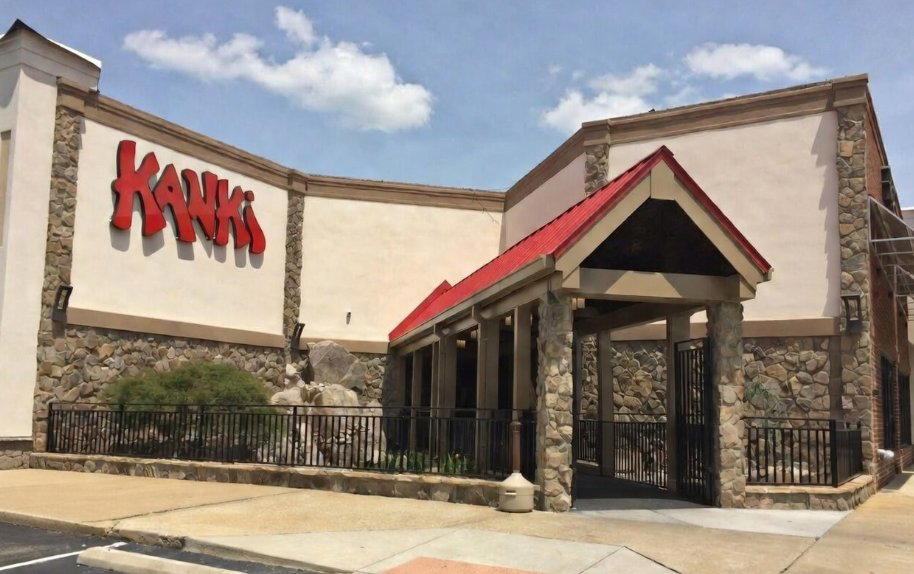
Raleigh's Teppanyaki Anchor
In most American mid-sized cities, Japanese steakhouses occupy a specific and durable niche: communal, performance-driven, accessible to multi-generational tables, and resistant to the turnover that reshuffles trend-forward dining rooms every few years. Raleigh is no different, and Kanki has been the city's primary reference point in this category long enough to have outlasted several waves of competition. The North Market Drive address, set in a commercial corridor north of downtown, positions it for the kind of consistent local loyalty that newer, more polished entrants rarely achieve quickly.
The teppanyaki format itself carries specific audience expectations. Guests arrive knowing the choreography: a shared griddle, a chef working the surface with practiced efficiency, and a meal that moves between protein, vegetable, and rice in a sequence the kitchen controls. The social architecture of the hibachi table, where strangers are seated together and the chef anchors the conversation, has proven more durable than many dining formats of the same era. Kanki on North Market Drive remains a working example of that model in Raleigh's north side.
How the Kitchen and Floor Work Together
In teppanyaki formats, the division between kitchen labor and service is more visible than in conventional dining rooms. The teppan chef is simultaneously cook, entertainer, and table host, while the front-of-house team manages flow, beverage pacing, and the logistics of seating multi-party tables that arrive as strangers. When that coordination works, the meal feels seamless. When it doesn't, guests notice immediately, because the gap between a disengaged chef and an inattentive server is hard to paper over at a communal table where every element is in plain sight.
This transparency is part of what distinguishes the format from enclosed kitchen restaurants, where a strong front-of-house can compensate for inconsistency behind the pass. At a teppanyaki counter, the collaboration is public. A well-rehearsed team, where the chef reads the table quickly and the servers anticipate drink and sauce timing, produces a meal that feels fluid. Kanki's longevity in Raleigh's north-side market suggests that the operational rhythm has been refined over time to handle volume without losing the format's inherent energy.
The sushi bar component adds a second operational layer that many hibachi-only venues skip. Running a credible sushi program alongside a high-output teppanyaki floor requires kitchen coordination that separates venues willing to invest in both from those that treat one side as the main event and the other as an afterthought. For guests who want raw fish rather than grilled protein, or who want both in the same sitting, Kanki's dual format offers flexibility that a single-format Japanese restaurant cannot.
Where Kanki Sits in Raleigh's Japanese Dining Scene
Raleigh's dining scene has developed significant range over the past decade. Venues like Ajja pursue fusion formats that would have been unusual in the city fifteen years ago, while the broader restaurant map tracked in our full Raleigh restaurants guide shows how far the market has moved from chain-dependent dining toward independent, chef-driven programs. Contemporaries like Anthony's La Piazza and Anthony's La Piazza Prime have built multi-location identities through Italian formats, while Azitra and Barcelona Wine Bar represent the city's growing appetite for globally informed dining.
Against that backdrop, Kanki operates in a different register. It is not competing against the kind of precision-focused Japanese restaurants found in major coastal markets, the omakase counters and detail-obsessed sushi bars that have become reference points in cities like New York or Los Angeles. The format is communal and volume-oriented by design. That is not a limitation so much as a deliberate category choice: the teppanyaki format serves a different function than a twelve-seat omakase counter, and both can execute at a high level within their respective modes.
For context on what the highest tier of American restaurant ambition looks like, venues like Le Bernardin in New York City, The French Laundry in Napa, Alinea in Chicago, and Atomix in New York City set a standard of technical rigor and sourcing discipline that defines one end of the American dining spectrum. At the other end, operationally strong, community-embedded restaurants like Kanki represent a different kind of value: consistency, accessibility, and the kind of multi-decade trust that is genuinely hard to build. Other notable American restaurants across that spectrum include Lazy Bear in San Francisco, Emeril's in New Orleans, Providence in Los Angeles, Blue Hill at Stone Barns in Tarrytown, Addison in San Diego, The Inn at Little Washington, and Single Thread Farm in Healdsburg.
Planning a Visit
The North Market Drive location sits in a commercial strip on Raleigh's north side, accessible by car and well-suited to groups. The teppanyaki format is inherently group-friendly, and larger parties benefit from booking ahead, particularly on weekend evenings when communal table management becomes more complex. The dual format, teppanyaki and sushi bar, means guests can choose their experience on arrival rather than committing to one mode in advance. Guests with dietary restrictions, including vegetarian preferences, should contact the restaurant ahead of their visit to confirm what the kitchen can accommodate within the teppanyaki format's standard protein-and-vegetable structure.
Frequently asked questions
What's the address for Kanki North Market?
Kanki North Market is located at 1603 N Market Dr, Raleigh, NC 27609, Raleigh.
Is Kanki North Market a good option for large group dinners in Raleigh?
The teppanyaki format at Kanki is structured for communal seating, with groups gathered around a shared grill table — a setup that naturally accommodates parties of six to ten or more in a single cooking session. The North Market Drive location on Raleigh's north side offers straightforward parking access for groups arriving by car. For corporate dinners, birthday gatherings, or family events in Raleigh, the format removes much of the logistical friction that comes with coordinating a la carte service across a large table.
What's the best thing to order at Kanki North Market?
Kanki operates in the teppanyaki format, where the steak and seafood combinations cooked tableside are the central draw. Filet and shrimp pairings are a standard anchor of this style across Japanese steakhouse menus. The show cooking at the teppan is as much the point as any single protein choice, so ordering a combination plate gives the full format experience.
Can I walk in to Kanki North Market?
The North Market Drive location is set in a commercial strip on Raleigh's north side, which makes it accessible by car and practical for groups arriving without much advance coordination. Teppanyaki restaurants often accommodate walk-ins at off-peak hours, but communal table formats mean large parties are better served by calling ahead. Check directly with the restaurant for current availability.
What's the signature at Kanki North Market?
The teppanyaki table is the defining format at Kanki: a flat iron grill where a chef cooks in front of seated guests, combining technique and showmanship in a single performance. This is the format Kanki has anchored in Raleigh's dining scene, making the communal hibachi experience its clearest identity. It sets Kanki apart from the city's growing range of Japanese venues that pursue fusion or counter-service formats.
Can Kanki North Market handle vegetarian requests?
Japanese steakhouses built around the teppanyaki format are protein-forward by design, but most maintain vegetable and tofu options cooked on the same teppan grill. Kanki operates within this genre at 1603 N Market Dr in Raleigh, so vegetable-only teppan preparations are a reasonable expectation. Guests with specific dietary needs should confirm current menu options directly with the restaurant.
Booking and Cost Snapshot
Comparable venues nearby, for context on price, style, and recognition.
| Venue | Cuisine | Price | Notes |
|---|---|---|---|
| Kanki North MarketThis venue — the venue you are viewing | Japanese Hibachi Steakhouse & Sushi | $20–30 | Not listed |
| Masala House | Authentic North Indian & Himalayan | $20–30 | Northclift, Authentic North Indian & Himalayan |
| Raleigh Beer Garden | American Gastropub | $20–30 | Brooklyn, American Gastropub |
| Taverna Agora | Authentic Greek | $30–50 | Glenwood South, Authentic Greek |
| Kabab and Curry | Indian & Nepalese | $20–30 | Fairmont, Indian & Nepalese |
| Bida Manda | Authentic Laotian | $30–50 | Fayetteville Street, Authentic Laotian |
Details
- Lively
- Energetic
- Family
- Group Dining
- Date Night
- Celebration
- Open Kitchen
- A La Carte
- Vegetarian Friendly
Current opening hours
- Monday
- 11:30 AM–2 PM, 4:30–9 PM
- Tuesday
- 11:30 AM–2 PM, 4:30–9 PM
- Wednesday
- 11:30 AM–2 PM, 4:30–9 PM
- Thursday
- 11:30 AM–2 PM, 4:30–9 PM
- Friday
- 11:30 AM–2 PM, 4:30–9:30 PM
- Saturday
- 11:30 AM–9:30 PM
- Sunday
- 12–9 PM
Hours can change for holidays and private events. Last verified .
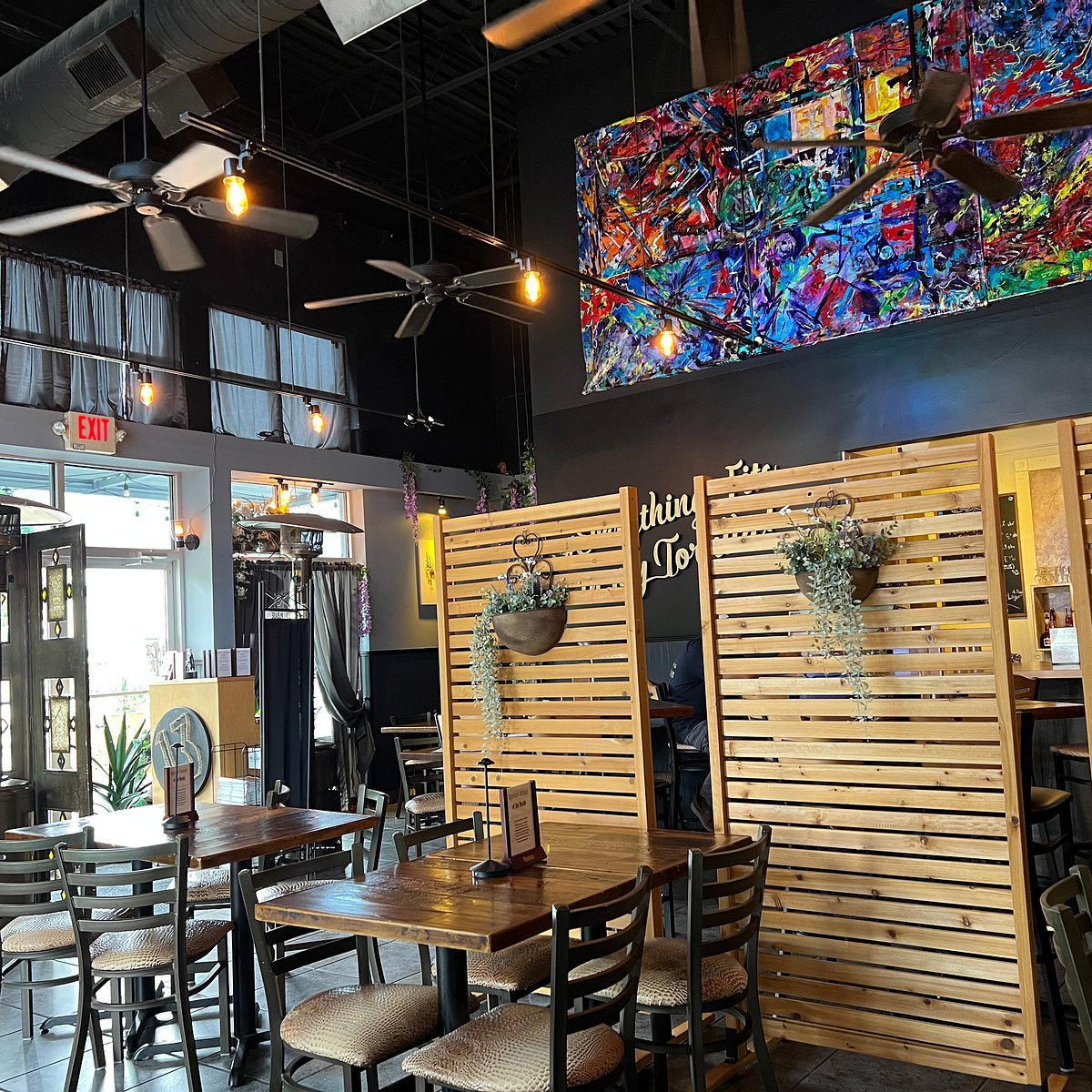
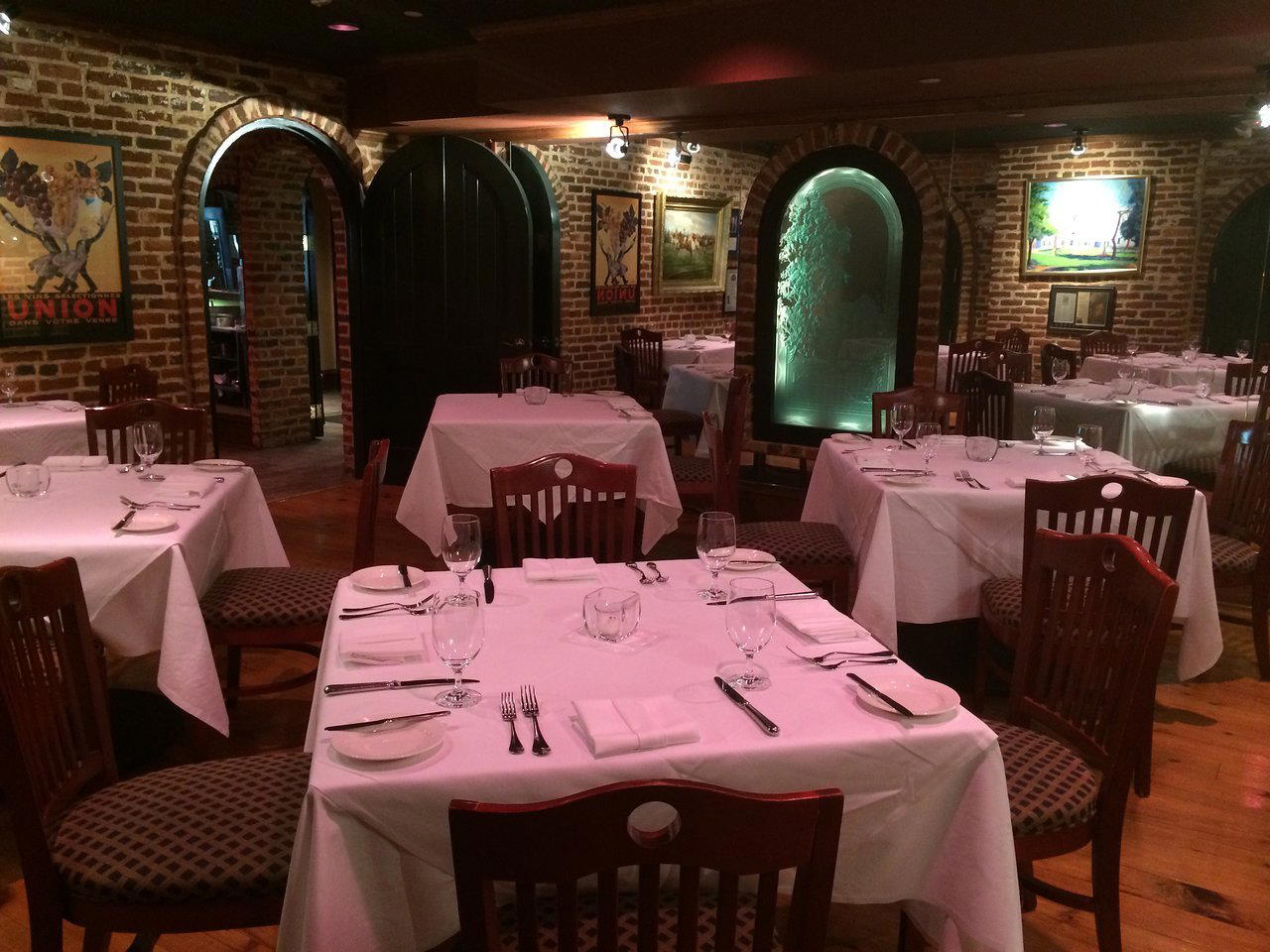
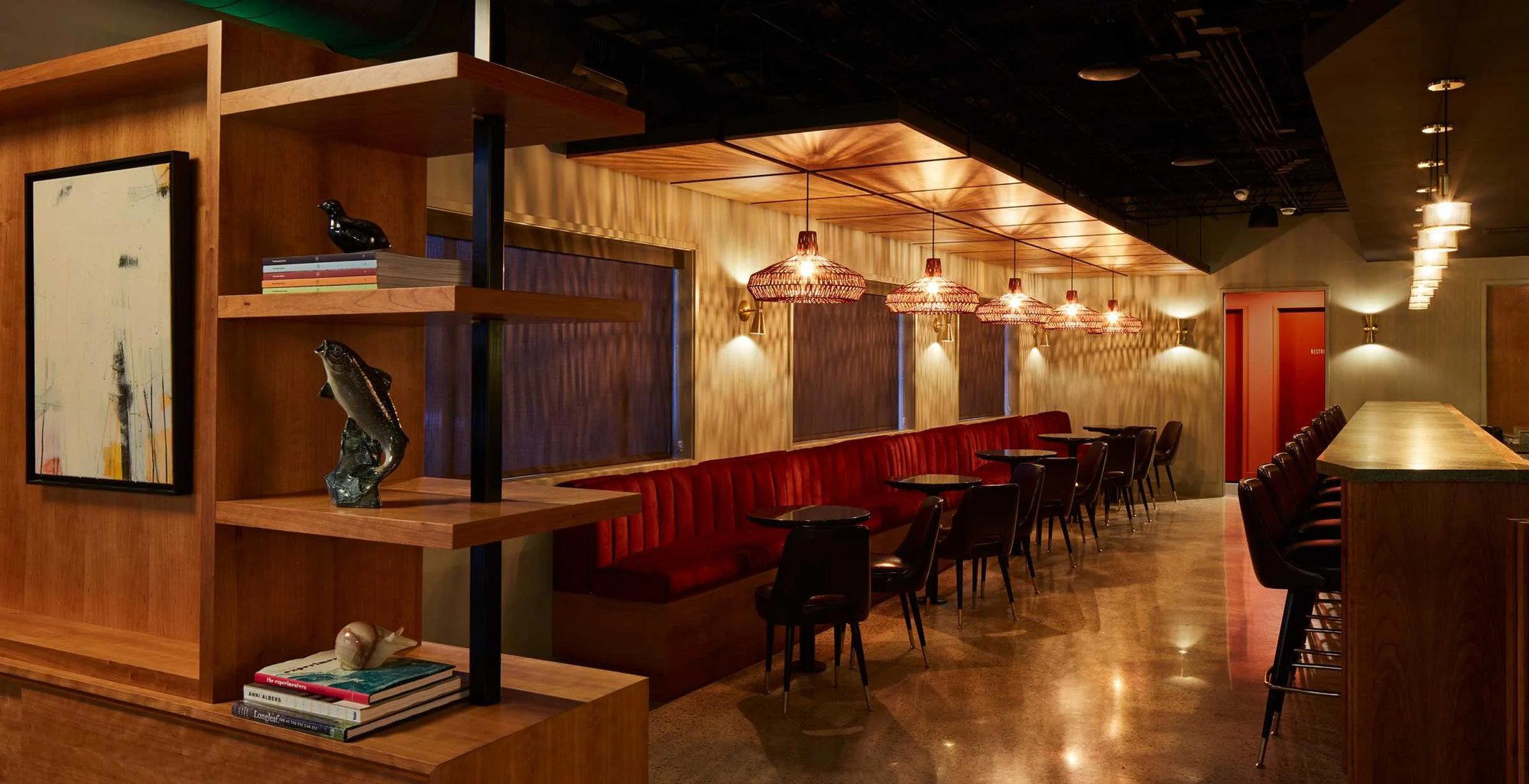
Lively atmosphere with interactive hibachi grill performances and moderate noise levels.