Second Empire

Wine Spectator Award of Excellence
Our verdict
The menu architecture leans on classical American fine dining conventions while the setting places it in a distinct tier above the city's casual Southern tables. For the Triangle's special-occasion dining circuit, it remains a consistent reference point.

Pearl is the En Primeur Club membership app, where members save venues, book tables and use the concierge.
A Victorian Room in a City That Keeps Building Forward
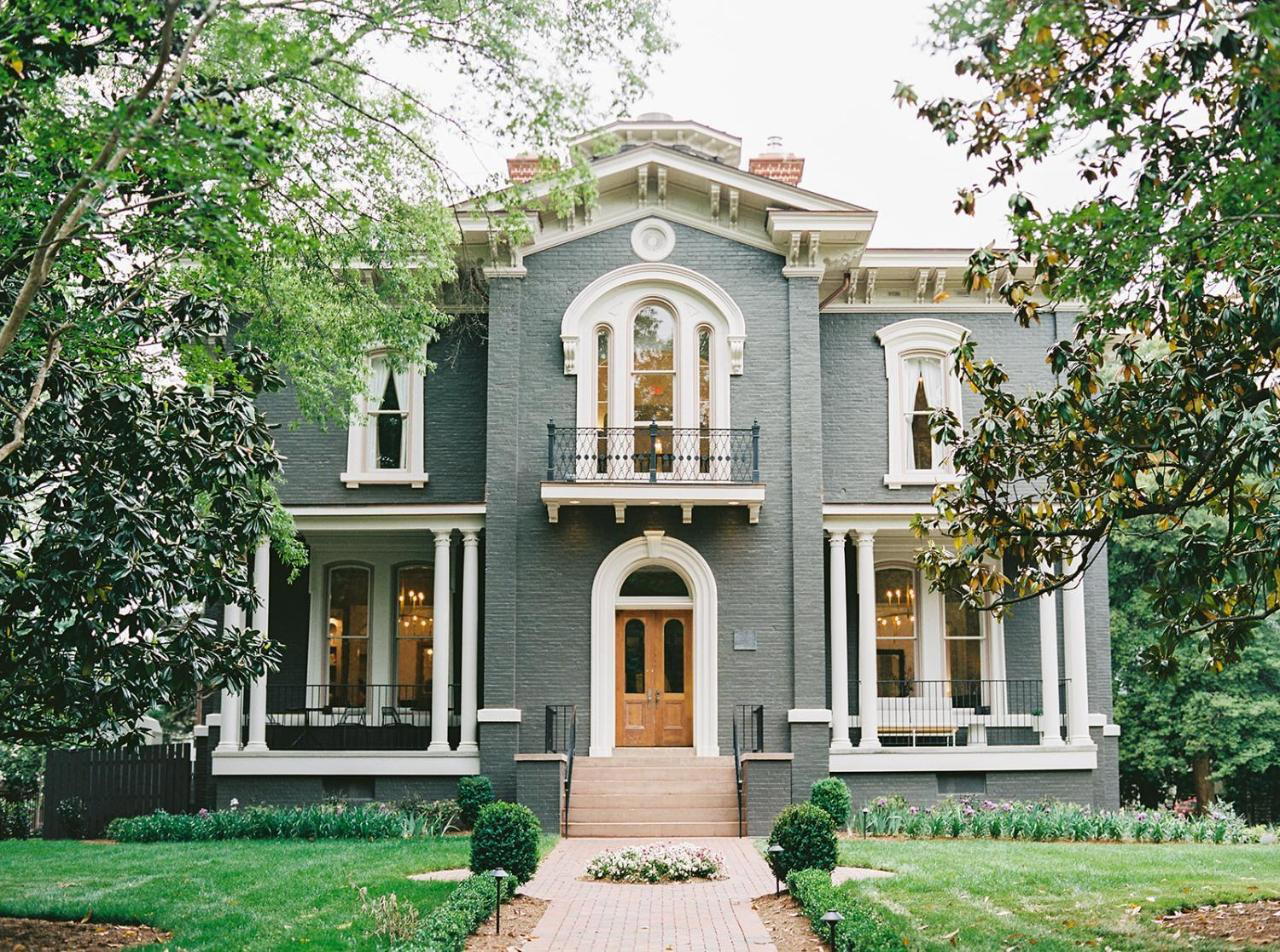
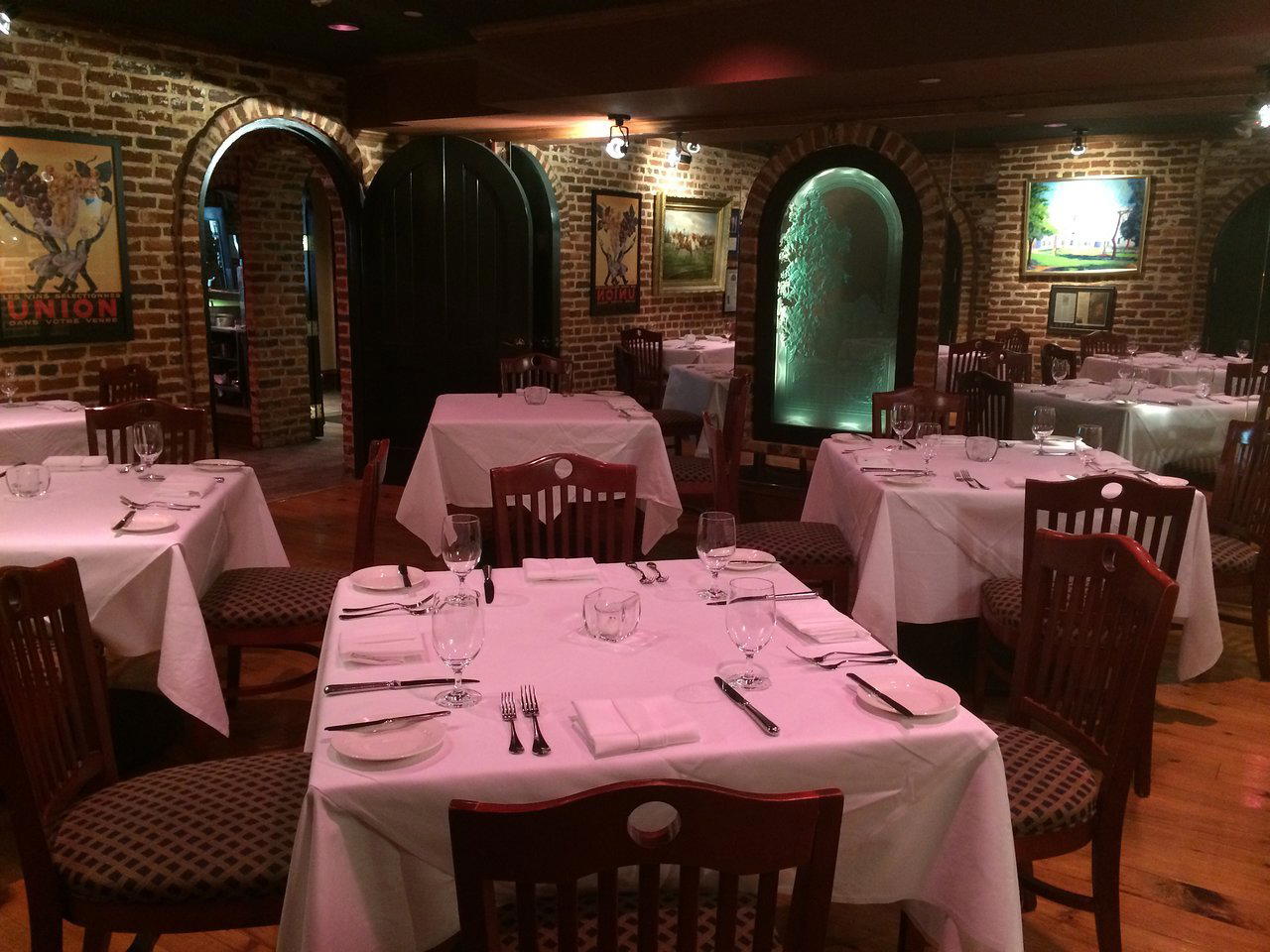
Raleigh's dining identity has tilted hard toward the contemporary over the past decade. Brewery Bhavana's dim sum-meets-bottle-shop format, Poole's Downtown Diner's chalkboard prix fixe, Crawford & Sons' Southern regionalism, the city's most-discussed addresses tend to wear their informality as a point of pride. Second Empire operates from a restored Victorian mansion, and the architecture does meaningful work before a single plate arrives: high ceilings, formal room proportions, and the kind of spatial seriousness that signals a different category of evening than the open-kitchen counter or communal-table format that dominates newer Triangle openings.
That physical context matters to how the restaurant functions. Raleigh has no shortage of ambitious cooking, but the pool of genuinely formal dining rooms, spaces where the architecture, service cadence, and menu ambition align into a coherent special-occasion package, remains shallow. Second Empire occupies that niche, and the Victorian shell is part of the argument, not incidental to it.
What the Menu Structure Reveals
Menu architecture in American fine dining has undergone considerable revision over the past fifteen years. The dominant model at places like Lazy Bear in San Francisco or Atomix in New York City is the fixed tasting sequence, where the kitchen controls the narrative entirely and the guest surrenders to a single throughline. At the other extreme, casual fine-dining rooms have expanded their à la carte selections to mirror bistro formats, softening the distinction between a first-rate dinner and a relaxed neighborhood meal.
Second Empire's menu approach sits between those poles, which is itself an editorial statement about what kind of restaurant it chooses to be. A menu that offers genuine à la carte selection within a formal room is effectively arguing that the guest's agency matters, that a well-built three-course dinner chosen from options carries as much weight as a chef-dictated sequence. This structure demands more from the kitchen, which must execute across a broader range of preparations simultaneously rather than routing every table through an identical progression. When that execution holds, it produces a dining room where two tables eating entirely different meals share the same ambient formality. That tension, managed well, is the signature of classical American fine dining at its most coherent.
The comparison tier here is instructive. Venues like The French Laundry in Napa, Le Bernardin in New York City, or Addison in San Diego occupy the fixed-menu, multi-hour commitment tier. The Inn at Little Washington offers a comparable historical-building formality model in the mid-Atlantic. Second Empire's positioning within the Southeast places it at the high end of what Raleigh's market sustains, without stretching toward the national tasting-counter format that requires a different kind of guest buy-in entirely. The Victorian mansion reads as a deliberate counterpoint to that surrounding grain, it neither blends with its neighbors nor performs historic-district preciousness. The address places it within a short reach of downtown's core dining cluster while maintaining enough physical separation to feel like a destination rather than a walk-in option. That geography shapes the guest profile: Second Empire draws the kind of reservation that's planned in advance, whether for a milestone dinner, a corporate table, or a visitor looking for the city's most formally composed meal.
For Raleigh visitors calibrating their dining itinerary, the city's contemporary options, places like Ajja with its Mediterranean-Indian fusion, or Azitra's Indian program, address different registers of ambition. Barcelona Wine Bar Raleigh and Anthony's La Piazza serve the informal-but-considered middle tier. Anthony's La Piazza Prime moves closer to steakhouse formality. Second Empire anchors the upper end of the formality axis, the room you choose when the occasion calls for a building that matches the weight of the evening.
American Fine Dining's Southern Outpost
The national conversation about fine dining's regional distribution tends to compress around a few coastal markets. Properties like Blue Hill at Stone Barns in Tarrytown, Providence in Los Angeles, Single Thread Farm in Healdsburg, or Alinea in Chicago attract the critical infrastructure, press, awards bodies, destination dining tourism, that reinforces their position. Raleigh has grown its dining reputation considerably, but venues in the Triangle still operate at some remove from that critical apparatus.
What that means practically is that a restaurant like Second Empire earns its position through local consistency and repeat-guest loyalty rather than national award cycles. The comparable regional model, think Emeril's in New Orleans as a historical reference, shows how Southern-market fine dining rooms build institutional status through longevity and community embeddedness rather than through the chef-as-national-figure trajectory. Second Empire's Victorian setting amplifies that quality: permanence reads differently in a 150-year-old building than it does in a converted warehouse. Given its positioning as the city's primary formal dining room, reservations are the expected approach for weekend evenings and any special-occasion timing; walk-in availability at peak periods is not something to rely on. The setting and menu architecture both point toward a multi-course dinner with wine rather than a quick single-course stop, build the evening accordingly. For a complete orientation to Raleigh's dining range across price points and formats, the EP Club Raleigh restaurants guide maps the full field.
Frequently asked questions
What's Second Empire's location?
Second Empire is located at 330 Hillsborough St, Raleigh, NC 27603, Raleigh.
Is Second Empire in Raleigh suitable for a special occasion dinner?
Second Empire's Hillsborough Street address and Victorian setting make it one of Raleigh's more occasion-specific dining rooms, occupying a niche that Brewery Bhavana and Poole's Diner, both formidable but more casual, don't directly target. It sits within the American fine dining tradition that prioritizes a composed, multi-course format over a drop-in atmosphere. For anniversaries, milestone dinners, or out-of-town guests expecting a formal North Carolina dining reference, it is the address most Raleigh residents point to.
What do regulars order at Second Empire?
Second Empire's menu follows the structure of American fine dining, composed plates built around seasonal product, with a format that rewards ordering across multiple courses rather than a single entrée. Regulars at this Hillsborough Street address tend to treat the meal as a full arc rather than a quick dinner. Specific dish details are best confirmed directly with the restaurant before your visit.
What's the best way to book Second Empire?
Second Empire sits on Hillsborough Street in Raleigh, about ten minutes from downtown by car or rideshare. Given its positioning as one of the city's more formally oriented dining rooms, reservations are advisable, particularly for weekend evenings and special occasions. Check current availability through the restaurant's direct channels, as lead times shift with the season.
What's the signature at Second Empire?
The house's defining identity is its Victorian building on Hillsborough Street, which places Second Empire in deliberate contrast to the contemporary restaurant formats that have dominated Raleigh's expansion over the past decade. That architectural commitment signals a particular kind of meal, structured, occasion-oriented, unhurried, which is itself the signature in a market that has moved hard toward casual and concept-driven formats.
Just the Basics
Comparable venues nearby, for context on price, style, and recognition.
| Venue | Cuisine | Price | Awards | Notes |
|---|---|---|---|---|
| Second EmpireThis venue (the venue you are viewing) | Contemporary American Fine Dining | Not listed | Wine Spectator Award of Excellence | Not listed |
| RH Rooftop Restaurant at RH Raleigh | Modern American Rooftop Dining | $50–100 | Not listed | Ramblestone, Modern American Rooftop Dining |
| Beasley’s Chicken & Honey | American | Not listed | Not listed | Downtown Raleigh, Southern fried chicken & comfort food |
| Good Day Good Night | American Gastropub with Farm-to-Table Focus | $30–50 | Not listed | Glenwood South, American Gastropub with Farm-to-Table Focus |
| Death & Taxes | Modern Wood-Fired American Fine Dining | $50–100 | Not listed | Fayetteville Street, Modern Wood-Fired American Fine Dining |
| East End Bistrot | French-Asian Seafood Bistro | $50–100 | Not listed | Northside, French-Asian Seafood Bistro |
Recognition history
Dated appearances from independent guides and award organizations, with the underlying list record or original source where available.
Wine Spectator Award of Excellence
Wine Spectator