Masala House
Our verdict
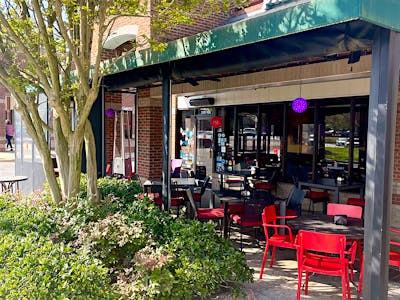
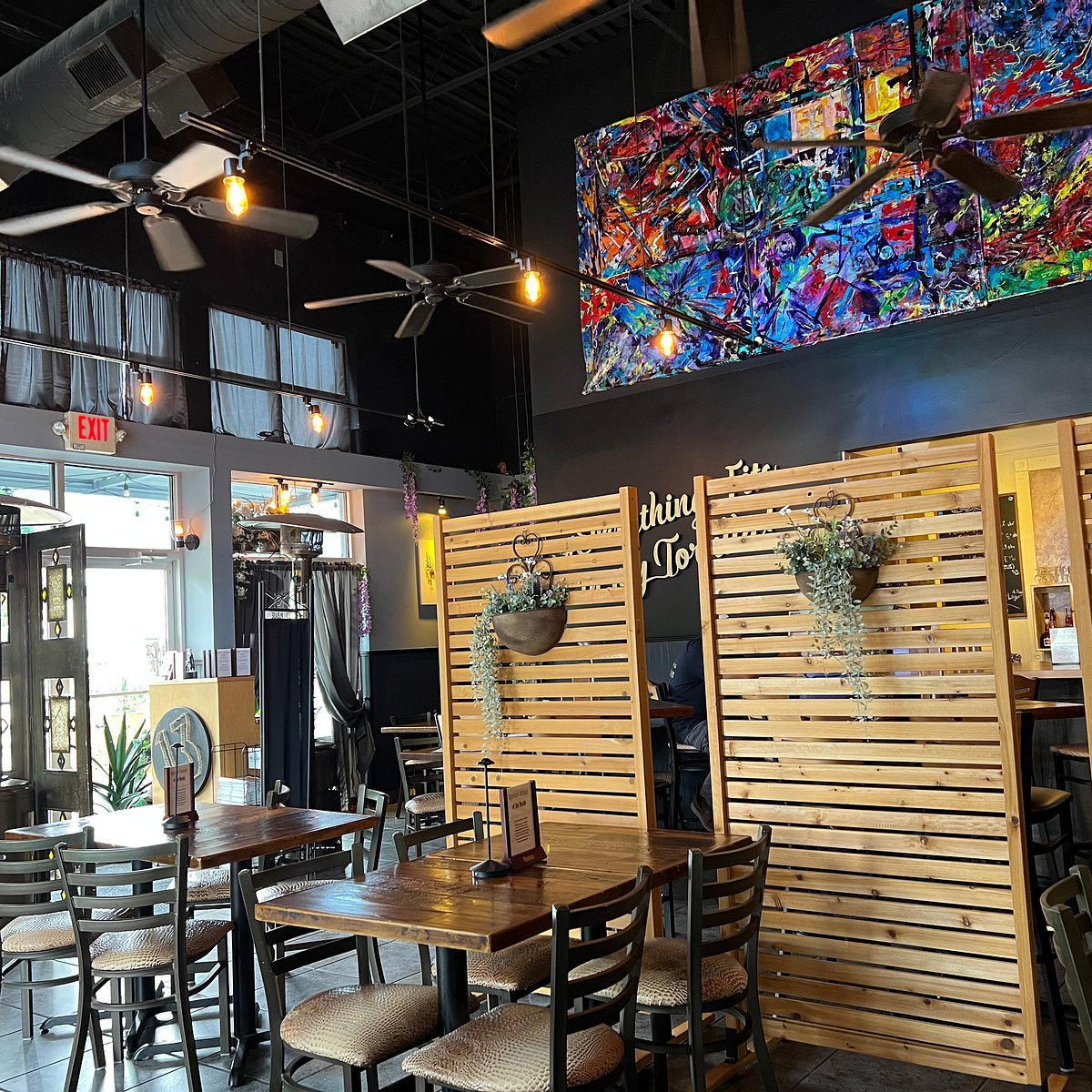
Masala House on East Millbrook Road brings Indian cuisine to one of Raleigh's most quietly consistent dining corridors. The kitchen works within a tradition that rewards patience and spice literacy, placing it in a local conversation that spans casual takeout counters and more considered sit-down formats. For the North Hills area, it functions as a reliable anchor in a neighbourhood still finding its dining identity.

Pearl is the En Primeur Club membership app — saves, bookings, and concierge access live there. Same editors, same standards.
- Address
- 126 E Millbrook Rd, Raleigh, NC 27609
- Phone
- (919) 307-3865
- Hours
- Mon–Thu 11 AM–9:30 PMFri–Sat 11 AM–10 PMSun 12–9 PM
- Website
- masalahousenc.com
- Directions
- Get directions
- Booking
- Book on OpenTable
Indian Cooking in a Southern City Still Defining Its Table
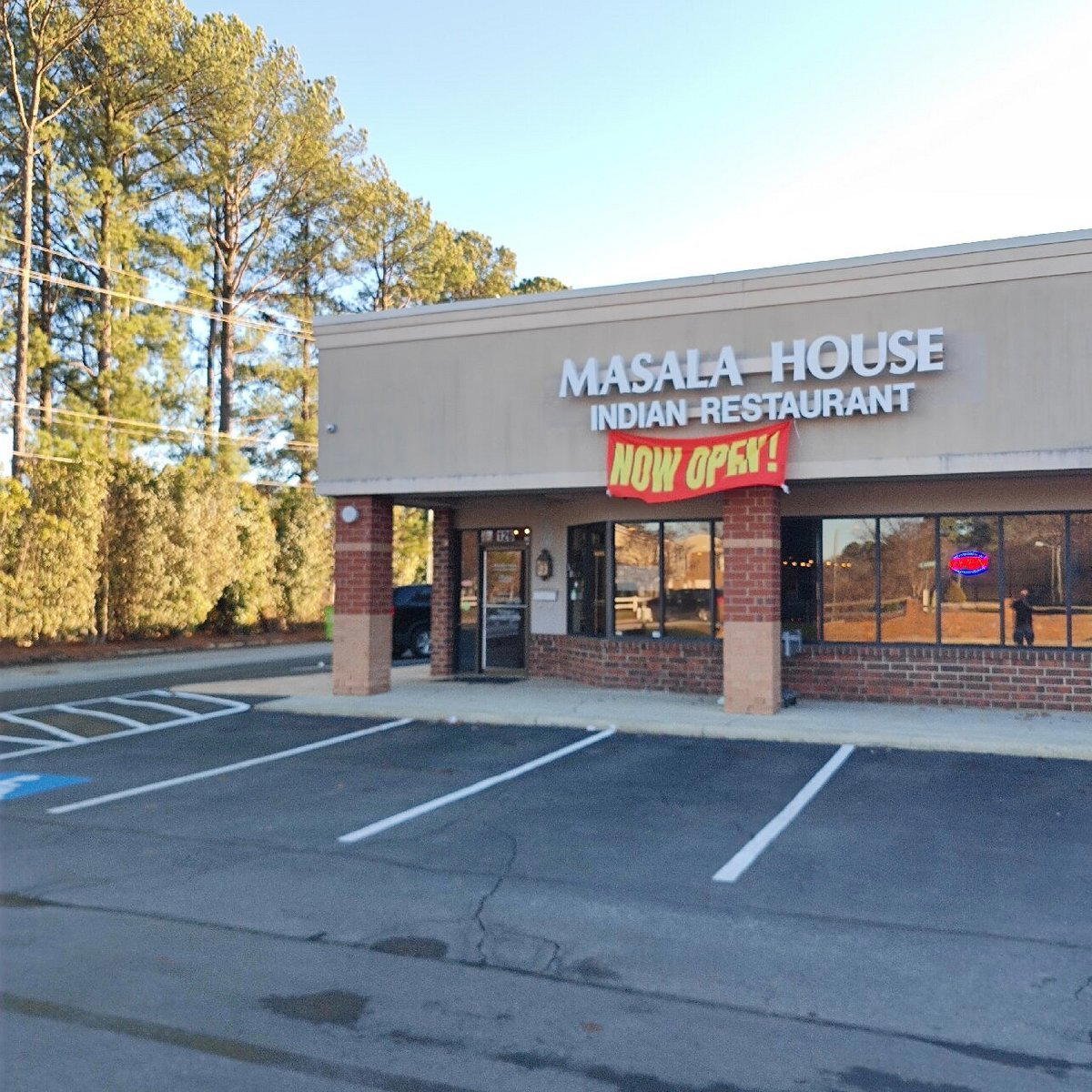
East Millbrook Road sits in the North Hills corridor of Raleigh, a stretch of the city that has historically been retail-first and dining-second. The neighbourhood lacks the concentrated critical mass of downtown's Glenwood South or the food-focused density of the Warehouse District, which means the restaurants that establish themselves here do so largely through repeat local custom rather than destination traffic. Masala House has settled into that rhythm. At 126 E Millbrook Rd, it occupies a position that feels more community anchor than scene-driver, which in the context of Indian dining in a mid-sized American city is often exactly how the category sustains itself.
Indian cuisine in the American South carries particular weight as a cultural document. The wave of Indian immigration that shaped the Research Triangle, fuelled by the Research Triangle Park's technology and pharmaceutical sectors from the 1970s onward, created an audience with both the expectation of authenticity and the community knowledge to hold restaurants accountable. Raleigh's Indian dining scene is not as deep as that of Houston or the New Jersey corridor, but it is more discerning than its size might suggest. Restaurants in this category are evaluated against home cooking and memory as much as against each other, which is a harder standard than most cuisines face in American markets.
What the Cuisine Represents in This Context
Indian cooking, at its structural core, is one of the world's most regionally varied culinary traditions. The distance between a Keralan fish curry and a Punjabi lamb dish is roughly equivalent to the distance between Neapolitan pizza and Alsatian choucroute, yet in American markets both tend to be compressed into a single menu category. The restaurants that resist that compression, insisting on regional specificity or on spice work that doesn't calibrate to perceived mainstream comfort levels, tend to build the most loyal audiences even if they grow more slowly. That dynamic plays out in Raleigh as it does in other mid-sized cities with meaningful South Asian populations.
The comparison set for Masala House in Raleigh is worth considering. Azitra operates at the more polished, modern end of Indian dining in the city, with a format that signals ambition beyond the buffet-and-tikka-masala model. Ajja approaches the cuisine from a fusion angle, blending Mediterranean and Indian influences in a way that speaks to Raleigh's increasingly cross-cultural palate. Masala House sits in a different register: neighbourhood-rooted, less conceptually ambitious in framing, and oriented toward the kind of consistent execution that earns a table a weekly rotation in someone's life rather than a special-occasion visit.
Nationally, the conversation around Indian cuisine in American fine dining has shifted considerably. Restaurants like Atomix in New York City have demonstrated how Asian culinary traditions can be presented at the highest tasting-menu tier without apology or dilution, though Atomix works in the Korean idiom. The broader principle holds: cuisine that arrives with deep cultural roots and technical rigour can occupy any price point on its own terms. Raleigh has venues that play in comparable registers of seriousness across other categories, from Ajja's fusion format to the Southern-anchored precision of places like the Fairview Dining Room, but the straight Indian category in the city remains an area where the ceiling has not been fully tested.
Raleigh's Dining Scene and Where Indian Fits
Raleigh has undergone genuine transformation as a dining city over the past fifteen years. The trajectory runs through Southern staples like Poole's Downtown Diner, which redefined what a diner could mean in a Southern capital, and through more recent arrivals like Barcelona Wine Bar, which brought the Spanish-American wine bar format to a city increasingly interested in European drinking culture. Anthony's La Piazza and Anthony's La Piazza Prime anchor the Italian end of the market. Brewery Bhavana has shown that a Chinese dim sum and craft beer format can find a devoted audience in what was not long ago a secondary dining city.
What this trajectory reveals is that Raleigh's dining growth has been broad rather than vertically deep in any single category. The city has added range of cuisine faster than it has added tiers of formality within individual cuisines. That creates both opportunity and constraint for a venue like Masala House: the audience is there, the curiosity is real, but the structural expectation of what Indian dining looks like in an American mid-market city has been slow to fully expand. Venues that push against that constraint, or that simply execute within it with enough consistency to become genuinely relied-upon, tend to be the ones that survive the city's increasing competitive density.
For a broader sense of how Masala House fits within Raleigh's full dining picture, our full Raleigh restaurants guide maps the city by neighbourhood and category with editorial context across all major cuisines and price tiers.
Placing the Meal in a Larger Conversation
The reference points for serious cooking in America run through venues like Le Bernardin in New York City, The French Laundry in Napa, and Alinea in Chicago, all of which define their categories at a national level. Regionally, Addison in San Diego, Blue Hill at Stone Barns in Tarrytown, and The Inn at Little Washington represent the kind of destination-driven, ingredient-obsessed format that has redefined American fine dining. Lazy Bear in San Francisco, Single Thread Farm in Healdsburg, Providence in Los Angeles, and Emeril's in New Orleans each represent distinct American regional approaches to cooking at a high level. None of these venues operate in the Indian idiom, which is part of the point: Indian cuisine in America remains underrepresented at the tiers where destination dining conversations happen. Masala House is not operating at those altitude levels, but it exists within a category that deserves to be seen in that larger frame.
Planning a Visit
Masala House is located at 126 E Millbrook Rd in the North Hills area of Raleigh, accessible from both the Beltline and the Falls of Neuse corridor. Current contact details, hours, and booking availability are best confirmed directly with the venue before visiting, as operational specifics in this segment of the market can shift seasonally. North Hills has parking infrastructure that makes arrival by car direct, which matters in a part of Raleigh not well served by frequent transit. For visitors staying in central Raleigh, the drive is short and the neighbourhood's retail anchors make it a plausible combined errand-and-dinner stop rather than a dedicated destination visit.
Frequently asked questions
Where is Masala House located?
Masala House is located at 126 E Millbrook Rd, Raleigh, NC 27609, Raleigh.
Is Masala House a good option for Indian food near North Raleigh's Beltline corridor?
Masala House at 126 E Millbrook Rd sits within direct reach of both the Beltline and the Falls of Neuse corridor, making it one of the few Indian dining options in that part of Raleigh with genuine geographic accessibility from multiple north Raleigh neighborhoods. North Hills has historically skewed toward retail and chain dining, which makes a focused Indian kitchen at this address a practical as well as culinary destination. For hours and availability, check the venue's official channels.
What do regulars order at Masala House?
Contacting the restaurant directly at 126 E Millbrook Rd in Raleigh will give you the most current picture of what's on rotation.
How far ahead should I plan for Masala House?
Given that North Hills has become one of Raleigh's more active dining corridors, it is worth calling ahead rather than walking in on a weekend. The address is 126 E Millbrook Rd, Raleigh, NC 27609.
What's the standout thing about Masala House?
Masala House occupies a specific gap in Raleigh's dining mix: Indian cooking on a corridor — East Millbrook Road in North Hills — that has historically prioritized retail over serious food. In a city whose dining trajectory has shifted considerably over the past fifteen years, that positioning carries weight. The restaurant sits at 126 E Millbrook Rd, NC 27609.
Can Masala House handle vegetarian requests?
Indian cooking as a culinary tradition has one of the deepest vegetarian repertoires of any major global cuisine — dal, paneer preparations, and vegetable-forward curries are structural, not afterthoughts. Confirm directly with the restaurant at 126 E Millbrook Rd, Raleigh.
Is a meal at Masala House worth the investment?
What can be said is that Raleigh's dining scene has matured enough that restaurants in the North Hills corridor are drawing a crowd that expects more than casual convenience. For specifics, reach the team at 126 E Millbrook Rd, Raleigh, NC 27609.
Quick Comparison
Comparable venues nearby, for context on price, style, and recognition.
| Venue | Cuisine | Price | Notes |
|---|---|---|---|
| Masala HouseThis venue — the venue you are viewing | Authentic North Indian & Himalayan | $20–30 | Not listed |
| Kanki North Market | Japanese Hibachi Steakhouse & Sushi | $20–30 | North Raleigh |
| Waraji Japanese Restaurant | Authentic Japanese Sushi & Sake Bar | $30–50 | Sendero |
| Zayka Indian Cuisine | Authentic Punjabi Northern Indian | $20–30 | North Raleigh |
| JALWA INDIAN BISTRO | Contemporary Indian Bistro | $30–50 | Wakeview |
| Beasley’s Chicken & Honey | American | Not listed | Downtown Raleigh |