Ajja


Ajja brings Mediterranean-Indian fusion to Raleigh's Five Points neighbourhood, earning a spot on Esquire's Best New Restaurants list in 2023, one of only a handful of North Carolina restaurants recognised nationally that year. The kitchen draws on the shared olive oil and spice traditions of both cuisines, producing a menu that reads as neither strictly Indian nor strictly Mediterranean, but as something considered and particular to this address on Bickett Boulevard.
Pearl is the En Primeur Club membership app — saves, bookings, and concierge access live there. Same editors, same standards.
- Address
- 209 Bickett Blvd, Raleigh, NC 27608
- Phone
- (919) 213-1276
- Website
- ajjaeats.com
- Directions
- Get directions
 Saves & bookings on Pearl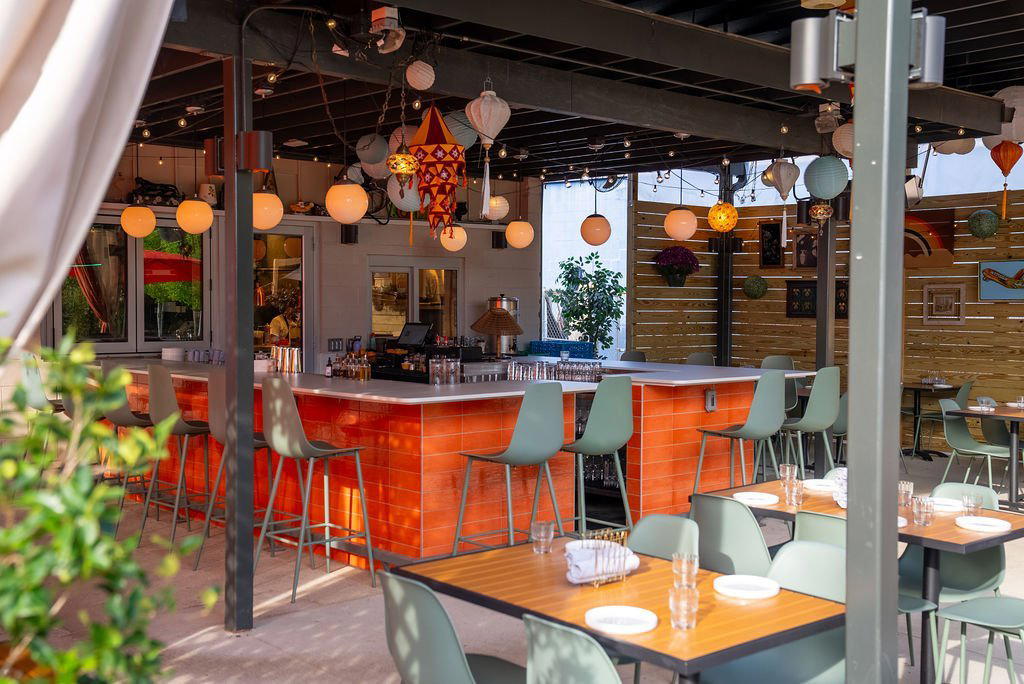
Where the Olive Oil and the Spice Meet
The sensory grammar of Mediterranean cooking and Indian cooking share more common ground than the fusion label typically suggests. Both traditions are built on fat as a flavour conductor: olive oil in the eastern Mediterranean, ghee and mustard oil across the subcontinent. Both reach for spice not as heat for its own sake but as aromatic architecture. At Ajja, on Bickett Boulevard in Raleigh's Five Points neighbourhood, this overlap is the working premise of the kitchen rather than a novelty pitch. The restaurant earned a place on Esquire's Best New Restaurants list in 2023, ranked fortieth nationally, a signal that the concept landed with critics looking beyond the coasts for something genuinely different.
Fusion menus in American dining frequently resolve into compromise: a dish that is neither one thing nor the other, softened for broad appeal. The Mediterranean-Indian register, when executed with discipline, avoids this by leaning into the structural similarities rather than forcing a contrast. Olive oil, already central to Levantine and Greek cooking, carries aromatic spice compounds at high heat in ways that ghee does in Indian applications. A kitchen that understands both fat traditions can use them interchangeably or in concert without the result tasting like a translation error.
Raleigh's Position in This Conversation
The context matters. Raleigh's dining scene over the past decade has sorted into distinct registers. Southern-rooted kitchens like Crawford & Sons and Fairview Dining Room anchor one end; more technique-forward American programs like Death & Taxes occupy another tier. Brewery Bhavana showed years ago that Raleigh's audience would support serious Asian-inflected cooking with a strong identity. Ajja's national recognition suggests the city has moved to a point where a hyphenated cuisine with real culinary logic behind it can earn attention beyond the local press cycle.
For comparison, the kitchens that tend to draw sustained national coverage in similar fusion categories, places like Atomix in New York City, which works a Korean-French grammar with rigorous technique, succeed because the combination is treated as a serious culinary argument rather than a marketing positioning. Ajja's Esquire placement puts it in that conversation at a regional level, even if the scale and format differ considerably.
The Olive Oil Foundation as Culinary Logic
Mediterranean cooking's relationship with olive oil is worth slowing down on, because it explains a lot about why this fusion has internal coherence. In Levantine and Greek kitchens, olive oil is not merely a cooking medium. It is a finish, a dressing, a bread accompaniment, a marinade base, a seasoning in its own right. The variety, the pressing, and the origin of the oil shift the flavour profile of a dish as materially as the protein or vegetable at its centre. High-polyphenol oils from southern Italy or Greece carry a peppery bitterness that behaves like a spice. Early-harvest oils are grassy and sharp. Aged or heat-treated oils go rounder and softer.
Indian cooking brings its own fat intelligence: the clarified butter that carries fenugreek and curry leaf, the mustard oil that pops with alliums, the coconut fat of southern coastal dishes. A kitchen combining these traditions has access to a wide palette of fat-and-spice combinations, and the logic is culinary rather than decorative. Whether Ajja's menu reads as mostly Mediterranean with Indian seasoning, or mostly Indian with Mediterranean structural touches, is less relevant than the fact that the fusion has a coherent base language.
Nationally, this kind of cross-regional spice cooking has found serious practitioners at different price points and formality levels. Le Bernardin in New York City uses spice architecture across oceanic cooking at the highest formal tier; Lazy Bear in San Francisco applies a tasting-menu discipline to American regional ingredients in ways that reward a similar analytical attention. Ajja sits in a different register, accessible, neighbourhood-scaled, but the recognition it received positions it as a kitchen doing deliberate work rather than trend-chasing.
Five Points as a Dining Address
The Bickett Boulevard address places Ajja in Five Points, one of Raleigh's older residential neighbourhoods, where the dining scene skews toward independent operators rather than group-backed concepts. This matters because neighbourhood restaurants in walkable residential zones in American mid-sized cities are often where considered cooking happens: smaller investor pressure, tighter community feedback loops, and an audience that returns rather than browses. The model that Brodeto represents on the Italian side of Raleigh's independent scene is instructive here, a focused, format-disciplined kitchen in a neighbourhood context can hold a high ceiling without the overhead of a downtown flagship.
For visitors arriving specifically for Ajja, the Five Points location is direct to reach from central Raleigh and from the hotels concentrated in the downtown core. The neighbourhood has enough surrounding options that an evening can extend beyond a single reservation. See our full Raleigh hotels guide for proximity-based options, and our full Raleigh bars guide for pre- or post-dinner options in the city. The broader dining picture, including context on how Ajja sits within Raleigh's full restaurant tier, is mapped in our full Raleigh restaurants guide.
Planning a Visit
Restaurants that earn national list recognition in their opening year typically see a booking surge that can extend several weeks out. Calling ahead or checking the restaurant's current reservation system before arrival is the sensible move, particularly for weekend evenings.
A Quick Peer Check
Comparable venues nearby, for context on price, style, and recognition.
| Venue | Cuisine | Price | Notes |
|---|---|---|---|
| AjjaThis venue — the venue you are viewing | Modern Mediterranean & Middle Eastern | $$$ | Not listed |
| The Angus Barn | Classic American Steakhouse | $$$ | Glenwood Crossing |
| Tomi Sushi at GEM | Modern Japanese Sushi | $$$ | Northside |
| Epic Chophouse Raleigh | Premium Steakhouse | $$$ | Leesville Hollow |
| Marian Cocktails & Kitchen | Plant-Based Gastropub | $$ | North Boylan |
| Cucciolo Terrazza | Modern Italian | $$$ | Midtown Raleigh |
Recognition history
Dated appearances from independent guides and award organizations, with the underlying list record or original source where available.
James Beard Award Semi Finalist
James Beard Award
Esquire Best New Restaurants #40
Esquire
At a Glance
- Cozy
- Trendy
- Whimsical
- Lively
- Modern
- Date Night
- Group Dining
- Casual Hangout
- Special Occasion
- Open Kitchen
- Terrace
- Panoramic View
- Craft Cocktails
- Extensive Wine List
- Local Sourcing
- Skyline
Current opening hours
- Monday
- Closed
- Tuesday
- Closed
- Wednesday
- 5–9:30 PM
- Thursday
- 5–9:30 PM
- Friday
- 5–9:30 PM
- Saturday
- 5–9:30 PM
- Sunday
- 4–8:30 PM
Hours can change for holidays and private events. Last verified .
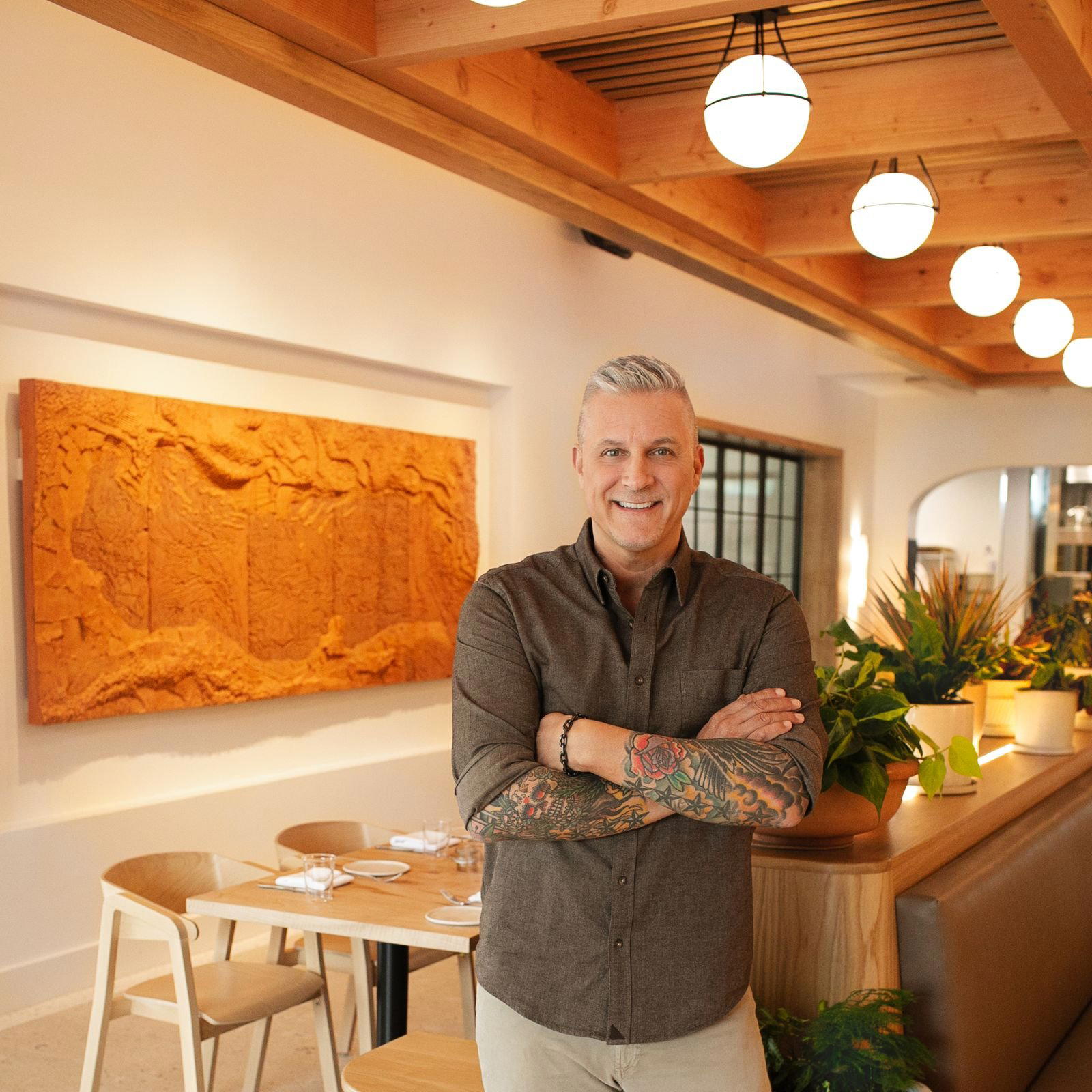
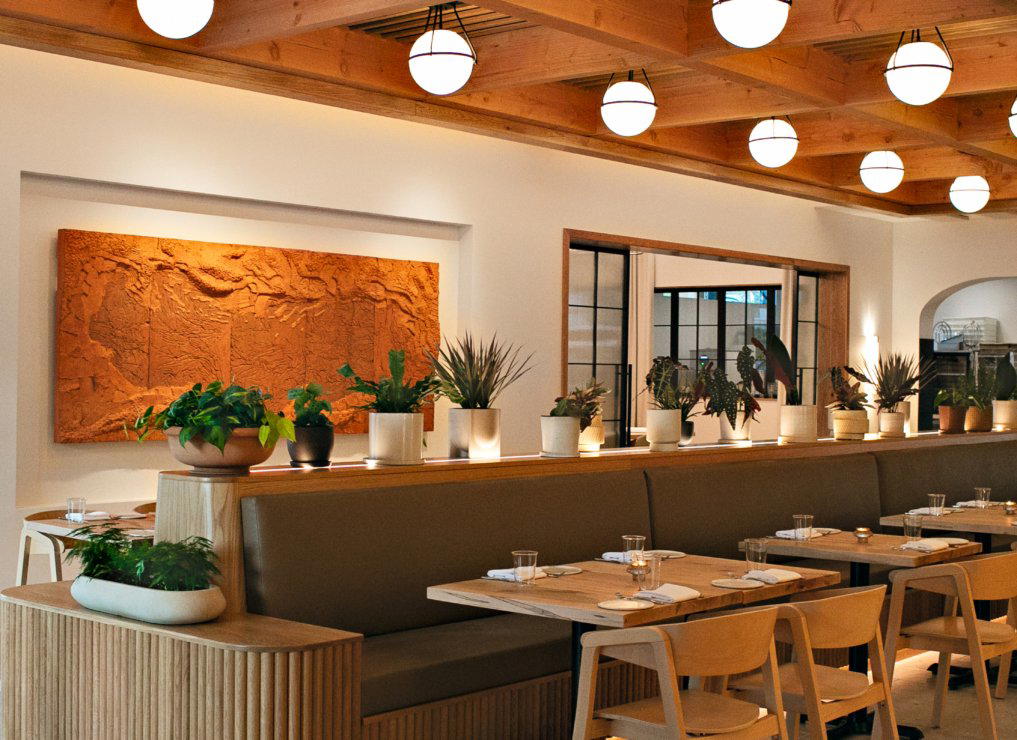
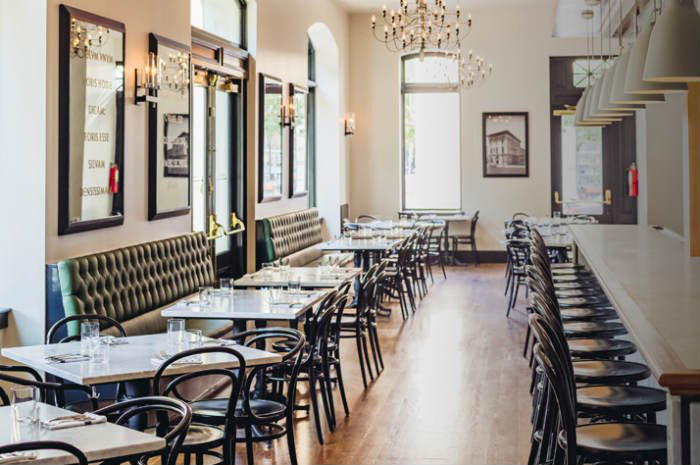
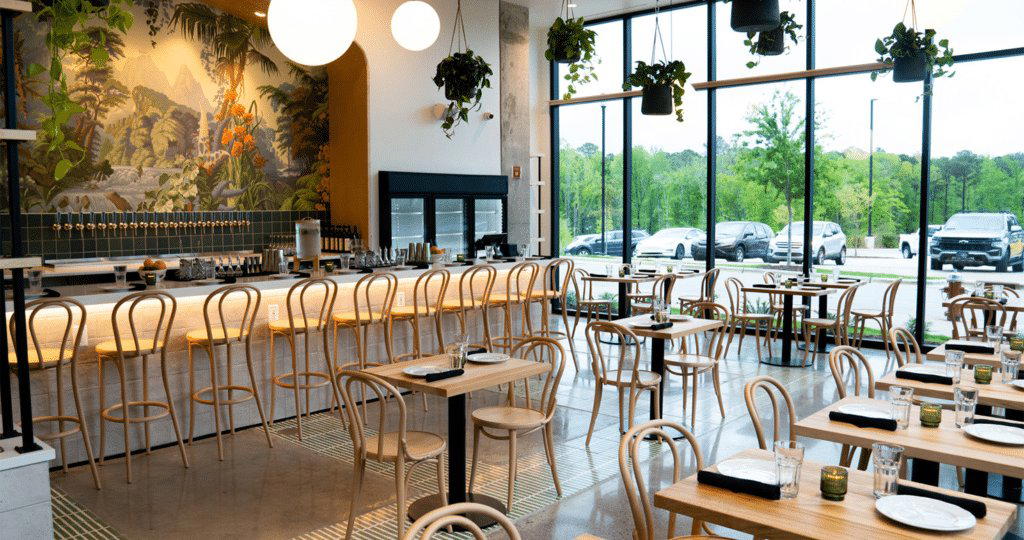
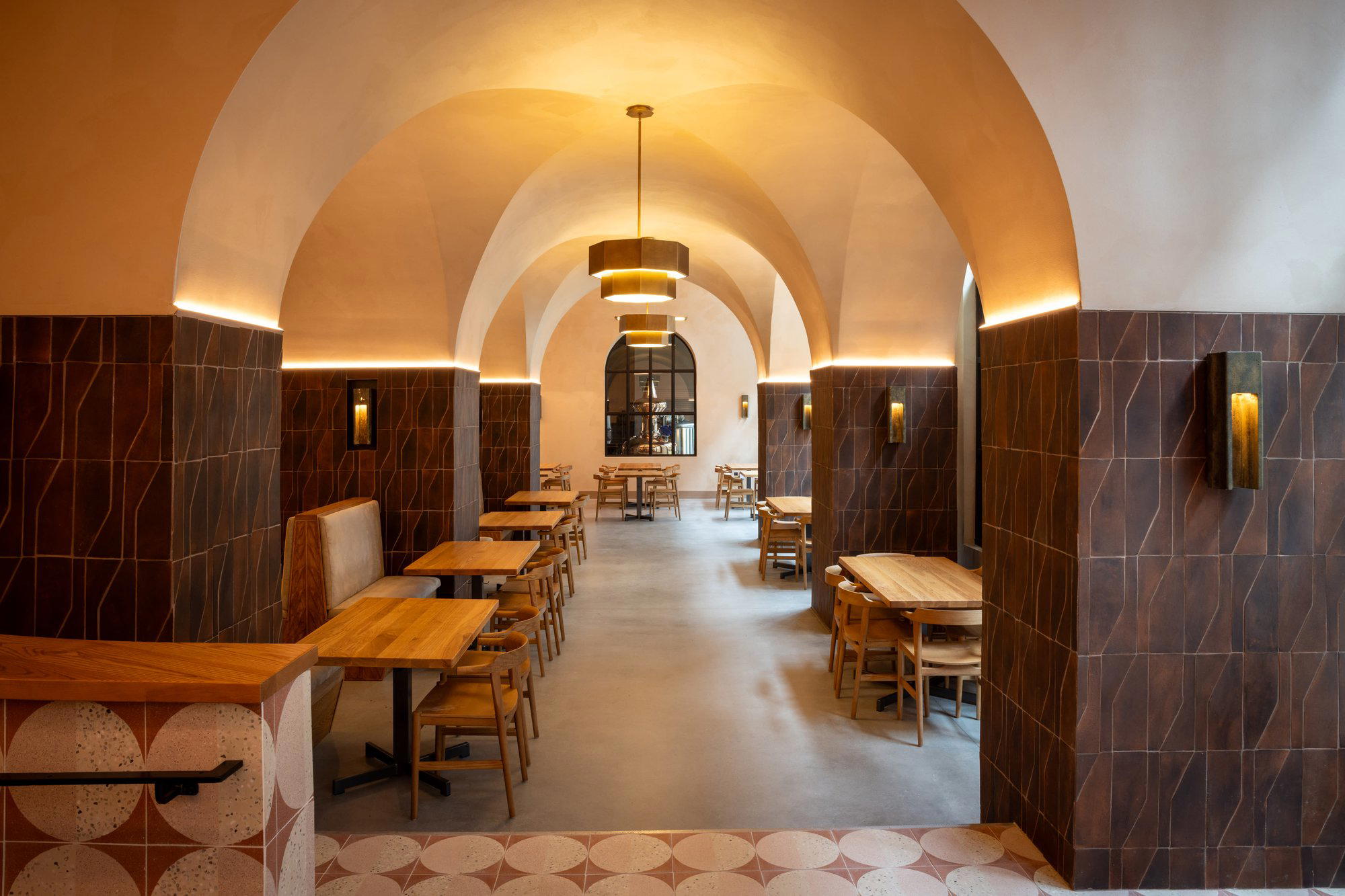
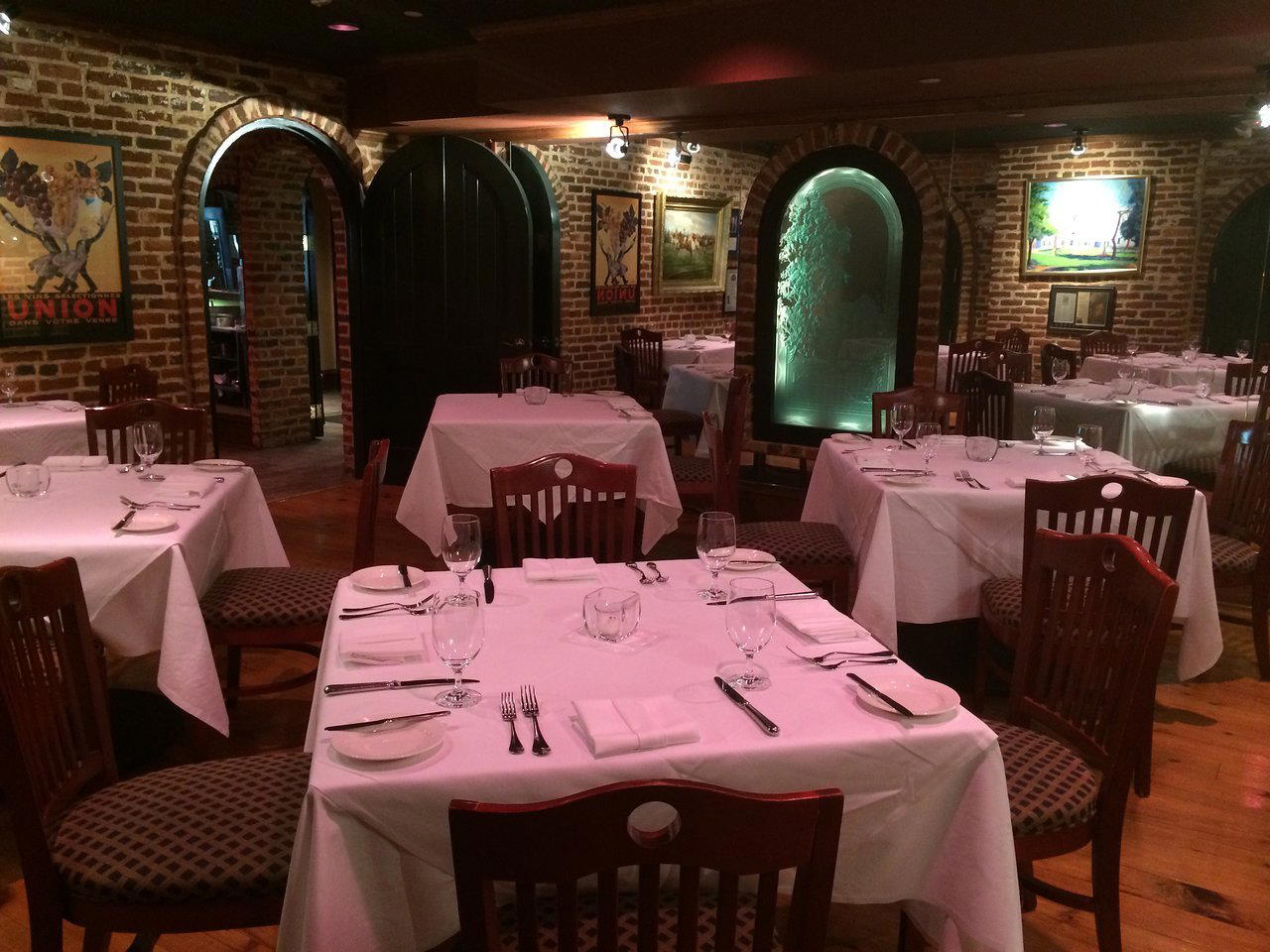
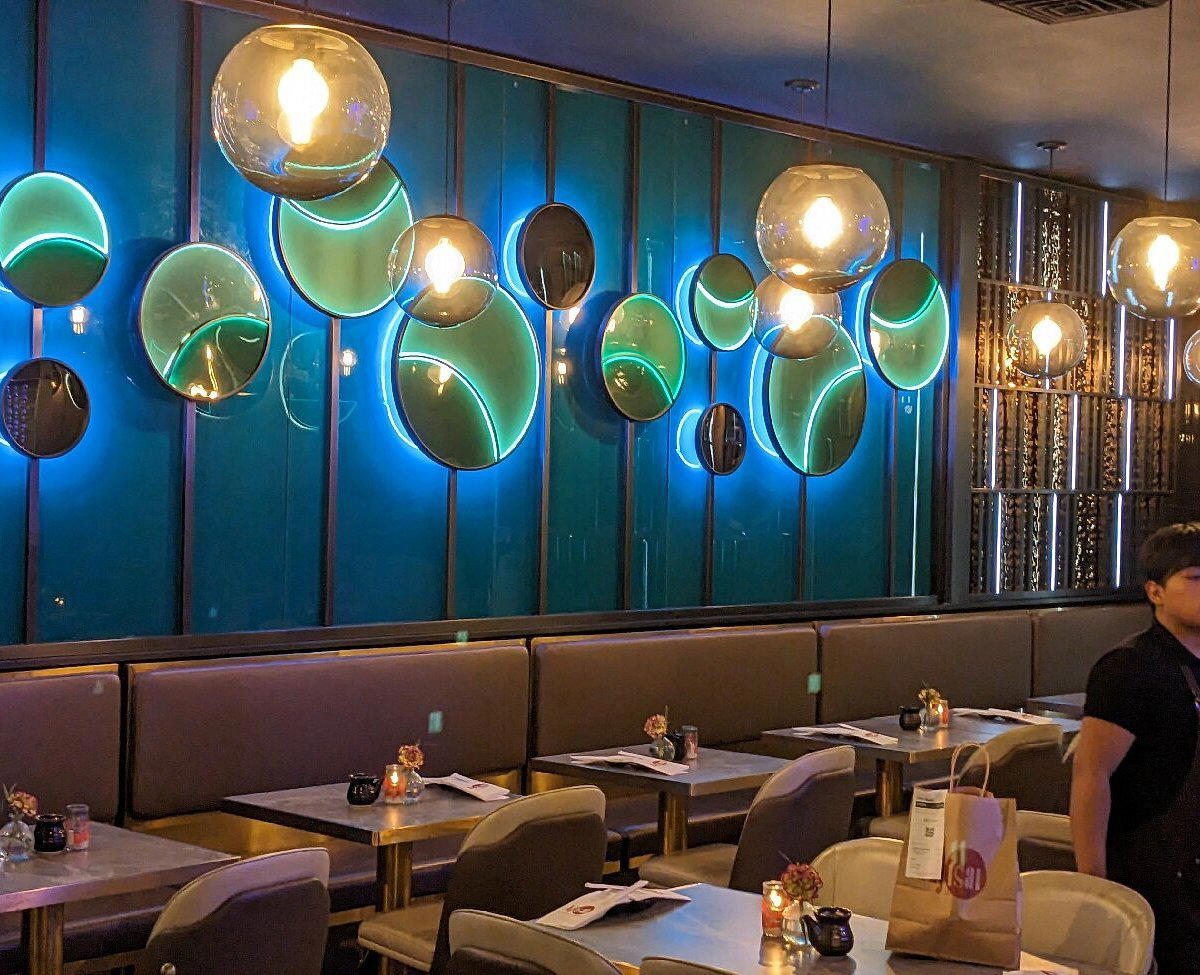
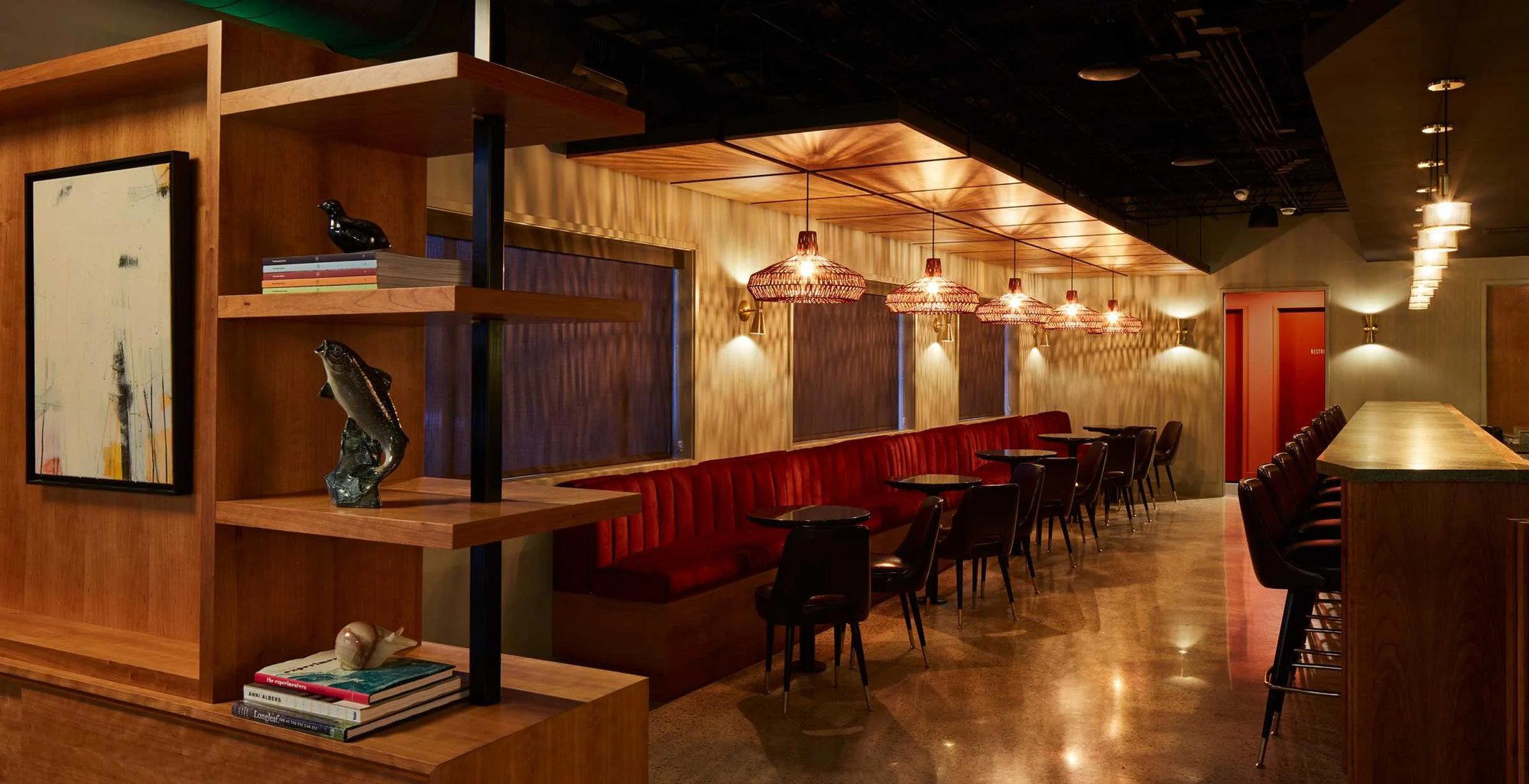
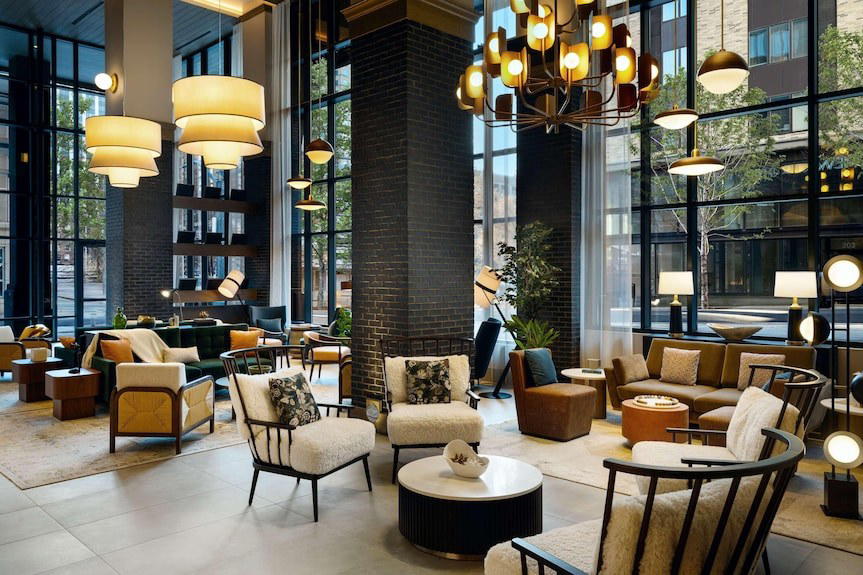
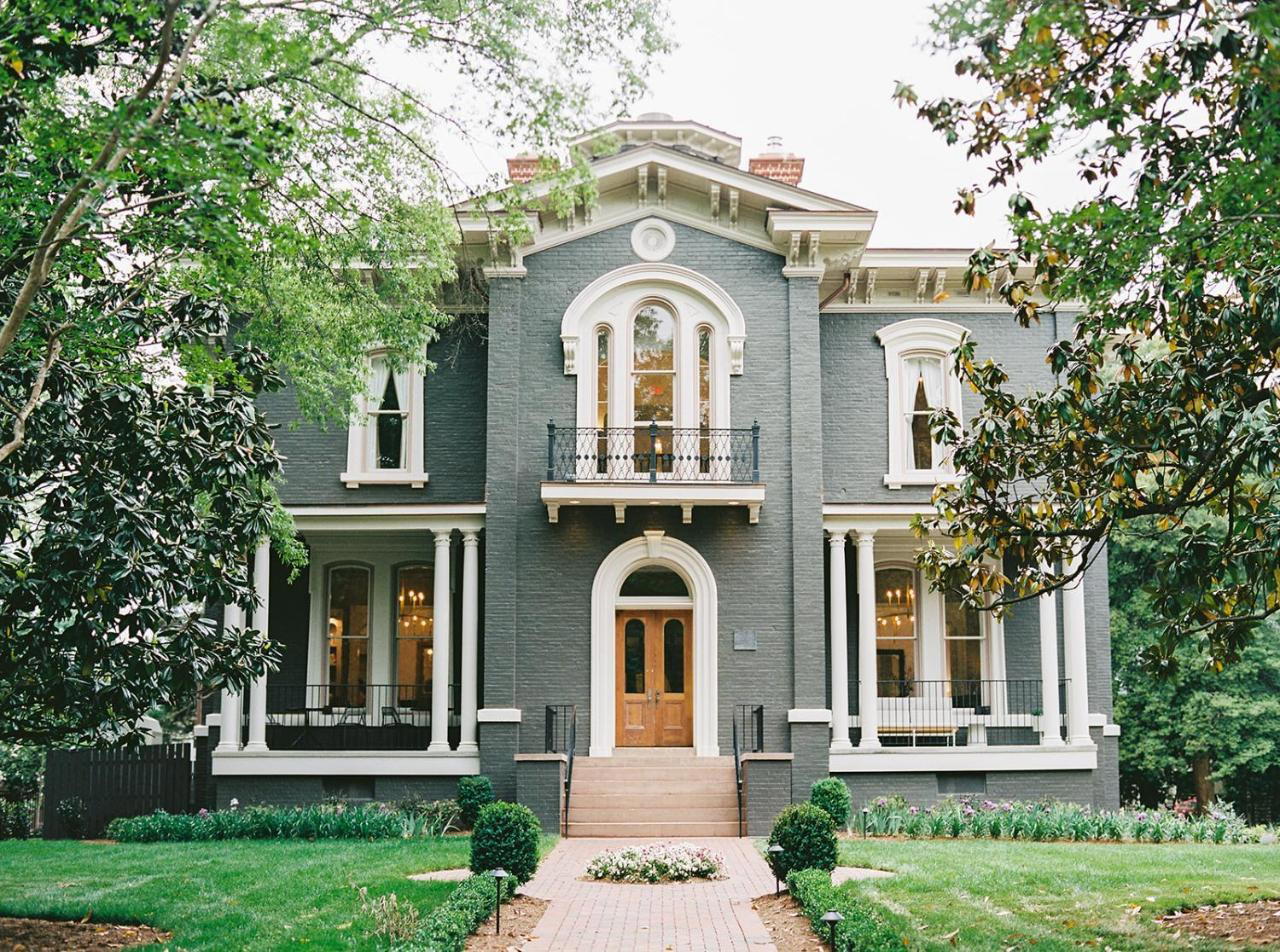
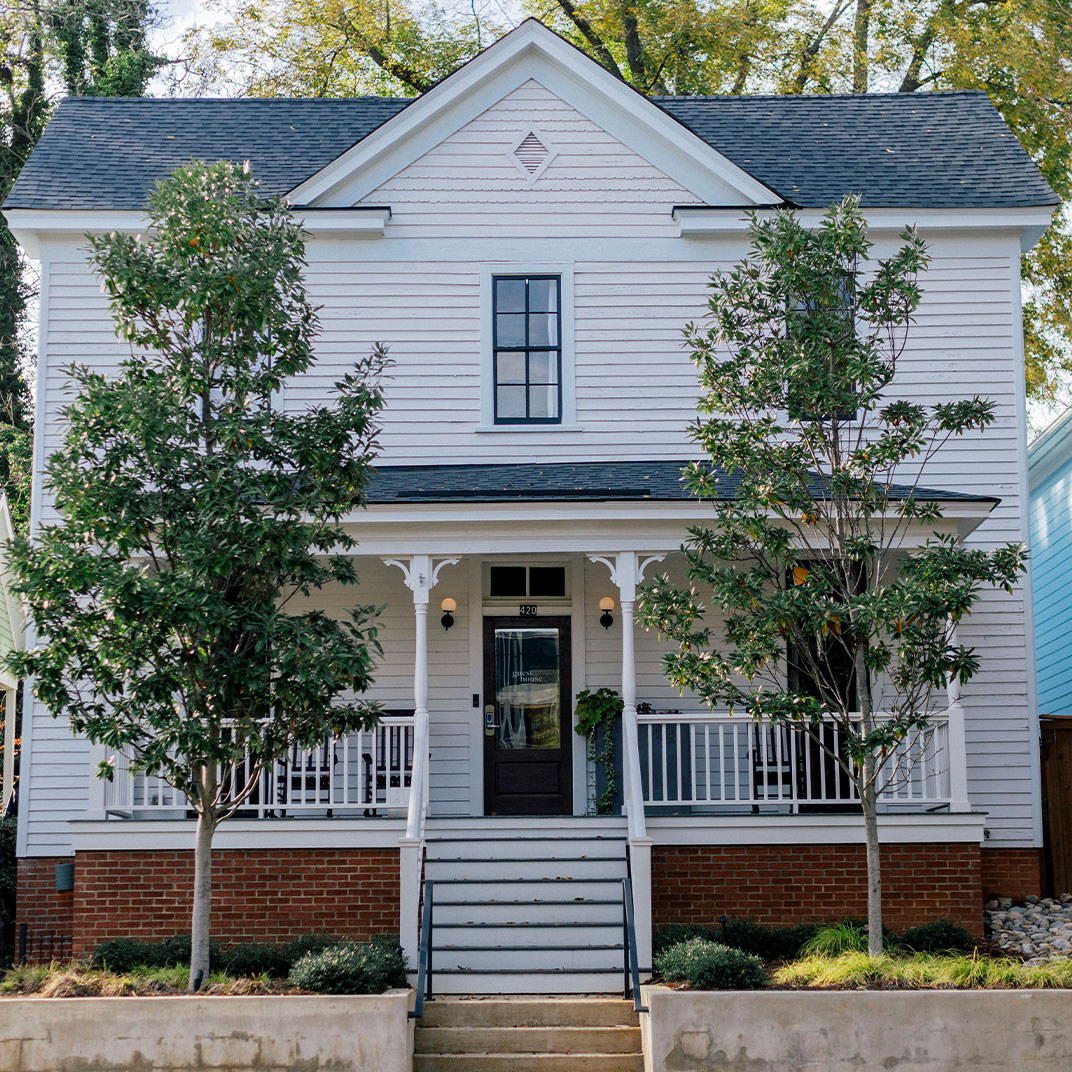
Brightly colored, well-lit, eclectic and whimsical design with inviting, cozy neighborhood party vibe and sweeping patio.