Centro
Centro occupies a address on South Wilmington Street in downtown Raleigh, sitting at the intersection of the city's growing cocktail scene and its appetite for all-day dining. The room draws a cross-section of the Triangle's professional class at lunch and shifts register noticeably by evening, when the bar program takes on more weight. It is a useful benchmark for understanding how Raleigh's downtown dining corridor has matured.

Pearl is the En Primeur Club membership app — saves, bookings, and concierge access live there. Same editors, same standards.
- Address
- 106 S Wilmington St, Raleigh, NC 27601
- Phone
- (919) 835-3593
- Hours
- Mon–Tue 11:30 AM–2:30 PMWed–Thu 11:30 AM–2:30 PM, 5–9 PMFri 11:30 AM–2:30 PM, 5–10 PMSat 5–10 PMSun Closed
- Website
- centroraleigh.com
- Directions
- Get directions
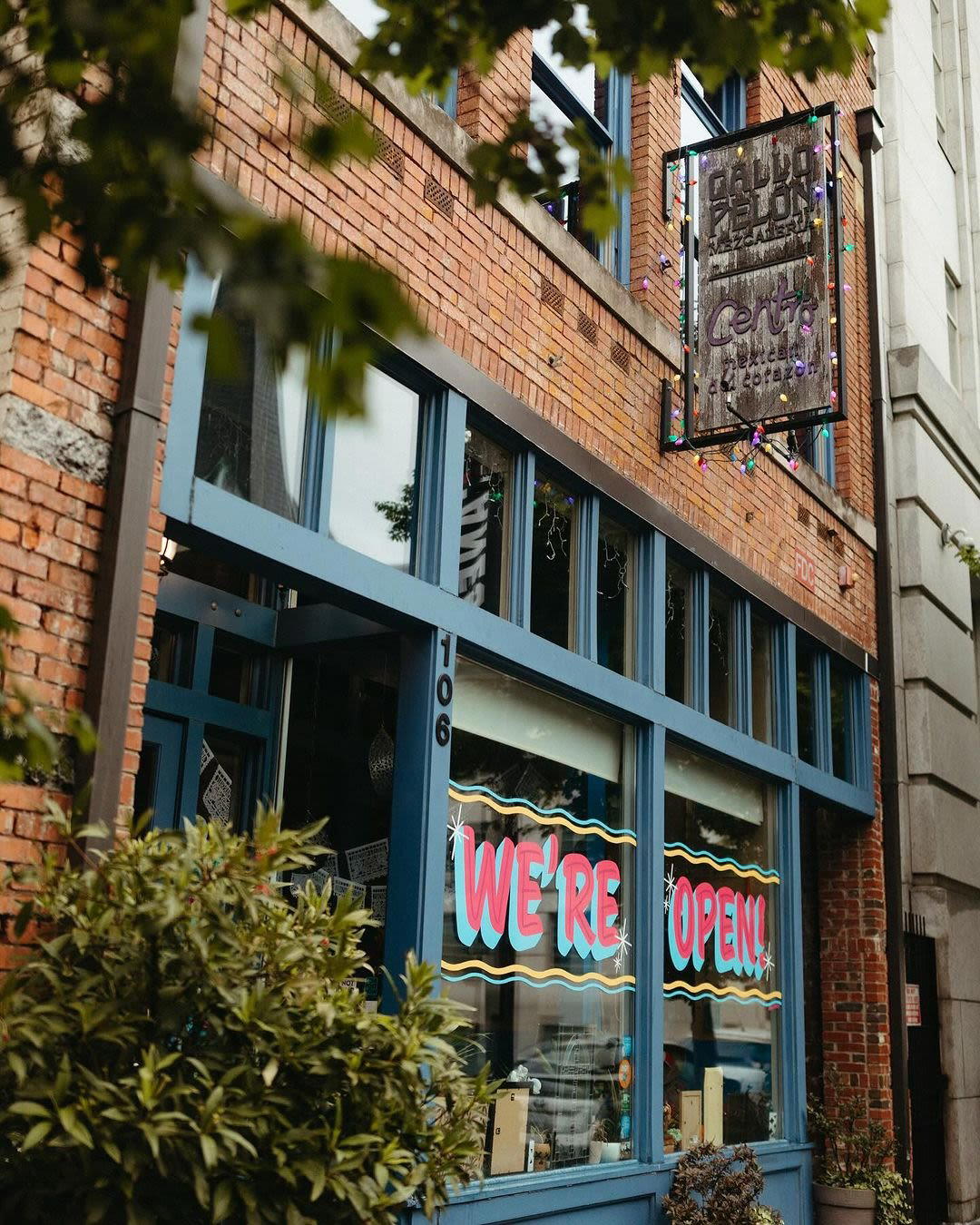
Downtown Raleigh and the All-Day Dining Question
South Wilmington Street runs through the administrative and commercial core of downtown Raleigh, and the blocks around it have accumulated enough restaurants, bars, and wine-forward spaces to constitute a real dining corridor rather than a cluster of isolated venues. Centro at 106 S Wilmington St sits within that corridor, and its position in the neighbourhood tells you something useful before you even walk through the door: this is a room designed to serve the city's daytime professional traffic and its evening social scene, often at the same address but with meaningfully different energy.
That dual-register approach has become one of the defining structural questions in American urban dining over the past decade. Cities like Raleigh, which have grown their downtown residential and office populations simultaneously, produce venues that must function as lunch canteens for the weekday crowd and as destination spaces by night. The better operators treat these as distinct programming challenges rather than variations on a single theme. The worst simply dim the lights and call it dinner service.
Lunch: The Room in Its Working Register
The lunch hour at a downtown Raleigh address like Centro's draws from a specific demographic: state government workers, legal and financial professionals from the nearby office towers, and the growing cohort of tech and creative workers who have moved into the Triangle corridor over the past several years. That audience tends to prioritise speed and value at midday, which puts pressure on any kitchen operating in this ZIP code to deliver food that is both competent and efficient.
Daytime service at venues in this category across comparable mid-size American cities tends to be lighter in format: abbreviated menus, faster table turns, and a drinks program that skews toward non-alcoholic and wine-by-the-glass rather than the full cocktail repertoire. The room often operates at higher volume and lower margin per cover than the evening session, which is why lunch pricing structures matter to understanding how a venue is positioned.
For planning purposes, weekday lunch on this corridor typically peaks between 12:00 and 1:30 PM, with walk-in availability easier before noon or after 1:45 PM. Raleigh's downtown lunch crowd tends to be time-constrained, so venues that manage kitchen pacing well earn repeat business quickly.
Evening: When the Bar Program Becomes the Story
By early evening, the South Wilmington corridor shifts. The professional lunch crowd disperses, and the room's character is determined less by kitchen throughput and more by the quality and personality of its bar offering. Raleigh's cocktail scene has developed considerably in recent years, with venues like Ajisai and Angus Barn occupying distinct positions in the city's drinking culture, and newer entrants such as 10th and Terrace and 13 Tacos and Taps adding range at the more casual end of the spectrum.
Within that context, evening dining at a venue like Centro is evaluated against a different competitive set than its lunch service. The question is no longer speed and value but rather whether the kitchen continues to perform at the same level when the room is fuller and more socially charged, and whether the drinks list has enough depth to anchor a longer stay. In comparable American cities, the venues that manage this transition most successfully tend to be those where the bar program was designed as a core service rather than an adjunct to the food, and where the kitchen menu shifts meaningfully between afternoon and evening rather than simply running the same items later into the night.
The broader American bar scene has moved away from purely cocktail-led identity toward hybrid formats where serious food and serious drinks occupy equal weight on the menu and in the room's reputation. Kumiko in Chicago and Bar Leather Apron in Honolulu represent the more specialised, high-craft end of that shift; Jewel of the South in New Orleans and Julep in Houston anchor it in regional culinary tradition. Superbueno in New York City, ABV in San Francisco, and The Parlour in Frankfurt on the Main each demonstrate how the hybrid bar-dining format translates across very different city contexts. Centro operates in a regional market where that sophistication is still consolidating, which means the bar for credible evening programming is both achievable and visible.
Planning a Visit
Centro's address at 106 S Wilmington St puts it within walking distance of the main downtown Raleigh hotel corridor and within a short cab or rideshare ride from the Glenwood South bar district. For visitors building an itinerary around the city's food and drink offer, it functions as a practical anchor point for the government and financial district end of downtown. A fuller picture of where it sits within the city's dining ecosystem is available in our full Raleigh restaurants guide.
Weekend evenings on this corridor tend to book up faster than the weekday dinner window, so planning a Thursday or Sunday visit typically leaves more flexibility without sacrificing the room's evening atmosphere.
Where It Fits
| Venue | Cuisine | Price |
|---|---|---|
| CentroThis venue — the venue you are viewing | This venue | $20–30 |
| Ajisai | Not listed | $30–50 |
| Vinos Finos Tapas and Wine Bar | Not listed | $30–50 |
| Whiskey Kitchen | Not listed | $30–50 |
| William & Company | Not listed | $10–20 |
Details
- Cozy
- Lively
- Trendy
- Date Night
- Group Outing
- Casual Hangout
- Standalone
- Lounge Seating
- Outdoor Terrace
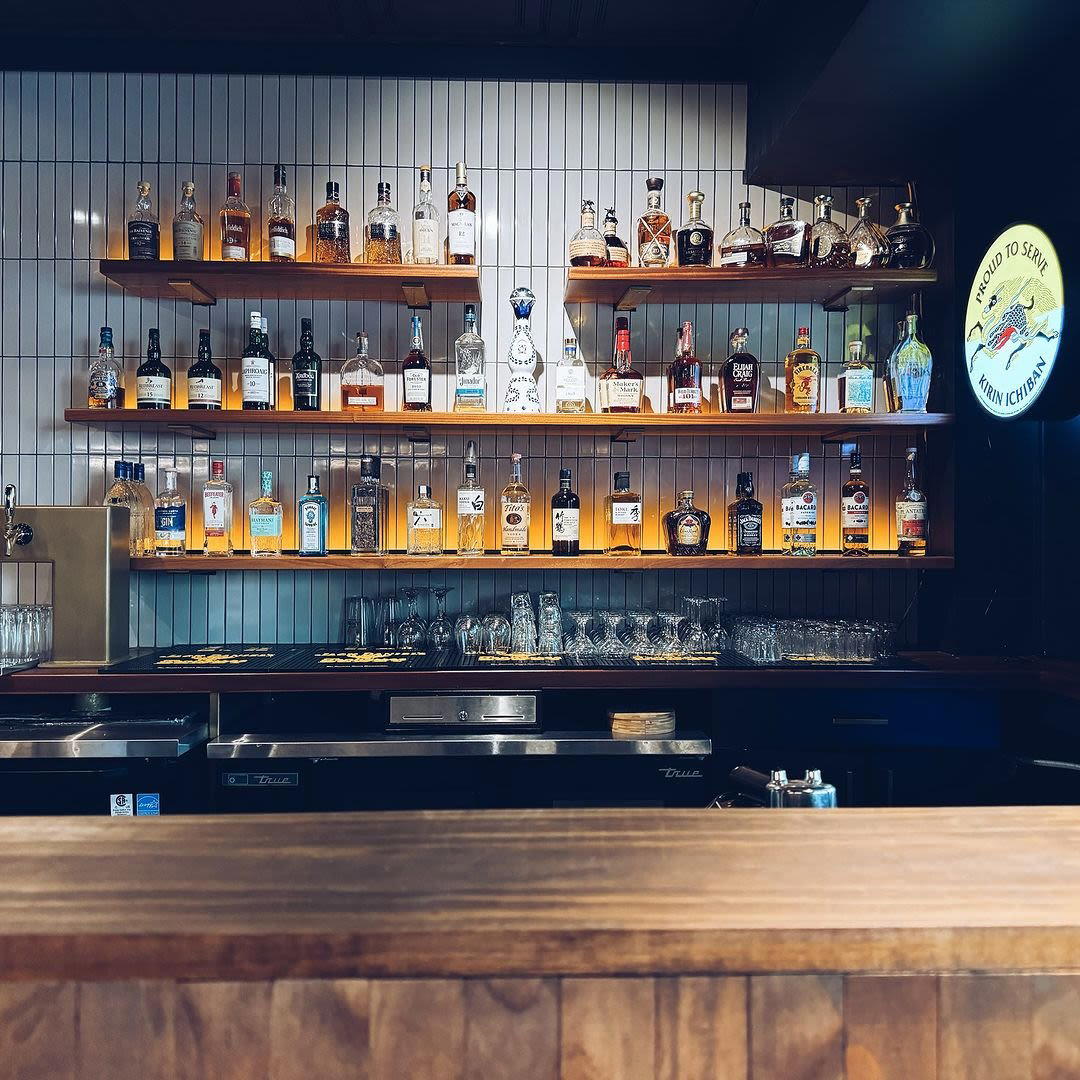
- Craft Cocktails
- Tequila
- Mezcal
Current opening hours
- Monday
- 11:30 AM–2:30 PM
- Tuesday
- 11:30 AM–2:30 PM
- Wednesday
- 11:30 AM–2:30 PM, 5–9 PM
- Thursday
- 11:30 AM–2:30 PM, 5–9 PM
- Friday
- 11:30 AM–2:30 PM, 5–10 PM
- Saturday
- 5–10 PM
- Sunday
- Closed
Hours can change for holidays and private events. Last verified .
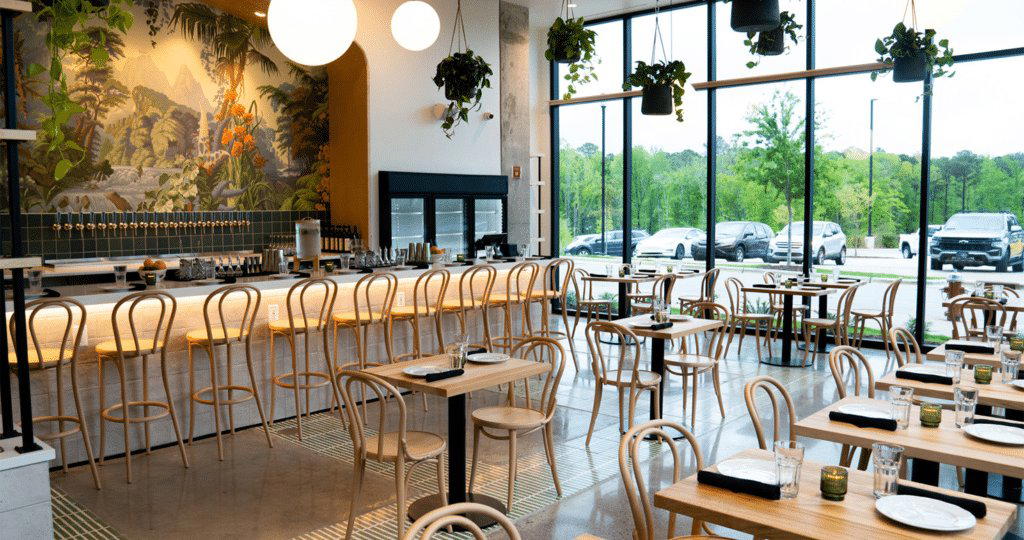
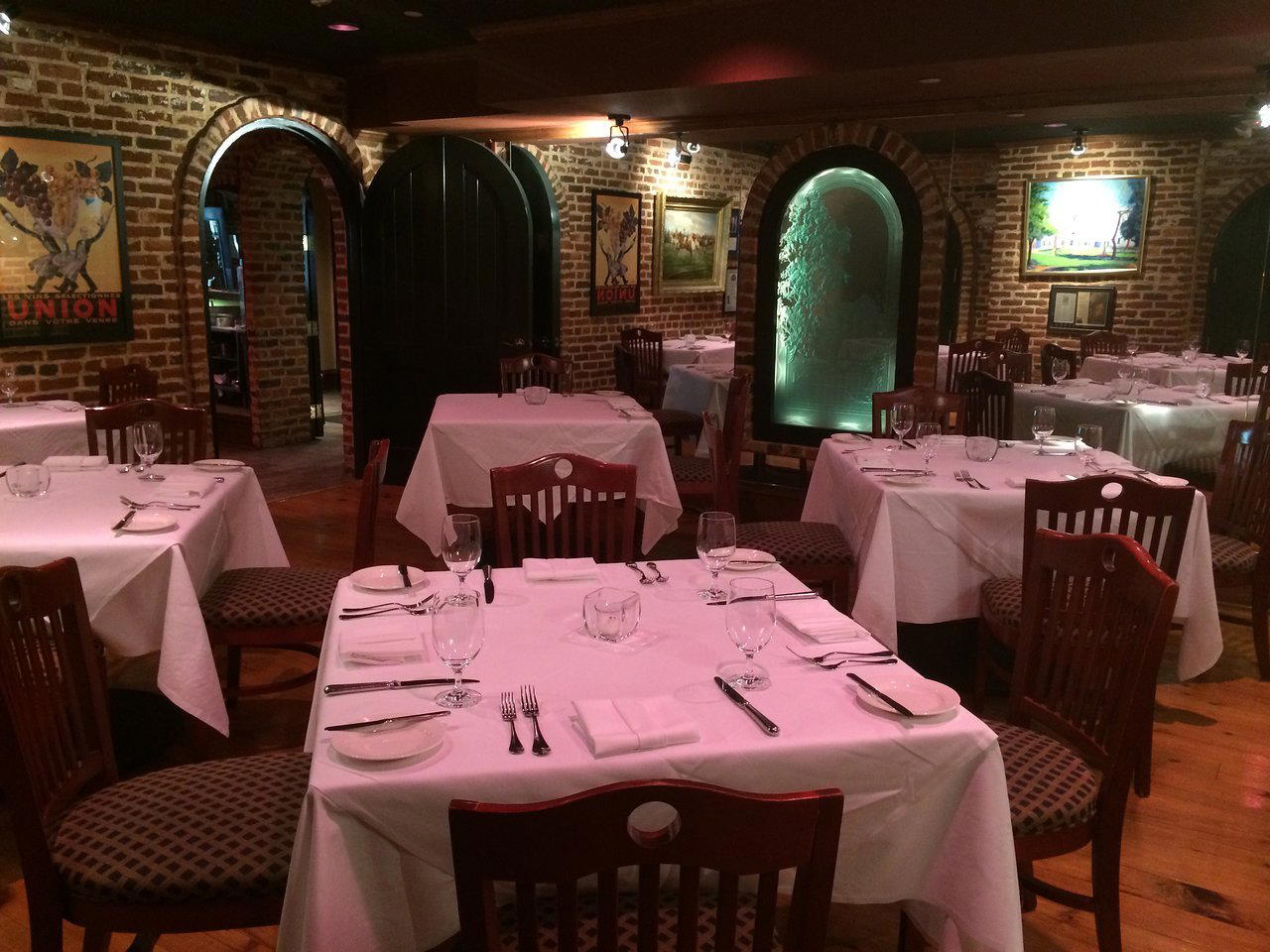
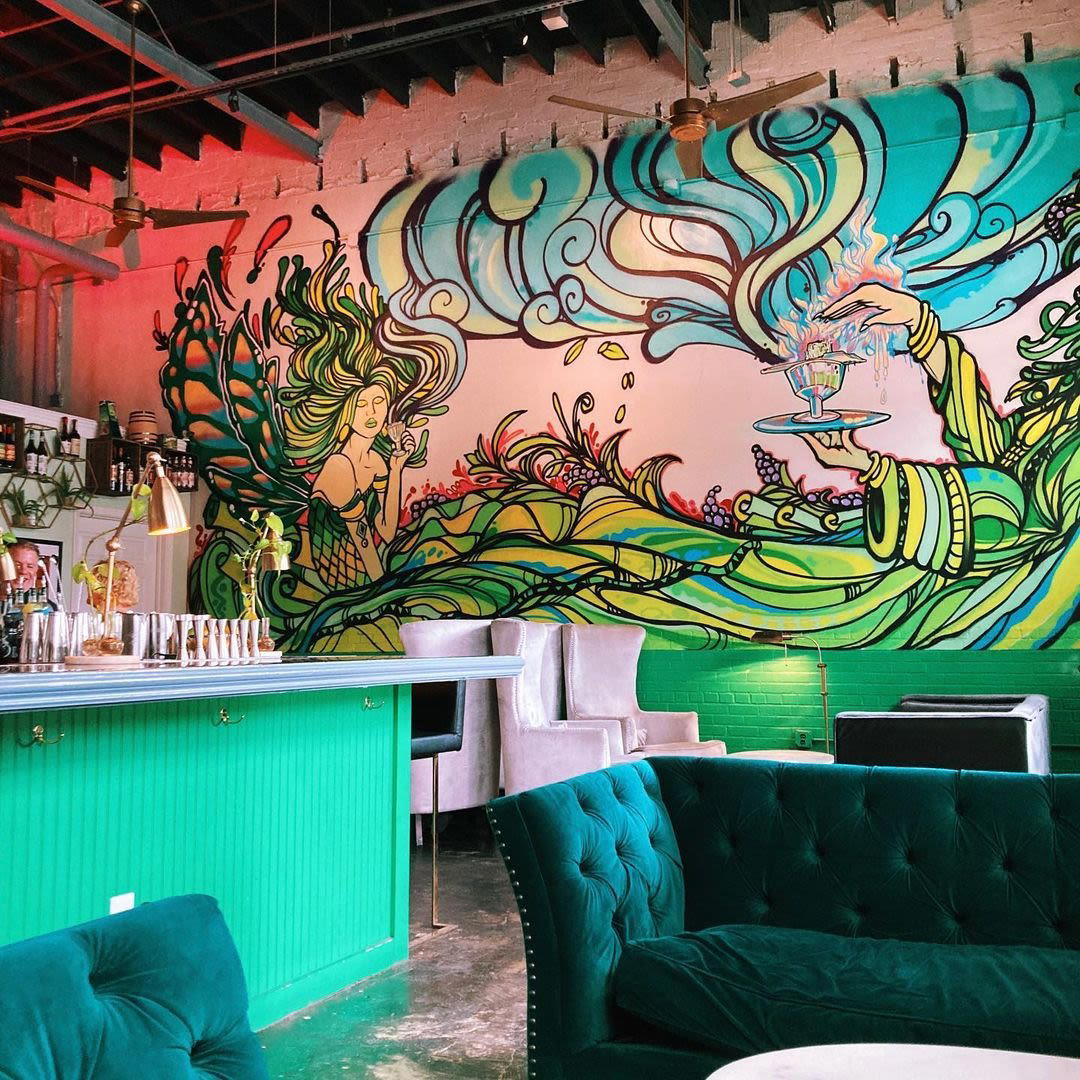
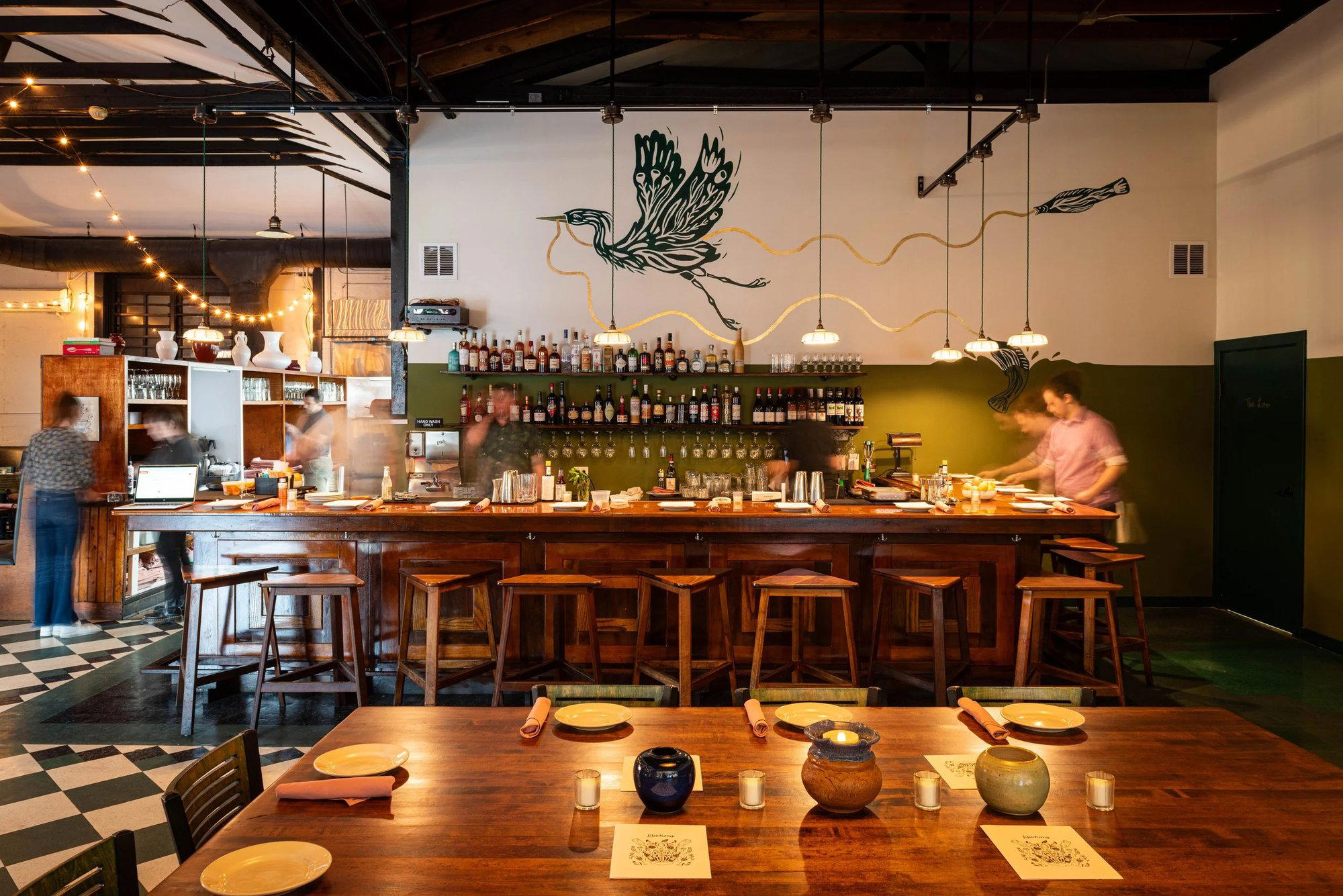
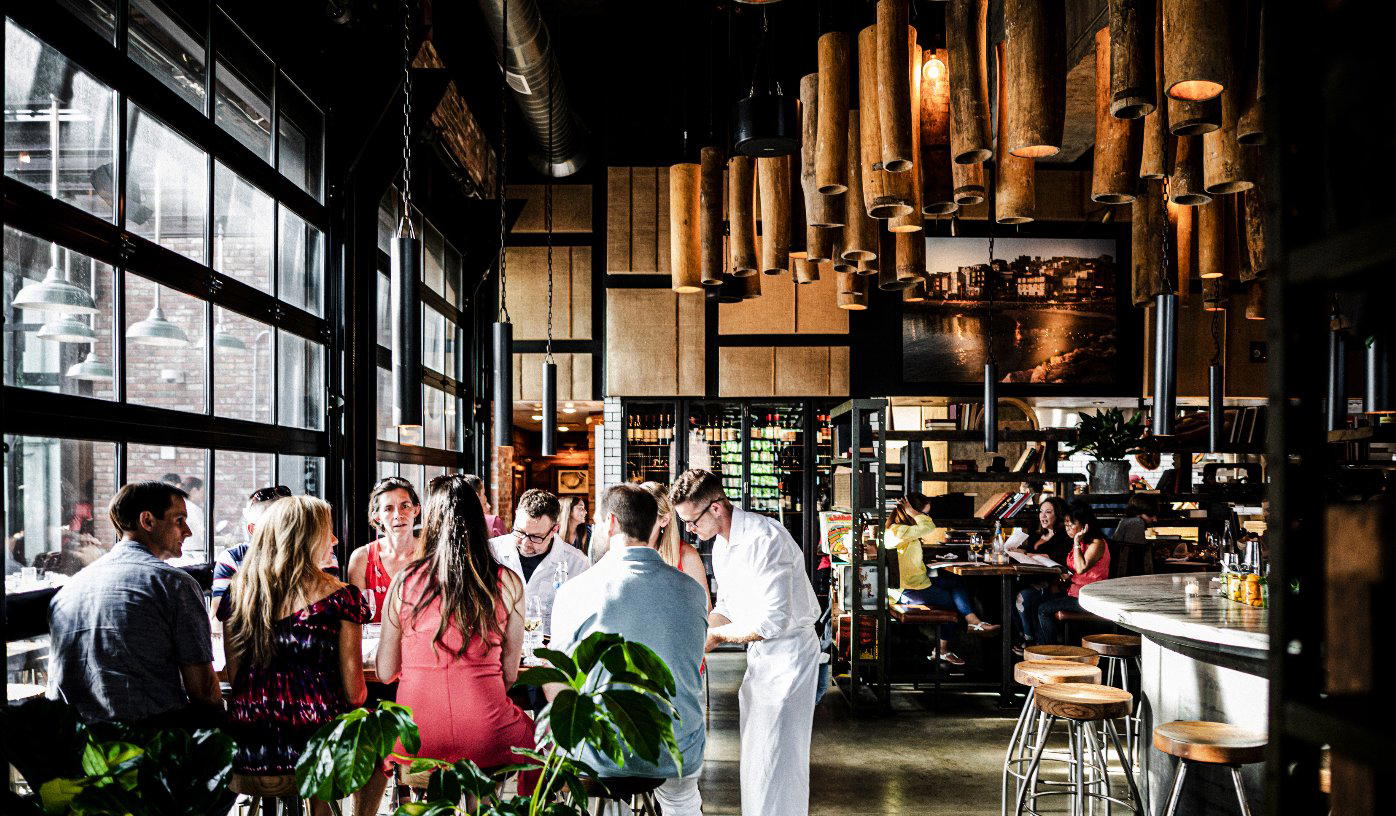
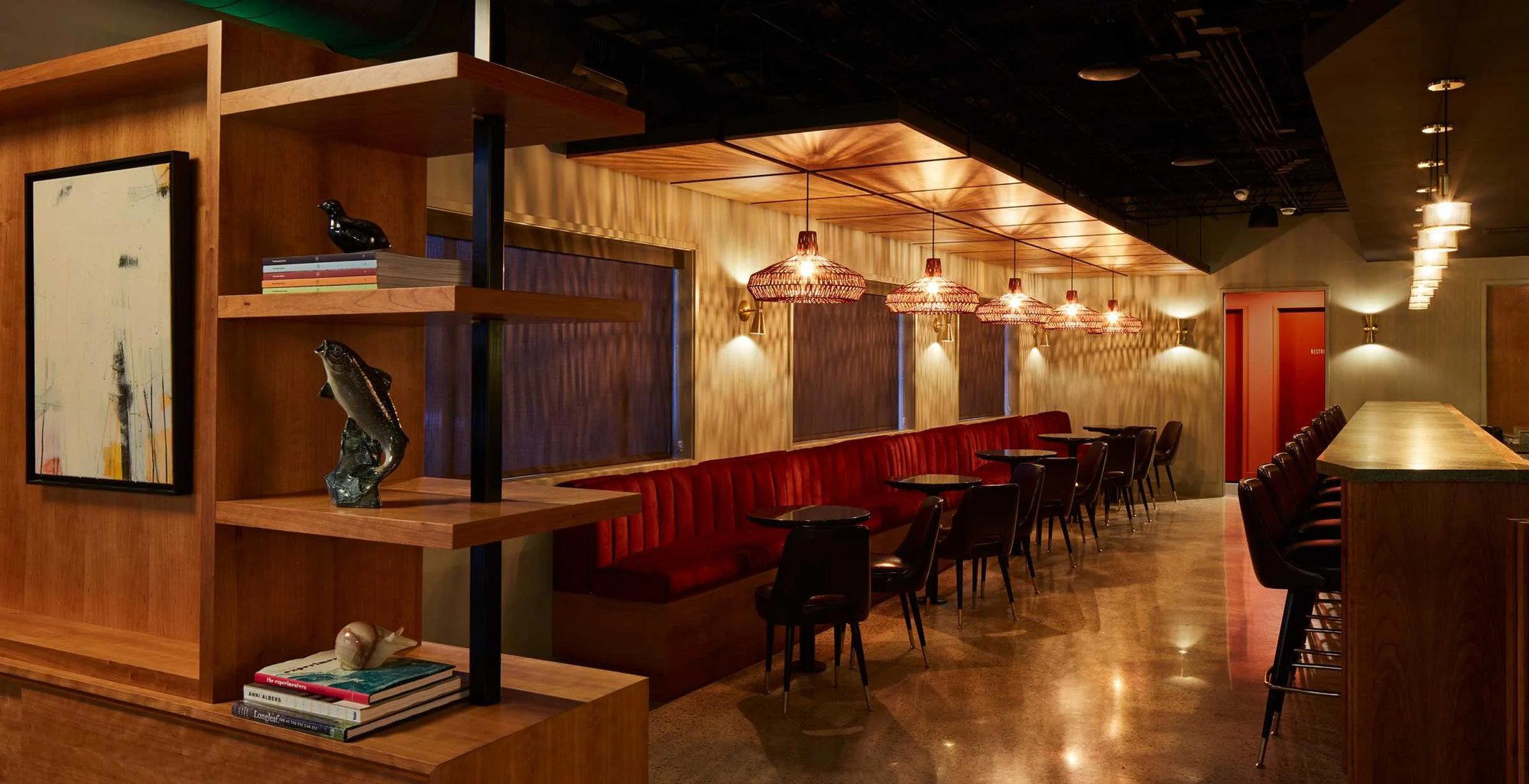
Moody yet cozy with candlelit brick walls and eye-catching Mexican decor.