Bida Manda
Our verdict
Bida Manda occupies a prominent corner on South Blount Street in downtown Raleigh, bringing Lao cuisine to a city whose dining scene has historically leaned Southern and New American. The restaurant holds a respected position among Raleigh's most serious kitchens, drawing comparisons that reach well beyond regional Thai or Vietnamese neighbors and placing Lao cooking on a longer national conversation about Southeast Asian food in the American South.

Pearl is the En Primeur Club membership app — saves, bookings, and concierge access live there. Same editors, same standards.
- Address
- 222 S Blount St, Raleigh, NC 27601
- Phone
- (919) 829-9999
- Hours
- Mon–Thu 5–10 PMFri–Sat 11 AM–2:30 PM, 5–10 PMSun 11 AM–2:30 PM, 5–9 PM
- Website
- bidamanda.com
- Directions
- Get directions
- Booking
- Book on OpenTable
The menu
What to order
- Crispy Pork Belly Soup
- Crispy Rice Lettuce Wraps
- Papaya Salad
South Blount Street and the Context of Where You Arrive
Downtown Raleigh's dining corridor along Blount Street has shifted considerably over the past decade. What was once a stretch defined by government buildings and surface parking has developed into one of the city's more credible blocks for serious restaurants. Bida Manda sits at 222 S Blount St, close enough to the State Capitol grounds that the address carries a certain civic weight, and in a neighborhood where proximity to Poole's Downtown Diner and other well-regarded kitchens has raised the collective standard for what a Raleigh dining room is expected to deliver.
That location matters beyond mere geography. Raleigh's food scene has spent years trying to shed a secondary reputation relative to Chapel Hill and Durham, and the concentration of ambitious restaurants on and around Blount Street represents a deliberate clustering.
Lao Cuisine in the American South: A Narrower Niche Than It Appears
Lao food occupies an unusual position in the American restaurant conversation. Thai cuisine has long held broad mainstream recognition; Vietnamese has achieved similar reach in cities of every size. Lao cooking, by contrast, remains far less represented, even in cities with large Southeast Asian populations. The traditions overlap in some ingredients and techniques, but Lao food carries its own logic: fermented fish paste, sticky rice as the primary starch, and preparations built around fresh herbs and charred aromatics that register differently from Thai or Vietnamese counterparts.
In that context, a restaurant committed to Lao cooking in a mid-sized Southern city represents a specific kind of programming choice. The American South has its own fermented and preserved traditions, and the overlap between Southern and Lao flavor instincts is more than superficial. Both cuisines understand pork deeply. Both work with slow heat, smoke, and acid. The parallel is not lost on diners who arrive at Bida Manda from a broader Southern dining habit, and it partially explains why the restaurant has found a foothold in a city whose default culinary identity runs through barbecue and low-country preparation rather than Southeast Asian herbs.
For a sense of how Lao-inflected Southeast Asian cooking compares to the precision-driven tasting counter formats that dominate national conversation, consider the distance from here to Atomix in New York City or Smyth in Chicago. Bida Manda operates in a different register entirely, one where the dining proposition is rooted in accessibility and cultural specificity rather than multi-course abstraction.
Placing Bida Manda in Raleigh's Competitive Set
Raleigh's restaurant scene has diversified quickly. The Southern American strongholds remain, and kitchens like Death and Taxes and Gravy have solidified their positions in that lane. But the city's newer additions have moved in a different direction, toward cuisines and formats that signal international range. Ajja (Mediterranean-Indian Fusion) and Azitra represent that push toward more complex, globally referenced menus. Barcelona Wine Bar Raleigh and Anthony's La Piazza serve a different function, anchoring European reference points for a city that has always had a European-leaning fine dining cohort alongside its Southern identity.
Bida Manda belongs to none of those sub-groups cleanly. It is not chasing the European fine dining track, nor is it operating as a casual ethnic eatery. It occupies a space that has become increasingly valuable in American restaurant culture: the serious, mid-scale room committed to a cuisine that does not yet have deep representation in the city, executed at a level that earns placement in the same conversations as kitchens with far more familiar reference points. Anthony's La Piazza Prime and the Fairview Dining Room anchor the Southern American fine dining bracket; Bida Manda functions as a counterweight to that bracket rather than a competitor within it.
For readers building a broader sense of where serious regional American cooking sits nationally, our full Raleigh restaurants guide maps the current field in more detail.
The Raleigh Dining Moment and What It Means for a Room Like This
Raleigh's growth over the past fifteen years has imported a dining audience that arrived from cities with more developed culinary scenes. That audience, which skews toward mid-career professionals and academic institutions, has both the appetite for specificity and the reference points to recognize when a kitchen is doing something with real intention. Brewery Bhavana, which sits nearby and combines dim sum with a serious beer program, illustrates the same dynamic: concepts that would once have seemed too niche for a market of Raleigh's size now find a sufficient audience to operate at full quality without compromise.
Bida Manda has benefited from that same demographic shift. It is not a restaurant that requires visitors to lower expectations for a secondary market. The comparison that matters is not against The French Laundry in Napa or Le Bernardin in New York City but against the question of whether Lao cooking can hold a room on its own terms in a city that did not have a framework for it a decade ago. That question appears to have been answered.
Kitchens that have used regional specificity to define a category in their market, from Blue Hill at Stone Barns in Tarrytown to Single Thread Farm in Healdsburg, operate on a principle that culinary specificity and a strong sense of place are themselves a program. Bida Manda draws from a different tradition, but the underlying logic is comparable.
Planning Your Visit
Bida Manda is located at 222 S Blount St in downtown Raleigh, within walking distance of several major hotels and the central business district. The address puts it in easy reach of visitors staying downtown and equally accessible for local diners arriving from the surrounding neighborhoods. For the most current booking information, hours, and any dietary accommodation queries, contacting the restaurant directly or checking their current reservations platform is the most reliable approach, as details change seasonally. Visitors who have found their way to Emeril's in New Orleans, Providence in Los Angeles, or Addison in San Diego will recognize the caliber of intention at work here, even if the format and price point operate differently. For the full picture of what Raleigh's dining scene offers alongside Bida Manda, the Raleigh guide is the place to start.
Frequently asked questions
Where is Bida Manda located?
Bida Manda is located at 222 S Blount St, Raleigh, NC 27601, Raleigh.
Is Bida Manda one of the only Lao restaurants in North Carolina?
Lao cuisine remains one of the least represented Southeast Asian traditions in American dining, and North Carolina is no exception — dedicated Lao kitchens in the state number in the single digits. Bida Manda's address at 222 S Blount St in downtown Raleigh places it as one of the more visible and established Lao restaurants in the region, operating in a city whose restaurant scene has diversified considerably over the past decade.
What's the best thing to order at Bida Manda?
Bida Manda's menu draws from Lao culinary tradition, a cuisine built around fermented fish pastes, sticky rice, and herb-forward larb — preparations that rarely appear elsewhere in the Raleigh dining scene. Because the kitchen specialises in dishes with little local competition, the traditionally Lao preparations are where the kitchen's identity is clearest. Ask your server which specials reflect the day's sourcing rather than defaulting to the most familiar items.
What's the best way to book Bida Manda?
Bida Manda is located at 222 S Blount St in downtown Raleigh, within reach of the city's central hotel corridor. Booking details are best confirmed directly through the restaurant's current channels, as reservation platforms and hours shift seasonally. Arriving early on weeknights tends to offer more flexibility than weekend prime time.
What's the standout thing about Bida Manda?
The most notable aspect of Bida Manda is straightforwardly geographical: Lao restaurants are sparse across the American South, and a dedicated Lao kitchen in a mid-sized city like Raleigh is the exception rather than the rule. That scarcity gives the restaurant a position in Raleigh's dining conversation that no amount of marketing could manufacture — it occupies a niche that simply doesn't have many occupants.
Can Bida Manda accommodate dietary restrictions?
Lao cuisine traditionally includes fish sauce, shrimp paste, and glutinous rice as foundational ingredients, which affects options for vegan and shellfish-allergic diners. Bida Manda's kitchen, operating within that tradition at 222 S Blount St, is the right point of contact for confirming specific accommodations before you visit. Calling ahead rather than noting restrictions at the table is the more reliable approach.
Is Bida Manda good value for money?
Raleigh's dining corridor along Blount Street positions Bida Manda within a competitive mid-range bracket that includes well-regarded Southern American kitchens. Lao cuisine at this level of focus is rarely priced at the top of any market, and Raleigh's cost structure generally keeps full-service dinners accessible relative to comparable cities. Specific pricing should be confirmed directly with the restaurant.
Just the Basics
| Venue | Cuisine | Price | Awards | Notes |
|---|---|---|---|---|
| Bida MandaThis venue — the venue you are viewing | Authentic Laotian | $30–50 | Not listed | Not listed |
| Brewery Bhavana | Dim Sum & Asian Brew Pub | $30–50 | Michelin Plate | Chinese |
| Poole’s Downtown Diner | Modern Southern Diner | $30–50 | Michelin Plate | Southern |
| Gravy | Italian Trattoria | $30–50 | Not listed | Southern American |
| Death & Taxes | Modern Wood-Fired American Fine Dining | $50–100 | Not listed | New American |
| Fairview Dining Room | Regional Neo-American Fine Dining | Not listed | Forbes Recommended · Wine Spectator Award of Excellence | Southern American |
Details
- Cozy
- Modern
- Intimate
- Elegant
- Date Night
- Group Dining
- Casual Hangout
- Special Occasion
- Open Kitchen
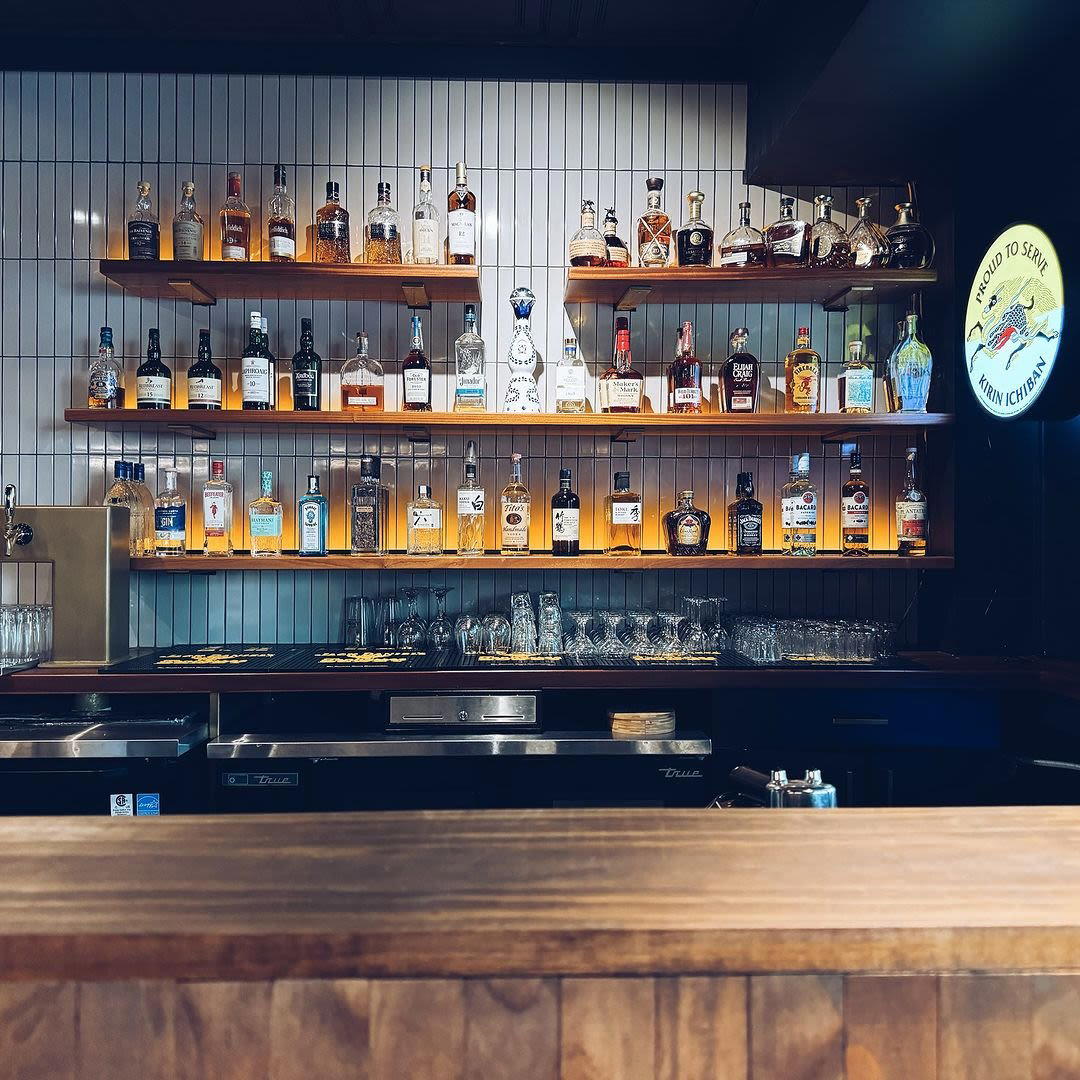
- Craft Cocktails
- A La Carte
- Small Plates
- Craft Cocktails
- Vegan Options
Current opening hours
- Monday
- 5–10 PM
- Tuesday
- 5–10 PM
- Wednesday
- 5–10 PM
- Thursday
- 5–10 PM
- Friday
- 11 AM–2:30 PM, 5–10 PM
- Saturday
- 11 AM–2:30 PM, 5–10 PM
- Sunday
- 11 AM–2:30 PM, 5–9 PM
Hours can change for holidays and private events. Last verified .
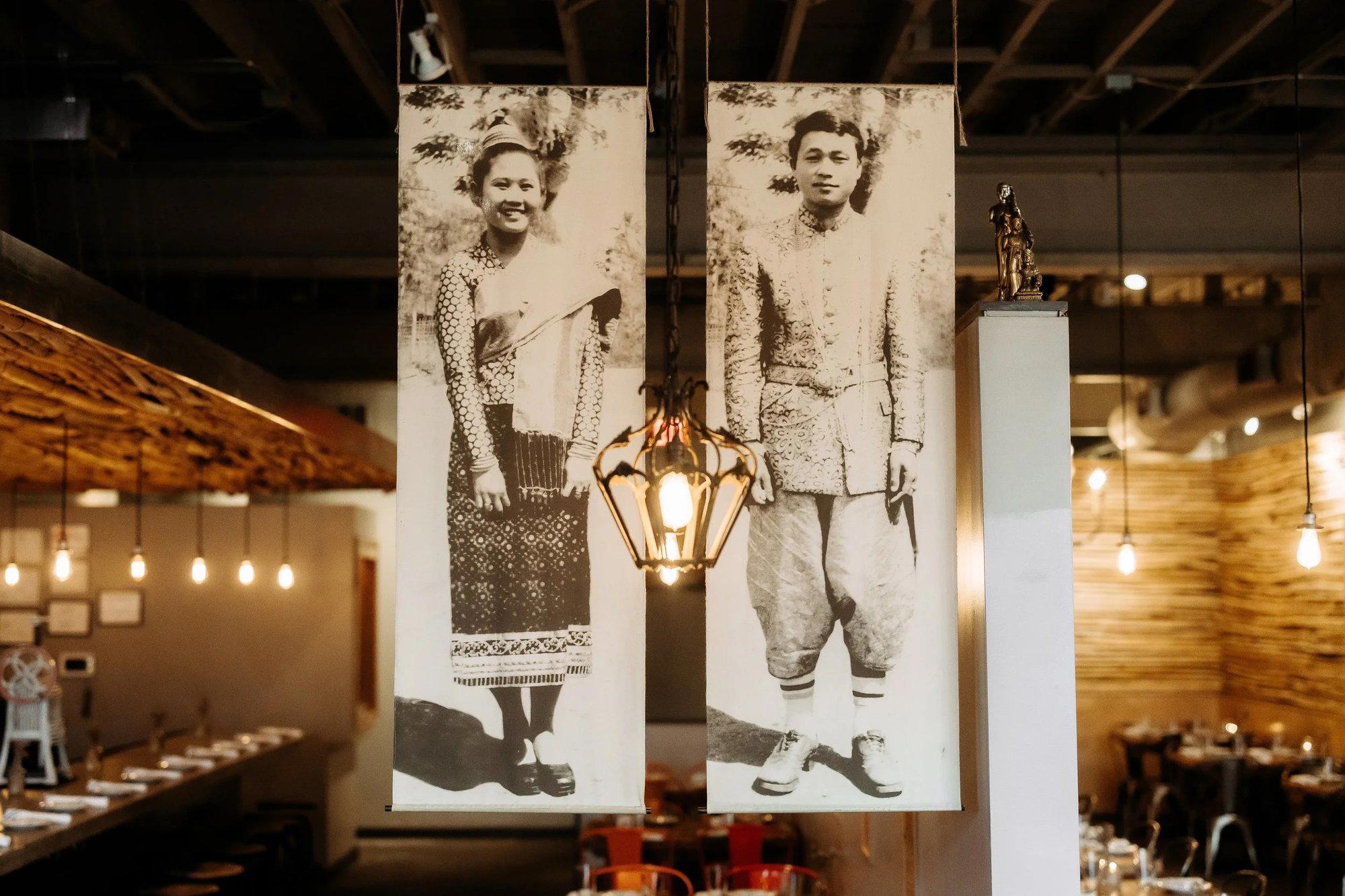
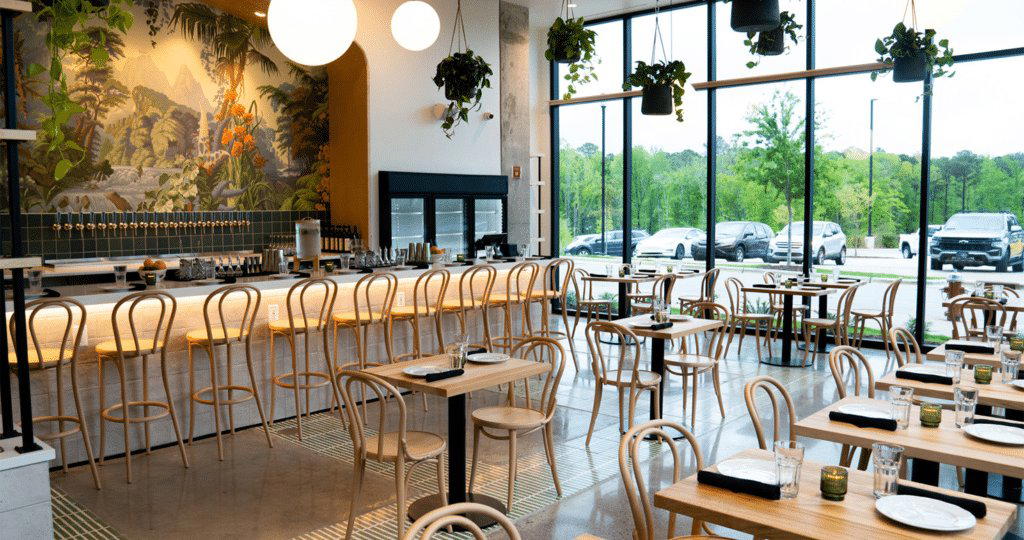
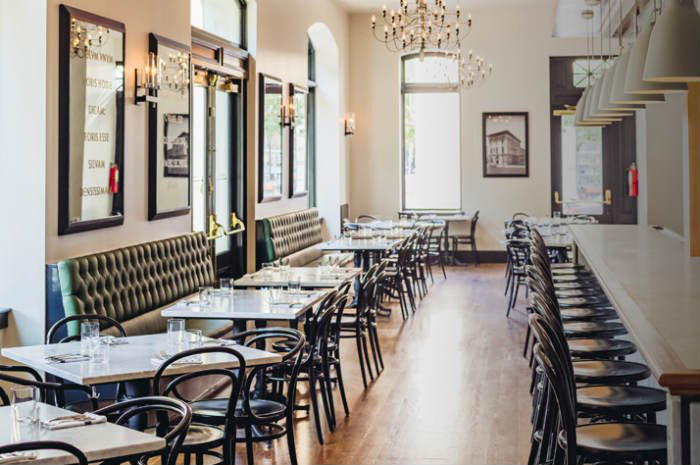
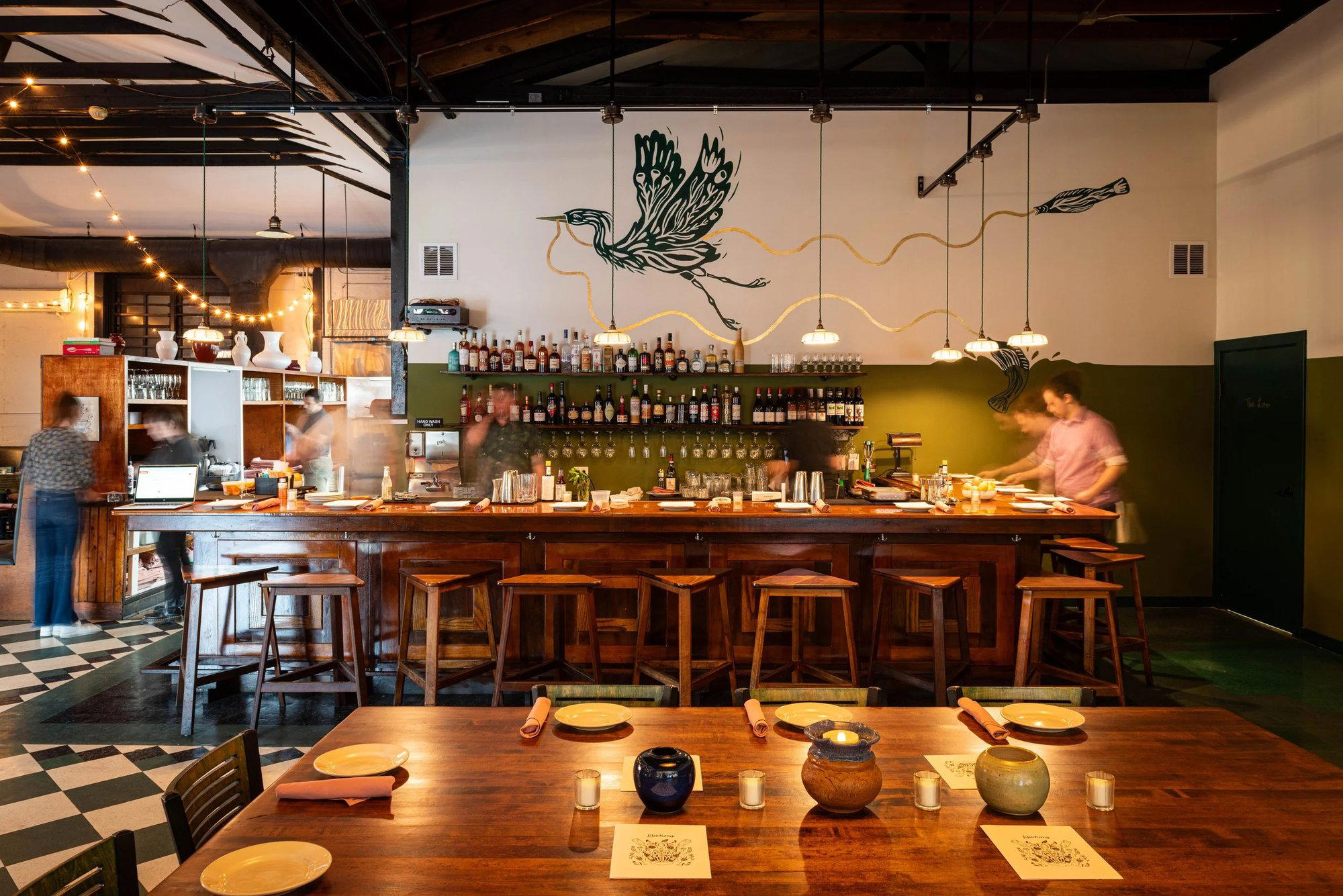
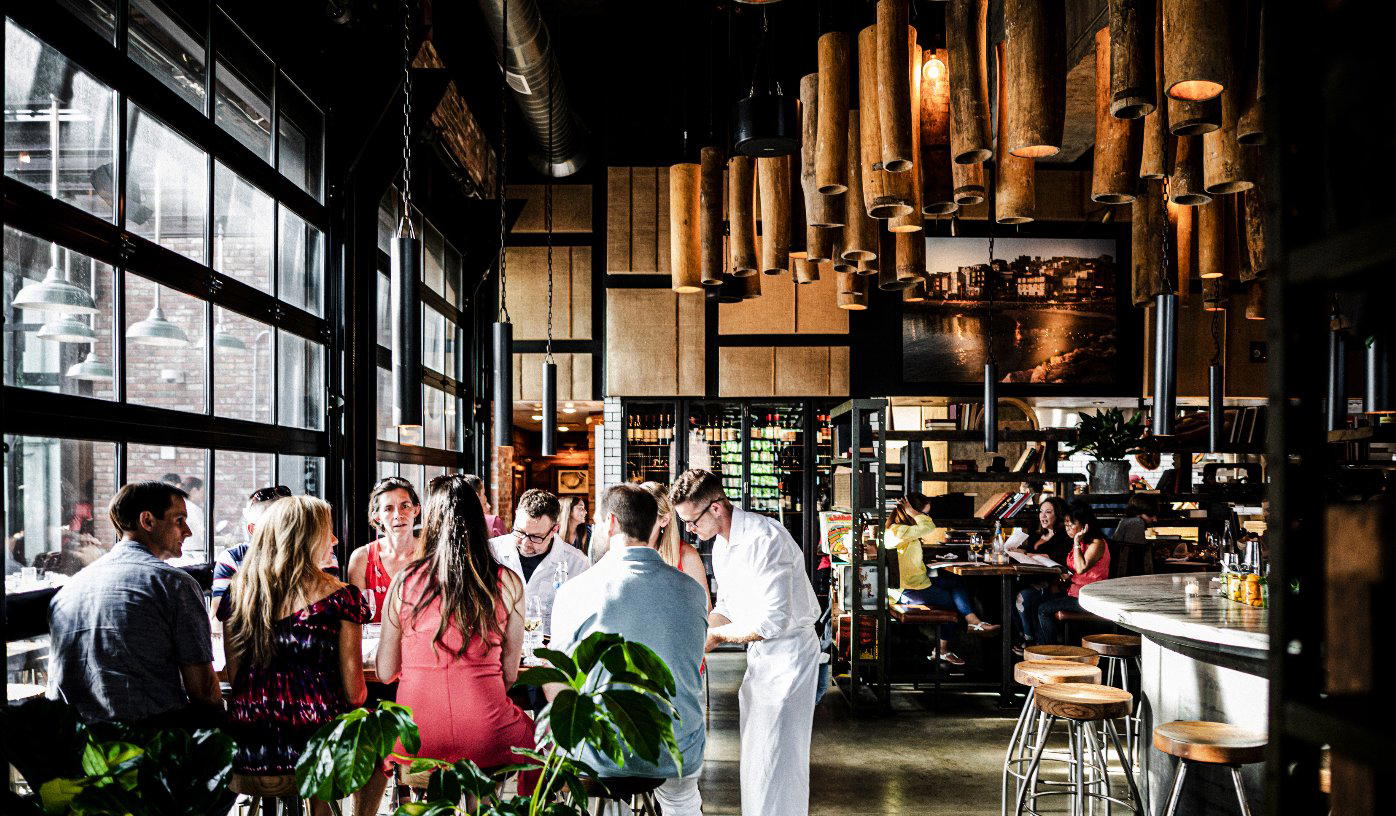
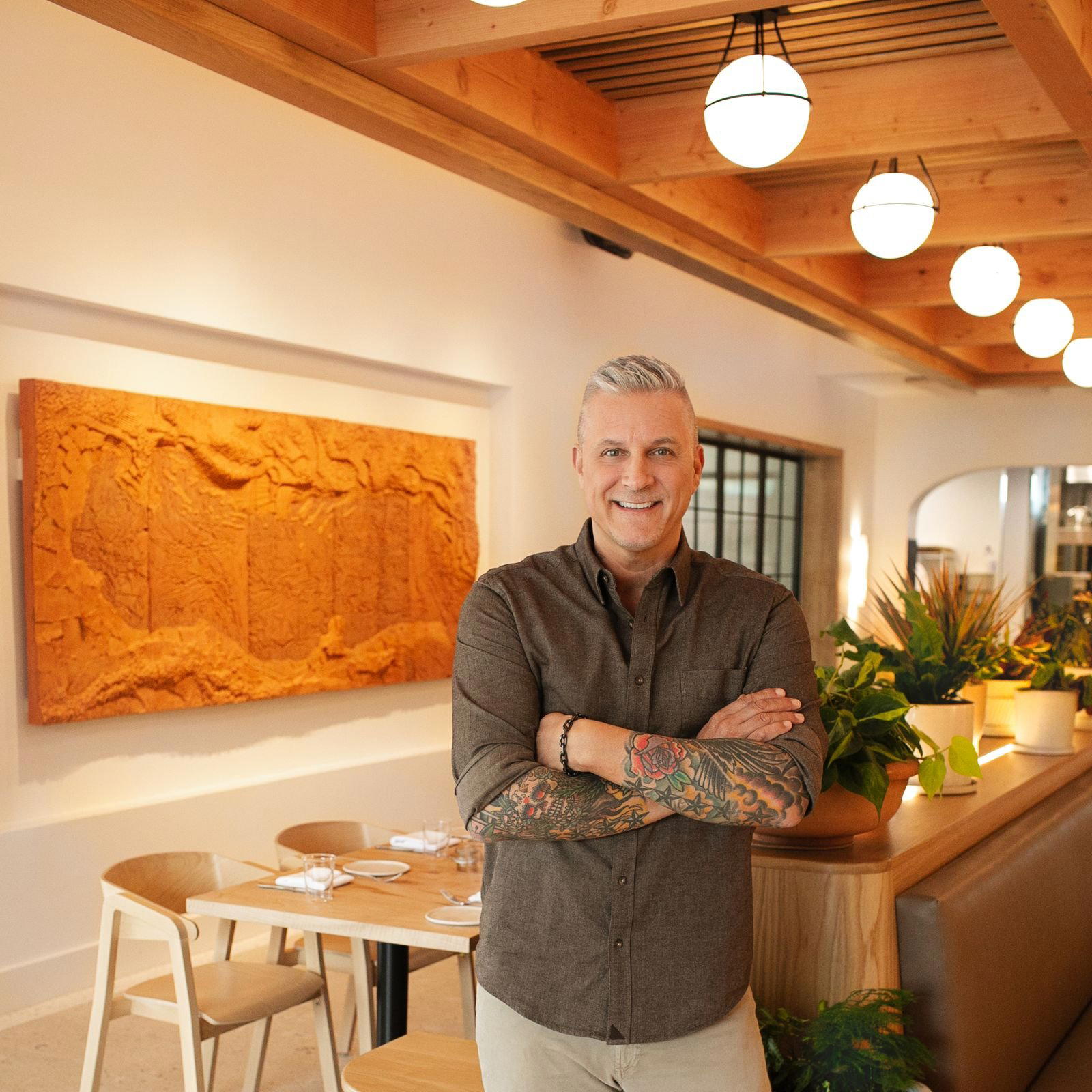
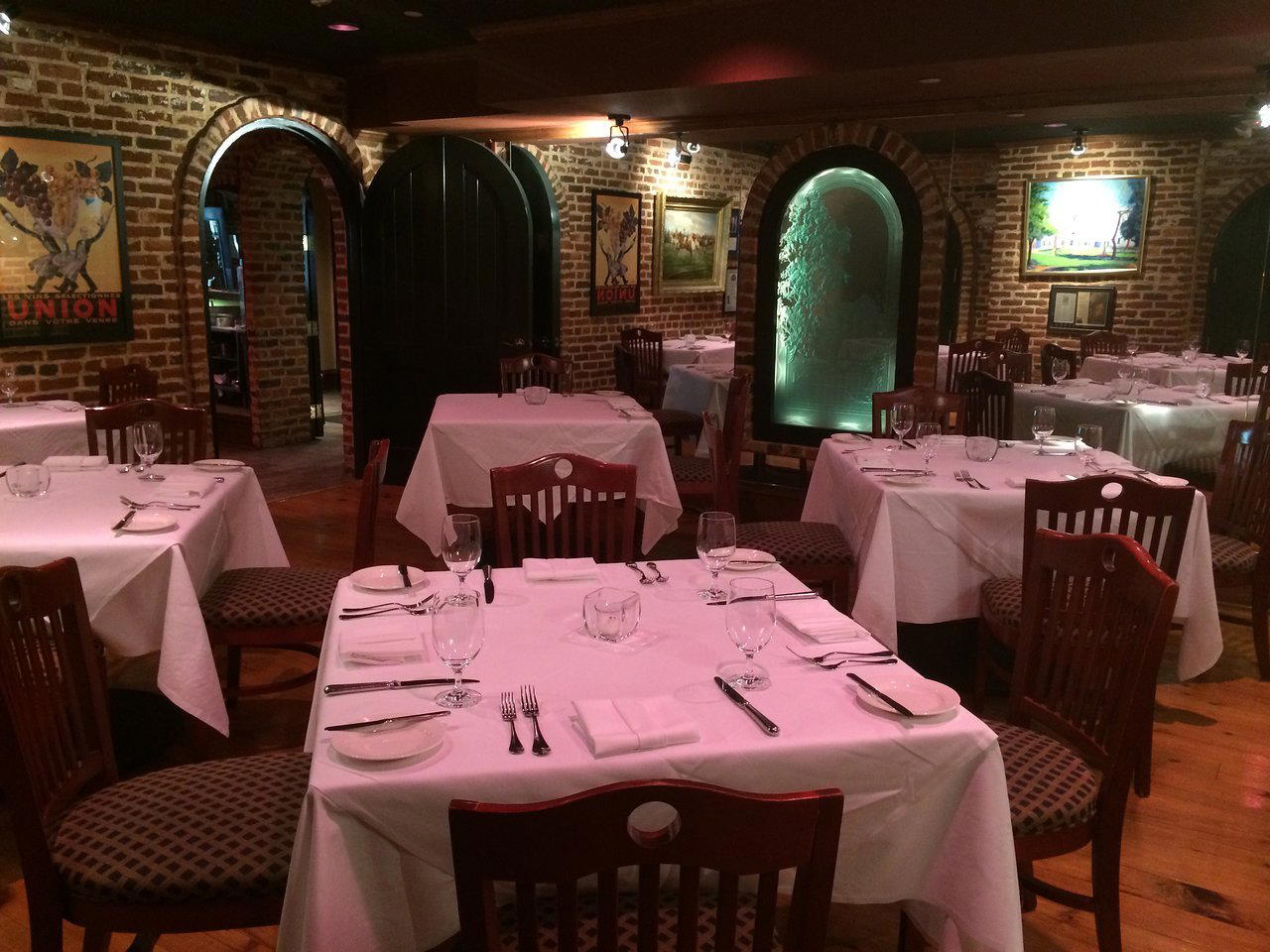
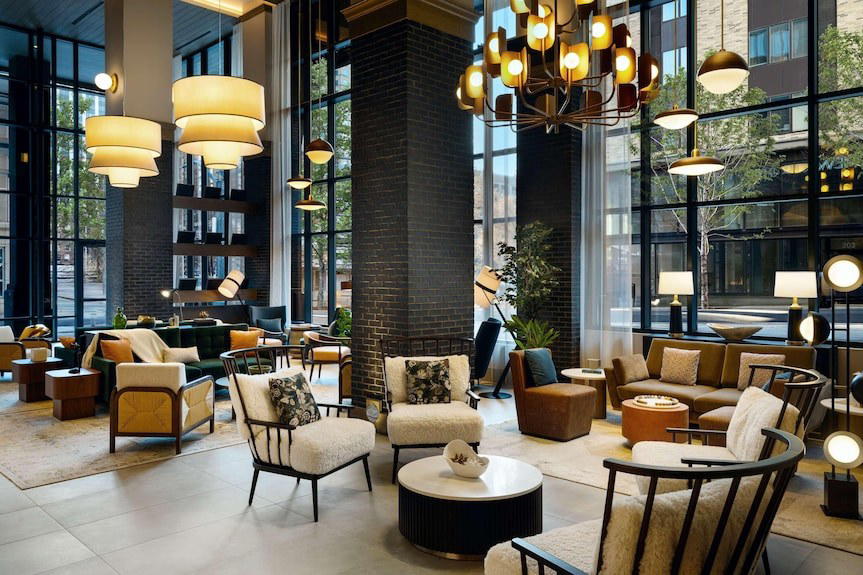
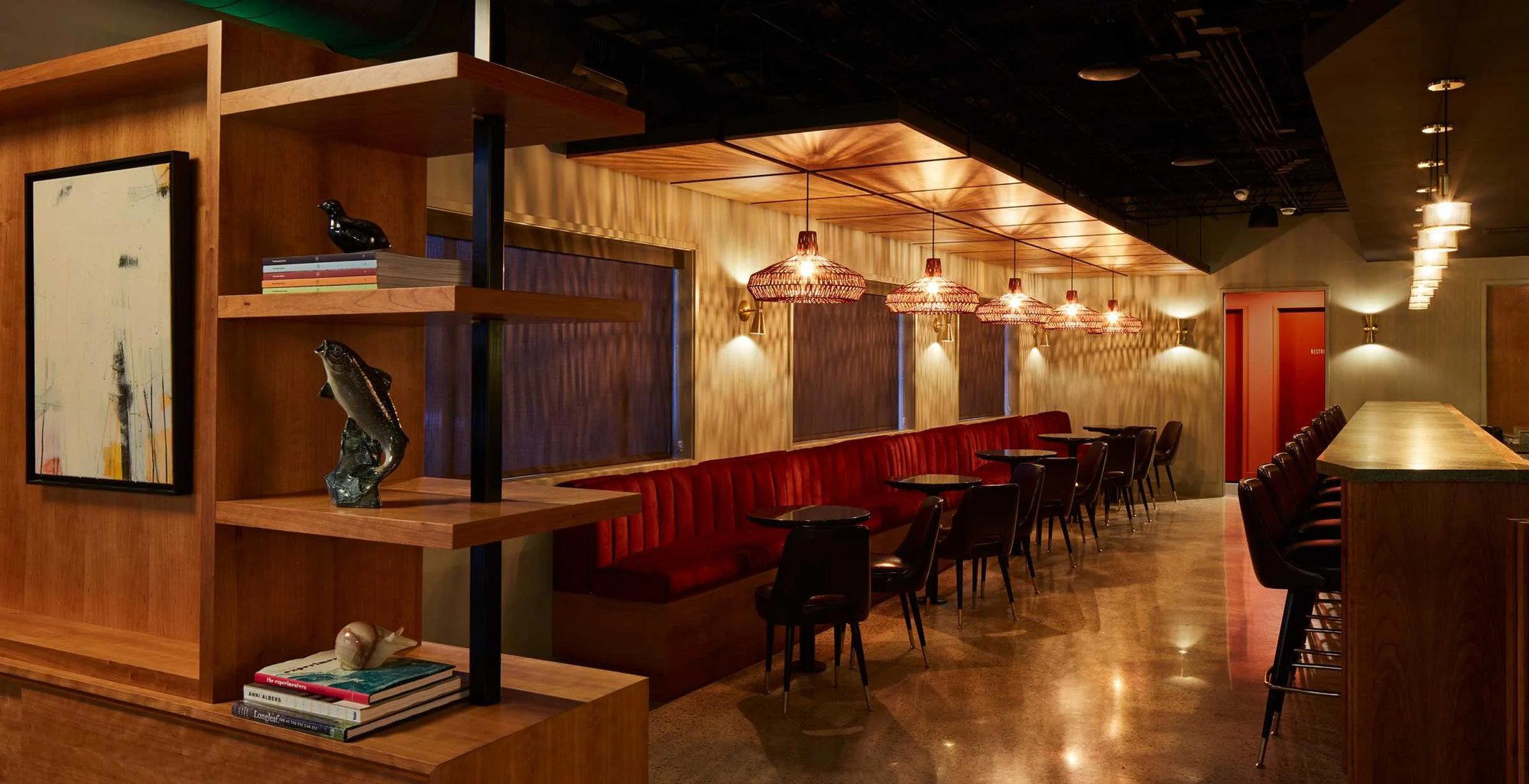
Simple yet beautiful decor blending modern and traditional elements with warm, pleasant lighting and a buzz of energy.