

Kanesaka Hong Kong brings a Tokyo-sushi grammar to Central, with Chef Seiji Taniguchi attached and a 2026 Opinionated About Dining Recommended listing in Asia. The useful way to read it is through seasonality: Hong Kong’s serious sushi counters compete on sourcing rhythm, rice temperature, pacing, and how tightly the room holds attention across lunch and dinner.
Pearl is the En Primeur Club membership app — saves, bookings, and concierge access live there. Same editors, same standards.
- Address
- 5/F, CCB Tower, 3 Connaught Rd Central, Central, Hong Kong
- Phone
- +852 5503 0913
- Website
- kanesakahk.com
 Saves & bookings on Pearl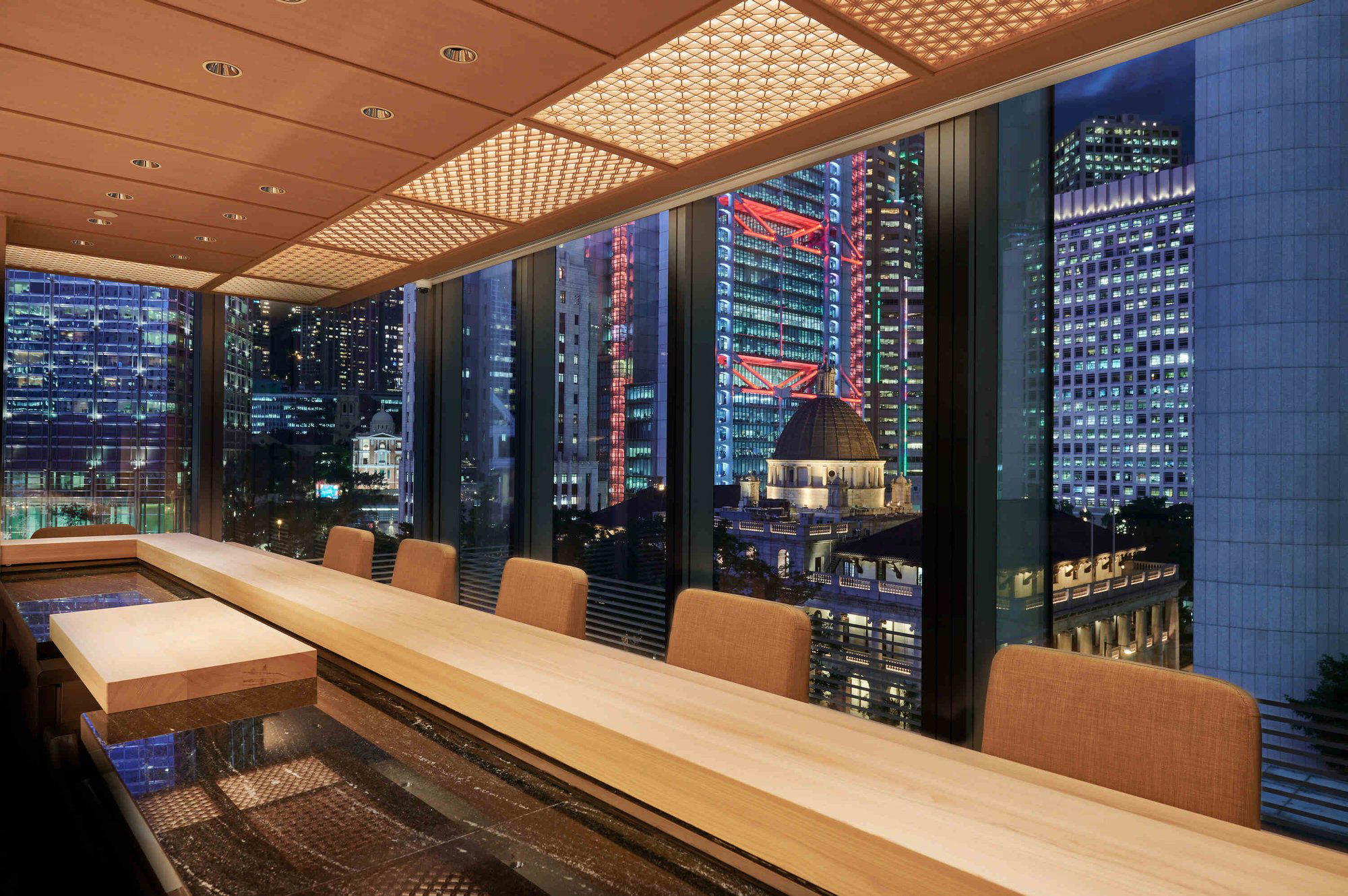
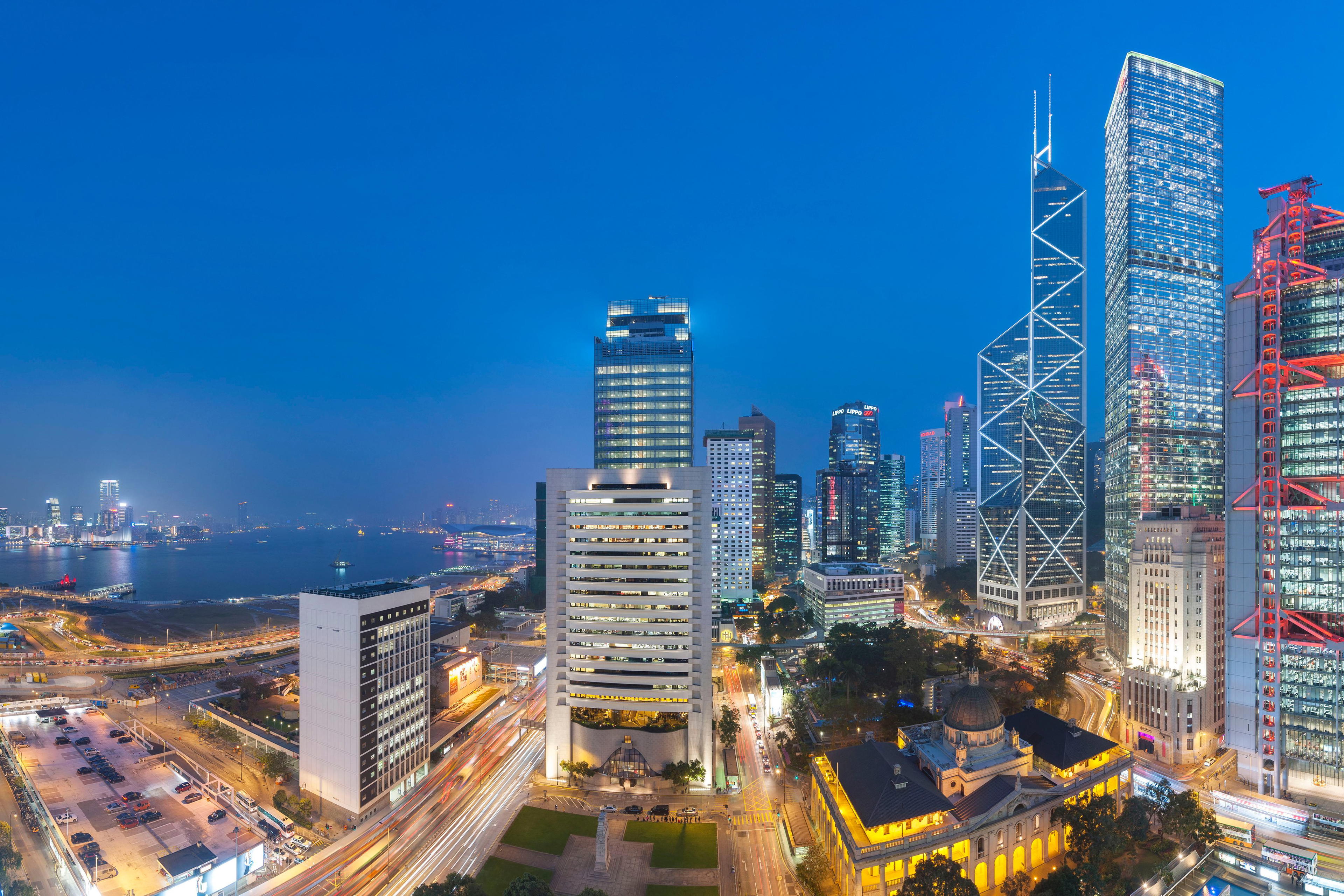
Serious sushi in Central is often vertical before theatrical: lifts, office towers, quiet corridors, then a room built for concentration rather than spectacle. Here, the counter reduces the meal to sequence, temperature, knife work, rice, and timing. Kanesaka Hong Kong belongs to the Japanese sushi tier where the calendar is not decoration; it is the operating system.
Hong Kong has spent years absorbing Tokyo-style omakase into its luxury dining habits. Diners know imported prestige from disciplined craft, and stronger counters must prove themselves against local Japanese specialists and the memory of meals in Ginza, Roppongi, Osaka, and Fukuoka. The room is in Central, but expectations come from Japan’s counter culture: short decision paths, close chef-to-guest contact, and a meal that changes as seafood quality shifts through the year.
Seasonality is the real structure of the counter
Sushi seasonality is procurement logic, not a romantic menu change. Spring brings shellfish and lighter textures; summer rewards clean acidity and leaner profiles; autumn and winter push richer fish, deeper aging decisions, and a different conversation around fat. Hong Kong’s strongest sushi counters compete on how convincingly they translate that Japanese calendar into a city dependent on imported product and precise logistics.
That matters more than a long dish list. Without verified menu detail, the sharper point is format: a counter like this lives or dies on sequencing. Rice temperature must hold its line. Fish cannot become a parade of luxury nouns. The chef’s hand must move the meal through contrast rather than repetition. Serious Hong Kong sushi usually understands restraint as rhythm, not slogan.
Kanesaka Hong Kong carries a 2026 Opinionated About Dining Top Restaurants in Asia Recommended listing, placing it in a regional conversation, not only a Central expense-account circuit. Chef Seiji Taniguchi gives the room a named culinary anchor, but the better reading is consistency across a narrow format: rice, fish, seasoning, pacing, and guest management, repeated service after service.
The local comparison set is dense. Sushi Ima, Sushi Kami, Sushi Fujimoto, Sushi Gin, and Sushi Hare all show the same reality: Hong Kong no longer treats sushi omakase as a novelty import. It is a mature category, with diners comparing counters by rice style, sourcing cadence, chef presence, and how much ceremony surrounds each piece.
Central's sushi economy rewards precision over theatre
Central is built for high-stakes dining: finance lunches, client dinners, late seatings after office hours, and customers used to Japanese restaurants that need little explanation. That can make sushi counters seem interchangeable, but distinctions are real. Some rooms lean into luxury codes; others chase Tokyo austerity; others adapt to Hong Kong’s polished hospitality. The question is not whether the meal is formal, but whether the format protects focus.
In this tier, the absence of à la carte sprawl is part of the argument. Omakase narrows the contract between kitchen and guest. The diner gives up control; the counter must repay trust with progression. A strong seasonal sushi meal makes timing legible without announcing it: early pieces calibrate the palate, the middle carries depth, and the final stretch resolves rather than exhausts. Hong Kong’s better Japanese counters know luxury is not volume. It is judgment.
The city also occupies a demanding supply position. It has access, capital, and an audience willing to pay for Japanese product, yet lacks Tokyo’s proximity. Logistics become craft. A Central sushi counter must be judged not only by ambition, but by whether seasonality survives the journey from market to service. The more serious the counter, the less forgiving the equation.
For readers mapping a broader Hong Kong itinerary, the contrast helps. 8½ Otto e Mezzo BOMBANA in Central And Western represents the polished European fine-dining lane, while Block 18 Doggie's Noodle in Yau Tsim Mong, Chin Sik in Tsuen Wan, and Habib's Indian & Middle Eastern Food in Kwun Tong show the city’s food culture beyond polished counters. Enchanted Garden Restaurant in Islands and Former Jumbo Floating Restaurant in Aberdeen sit in different registers, which is why Central sushi should be read as one specialized lane, not a summary of Hong Kong dining.
How to place it in a Hong Kong itinerary
The decision case is clear: this is for diners wanting a controlled sushi counter in Central, with Japanese seasonality as the organizing principle and an OAD Recommended signal for 2026. It is less suited to groups seeking a loose, conversational restaurant night, and better for pairs or small parties who care about pace and omakase discipline.
Timing changes the meal’s logic. Lunch can sharpen the counter’s restraint, especially for diners building a day around Central galleries, shopping, or meetings. Dinner gives the format more psychological space, particularly when the meal is the main event rather than a stop between appointments. The city’s humid summers and mild winters also affect appetite: lighter seasonal progressions read differently in July than richer late-year sushi sequences, which is part of the point.
Travelers comparing across cities should keep the frame honest. A Tokyo counter such as 3110, Sushi in Tokyo operates inside Japan’s native sushi ecosystem, while AKA to SHIRO, Sushi in Osaka belongs to another urban rhythm. Hong Kong’s version is not a replica; it is a translation shaped by Central rent, imported sourcing, and a clientele fluent in luxury Japanese dining.
For a fuller read on the city around it, use Our full Hong Kong restaurants guide alongside Our full Hong Kong hotels guide, Our full Hong Kong bars guide, Our full Hong Kong wineries guide, and Our full Hong Kong experiences guide. The sushi counter makes sharpest sense within that wider Central pattern: compact, expensive, international, and unusually sensitive to detail.
Booking and Cost Snapshot
Comparable venues by cuisine and price in the same metro.
| Venue | Cuisine | Price |
|---|---|---|
| Kanesaka Hong KongThis venue — the venue you are viewing | Central, Edomae Sushi Omakase | $$$$ |
| Nikushou | Wan Chai, Premium Yakiniku | $$$$ |
| Sushi Mori | Wan Chai, Traditional Japanese Omakase | $$$ |
| Sushi Haré | Sheung Wan, Edomae Omakase Sushi | $$$$ |
| Wagyu Takumi | Wan Chai, French-Japanese Fine Dining | $$$$ |
| Sushi Gin | Wan Chai, Premium Japanese Omakase | $$$$ |
Recognition history
Dated appearances from independent guides and award organizations, with the underlying list record or original source where available.
Opinionated About Dining Top Restaurants in Asia Recommended
Opinionated About Dining
SCMP 100 Top Tables Restaurants
SCMP 100 Top Tables
Continue exploring
More in Hong Kong
Restaurants in Hong Kong
Browse all →
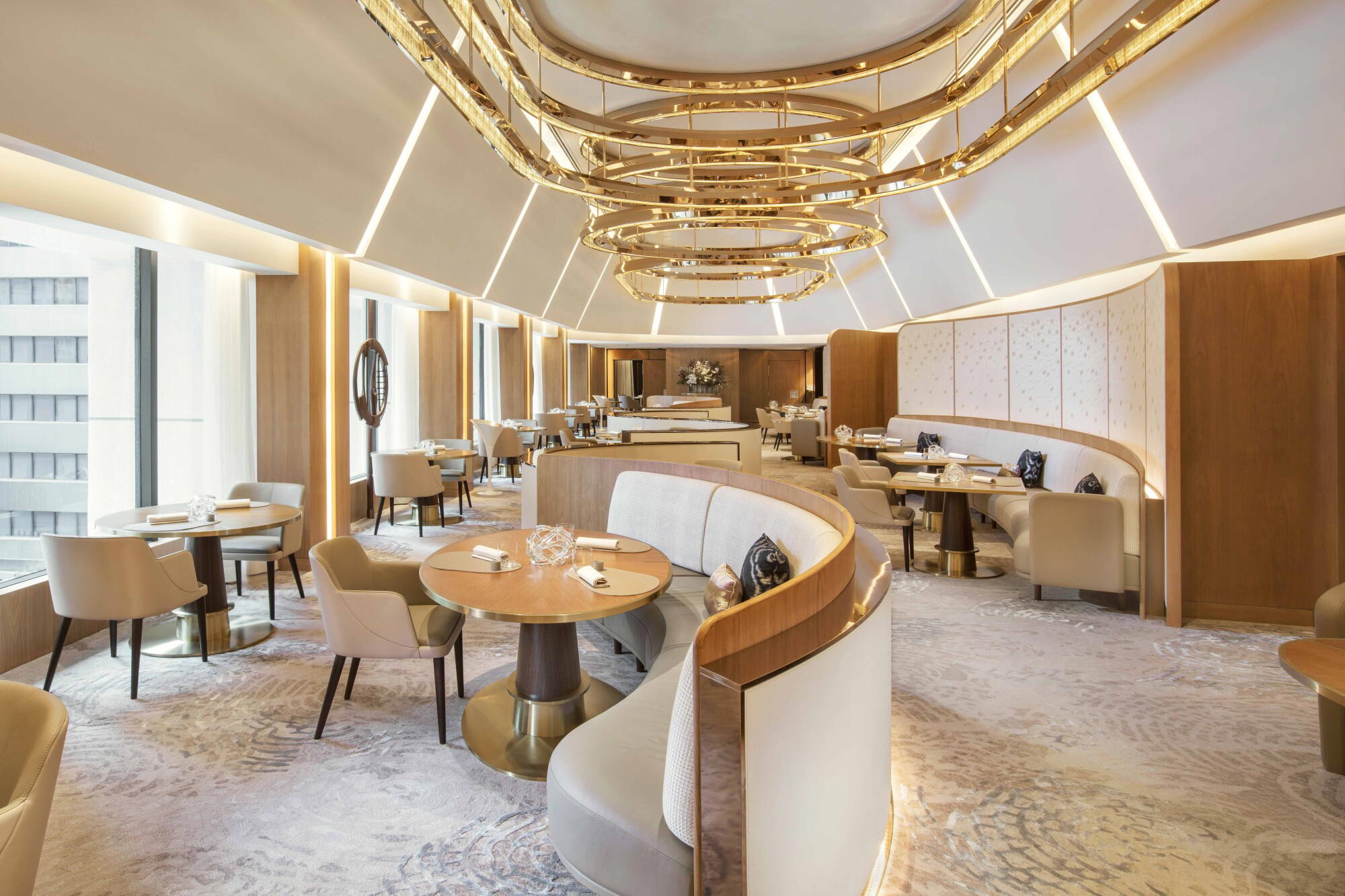
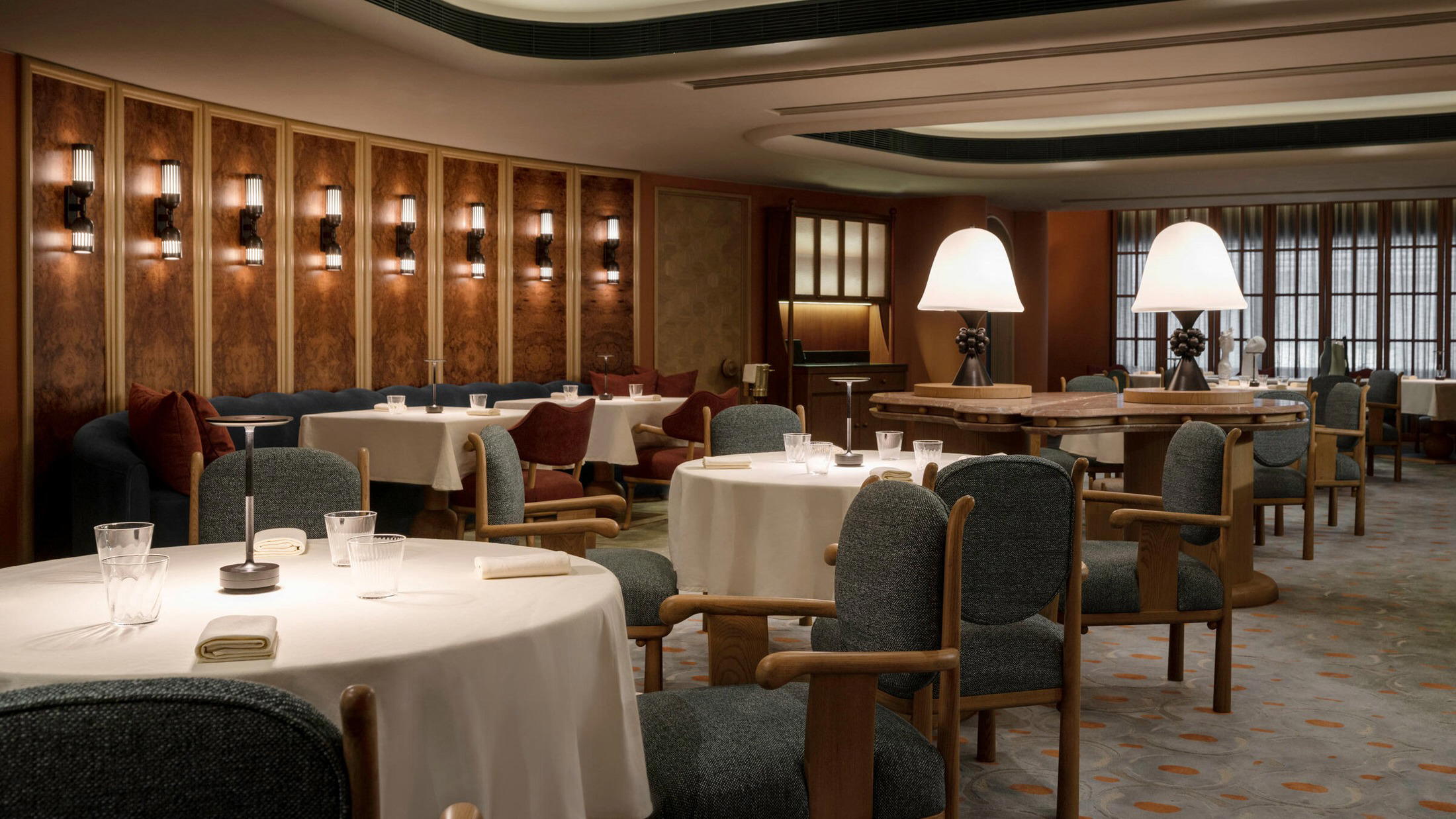
Bars in Hong Kong
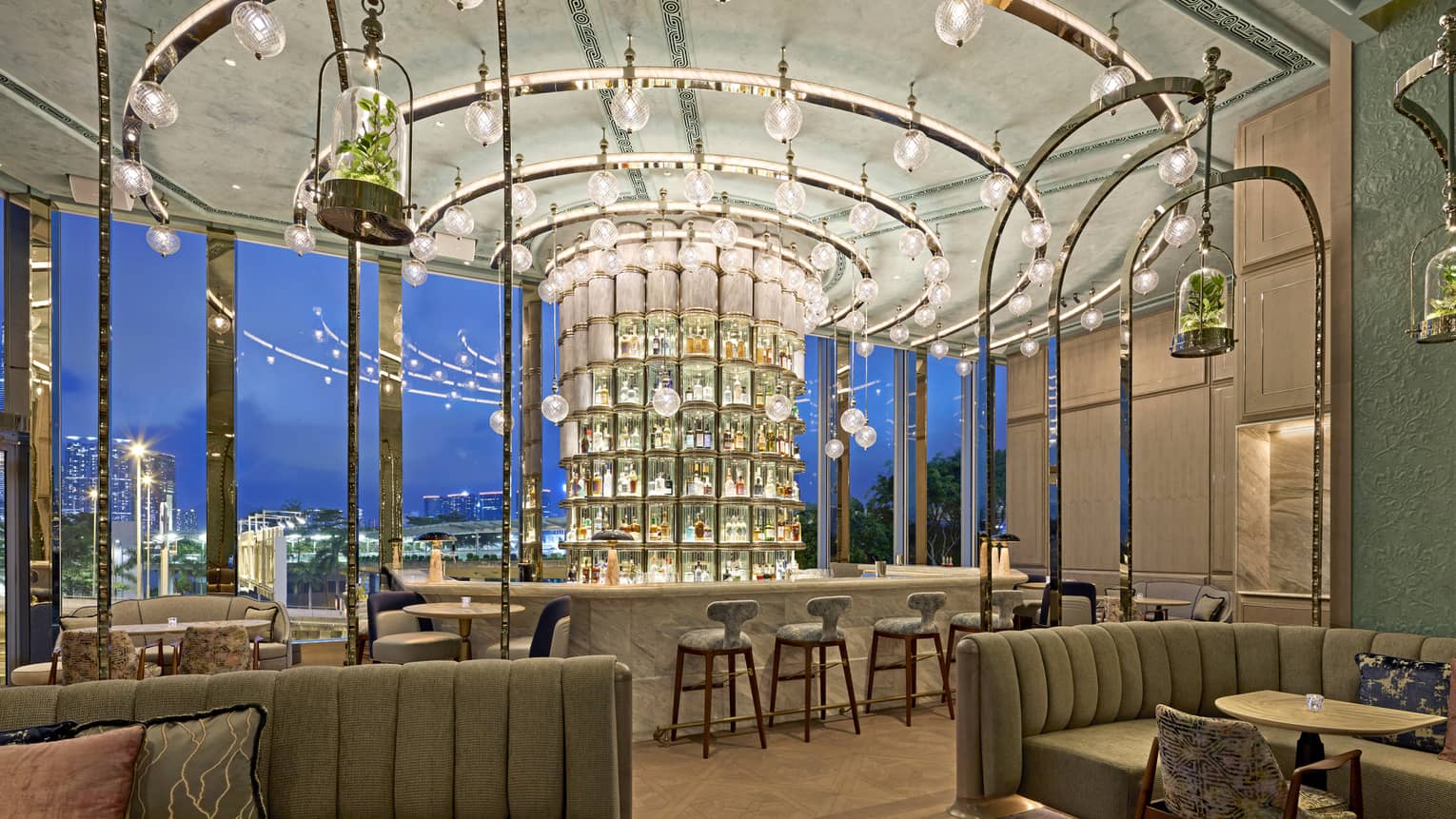
Browse all →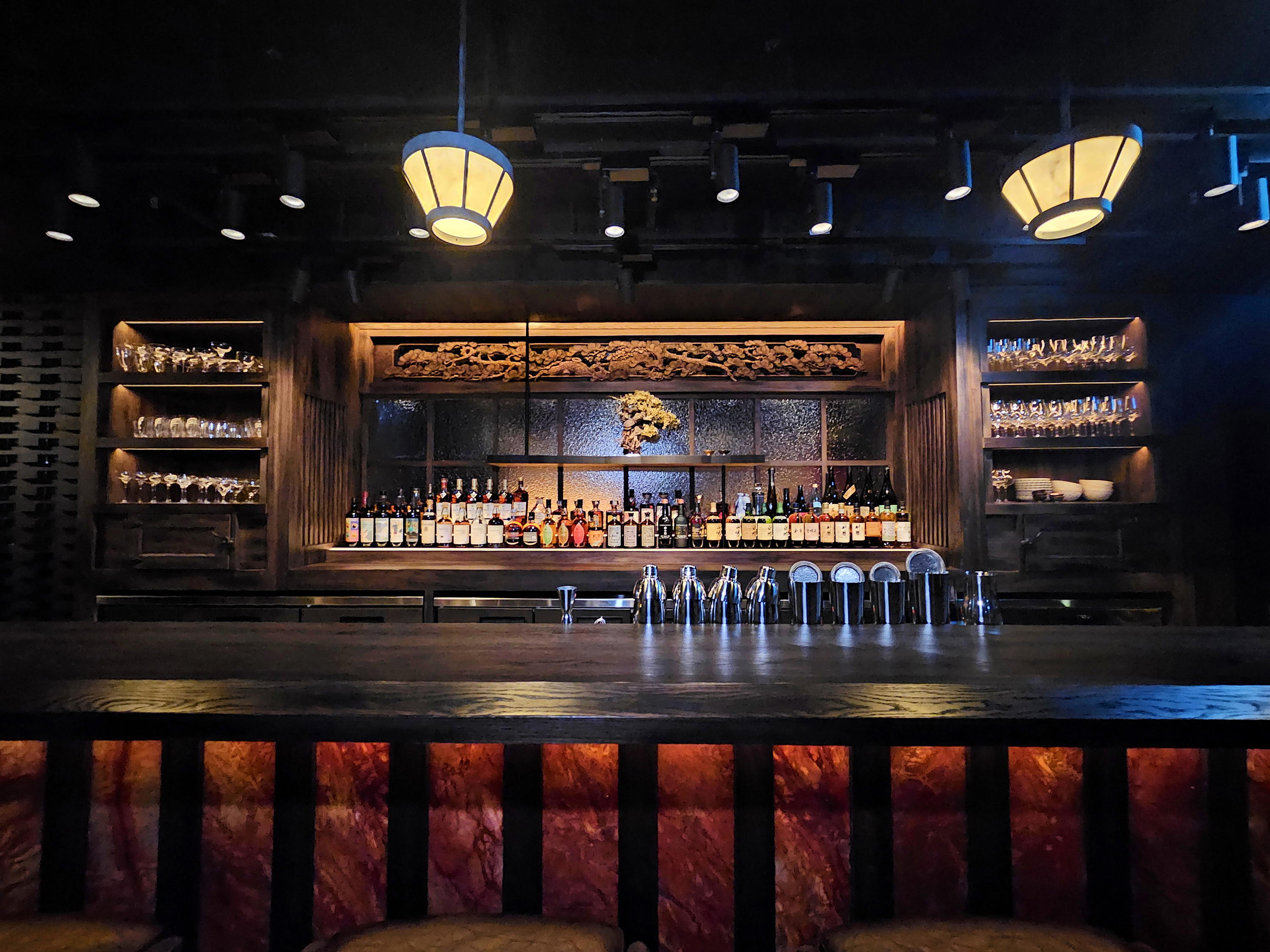
At a Glance
- Elegant
- Intimate
- Sophisticated
- Classic
- Minimalist
- Ornate
- Date Night
- Business Dinner
- Celebration
- Special Occasion
- After Work
- Solo
- Chefs Counter
- Private Dining
- Design Destination
- Standalone
- Panoramic View
- Sake Program
- Extensive Wine List
- Sustainable Seafood
- Skyline
Current opening hours
- Monday
- 12–3 PM, 7–11 PM
- Tuesday
- 12–3 PM, 7:30–11 PM
- Wednesday
- 12–3 PM, 7:30–11 PM
- Thursday
- 12–3 PM, 7–11 PM
- Friday
- 12–3 PM, 7–11 PM
- Saturday
- 12–3 PM, 7–11 PM
- Sunday
- Closed
Hours can change for holidays and private events. Last verified .
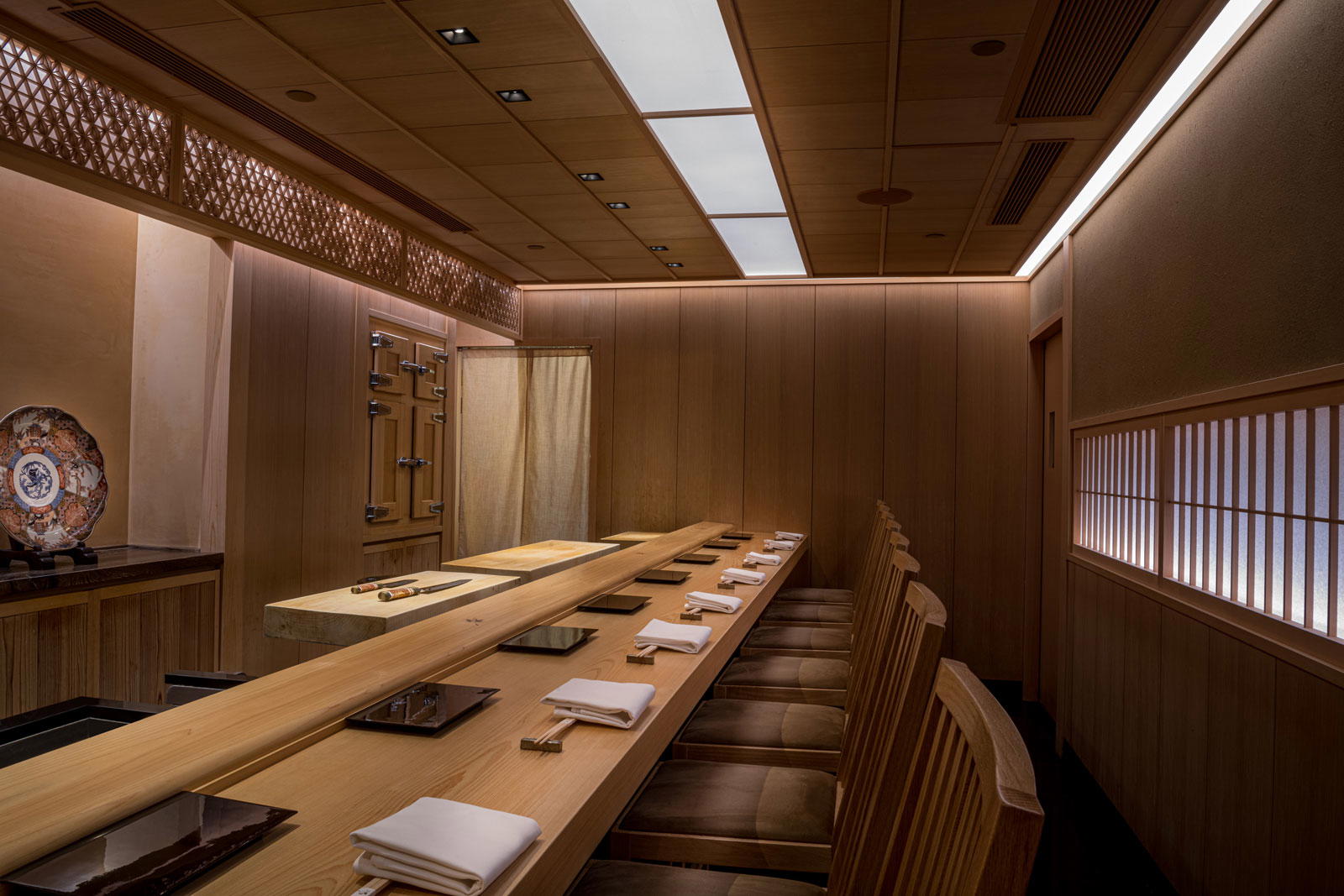
Traditional yet minimalist Japanese design with a long hinoki-wood counter, handcrafted kumiko ceiling patterns, and a serene, quietly luxurious atmosphere suited to focused omakase dining.