Our verdict
Wagyu Takumi occupies a focused position in Wanchai's premium dining circuit, addressing the gap between Hong Kong's French-influenced fine dining establishments and the city's growing appetite for specialist Japanese beef cuisine. Located at The Oakhill on Wood Road, the restaurant places wagyu as both subject and structure, building its menu around the logic of the ingredient rather than around any single culinary tradition.
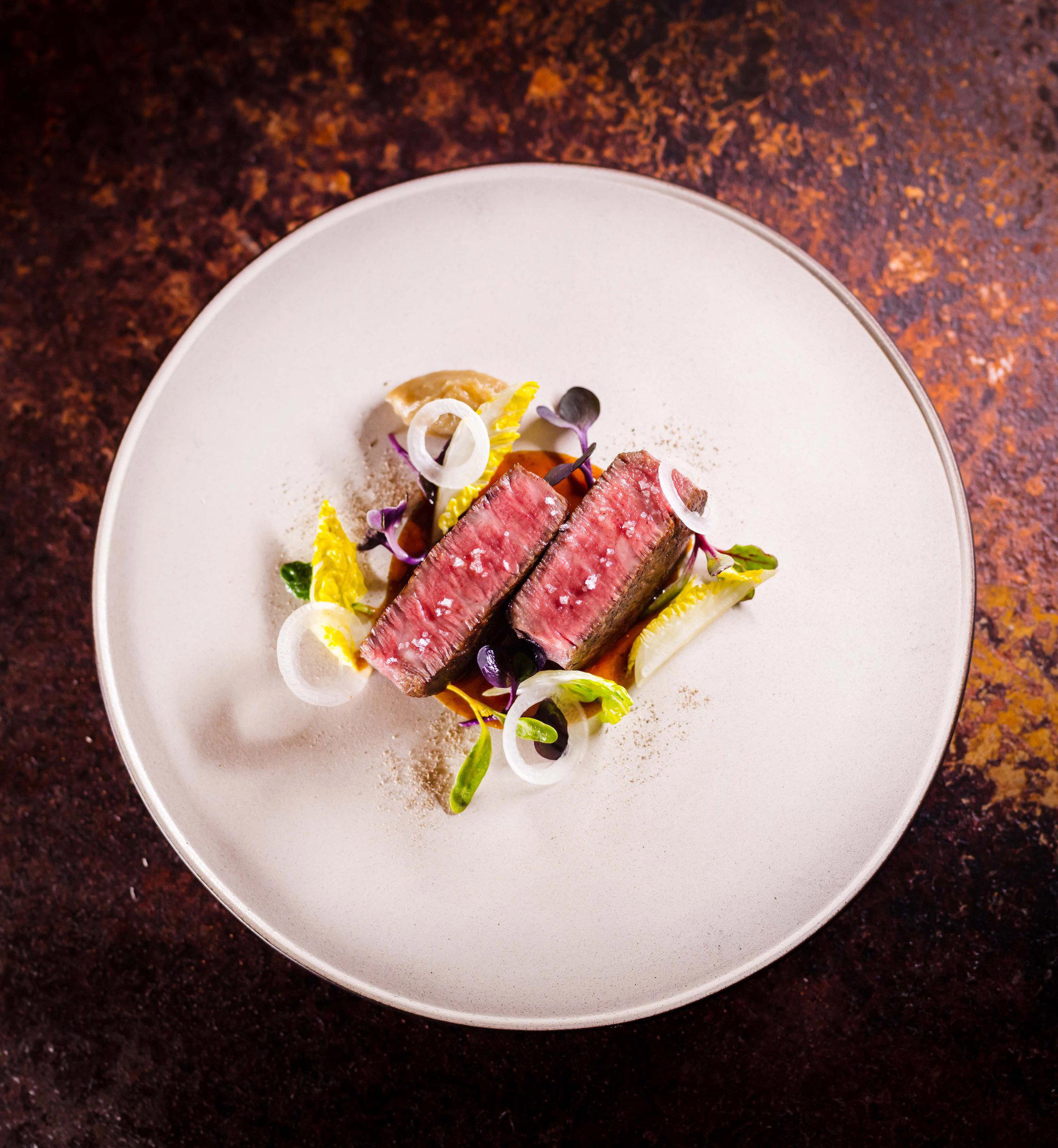
The menu
What to order
- Abalone with Barley Risotto
- Charcoal Grilled Wagyu Tenderloin
Where Wanchai's Premium Dining Meets Specialist Beef Cuisine
Hong Kong's fine dining circuit has long been anchored by French technique and Cantonese tradition. The city's Michelin-starred tier is populated by institutions like Caprice and Amber at the French end, and Forum holding the Cantonese standard. But a parallel movement has been building in the city's premium restaurant scene: the rise of Japanese-inflected specialist formats, where a single ingredient or tradition structures the entire menu. Wagyu Takumi, located at The Oakhill on Wood Road in Wanchai, sits inside that movement. The address is direct enough, a mid-rise building in a district that has been quietly accumulating serious dining options alongside its longstanding reputation for nightlife and convenience. What the restaurant attempts is less obvious from the address: a menu built around wagyu as a discipline rather than as a luxury flourish.
The Architecture of a Wagyu Menu
Across the broader global dining conversation, menus structured around a single premium protein tend to fall into two categories. The first treats the ingredient as spectacle: a marble-grade number displayed at the table, a cart wheeled past, a server explaining provenance in theatrical terms. The second treats the ingredient as a subject worthy of formal study, building a progression of preparations that teaches the diner something about what the animal can do at different cuts, temperatures, and cooking methods. The second approach is considerably harder to execute and considerably more interesting to eat through.
The name Takumi (匠) signals the second intention. In Japanese culinary culture, the term refers to a craftsperson whose skill has reached the level of mastery through sustained, disciplined practice. Applied to a restaurant concept, it implies that the menu is structured to demonstrate range and depth within a constraint rather than to accumulate luxury signals. Comparable approaches have emerged at Japanese beef specialists in Tokyo and Osaka, where multi-course wagyu formats have developed their own grammar: raw preparations first, delicate cuts before richer ones, with fat content and cooking intensity building across the meal. Whether Wagyu Takumi's menu follows this grammar precisely is a question that warrants a reservation to answer; what the name and concept indicate is that the architecture is intentional.
This approach places Wagyu Takumi in a different competitive conversation from Hong Kong's Italian and French fine dining establishments. 8½ Otto e Mezzo Bombana and Ta Vie both operate in the $$$$ price tier, but their menus are structured around culinary synthesis and chef authorship. A specialist wagyu format operates on different logic: the ingredient is the author, and the kitchen's job is to present its range with clarity and restraint. That is a harder proposition to sustain across a full meal, and the handful of restaurants globally that do it well tend to develop devoted followings precisely because the format is so specific. Internationally, restaurants like Le Bernardin in New York City have demonstrated how a single protein focus (in that case, fish) can underpin a multi-decade fine dining institution when the kitchen's commitment to the subject is sustained.
Wanchai as a Dining Address
The Wanchai address carries meaning for Hong Kong diners that outsiders sometimes underestimate. The district sits between the concentrated luxury of Central and the residential density of Causeway Bay, and it has historically attracted restaurants that want serious clientele without the commercial pressure of the most expensive retail corridors. The neighbourhood has housed significant dining destinations across Cantonese, Japanese, and international categories over the years. Wood Road, where The Oakhill stands, is a quieter residential pocket of Wanchai, which positions Wagyu Takumi as a destination restaurant rather than a foot-traffic operation. Diners travel to it with intent, a dynamic that consistently correlates with higher kitchen standards and more engaged service.
For context on what the broader Wanchai and Wan Chai district dining offer looks like, our full Hong Kong restaurants guide maps the city's key dining neighbourhoods and price tiers. Visitors with a multi-day itinerary should also consult our Hong Kong hotels guide, our Hong Kong bars guide, and our Hong Kong experiences guide to build out a fuller picture of the city's premium hospitality circuit.
Wagyu as a Global Category
The market for premium wagyu has expanded significantly across Asian dining capitals over the past decade. Where Japanese beef was once confined to teppanyaki formats or appeared as a single supplement course within broader menus, it has developed its own dedicated restaurant category in Hong Kong, Singapore, Shanghai, and Seoul. This shift mirrors what happened with omakase sushi in the same cities: a format that was once exclusively a Japan export has been interpreted locally with varying degrees of fidelity and ambition.
The quality ceiling for wagyu served outside Japan has also risen considerably, with direct import relationships and cold-chain logistics improving to the point where A5-grade Japanese beef can be served in Hong Kong at conditions close to those found in Tokyo's specialist beef restaurants. Restaurants in other cities have demonstrated that specialist beef menus can achieve international recognition at the highest levels; establishments like Alain Ducasse at Louis XV and Alléno Paris au Pavillon Ledoyen have shown that ingredient-focused menus, built with technical discipline, can operate at the top of the critical hierarchy. Closer in spirit to the specialist format, restaurants like Aponiente in Spain have demonstrated how a single-ingredient obsession can become a fully articulated dining philosophy. Arzak in San Sebastián similarly shows how a kitchen's sustained focus on a specific culinary identity produces depth over years. Lazy Bear in San Francisco and Atomix in New York City both demonstrate how format discipline and menu architecture function as primary differentiators in competitive fine dining markets.
Planning Your Visit
Wagyu Takumi is located at The Oakhill, 28 Wood Road, Wanchai. For current booking availability, hours, and pricing, direct contact with the restaurant or a check of current listings is advised, as operational details for specialist restaurants in Hong Kong can shift with menu cycles and staffing. Wanchai is accessible by MTR (Wanchai Station) and by taxi from Central in under ten minutes. For parallel dining references across Hong Kong's premium tier, our Hong Kong wineries guide covers the city's wine programming, which is relevant for pairing decisions at wagyu-focused meals where fat content and acidity balance matter significantly.
| Venue | Cuisine Focus | Price Tier | Format |
|---|---|---|---|
| Wagyu Takumi | Wagyu specialist | Contact for current pricing | Specialist multi-course |
| 8½ Otto e Mezzo Bombana | Italian | $$$$ | À la carte and tasting |
| Ta Vie | Japanese-French | $$$$ | Tasting menu |
| Caprice | French Contemporary | $$$$ | À la carte and tasting |
Frequently asked questions
Where do I go for Wagyu Takumi?
Wagyu Takumi is located at The Oakhill, 28 Wood Road, Wanchai, Hong Kong, China, Hong Kong.
How does Wagyu Takumi's Wanchai location compare to Hong Kong's Central fine dining district?
Wagyu Takumi sits at The Oakhill on Wood Road in Wanchai, a district that operates independently of Central's concentrated luxury corridor while drawing a similar level of considered dining interest from Hong Kong residents. For diners coming from Central or Admiralty, the venue is accessible without crossing into the further eastern districts. The Wanchai address has become a credible alternative fine dining zone, with several specialist restaurants choosing it precisely because it carries less of the tourist-facing pressure of Central's main strip.
What should I order at Wagyu Takumi?
The menu is structured around wagyu as the central subject, so the most instructive approach is to follow the full tasting progression if one is available rather than ordering selectively. At a specialist restaurant of this format in Wanchai, the sequencing of cuts and preparations is part of the kitchen's argument about the protein. Picking individual items risks missing the comparative logic the menu is built to deliver.
Is Wagyu Takumi reservation-only?
At wagyu-specialist restaurants operating at this positioning in Hong Kong, reservations are standard practice rather than optional. The format at Wagyu Takumi, located at The Oakhill on Wood Road in Wanchai, is unlikely to accommodate walk-ins reliably. check the venue's official channels to confirm current availability and booking procedures.
What's the defining dish or idea at Wagyu Takumi?
The defining idea is the menu's structure itself: wagyu treated as a subject of sustained kitchen attention across multiple preparations rather than as a single luxury centrepiece dropped into a broader menu. That approach separates Wagyu Takumi from teppanyaki-format venues and from restaurants where a wagyu cut appears as one course among many. The Wanchai address places it in a Honk Kong dining tier that sits between Wan Chai's neighbourhood grain and the concentrated luxury of Central.
Can Wagyu Takumi handle vegetarian requests?
Vegetarian accommodation at a wagyu-specialist restaurant is structurally limited. The protein is the conceptual and operational foundation of the menu at Wagyu Takumi, not one option among several. Guests with vegetarian requirements should contact the restaurant at The Oakhill, 28 Wood Road, Wanchai directly before booking to understand what, if any, substitution is possible.
Price and Positioning
A short peer table to compare basics side-by-side.
| Venue | Cuisine | Price | Awards | Notes |
|---|---|---|---|---|
| Wagyu TakumiThis venue (the venue you are viewing) | French-Japanese Fine Dining | Not listed | Not listed | Not listed |
| 8 1/2 Otto e Mezzo Bombana (Hong Kong) | 3 Michelin-Star Italian Fine Dining | $200–300 | 3 Michelin Stars · World's 50 Best #94 | Italian |
| Ta Vie | Modern French-Japanese Fine Dining | $300–500 | 3 Michelin Stars · World's 50 Best #68 | Japanese - French, Innovative |
| Caprice | Contemporary French Fine Dining | $200–300 | 3 Michelin Stars · World's 50 Best #35 | French, French Contemporary |
| Feuille | Modern Vegetable-Forward French | $200–300 | 1 Michelin Star · World's 50 Best #93 | French Contemporary |
| Neighborhood | Modern French with Asian Influences | $50–100 | 1 Michelin Star · World's 50 Best #24 | International, European Contemporary |
Continue exploring
More in Hong Kong
Restaurants in Hong Kong
All restaurants in Hong Kong →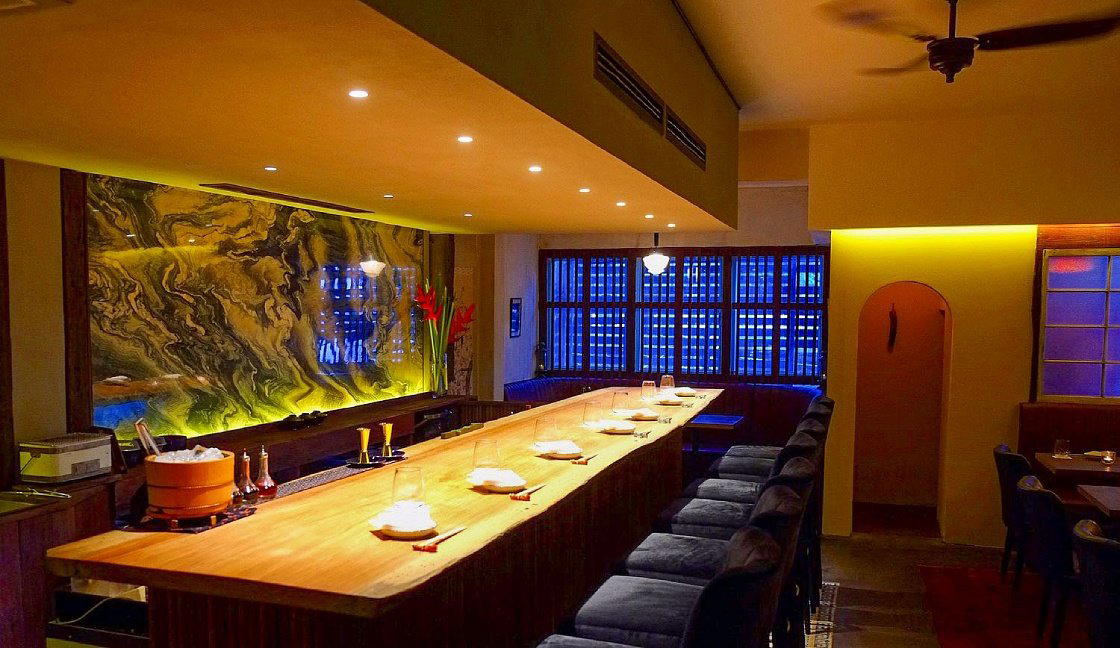
Bars in Hong Kong
All bars in Hong Kong →
Hotels in Hong Kong
All hotels in Hong Kong →

Wineries in Hong Kong
All wineries in Hong Kong →
Details
- Intimate
- Elegant
- Sophisticated
- Special Occasion
- Date Night
- Business Dinner
- Chefs Counter
- Open Kitchen
- Sake Program
- Extensive Wine List
- Tasting Menu
- Counter Dining
Minimalist and intimate with open kitchen counter seating around the chefs, creating an elegant and focused atmosphere.