Kamo Tei

Kamo Tei gives Sakuragawa a serious place in Japan’s chicken-cuisine conversation, pairing bird-focused cooking with soba in a house-style rural setting. Its selection for Tabelog’s 2025 Chicken Cuisine 100 gives the restaurant a clear external credential, while the format suits travellers interested in regional sourcing rather than city-centre tasting-menu theatre.
Pearl is the En Primeur Club membership app — saves, bookings, and concierge access live there. Same editors, same standards.
- Address
- 2575 Makabecho Shiio, Sakuragawa, Ibaraki 300-4414, Japan
- Phone
- +81 296-54-1122
- Website
- makabe-kamotei.sakura.ne.jp
 Saves & bookings on Pearl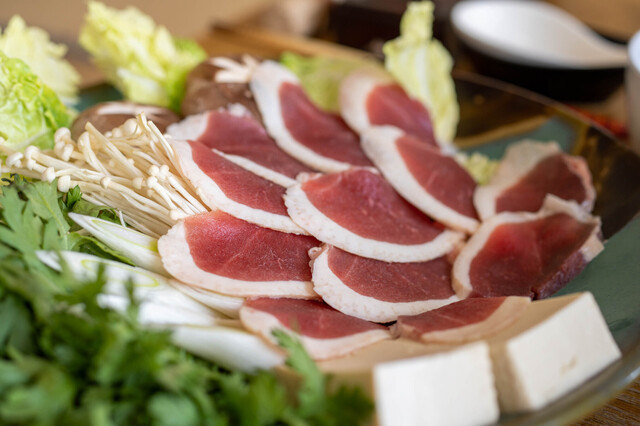
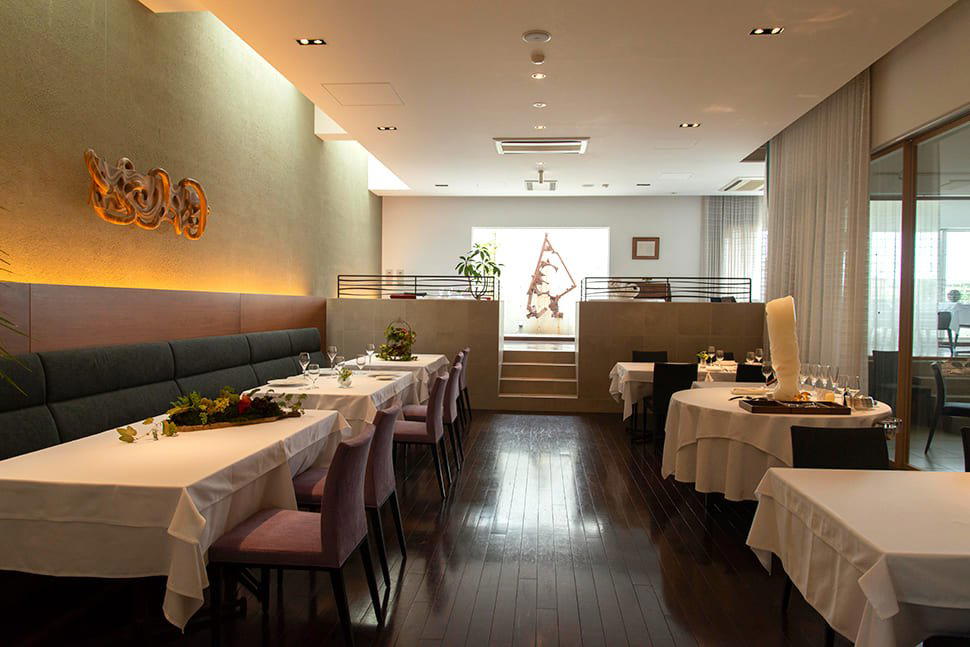
Approaching a rural house restaurant in Sakuragawa changes the terms of the meal before the first order is placed. This is not the dense-counter grammar of Tokyo yakitori or the polished hotel dining room model. The appeal sits closer to Japan’s countryside food culture: poultry, buckwheat noodles, sake, wine, tatami rooms, and a view-led setting that makes the meal feel tied to Ibaraki rather than imported from a metropolitan template.
That matters because chicken cuisine in Japan covers a wide field, from charcoal skewers and oyakodon to hot pots, regional game-bird traditions, and set meals built around stock, rice, and noodles. Kamo Tei enters that field from Sakuragawa with a narrower, ingredient-led identity: chicken dishes and soba. The pairing is practical rather than decorative. Buckwheat has long belonged to rural and mountain-adjacent foodways across Japan, while poultry gives the kitchen a broader register than a single noodle shop can usually offer.
Chicken and soba put Sakuragawa into a wider Japanese rural dining tradition
The useful comparison is not with luxury omakase counters. It is with the smaller group of regional Japanese restaurants where the ingredient category defines the trip. Tabelog selected Kamo Tei for its 2025 Chicken Cuisine 100, a category-specific signal that places it within a national conversation around toriryori rather than a generic local restaurant list. In a country where specialist rankings often separate ramen, soba, sushi, unagi, curry, and meat categories, that classification is useful: it tells the reader what the restaurant is being judged against.
Chicken-focused restaurants succeed or fail on restraint. The category has less cover than beef-heavy dining, where marbling can dominate the table, and less automatic ceremony than sushi or kaiseki. Texture, broth, grill work, seasoning, and rice or noodle structure carry more weight. Adding soba to the equation gives the meal a second axis: grain, aroma, and slurping temperature rather than only poultry fat and stock. For travellers building a food route through Ibaraki, that makes the stop more specific than a general Japanese meal and more regionally persuasive than another urban-style tasting counter.
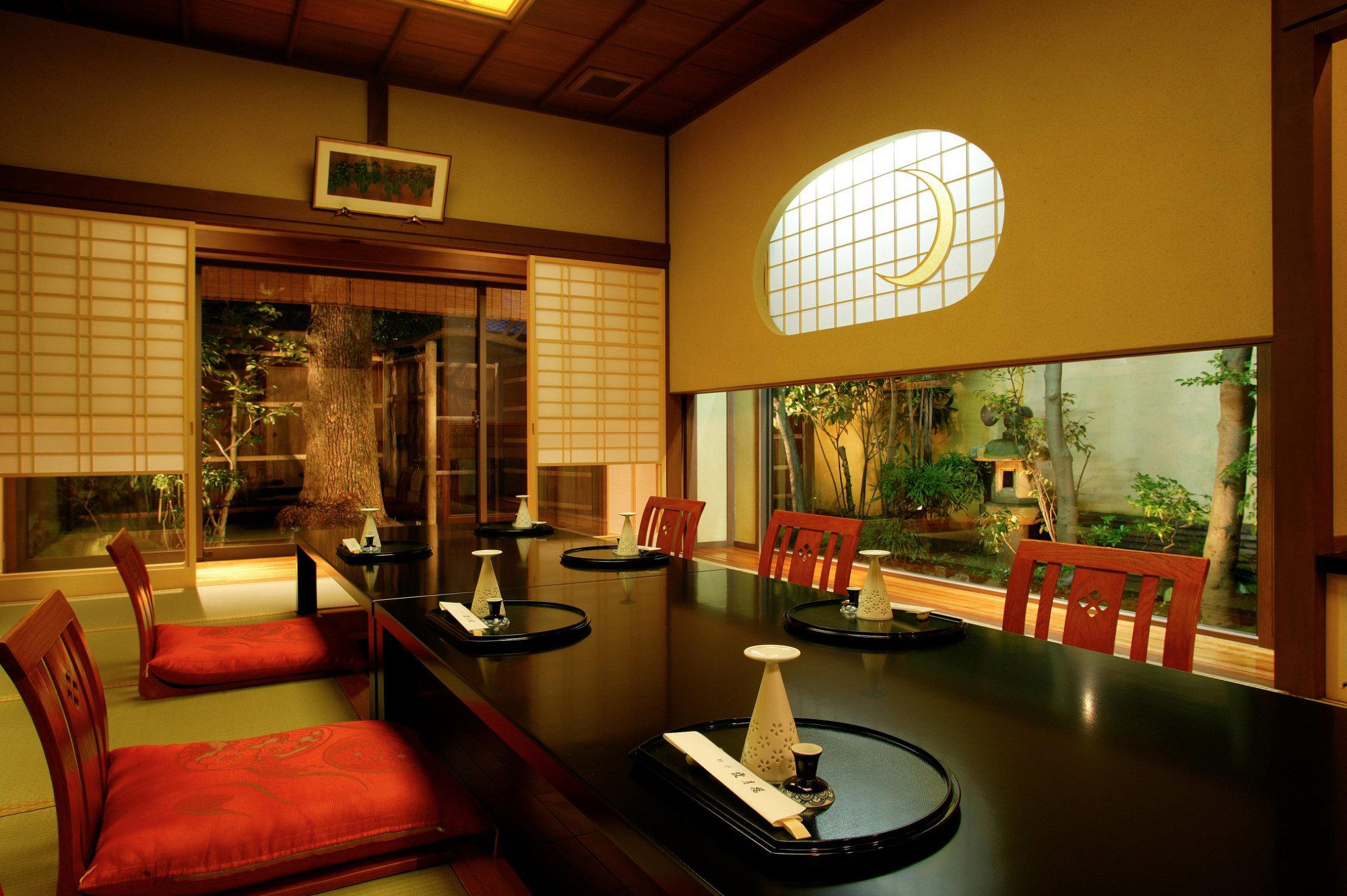
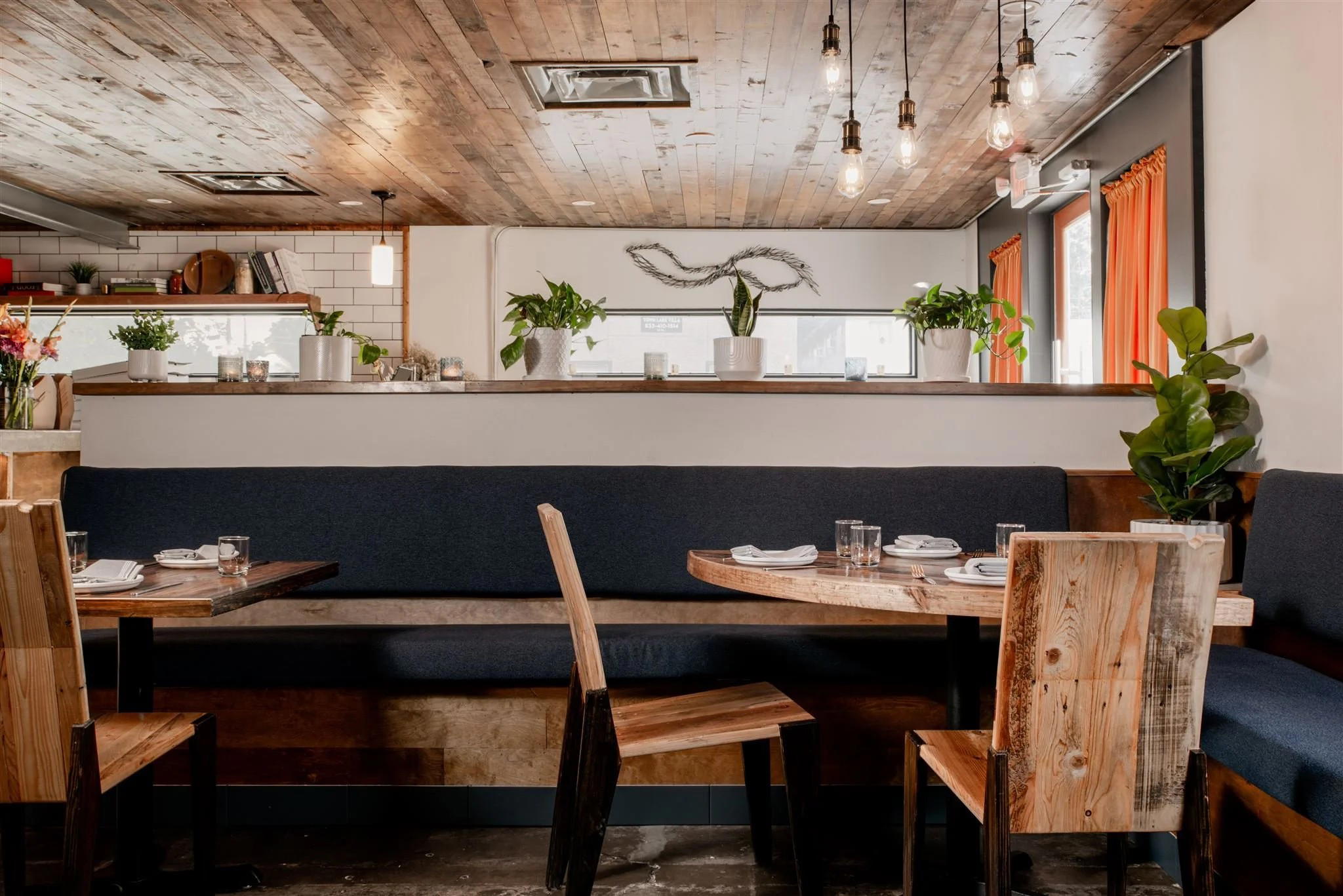
Sakuragawa also changes the read. Many visitors to Japan plan food around Tokyo, Kyoto, Osaka, and Fukuoka, then treat smaller cities as scenic add-ons. That misses how much of Japanese dining culture depends on agricultural proximity, local roads, and family-scale dining rooms. The house-restaurant setting, private rooms for small parties, tatami space, and non-smoking policy all point toward a slower regional format. The restaurant has 60 seats, so it is not an eight-seat destination counter; its strength is not scarcity theatre, but a specialist category executed in a setting that supports group meals and countryside pacing.
A house restaurant format, not a city-centre performance
Dining rooms outside Japan’s major restaurant corridors often ask for a different kind of attention. The room, the approach, and the meal rhythm become part of the food’s logic. A house restaurant with a view, tatami seating, parking, and private rooms for two reads as a place built for local use as much as destination dining. That is an advantage for travellers who want regional texture without turning lunch or dinner into a formal production.
The drinks list also signals moderation rather than spectacle: sake and wine sit alongside the food rather than forming a separate bar programme. That pairing suits the category. Poultry and soba do not need aggressive cellar architecture; they need drinks that can handle broth, salt, char, and buckwheat. Credit cards and QR code payments are accepted, while electronic money is not, a small but useful distinction in rural Japan where payment assumptions can still trip up visitors.
There is an important editorial distinction here. The restaurant’s Tabelog score of 3.61 and its 2025 Chicken Cuisine 100 selection are strong signs within Japan’s user-review and category-award ecosystem, but they do not turn the meal into a luxury ceremony. This is a regional specialist with national category recognition, not a metropolitan status room. That is precisely why it belongs on a Sakuragawa itinerary: it gives the city a food anchor with a clear reason to travel beyond convenience.
How to place it in a wider Japan food itinerary
For a Sakuragawa-focused trip, Kamo Tei works as the food stop that explains the area better than a generic café or station meal. Travellers comparing local options will notice that nearby out-of-metro peers in the broader Ibaraki orbit often sit in lower-spend ramen, bakery, or casual-diner brackets, including Numata Ya Honten, Hurricane Ramen Honten, Niboshi Chuka Soba Ichikawa, Backerei Brotzeit, and DROOL DINER. The difference is not simply cost; it is category ambition. Chicken cuisine with soba, private rooms, and national category recognition occupies a more deliberate dining lane than a quick noodle stop.
It also pairs well with broader regional planning. Use Our full Sakuragawa restaurants guide for meal structure across the city, then connect the dining plan to Our full Sakuragawa hotels guide, Our full Sakuragawa bars guide, Our full Sakuragawa wineries guide, and Our full Sakuragawa experiences guide. For a wider Japan comparison set, contrast the regional-specialist logic here with -Grilled beef Sukiyaki- KAMAKURA TANUKIAN 鎌倉 たぬき庵 in Kamakura, . 鮪と炭火焼き うお炭 秋葉原店 in Tokyo, .cafe in Osaka, .know in Kumamoto, (Shoku) Vietnam in Kawasaki, [Curry Senmon Ten] Maruyama Kyoju. in Sapporo, [ki:] in Kyoto, #肉といえば松田 奈良本店 in Kashihara, 1/3 HAMBURGER FACTORY in Kanazawa, 1000 in Yokohama, 1000mヒュッテ 1000m Hut in Kutchan, Jōdo Saké Bar in Los Angeles, and Onigiri Time in Pasadena.
The editorial case is clear: come for a category-specific meal rather than a trophy dinner. The 2025 Tabelog Chicken Cuisine 100 selection supplies the trust signal, but the stronger reason is how the format connects poultry, soba, rural architecture, and Sakuragawa’s quieter dining rhythm. In a Japan itinerary crowded with famous urban names, this is the kind of stop that gives a regional detour its own food logic.
Fast Comparison
Comparable venues by cuisine and price in the same metro.
| Venue | Cuisine | Price | Notes |
|---|---|---|---|
| Kamo TeiThis venue — the venue you are viewing | Traditional Japanese duck specialty restaurant | $$ | Not listed |
| Hirome Market | Kochi Street Food Market with Seared Bonito | $$ | Obiyamachi |
| Goya | Okinawan Izakaya | $$ | Hirara Nishizato |
| Nakayoshi Shokudou | Okinawan Cuisine | $$ | Shine-cho |
| だるま食堂(ホテルジャパン志賀) | Japanese Donburi | $$ | Yamanouchi |
| Gion Tokuya | Traditional Japanese Desserts & Sweets | $$ | Gion |
Recognition history
Dated appearances from independent guides and award organizations, with the underlying list record or original source where available.
Tabelog 100 #96 · No. 96
Tabelog · Tabelog 100 - Chicken cuisine - 2025
Continue exploring
More in Sakuragawa
At a Glance
- Rustic
- Cozy
- Classic
- Family
- Group Dining
- Casual Hangout
- Solo
- Standalone
- Local Sourcing
Current opening hours
- Monday
- 11 AM–3 PM, 5–9 PM
- Tuesday
- 11 AM–3 PM, 5–9 PM
- Wednesday
- Closed
- Thursday
- 11 AM–3 PM, 5–9 PM
- Friday
- 11 AM–3 PM, 5–9 PM
- Saturday
- 11 AM–3 PM, 5–9 PM
- Sunday
- 11 AM–3 PM, 5–9 PM
Hours can change for holidays and private events. Last verified .