
Käfer-Schänke sits on the first floor of Munich's renowned Käfer delicatessen on Prinzregentenstraße, earning consecutive Michelin Plate recognition in 2024 and 2025 for its seasonal cooking. The room carries the weight of a long-established house, formal enough for a business dinner, relaxed enough for a long Saturday lunch. At the €€€ tier, it occupies a practical middle ground in a city where starred dining quickly climbs to €€€€.
Pearl is the En Primeur Club membership app — saves, bookings, and concierge access live there. Same editors, same standards.
- Address
- Prinzregentenstraße 73/1. Etage, 81675 München, Germany
- Phone
- +49 89 4168247
- Website
- feinkost-kaefer.de
- Directions
- Get directions
 Saves & bookings on Pearl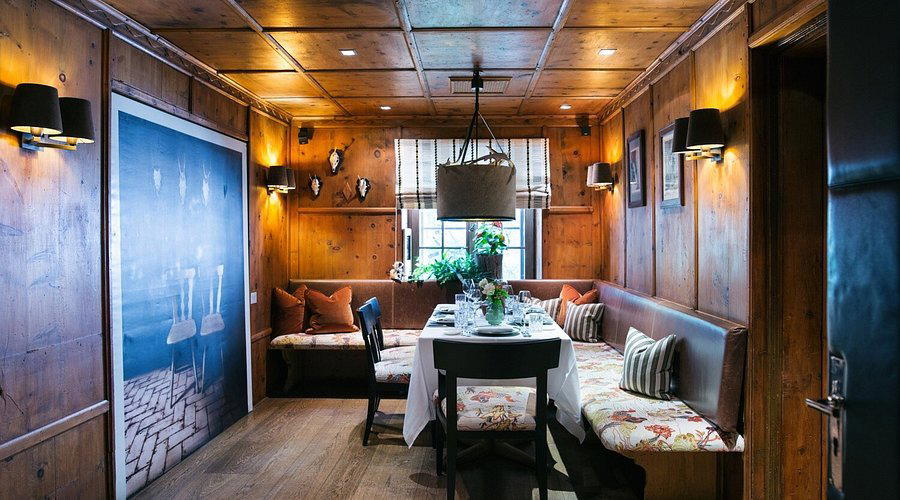
A Room With Weight Behind It
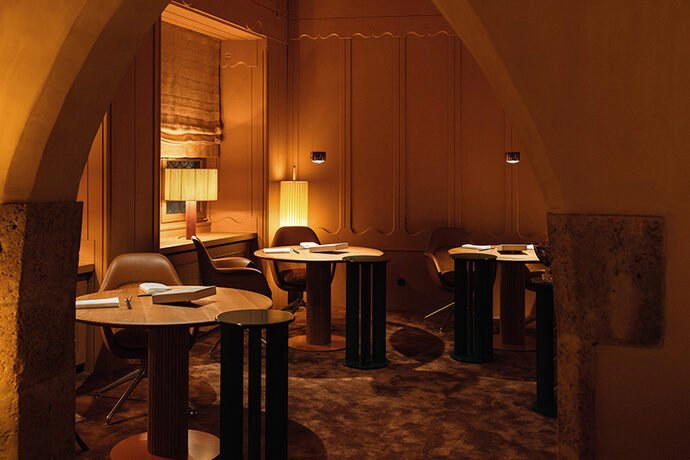
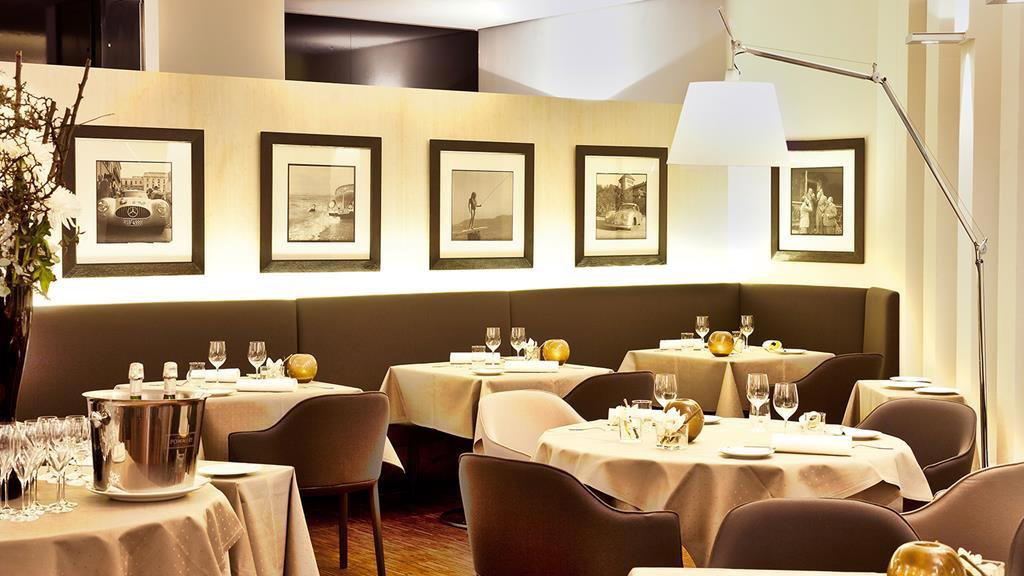
There are restaurants that feel assembled for a market, and there are rooms that feel like they have simply always been there. Käfer-Schänke, on the first floor of the Käfer delicatessen house at Prinzregentenstraße 73, belongs to the second category. Arriving via the building that has defined premium food retail in Munich for generations, you pass display cases and imported provisions before ascending to a dining room that carries institutional gravity without the stiffness that sometimes comes with it. The light is warm, the pace unhurried, conditions that predispose a meal toward the kind of extended, deliberate dining that seasonal cooking rewards.
In a city where the upper tier of restaurant spending clusters around the €€€€ bracket, venues like JAN (Creative) and the two-star houses anchored to the Michelin map, Käfer-Schänke holds a considered middle position at €€€ and is a restaurant in Munich, Germany. That positioning is not a compromise; it reflects a different dining contract. You are not here for a tasting architecture that stretches to eleven courses and four hours. You are here for a meal that moves with the season, served in a room that treats the act of eating as occasion enough.
Seasonal Cooking as Ritual, Not Concept
The editorial shorthand for "seasonal cuisine" has been diluted by overuse, but in the European central tradition it describes something specific: a kitchen organised around what the market offers each week rather than around a fixed identity or chef-as-brand signature. At Käfer-Schänke, that tradition is embedded in the building's own DNA. The delicatessen below has sourced premium provisions, game, charcuterie, imported cheeses, Bavarian dairy, since the mid-twentieth century, and the restaurant above operates in proximity to that supply logic.
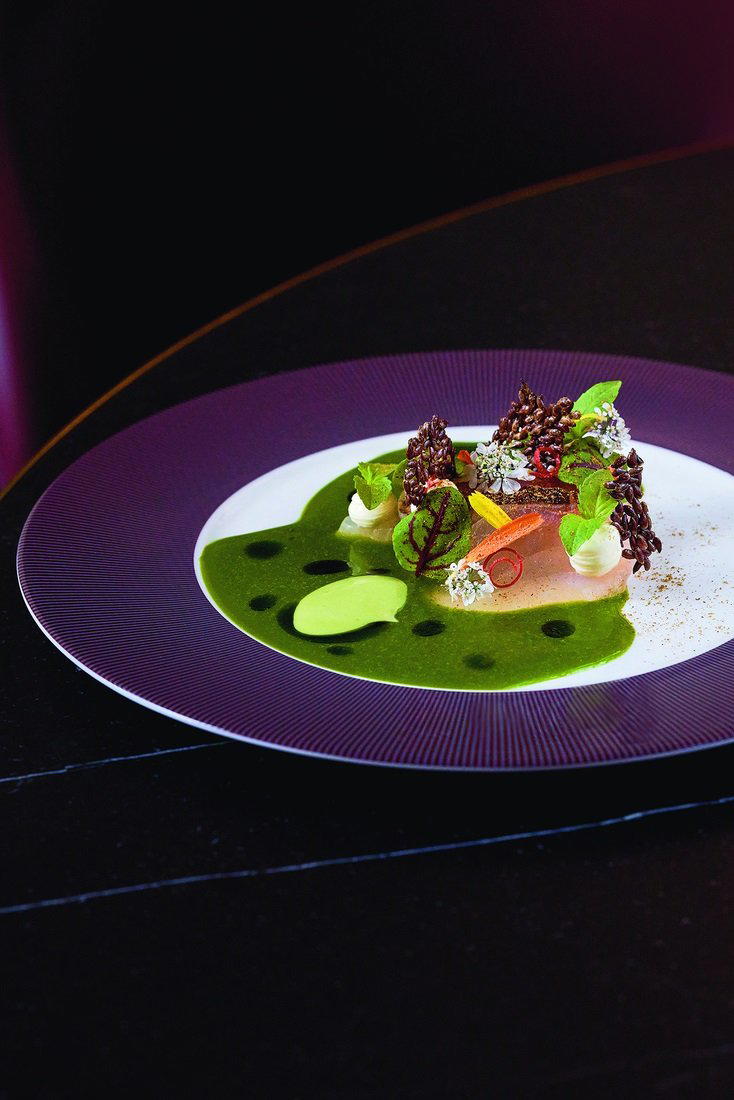
What this means at the table is a menu that shifts with the agricultural calendar. Spring asparagus from the Bavarian lowlands, autumn game from the forests north of Munich, root vegetable preparations through winter, these are not garnish choices; they are the structural premise of each plate. For the diner, the correct posture is not to arrive with a dish in mind but to read the menu as a document of the current moment, then follow it. That requires a different kind of trust in a kitchen than the tasting-menu format demands, but the reward is a meal that feels specifically of its time.
The Michelin Plate recognition signals that the kitchen meets a consistent technical standard without claiming starred ambition. In Michelin's own framework, the Plate identifies restaurants that prepare food well, without the additional layer of creative distinction that a star requires. For a venue operating in the seasonal-traditional register, that designation is accurate rather than modest: it means the cooking is reliable, the sourcing is serious, and the room is worth the price.
Where Käfer-Schänke Sits in Munich's Dining Map
Munich's restaurant scene has developed two distinct upper tiers. One is the starred cohort, Tohru in der Schreiberei at three stars, Tantris and Alois-Dallmayr at two, a cluster of one-star addresses spread across Schwabing, Maxvorstadt, and the city centre. The other is a set of established houses with long reputations and consistent technical execution that position themselves below the starred tier on price and ambition but above the casual mid-market on quality and formality. The restaurant occupies that second tier with more institutional weight than most.
For comparison within the EP Club Munich portfolio, mural farmhouse - FINE DINE approaches seasonal cooking from a more contemporary, Nordic-inflected angle, while Johannas and Beetle sit at different price points and register. Museum operates in a different format entirely. What distinguishes the restaurant within this group is the institutional continuity: it is not a recent opening positioning into a niche, but a room with decades of function behind it.
Beyond Munich, seasonal cooking at the restaurant level takes different shapes across the German-speaking world. Kirchenwirt in Leogang pursues a similar seasonal logic in an alpine context, while Fields by René Mathieu in Luxembourg approaches the seasonal premise from a more foraged, forest-rooted direction. At the starred end of German seasonal cooking, Schwarzwaldstube in Baiersbronn and ES:SENZ in Grassau represent what the format produces when starred ambition is applied. For diners who want the discipline of a high-achievement kitchen without the tasting-menu format, venues like Aqua in Wolfsburg, Vendôme in Bergisch Gladbach, and Restaurant Haerlin in Hamburg offer a useful contrast set. CODA Dessert Dining in Berlin sits at the opposite creative extreme, demonstrating how differently the meal-as-structure question can be answered.
How to Approach a Meal Here
The Prinzregentenstraße address places the restaurant in the Bogenhausen district, east of the English Garden and within a short distance of the Haus der Kunst and the Bavarian National Museum. The neighbourhood is residential and institutional in character, quieter than the inner city, with a settled affluence that suits the restaurant's tone.
Because the building functions as both a retail operation and a dining destination, the experience of a meal here carries a specific procedural texture. You move through a space with commercial purpose before arriving at the table, and that transition matters: it places the cooking in the context of a broader culture of sourcing and quality. The dining ritual at the restaurant is therefore partly calibrated before you sit down.
At the €€€ price point with Michelin Plate recognition in two consecutive years, the restaurant draws a mixed audience: business lunches, established locals who have been coming for years, and visitors who want a serious meal without committing to a full tasting format. Booking ahead is advisable, particularly for dinner at the weekend.
- Roast Duck for Two
- Beef Tartare
- Lobster Stew
- Veal Schnitzel
- Turbot
- Venison
Reputation First
Comparable venues nearby, for context on price, style, and recognition.
| Venue | Cuisine | Price | Awards | Notes |
|---|---|---|---|---|
| Käfer-Schänke | Pan-European Fine Dining with Bavarian Heritage | $$$$ | Michelin Plate | Haidhausen |
| Schwarzreiter | Modern Bavarian Fine Dining | $$$$ | Michelin Plate | Lehel |
| Das Obers | Modern Austrian-Inspired Bistro | $$$ | Michelin Plate | Gern |
| Das Tschecherl | Austrian Bistro | $$$ | Michelin Plate | Schwabing |
| sansaro | Modern Japanese Sushi and Omakase | $$$ | Michelin Plate | Schwabing |
| Weinträne | Seasonal German Wine Bar | $$$ | Not listed | Neuhausen |
Recognition history
Dated appearances from independent guides and award organizations, with the underlying list record or original source where available.
Michelin Plate
Michelin · 2026 Michelin Plate
Michelin Plate
Michelin
Michelin Plate
Michelin
At a Glance
- Elegant
- Classic
- Sophisticated
- Cozy
- Well Known
- Business Dinner
- Celebration
- Special Occasion
- Date Night
- Group Dining
- Private Event
- Open Kitchen
- Private Dining
- Terrace
- Historic Building
- Design Destination
- Extensive Wine List
- Craft Cocktails
- Beer Program
- Sommelier Led
- Local Sourcing
Current opening hours
- Monday
- 12–11 PM
- Tuesday
- 12–11 PM
- Wednesday
- 12–11 PM
- Thursday
- 12–11 PM
- Friday
- 12–11 PM
- Saturday
- 12–11 PM
- Sunday
- Closed
Hours can change for holidays and private events. Last verified .
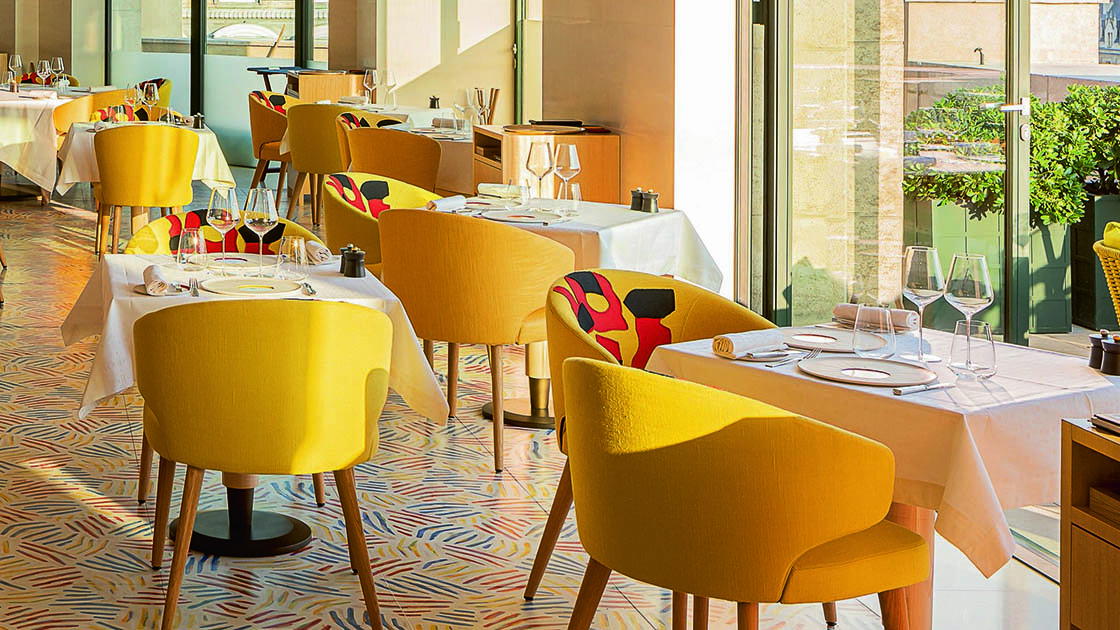
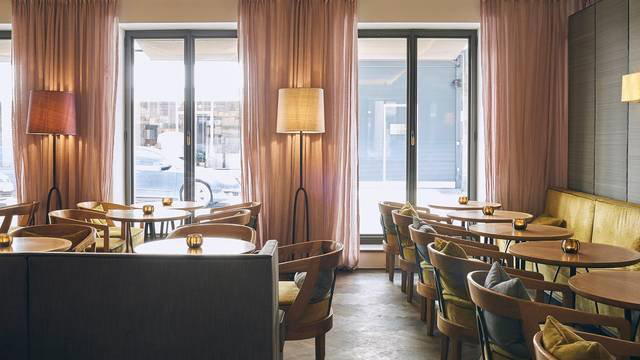
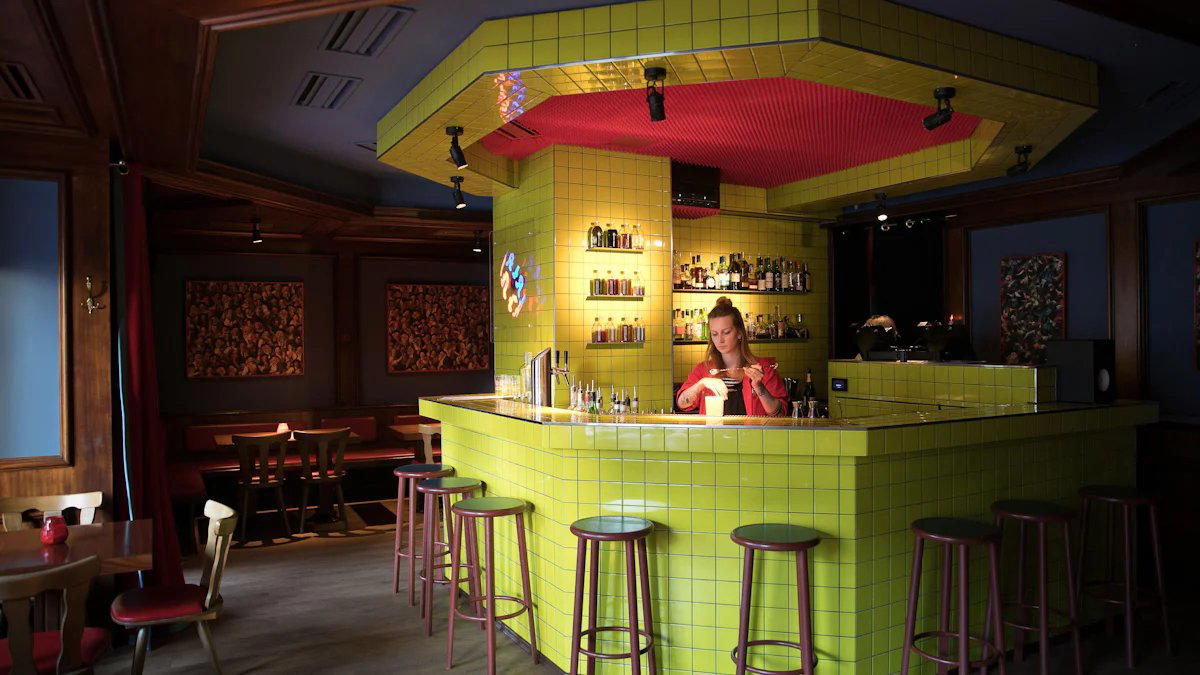
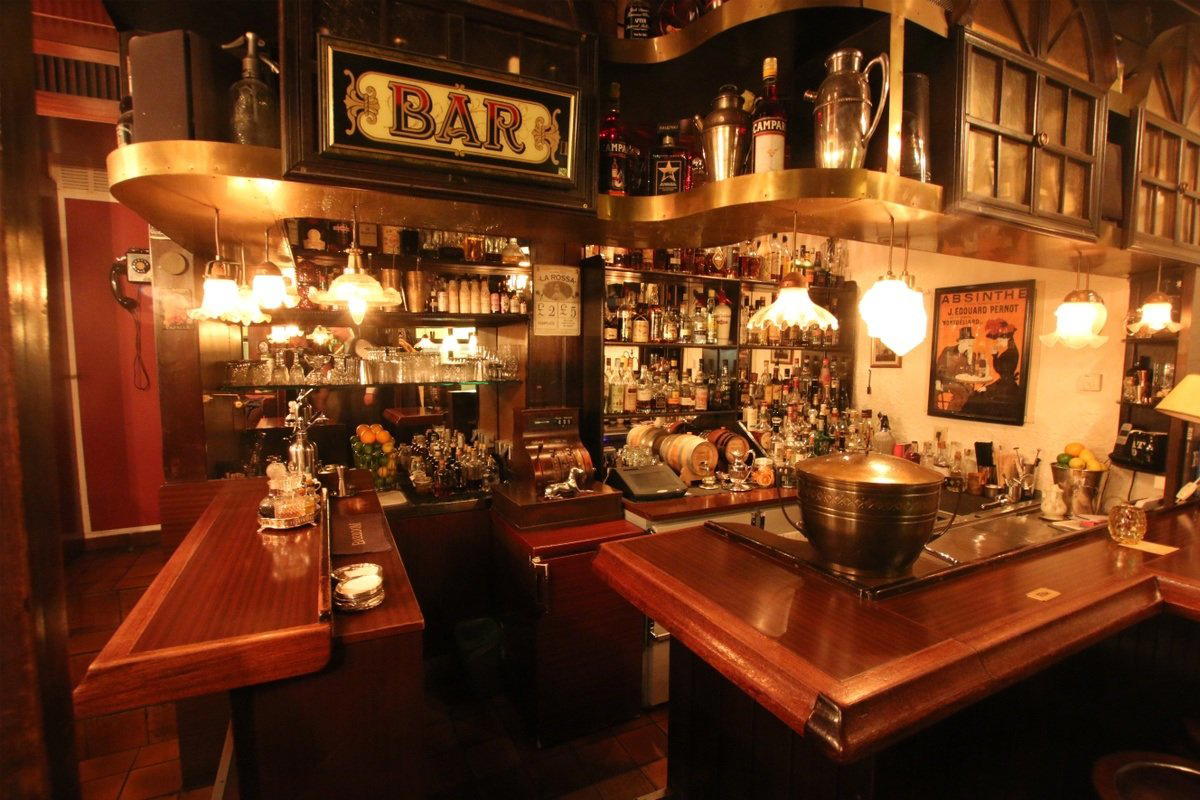
Cosy and inviting with lovingly detailed decor, curated artworks, and a warm, relaxed atmosphere that feels both elegant and personal without being pretentious.