
Japanese-Brazilian chef William Vargas runs a 15-course format inspired by Tokyo dive-bar informality, with an edited saké list and fish provenance narrated course by course.
Pearl is the En Primeur Club membership app — saves, bookings, and concierge access live there. Same editors, same standards.
- Address
- R. Garcia de Orta 71c, 1200-678 Lisboa, Portugal
- Phone
- +351 914 094 506
- Website
- omakaseri.com
- Directions
- Get directions
 Saves & bookings on Pearl
A Counter in Santos, a Format from Tokyo
Lisbon's Japanese dining scene has arrived at an interesting inflection point. Where the city once defaulted to pan-Asian menus and sushi conveyor formats, a smaller, more deliberate tier has opened in recent years: counter-led omakase rooms where the booking horizon, seat count, and fish sourcing are taken as seriously as the cooking itself. Kabuki Lisboa, Kanazawa, and YŌSO each occupy different corners of that tier. Omakase RI, at ten seats on Rua Garcia de Orta in Santos, sits at one stripped-back end of the format: no ceremony, no theatrical plating rigs, just a compact room.
That reference point matters editorially. The Tokyo omakase world splits roughly between two registers: the Ginza-style counter that treats formality as an ingredient, lacquered menus, hushed service, reverent silences, and the shitamachi or dive-bar counter where the fish is equally serious but the room is not. Omakase RI draws from the second tradition. The ten-seat capacity is not a marketing decision but a functional one: at that size, the chef can speak to every table simultaneously, narrating the origin and name of each fish before it is prepared. The format collapses the distance between kitchen and guest that more theatrical omakase rooms deliberately maintain.
The Tokyo–Kyoto Divide, Translated to Lisbon
Japanese dining globally often turns on the tension between metropolitan speed and refinement-led restraint. Tokyo's counter culture prizes precision, velocity, and technical density, course after course arriving at tempo, each one a compressed argument for a single ingredient. Kyoto's kaiseki tradition moves differently: slower, more seasonal, more concerned with the arc of a meal than the impact of individual moments. Most Western cities that have absorbed Japanese fine dining have defaulted to the Tokyo model, because it photographs well and converts easily into a premium price signal.
Omakase RI does something less common. The 15-course menu carries Tokyo's technical discipline, fish presented by species and provenance, preparation executed at the counter in real time, but the room and the pacing carry a register closer to the Kyoto sensibility: unhurried, conversational, attentive to context. That synthesis is partly structural (ten seats forces intimacy) and partly the product of chef William Vargas's dual formation, which places Japanese technique alongside a Brazilian-influenced approach to warmth and directness that neither Tokyo nor Kyoto specifically produces.
For reference, Myojaku and Azabu Kadowaki in Tokyo represent the high-formality end of the counter spectrum. The restaurant's Michelin Plate recognition in both 2024 and 2025 places it in a peer conversation with those rooms in terms of intent, while the Santos address and dive-bar atmosphere signal a deliberate departure from their codes.
Fifteen Courses, Fish First
Two dishes in the record are specific enough to note. The first is a salongo preparation served with its skin flambéed and a cold miso broth, a combination that works because the flambéed skin introduces a controlled char note that the chilled broth then resolves, a technique that prioritises texture contrast over temperature consistency. The second is a tuna preparation in nori seaweed, described as melting on contact: a sign of precise temperature management at the counter, since nigiri-adjacent preparations that dissolve rather than resist typically require fish held at body temperature and rice calibrated to match. Both dishes point toward a kitchen where the Tokyo discipline of single-ingredient focus is intact, even as the room around it refuses the Tokyo theatre.
The saké list is worth noting in an omakase context. That restaurant has built a list considered worth flagging suggests a drinks program that functions as part of the menu architecture rather than an appendage to it.
Where Omakase RI Sits in Lisbon's Broader Fine Dining Picture
Lisbon's recognised dining tier spans a range of cuisines and price points. On the modern Portuguese side, Belcanto operates at the summit of the creative register (€€€€), and 2Monkeys represents the more experimental creative bracket. Beyond Lisbon, Portugal's recognised dining scene extends from Vila Joya in Albufeira and Ocean in Porches in the Algarve to Antiqvvm in Porto, Casa de Chá da Boa Nova in Leça da Palmeira, The Yeatman in Vila Nova de Gaia, and Il Gallo d'Oro in Funchal. The restaurant's recognition places it in a category the Guide uses to signal cooking worth attention. At €€€€ and around $100 per person, it sits in a premium tier for counter-format Japanese dining in Lisbon.
9 across 430 reviews is strong for a 10-seat room. Small-capacity venues attract a self-selecting guest base: people who have already researched the format, accepted its constraints, and arrived disposed to appreciate it. That said, the volume of reviews for a room this size is harder to dismiss. At ten seats per service, accumulating nearly 400 public ratings requires either multiple sittings over years or an unusually motivated guest base, and both interpretations speak to the format's consistency.
Planning Your Visit
The restaurant is at Rua Garcia de Orta 71c in Santos, a neighbourhood that sits between Cais do Sodré and Alcântara and has shifted over the past decade from residential obscurity toward a loose cluster of design-forward restaurants and bars. The room fits ten guests, and at that capacity, walk-ins are structurally impractical: the format requires preparation calibrated to seat count, which means advance booking is the only viable entry point. Advance booking is essential for a ten-seat omakase counter.
Pricing, Compared
Comparable venues nearby, for context on price, style, and recognition.
| Venue | Cuisine | Price | Awards | Notes |
|---|---|---|---|---|
| Omakase RIThis venue — the venue you are viewing | Madragoa, Edomae-style Omakase | $$$$ | Michelin Plate | Not listed |
| Fogo | Not listed | $$$$ | Michelin Plate | Campo Pequeno, Fire-Cooked Portuguese Cuisine |
| Drogaria | Madragoa, Modern Portuguese | $$$ | Michelin Plate | Not listed |
| Downunder by Justin Jennings | Bairro Alto, Modern Australian Fusion | $$$ | Michelin Plate | Not listed |
| Nómada | Rego, Japanese Fusion Sushi | $$$ | Not listed | Not listed |
| O Talho | Saldanha, Modern Steakhouse | $$$ | Michelin Plate | Not listed |
Recognition history
Dated appearances from independent guides and award organizations, with the underlying list record or original source where available.
Michelin Plate
Michelin
Michelin Plate
Michelin
Michelin Plate
Michelin
Continue exploring
More in Lisbon
Restaurants in Lisbon
Browse all →
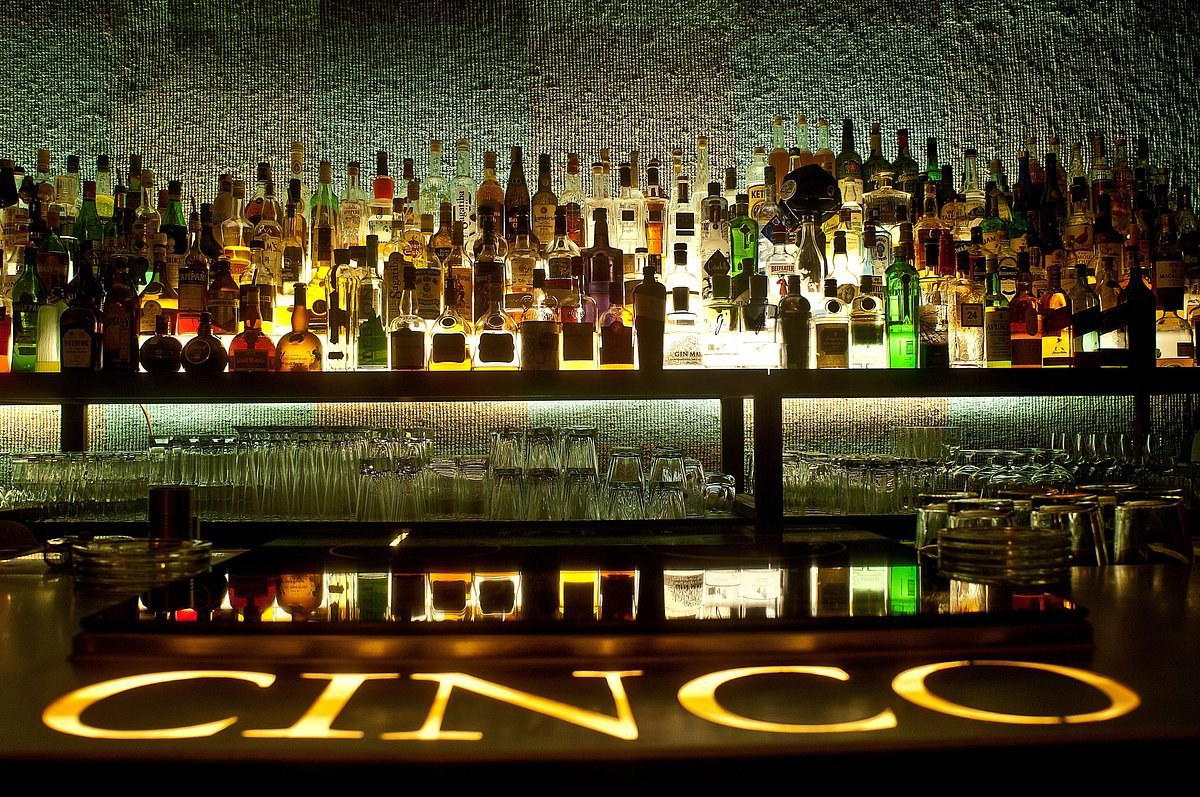
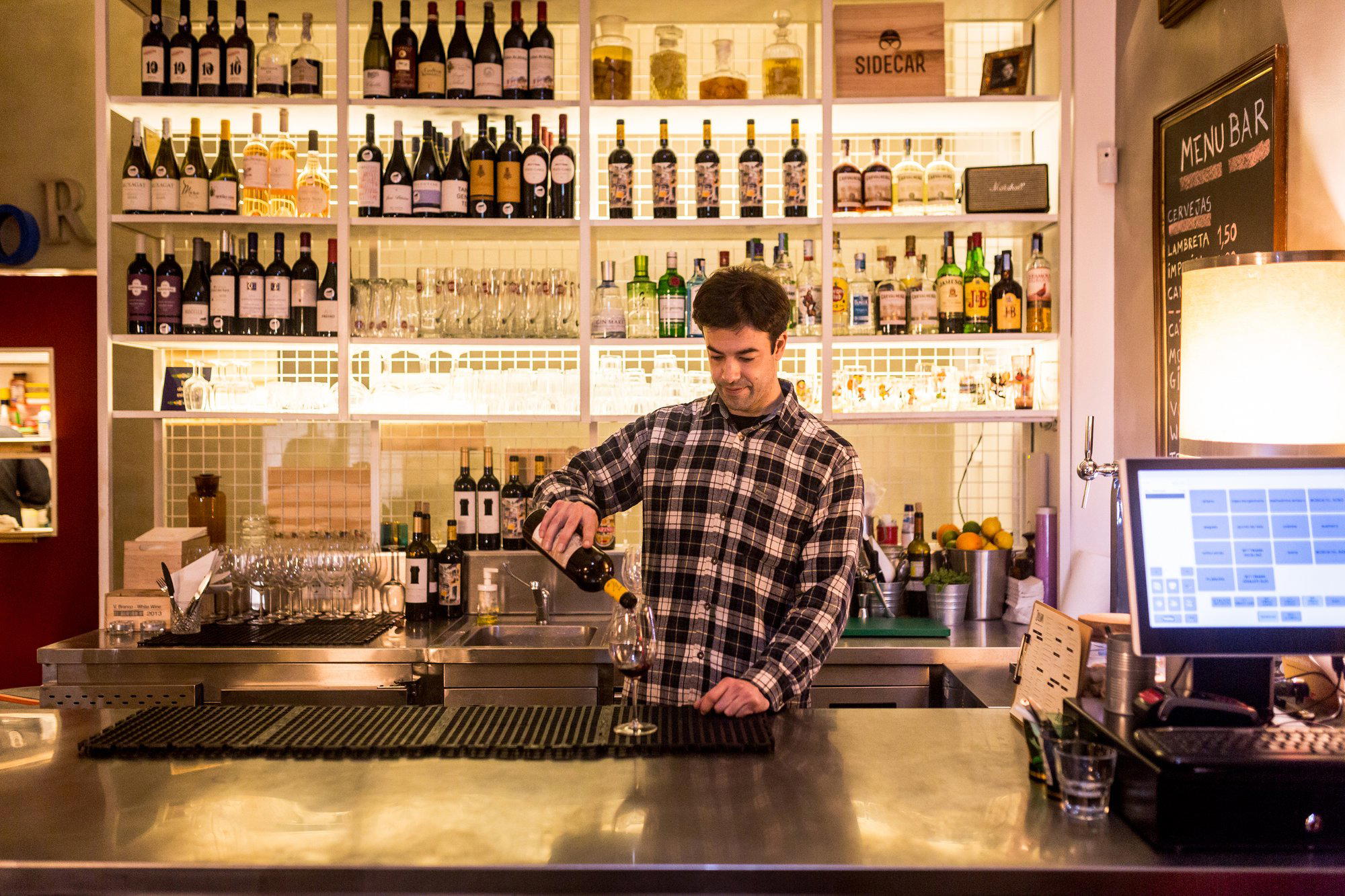
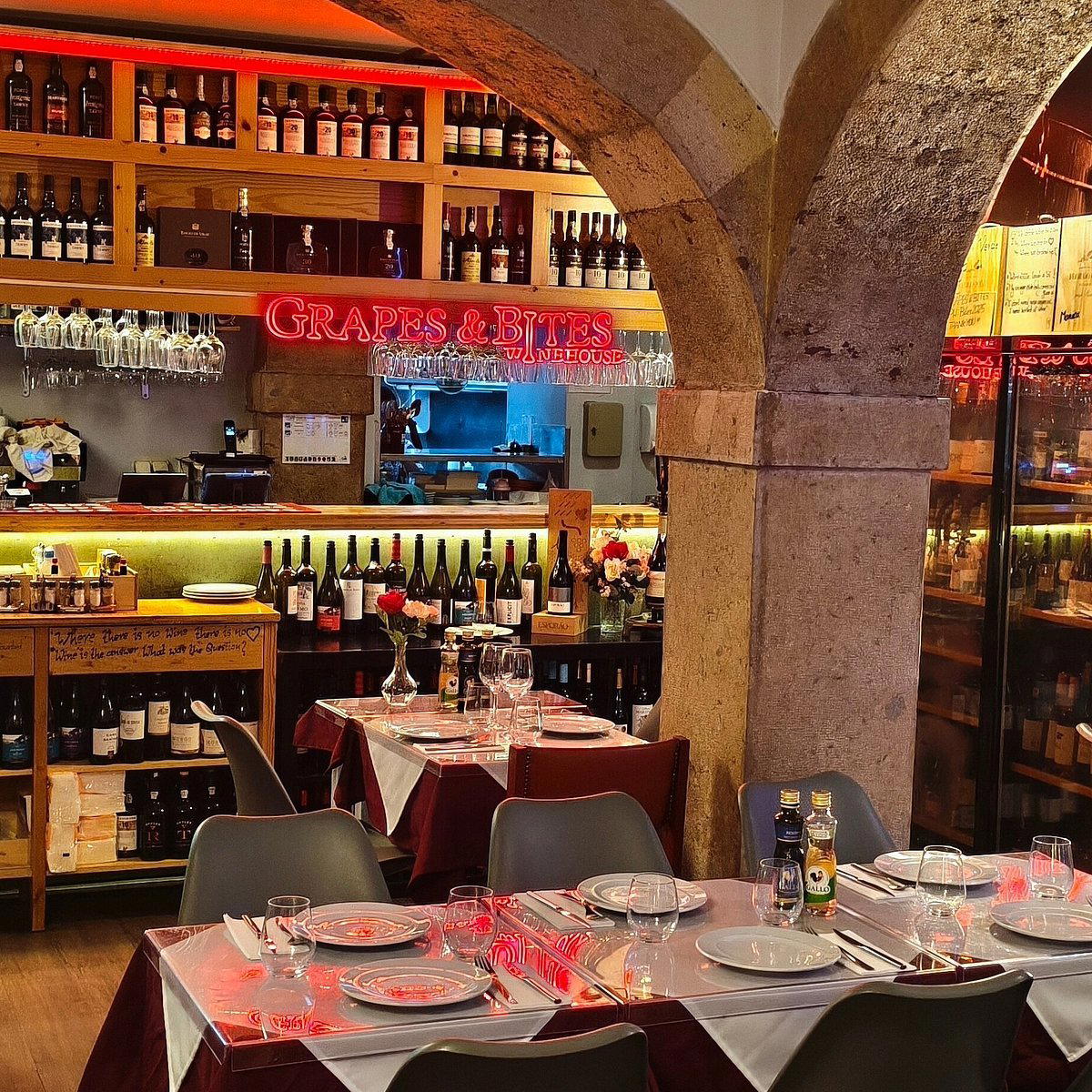
Bars in Lisbon
Browse all →
Hotels in Lisbon
Browse all →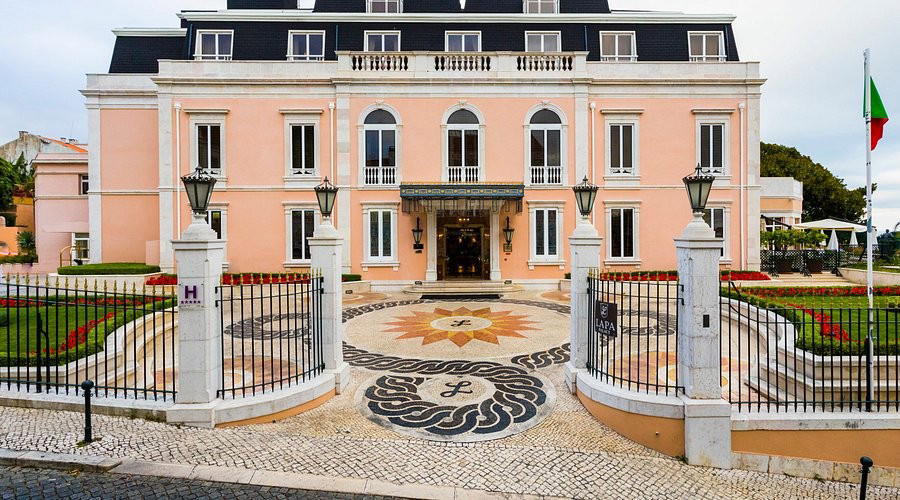

At a Glance
- Intimate
- Trendy
- Modern
- Cozy
- Date Night
- Special Occasion
- Chefs Counter
- Sake Program
Current opening hours
- Monday
- Closed
- Tuesday
- 7 PM–12 AM
- Wednesday
- 7 PM–12 AM
- Thursday
- 7 PM–12 AM
- Friday
- 7 PM–12 AM
- Saturday
- 7 PM–12 AM
- Sunday
- Closed
Hours can change for holidays and private events. Last verified .
Relaxed and informal Tokyo dive bar-inspired atmosphere with great vibes, hip-hop music, and a welcoming, fun energy.