Skip to Main Content
← Collection
LocationParadise, United States

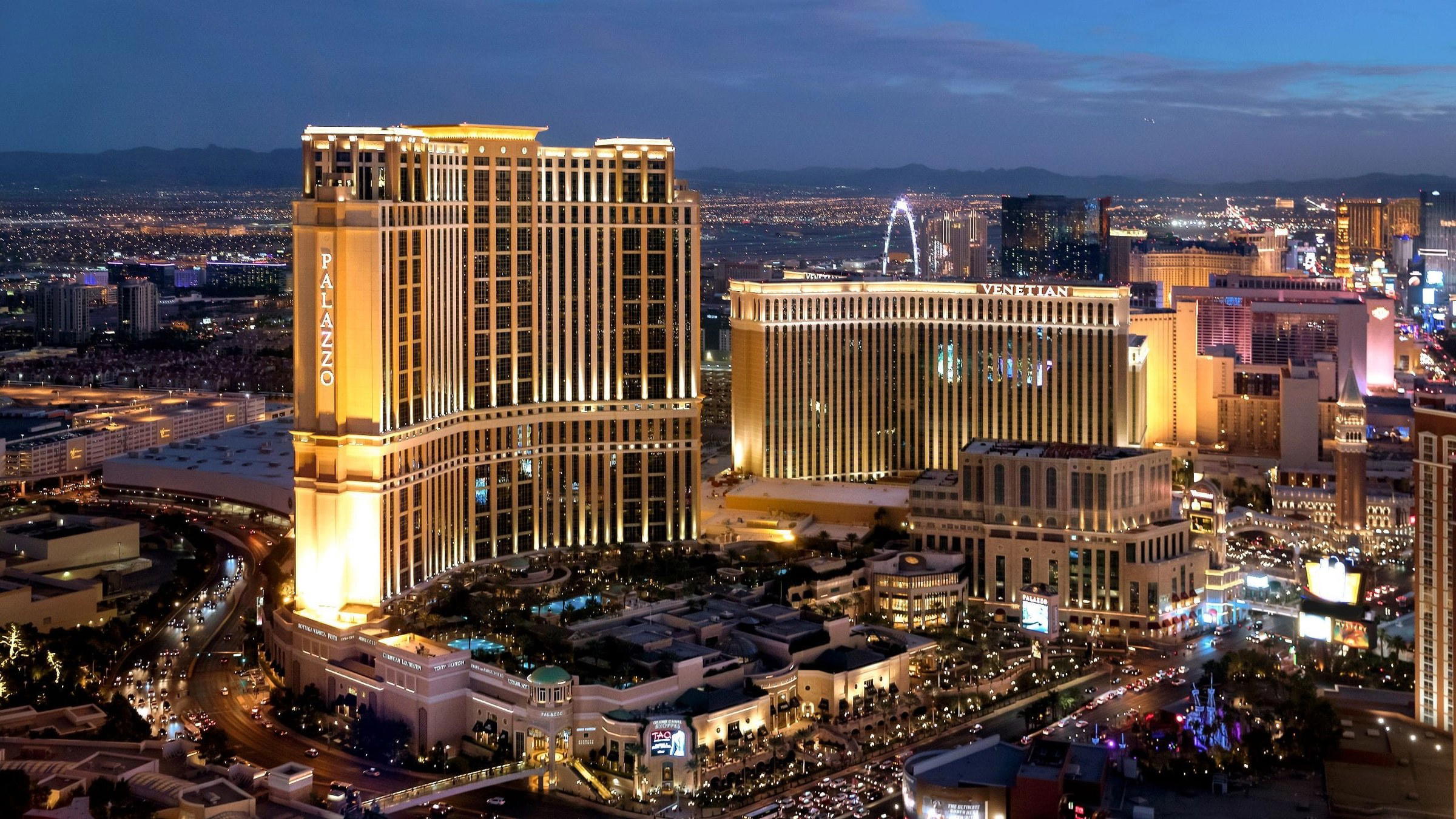
Bazaar Meat sits on the Las Vegas Strip at 3325 S Las Vegas Blvd, occupying the carnivore-focused end of a dining circuit defined by spectacle and scale. The restaurant operates within the broader tradition of theatrical American steakhouse dining, where the room itself carries as much weight as the plate. For Strip regulars, it functions less as an event destination and more as a reliable gathering point within a hotel ecosystem built around excess.

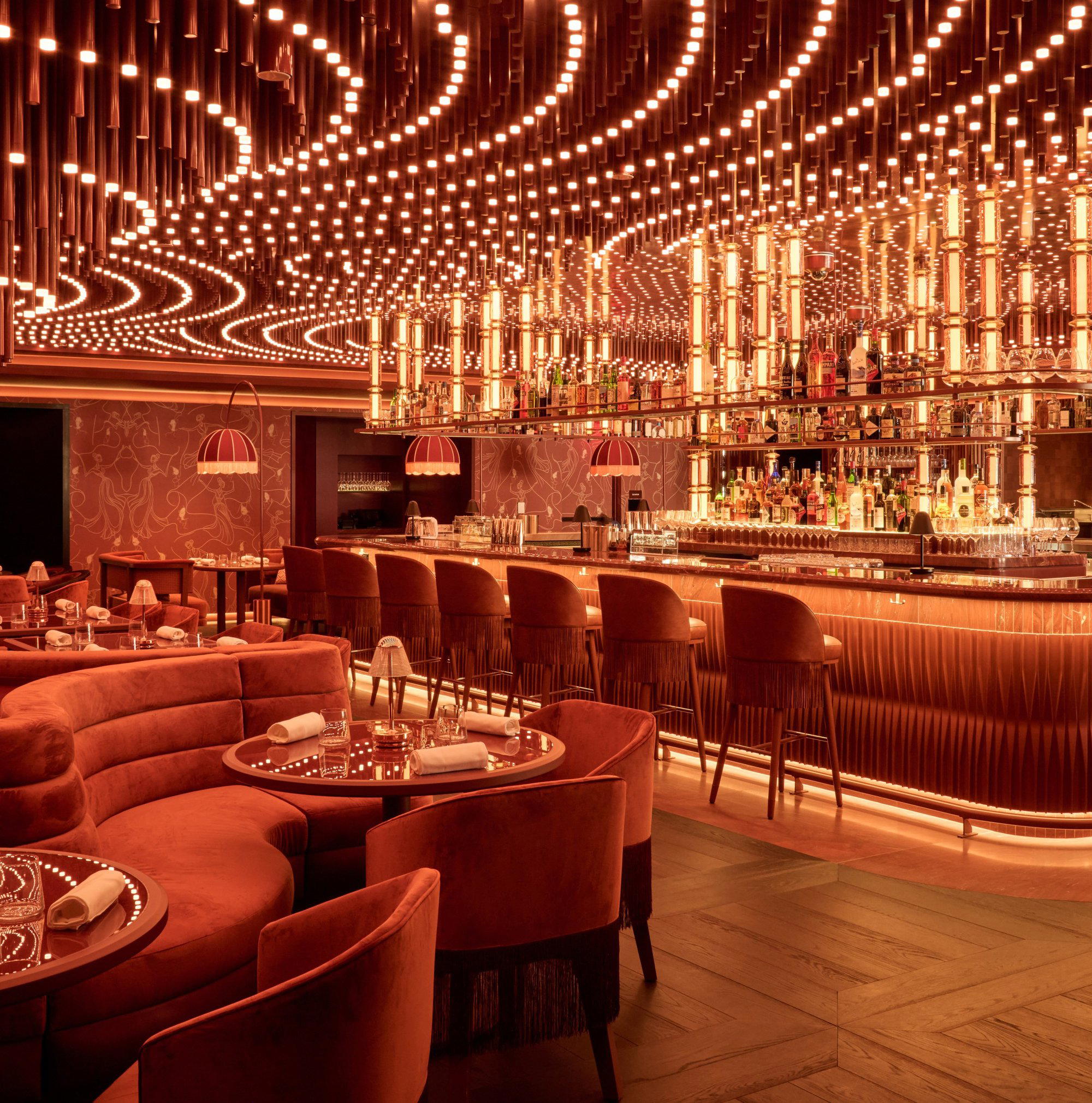
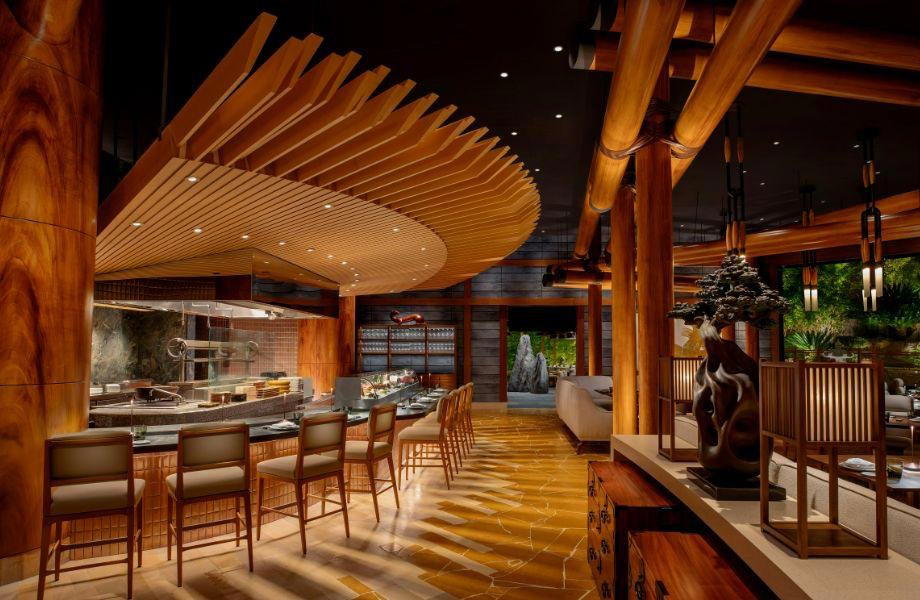
Bazaar Meat bar in Paradise, United States
About

Where the Strip's Meat Culture Lands

Las Vegas has long operated two parallel steakhouse tracks: the legacy chop-house format that dates to the Rat Pack era, and the modern theatrical concept that arrived in force after 2005 as celebrity chef restaurants colonized every major hotel corridor. Bazaar Meat, at 3325 S Las Vegas Blvd, belongs firmly to the second wave. The Strip's premium meat restaurants now compete less on the quality of a single cut and more on the architecture of an entire evening, and Bazaar Meat was designed with that competition in mind from its first service.

The surrounding block concentrates a particular density of hotel dining that makes it useful to understand the competitive environment. Nearby addresses like 3131 Las Vegas Blvd S and 3355 S Las Vegas Blvd sit within the same corridor, each anchoring its own hotel ecosystem. On the Strip, proximity matters: the decision of where to eat is often made within a 400-foot radius of wherever you happen to be standing after checking in.

The Room Before the Plate

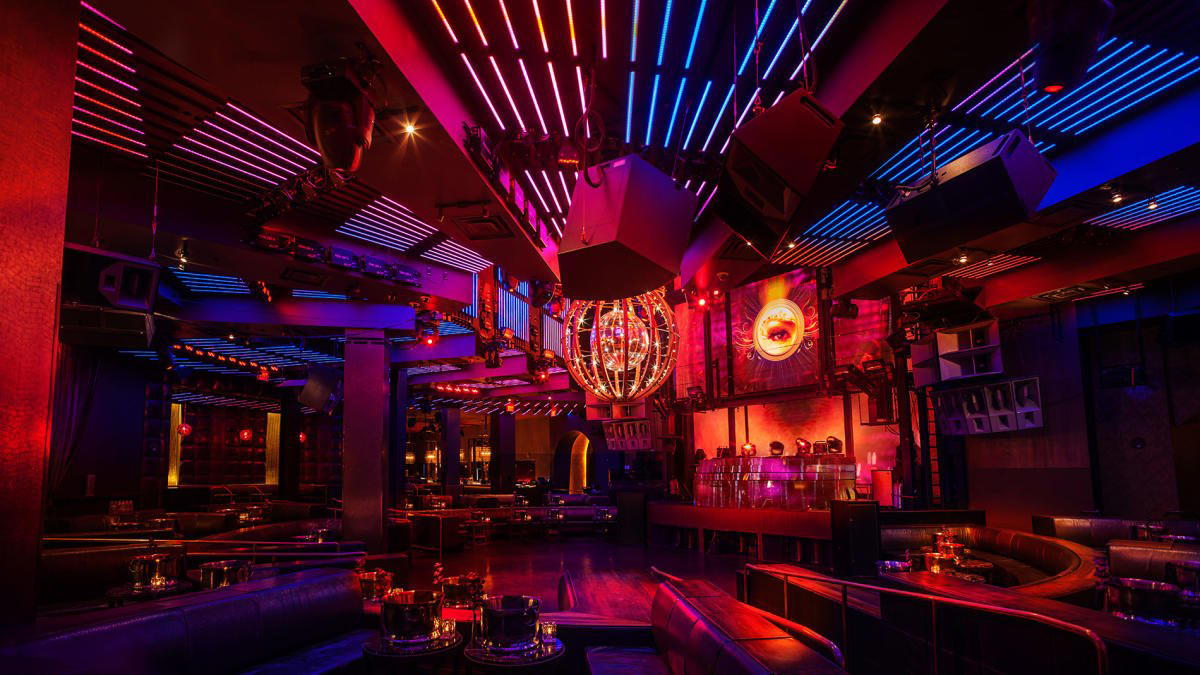
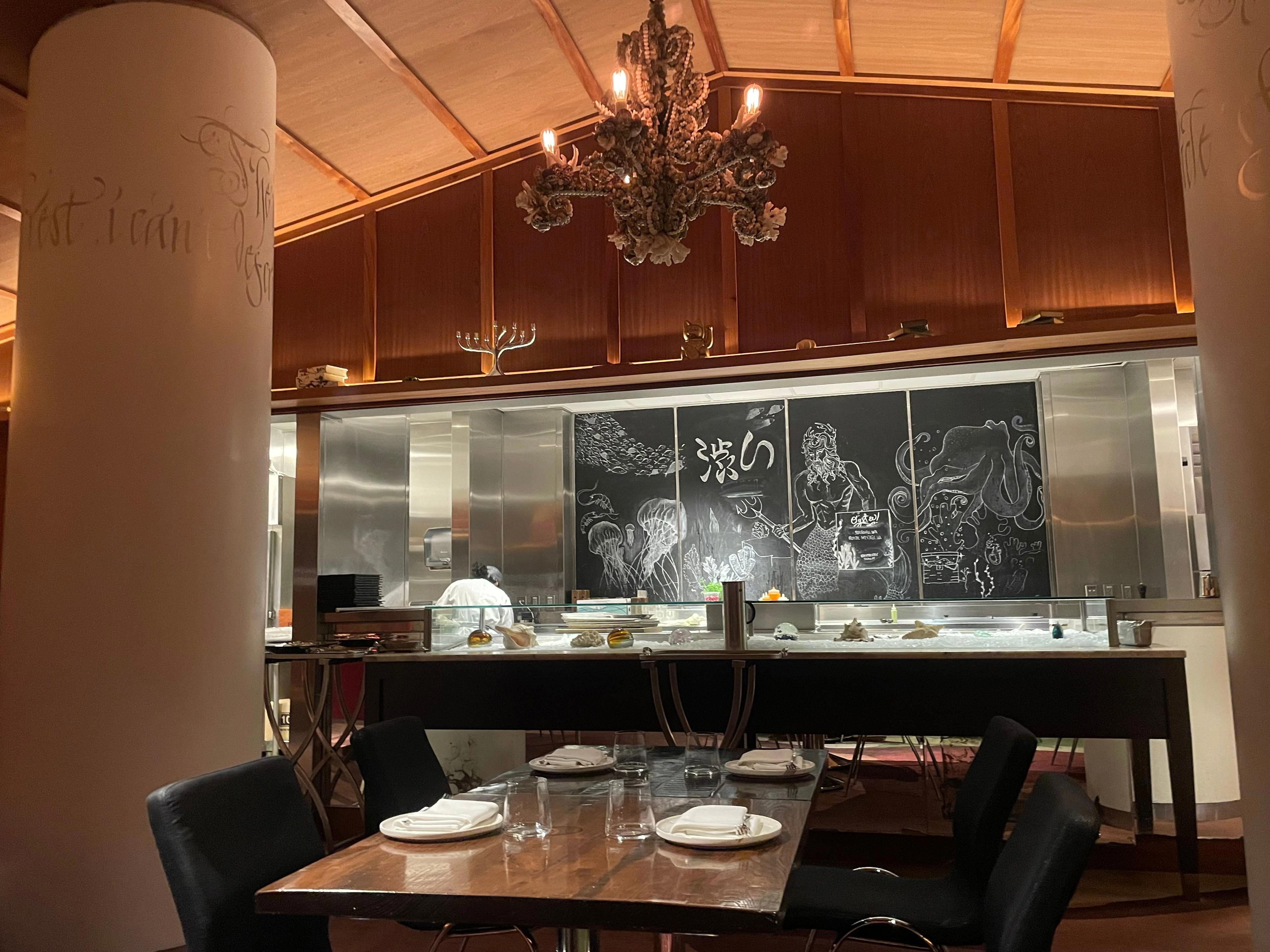
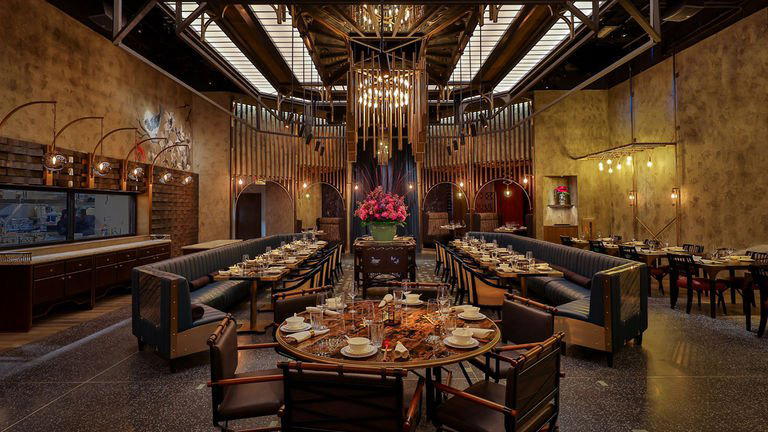
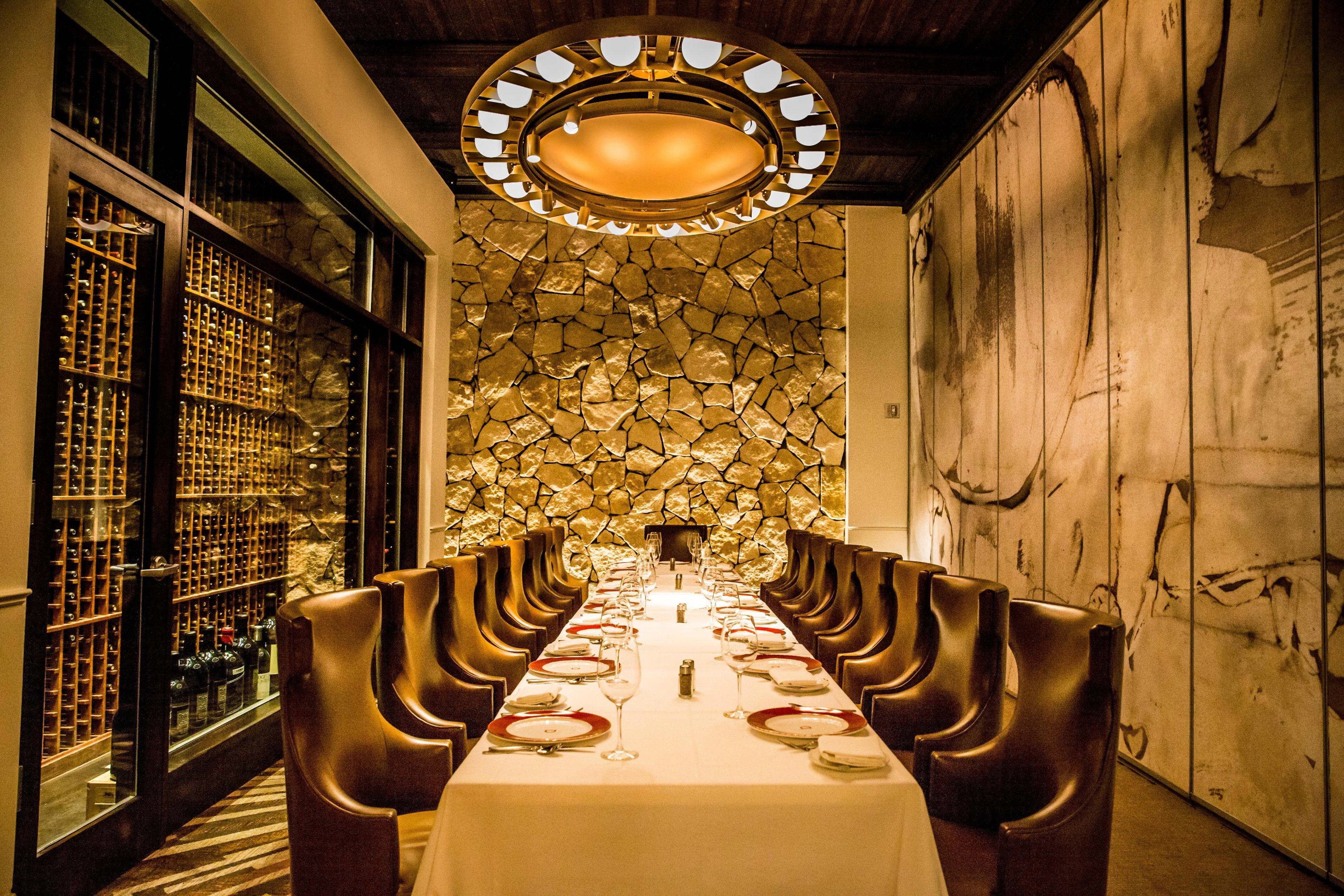
Walking into Bazaar Meat, the physical grammar of the space speaks clearly about its intent. Large-format steakhouses on the Strip share a common visual language: high ceilings, exposed fire, open butchery or carving stations positioned so that the production of the meal is part of the spectacle. Bazaar Meat follows that grammar, but with a specific accent influenced by the Bazaar brand's appetite for the theatrical. The room is built to register immediately, before any menu decision is made.

This matters on the Strip more than it would almost anywhere else in the American dining circuit. In Las Vegas, the dining room competes for attention with casino floors, pool decks, and entertainment venues. A space that does not declare itself within the first fifteen seconds of entry loses that competition. Bazaar Meat's design is a direct answer to that challenge.

A Strip Gathering Point, Not Just a Destination Dinner

The EA-BR-05 framing applies here in a way that might not be obvious from the outside: Bazaar Meat functions as one of the Strip's more reliable gathering anchors for the kind of visitor who treats the Las Vegas Boulevard corridor as a neighborhood, however temporary their residency. Hotel guests at this price tier return to the same bar or dining room multiple times across a stay, and a restaurant that can hold a group across multiple hours, from cocktails through dessert, earns a different kind of loyalty than a single-visit tasting counter.

That dynamic shapes what the restaurant actually needs to deliver. The group that arrives for a birthday dinner at 7pm wants a different rhythm than the couple who walk in at 10pm looking for a late plate of something substantial before the casino floor. Bazaar Meat, like the better Strip operations around it, has to hold both. The bar program and the meat-forward menu structure give it tools to serve both use cases without the kitchen having to pivot entirely between them.

For comparison, consider how cocktail-focused gathering spaces in other American cities position themselves around community identity. Bar Leather Apron in Honolulu and Kumiko in Chicago both operate as neighborhood anchors within their respective circuits, building regulars through precision and consistency rather than spectacle. The Strip operates on a compressed timeline: regulars here are measured in four-night stays rather than years of weekly visits. Bazaar Meat's version of community is transient by definition, but the function is structurally similar.

Meat as the Organizing Principle

American steakhouse dining has fragmented into distinct sub-genres over the past two decades. The legacy format, white tablecloth and a la carte, still commands a certain formality. The modern theatrical format, of which Bazaar Meat is a specimen, tends toward sharing plates, broader protein variety, and a menu that resists the single-entrée logic of the traditional chop-house. That shift reflects how group dining on the Strip actually works: tables of four to eight split costs, share dishes, and make collective decisions rather than individual orders.

The meat-forward structure also positions Bazaar Meat against a specific peer set rather than the full range of Strip dining. It does not compete with the Mediterranean or Japanese-influenced rooms further down the boulevard, or with cocktail-led spaces like Alizé. Its direct competition is the cluster of premium steakhouses within the same hotel density zone, and within that peer set, the theatrical presentation of the product is as much a differentiator as the sourcing or preparation of the cuts themselves.

Other EP Club-tracked dining formats in the city, including And Pita, operate at entirely different price and scale points, but they reflect the same underlying truth about Paradise dining: the city rewards specificity. Restaurants that commit fully to a single organizing idea tend to outperform those that hedge toward general appeal.

Placing It in Broader Context

The American cocktail and dining circuit has produced a wave of precision-focused operations in recent years. Jewel of the South in New Orleans, Julep in Houston, and Superbueno in New York City each represent a specific point of view executed with discipline, while ABV in San Francisco and The Parlour in Frankfurt on the Main demonstrate how the gathering-space model translates across different markets. Bazaar Meat operates in a different register, one defined by scale and production value rather than precision and intimacy, but the underlying question is the same: what does this room do that a guest cannot replicate elsewhere on the same block?

On the Strip, that question has a financial answer as well as an experiential one. The premium dining tier in Las Vegas is priced to reflect the hotel's revenue model as much as the kitchen's cost of goods. Guests who arrive understanding that context tend to find value in the full arc of the evening rather than in the price-per-ounce logic they might apply at a neighborhood steakhouse.

Planning Your Visit

Bazaar Meat sits within walking distance of the central Strip corridor, making it accessible for guests staying across a broad range of hotel properties nearby. Reservations are advisable, particularly on Thursday through Sunday evenings when the hotel dining floor runs at capacity. The full Paradise restaurants guide covers the surrounding dining circuit in depth for anyone building an itinerary across multiple evenings. For the most current hours and booking availability, checking directly with the SLS Las Vegas Hotel is the most reliable method, as Strip restaurant schedules respond to hotel occupancy and event programming throughout the year.

Frequently Asked Questions

What is the leading thing to order at Bazaar Meat?
The restaurant's organizing concept is meat in multiple formats, and the menu is structured to reward sharing across a table rather than single-entrée ordering. Groups that commit to that format, working across multiple cuts and preparations, tend to get the most from the kitchen's range. The bar program runs parallel to the food, so the full experience includes both. For current menu specifics, check directly with the venue, as Strip restaurant menus shift seasonally.
What is the standout thing about Bazaar Meat?
Within the Las Vegas steakhouse tier, Bazaar Meat occupies the theatrical end of the spectrum rather than the traditional white-tablecloth format. The room and the production of the meal are part of what you are paying for, which places it in a specific competitive set on the Strip. That positioning distinguishes it from the legacy chop-house format that still operates elsewhere in the city at comparable price points.
How far ahead should I plan for Bazaar Meat?
Weekend evenings on the Strip, particularly Friday and Saturday, book faster than the surrounding week. Planning two to three weeks ahead for prime weekend slots is a reasonable baseline. Midweek visits, especially Tuesday and Wednesday, offer more flexibility. For current booking details, contact the SLS Las Vegas directly or check the hotel's dining reservation portal.
What is the leading use case for Bazaar Meat?
The format works leading for groups of four or more who want to spend two or more hours across food, drinks, and conversation without committing to a tasting-menu pace. Celebrations, client dinners, and group gatherings during a Strip stay are the natural use cases. Smaller parties of two who prefer a quieter, more focused dinner would find some of the more intimate Strip dining rooms a better fit for their evening.
How does Bazaar Meat fit into the broader Las Vegas celebrity-chef restaurant category?
The celebrity-chef restaurant wave that reshaped Strip dining after 2005 produced a specific type of venue: high-production, brand-driven, and positioned to serve the hotel's broader guest mix rather than a narrow dining enthusiast audience. Bazaar Meat belongs to that cohort, and understanding it through that lens rather than as a standalone restaurant explains both its pricing logic and its design ambition. It sits at the intersection of the meat-focused concept and the branded experience format that defines the Strip's premium tier.

A Credentials Check

A quick look at comparable venues, using the data we have on file.

Collector Access

Need a Table?

Our members enjoy priority alerts and concierge-led booking support for the world's most difficult bars and lounges.

Get Exclusive Access