Kaagman & Kortekaas


A Michelin Plate-recognised bistro on Sint Nicolaasstraat where the menu rotates around vegetables, wild game, and fish treated with skill and genuine curiosity. Kaagman & Kortekaas holds. The €€€ pricing sits in Amsterdam's mid-to-upper bistro tier, accessible without the formality of the city's starred rooms.
Pearl is the En Primeur Club membership app — saves, bookings, and concierge access live there. Same editors, same standards.
- Address
- Sint Nicolaasstraat 43, 1012 NJ Amsterdam, Netherlands
- Phone
- +31 20 233 6544
- Website
- kaagmanenkortekaas.nl
- Directions
- Get directions
 Saves & bookings on Pearl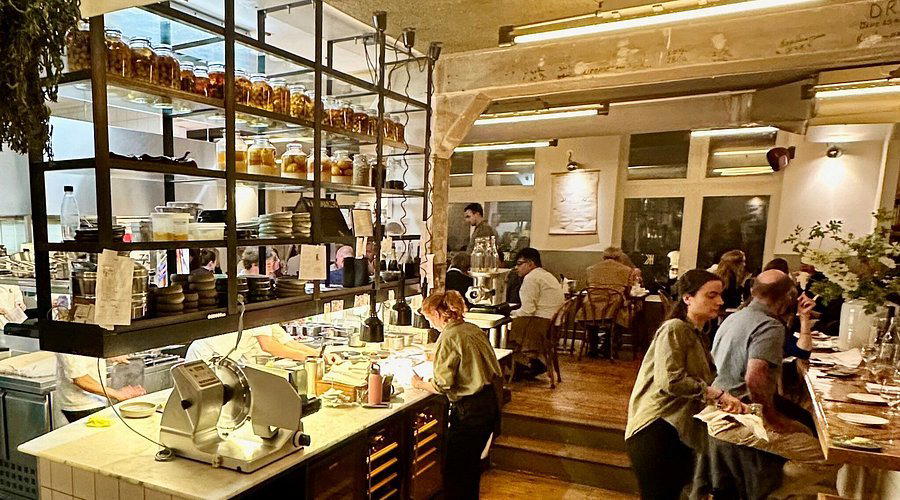
Amsterdam's Bistro Tier and Where K&K; Sits Within It
Amsterdam's restaurant scene has long operated along a clear fault line. On one side sit the starred rooms, the €€€€ creative tasting menus at places like Ciel Bleu (€€€€ · Creative), Flore (€€€€ · Contemporary), Spectrum (€€€€ · Creative), and Vinkeles (€€€€ · Creative), where ceremony is part of the transaction. On the other, a growing body of €€-range neighbourhood spots prioritises comfort over ambition. The middle tier, the €€€ bistro that invests in sourcing and technique without staging a production, is thinner than the city's reputation might suggest. Kaagman & Kortekaas occupies that middle tier.
Sint Nicolaasstraat sits in the old city centre, close enough to Centraal Station that the neighbourhood absorbs a lot of foot traffic, but the street itself retains the proportions and pace of an older Amsterdam. Approaching the address, the scale is immediately intimate. This is not a converted warehouse or a design-hotel dining room; it reads as a working bistro, the kind of place where the menu on the board outside tells you something real about what's in season.
The Arc of a Meal at Kaagman & Kortekaas
Kaagman & Kortekaas is recognised for kitchens that treat vegetable cookery as a serious discipline rather than a dietary accommodation. Both distinctions apply here. The kitchen works with vegetables, wild game, and fish in rotation, and the sequencing of a meal at K&K; reflects that tripartite sourcing focus.
Tasting menus at this tier in Amsterdam typically progress from light, produce-led openings toward richer, more technically demanding courses. At K&K; the regularly changing menu means the specific arc shifts with the season, but the philosophy governing that arc holds: begin where the garden is, move through water, arrive at the land. Wild game, when in season, carries the weight of the later courses, offering the kind of depth that makes a vegetable-forward opening feel calibrated rather than incidental.
What the Michelin note flags as particularly worth attention is the vegetarian path through the same menu. The observation that the kitchen knows how to cook with vegetables is not a courtesy nod; at many restaurants in this category, the vegetarian option is the tasting menu with protein removed rather than a genuinely composed alternative. The Green Guide recognition suggests K&K; approaches vegetable courses as primary statements, not substitutions. For a diner choosing the vegetarian path, that distinction shapes the meal's coherence from the first course onward.
A score of that consistency across that volume of reviews at a €€€ price point indicates that the menu's ambition is landing with a broad audience, not just guests already primed to appreciate technique.
Placing K&K; in the Farm-to-Table Conversation
The farm-to-table designation carries different weight depending on context. At the lower end of the category, it functions as marketing shorthand for any restaurant that names its suppliers on the menu. At the serious end, it describes a kitchen whose menu is genuinely constrained and shaped by what's available, with supply relationships that drive creative decisions rather than decorate them. The regularly rotating menu at K&K; positions it toward the latter reading.
Within the Netherlands, the farm-to-table category has produced some of the country's most interesting cooking outside the starred circuit. Comparable work in the €€€ tier appears at De Woage (€€€ · Farm to table) in Gramsbergen and Spetters (€€€ · Farm to table) in Breskens. Beyond the farm-to-table category specifically, Dutch fine dining at the summit of the market is anchored by houses like De Librije in Zwolle, Aan de Poel in Amstelveen, De Bokkedoorns in Overveen, De Groene Lantaarn in Staphorst, De Lindehof in Nuenen, and De Lindenhof in Giethoorn. K&K;'s comparable set is deliberately below that register in price and formality, but the Michelin recognition places it in a serious conversation about ingredient-led cooking at the bistro scale.
For Amsterdam specifically, the comparison that sharpens the picture is BAK, another Amsterdam address working with locally sourced, produce-centred menus.
Planning a Visit
Kaagman & Kortekaas is located at Sint Nicolaasstraat 43, 1012 NJ Amsterdam, in the city centre. The €€€ price tier places an evening here above a casual neighbourhood meal but below the investment required for Amsterdam's starred rooms.
Because the menu changes regularly, the visit rewards flexibility: arriving with a fixed expectation of a specific dish or ingredient runs against the kitchen's operating logic. The meal is better approached as a reading of the current season filtered through two chefs with a clear point of view, rather than a checklist of signature items.
Cost and Credentials
Comparable venues nearby, for context on price, style, and recognition.
| Venue | Cuisine | Price | Awards | Notes |
|---|---|---|---|---|
| Kaagman & KortekaasThis venue — the venue you are viewing | Farm to table | $$$$ | Michelin Plate | Not listed |
| Beulings | Not listed | $$$$ | Michelin Plate | Leidsegracht Zuid, Modern French with Cantonese influences |
| De Utrechtsedwarstafel | Not listed | $$$$ | Not listed | Amstelveldbuurt, Seasonal French Fine Dining |
| Avalon Wijn & Spijs | Not listed | $$$ | Not listed | Schinkelbuurt Zuid, Wine-Paired Fine Dining |
| Sinck | Not listed | $$$ | Michelin Plate | Passeerdersgrachtbuurt, Modern French Bistro |
| Oud-Zuid | Cornelis Schuytbuurt, French Bistro | $$$ | Michelin Plate | Not listed |
Recognition history
Dated appearances from independent guides and award organizations, with the underlying list record or original source where available.
Michelin Plate
Michelin
We're Smart World 1 Radish
We're Smart World
Continue exploring
More in Amsterdam
Restaurants in Amsterdam
Browse all →
Bars in Amsterdam
Browse all →
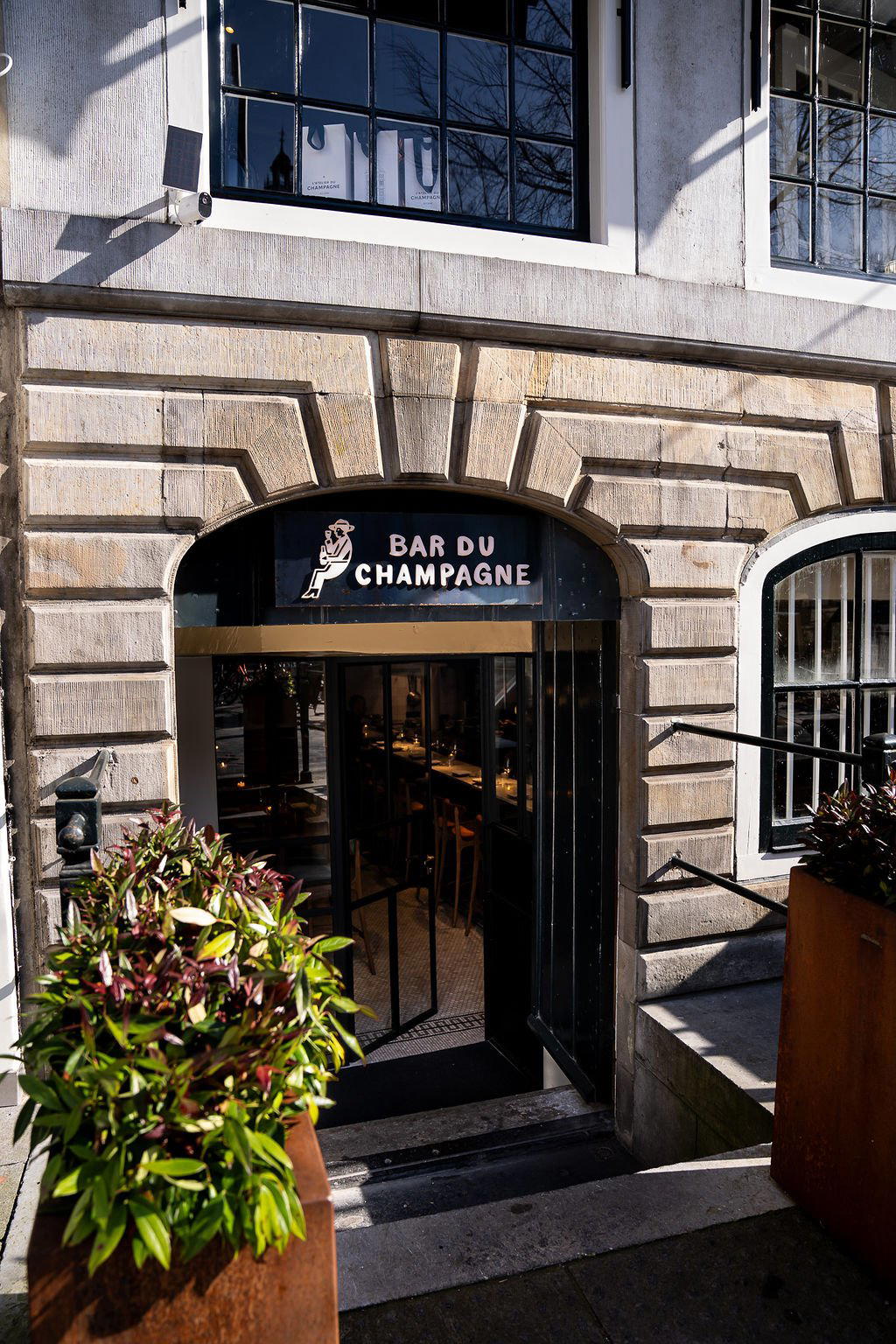
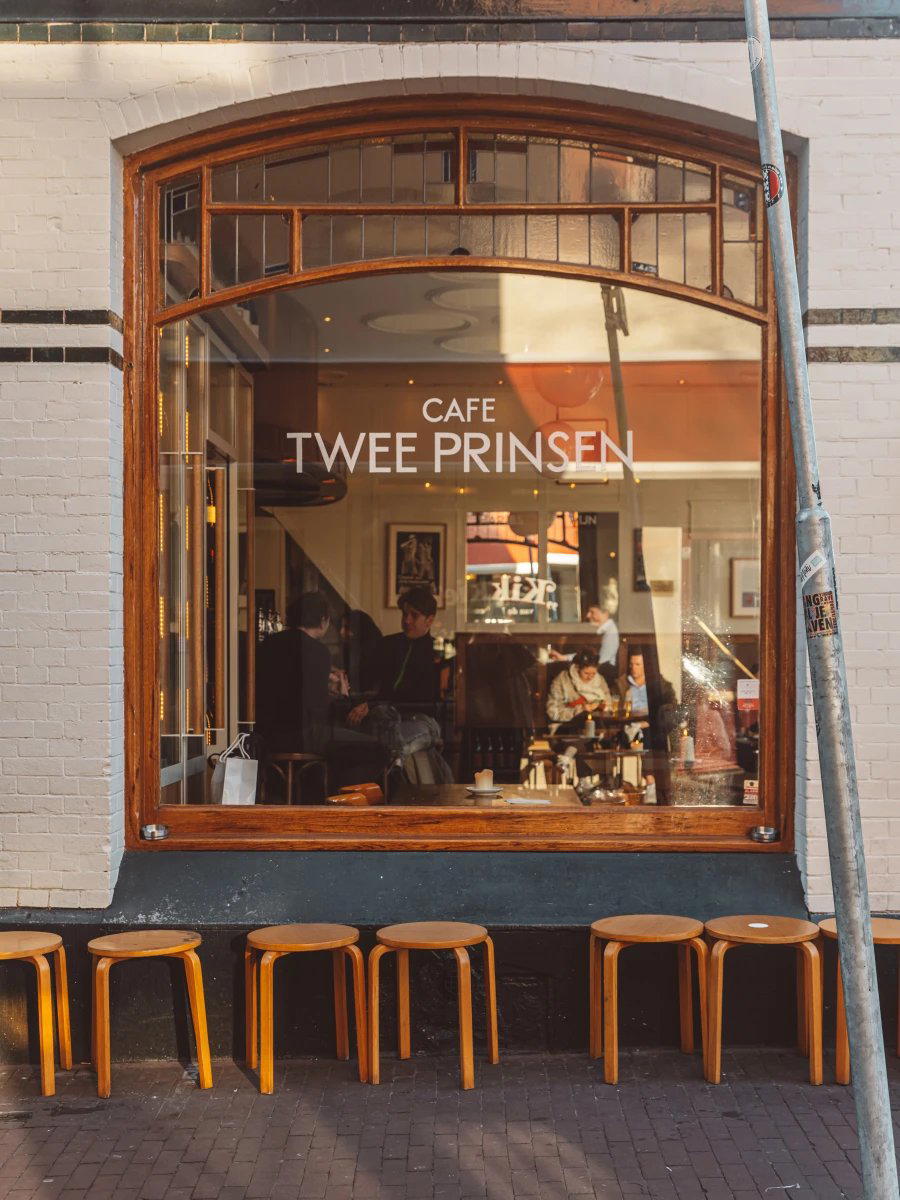
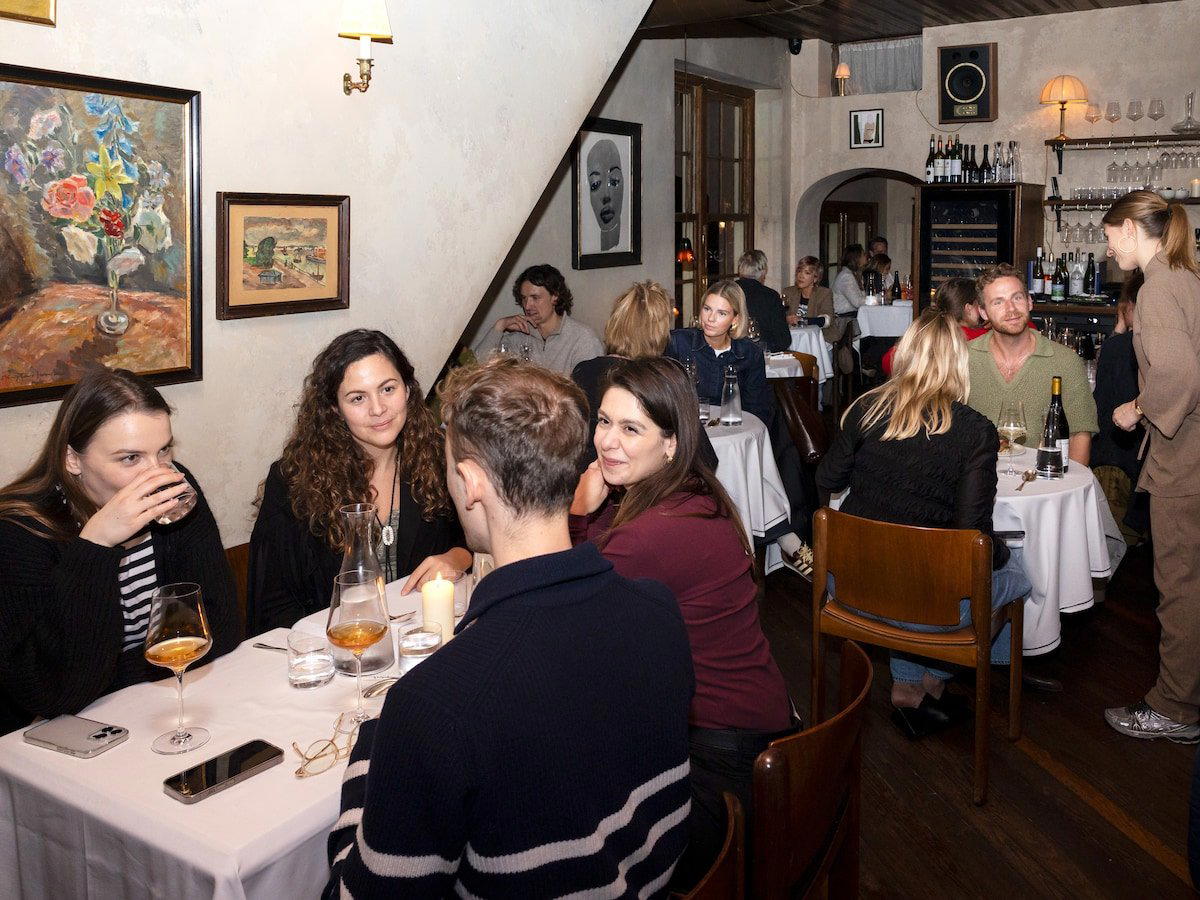
Hotels in Amsterdam
Browse all →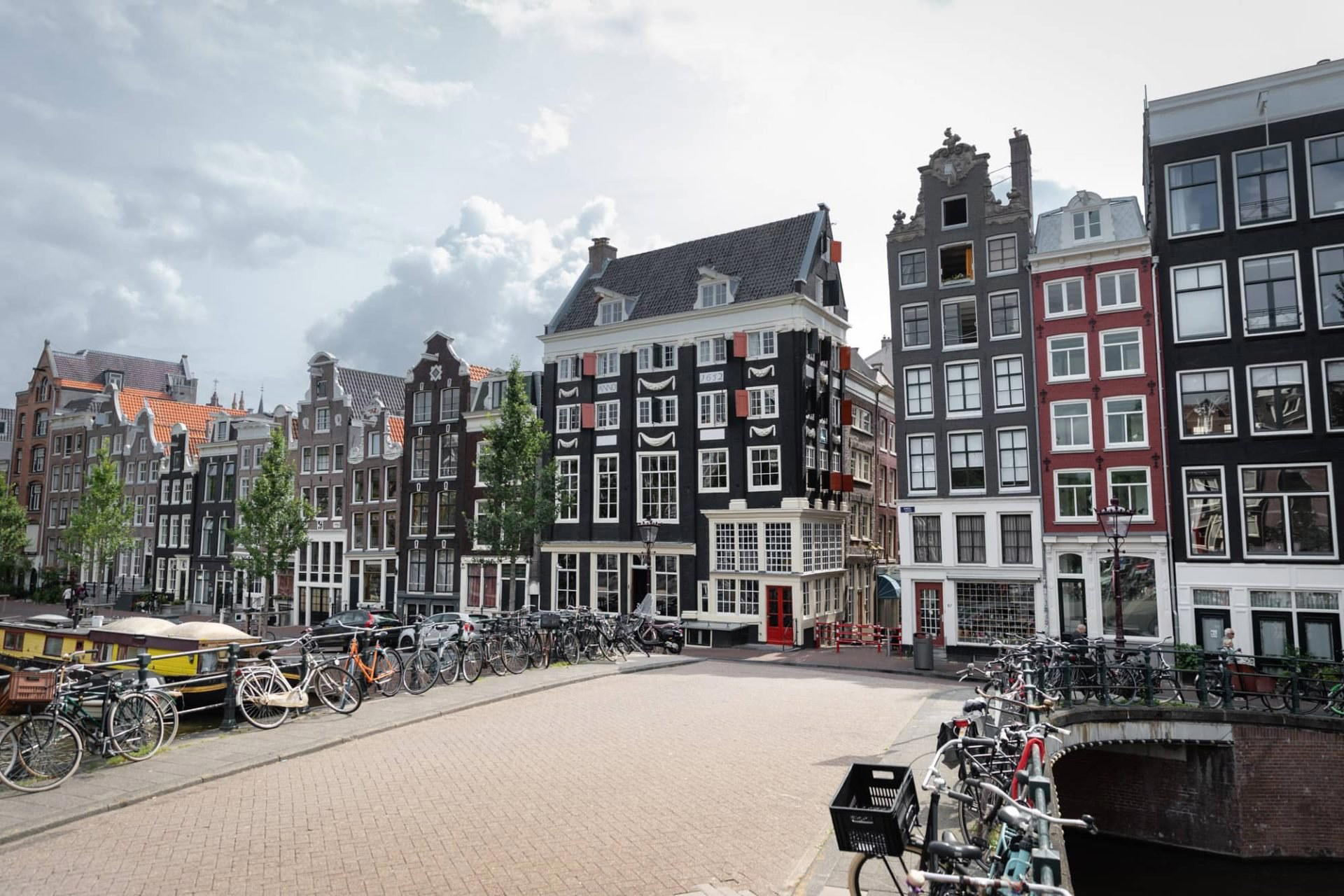

Wineries in Amsterdam
Browse all →
At a Glance
- Lively
- Sophisticated
- Intimate
- Industrial
- Elegant
- Date Night
- Special Occasion
- Celebration
- Open Kitchen
- Chefs Counter
- Private Dining
- Extensive Wine List
- Sommelier Led
- Local Sourcing
Current opening hours
- Monday
- Closed
- Tuesday
- 6 PM–12 AM
- Wednesday
- 6 PM–12 AM
- Thursday
- 6 PM–12 AM
- Friday
- 6 PM–12 AM
- Saturday
- 6 PM–12 AM
- Sunday
- Closed
Hours can change for holidays and private events. Last verified .
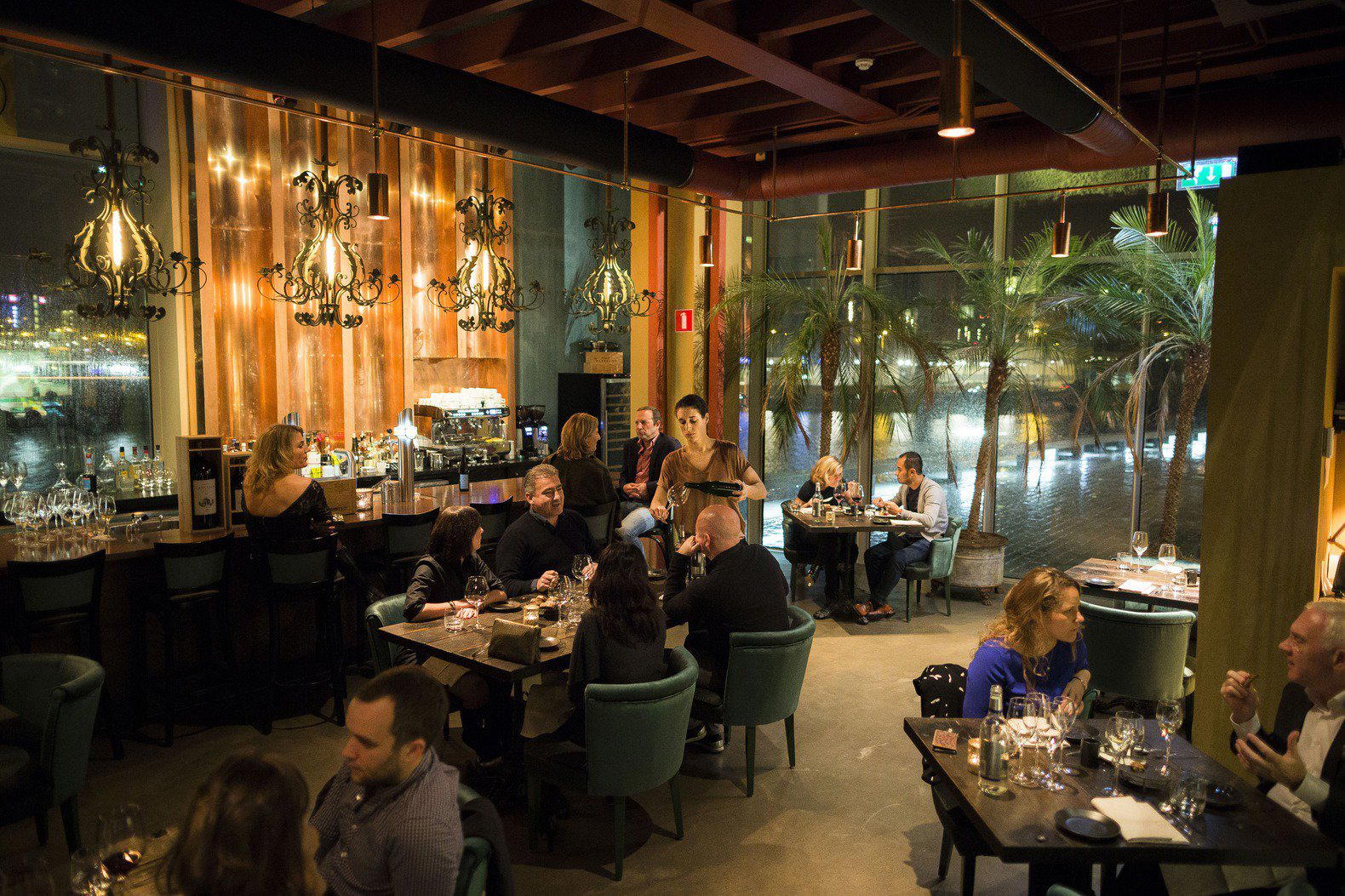
Industrial-chic with retro concrete décor, open kitchen visible from dining room, lively and buzzy atmosphere with cosy seating; notably loud due to hard surfaces and acoustics.