Google: 4.6 · 224 reviews
Julienne
.png)
Julienne holds a Michelin Plate for 2024 and 2025, placing it firmly in Herentals' serious dining tier. The kitchen works within the Belgian tradition, drawing on regional sourcing in a part of Antwerp province where provenance still shapes menus. A 4.6 Google rating across 216 reviews suggests a local following that extends well beyond occasion dining.
 Discover on Pearl
Pearl is the En Primeur Club membership app — saves, bookings, and concierge access live there. Same editors, same standards.
Arriving in Noorderwijk
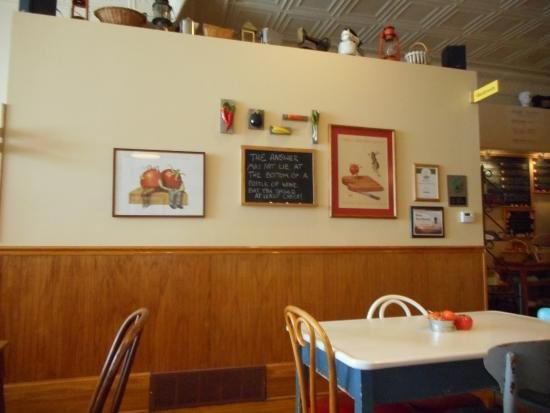
The Kempen region of Antwerp province is not where most food-focused travellers instinctively look. The motorway infrastructure around Herentals pulls traffic toward Antwerp city or Brussels, and the towns along the E313 corridor rarely appear in the shortlists that dominate Belgian dining coverage. That quiet is part of what defines the dining character here: kitchens in this stretch of Flanders operate closer to the agricultural rhythms of their immediate surroundings than to the attention cycles of national food media. Julienne, at Servaas Daemsstraat 25 in Noorderwijk, sits inside that context. The address is residential-scale, the kind of street where a restaurant earns its reputation through sustained neighbourhood trust rather than destination foot traffic.
Where Julienne Sits in the Belgian Dining Picture
Belgium's Michelin geography is more distributed than its neighbours'. Stars and recognition appear in market towns, coastal villages, and post-industrial suburbs as readily as in the major cities, and the Flemish interior has produced a string of serious kitchens that operate at a remove from Brussels or Ghent. Julienne carries a Michelin Plate for both 2024 and 2025 — a signal that the kitchen meets Michelin's threshold for good cooking, consistently applied. That distinction places it in a different register from the starred tier: venues like Castor in Beveren (two stars, €€€€) or Cuchara in Lommel (two stars, €€€€) occupy a higher formal bracket and price accordingly. Julienne's €€€ pricing positions it as a serious kitchen without the ceremony or cover-charge weight of the leading starred houses. For the region, that combination — Michelin-acknowledged, moderately priced , is the practical sweet spot for regular dining rather than once-a-year occasions.
Compared to the peak of Flemish cooking, represented by three-starred Boury in Roeselare or the two-starred De Jonkman in Sint-Kruis, Julienne operates in a more accessible register. That is not a criticism. The Belgian dining tradition has always had a strong middle tier , technically serious, rooted in product, without the performance architecture of a full tasting menu format. Julienne's Google score of 4.6 across 216 reviews supports the inference that the kitchen delivers consistently for a broad local audience, not just on the nights when reviewers are present.
The Sourcing Logic Behind Belgian Cuisine at This Level
Belgian cooking at the Michelin Plate tier tends to hold closer to product than to concept. The cuisine type listed is simply Belgian, which in the Flemish interior means a kitchen oriented around seasonal produce from the Kempen agricultural belt: root vegetables, game in autumn, freshwater fish from the canal and river systems, and the kind of meat sourcing that still follows local butchery relationships rather than consolidated supply chains. This part of Antwerp province retains a genuine agricultural identity, and kitchens that pay attention to it benefit from a provenance logic that more urban restaurants have to work harder to replicate.
The sourcing emphasis in Belgian regional cooking is not a recent trend. It predates the localism vocabulary that attached itself to fine dining globally after 2010. In Flanders, proximity to farms, seasonal hunting grounds, and specialist producers was simply how kitchens operated before it became a marketing position. At a €€€ price point, that sourcing discipline tends to express itself in a tighter menu , fewer covers, more focused selection , rather than in the broad tasting arc of starred venues. For a fuller picture of how Belgian ingredient logic plays out across different formats and price points, Belga Queen in Brussels offers a contrasting urban, higher-volume expression of the same national cuisine.
The Kempen Context and What It Means for the Table
Restaurants in the Kempen do not benefit from the ingredient theatre of the coast , the North Sea fish supply that drives kitchens like Bartholomeus in Heist or the marine-focused approach at Willem Hiele in Oudenburg. Inland Flemish cooking draws instead from a different pantry: the heathland game tradition, market garden vegetables, and the kind of braised and slow-cooked preparations that suit a cooler, landlocked climate. This matters when assessing what a kitchen like Julienne is actually doing. The benchmark is not coastal luxury product; it is the intelligent use of what the land around Herentals produces across the calendar year.
Autumn and winter are the natural seasons for this style of cooking. Game birds, wild boar, root vegetables, and preserved preparations from summer surpluses all converge in the colder months, and kitchens in this region typically show at their most coherent between October and February. Spring brings asparagus , the white variety from sandy Flemish soils is treated with near-religious seriousness in Belgian cooking , and the menu logic shifts accordingly. For comparative regional context elsewhere in Belgium, L'air du Temps in Liernu and d'Eugénie à Emilie in Baudour represent how Wallonian kitchens approach similar seasonal sourcing questions from a different cultural and agricultural base.
Planning Your Visit
Julienne is located at Servaas Daemsstraat 25 in Noorderwijk, a sub-municipality of Herentals in the Antwerp province. Herentals is accessible by rail on the Antwerp-Hasselt line, and the address is within practical distance of the town centre. The restaurant operates at €€€ pricing, which for Belgium typically implies a mid-range spend per head for a full meal with wine, sitting below the €€€€ bracket of the starred houses but above casual dining. No direct booking link or phone number is published in our current data; contacting the venue directly via local search is advisable. Given the Michelin Plate recognition and a Google score that points to a loyal local following, booking ahead for weekend evenings is the prudent approach.
For those building a wider visit around the area, our full Noorderwijk restaurants guide, hotels guide, bars guide, wineries guide, and experiences guide cover the surrounding area. For high-end comparison dining elsewhere in Belgium, Bozar in Brussels and Hof van Cleve in Kruishoutem represent the country's leading formal tier, while Zilte in Antwerp sits closest geographically for a starred urban alternative.
Comparison Snapshot
These are the closest comparables we have in our database for quick context.
| Venue | Cuisine | Price | Awards |
|---|---|---|---|
| JulienneThis venue — the venue you are viewing | Belgian | €€€ | Michelin Plate (2025); Michelin Plate (2024) |
| Boury | Modern Frlemish, Creative French | €€€€ | Michelin 3 Star |
| Comme chez Soi | French - Belgian, Classic Cuisine | €€€€ | Michelin 1 Star |
| Hertog Jan at Botanic | Modern Flemish, Creative | €€€€ | Michelin 2 Star |
| L'Eau Vive | French, Modern French | €€€€ | Michelin 2 Star |
| La Durée | French-Belgian, Creative | €€€€ | Michelin 2 Star |
Continue exploring
More in Noorderwijk
Restaurants in Noorderwijk
Browse all →
Bars in Noorderwijk
Browse all →
At a Glance
- Elegant
- Cozy
- Sophisticated
- Intimate
- Date Night
- Special Occasion
- Business Dinner
- Garden
- Extensive Wine List
- Garden
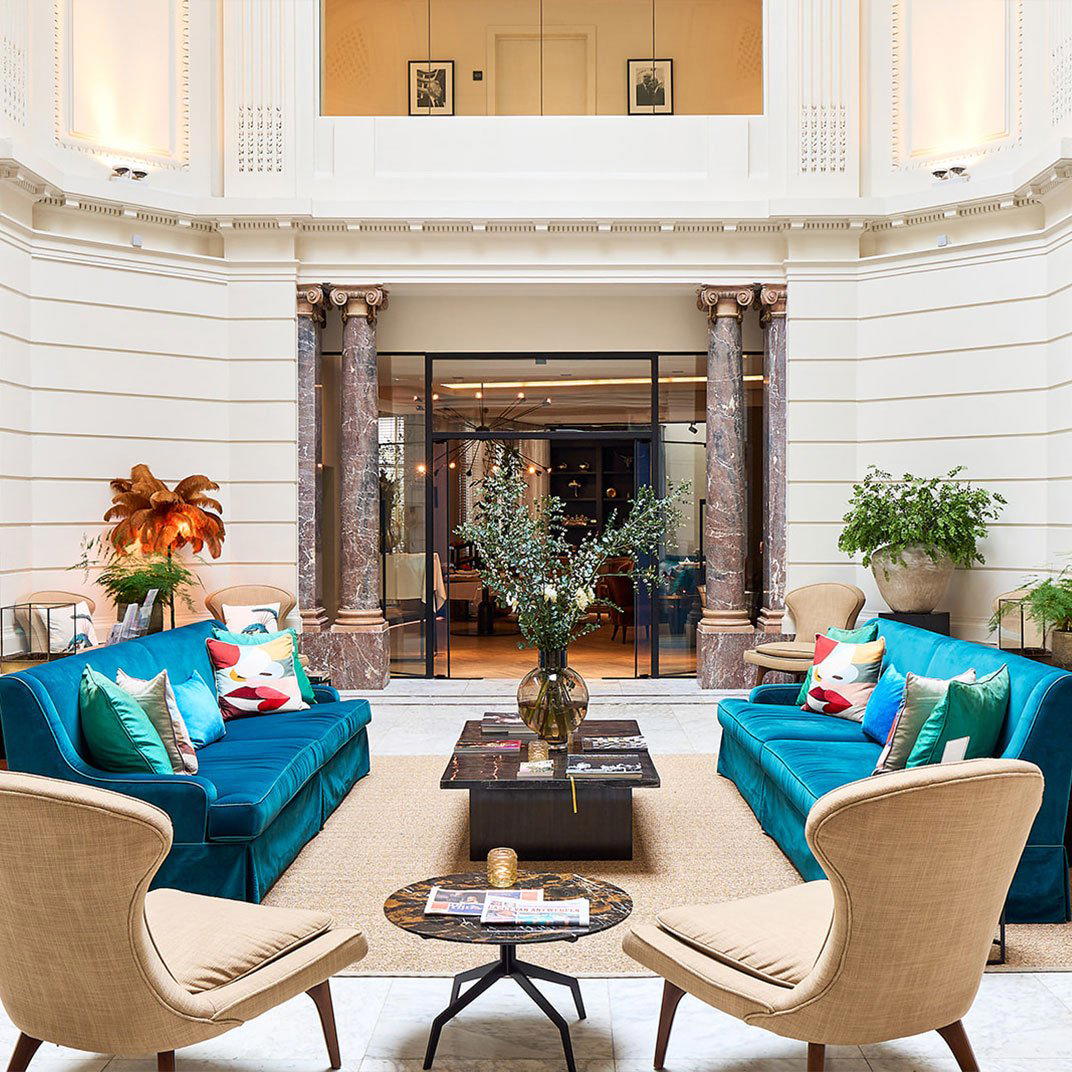
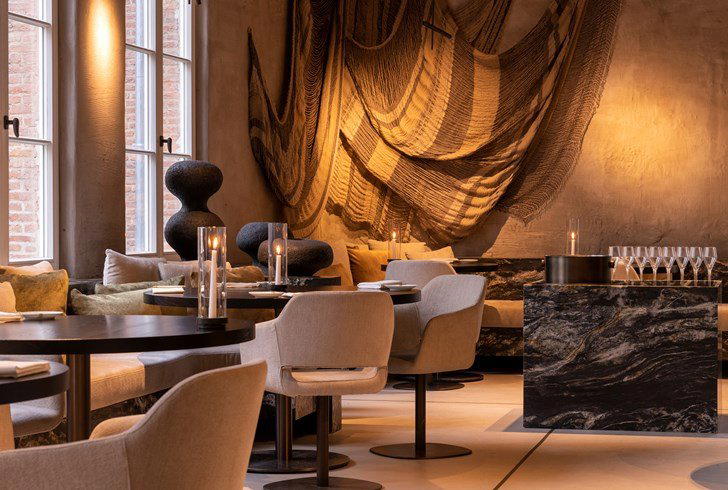
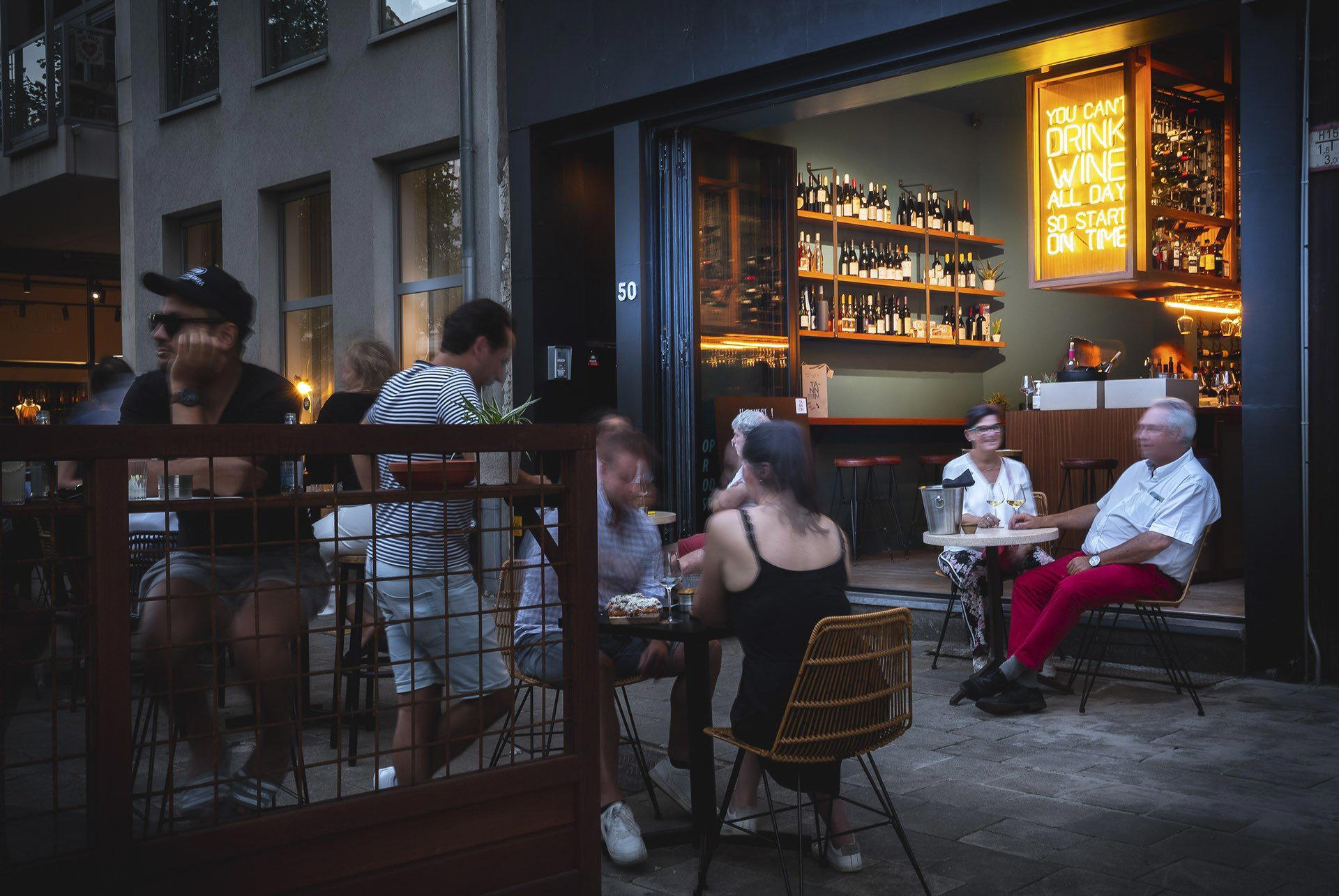
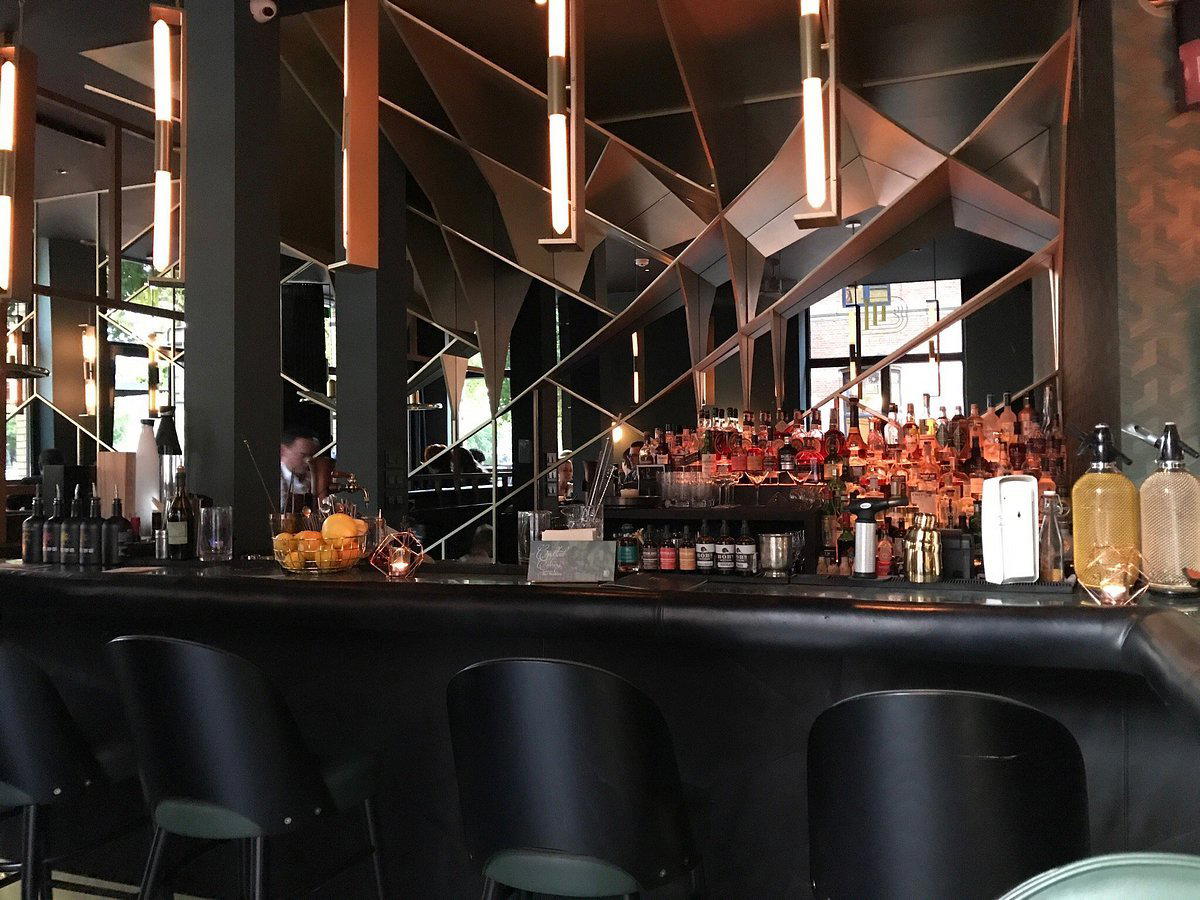
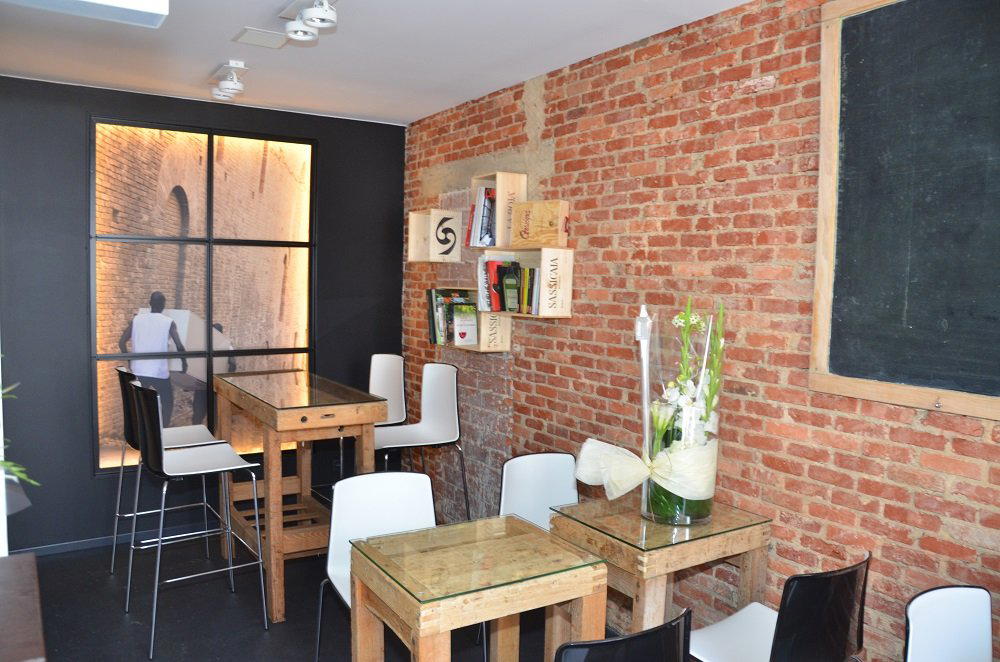
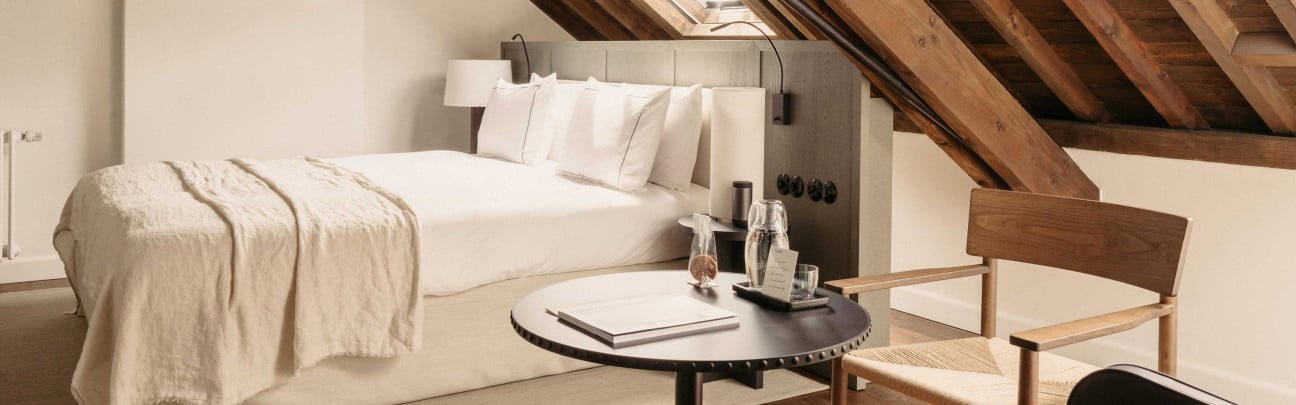
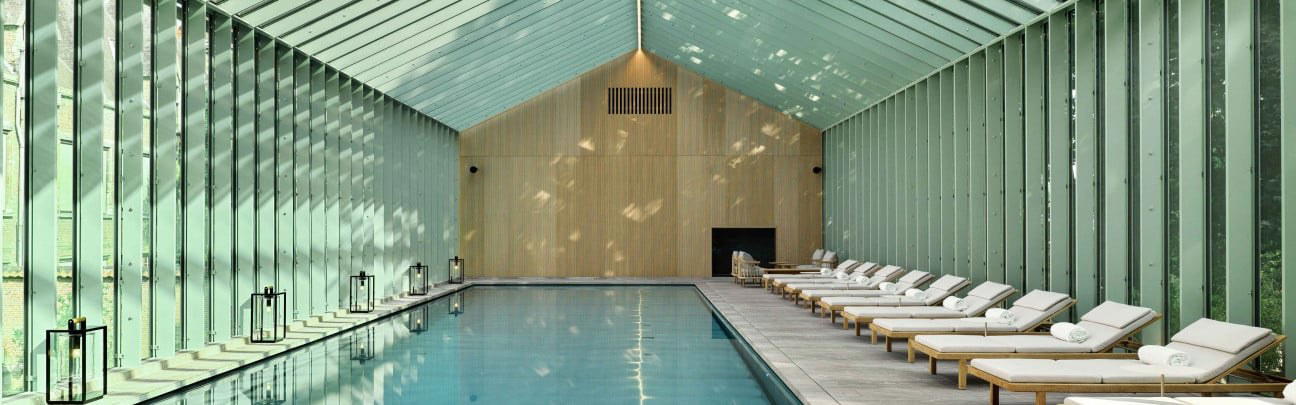
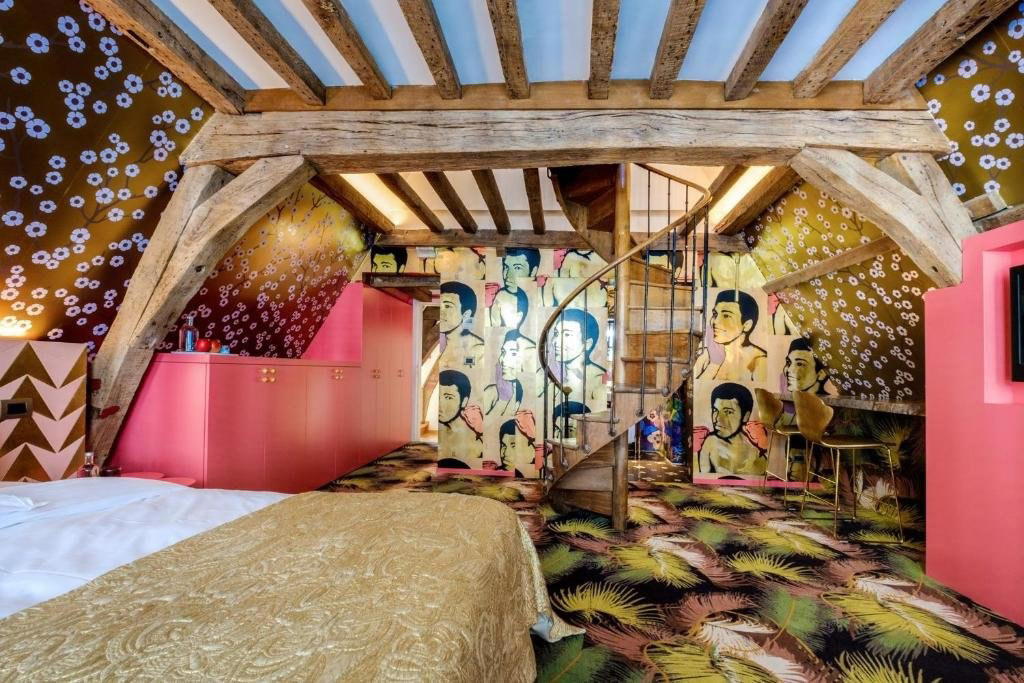
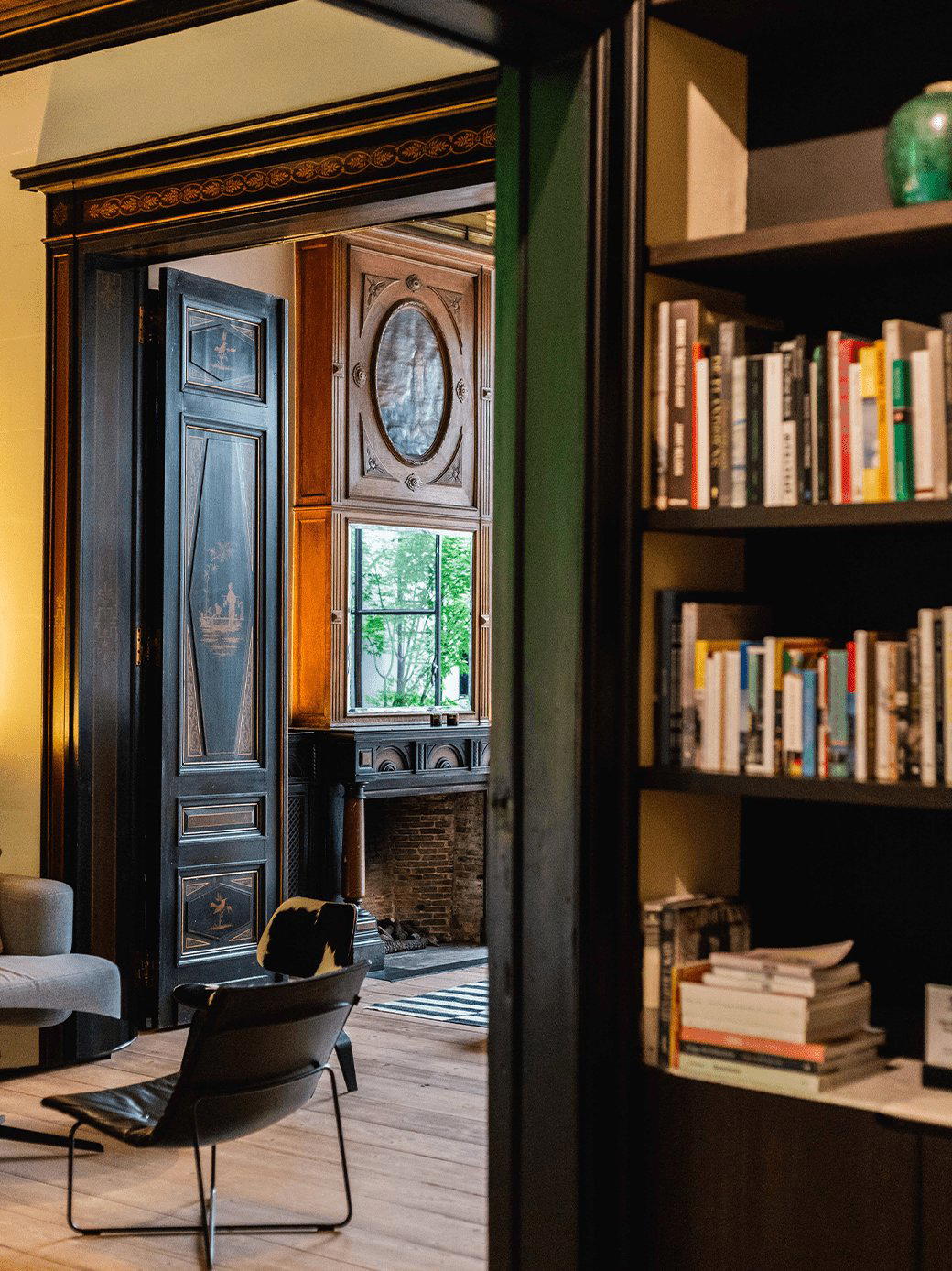
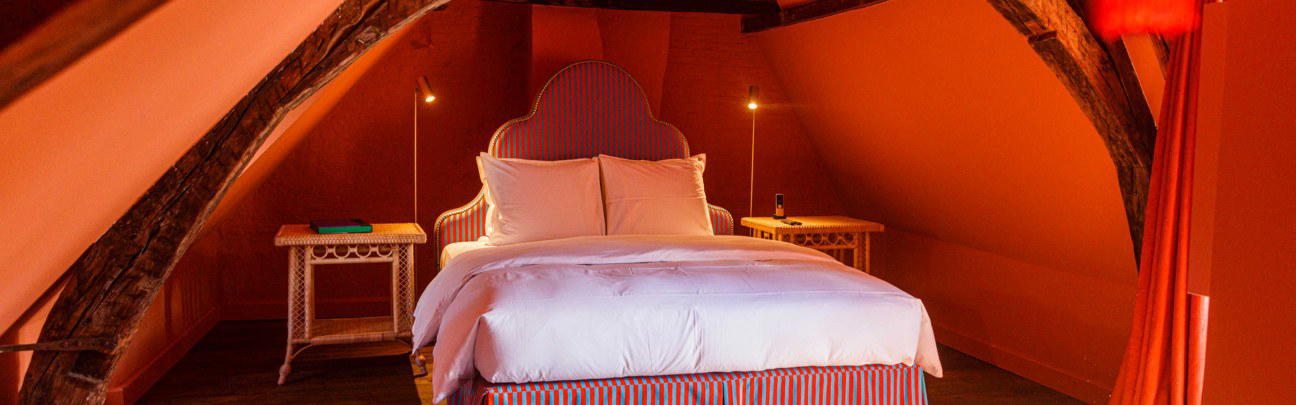
Bright and airy by day, cosy by night with marble interiors, candlelight, matte textures, and polished wood creating a quietly sophisticated and intimate atmosphere.