
Tabelog 100 #31
Our verdict
yacipoci places Osaka’s tachinomi culture in a compact Kitahama frame: stand-up bar energy, izakaya informality, and recognition from Tabelog 100 - Tachinomi - 2025. The appeal is less ceremony than timing and fit, a small-room drinking format suited to adults who understand that Osaka’s serious casual dining often rewards patience over polish.

Pearl is the En Primeur Club membership app, where members save venues, book tables and use the concierge.
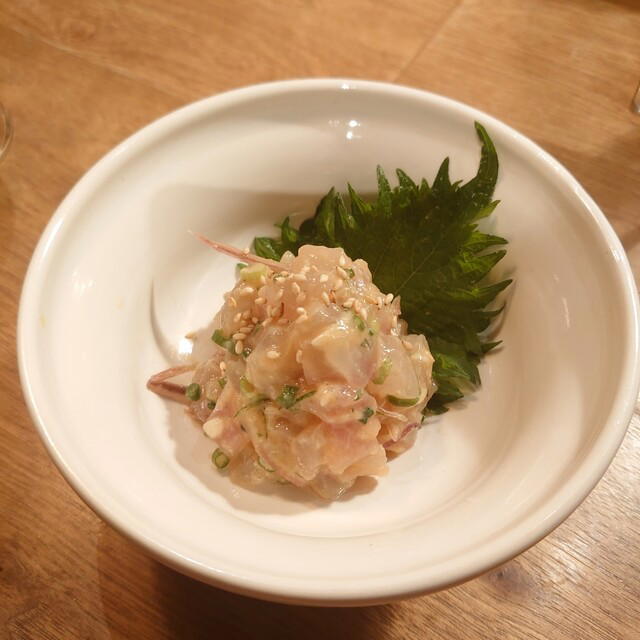
Osaka’s after-work drinking scene has a different register from the neon churn of its busiest entertainment corridors and the late-night sprawl around major stations. The rhythm can be sharper, more office-weighted, and the better small bars tend to work through compression: counters, quick pours, short decisions, and a room that tells guests quickly whether they belong in its tempo. yacipoci sits inside that Osaka tradition of tachinomi, where standing, drinking, and eating are not budget compromises but a format with its own discipline.
Osaka is unusually good at casual formats that carry serious local scrutiny. A city that can treat everyday eating, standing bars, and counter cooking with equal attention has little patience for inflated dining theatre. For a wider map of that range, Our full Osaka restaurants guide is the useful starting point; the drinking side is better understood alongside Our full Osaka bars guide, while stays and non-restaurant planning sit in Our full Osaka hotels guide, Our full Osaka experiences guide, and Our full Osaka wineries guide.
Osaka gives the standing-bar format a tighter, more adult rhythm
Tachinomi can look simple from the outside: stand, drink, order small plates, move on. In practice, the format depends on a social contract. The guest does not colonise space, the kitchen does not over-explain, and the room works because turnover, proximity, and restraint keep the energy moving. That is why a small Osaka standing bar can carry more local meaning than a larger izakaya with a longer menu. The point is not abundance; it is compression.
Recognition by Tabelog 100 - Tachinomi - 2025 places yacipoci within a category where Japanese diners judge consistency, value, and drinking utility rather than luxury signals. Its Tabelog score of 3.54 also matters in context: on that platform, especially in everyday formats, ratings tend to move conservatively. A standing bar does not need white tablecloth credentials to be taken seriously in Osaka; it needs repeat usefulness, a clear format, and enough identity to survive comparison with the city’s dense casual field.
The comparison set shows how broad that field is. Ebishi, Taniguchi Curry, Columbia8 Kitahama honten, and Rasa Bojun all point to different kinds of casual Osaka appeal. Those are not direct substitutes for a tachinomi night, but they explain Osaka’s appeal: the city can support quick, focused eating without making every meal a project. yacipoci belongs to that practical Osaka grammar.
The appeal is format discipline, not restaurant theatre
Standing bars reward a different kind of traveller intelligence. The question is not whether the room delivers a long, pampered evening; it is whether the format fits the night. In Osaka, tachinomi is often strongest as a first stop, a post-work reset, or a compact social drink before a later plan. That makes the category useful for visitors who already have a reservation elsewhere, or for those who prefer to read a city through its lower-friction rituals rather than through tasting-menu schedules.
yacipoci is listed as a stand-up bar and izakaya, a pairing that matters. The izakaya side implies food has a role beyond bar snacks, while the standing-bar side keeps the encounter informal and space-conscious. This is not the setting for lingering over a long, private dinner. It is better understood as an Osaka drinking room with food in support, the kind of place where the format shapes behaviour before the menu does.
That distinction separates tachinomi from many casual restaurants that happen to be inexpensive. At some daytime counters and takeaway-leaning shops, the transaction is built around routine and speed. At other familiar Osaka comfort-food stops, the appeal may be local ease. In casual international or specialist rooms, imported forms are often filtered through local demand for precision and value. A tachinomi bar sits elsewhere: closer to drinking culture, faster in social cadence, and less forgiving of guests who expect a restaurant to slow down around them.
How to place it within an Osaka eating day
The smart use case is narrow and strong. Build the day around contrast: a light daytime stop, a casual Osaka staple, then a compact standing-bar session in Osaka before the evening either widens or ends early. Visitors who try to make every Osaka meal large miss the city’s gift for calibrated grazing. The better pattern is modular: one focused drink, one small-format meal, one neighbourhood walk, then another decision.
For travellers comparing Japan-wide casual formats, yacipoci also sits in a useful line of reference. The country’s lower-cost dining culture is not monolithic: some places read through specialisation, others through smaller-scale regional dining vocabularies, and still others through Japan’s appetite for focused cooking. Even outside Japan, Japanese drinking and snack formats are often translated with more explanation than the original setting would provide.
That is the editorial reason to care about yacipoci: it is not a grand Osaka dining statement, and it does not need to be. It is a compact example of how the city treats casual drinking with standards. For travellers building a Kansai trip around temples, hotels, and headline dinners, the standing-bar stop supplies a different read on Osaka: quick, social, adult, and governed by the practical intelligence of a room that works because nobody asks it to become something else.
For broader itinerary stitching beyond Osaka, the same logic applies across Japan’s compact dining formats, whether the plan moves toward specialist counters, casual taverns, or tightly focused everyday rooms. The lesson is consistent: category matters. A standing bar should be judged as a standing bar, not as a miniature restaurant failing to provide ceremony.
Frequently asked questions
Would yacipoci be comfortable with kids?
yacipoci is set up as a stand-up bar and izakaya in Osaka. The format and Tabelog 100 Tachinomi selection point more toward adults than a family meal with children.
What kind of setting is yacipoci?
It is a stand-up bar and izakaya in Osaka. Expect a compact, informal drinking format and a listed price range of JPY 2,000–JPY 2,999.
What does dinner at yacipoci typically cost?
Pricing at yacipoci is listed as JPY 2,000 - JPY 2,999 JPY 2,000 - JPY 2,999 View spending breakdown.
What is yacipoci known for?
yacipoci is primarily known as a stand-up bar and izakaya in Osaka, with Tabelog 100 - Tachinomi - 2025 recognition and a Tabelog score of 3.54.
Style and Standing
Comparable venues by price and recognition.
| Venue | Cuisine | Price | Awards | Notes |
|---|---|---|---|---|
| yacipociThis venue (the venue you are viewing) | Modern Japanese standing bar (izakaya-style) | $20–30 | Tabelog 100 #31 | Not listed |
| Chitose (千とせ) | Osaka-style Okonomiyaki | $10–20 | Not listed | Minami Horie |
| Yakiniku Dote | Japanese Yakiniku | Not listed | Tabelog 100 #63 | Kita |
| Okonomiyaki Chigusa | Traditional Osaka Okonomiyaki & Teppan Grill | $20–30 | Tabelog 100 #71 | Kita |
| Anello Stand | Casual Standing Bar with Western-Inspired Small Plates | $20–30 | Tabelog 100 #27 | Kita |
| KOBEキッチン MUGUNI | Omurice-focused Yoshoku (Japanese Western-style) | $20–30 | Tabelog 100 #14 | Amerikamura |
Recognition history
Dated appearances from independent guides and award organizations, with the underlying list record or original source where available.
Tabelog 100 #31 · No. 31
Tabelog · Tabelog 100 - Tachinomi - 2025
Continue exploring
More in Osaka
Restaurants in Osaka
All restaurants in Osaka →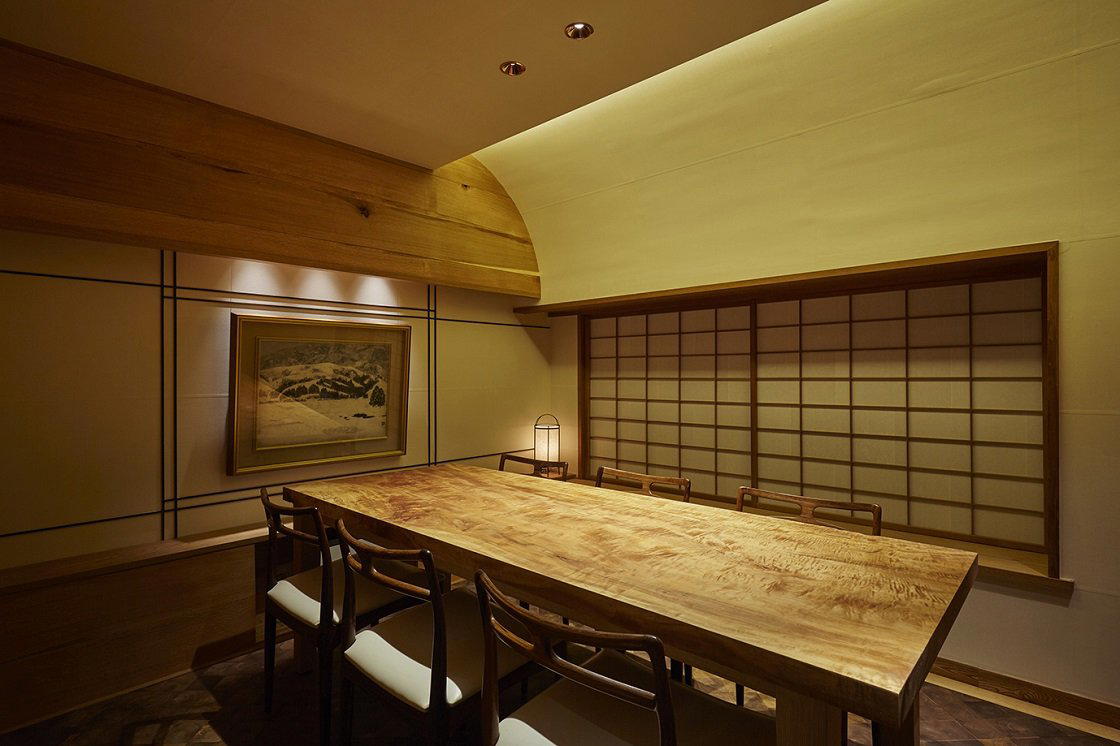




Bars in Osaka
All bars in Osaka →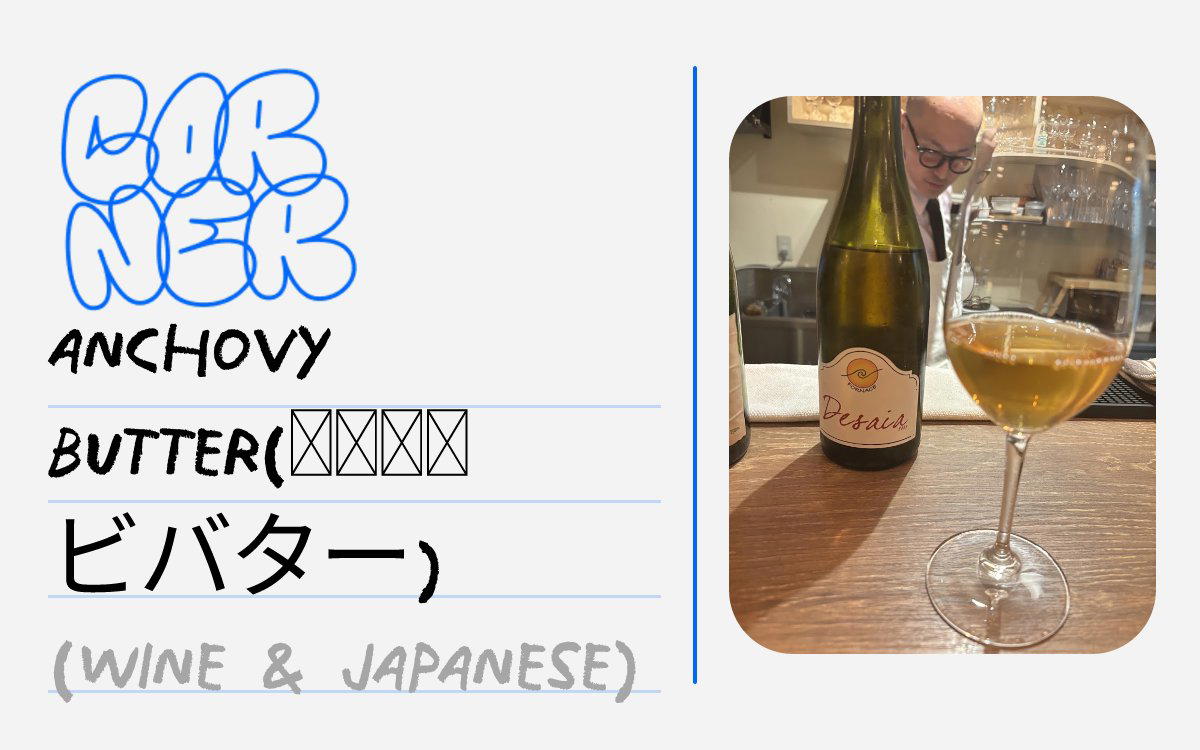

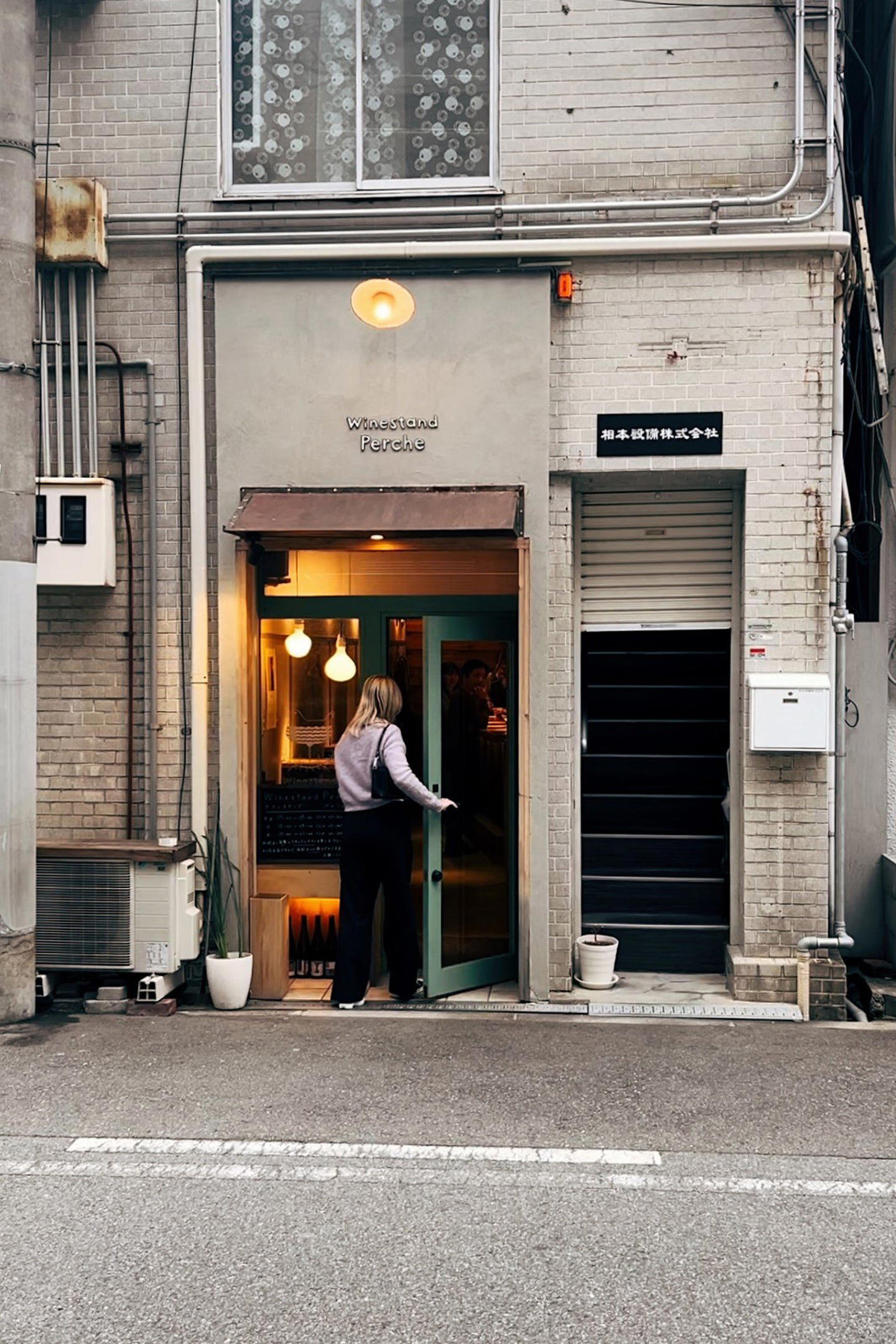


Hotels in Osaka
All hotels in Osaka →


Wineries in Osaka
Browse all →
Details
- Trendy
- Cozy
- Lively
- Intimate
- Modern
- After Work
- Casual Hangout
- Solo
- Date Night
- Late Night
- Standalone
- Design Destination
- Beer Program
- Sake Program
- Craft Cocktails
- Street Scene
- Small Plates
- Counter Dining
- A La Carte
- Beer
- Sake
- Cocktails