J-Prime Steakhouse
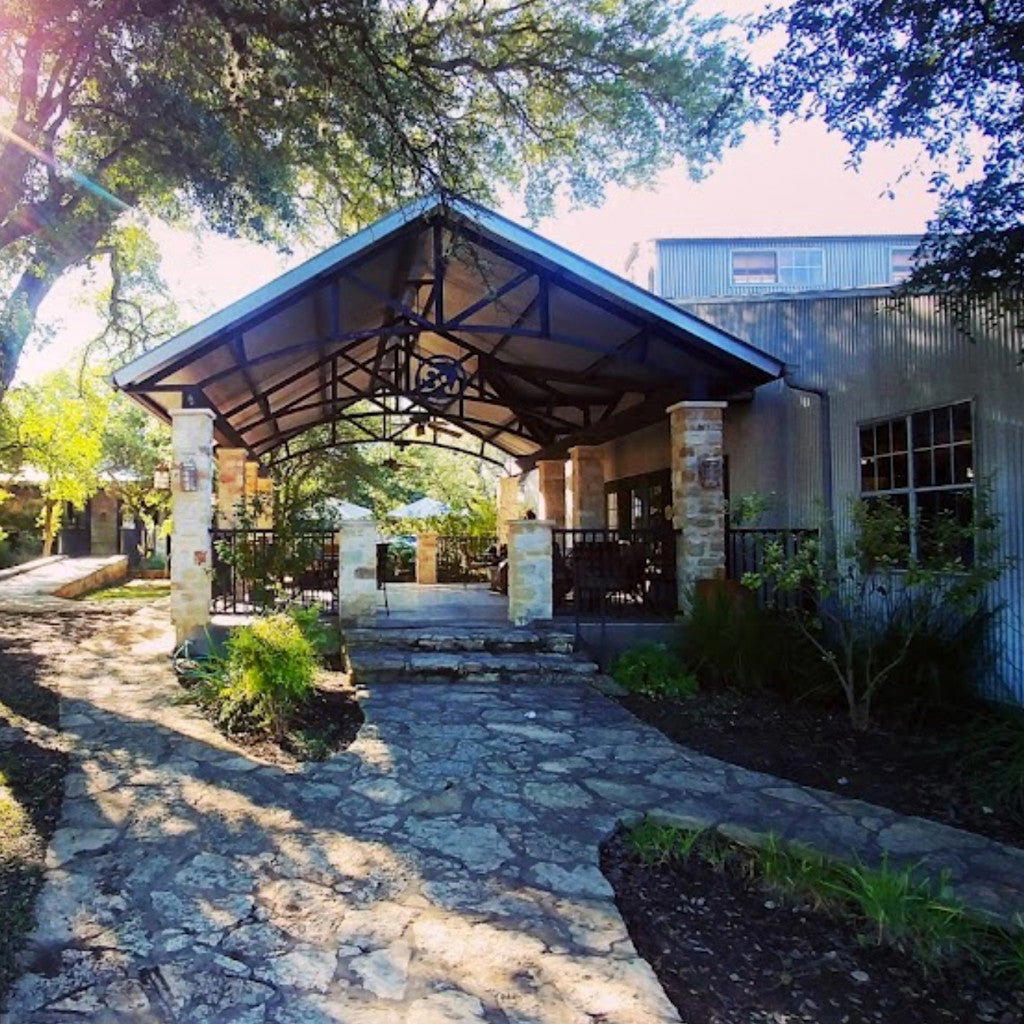
J-Prime Steakhouse runs a modern steakhouse format with formal, quiet, leisurely dinner service, plus private dining and a business-casual setting.
Pearl is the En Primeur Club membership app — saves, bookings, and concierge access live there. Same editors, same standards.
- Address
- Corner of, 301 Brazos St ste 150, San Jacinto Blvd and 3rd, Austin, TX 78701
- Phone
- +17373093301
- Website
- jprimesteakhouse.com
- Directions
- Get directions
 Saves & bookings on Pearl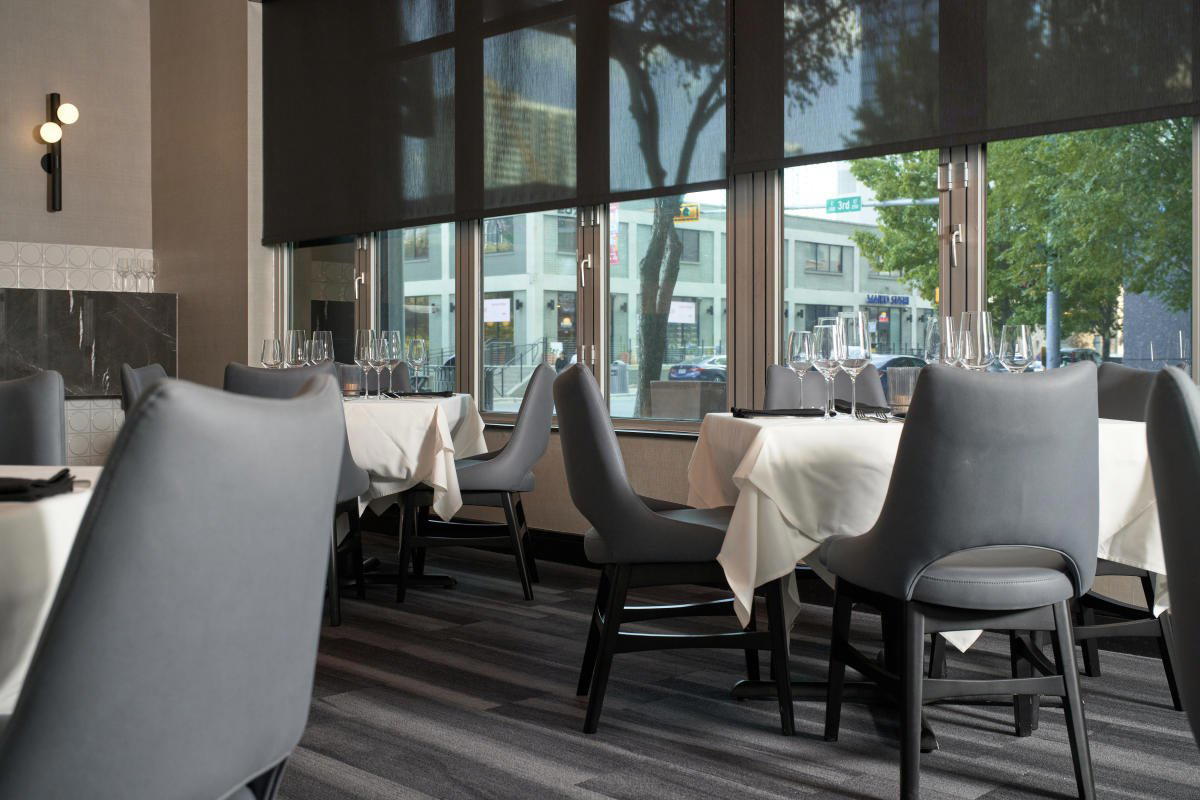
When the Occasion Calls for Beef
Downtown Austin's dining grid has grown considerably more sophisticated in the past decade, moving well beyond its barbecue-and-Tex-Mex origins into a broader range of formats, price points, and culinary traditions. Within that expansion, the American steakhouse occupies a particular role: it remains the default setting for milestone meals, deal-closing dinners, and anniversary nights when the question is not what kind of cuisine but how seriously the kitchen takes its protein. J-Prime Steakhouse, at the corner of Brazos Street and San Jacinto Boulevard in the heart of downtown, positions itself squarely inside that occasion-dining tier.
The address matters more than it might seem. The 300 block of Brazos puts the restaurant within easy reach of the Convention Center, the Sixth Street corridor, and the central business district hotels, which means its clientele skews toward people marking something: a promotion, a client win, a birthday that ends in a zero. That gravitational pull toward celebration shapes what a steakhouse at this location has to deliver, and what a diner should expect when they walk in.
The Steakhouse Format in a City That Takes Meat Seriously
Austin's relationship with beef runs deep, though the dominant tradition here has always been smoked rather than seared. Pitmasters and the culture they represent draw long lines and national press coverage, with spots like la Barbecue and InterStellar BBQ representing a category with genuine craft and devoted following. The high-end steakhouse operates in a different register entirely: tablecloths instead of butcher paper, wine lists instead of craft beer coolers, a la carte sides charged separately, and the implicit understanding that you are paying for a certain kind of formality as much as for the cut itself.
That formality is not incidental. For the specific purpose of a celebratory dinner where the room needs to feel appropriate to the occasion, the American steakhouse format delivers things that casual or counter-service formats cannot: private booths or semi-private sections, pacing that allows for speeches and toasts, staff trained to read a table rather than turn it. These are structural features of the genre, not luxuries particular to any single address.
Within Austin's broader fine-dining tier, the steakhouse sits alongside but distinct from New American and farm-driven formats. Hestia brings live-fire cooking to a similar price bracket with a very different sensory register, while Barley Swine operates in a contemporary tasting-menu idiom that prioritizes chef expression over tableside tradition. The steakhouse, by contrast, promises legibility: you know before you sit down approximately what the meal will look and feel like, which is precisely why it remains the genre of choice for occasions where the dinner is the event rather than a discovery exercise.
Occasion Dining Across American Cities
For context on where ambitious steakhouse dining sits within the national picture, it helps to compare across markets. New York, Chicago, and Los Angeles all carry flagship steakhouse addresses that have functioned for decades as the setting for exactly this kind of milestone meal. The format has remained remarkably stable even as tasting-menu culture, chef-driven casual, and omakase formats have taken significant market share. At the highest end of the American fine-dining tier, restaurants like Alinea in Chicago or Le Bernardin in New York City represent a different category entirely, one defined by technique and chef identity rather than the primacy of the cut. But for the specific transaction of a birthday or anniversary dinner where the guest of honour wants a proper steak in a proper room, the classical steakhouse format has no direct substitute.
Austin's version of that format reflects the city's particular moment of growth. As the population has expanded rapidly and its business culture has deepened, demand for corporate-grade occasion dining has risen in parallel. J-Prime occupies a downtown position that serves that demand directly.
What to Order and How to Plan
What the genre reliably offers at this tier: dry-aged prime cuts, a selection of steaks ordered by weight and grade, classic sides charged separately, and a wine list weighted toward Napa Cabernet Sauvignon and Argentine Malbec. For a celebratory dinner, the pattern of ordering a shared appetiser, individual cuts, two or three sides for the table, and a bottle from the mid-tier of the wine list is the most common approach and the one that gives the kitchen room to perform.
Planning logistics for downtown Austin's upper tier requires more lead time than casual diners typically expect. Tables at well-regarded addresses in this district often fill two to three weeks out for weekend evenings, and further during major city events such as South by Southwest or Formula 1 race week, when hotel traffic spikes and restaurant availability compresses sharply. If the occasion is fixed and the date matters, booking well ahead is the practical approach rather than an optional precaution.
For those arriving by car, downtown Austin parking can be a genuine constraint on weekday evenings when office parking structures have already closed. The Brazos Street location is accessible from several public parking garages within a few blocks, or by rideshare from any of the central hotels. Valet availability should be confirmed directly with the restaurant before arrival.
Austin's full occasion-dining picture extends well beyond the steakhouse tier. Craft Omakase offers a counter-format alternative for celebration dinners where exclusivity and sequence matter more than formality. For a broader survey of where Austin's dining sits in 2024, our full Austin restaurants guide maps the city across categories and price points.
For reference, the national occasion-dining tier includes a range of formats worth comparing depending on travel plans: The French Laundry in Napa, Single Thread Farm in Healdsburg, Providence in Los Angeles, Blue Hill at Stone Barns in Tarrytown, Addison in San Diego, The Inn at Little Washington, Lazy Bear in San Francisco, Emeril’s in New Orleans, Atomix in New York City, and 8 1/2 Otto e Mezzo Bombana in Hong Kong, each representing the occasion-dining standard in their respective markets.
How J-Prime Steakhouse Austin: Hours and Dress Code compares with similar nearby venues.
| Venue | Cuisine |
|---|---|
| Austin Sports Club | Sports dining |
Continue exploring
More in Austin
Restaurants in Austin
Browse all →
Bars in Austin
Browse all →
Hotels in Austin
Browse all →
At a Glance
- Modern
- Elegant
- Sophisticated
- Date Night
- Business Dinner
- Special Occasion
- Private Dining
- Craft Cocktails
- Extensive Wine List
Current opening hours
- Monday
- 4–10 PM
- Tuesday
- 4–10:30 PM
- Wednesday
- 4–10:30 PM
- Thursday
- 4–10:30 PM
- Friday
- 4–10:30 PM
- Saturday
- 4–10:30 PM
- Sunday
- 4–9 PM
Hours can change for holidays and private events. Last verified .
Sophisticated modern steakhouse with quiet, well-designed interior and distinctive flair.
Know Before You Go
- Getting there
- Corner of, 301 Brazos St ste 150, San Jacinto Blvd and 3rd, Austin, TX 78701